Districts
Sri Lanka is divided into 25 districts, each governed by a District Secretary and further subdivided into Divisional Secretariats and Grama Niladhari Divisions. These districts are organized into nine provinces, reflecting the island’s rich cultural and geographical diversity.
Districts
Sri Lanka is divided into 25 districts, each governed by a District Secretary and further subdivided into Divisional Secretariats and Grama Niladhari Divisions. These districts are organized into nine provinces, reflecting the island’s rich cultural and geographical diversity.
Districts
Sri Lanka is divided into 25 districts, each governed by a District Secretary and further subdivided into Divisional Secretariats and Grama Niladhari Divisions. These districts are organized into nine provinces, reflecting the island’s rich cultural and geographical diversity.
Districts
Sri Lanka is divided into 25 districts, each governed by a District Secretary and further subdivided into Divisional Secretariats and Grama Niladhari Divisions. These districts are organized into nine provinces, reflecting the island’s rich cultural and geographical diversity.
Districts
Sri Lanka is divided into 25 districts, each governed by a District Secretary and further subdivided into Divisional Secretariats and Grama Niladhari Divisions. These districts are organized into nine provinces, reflecting the island’s rich cultural and geographical diversity.
district de Galle
Galle est un district de la Province du Sud au Sri Lanka. C'est l'un des 25 districts de Sri Lanka, la division administrative de deuxième niveau du pays. Le district est administré par un secrétariat de district dirigé par un secrétaire de district (anciennement connu sous le nom d'agent gouvernemental) nommé par le gouvernement central du Sri Lanka.
Sa superficie est de 1 652 km² (638 miles carrés) : 35 km² (14 miles carrés) sont de l'eau et 1 617 km² (624 miles carrés) sont de la terre. Le district de Galle est délimité au nord par la rivière Benthara, au sud et à l'ouest par l'océan Indien et à l'est par les districts de Matara et Ratnapura. La topographie du district de Galle est très variée. Le climat de Hiniduma Patthuwa est très similaire à celui des collines centrales du Sri Lanka. Cette région est constituée de forêts tropicales, qui sont des zones de captation d'eau pour la plupart des rivières et lacs qui traversent le district de Galle. La réserve forestière de Sinharaja en fait partie. Le district de Galle se trouve dans une zone climatique tempérée.
Les précipitations annuelles varient entre 2000 et 2500 mm. La rivière Gin ("Gin Ganga") prend sa source à Gongala Hill dans la région de Hiniduma Patthuwa et, au cours de son long trajet de 113 km (70 miles), elle traverse les zones de Neluwa, Thawalama, Nagoda Baddegama et Thelikada. La rivière nourrit une surface de 922 km² (356 miles carrés). Elle se jette dans l'océan Indien dans la région de Ginthota du district de Galle. La rivière Madu Ganga prend sa source à Polathu Kanda et se jette dans la mer à partir de Balapitiya et aide à maintenir l'équilibre écologique du district de Galle.
Dans l'ancien Sri Lanka, le district de Galle a occupé une place importante dans les batailles contre les ennemis en tant que capitale de la Province du Sud. Les légendes anciennes révèlent qu'en 1072 de notre ère, le roi Vijayabahu I a commencé sa bataille contre les "Soli" à Thambalagamuwa dans la région de Hiniduma Patthuwa. Selon les légendes, sous le règne du roi Dambhadeniya Parakramabahu, il a mené sa bataille contre la reine Sugala dans le district de Galle. Galle était une région très importante sous le règne du roi Maha Parakramabahu et a beaucoup aidé les Néerlandais, les Portugais et les Anglais à établir leurs royaumes.
Galle était appelée "Gimhathitha". La prononciation cingalaise "Gaala" provient du mot "gala" (pierre). Gala signifie un lieu de rencontre pour les chariots à bœufs. Plus tard, cela a été prononcé comme "Gaala" en raison des grandes roches et collines dans la région.
Un certain nombre d'individus du district de Galle ont apporté des contributions significatives à la littérature cingalaise. Thotagamuwa Vijayaba pirivena, un institut éducatif célèbre à l'époque de Kotte, a produit un grand nombre de chercheurs notables. Hikkaduwe Sri Sumangala Thera, Migettuwatte Gunananda Thera, Martin Wickramasinghe, Nandadasa Kodagoda, Edwin Ariyadasa, M. B. Ariyapala, Gunadasa Amarasekera, D. J. Wimalasurendra, Senarath Paranavithana, A. T. Ariyaratne et Ariyapala Gurunnanse sont quelques-uns des résidents notables de Galle.
Le Festival Littéraire de Galle attire 3 000 personnes à Galle chaque année en janvier, attirant des écrivains de tout le sous-continent indien.
Districts of Sri Lanka
-
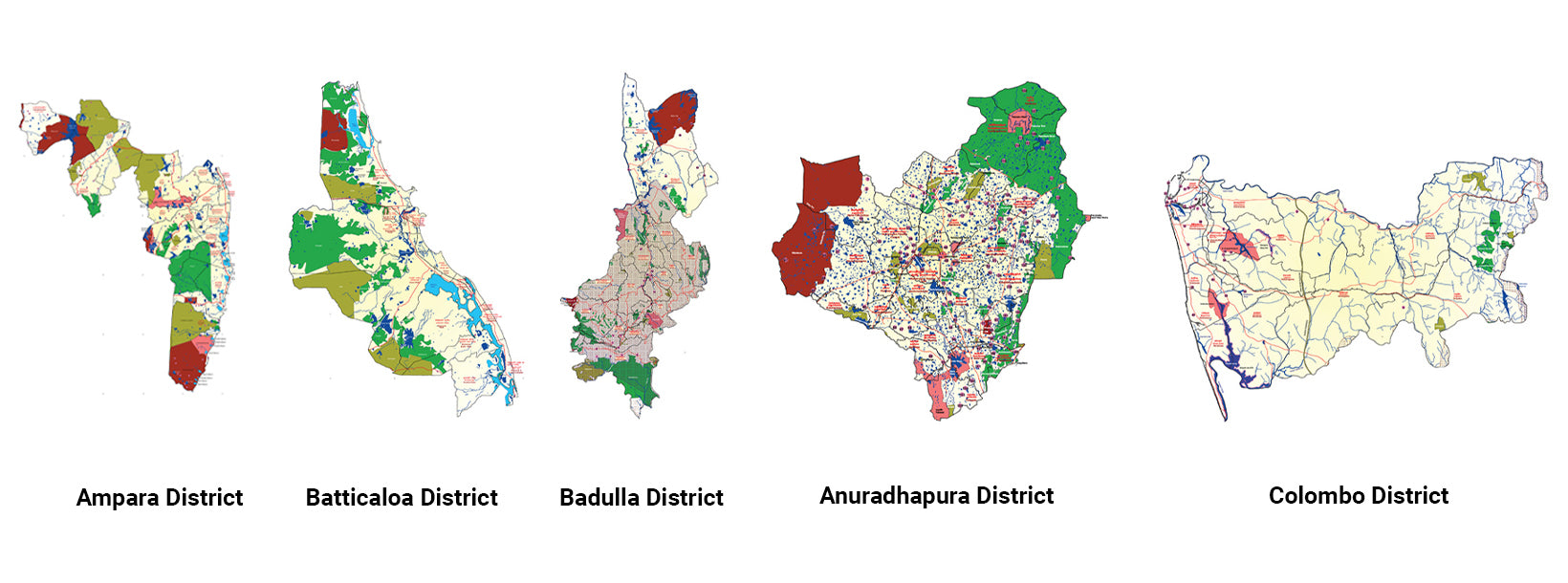
Ampara DistrictA district rich in agriculture, Ampara offers pristine beaches, historical Buddhist sites, and a diverse cultural landscape.
-
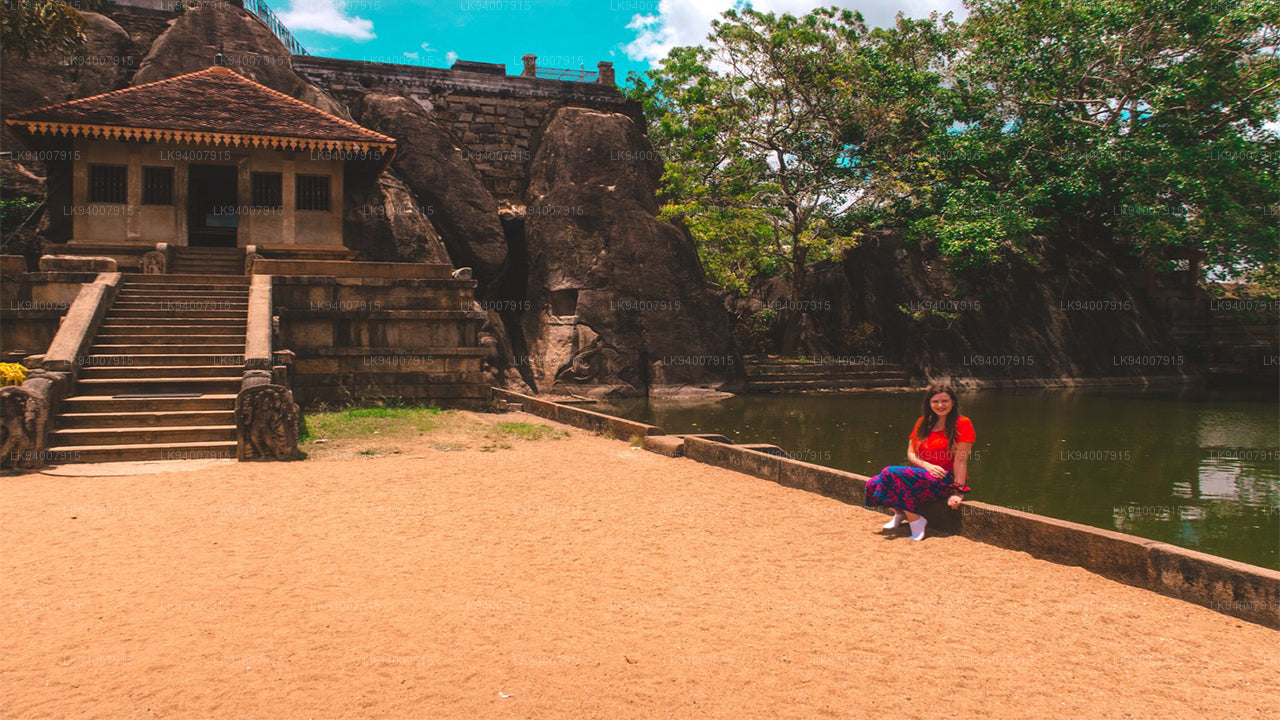
Anuradhapura DistrictOne of the ancient capitals, Anuradhapura is a UNESCO World Heritage Site, rich with historic Buddhist monuments and temples.
-
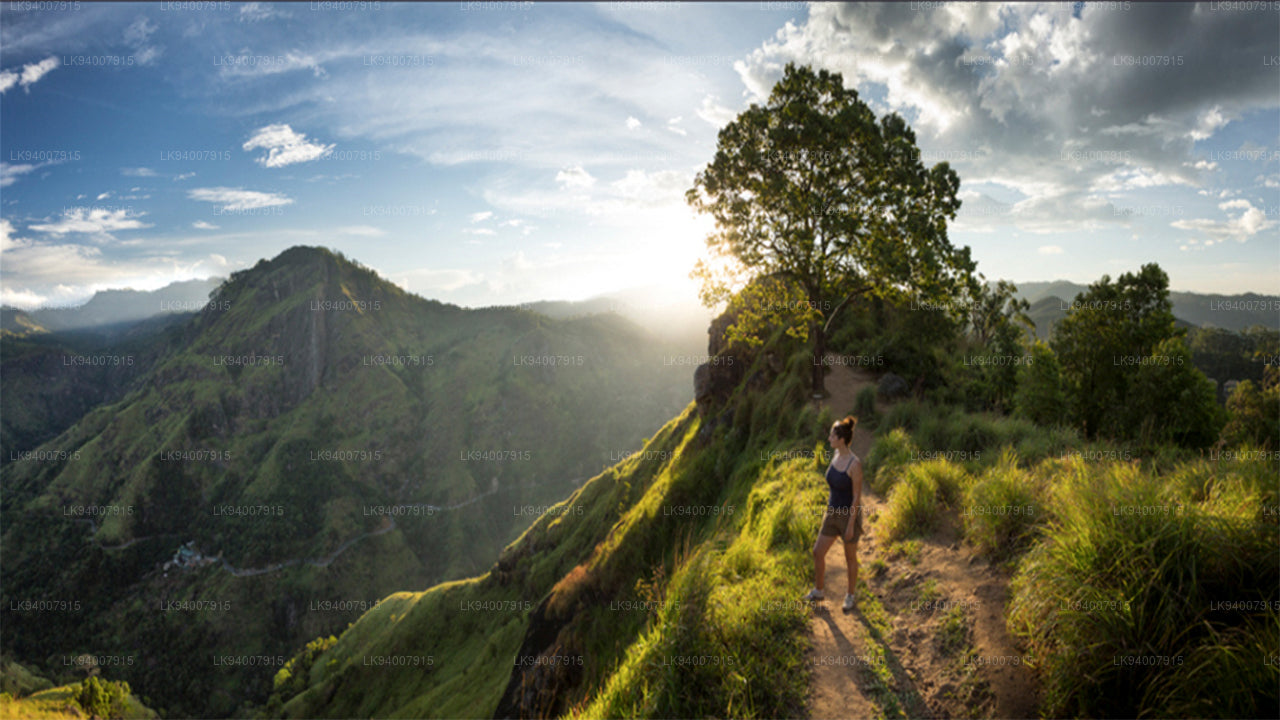
Badulla DistrictBadulla is a scenic district surrounded by mountains, tea plantations, and stunning waterfalls, offering a peaceful retreat.
-
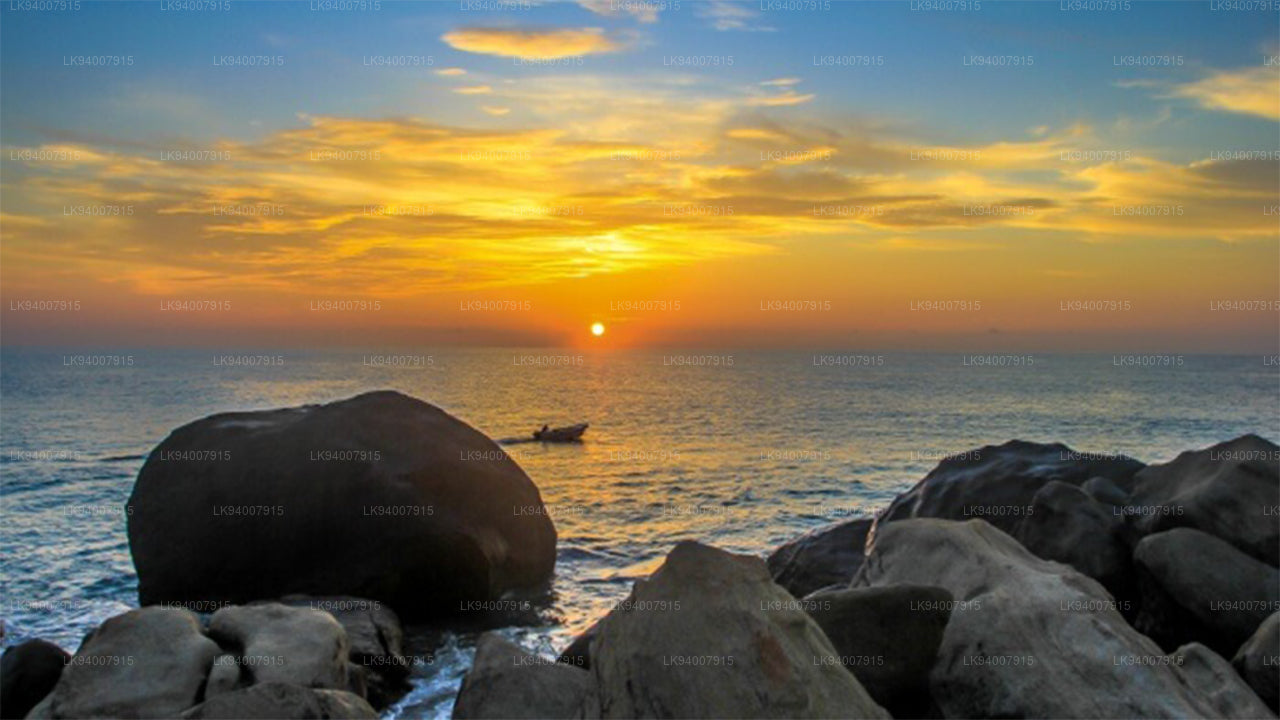
Batticaloa DistrictKnown for its lagoons and beaches, Batticaloa is a serene district with a rich blend of Tamil and Muslim culture.
-
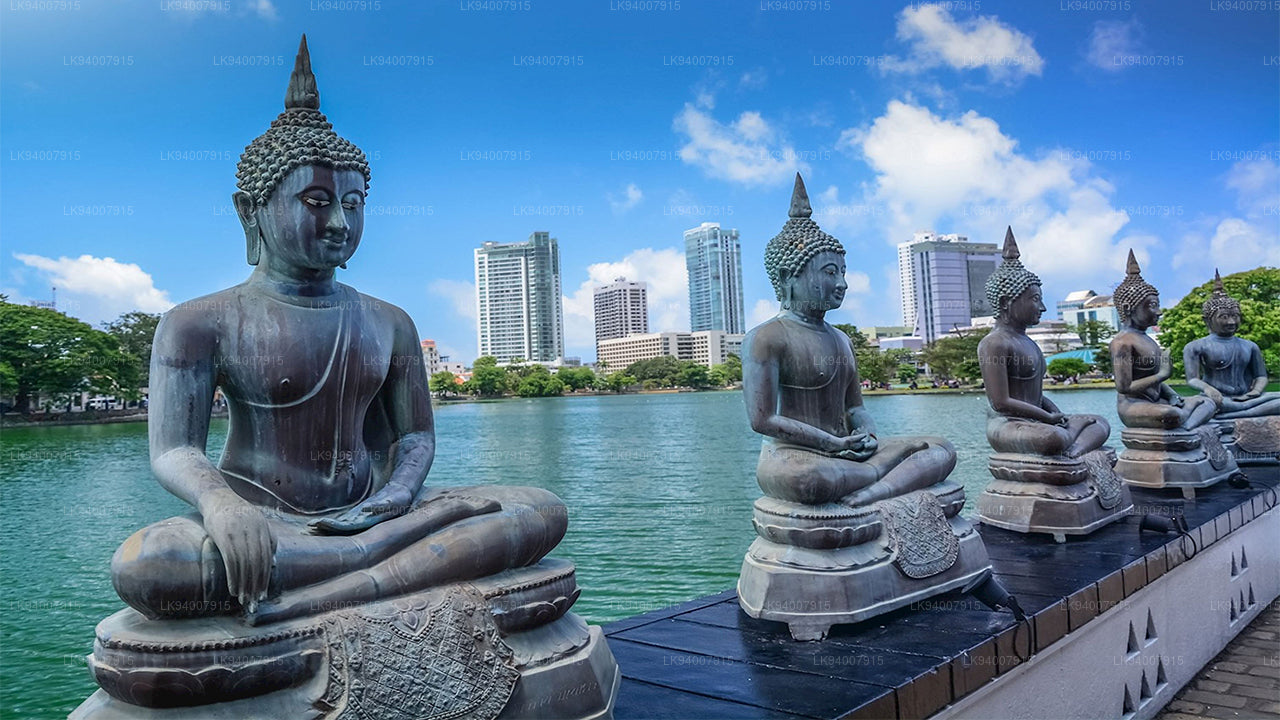
Colombo DistrictSri Lanka’s bustling commercial capital, Colombo is a vibrant metropolis known for its urban landscape, colonial architecture, and coastal beauty.
-
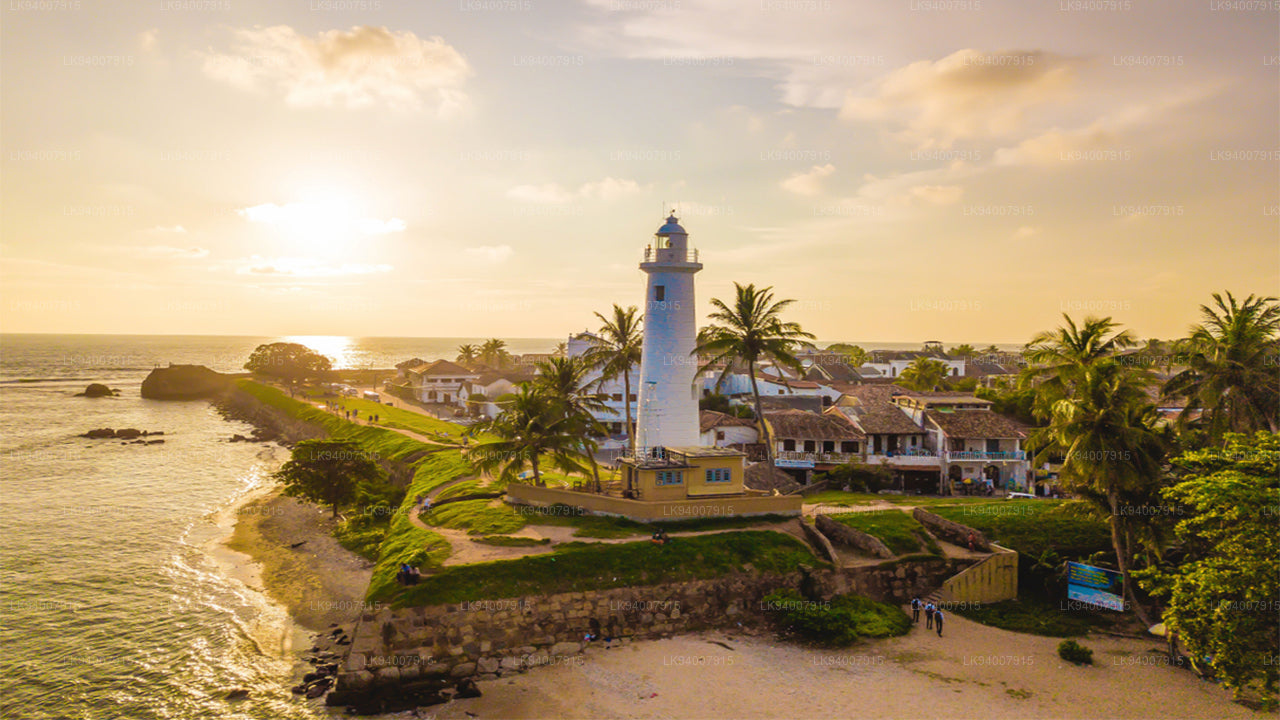
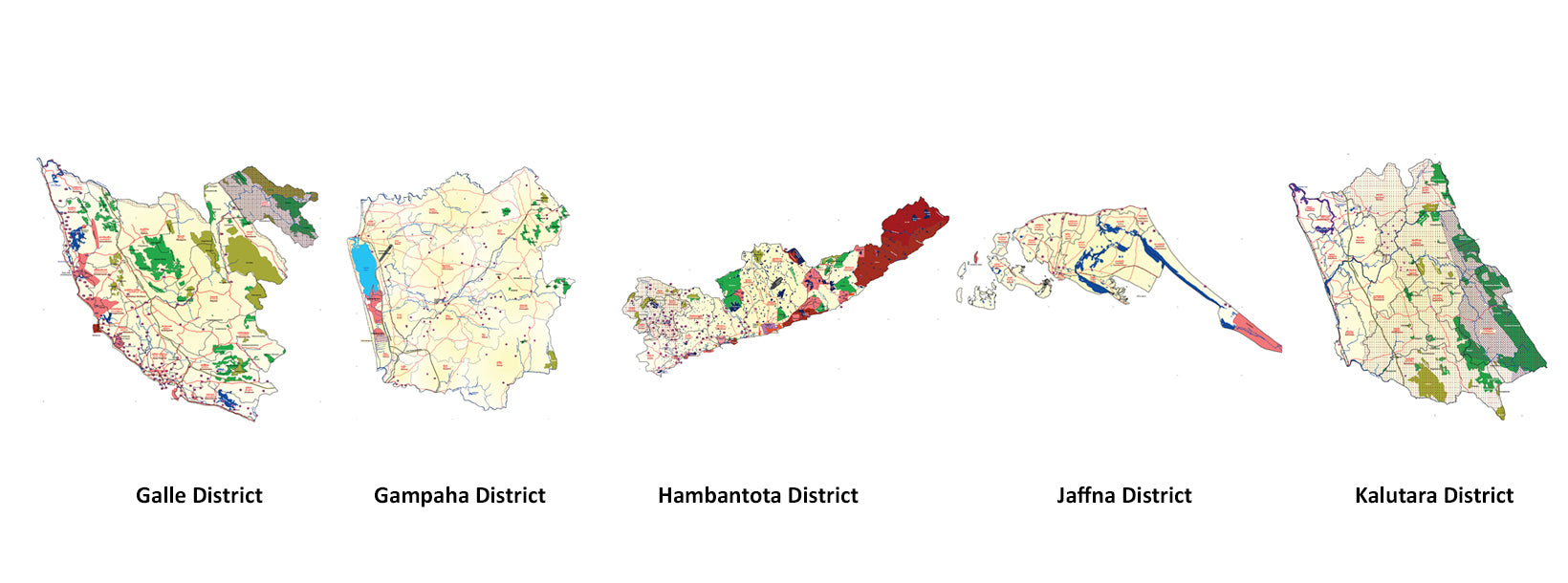
Galle DistrictA historic coastal district, Galle is famous for its UNESCO-listed Dutch Fort, pristine beaches, and rich colonial history.
-
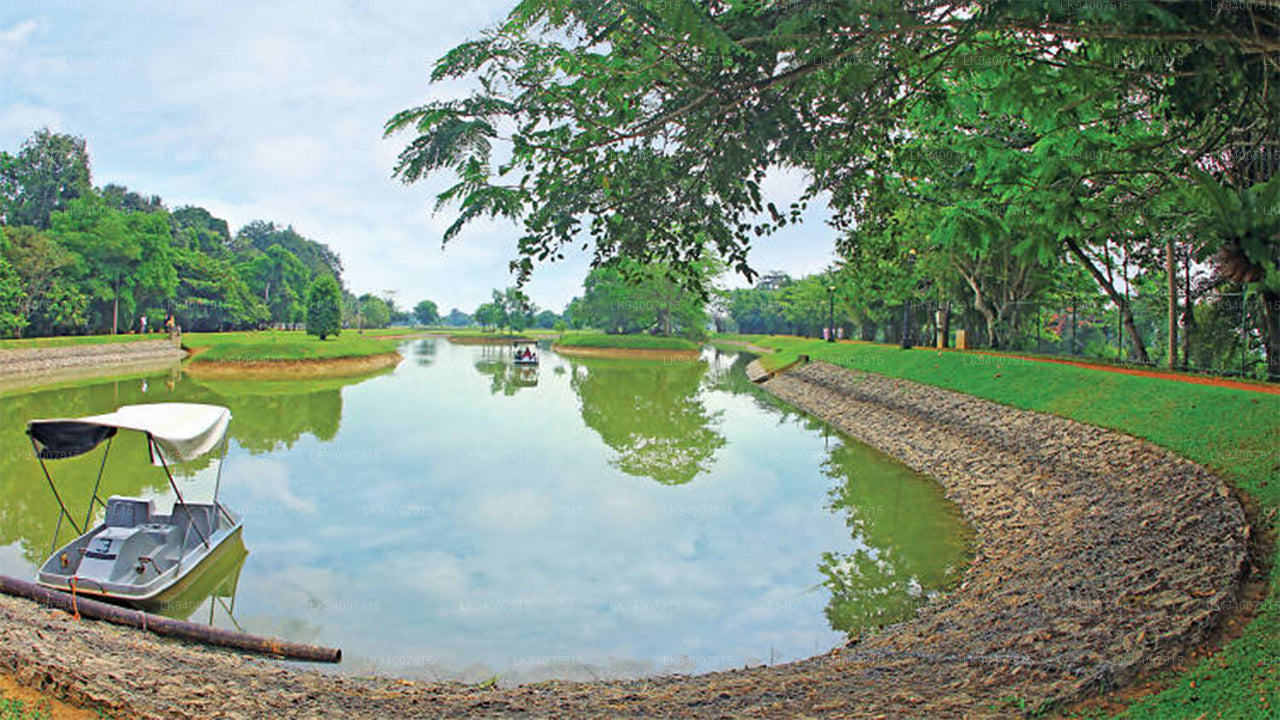
Gampaha DistrictA district blending urban and rural life, Gampaha is home to the Katunayake Airport and scenic beaches.
-
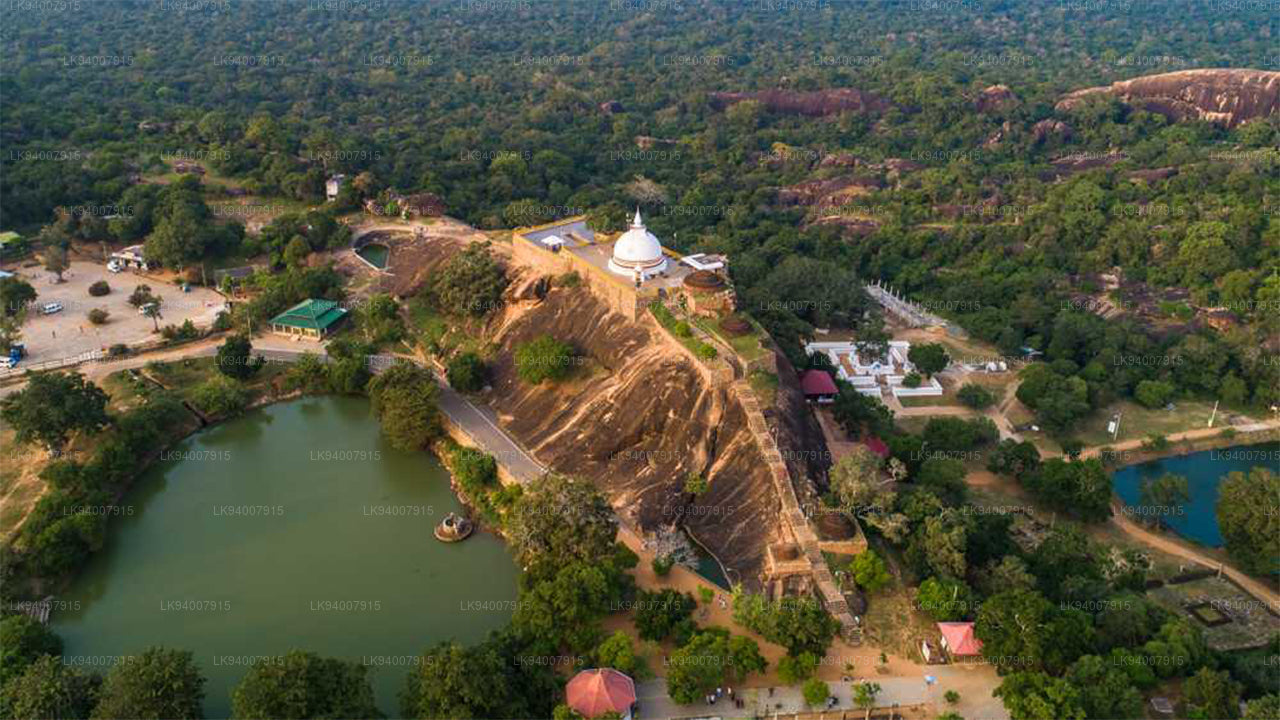
Hambantota DistrictKnown for its wildlife parks, including Yala and Bundala, Hambantota is a growing hub of development and eco-tourism.
-
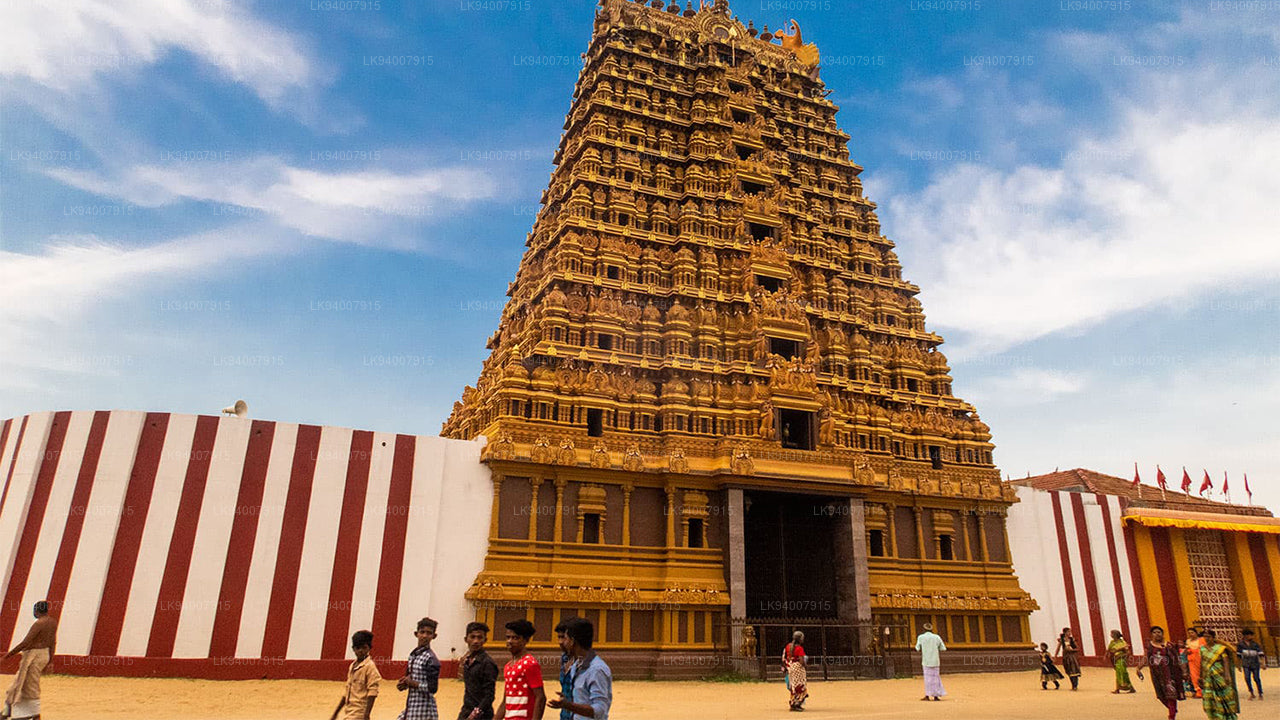
Jaffna DistrictThe cultural center of Tamil heritage, Jaffna is known for its historic temples, vibrant culture, and rich history.
-
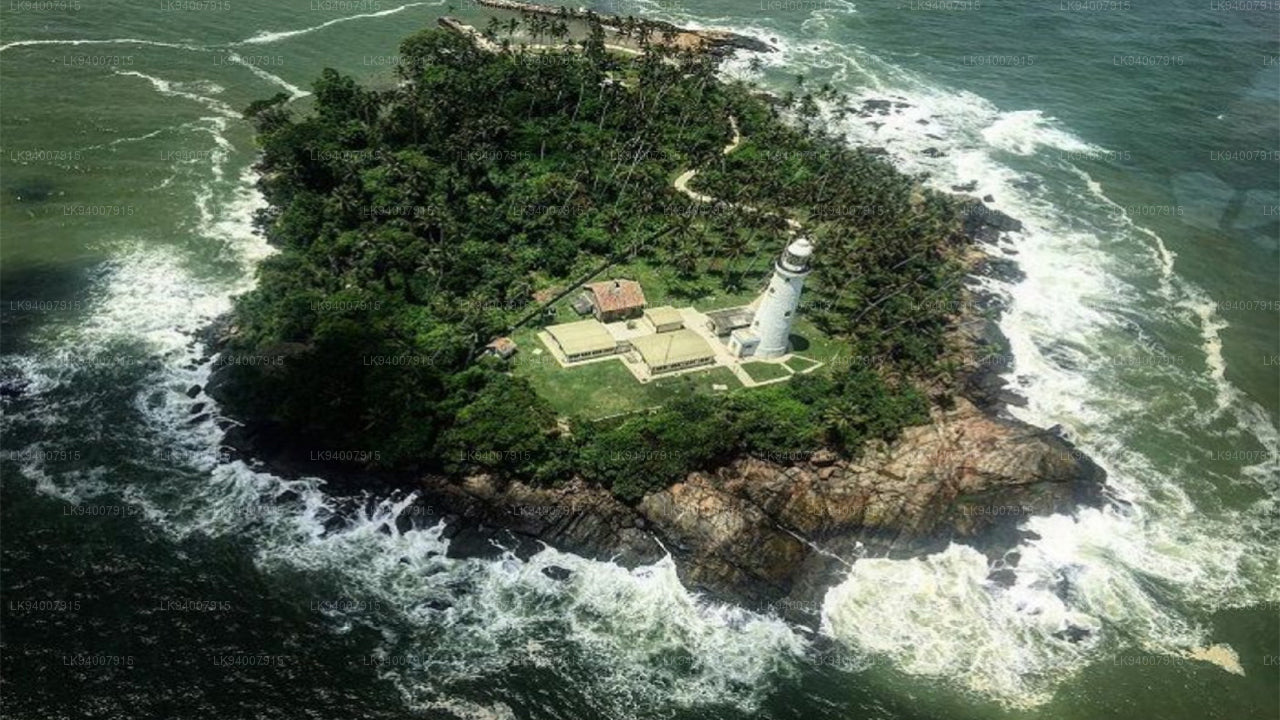
Kalutara DistrictKnown for its historic Kalutara Bodhiya and beautiful beaches, Kalutara offers coastal charm and religious significance.
-
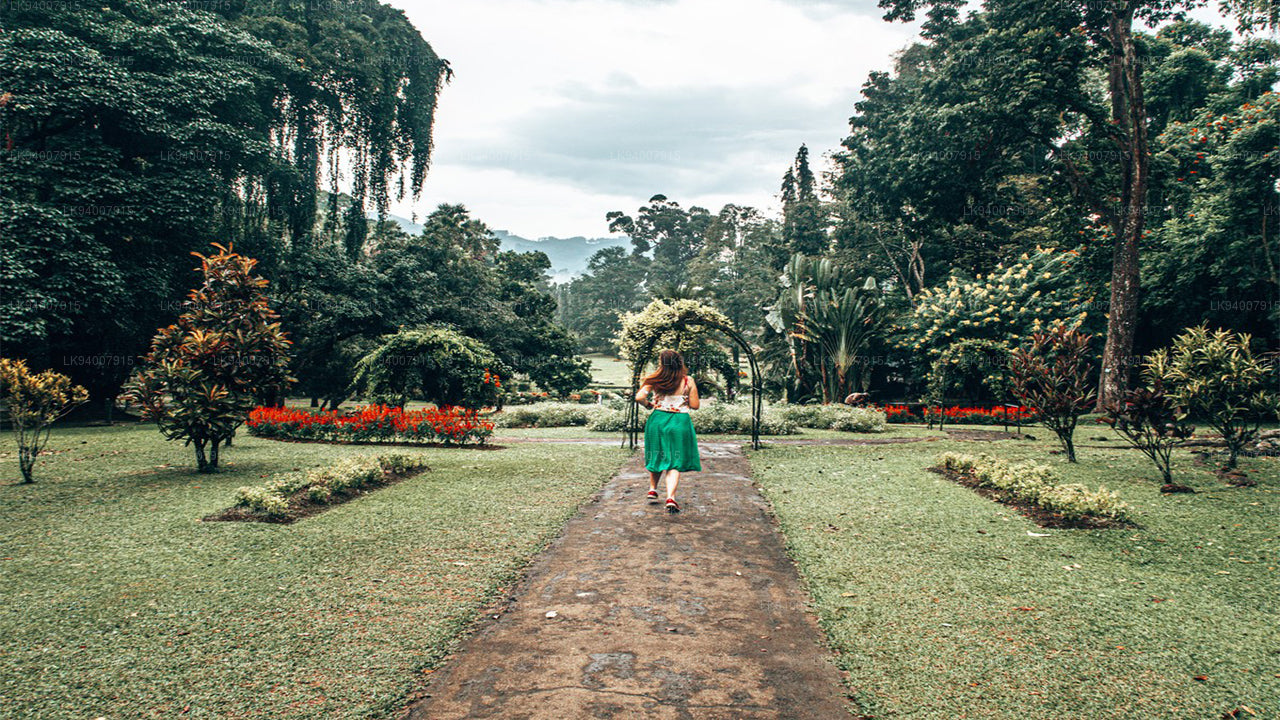
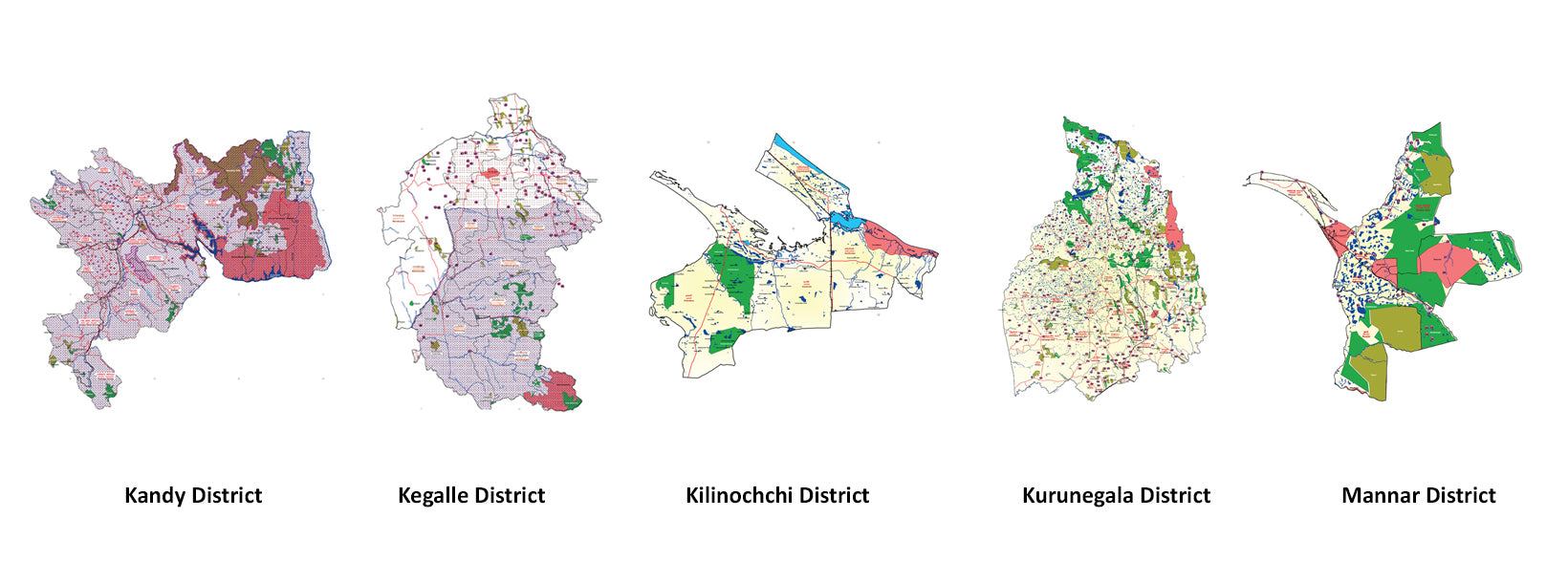
Kandy DistrictFamous for the Temple of the Tooth and its stunning lake, Kandy is the cultural heart of Sri Lanka and a UNESCO World Heritage Site.
-
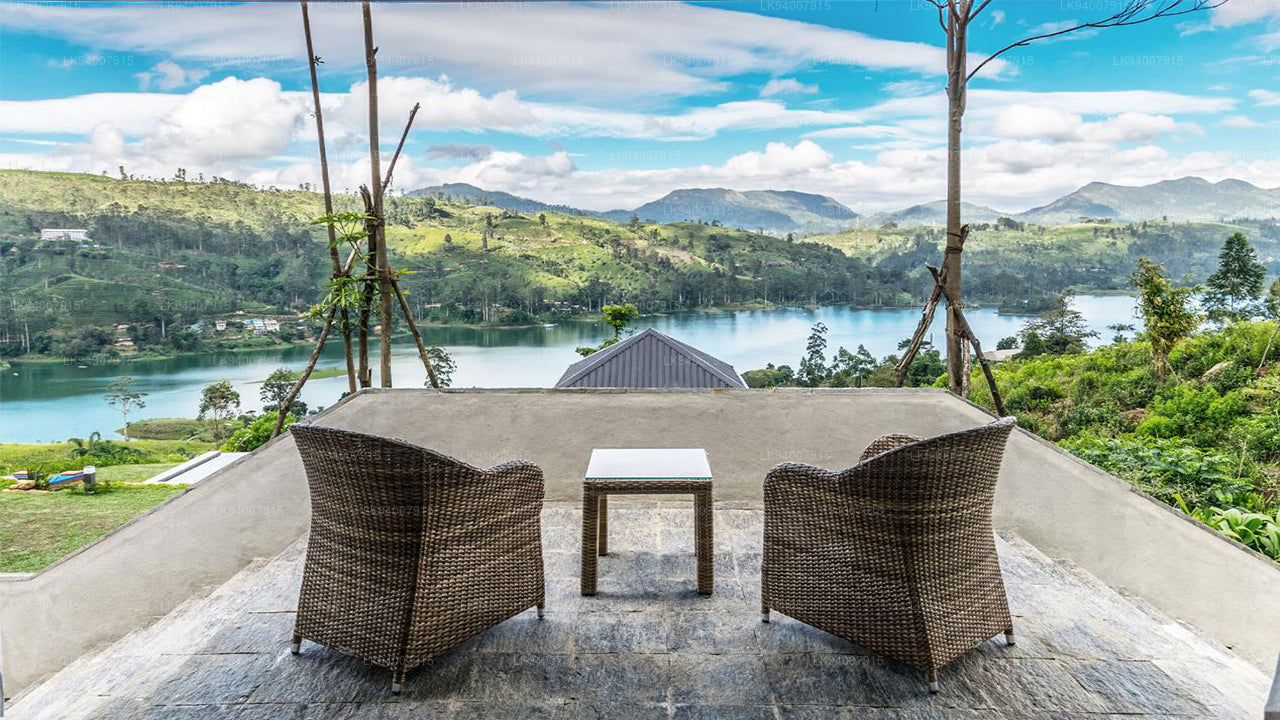
Kegalle DistrictKegalle is known for its rubber plantations and the Pinnawala Elephant Orphanage, a popular tourist attraction.
-
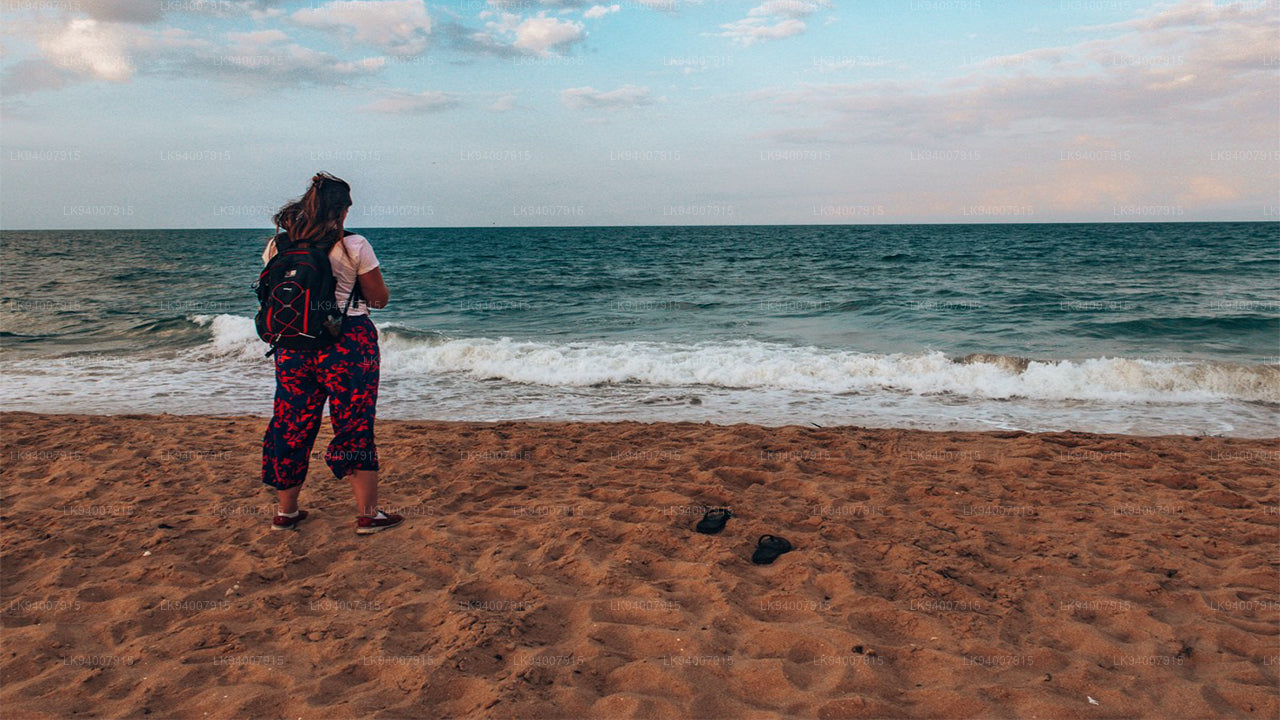
Kilinochchi DistrictA primarily agricultural district, Kilinochchi has seen rapid post-war development and is home to numerous water resources.
-
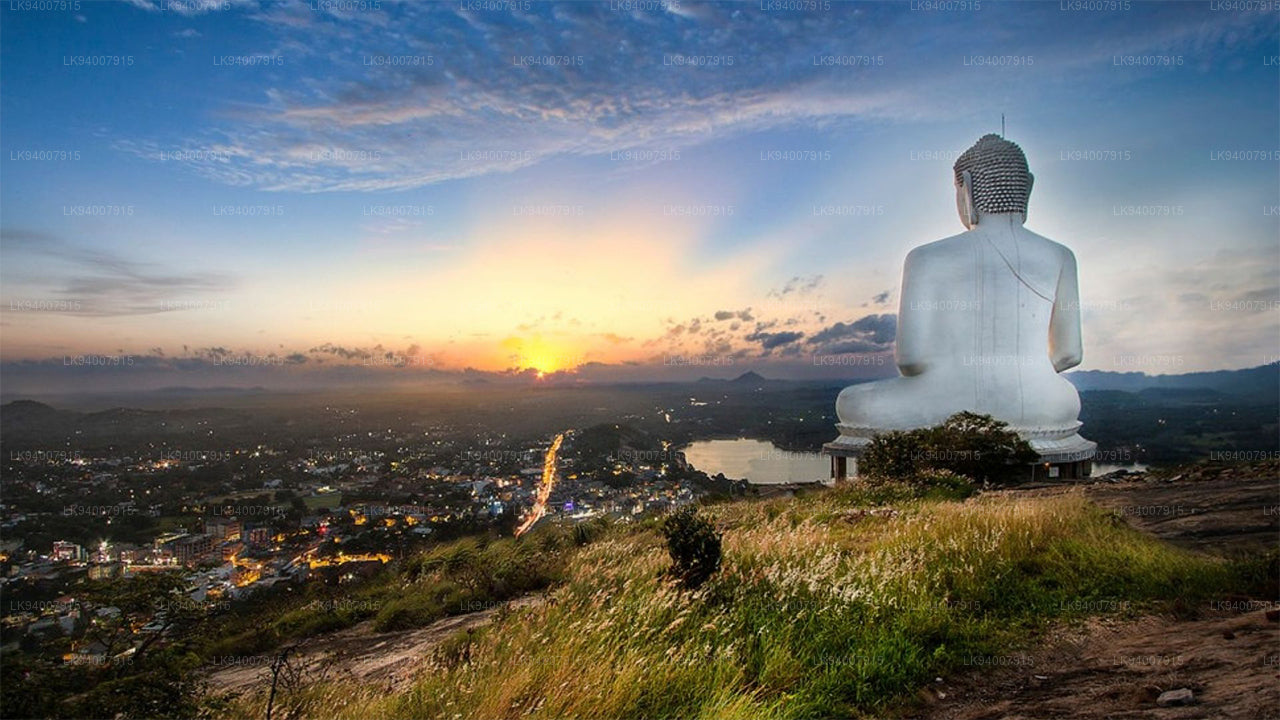
Kurunegala DistrictFamous for its elephant rock, Kurunegala is an agricultural hub surrounded by historic ruins and religious sites.
-
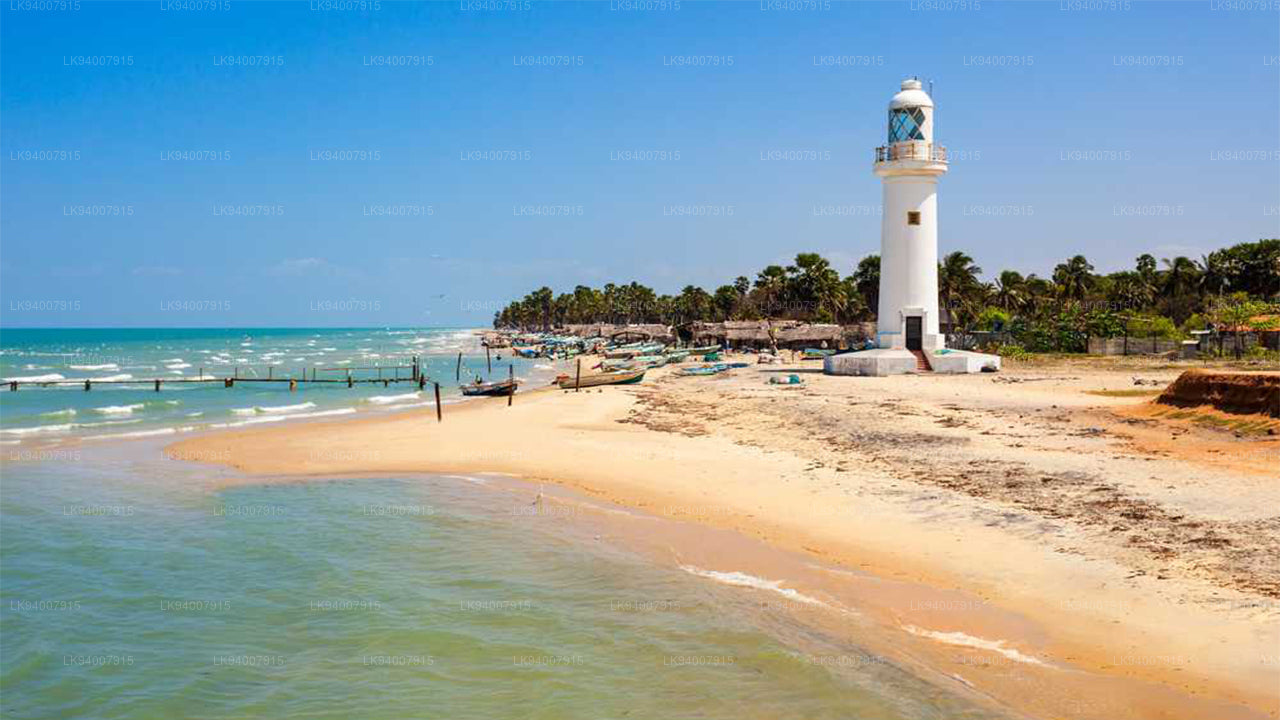
Mannar DistrictFamous for its unique landscapes, pearl fisheries, and the historic Mannar Fort, this district has a rich maritime history.
-
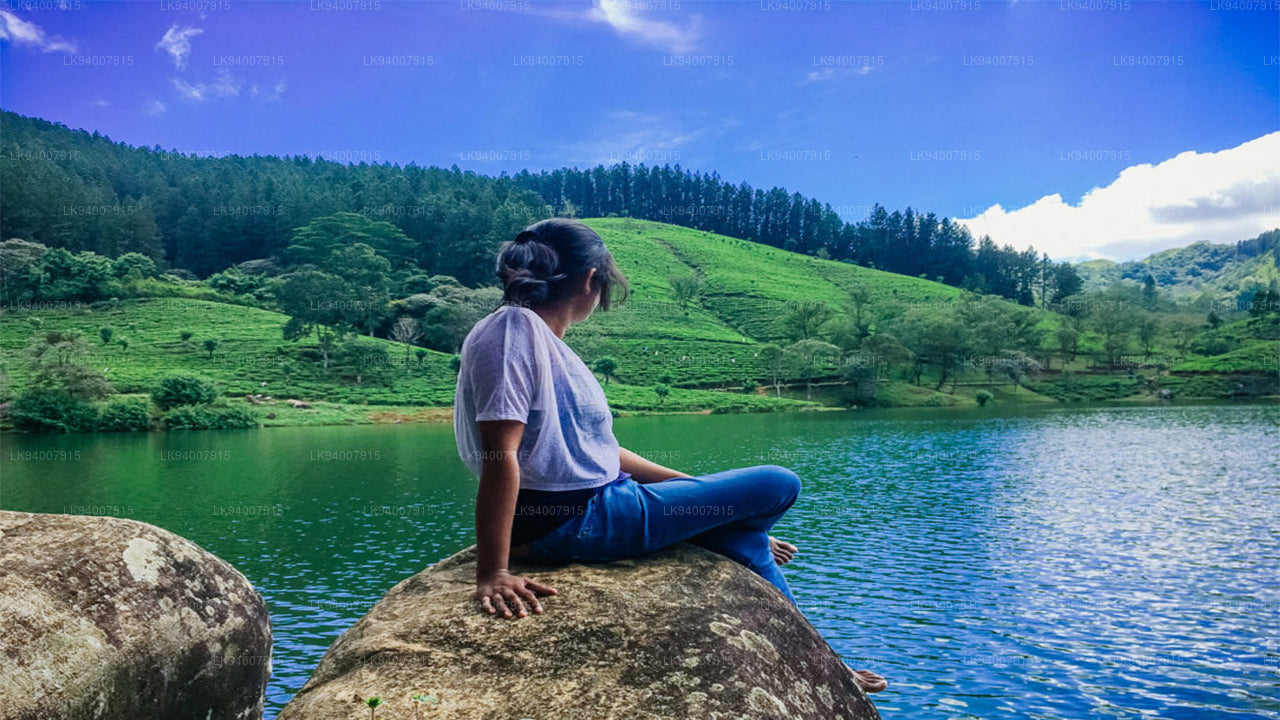
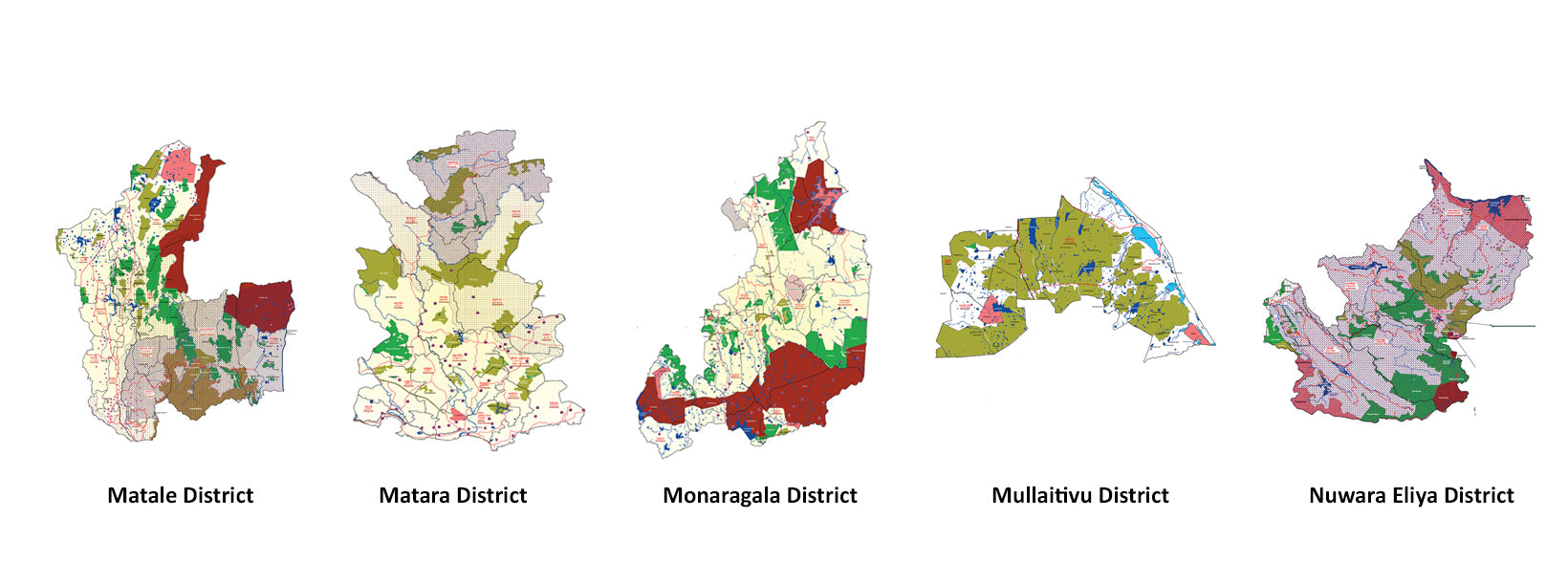
Matale DistrictA district filled with spice plantations, waterfalls, and historic temples, Matale offers scenic natural beauty.
-
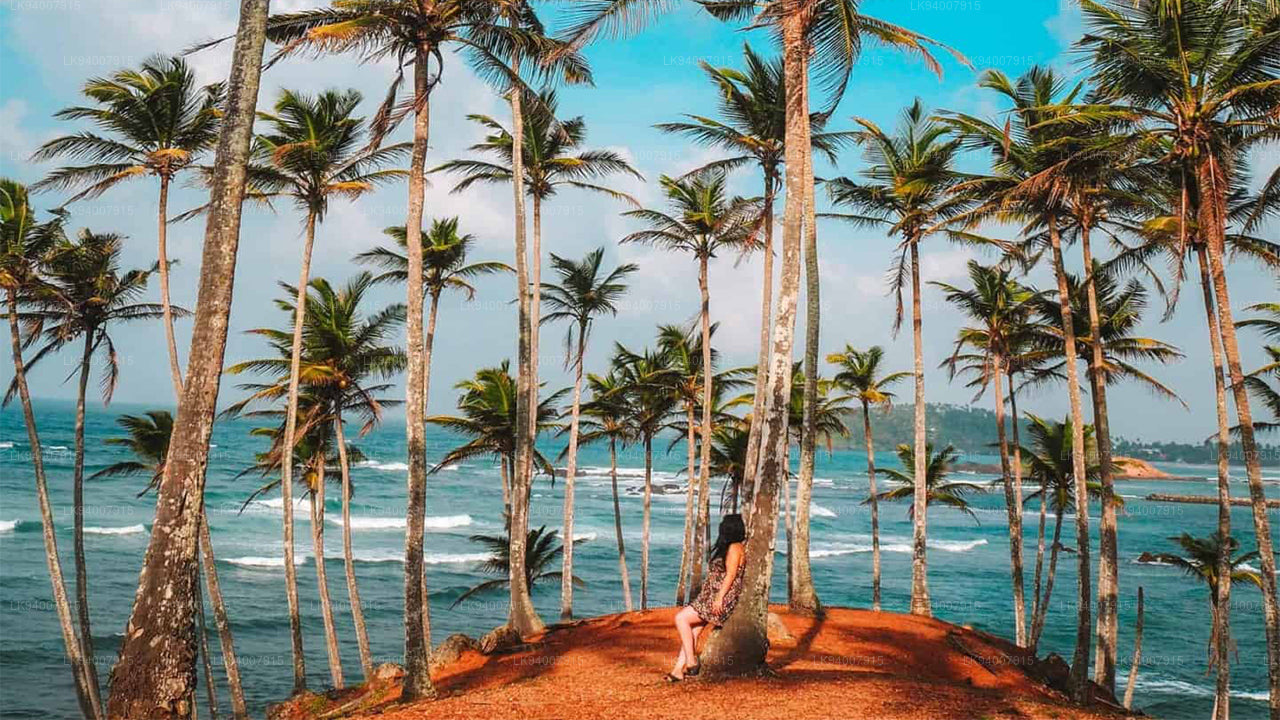
Matara DistrictMatara boasts stunning beaches, the Dondra Head lighthouse, and a mix of coastal and cultural attractions.
-
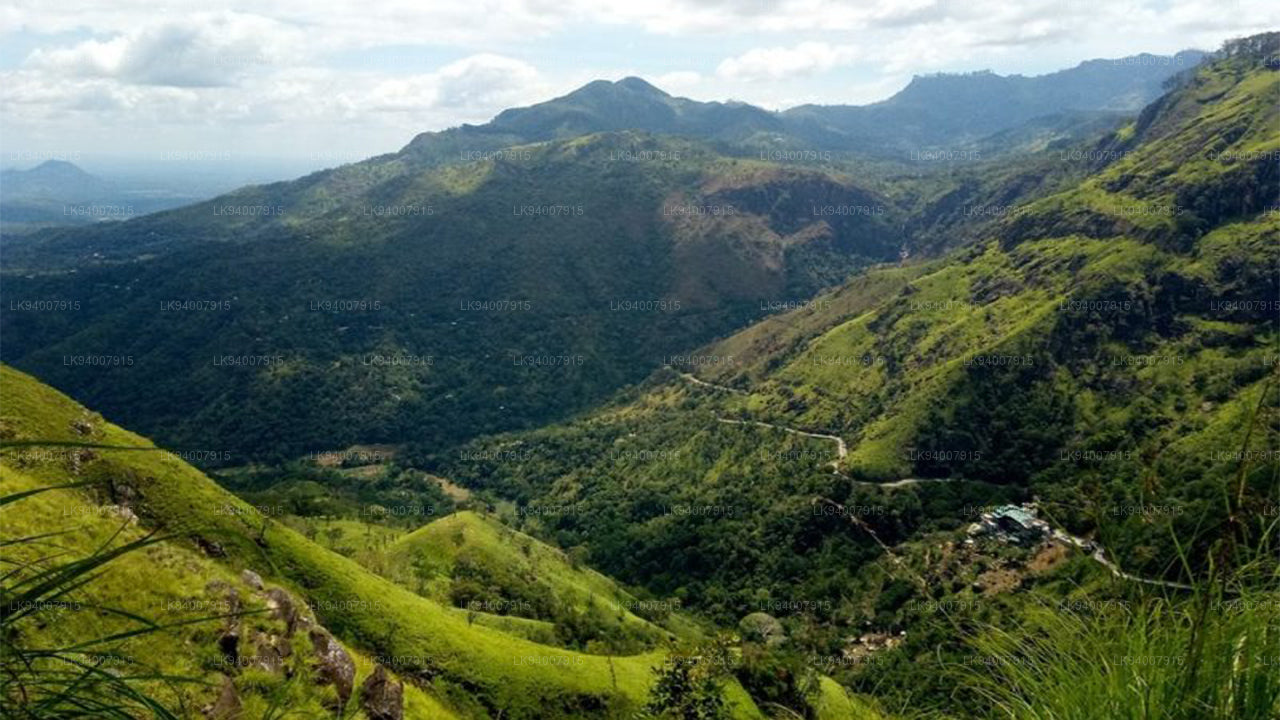
Monaragala DistrictKnown for its rugged landscapes and rich biodiversity, Monaragala is an agricultural district with vast natural beauty.
-
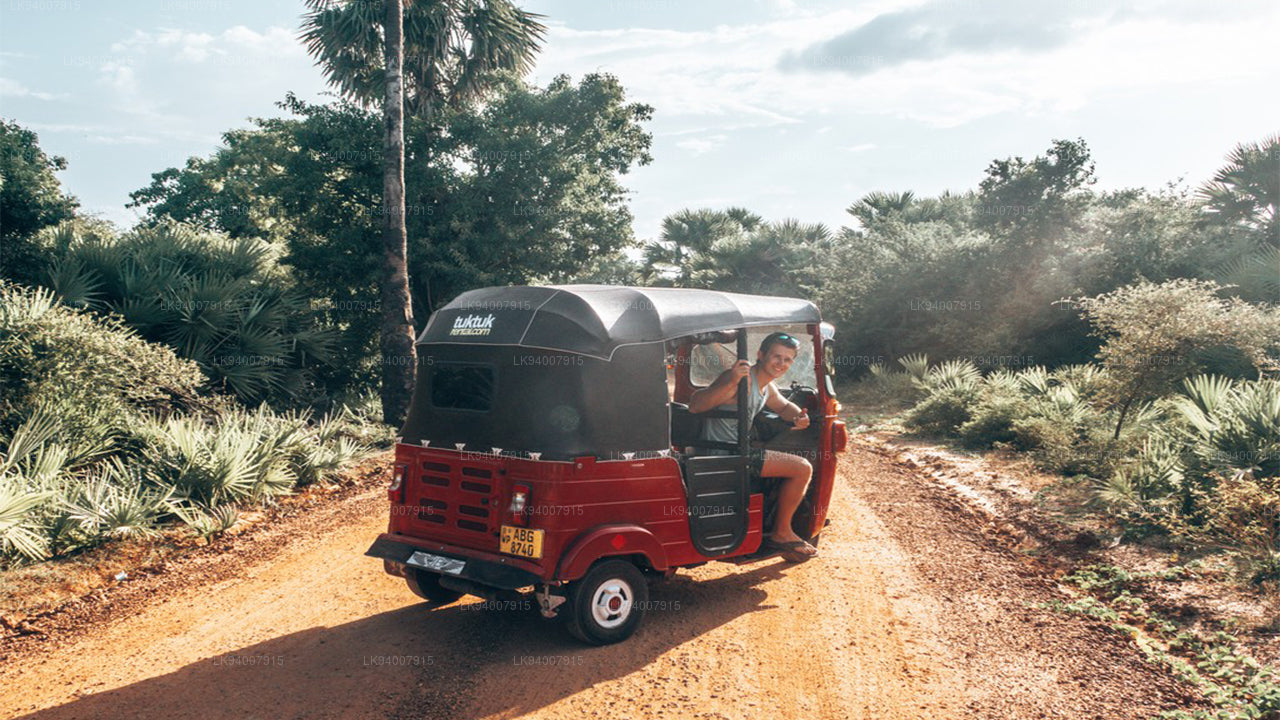
Mullaitivu DistrictA largely rural and coastal district, Mullaitivu is known for its beaches and significant history during the civil conflict.
-
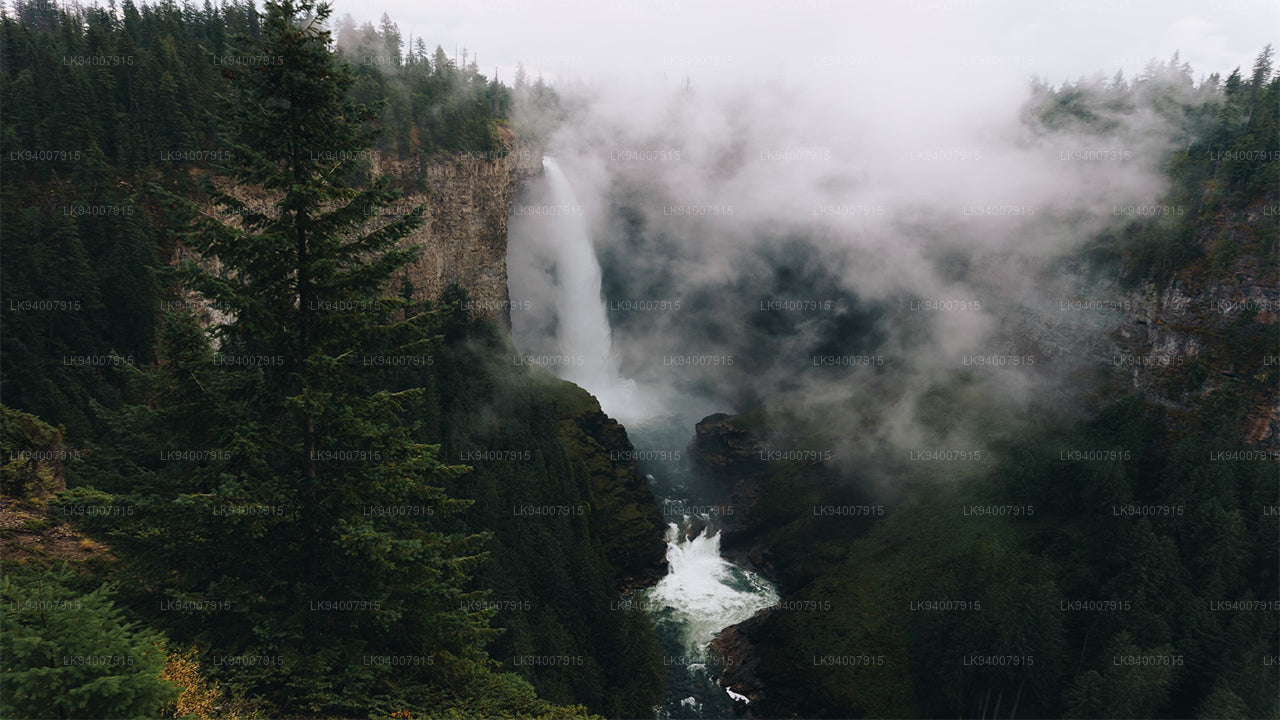
Nuwara Eliya DistrictOften called "Little England," Nuwara Eliya is renowned for its cool climate, tea plantations, and colonial architecture.
-
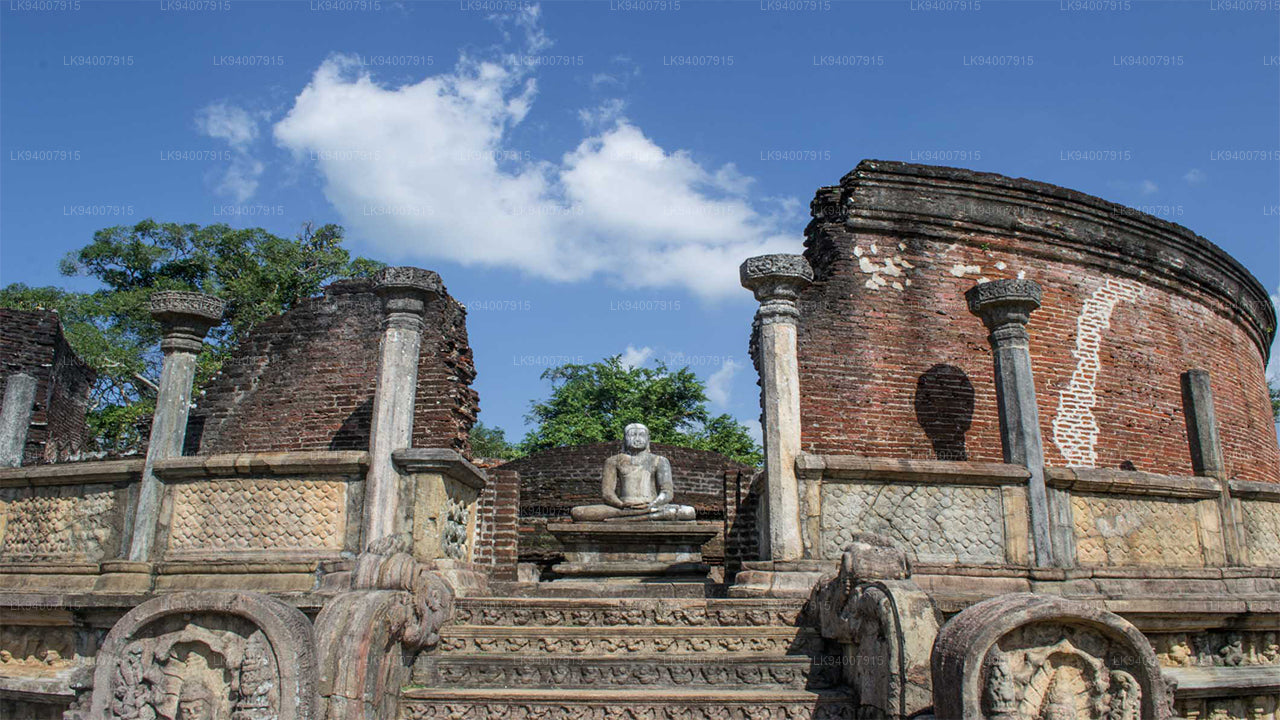
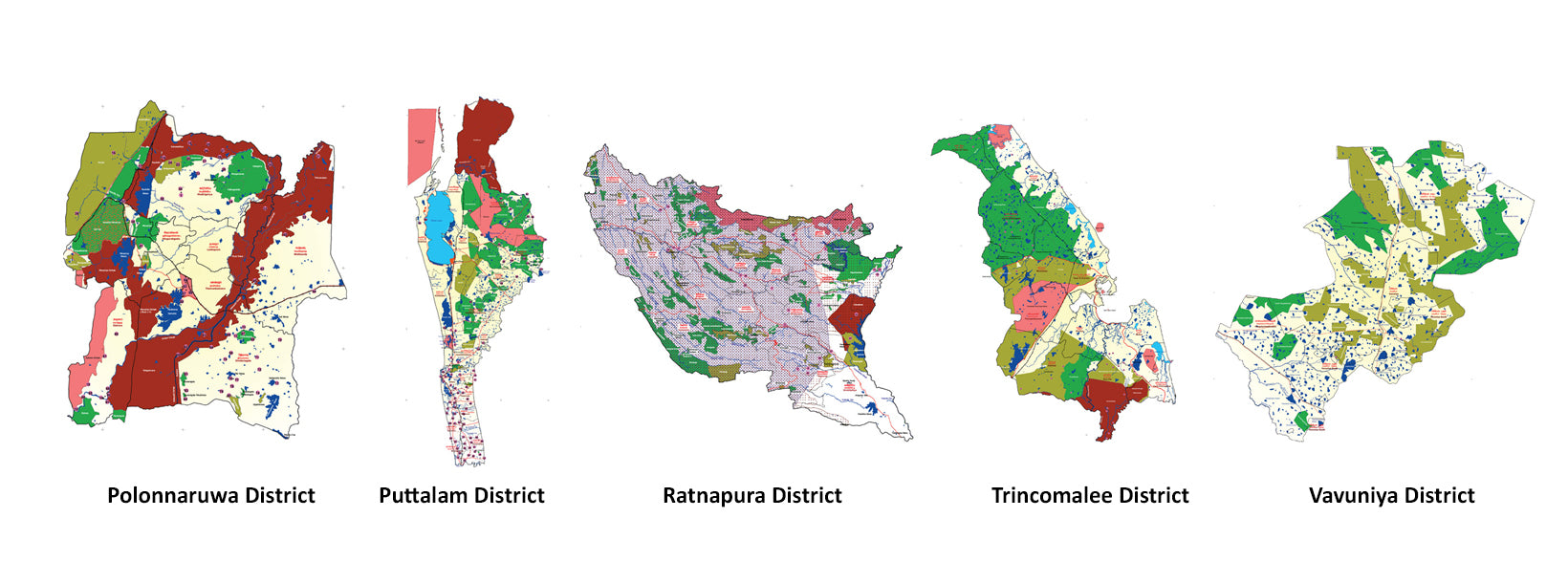
Polonnaruwa DistrictPolonnaruwa is a treasure trove of ancient ruins, including the famous Gal Vihara, and a key archaeological site.
-
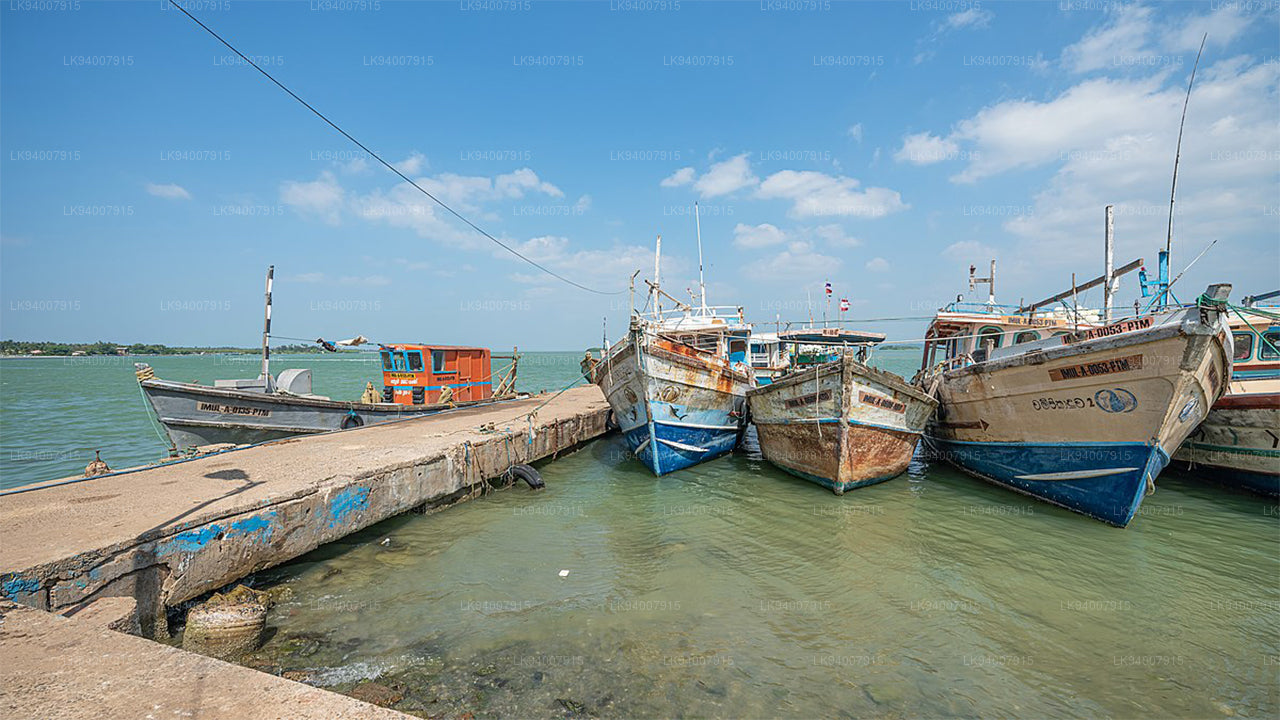
Puttalam DistrictPuttalam is known for its coastal lagoons, wildlife sanctuaries, and salt production, along with a growing wind energy sector.
-
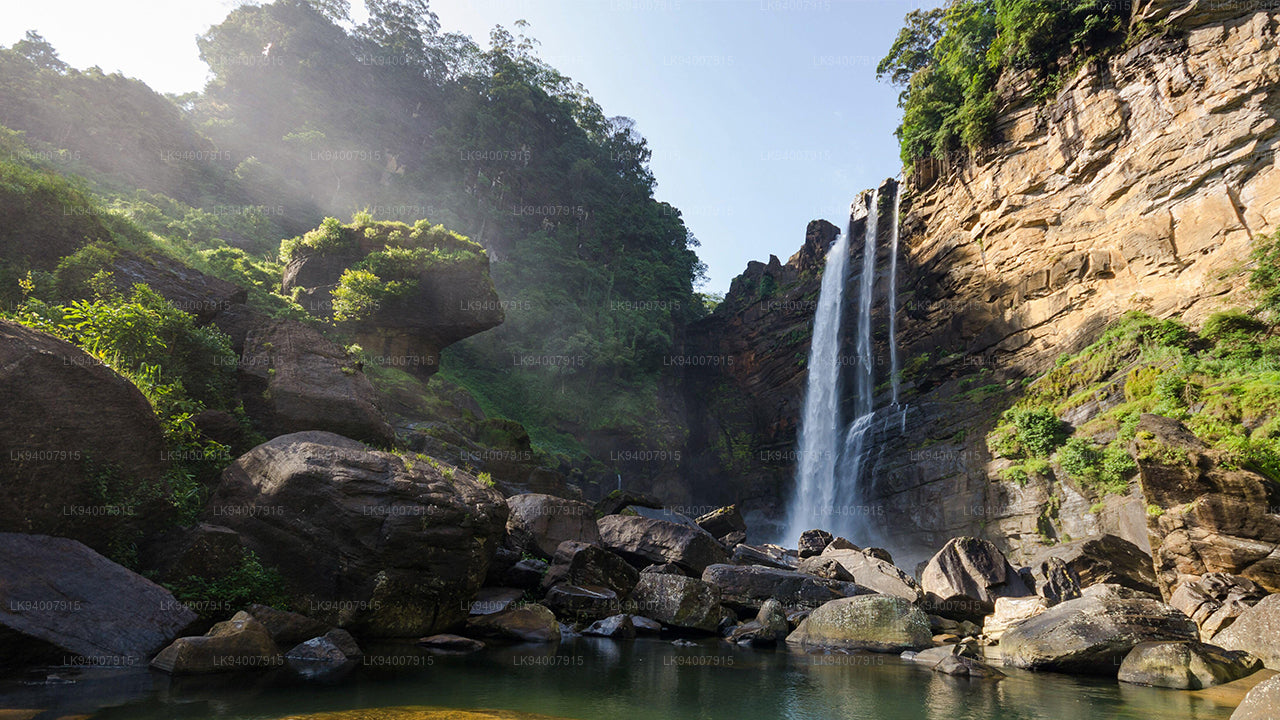
Ratnapura DistrictThe "City of Gems," Ratnapura is famous for its gem mining and lush green landscapes filled with waterfalls and tea estates.
-
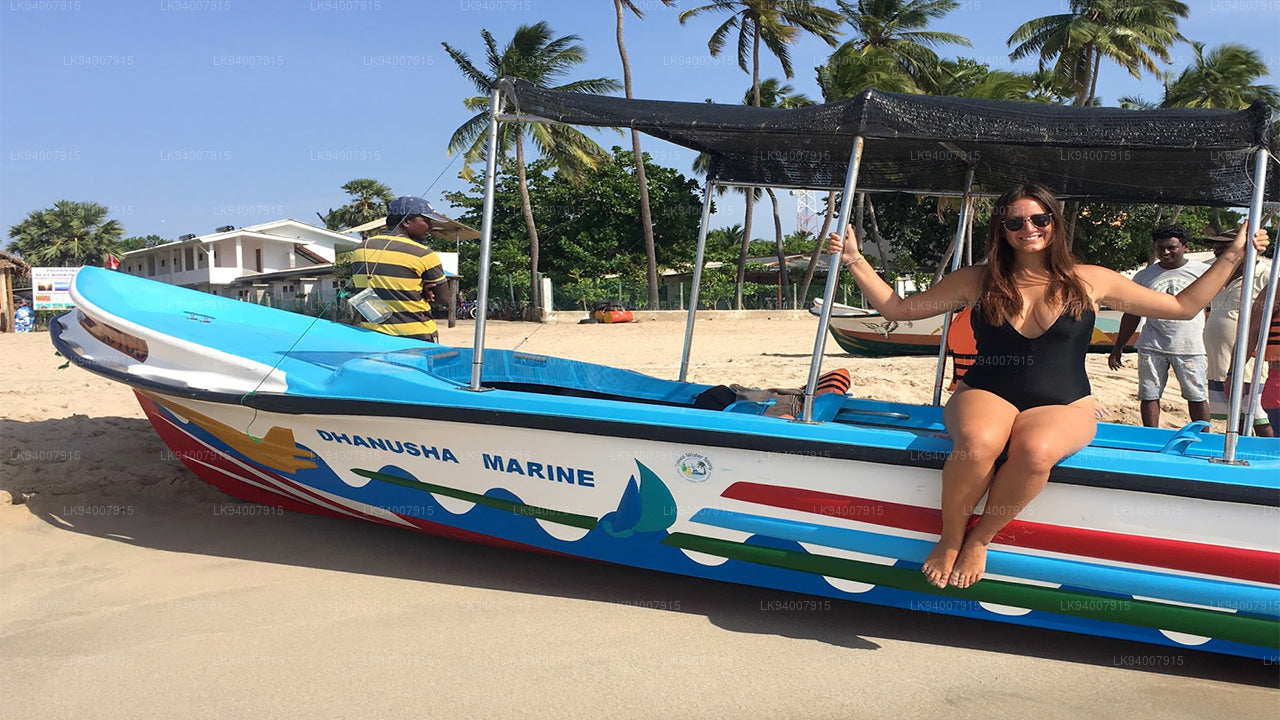
Trincomalee DistrictA coastal gem, Trincomalee is home to beautiful beaches, historic Hindu temples, and one of the world’s finest natural harbors.
-
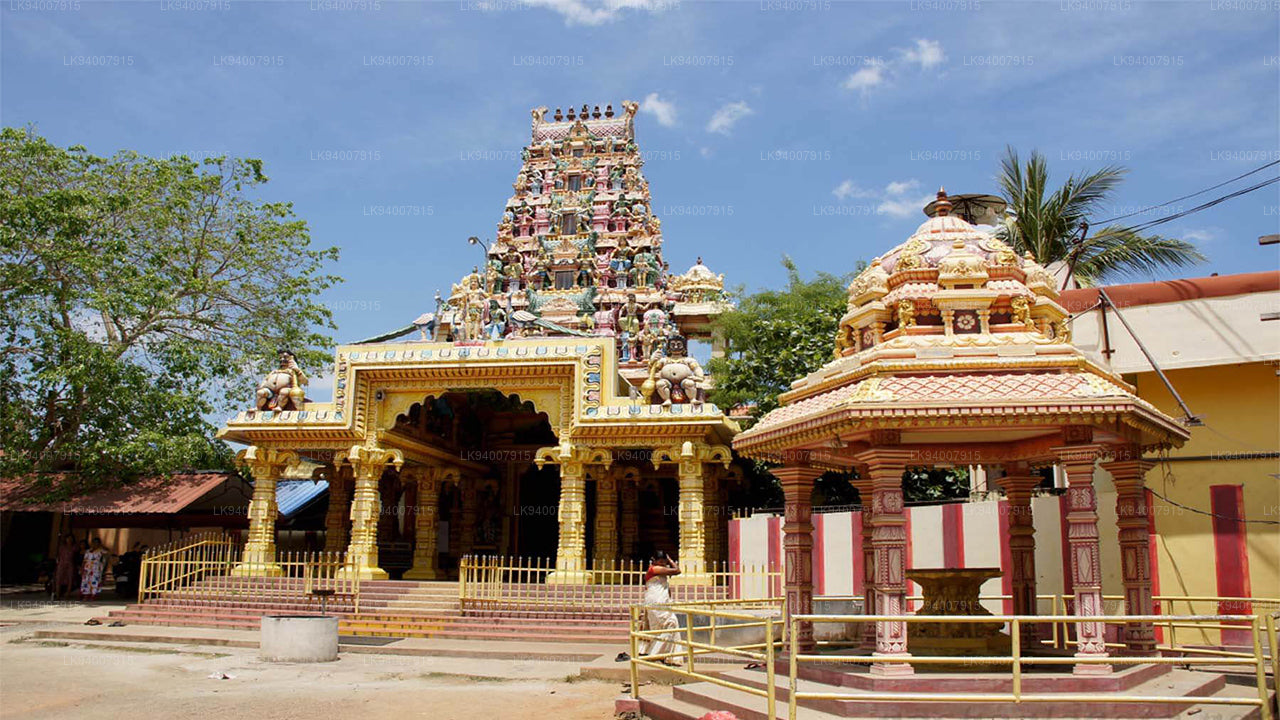
Vavuniya DistrictA key transit hub between the north and south, Vavuniya is known for its agriculture and growing urbanization.