About Colombo District
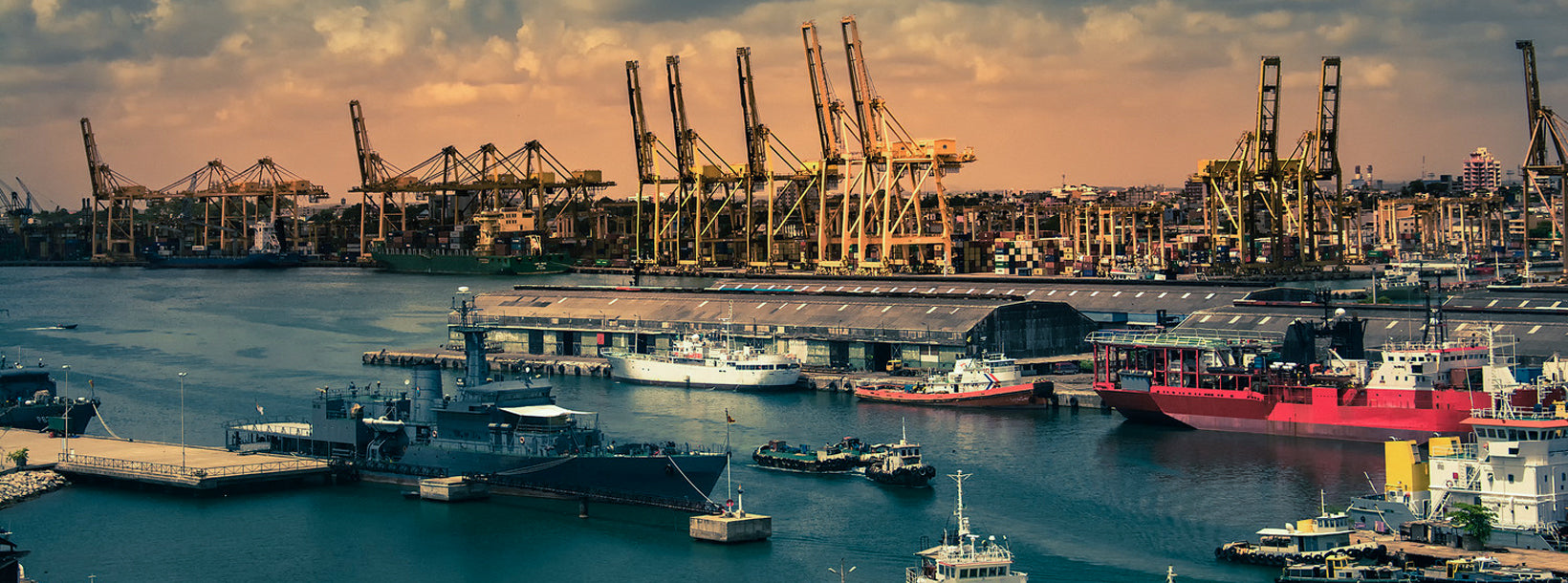
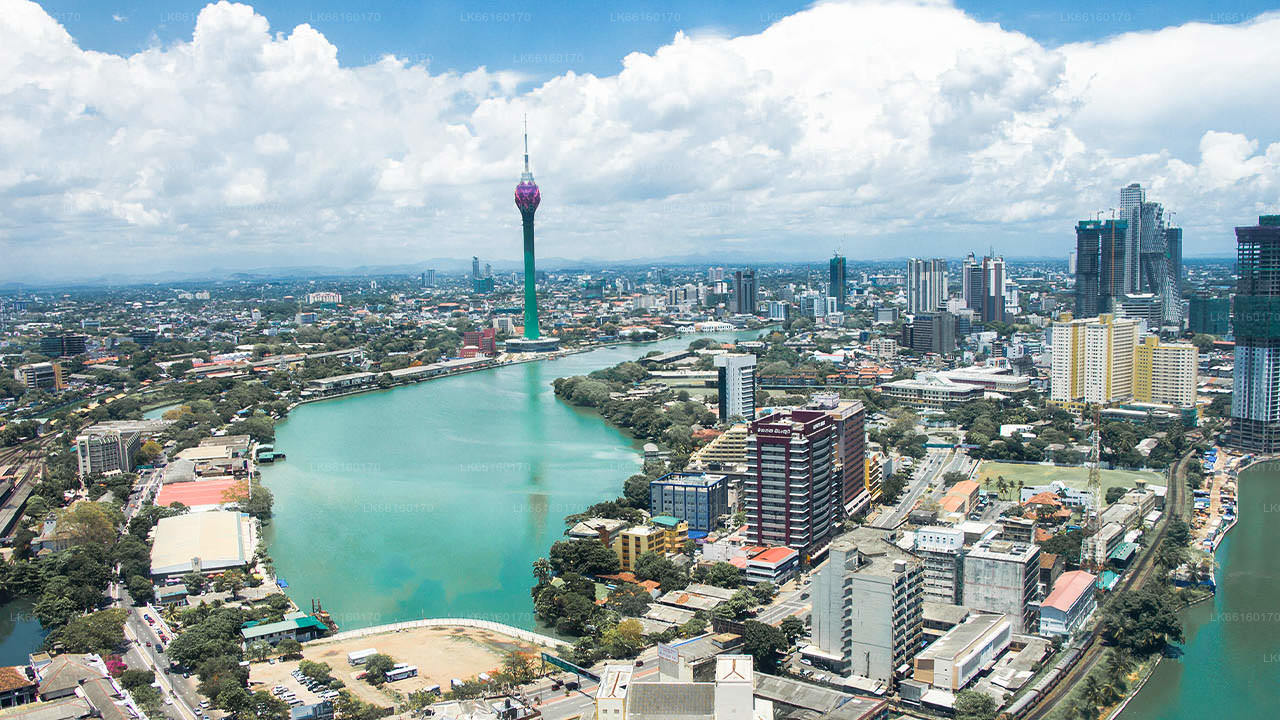
Colombo is the largest city and commercial capital of Sri Lanka. It is located on the west coast of the island and adjacent to Sri Jayewardenepura Kotte, the capital city of Sri Lanka. Colombo is a busy and vibrant city with a mixture of modern life and colonial buildings and ruins and a city population of 647,100.The Colombo Metropolitan Region, defined by the districts of Colombo, Gampaha and Kalutara, has an estimated population of 5,648,000, and covers an area of 3,694.20 km²
Colombo is a multi-ethnic, multi-cultural city. It is the most populous city in Sri Lanka, with 642,163 people living within the city limits. The population of Colombo is a mix of numerous ethnic groups, mainly Sinhalese, Moors and Tamils. There are also small communities of people with Chinese, Portuguese, Dutch, Malay and Indian origins living in the city, as well as numerous European expatriates.
The great majority of Sri Lankan corporations have their head offices in Colombo. Some of the industries include chemicals, textiles, glass, cement, leather goods, furniture, and jewellery. In the city center is located South Asia's second tallest building - The World Trade Centre.
About Western Province
The Western Province is the most densely populated province of Sri Lanka. It is home to the legislative capital Sri Jayawardenapura as well to Colombo, the nation's administrative and business center. Western Province is divided into 3 main districts called Colombo (642 km²), Gampaha (1,386.6 km²) and Kalutara (1,606 km²) districts. As Sri Lanka's economic hub, all the major local and international corporations have their presence in the city and so do all the major designer and high street retailers, so be ready to indulge in some retail therapy in western province.
Having the highest population in the all the provinces, the almost all the premier educational institutions in the island are located in western province. Universities in the province include the University of Colombo, the University of Sri Jayewardenepura, University of Kelaniya, Open University, Sri Lanka, Buddhist and Pali University of Sri Lanka, General Sir John Kotelawala Defence University and University of Moratuwa .Western province has the largest amount of schools in the country, which includes National, Provincial, Private and International schools.