Districts
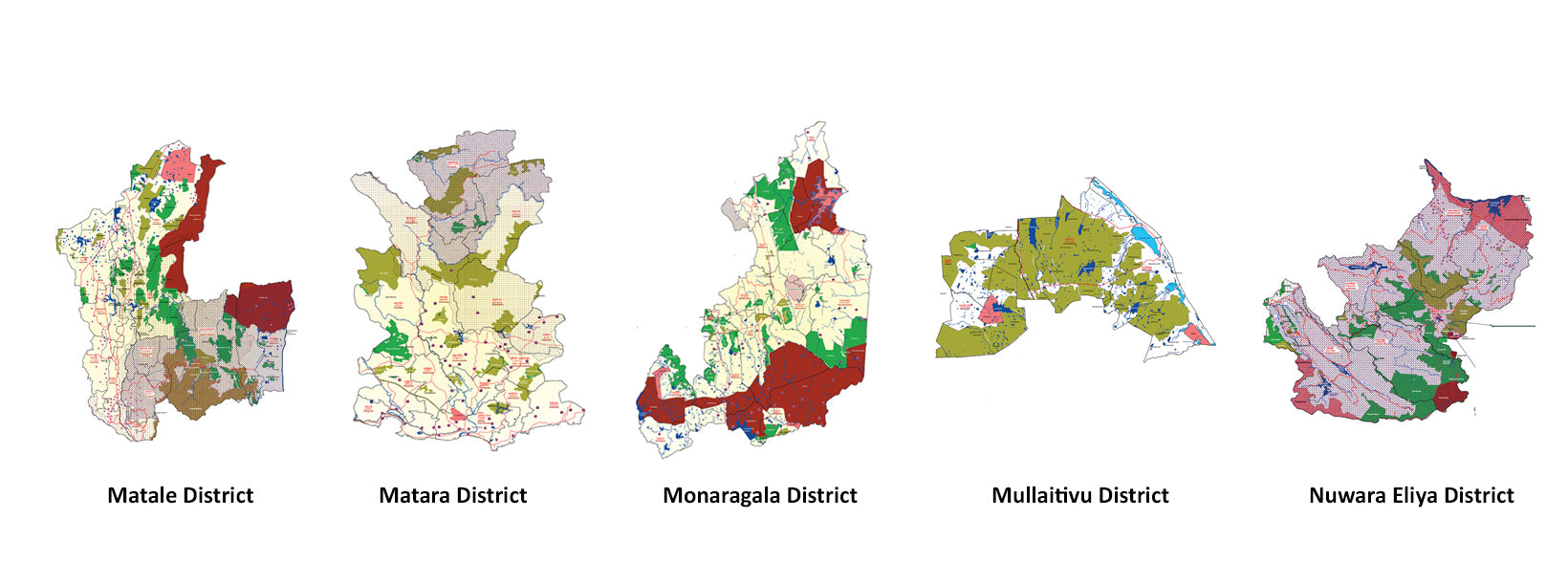
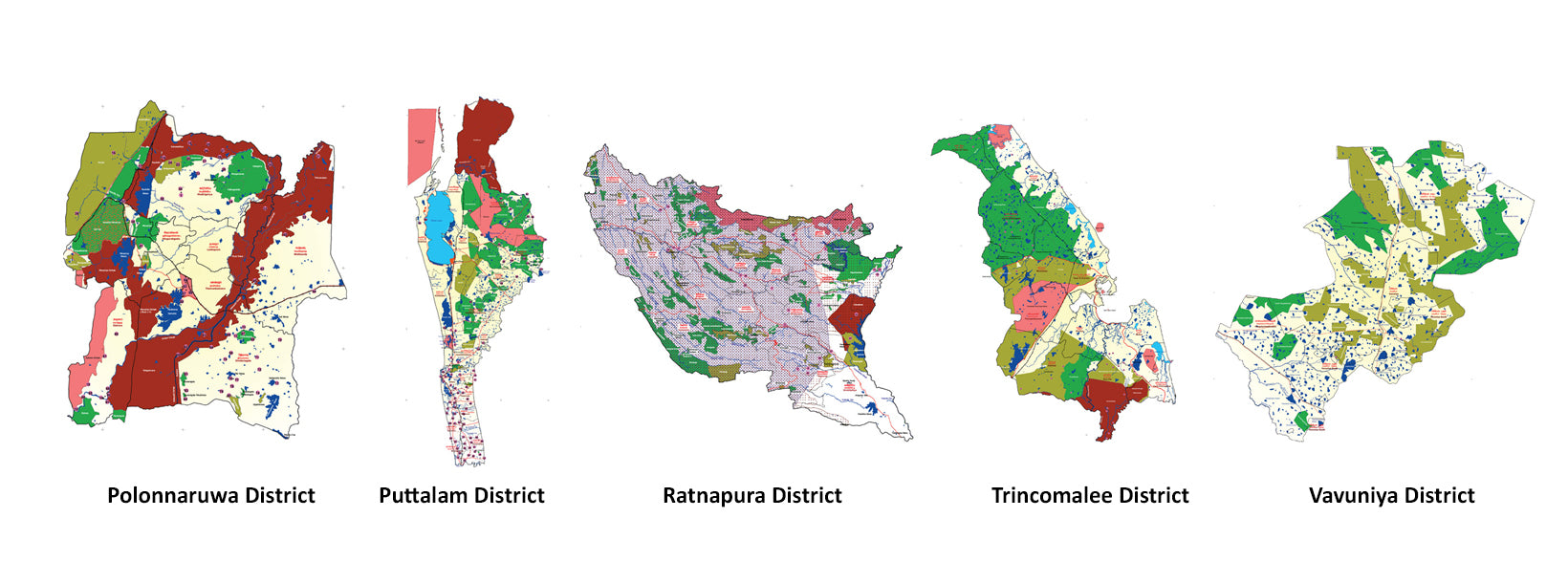
Sri Lanka is divided into 25 districts, each governed by a District Secretary and further subdivided into Divisional Secretariats and Grama Niladhari Divisions. These districts are organized into nine provinces, reflecting the island’s rich cultural and geographical diversity.
Districts
Sri Lanka is divided into 25 districts, each governed by a District Secretary and further subdivided into Divisional Secretariats and Grama Niladhari Divisions. These districts are organized into nine provinces, reflecting the island’s rich cultural and geographical diversity.
Districts
Sri Lanka is divided into 25 districts, each governed by a District Secretary and further subdivided into Divisional Secretariats and Grama Niladhari Divisions. These districts are organized into nine provinces, reflecting the island’s rich cultural and geographical diversity.
Districts
Sri Lanka is divided into 25 districts, each governed by a District Secretary and further subdivided into Divisional Secretariats and Grama Niladhari Divisions. These districts are organized into nine provinces, reflecting the island’s rich cultural and geographical diversity.
Districts
Sri Lanka is divided into 25 districts, each governed by a District Secretary and further subdivided into Divisional Secretariats and Grama Niladhari Divisions. These districts are organized into nine provinces, reflecting the island’s rich cultural and geographical diversity.
District de Kandy
Le district de Kandy est un district de la Province Centrale de Sri Lanka. Sa superficie est de 1 906,3 km². La capitale du district est Kandy. Kandy fut la dernière capitale de l’ancienne ère des rois du Sri Lanka. La ville est située au milieu des collines du plateau de Kandy, qui s’étend sur des zones de plantations tropicales, principalement de thé. Kandy est à la fois une ville administrative et religieuse, et elle est également la capitale de la Province Centrale. Elle abrite le Temple de la Dent Sacrée (Sri Dalada Maligawa), l’un des lieux de culte les plus sacrés du monde bouddhiste. Elle a été déclarée site du patrimoine mondial de l’UNESCO en 1988.
Elle est la deuxième plus grande ville de l’île et la capitale de la Province Centrale du Sri Lanka moderne. Sa situation géographique en a fait un important centre de transport de l’île. Kandy est la porte d’entrée vers les Hautes Terres Centrales du Sri Lanka et peut être atteinte par les principales routes venant de toutes les directions. La ligne de chemin de fer partant de Colombo, le port maritime de la côte ouest, passe par Kandy jusqu’au point le plus éloigné, Badulla, dans les Hautes Terres Centrales. Les routes principales Colombo–Kandy et Kandy–Nuwara Eliya comptent parmi les plus pittoresques du Sri Lanka ; la route Colombo–Kandy traverse des plantations de caoutchouc et des rizières, tandis que la route Kandy–Nuwara Eliya serpente à travers des rizières et d’infinies plantations de thé. Les deux routes gravissent les collines en formant de nombreux lacets. Actuellement, des études de faisabilité sont en cours pour une nouvelle autoroute entre Colombo et Kandy via Kadawatha et la ville pittoresque de Katugastota.
Kandy est située dans l’intérieur montagneux et densément boisé de l’île. La ville se trouve entre plusieurs chaînes de montagnes, notamment la chaîne des Knuckles et la chaîne de montagnes de Hanthana, ce qui lui confère une altitude d’environ 500 mètres (1 600 pieds) au-dessus du niveau de la mer. Elle est située à côté du lac artificiel de Kandy et au sud du sanctuaire d’Udawatta Kele. Aujourd’hui, la superficie d’Udawatta Kele est en diminution progressive.
Son climat est de type forêt tropicale humide. En raison de sa position au centre de l’île et de son altitude, Kandy bénéficie de températures relativement plus fraîches et plus humides que le reste du climat tropical du pays, en particulier les régions côtières. Nuwara Eliya est située au sud et possède un climat encore plus frais en raison de son altitude plus élevée. Néanmoins, le climat de Kandy reste tropical, car les températures moyennes annuelles sont supérieures à 18 °C. La ville connaît une période plus sèche de janvier à avril. De mai à juillet, puis d’octobre à décembre, la région est soumise à la mousson, durant laquelle le temps est instable. De mars à la mi-mai correspond à la période inter-mousson, avec de faibles pluies et une forte humidité. L’humidité se situe généralement entre 70 % et 79 %.
Les habitants de Kandy pratiquent de nombreuses activités de loisirs et de divertissement dans la ville. Kandy est particulièrement célèbre pour la procession annuelle connue sous le nom de l’Esala Perahera, au cours de laquelle l’un des coffrets intérieurs servant à recouvrir la Dent Sacrée de Bouddha est porté en une grande procession à travers les rues de la ville.
Districts of Sri Lanka
-
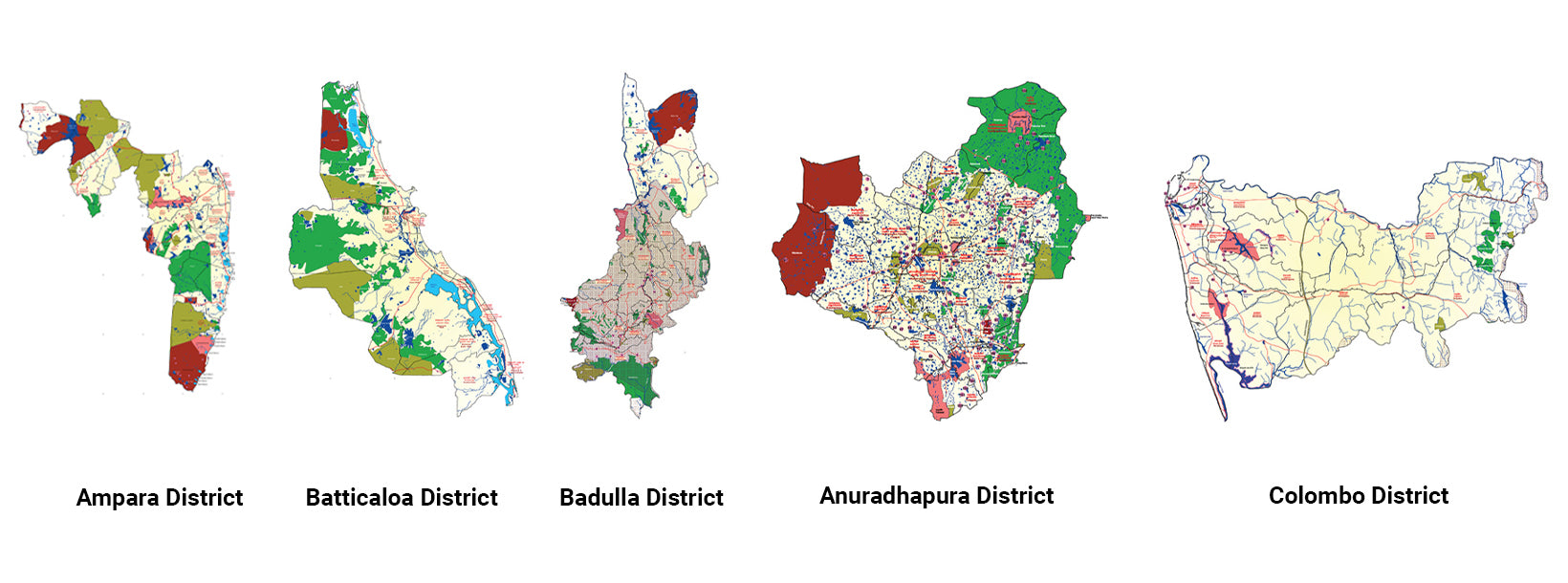
Ampara DistrictA district rich in agriculture, Ampara offers pristine beaches, historical Buddhist sites, and a diverse cultural landscape.
-
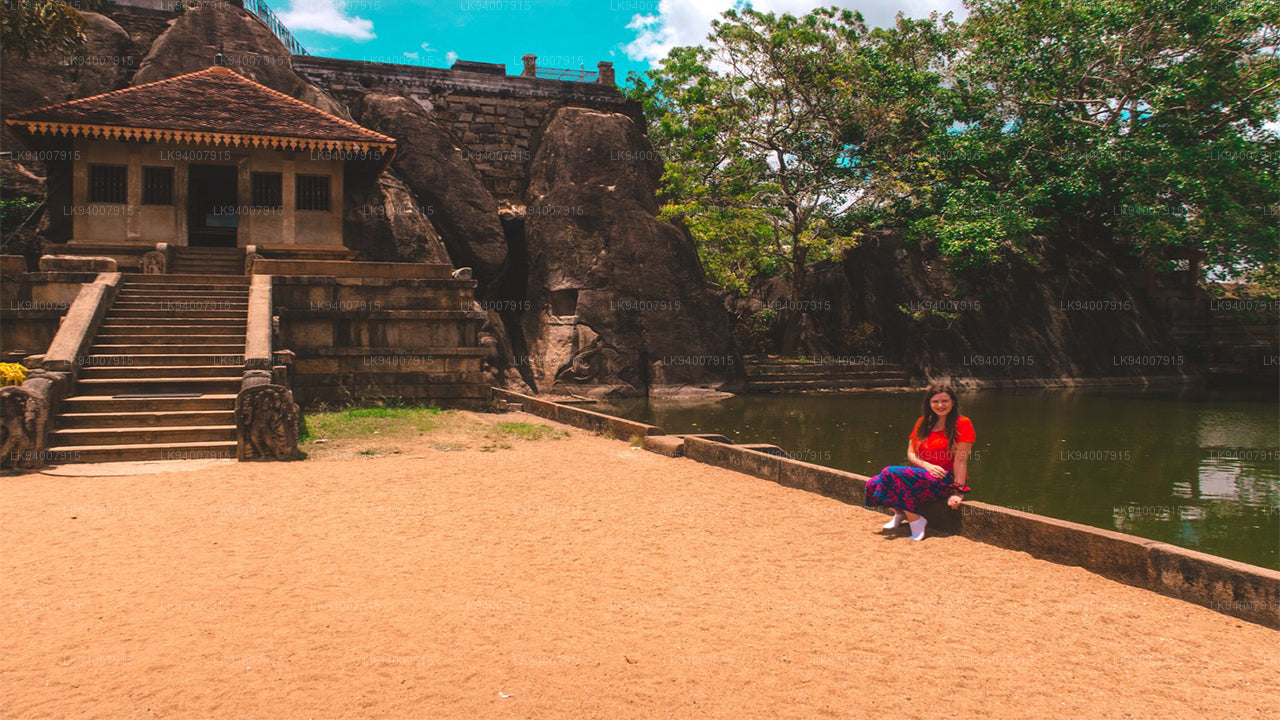
Anuradhapura DistrictOne of the ancient capitals, Anuradhapura is a UNESCO World Heritage Site, rich with historic Buddhist monuments and temples.
-
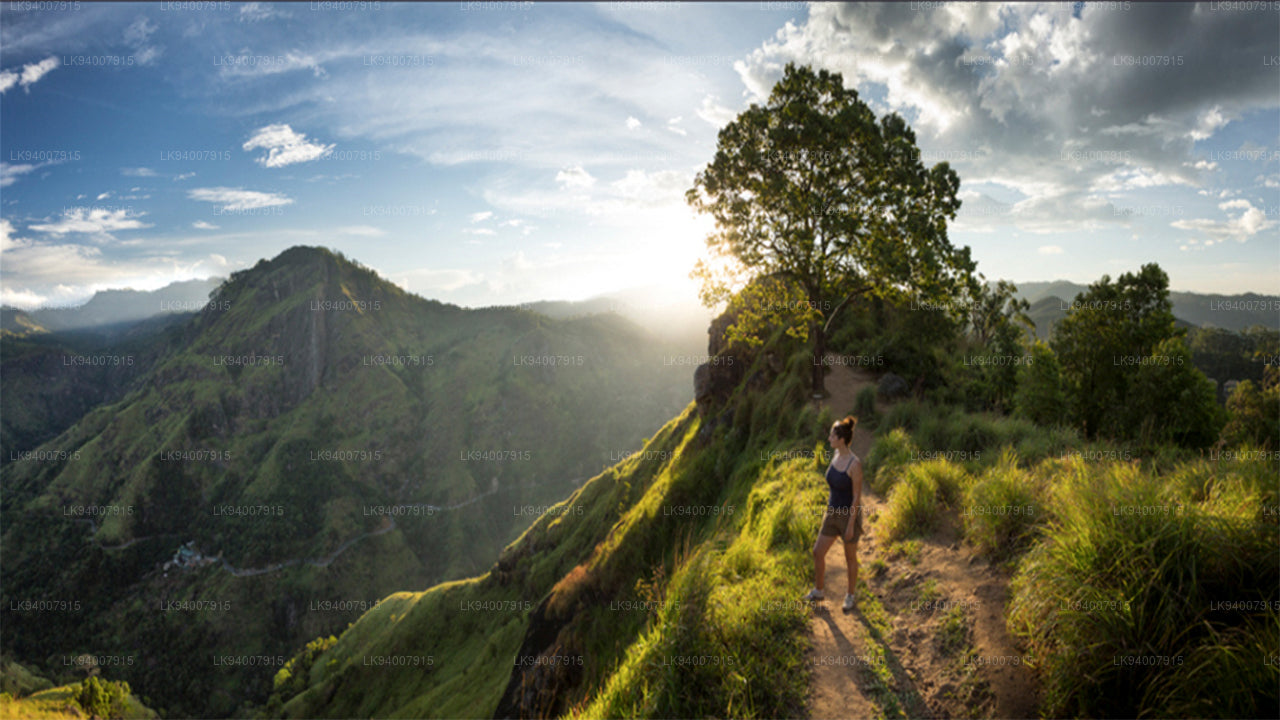
Badulla DistrictBadulla is a scenic district surrounded by mountains, tea plantations, and stunning waterfalls, offering a peaceful retreat.
-
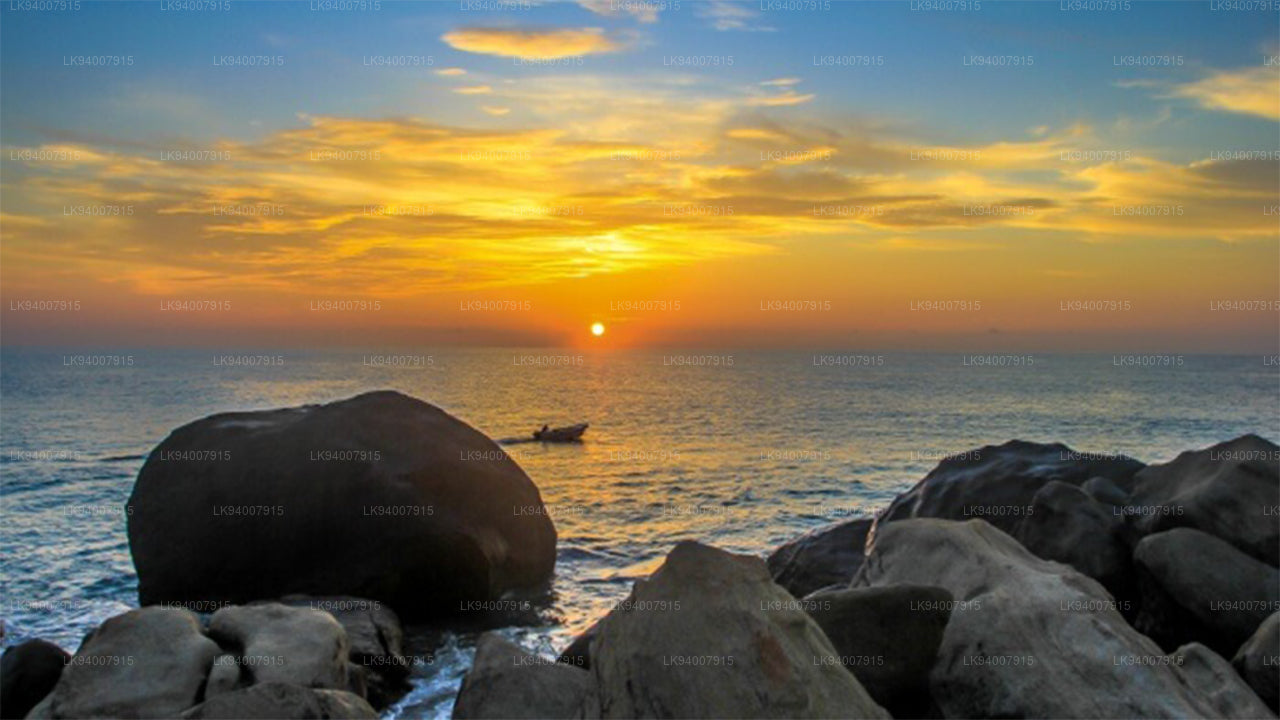
Batticaloa DistrictKnown for its lagoons and beaches, Batticaloa is a serene district with a rich blend of Tamil and Muslim culture.
-
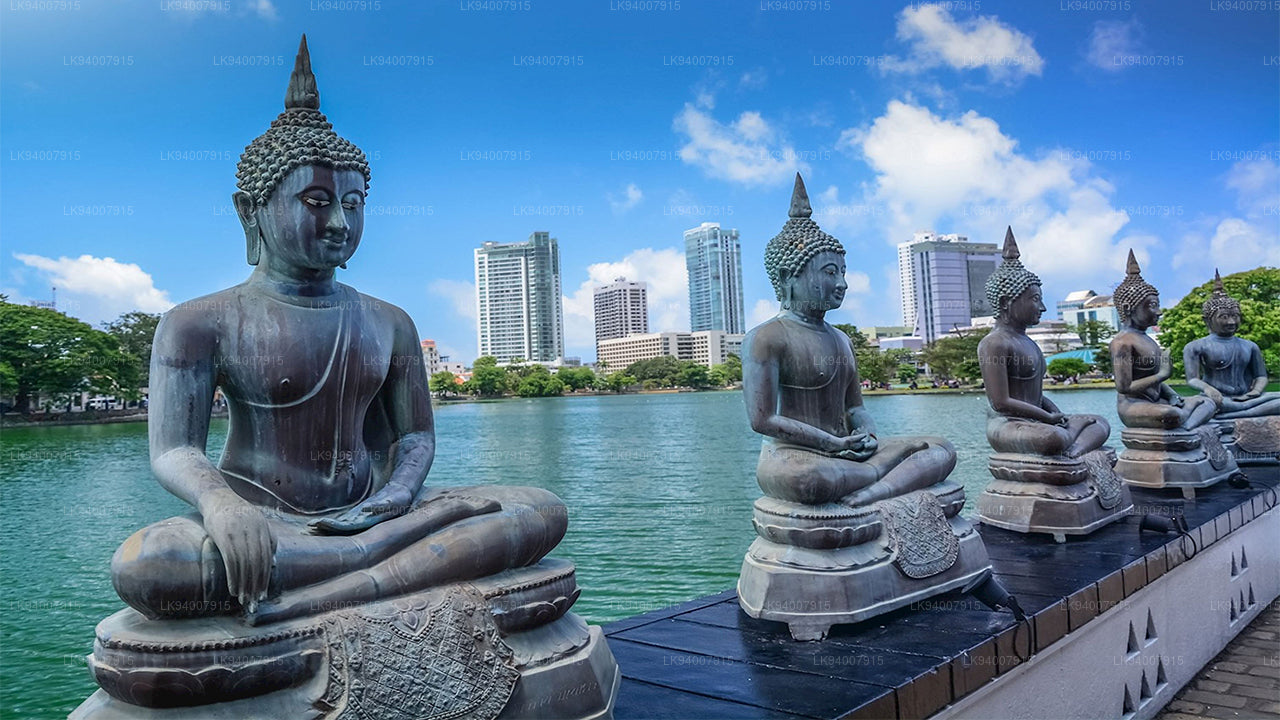
Colombo DistrictSri Lanka’s bustling commercial capital, Colombo is a vibrant metropolis known for its urban landscape, colonial architecture, and coastal beauty.
-
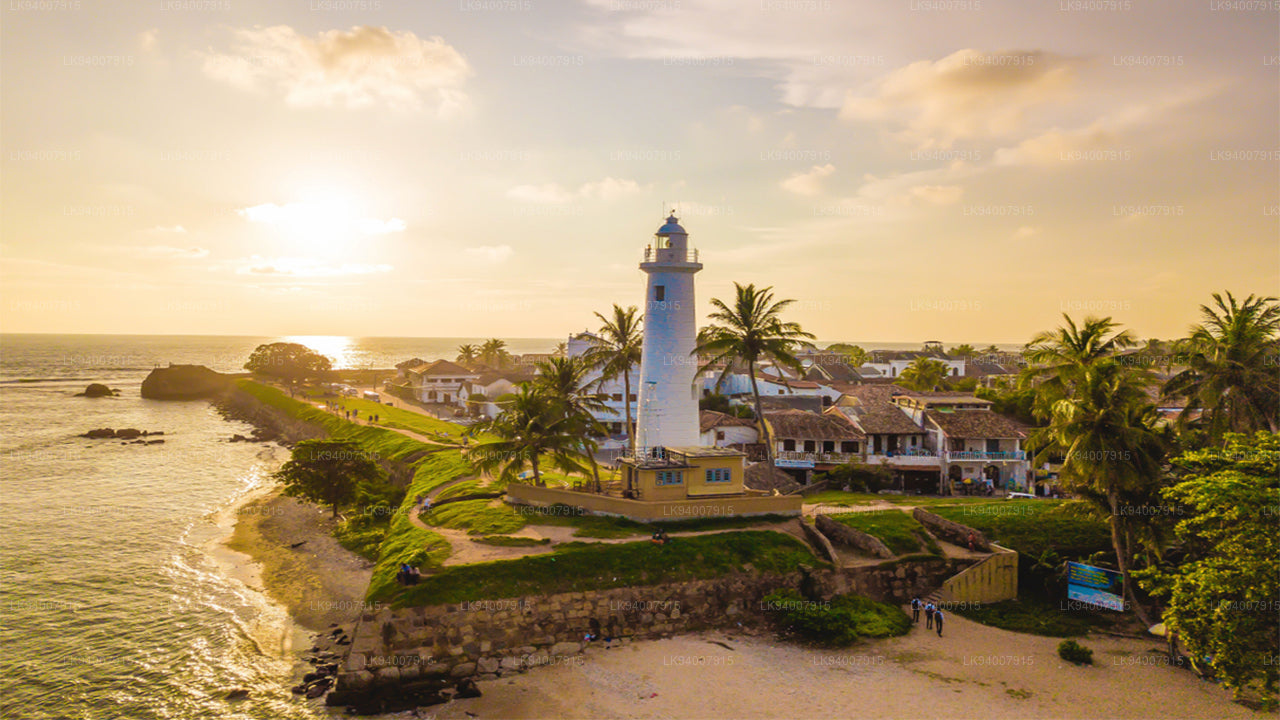
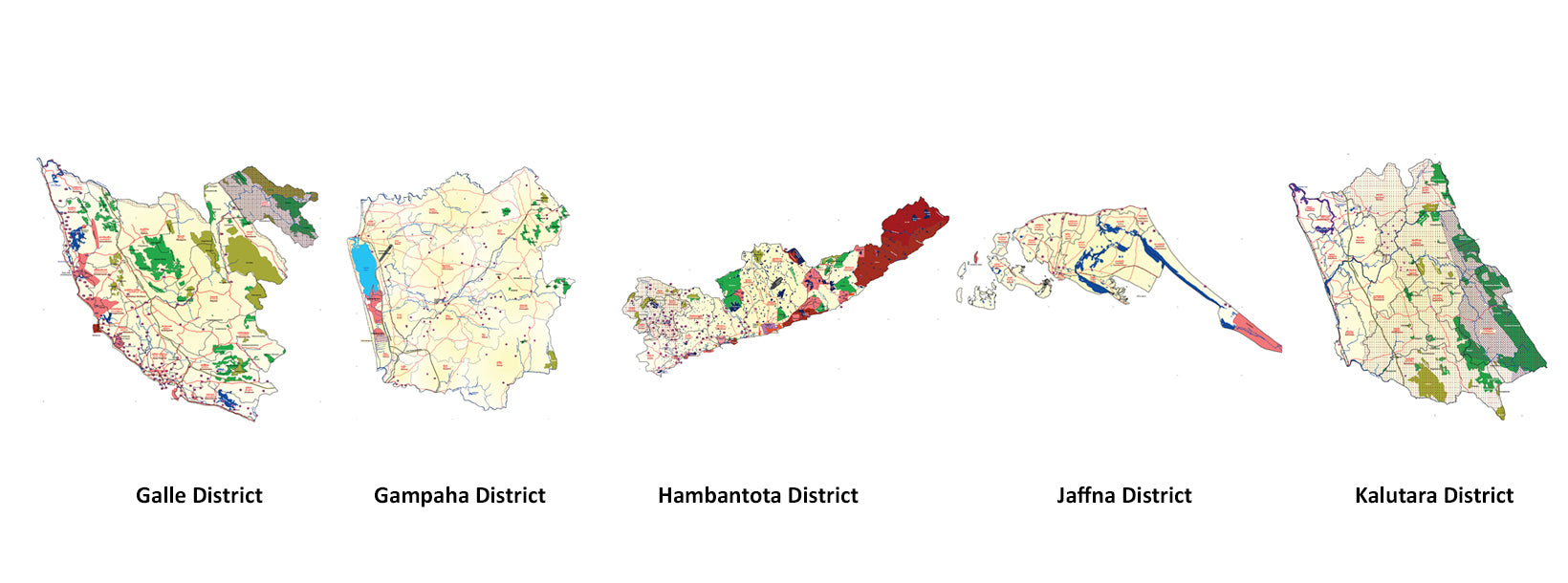
Galle DistrictA historic coastal district, Galle is famous for its UNESCO-listed Dutch Fort, pristine beaches, and rich colonial history.
-
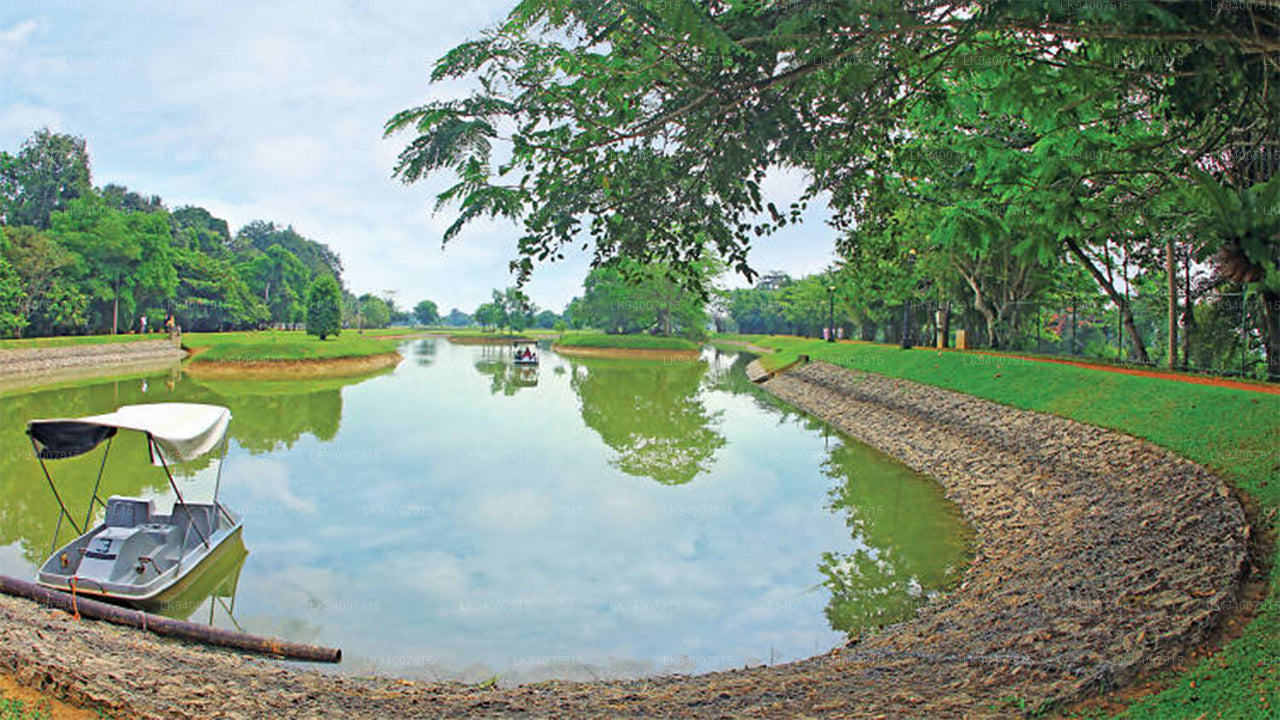
Gampaha DistrictA district blending urban and rural life, Gampaha is home to the Katunayake Airport and scenic beaches.
-
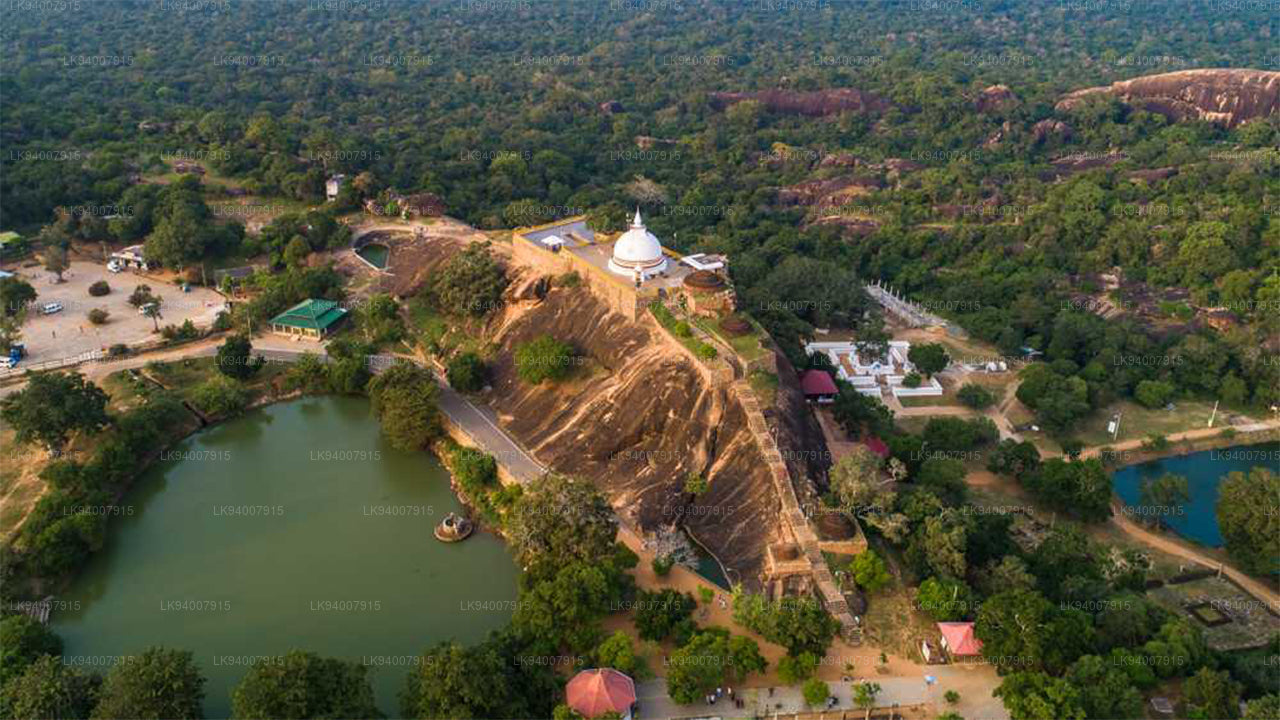
Hambantota DistrictKnown for its wildlife parks, including Yala and Bundala, Hambantota is a growing hub of development and eco-tourism.
-
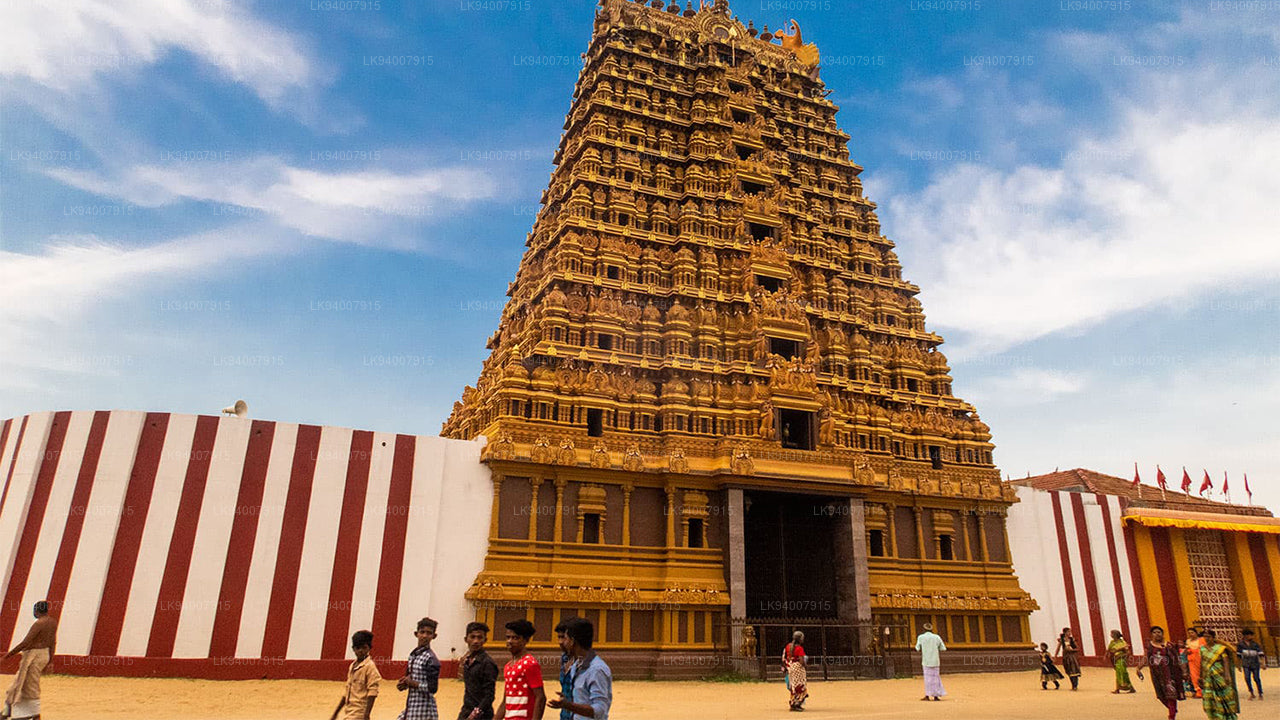
Jaffna DistrictThe cultural center of Tamil heritage, Jaffna is known for its historic temples, vibrant culture, and rich history.
-
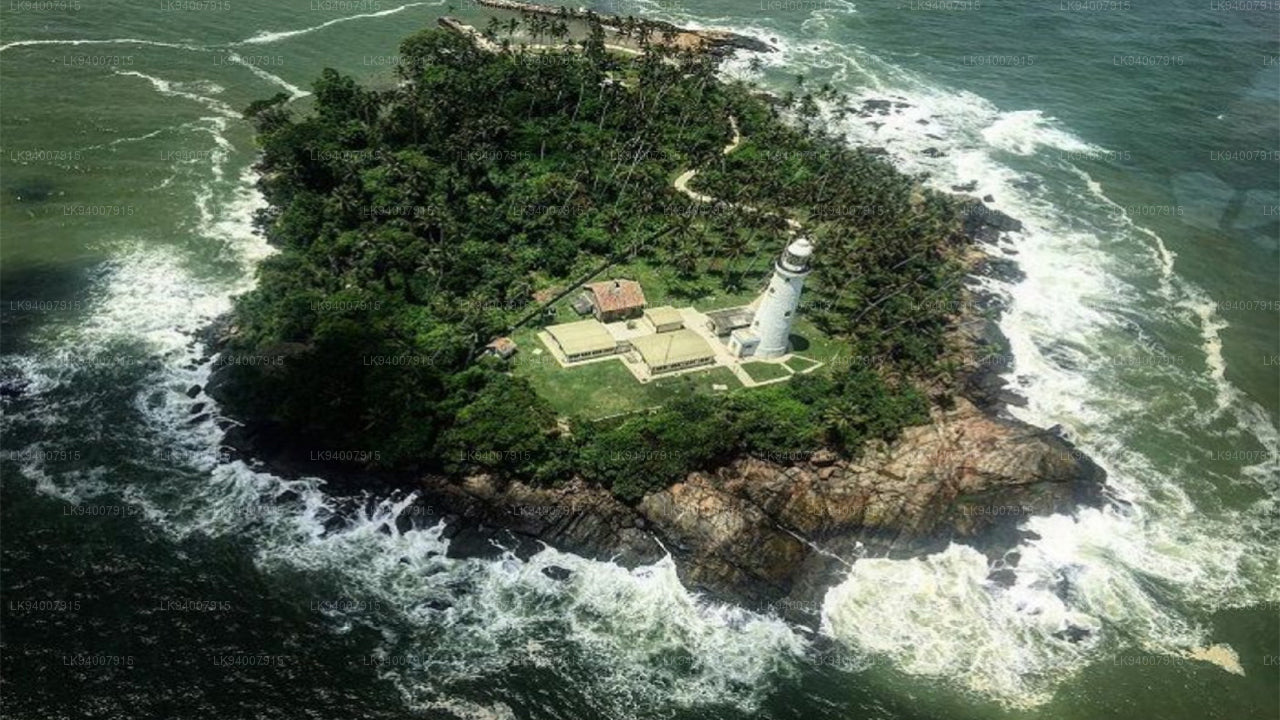
Kalutara DistrictKnown for its historic Kalutara Bodhiya and beautiful beaches, Kalutara offers coastal charm and religious significance.
-
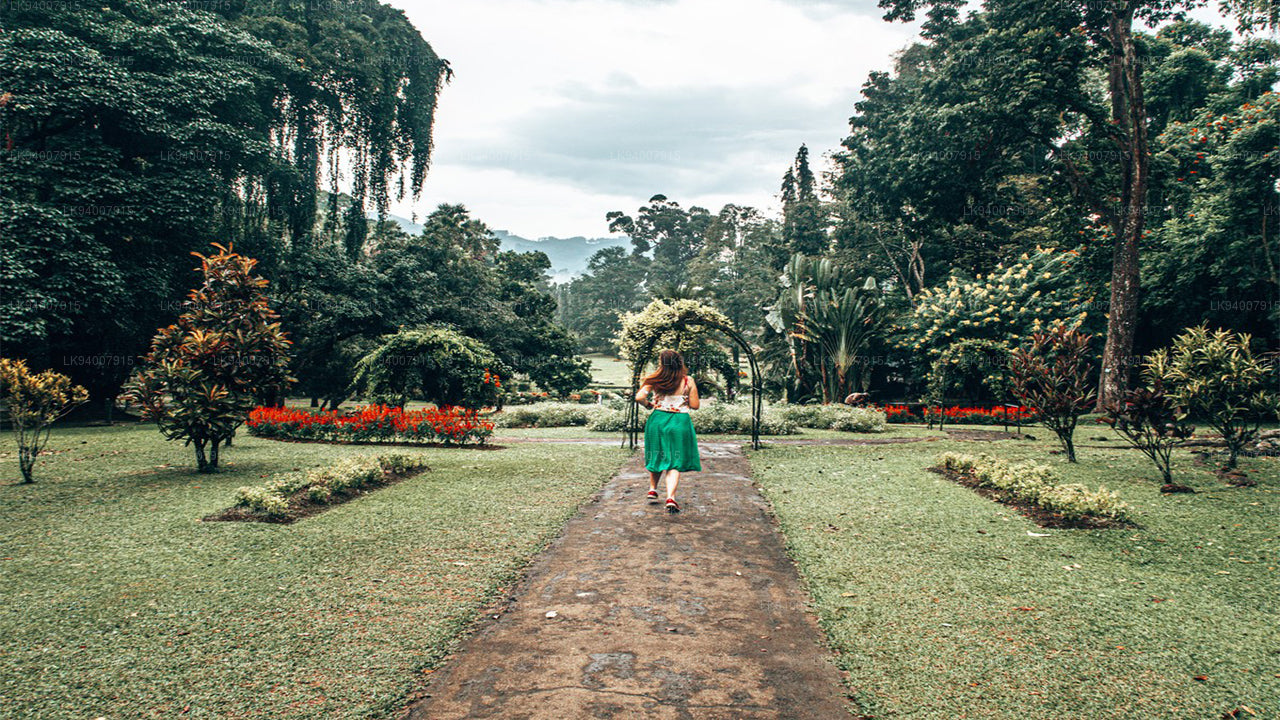
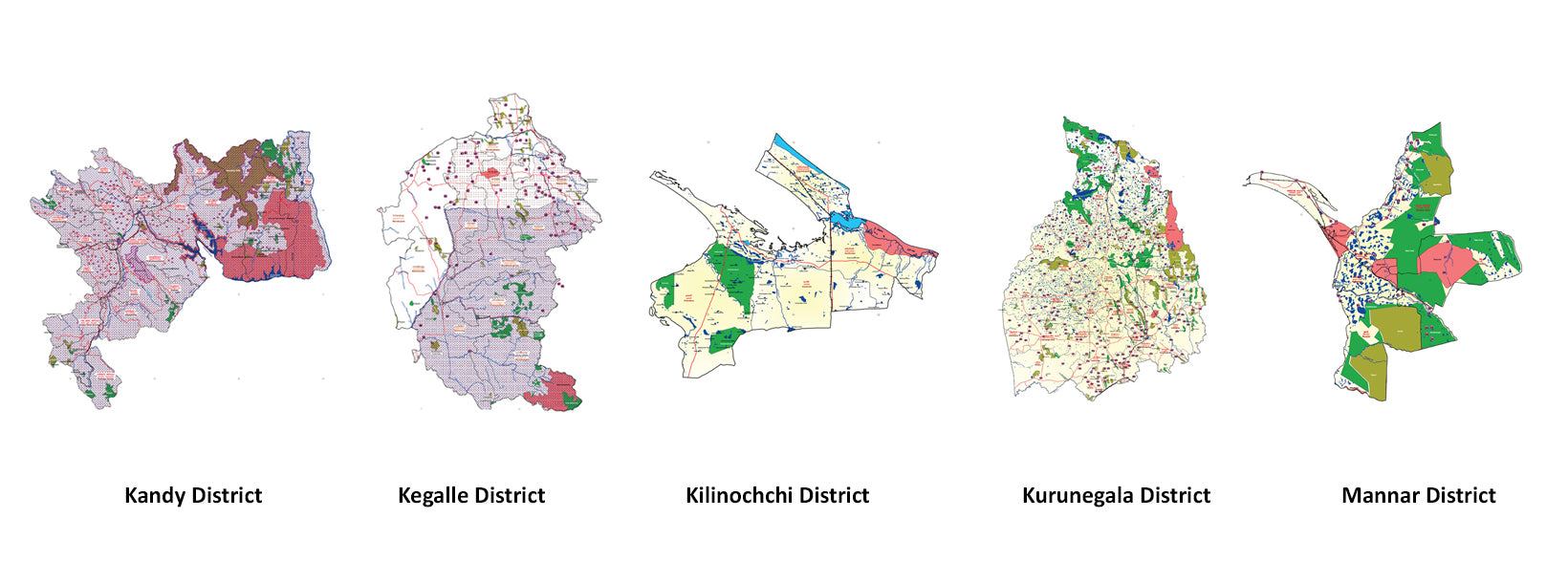
Kandy DistrictFamous for the Temple of the Tooth and its stunning lake, Kandy is the cultural heart of Sri Lanka and a UNESCO World Heritage Site.
-
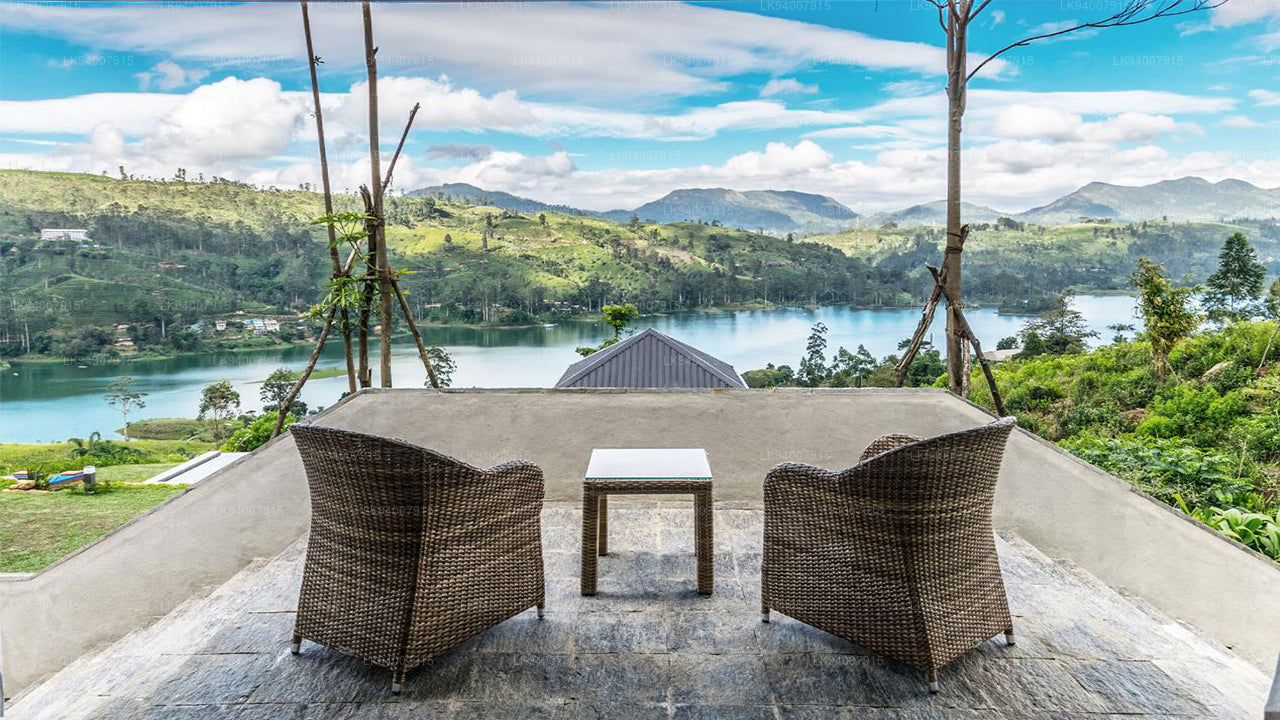
Kegalle DistrictKegalle is known for its rubber plantations and the Pinnawala Elephant Orphanage, a popular tourist attraction.
-
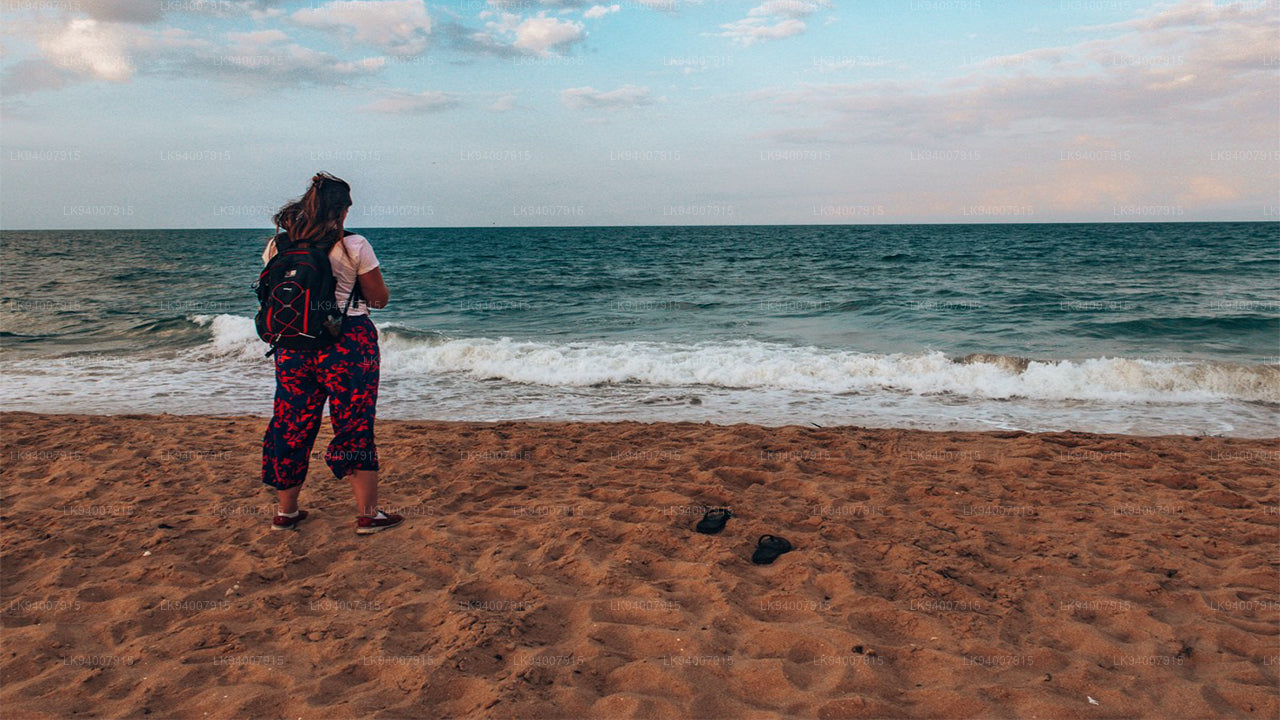
Kilinochchi DistrictA primarily agricultural district, Kilinochchi has seen rapid post-war development and is home to numerous water resources.
-
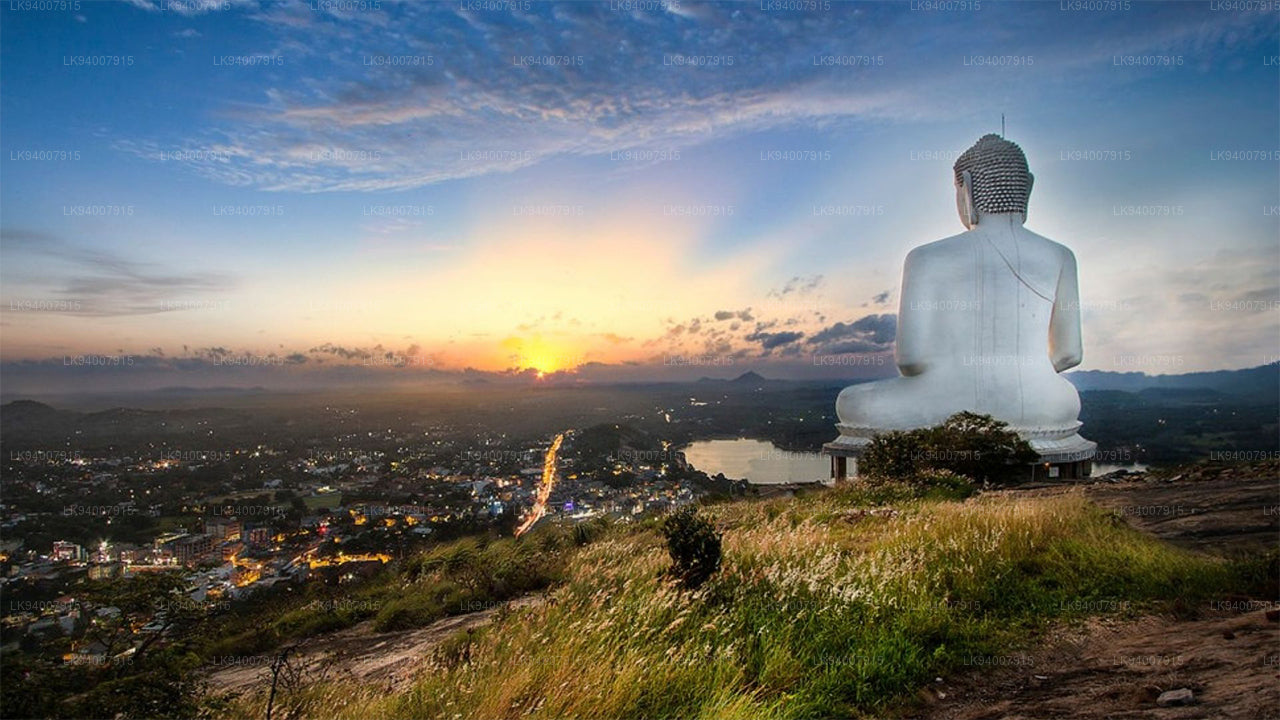
Kurunegala DistrictFamous for its elephant rock, Kurunegala is an agricultural hub surrounded by historic ruins and religious sites.
-
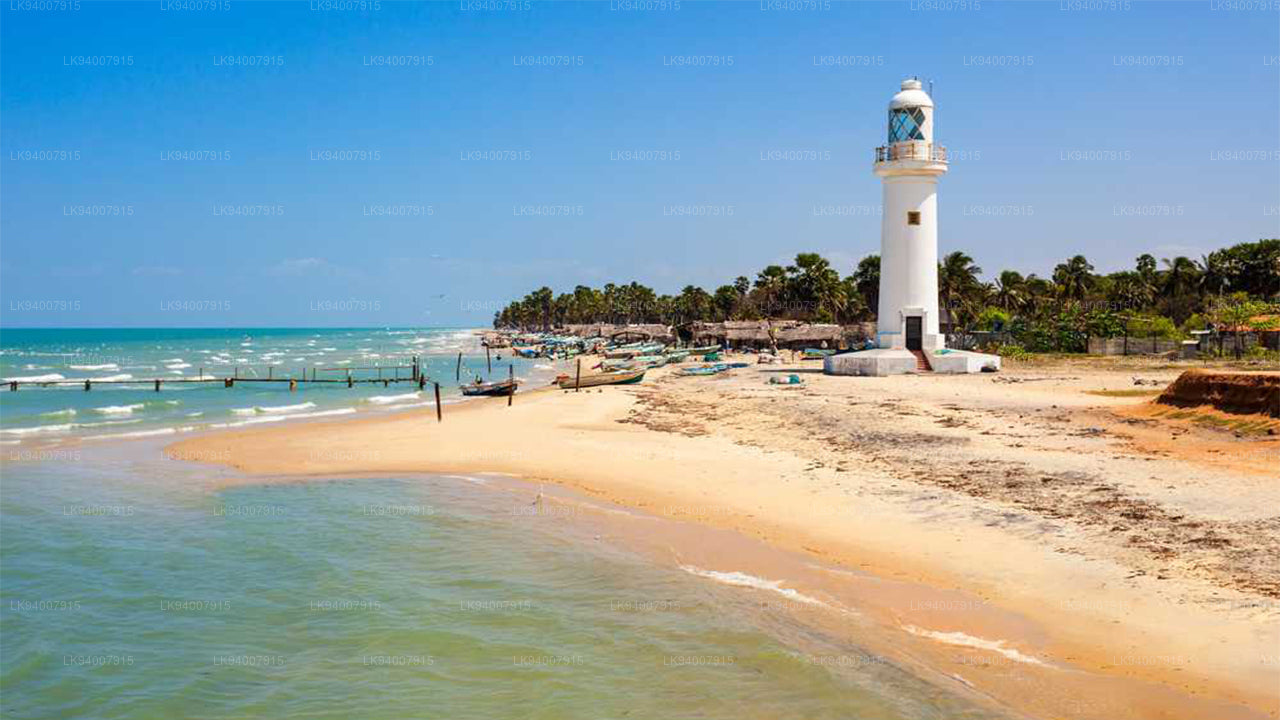
Mannar DistrictFamous for its unique landscapes, pearl fisheries, and the historic Mannar Fort, this district has a rich maritime history.
-
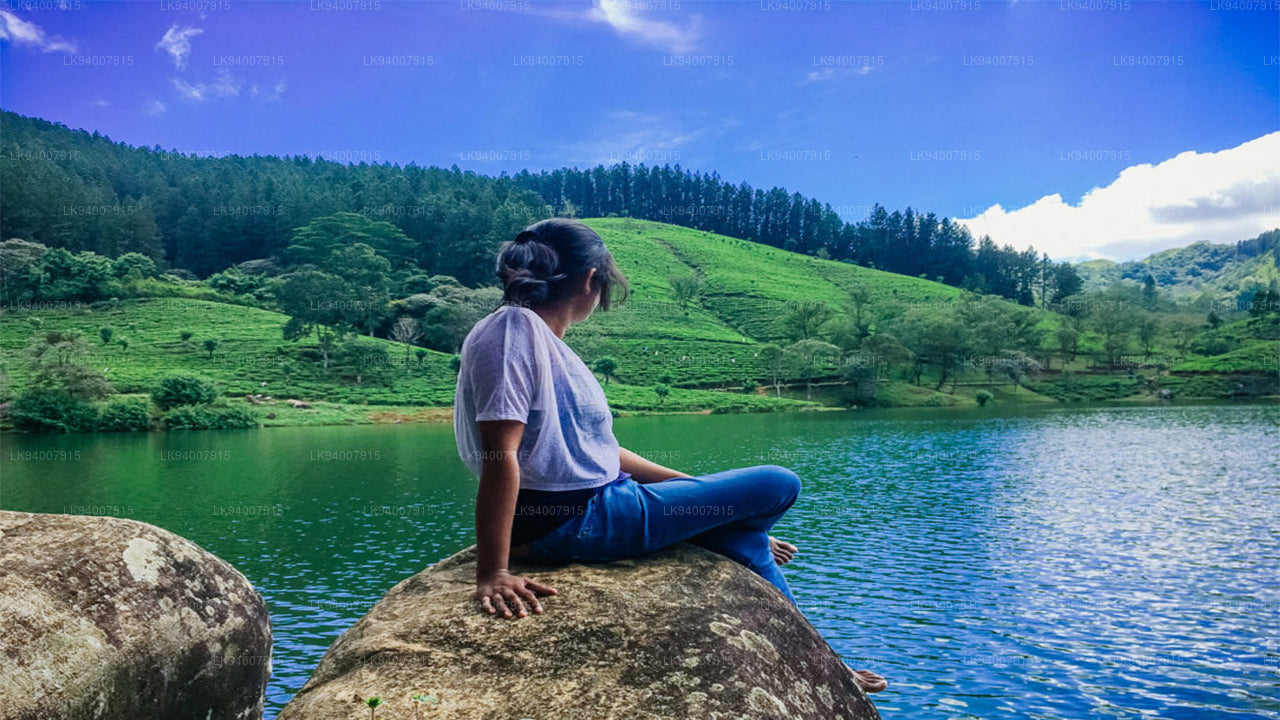
Matale DistrictA district filled with spice plantations, waterfalls, and historic temples, Matale offers scenic natural beauty.
-
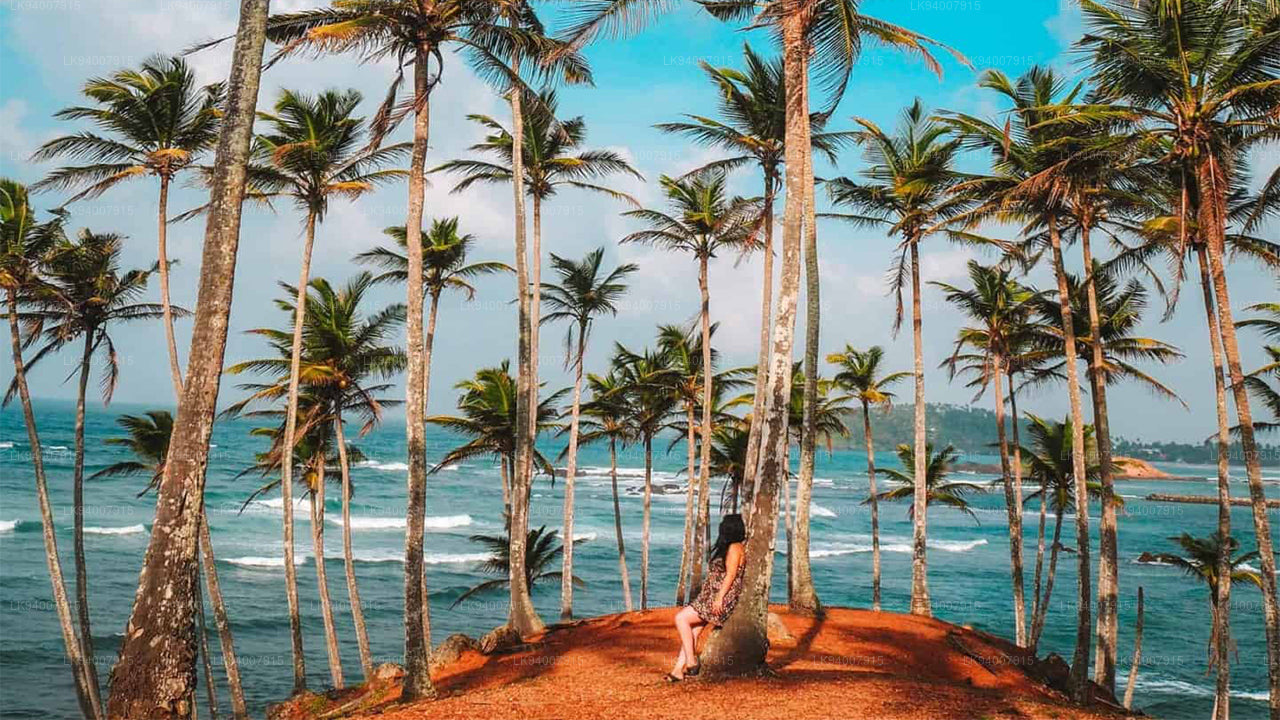
Matara DistrictMatara boasts stunning beaches, the Dondra Head lighthouse, and a mix of coastal and cultural attractions.
-
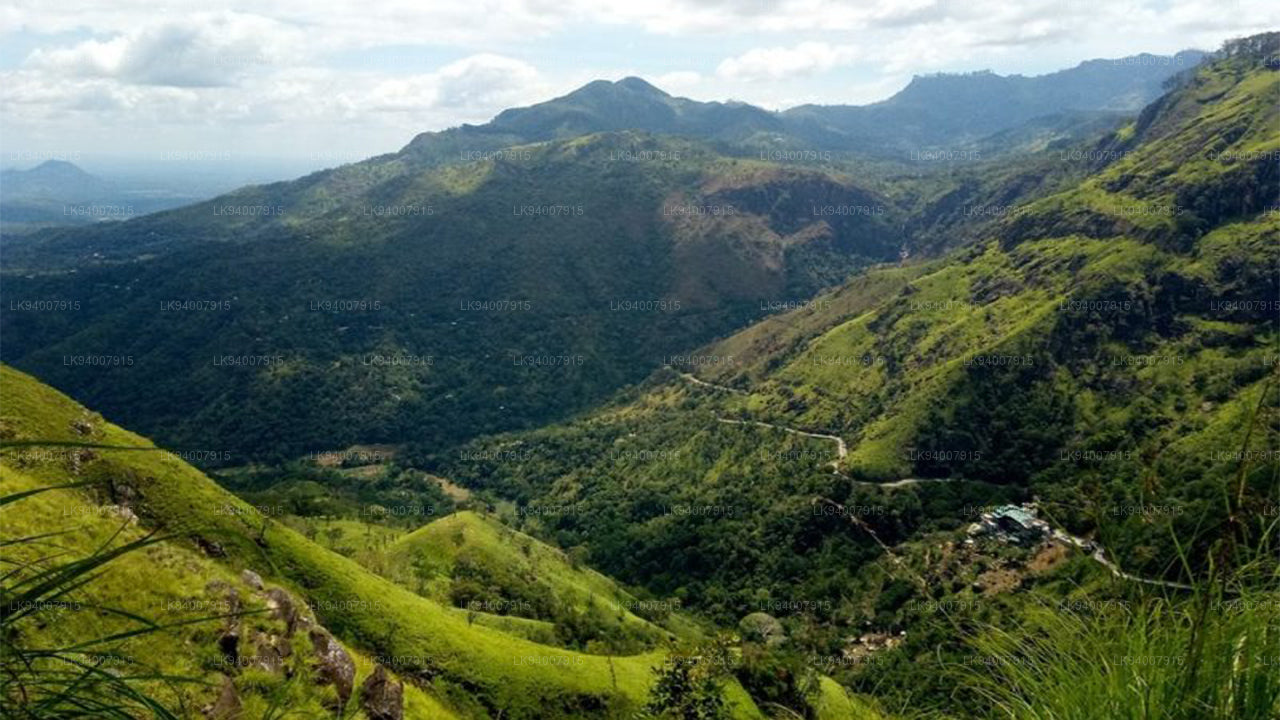
Monaragala DistrictKnown for its rugged landscapes and rich biodiversity, Monaragala is an agricultural district with vast natural beauty.
-
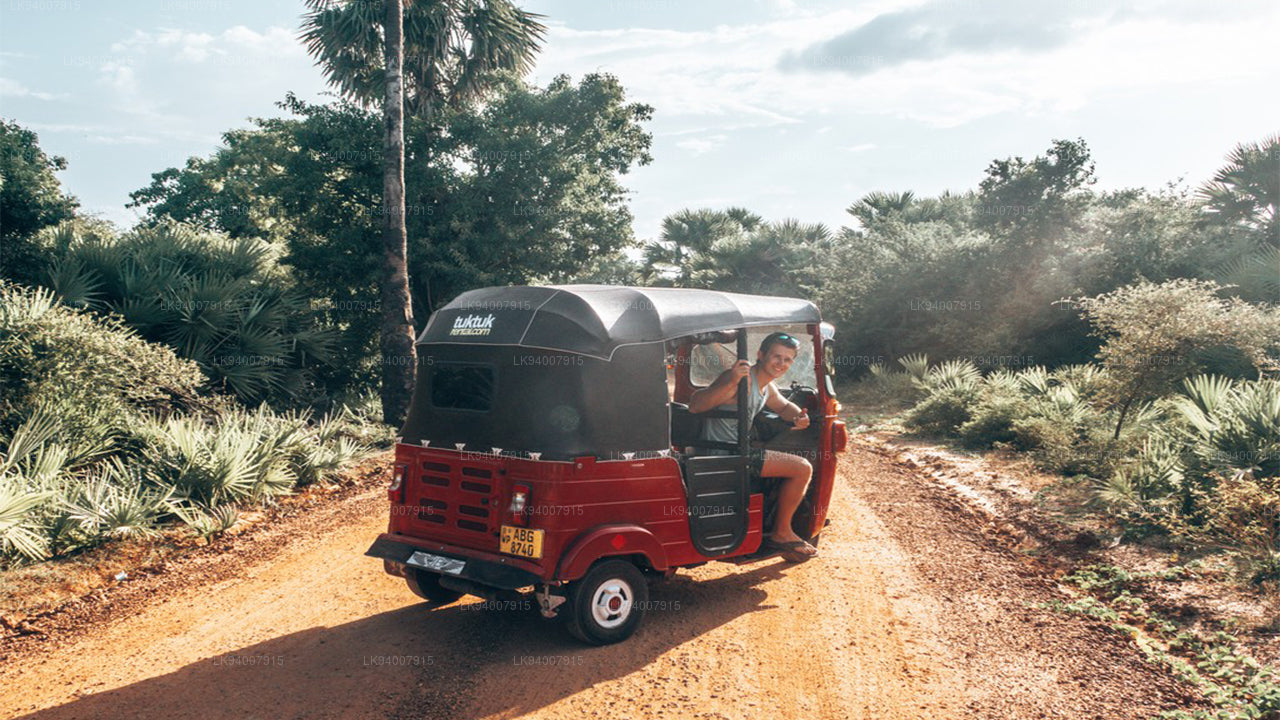
Mullaitivu DistrictA largely rural and coastal district, Mullaitivu is known for its beaches and significant history during the civil conflict.
-
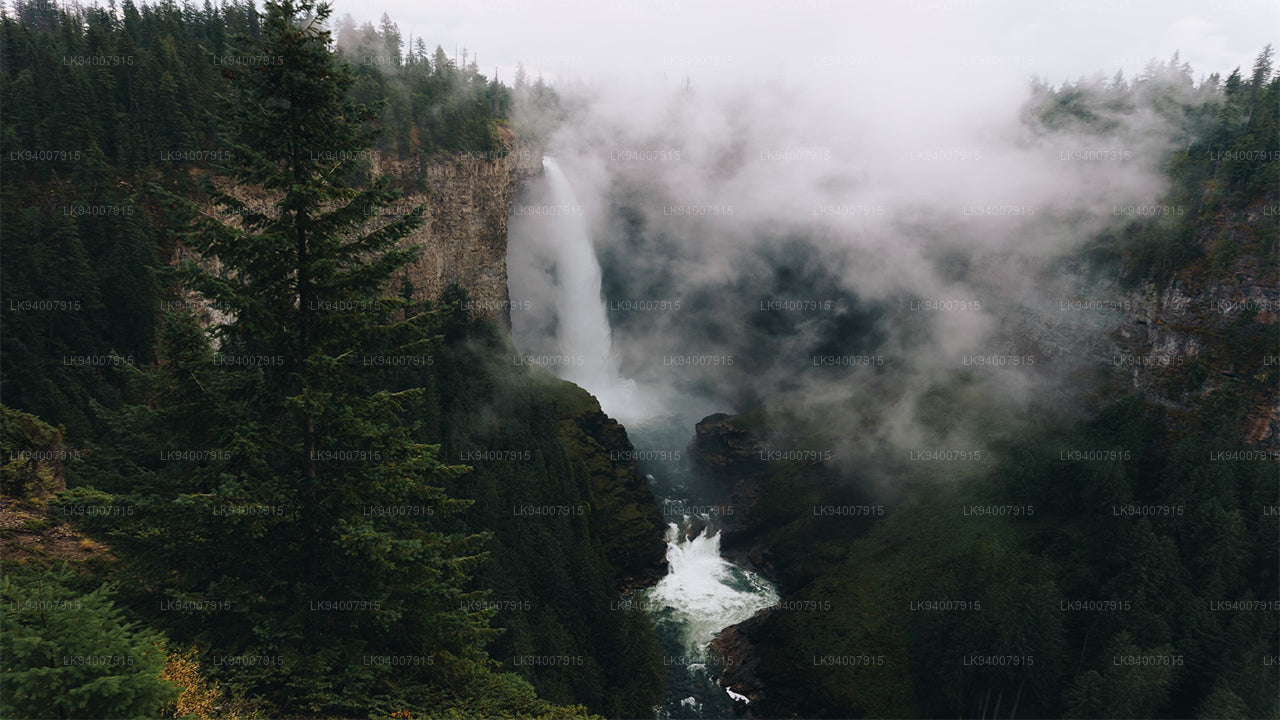
Nuwara Eliya DistrictOften called "Little England," Nuwara Eliya is renowned for its cool climate, tea plantations, and colonial architecture.
-
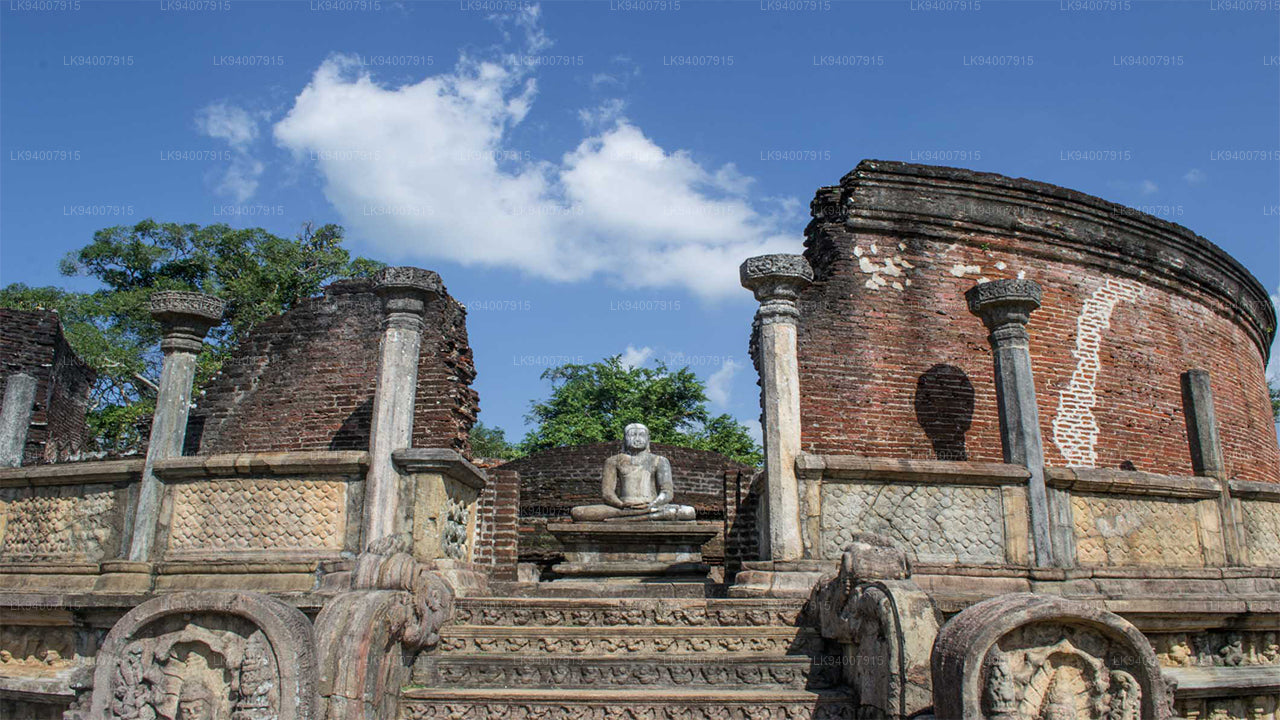
Polonnaruwa DistrictPolonnaruwa is a treasure trove of ancient ruins, including the famous Gal Vihara, and a key archaeological site.
-
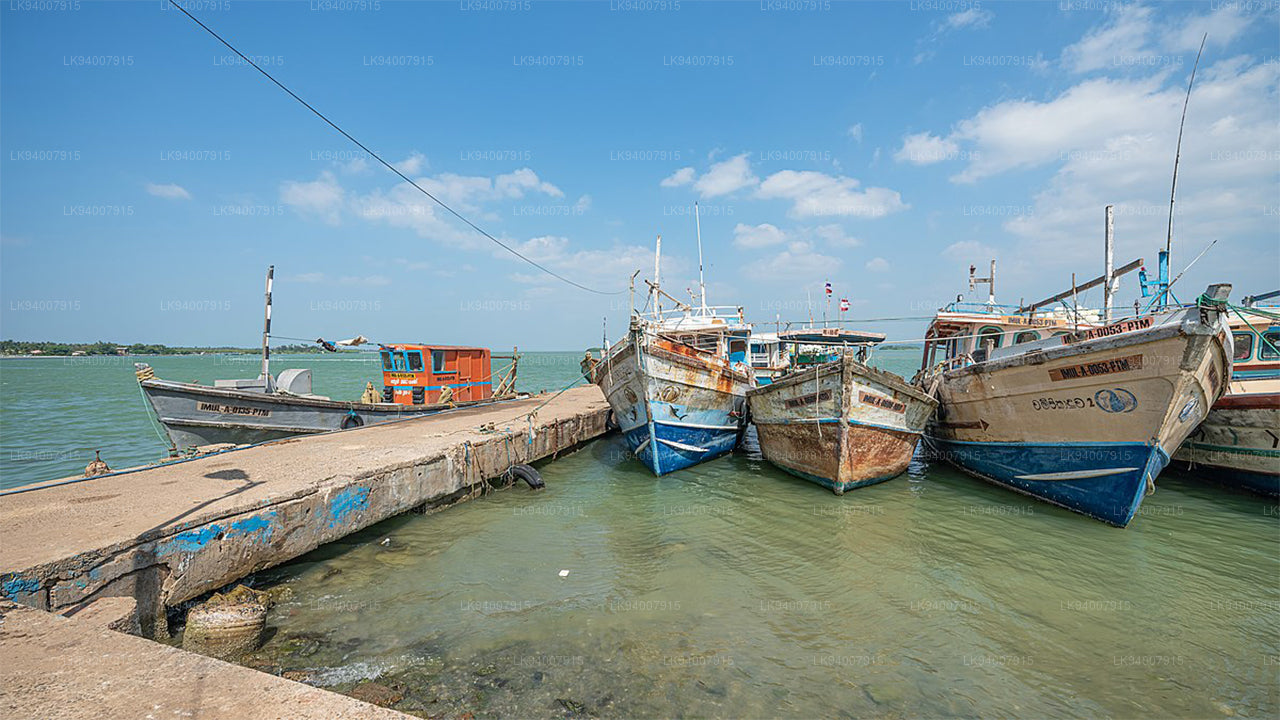
Puttalam DistrictPuttalam is known for its coastal lagoons, wildlife sanctuaries, and salt production, along with a growing wind energy sector.
-
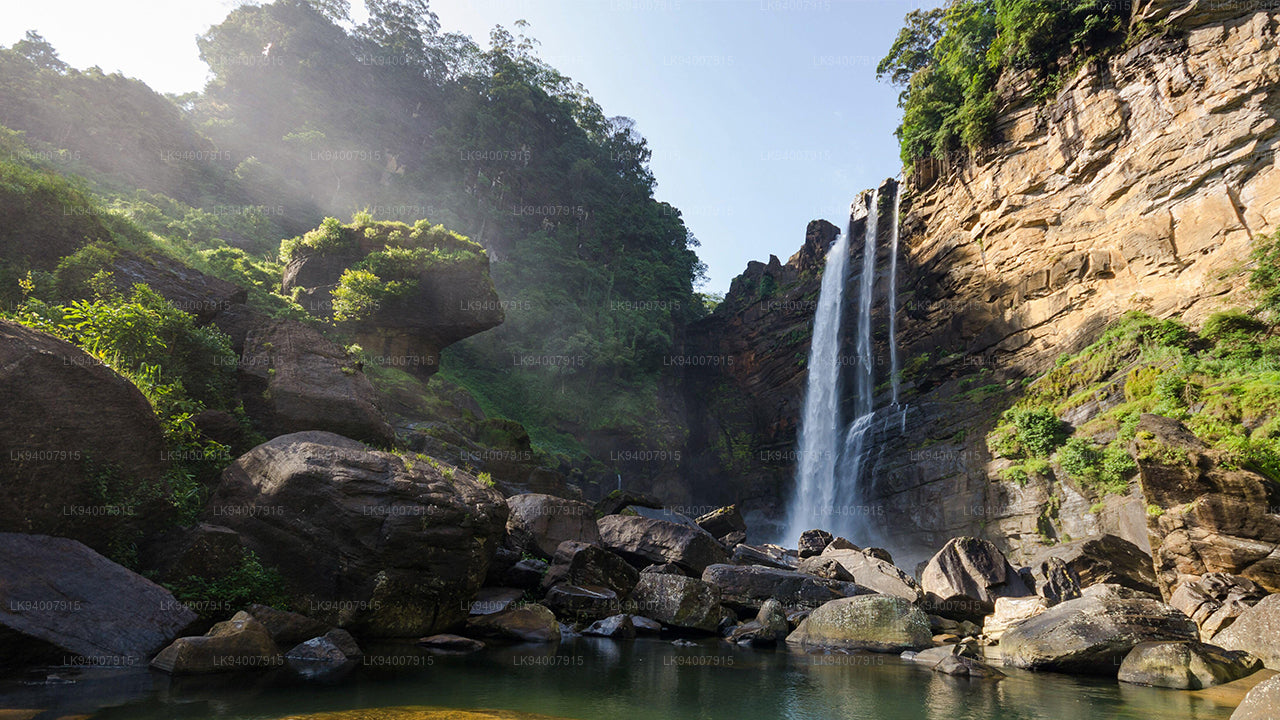
Ratnapura DistrictThe "City of Gems," Ratnapura is famous for its gem mining and lush green landscapes filled with waterfalls and tea estates.
-
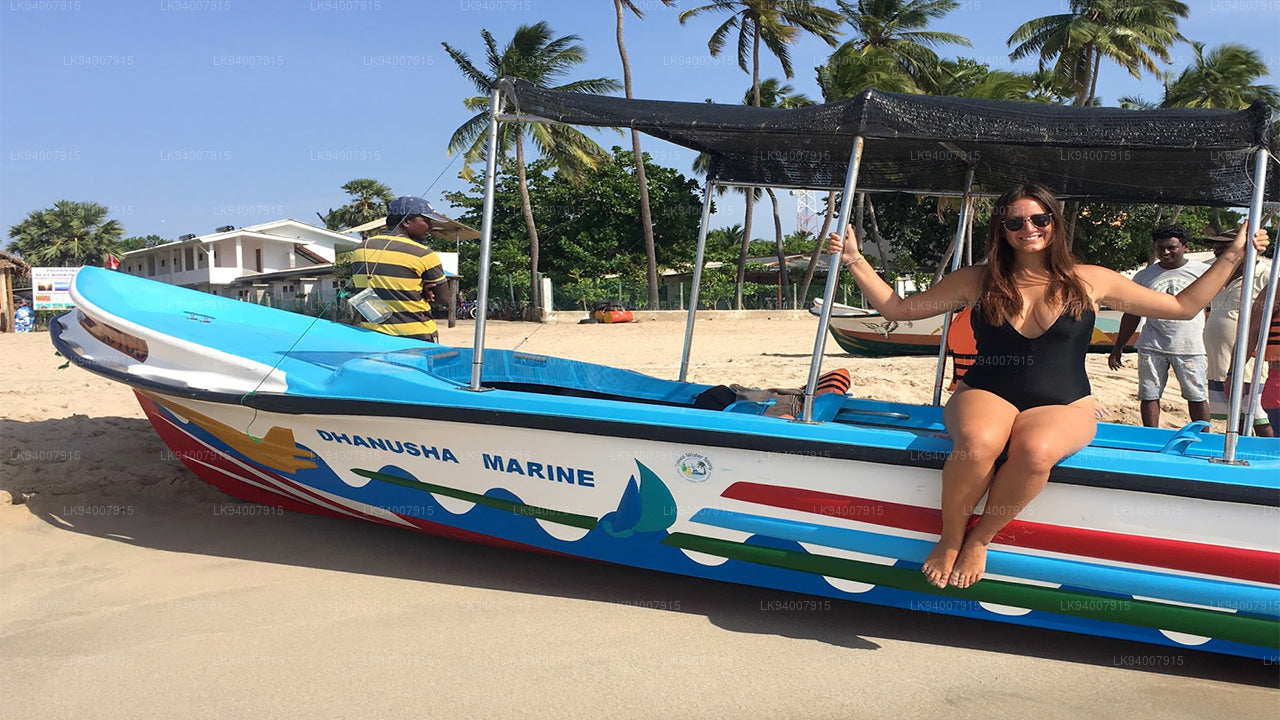
Trincomalee DistrictA coastal gem, Trincomalee is home to beautiful beaches, historic Hindu temples, and one of the world’s finest natural harbors.
-
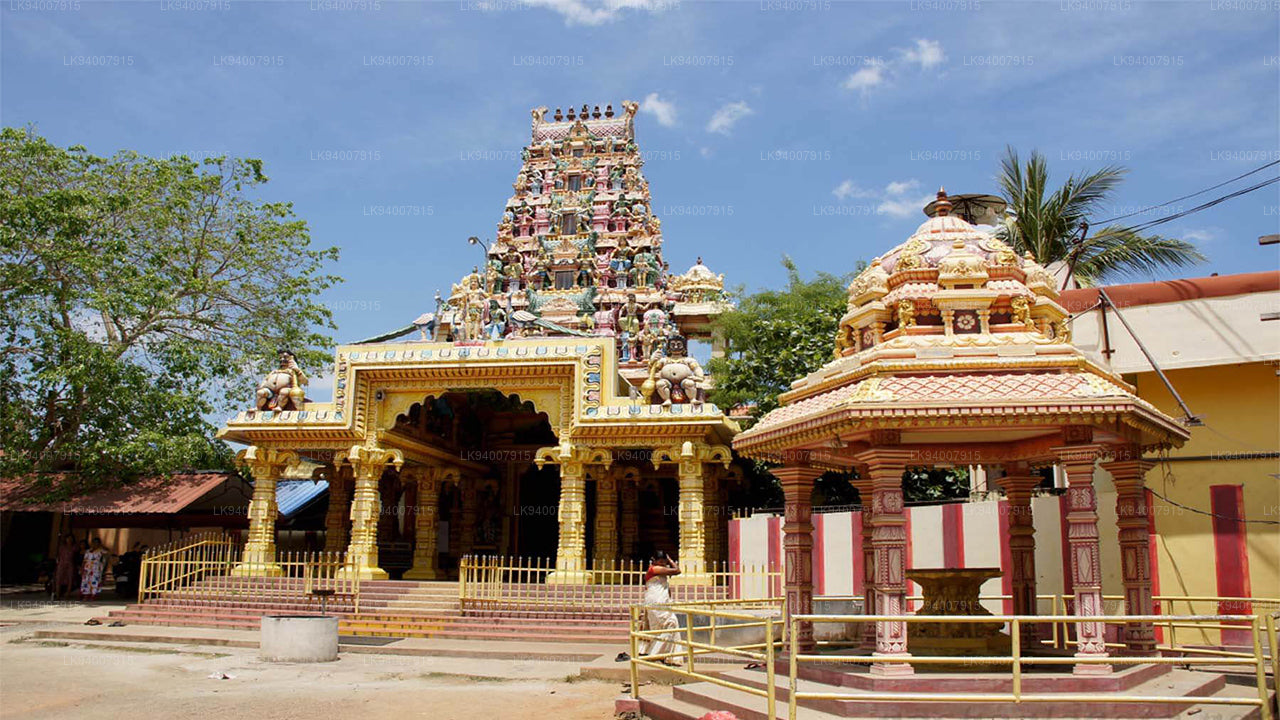
Vavuniya DistrictA key transit hub between the north and south, Vavuniya is known for its agriculture and growing urbanization.