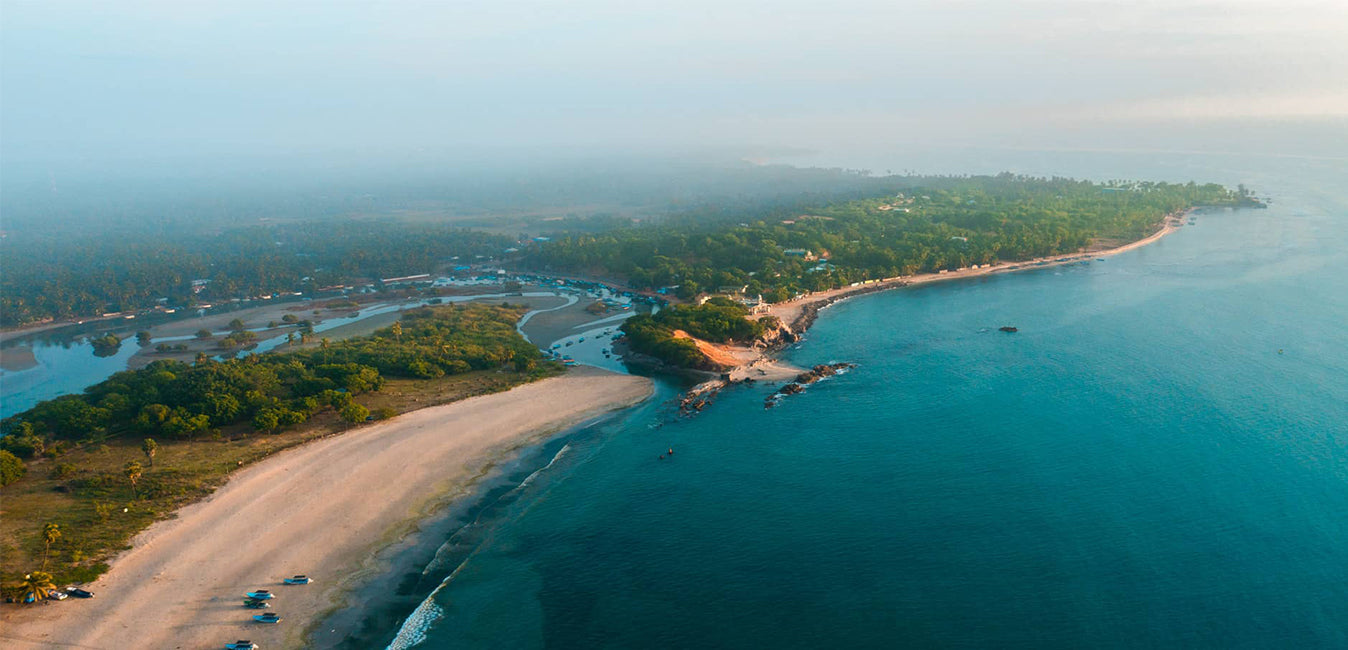
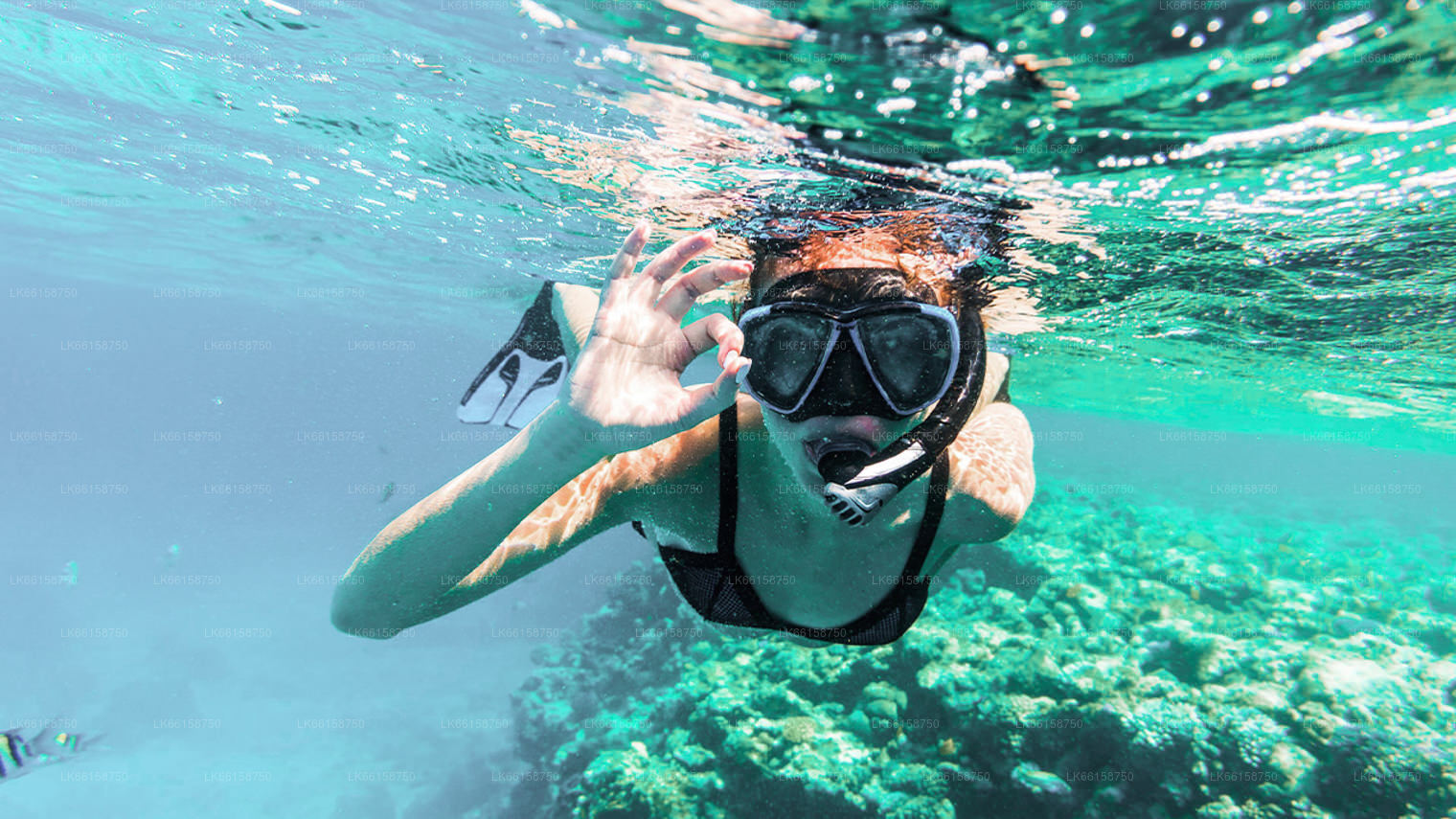
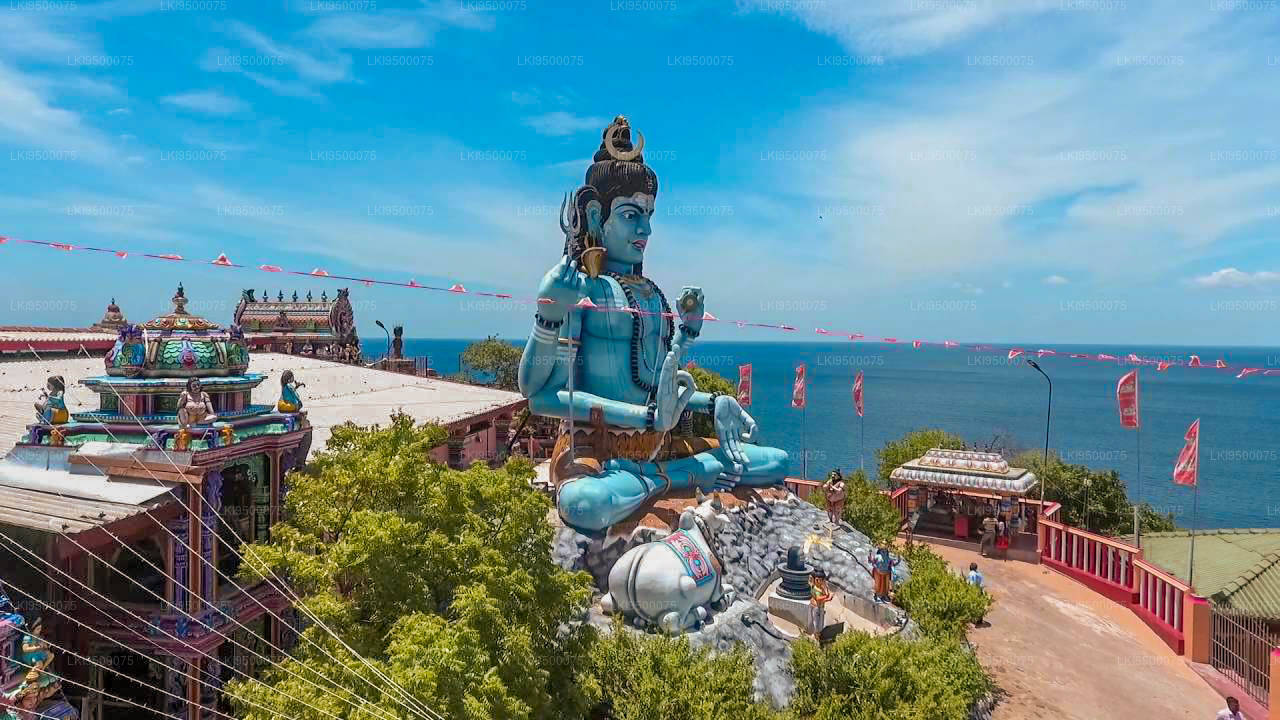
Trincomalee, located on the northeast coast of Sri Lanka, boasts a natural deep-water harbor and pristine beaches. Rich in history, it features landmarks like the ancient Koneswaram Temple. The city's diverse marine life and vibrant culture make it a captivating destination for tourists and historians alike.
Trincomalee, l'ancien Gokanna, ville et port, Sri Lanka, sur la côte nord-est de l'île. Il est situé sur une péninsule dans la baie de Trincomalee, anciennement appelée baie de Koddiyar (ce qui signifie "Fort près de la rivière")—l'un des meilleurs ports naturels du monde.
Trincomalee était autrefois une importante colonie d'immigrants indo-aryens. Le Temple des Mille Colonnes (également appelé Temple de Koneswaram), situé à l'extrémité de la péninsule, a été utilisé comme temple hindou à un moment donné au 7e siècle ou avant. Les premiers Européens à occuper la ville furent les Portugais au 17e siècle; ils ont rasé le temple, utilisant ses pierres pour construire une forteresse. Le port a changé de mains à plusieurs reprises entre les Hollandais, les Français et les Britanniques jusqu'à ce que les Britanniques en prennent définitivement possession en 1795. L'importance de Trincomalee en tant que base britannique majeure a augmenté après que les Japonais aient expulsé les Britanniques de Singapour pendant la Seconde Guerre mondiale; les Japonais ont bombardé la ville en 1942. Les Britanniques ont continué à contrôler le port après l'indépendance du Sri Lanka, mais l'ont abandonné en 1957.
Le port de Trincomalee n'est plus important commercialement, bien que dans les années 1960, la congestion et les problèmes de main-d'œuvre à Colombo, la capitale commerciale du Sri Lanka et le port principal, aient conduit une partie du commerce à être redirigée par celui-ci. Le tourisme est devenu un élément important de l'économie locale. La ville est un terminus ferroviaire et dispose de bonnes connexions routières avec le reste du Sri Lanka. En décembre 2004, un grand tsunami provoqué par un tremblement de terre sous-marin près de l'Indonésie a tué des centaines de personnes à Trincomalee et causé des destructions à grande échelle. Population (préliminaire 2007) 51 624.
Most of the Tamils and Sinhalese believe that this place is sacred to them and they are the indigenous people of the area. Trincomalee and its environs have both Hindu and Buddhist sites of historical importance. These sites are sacred to the Hindus and Buddhists.
Eastern Province
The Eastern Province is one of the 9 provinces of Sri Lanka. The provinces have existed since the 19th century but they didn't have any legal status until 1987 when the 13th Amendment to the 1978 Constitution of Sri Lanka established provincial councils. Between 1988 and 2006 the province was temporarily merged with the Northern Province to form the North-East Province. The capital of the province is Trincomalee. The Eastern province's population was 1,460,939 in 2007. The province is the most diverse in Sri Lanka, both ethnically and religiously.
Eastern province has an area of 9,996 square kilometers (3,859.5 sq mi).The province is surrounded by the Northern Province to the north, the Bay of Bengal to the east, the Southern Province to the south, and the Uva, Central and North Central provinces to the west. The province's coast is dominated by lagoons, the largest being Batticaloa lagoon, Kokkilai lagoon, Upaar Lagoon and Ullackalie Lagoon.