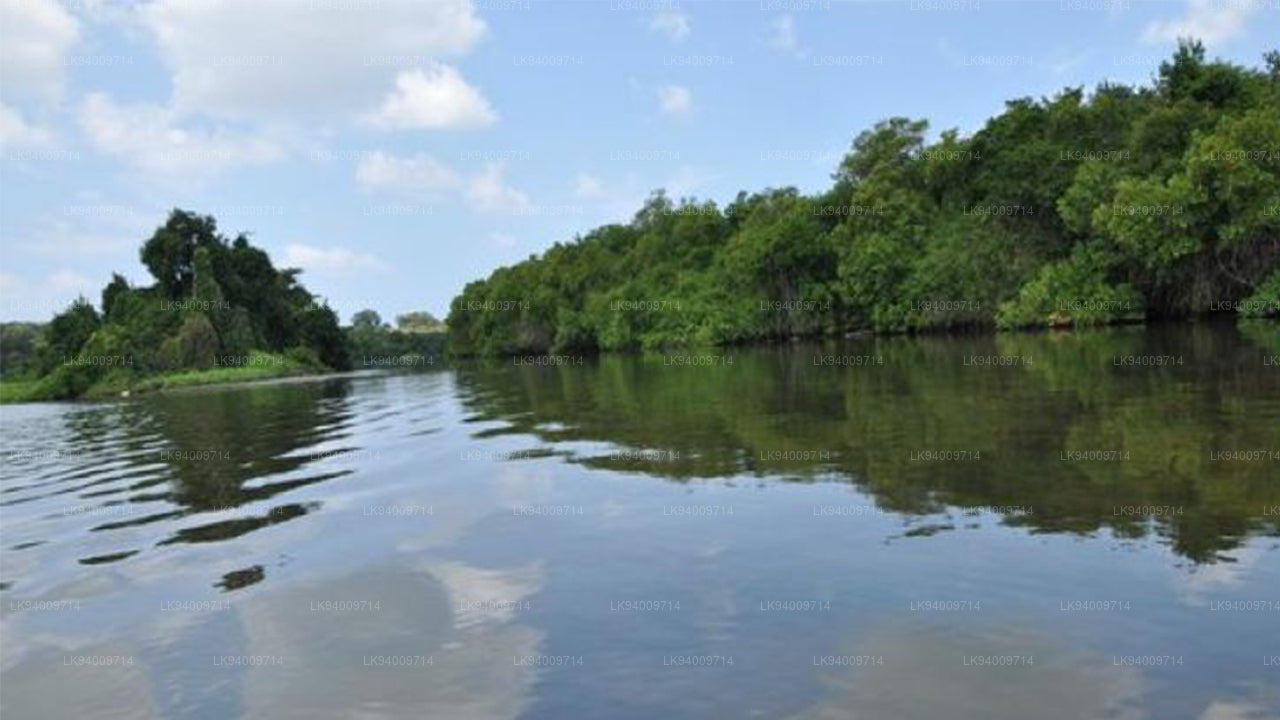
Río Kelani


El Río Kelani es uno de los ríos más pintorescos e icónicos de Sri Lanka, que fluye desde las tierras altas centrales de la isla hasta el Océano Índico en Colombo. Su recorrido a través de bosques frondosos, valles empinados, cascadas y pueblos vibrantes lo convierte en una característica definitoria de la belleza natural de la región occidental. El río es conocido por sus vistas panorámicas, su valor recreativo y la vida que aporta a las comunidades a lo largo de sus orillas, especialmente en los distritos de Kegalle, Colombo y Gampaha.
Durante siglos, el Río Kelani ha jugado un papel esencial en la formación de la identidad cultural e histórica de Sri Lanka. Fluye cerca de lugares sagrados como Adam's Peak y a través de áreas conectadas con leyendas y antiguas rutas comerciales. El río sigue siendo central en las prácticas religiosas, rituales y actividades cotidianas de muchas comunidades. Sus aguas han apoyado la agricultura, los medios de vida tradicionales y los asentamientos, permitiendo que las personas prosperen en las regiones enriquecidas por su flujo constante.
El Río Kelani también contribuye significativamente a las actividades económicas de Sri Lanka. Sostiene la generación de energía hidroeléctrica a través de instalaciones como las estaciones de energía Laxapana y Canyon, que ayudan a suministrar energía a la red nacional. Su cuenca abastece a numerosas industrias, plantaciones y campos agrícolas, mientras que sus aguas son una fuente importante de agua potable y de uso doméstico para la región metropolitana de Colombo. El ecoturismo basado en el rafting, el senderismo y la exploración de la naturaleza refuerza aún más su valor económico.
El paisaje del río, desde la niebla de las colinas alrededor de Kitulgala hasta la desembocadura urbana en Colombo, ofrece diversos ambientes ricos en vida vegetal y animal. Los bosques, humedales y orillas del Kelani apoyan especies endémicas y contribuyen al equilibrio ecológico. Para los visitantes y residentes por igual, el río sirve tanto como una atracción natural como un recurso ambiental vital que mejora la calidad de vida en la región.
Riesgo de inundaciones y importancia hidrológica
Debido a su gran cuenca y su flujo directo a través de áreas densamente pobladas, el Río Kelani es uno de los ríos más monitoreados en Sri Lanka. Las fuertes lluvias en las tierras altas pueden aumentar rápidamente los niveles del agua, afectando tanto a los distritos río arriba como río abajo. La supervisión precisa es esencial para una gestión eficaz de las inundaciones.
- Lecturas hidrológicas actuales (Informe oficial):
Nagalagam Street – Nivel de inundación menor: 5,00 ft, Nivel de inundación mayor: 7,00 ft, Nivel actual: 5,70 ft (inundación menor).
Hanwella – Nivel de inundación menor: 8,00 m, Nivel de inundación mayor: 10,00 m, Nivel actual: 9,15 m (inundación menor, en aumento).
Glencourse – Nivel de inundación menor: 16,50 m, Nivel de inundación mayor: 19,00 m, Nivel actual: 20,17 m (inundación mayor, en aumento).
Kitulgala – Nivel de inundación menor: 4,00 m, Nivel de inundación mayor: 6,00 m, Nivel actual: 6,48 m (inundación mayor, en aumento). - Distritos de alto riesgo: Colombo, Gampaha y Kegalle se ven directamente afectados cuando los niveles de agua aumentan, especialmente en los asentamientos de zonas bajas y a lo largo de las orillas del río.
- Respuesta rápida en el río superior: Las empinadas laderas en las tierras altas centrales hacen que la lluvia entre rápidamente en el río, lo que produce aumentos repentinos en los niveles de agua río abajo.
- Potencial de inundaciones urbanas: A medida que el río entra en Colombo, los altos niveles de agua pueden desbordarse en áreas residenciales y comerciales, afectando el transporte y la infraestructura.
- Influencia de los afluentes: Afluentes como Gurugoda Oya y Seethawaka Ganga pueden aumentar simultáneamente, lo que incrementa el volumen del río principal durante los monzones.
- Impacto en los embalses y la generación de energía: Los flujos elevados pueden afectar las operaciones de las plantas hidroeléctricas y aumentar las tasas de descarga, contribuyendo a las condiciones de inundación río abajo.
- Necesidad de medición continua: El aumento simultáneo de los niveles en varias estaciones de medición destaca la necesidad de monitoreo en tiempo real para proporcionar alertas tempranas a las comunidades.
El Río Kelani sigue siendo uno de los ríos más importantes e influyentes de Sri Lanka, tanto por su belleza natural como por sus contribuciones económicas. Sin embargo, su sensibilidad a las fuertes lluvias y su paso por áreas densamente pobladas hacen que sea esencial un monitoreo riguroso y una preparación adecuada para reducir los riesgos de inundación futuros y proteger a las personas que dependen de sus aguas.


-
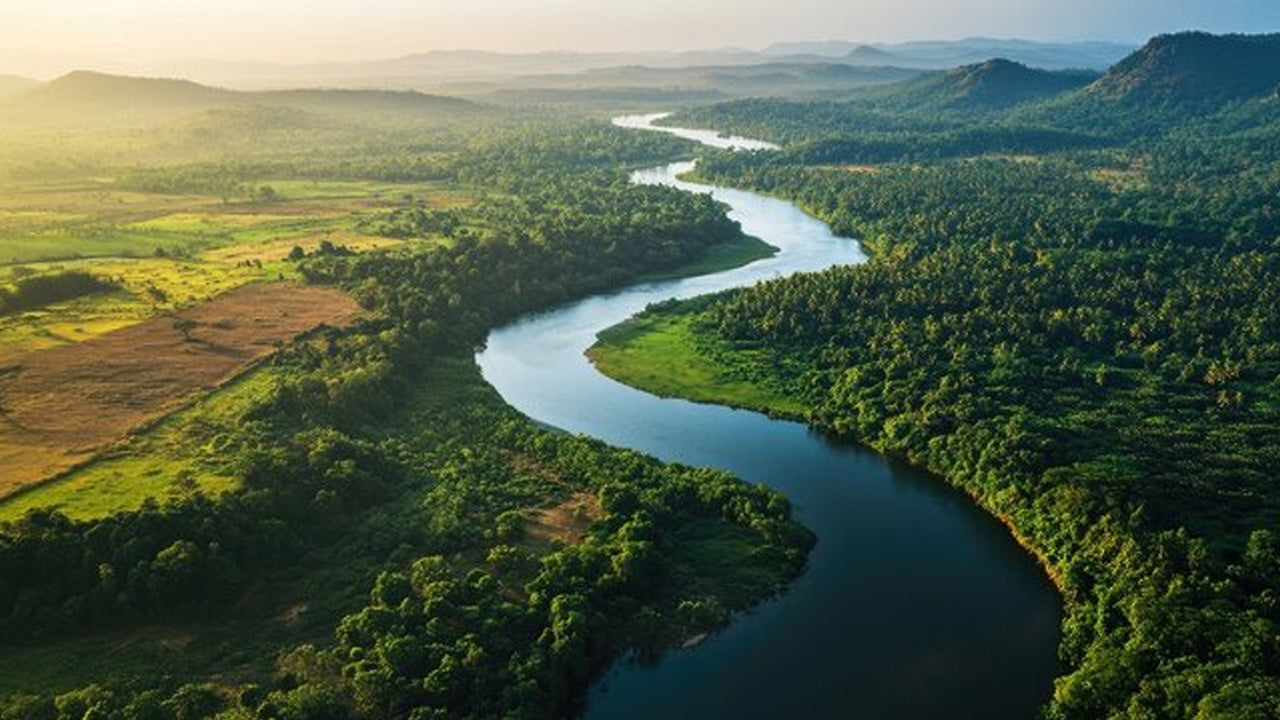 Mahaweli River
Explore the majestic Mahaweli River, Sri Lanka’s longest river, offering serene boat rides and opportunities for birdwatching and nature adventures along its winding course through scenic valleys.
-
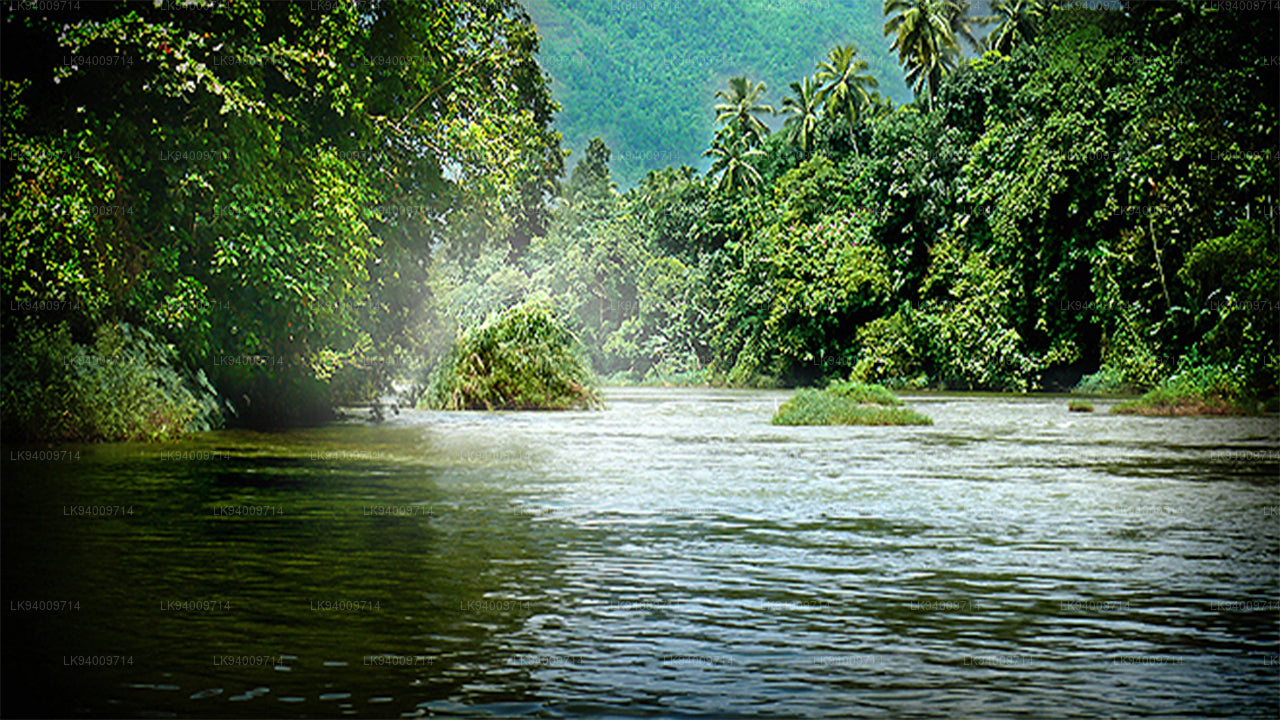 Kelani River
The Kelani River is a 145-kilometre-long (90 mi) river in Sri Lanka. It flows through or borders the Sri Lankan districts of Nuwara Eliya, Ratnapura, Kegalle, Gampaha and Colombo.
-
 Kalu Ganga
Kalu Ganga is a river in Sri Lanka. Measuring 129 km (80 mi) in length. The mountainous forests in the Province and the Sinharaja Forest Reserve are the main sources of water for the river.
-
 Walawe River
The southern region of Sri Lanka is exalted by a bushel of enthralling and glorified rivers and the Walawe River is one of them. Gently flowing through the Udawalawe National Park, the Walawe River provides water for a multitude of species of mesmerising fauna.
-
 Deduru Oya
The Deduru Oya Dam is an embankment dam built across the Deduru River in Kurunegala District of Sri Lanka. Built in 2014, the primary purpose of the dam is to retain approximately a billion cubic metres of water for irrigation purposes, which would otherwise flow out to sea.
-
 Malwathu Oya
The Malvathu River long river in Sri Lanka, connecting the city of Anuradhapura, which was the capital of the country for over 15 centuries, to the coast of Mannar. It currently ranks as the second longest river in the country, with a great historic significance.
-
 Kala Oya
It was around these ancient tank (water storage reservoir) irrigation systems that the economy and human settlements of early Sri Lankan society were organised into a “hydraulic civilization”.
-
 Gal Oya
Discover Gal Oya, a tranquil sanctuary in Sri Lanka, known for its lush landscapes, rich wildlife, and serene boat safaris, offering a peaceful retreat surrounded by nature and wildlife.
-
 Gin Ganga
The Gin Ganga, is a 115.9 km (72 mi) long river situated in Galle District of Sri Lanka. The river's headwaters are located near Deniyaya, bordering the Sinharaja Forest Reserve.
-
 Kirindi Oya
Experience the serene beauty of Kirindi Oya, a tranquil river in Sri Lanka. Enjoy scenic boat rides, lush landscapes, and opportunities for birdwatching, offering a peaceful escape into nature.
-
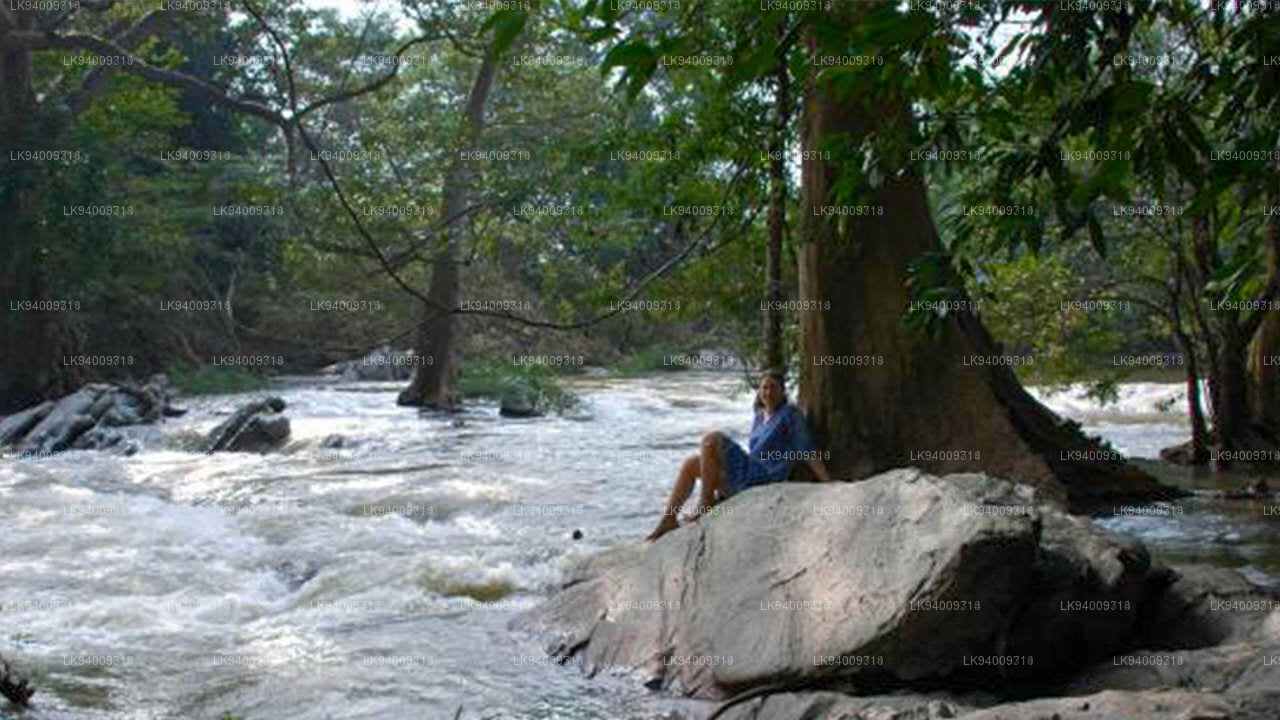 Kumbukkan Oya
The Kumbukkan Oya is the twelfth-longest river of Sri Lanka. It is approximately 116 km (72 mi) long. Its catchment area receives approximately 2,115 million cubic metres of rain per year.
-
 Maduru Oya
The Maduru Oya is a major stream in the North Central Province of Sri Lanka. It is approximately 135 km (84 mi) in length. approximately 3,060 million cubic metres of rain per year
-
 Manik River
Explore the peaceful Manik River, surrounded by lush greenery and rich wildlife. Enjoy scenic boat rides and nature walks, offering a serene and refreshing experience.
-
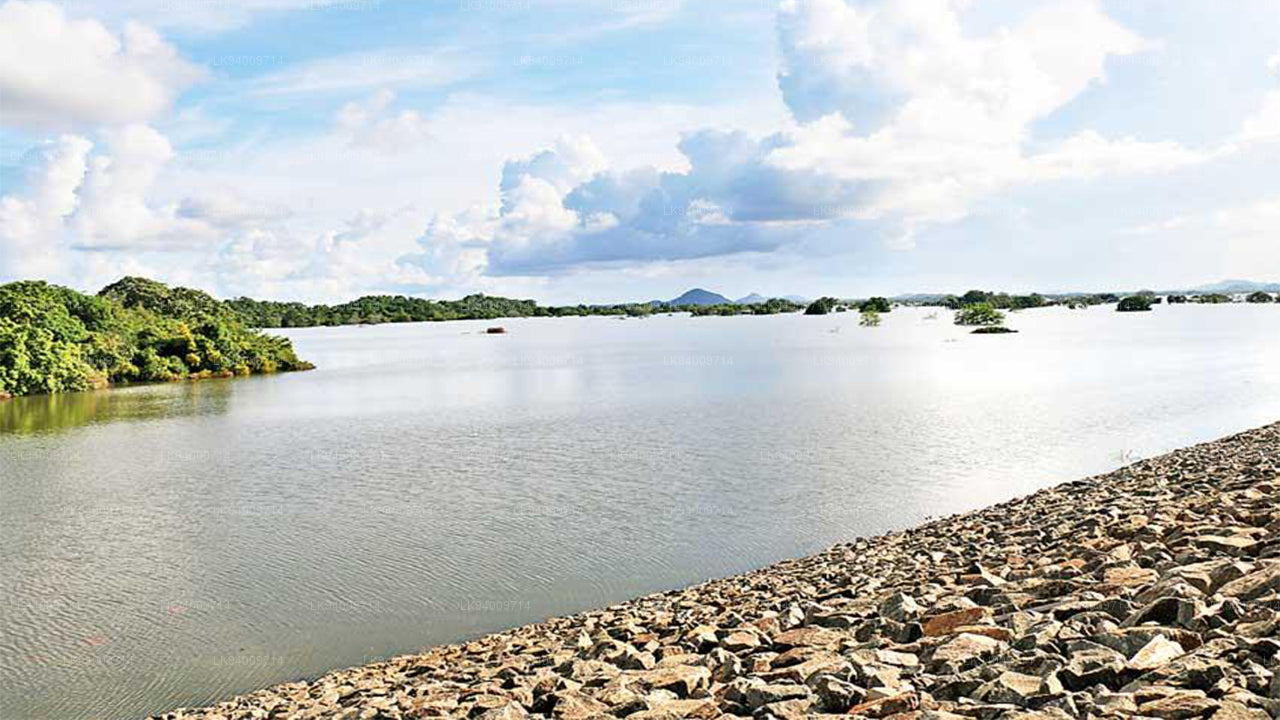 Yan Oya
The Yan Oya, 142 km long and receives 2,371 million cubic meters of rainfall annually, with 17% flowing to the sea. Its catchment area covers 1,520 square kilometers.