La oferta de alojamiento de Sri Lanka es tan variada como la propia isla. Tanto si planea una semana en un resort sobre un acantilado frente al océano Índico, una estancia sencilla cerca de un parque nacional o algo realmente singular —el antiguo bungaló de un plantador de té, por ejemplo, o un campamento de tiendas junto a un río de la jungla—, hay un tipo de alojamiento a su medida. Esta guía recorre las principales categorías para que pueda ajustar su forma de viajar al tipo de estancia adecuado.
¿Qué tipos de alojamiento de lujo hay en Sri Lanka?
Sri Lanka cuenta con una oferta de alta gama de hoteles y resorts bien desarrollada, repartida por todos los destinos principales. Colombo tiene varios establecimientos de cinco estrellas gestionados por cadenas internacionales. A lo largo de las costas sur y oeste, los resorts boutique de playa suelen ser más pequeños y cuidados en su diseño, y normalmente ofrecen piscinas privadas, spa y acceso directo a la playa. En la región montañosa, un puñado de hoteles históricos ocupan edificios de la época colonial —The Grand Hotel en Nuwara Eliya es uno de los más reconocibles—, con interiores que reflejan la arquitectura colonial británica, rodeados de jardines cuidados y aire fresco.
Destinos de fauna como el Parque Nacional de Udawalawe y el Parque Nacional de Wilpattu han visto aumentar los campamentos de tiendas y lodges de categoría situados en los límites del parque o cerca de ellos, lo que permite a los huéspedes sumarse a los safaris matinales sin un largo traslado.
¿Qué opciones de alojamiento de gama media hay en la isla?
La gama media en Sri Lanka ofrece una verdadera buena relación calidad-precio. Las casas de huéspedes regentadas por familias o emprendedores locales son habituales en localidades como Ella y en el Triángulo Cultural, y a menudo incluyen el desayuno, útiles conocimientos locales y un ambiente más personal que un gran hotel. En esta franja de precios, las pequeñas posadas boutique suelen ofrecer habitaciones modernas con baño privado, wifi fiable y aire acondicionado: los requisitos prácticos que priorizan la mayoría de los viajeros.
Los establecimientos de gama media están distribuidos de forma desigual: las localidades de playa de la costa sur y los principales destinos patrimoniales están bien servidos, pero quienes se alejen del circuito principal pueden encontrar menos opciones y conviene que reserven con más antelación.
¿Qué es una casa particular en Sri Lanka y merece la pena probarla?
Alojarse en una casa particular significa hospedarse como huésped de pago en el hogar de una familia de Sri Lanka. El anfitrión suele ofrecer una habitación privada, las comidas (por lo general, comida casera de Sri Lanka) y una mirada informal a la vida cotidiana: el ritmo de un hogar, los mercados locales y los templos del barrio. Para los viajeros que buscan inmersión cultural más que la comodidad de la ruta turística, suele ser la fórmula más memorable de todas. La calidad varía, así que elegir una casa particular registrada y recomendada por un operador de confianza ayuda a tener expectativas realistas.
Las estancias en casas particulares son especialmente gratificantes en zonas rurales: las comunidades arroceras de las tierras bajas, los pueblos productores de especias de Matale o los asentamientos pesqueros de la costa ofrecen cada uno una imagen claramente distinta de la vida en la isla.
¿Qué son los ecolodges y los sitios de glamping en Sri Lanka?
Los ecolodges priorizan un diseño de bajo impacto —energía solar, recogida de agua de lluvia, materiales de origen local— y sitúan a los huéspedes cerca de los hábitats naturales. Sri Lanka se presta bien a esta categoría, dada la densidad de sus áreas protegidas y puntos calientes de biodiversidad. Los lodges cercanos a la Reserva Forestal de Sinharaja, por ejemplo, están construidos para minimizar su huella y, a la vez, quedar lo más cerca posible de una de las selvas tropicales mejor conservadas de la isla.
El glamping —básicamente tiendas amuebladas con camas de verdad y, normalmente, baño propio— ocupa un nicho entre la comodidad de un hotel y la inmediatez de la acampada. Es especialmente adecuado para zonas de fauna, donde despertarse con el canto de los pájaros o el sonido lejano de los elefantes forma parte del atractivo. Ninguna de las dos fórmulas está tan extendida como para reservar sobre la marcha; es recomendable reservar con antelación.
¿Es fácil encontrar albergues y casas de huéspedes económicas?
Sí, sobre todo en los núcleos más viajeros. Los albergues para mochileros, con camas en dormitorios compartidos y habitaciones privadas económicas, se concentran en las zonas de Fort y Wellawatta de Colombo, en Hikkaduwa, Mirissa, Unawatuna, Kandy y Ella. La mayoría ofrece cocina compartida o zonas comunes, consigna de equipaje y un ambiente comunitario informal que encaja con quienes viajan solos. El nivel ha mejorado de forma constante en los últimos años; muchos albergues tienen ya dormitorios con aire acondicionado y agua caliente fiable.
Las casas de huéspedes económicas —un paso por encima de los albergues en privacidad, pero a un precio similar— se encuentran prácticamente en cualquier lugar al que viajen los turistas, incluidas pequeñas localidades sin presencia de ninguna cadena hotelera internacional.
¿Qué son los apartamentos con servicios y las villas en Sri Lanka?
Los apartamentos con servicios son adecuados para estancias largas o familias que prefieren la flexibilidad de cocinar por su cuenta. Se concentran en Colombo y en algunas zonas turísticas de la costa. El alquiler de una villa —normalmente una propiedad independiente con piscina privada, y cocinero y conductor contratados aparte— es popular entre grupos, parejas de luna de miel y viajeros que valoran la tranquilidad. La costa sur entre Galle y Tangalle concentra un gran número de villas de alquiler, muchas de ellas en edificios coloniales restaurados o en casas contemporáneas de diseño a medida.
¿Qué tipos de alojamiento singulares o insólitos hay en Sri Lanka?
Más allá de las categorías habituales, Sri Lanka ofrece algunas opciones realmente originales:
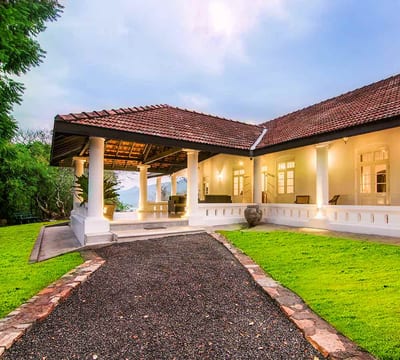
- Bungalós coloniales: antiguos bungalós de plantaciones de té que hoy se alquilan en exclusiva en la región montañosa. Los huéspedes ocupan todo el edificio, normalmente con cocinero y mayordomo residentes.
- Casas en los árboles: presentes en un pequeño número de alojamientos en bosques y selvas, ofrecen habitaciones elevadas entre el dosel forestal.
- Cabañas de playa: sencillas cabañas individuales en la misma playa o cerca de ella, pensadas para quienes quieren estar junto a la costa sin pagar precios de resort.
- Hoteles en cuevas: una categoría muy reducida, con interiores excavados en la roca o construidos contra formaciones rocosas, sobre todo en la región del Triángulo Cultural.
- Casas flotantes: escasas, pero disponibles en algunas lagunas y vías fluviales interiores, sobre todo en el sur.
- Retiros en monasterios: algunos monasterios budistas acogen a visitantes laicos para retiros de meditación, normalmente a cambio de dana (donativo) y con estrictas normas de conducta.
¿Cómo decido qué tipo de alojamiento se adapta a mi viaje?
Lo más útil es ajustar el tipo de alojamiento al ritmo del itinerario. Un itinerario pausado, con varias noches en cada lugar, justifica invertir en un alojamiento singular —un bungaló colonial o un ecolodge—, porque el entorno pasa a formar parte de la experiencia. Un circuito más rápido, que abarca muchos destinos en poco tiempo, se resuelve mejor con hoteles de gama media fiables, donde el registro de entrada es ágil y la ubicación es práctica.
Tenga en cuenta también lo que hay disponible en cada destino. Las opciones de lujo en zonas remotas pueden suponer recorrer una distancia considerable hasta un parque de safari o un sitio cultural, mientras que una casa de huéspedes sencilla en el pueblo más cercano al atractivo puede acortar mucho los traslados. La planificación de itinerarios de Lakpura tiene en cuenta estos equilibrios al estructurar las rutas y recomendar alojamientos.
¿Qué debo saber para reservar alojamiento en Sri Lanka?
- La temporada alta varía según la costa. En las costas oeste y sur va de noviembre a abril; en la costa este, de mayo a septiembre. La región montañosa es agradable todo el año, pero tiene más afluencia en abril, la temporada de Nuwara Eliya, y en diciembre.
- Reservar con antelación es imprescindible para los alojamientos más solicitados de Ella, Sigiriya y los resorts de costa en los meses de temporada alta. La disponibilidad de última hora no es fiable.
- Los impuestos y el cargo por servicio suelen sumarse a las tarifas hoteleras (indicadas como "++"): confirme si las tarifas ofrecidas los incluyen.
- La hora de entrada suele ser entre el mediodía y las 2 de la tarde; la entrada anticipada debe solicitarse con antelación.
- El wifi está disponible en la mayoría de los alojamientos de gama media y superior, pero puede ser lento o intermitente en zonas remotas.