

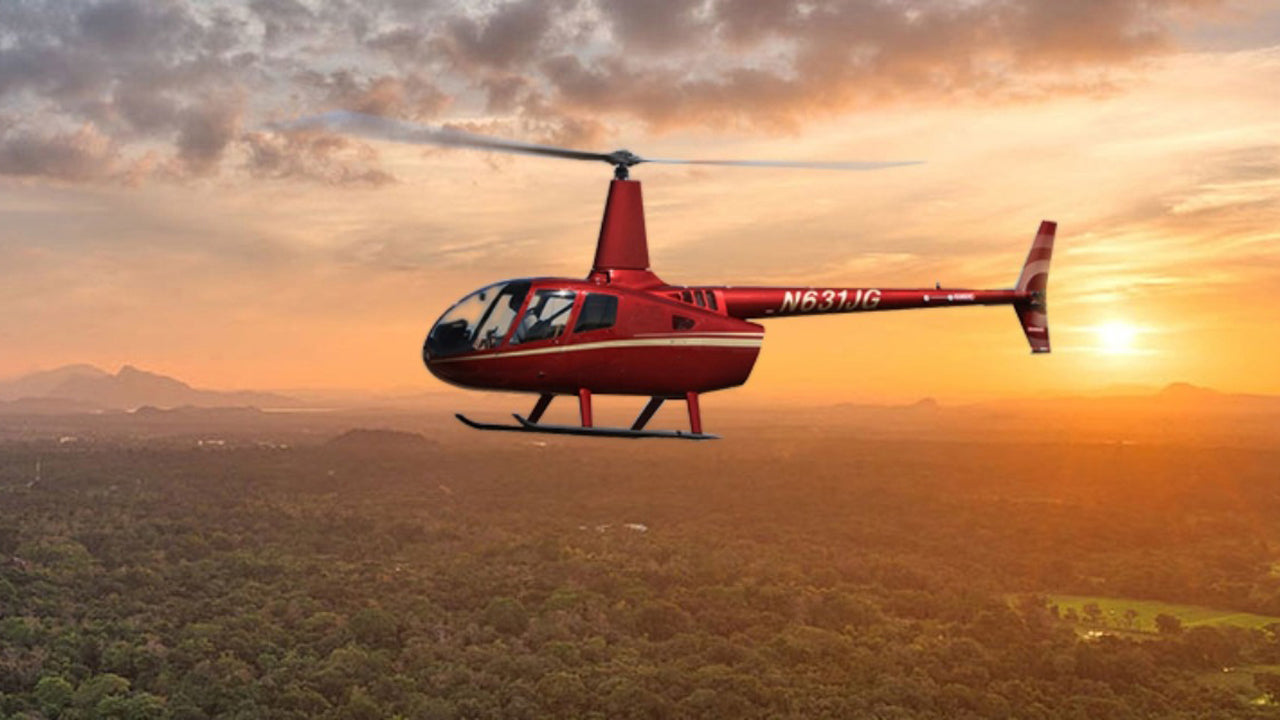
Getting between Sri Lanka's key destinations by road can take hours, winding through mountain passes or coastal highways. Airplane transfers cut that journey time dramatically — often by around 85% compared with a private car — while adding a perspective that no other mode of transport can offer: an uninterrupted aerial view of the island's green highlands, river networks, wildlife reserves, and coastline.
What Are Airplane Transfers in Sri Lanka?
Domestic airplane transfers are scheduled or charter short-haul flights that connect Colombo (Ratmalana Airport or Bandaranaike International Airport) with regional airfields and landing strips across the island. They serve both leisure travellers who want to cover ground quickly and business travellers who need to reach secondary towns without losing half a day to road travel.
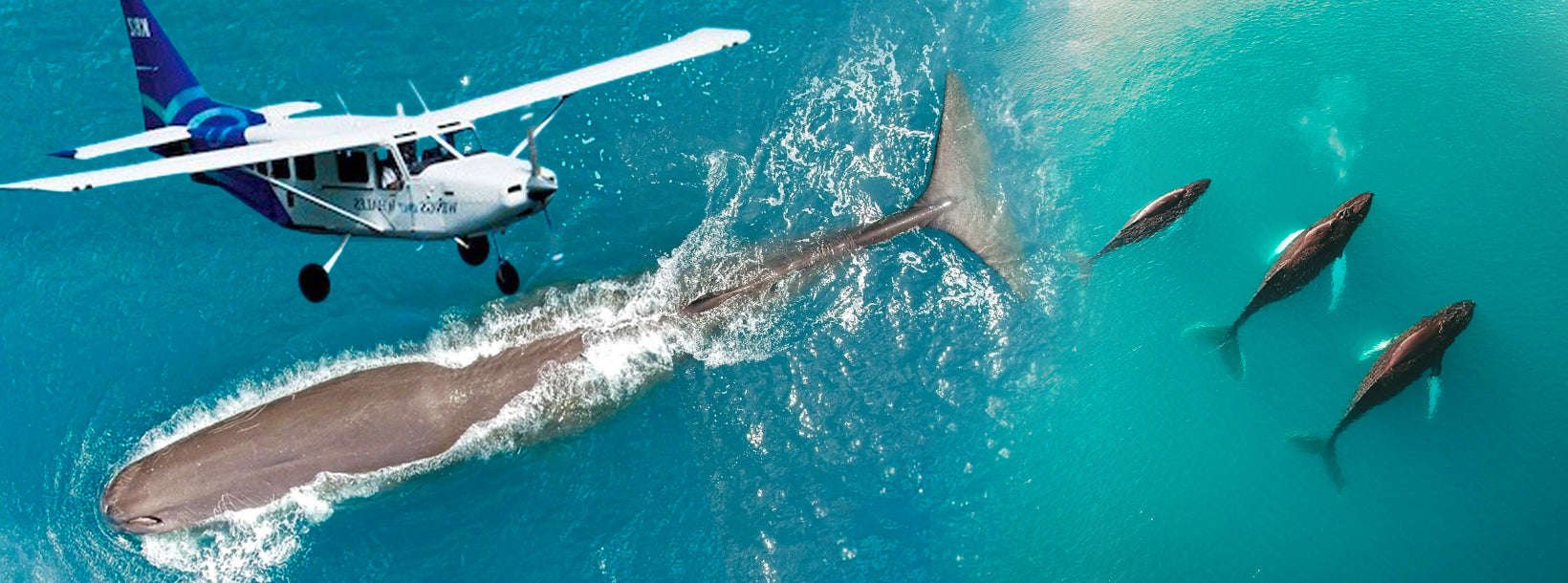
Flights are operated on small fixed-wing aircraft — typically Cessna variants — and land at compact airfields or grass strips close to major tourist areas. The approach and landing experience itself is often a highlight, with low-altitude passes over paddy fields, lakes, or coastline before touchdown.
Which Aircraft Types Are Available?
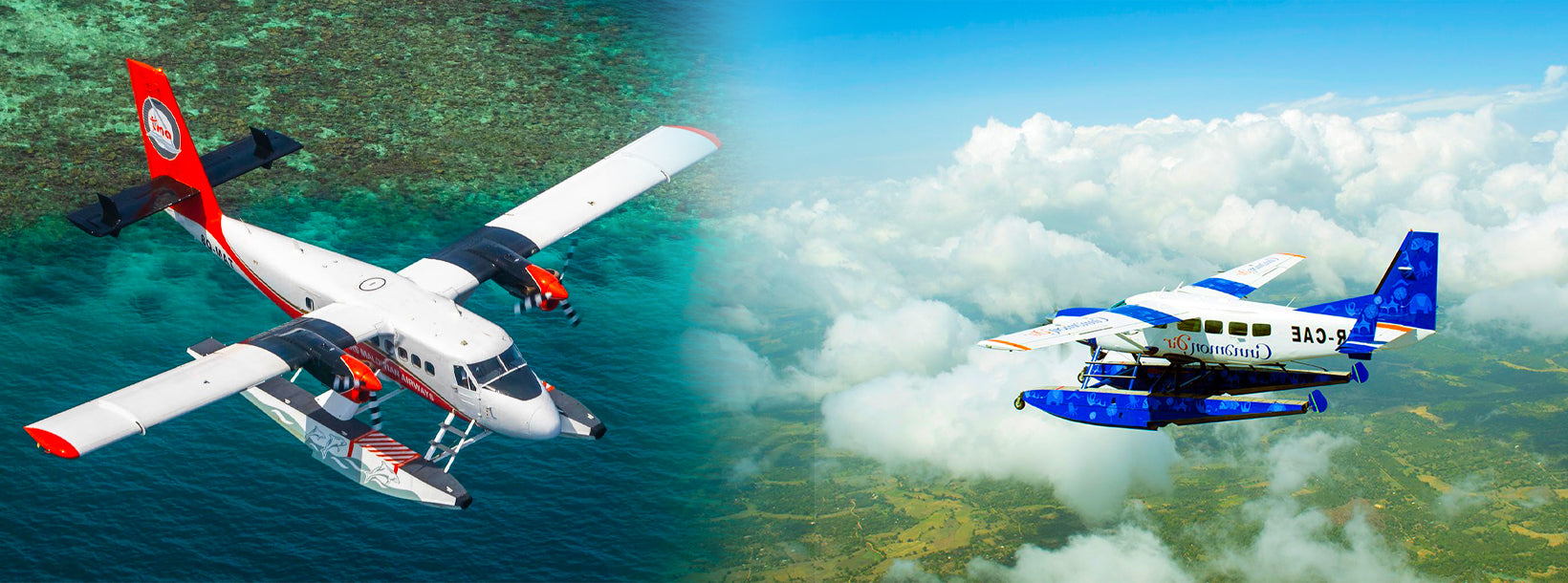
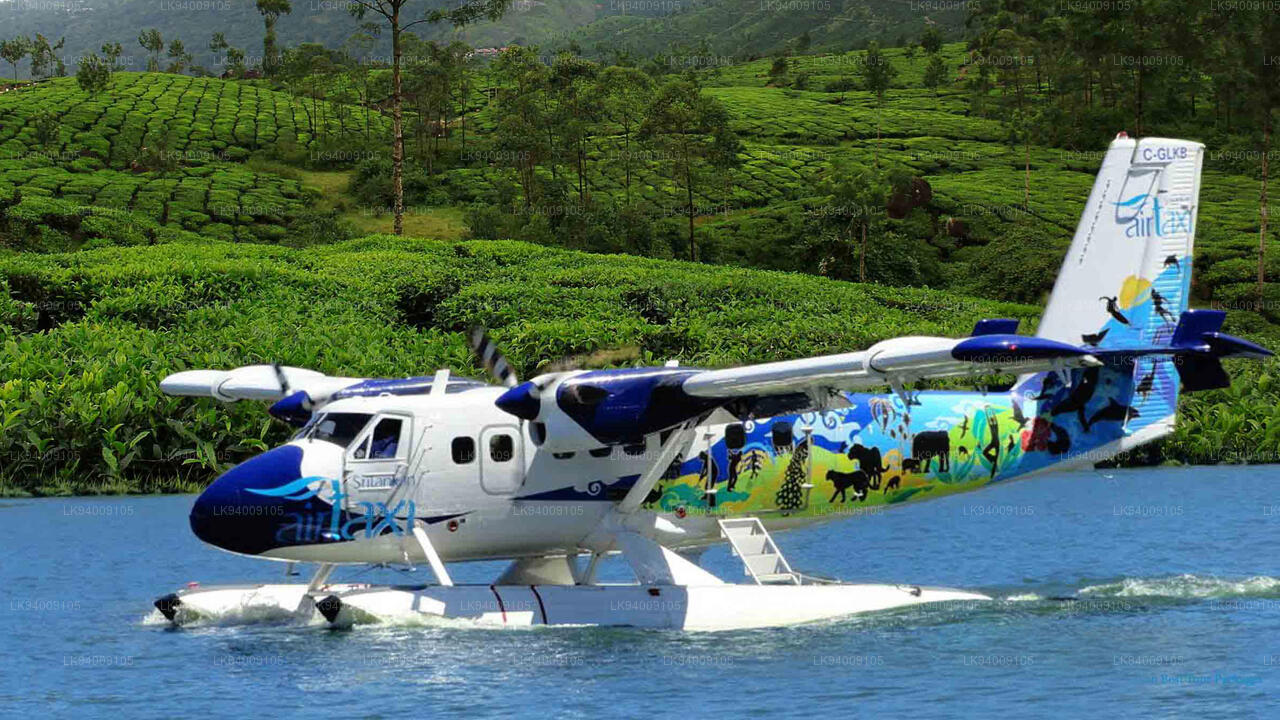
The domestic air transfer fleet in Sri Lanka is built around Cessna turboprop aircraft, which are well suited to short runways and variable tropical weather. Commonly available types include:
- Cessna 208 (registration 4R-CAF) — a nine-seat turboprop configured for passenger comfort on short hops.
- Cessna 208 (registration 4R-EXO) — a similar configuration, operated alongside 4R-CAF on popular routes.
- Cessna 208 Grand Caravan (registration 4R-CAG) — the Grand Caravan variant offers slightly more cabin space and is popular for groups or passengers who want a more spacious ride.
All variants are high-wing designs, which means unobstructed downward views from the cabin windows — an advantage that makes every flight a sightseeing experience in its own right.
Where Can Airplane Transfers Take You?
Scheduled and charter routes typically serve the following areas, depending on season and demand:
- Sigiriya / Habarana — gateway to the Cultural Triangle and the ancient rock fortress at Sigiriya.
- Batticaloa / Trincomalee — east coast beaches and Pigeon Island marine reserve.
- Koggala / Weerawila — southern coast, convenient for Galle and wildlife parks.
- Nuwara Eliya / Castlereagh — hill country tea estates and the approach to Horton Plains National Park.
- Ampara / Arugam Bay — southeast coast surfing and wildlife zone.
Route availability changes with demand and seasonal conditions. Charter services can arrange landings at additional private or government airfields not covered by published schedules.
Scheduled Flights vs. Charter Flights: What Is the Difference?
Scheduled transfers operate on fixed departure times between set origin-destination pairs. They are the more economical option when your travel dates are flexible and the published route aligns with your itinerary.
Charter services, by contrast, allow you to specify your departure time, routing, and number of passengers. This is especially useful when you are travelling as a group, need to connect two destinations that are not served by a scheduled service, or want to build a multi-stop aerial itinerary in a single day. Charters also allow for bespoke scenic flight loops — for example, a sunrise flight over the Cultural Triangle or a coastal sweep along the southern shore — without a fixed destination in mind.
What Should I Expect During the Flight?
Domestic flights in Sri Lanka are short — most sectors last between 20 and 45 minutes. Cabin noise levels on turboprop aircraft are higher than on jet airliners, so operators typically provide headsets or earplugs. Baggage allowances are strictly limited by weight and dimension due to the small cabin size; soft-sided bags are strongly preferred over hard-shell luggage.
Passengers can expect:
- Check-in at a domestic terminal, which is considerably simpler and faster than international departures.
- No in-flight meal service on short sectors, though light refreshments may be available depending on the operator.
- Stunning low-altitude views — the aircraft cruise at modest altitudes, keeping the landscape clearly visible.
- Landings at small airfields that may be grass or compacted-surface strips rather than sealed runways — entirely normal for this type of operation.
How Do Airplane Transfers Compare with Other Transfer Options?
| Transfer Type | Typical Journey Time (Colombo–Sigiriya, approx.) | Scenic Value | Flexibility |
|---|---|---|---|
| Private car | 3.5–4.5 hours | Road-level only | High — stop anywhere |
| Train | 4–5+ hours (with changes) | Good on hill-country routes | Low — fixed stops |
| Helicopter | Around 30–40 minutes | Excellent — can hover | Very high — any landing zone |
| Fixed-wing airplane | Around 30–45 minutes | Excellent — wide-angle views | Medium — airfield required |
| Hot-air balloon | Not a transfer mode — fixed area | Outstanding at dawn | Low — weather-dependent |
For travellers comparing aerial options, hot-air ballooning offers a slower, more meditative experience over a fixed area, while fixed-wing transfers are the practical choice when you actually need to move between destinations efficiently.
Are Airplane Transfers Safe in Sri Lanka?
Sri Lanka's civil aviation sector is regulated by the Civil Aviation Authority of Sri Lanka (CAASL), which sets airworthiness, maintenance, and crew licensing standards for domestic operators. Cessna 208 Caravan aircraft are among the most widely operated turboprop types in the world for short-haul charter and scheduled work, with an extensive global safety record. Travellers with concerns are encouraged to ask operators directly about aircraft maintenance schedules and pilot certifications before booking.
Tips for Booking an Airplane Transfer in Sri Lanka
- Book as far in advance as possible for scheduled routes, particularly during peak season (December to April and July to August) when seats fill quickly.
- Confirm baggage restrictions with your operator before packing — most domestic aircraft have strict per-passenger weight limits.
- Request a window seat on the relevant side of the aircraft for the best views of your target landscape.
- Factor in ground transfers at both ends — domestic airfields are often 15–30 minutes from town centres, so a private driver to and from each airfield is worth arranging in advance.
- If your plans are flexible, charter services can combine the transfer with a scenic loop at modest additional cost.