Jaffna (JAF) Airport
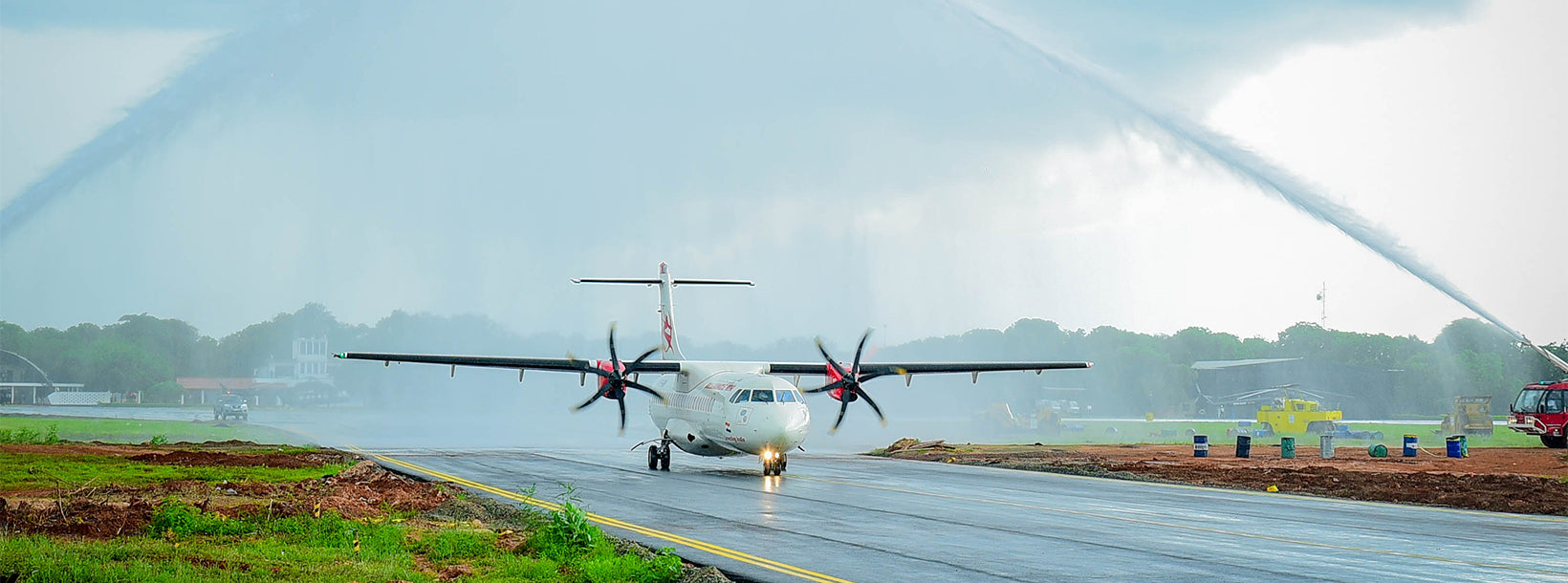
Jaffna (JAF) Airport, also known as Palaly Airport, serves the northern region of Sri Lanka. It offers both domestic and limited international flights, connecting Jaffna with major cities. The airport facilitates convenient access to Jaffna's rich cultural heritage, historic sites, and scenic landscapes, making it an important gateway for travelers exploring the northern peninsula.
Aeropuerto Internacional de Jaffna
Aeropuerto Internacional de Jaffna, anteriormente conocido como Aeropuerto de Palaly, está ubicado en el extremo norte de Sri Lanka y sirve como una puerta de entrada fundamental a la Península de Jaffna. Oficialmente renombrado y mejorado para manejar tráfico internacional en 2019, este aeropuerto marca un hito significativo en la recuperación y el desarrollo de la región después de la guerra. Ahora es el tercer aeropuerto internacional de Sri Lanka, mejorando la conectividad para la Provincia del Norte y facilitando un acceso más fácil y directo tanto a nivel nacional como internacional.
La renovación y mejora del aeropuerto tenían como objetivo fomentar el crecimiento económico, promover el turismo y cerrar la brecha cultural y física que históricamente ha aislado a la región norte del resto de la isla. Con su ubicación estratégica, el Aeropuerto Internacional de Jaffna está destinado a desempeñar un papel fundamental en la reintegración de la región con los mercados globales, apoyando la economía local mediante el aumento de la llegada de turistas y las oportunidades comerciales. El aeropuerto facilita los viajes hacia y desde el sur de la India, con planes de expansión que podrían incluir más destinos internacionales en el futuro.
El Aeropuerto Internacional de Jaffna cuenta con instalaciones modernas en su terminal para atender a los viajeros internacionales, ofreciendo servicios esenciales como cambio de divisas, alquiler de coches y compras libres de impuestos. La pista y los sistemas de control del tráfico aéreo han sido mejorados para cumplir con los estándares internacionales, garantizando la seguridad y eficiencia de las operaciones.
En general, el Aeropuerto Internacional de Jaffna es más que un simple centro de transporte; representa esperanza y progreso para los residentes de Jaffna, proporcionando un vínculo crucial con el resto de Sri Lanka y el mundo. Se espera que su operación tenga un impacto transformador en el panorama socioeconómico de la Provincia del Norte, promoviendo el intercambio cultural y el desarrollo económico en una de las regiones más históricamente significativas y culturalmente ricas de la isla.
About Jaffna District
Jaffna is the capital city of the Northern Province, Sri Lanka. 85% of the populations of the Jaffna and Kilinochchi districts are Hindus. The Hindus follow the Saivite tradition. The remainders are largely Roman Catholics or Protestants, some of whom are descendants of colonial settlers, known as Burghers. The Tamils are divided along caste lines, with the farmer-caste Vellalar forming the majority. Sea products, red onion, and tobacco are the main products in Jaffna.
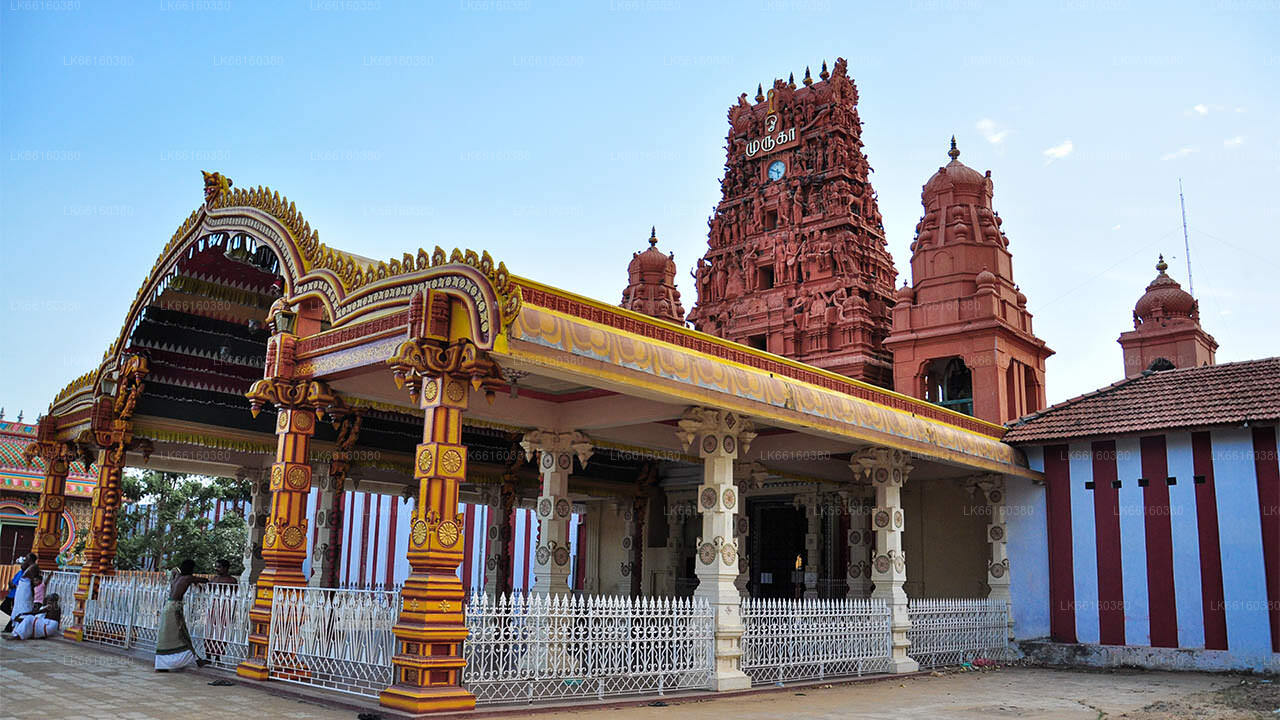
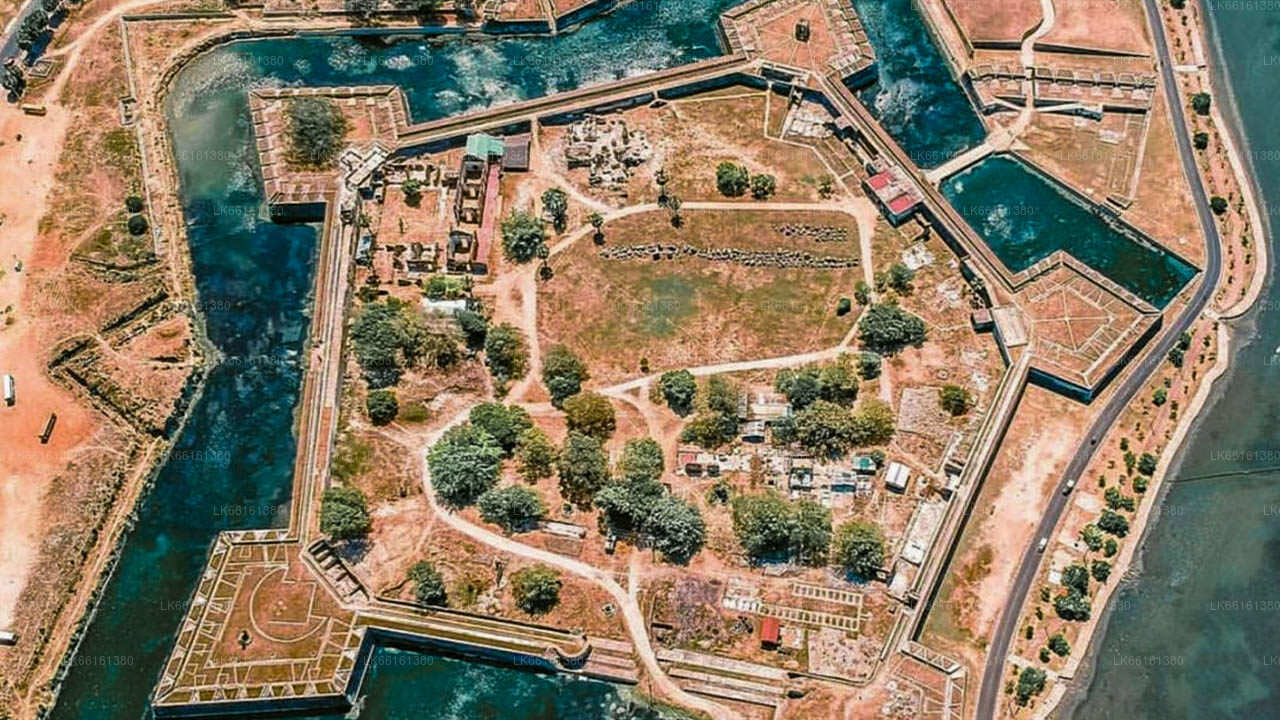
Jaffna is home to beautiful Hindu temples. An Old Dutch Fort still stands well preserved within which is an old Church. Another example of Dutch architecture is the King's House. No visit to Jaffna is complete without tasting the exquisite Jaffna mango, reputed for its sweetness. About 3 km away is the majestic Nallur Kandaswamy Temple, home to the largest religious festival in Jaffna. The Kayts Harbour is an ancient ship docking site in the Jaffna region.
About Northern Province
The Northern Province is one of the 9 provinces of Sri Lanka. The provinces have existed since the 19th century but they didn't have any legal status until 1987 when the 13th Amendment to the 1978 Constitution of Sri Lanka established provincial councils. Between 1988 and 2006 the province was temporarily merged with the Eastern Province to form the North-East Province. The capital of the province is Jaffna.
Northern Province is located in the north of Sri Lanka and is just 22 miles (35 km) from India. The province is surrounded by the Gulf of Mannar and Palk Bay to the west, Palk Strait to the north, the Bay of Bengal to the east and the Eastern, North Central and North Western provinces to the south.The province has a number of lagoons, the largest being Jaffna Lagoon, Nanthi Kadal, Chundikkulam Lagoon, Vadamarachchi Lagoon, Uppu Aru Lagoon, Kokkilai lagoon, Nai Aru Lagoon and Chalai Lagoon.Most of the islands around Sri Lanka are to be found to the west of the Northern Province. The largest islands are: Kayts, Neduntivu, Karaitivu, Pungudutivu and Mandativu.
The Northern Province's population was 1,311,776 in 2007. The majority of the populations are Sri Lankan Tamils, with a minority Sri Lankan Moor and Sinhalese population. Sri Lankan Tamil is the major language spoken in the province by the vast majority of the population. The other language spoken is Sinhala by 1 percent of the population. English is widely spoken and understood in the cities.