Lakpura
Lakpura®

Galle Dutch Fort

Galle Fort — also known as the Dutch Fort — stands on a rocky promontory on Sri Lanka's southwestern coast, its 36-hectare walled enclosure largely intact after more than four centuries of continuous habitation. Inscribed as a UNESCO World Heritage Site, it is recognized as an outstanding example of a European colonial port city whose layout, architecture, and street life still bear the imprint of Portuguese, Dutch, and British occupation layered over much older South Asian traditions.

What is the history of Galle Fort?

Galle's role as a port predates European arrival by many centuries. The ancient geographer Ptolemy referenced the harbour in his 2nd-century world map, and medieval records confirm it as a waypoint for merchants from Arabia, China, and the Greek world. The 6th-century traveller Cosmas Indicopleustes noted Galle as a port of call, and the celebrated 14th-century explorer Ibn Battuta passed through on his way to Sri Pada and Tenavaram Temple.

The Portuguese made their first landing at Galle in 1505, making it their initial point of contact with Sri Lanka. Using an alliance with the reigning king, they built a modest mud-and-timber fortification they called Santa Cruz — later extended with a watchtower, a fortalice, and three bastions. In 1541 a Franciscan chapel was added; its ruins remain visible today. When Portuguese influence shifted northward to Colombo, Galle was temporarily abandoned, but military pressure from the Sitawakan king Raja Singha I forced them back in 1588. The fort served as a prison camp in the later Portuguese period as local opposition intensified.

In 1640 the Dutch East India Company (VOC), acting in concert with King Raja Singha II of Kandy, captured the fort from the Portuguese. The Dutch entirely rebuilt it between 1663 and 1729, replacing the earlier earthworks with thick granite ramparts, 14 bastions, a grid-plan street network, a church, administrative buildings, warehouses, and a sophisticated drainage system that still functions. This transformation is why the fort carries the Dutch name to this day.

British forces took Galle in 1796 without a fight, and the town remained under Crown rule until Sri Lanka's independence in 1948. The British added their own architectural layer — courthouses, a jail, churches — but left the Dutch street plan largely untouched. Today the fort is a living neighbourhood of around 400 families, with boutique hotels, cafes, workshops, and government offices occupying buildings that date back as far as the 17th century.

What can you see inside Galle Fort?

The fort's interior is compact enough to explore on foot in half a day, though a leisurely full day rewards the curious visitor. Key landmarks include:

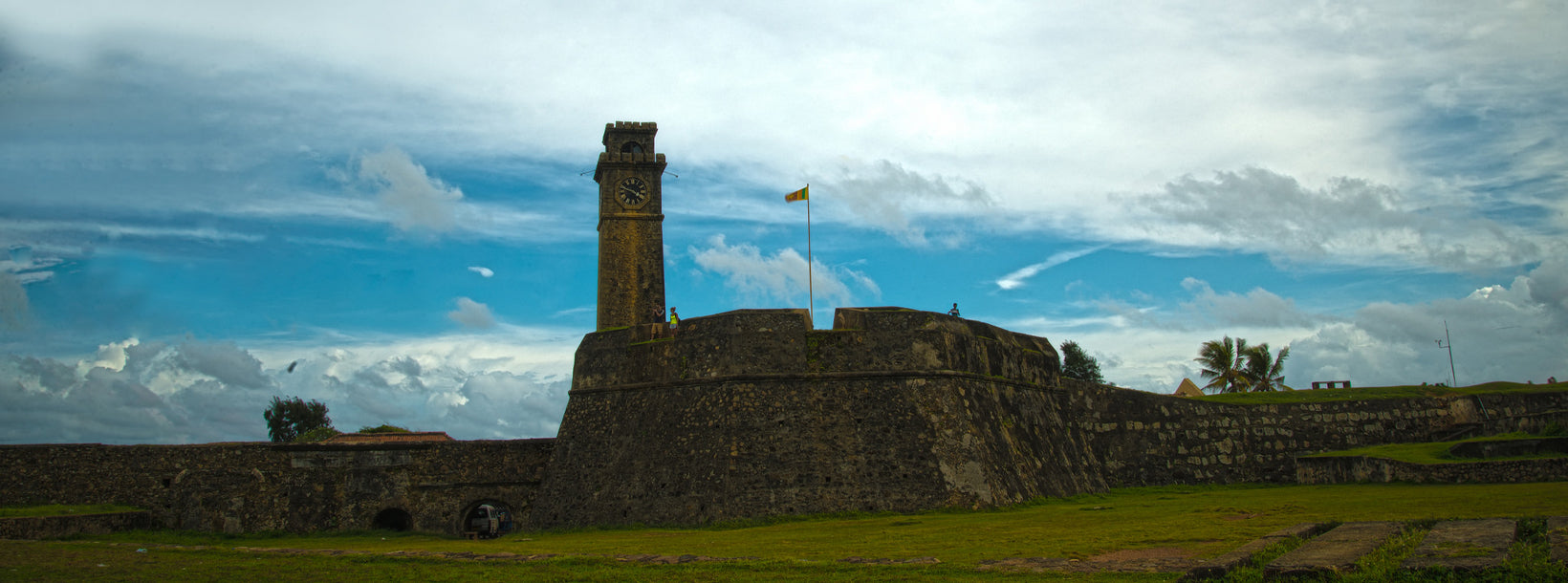
  • The Ramparts: The most evocative experience in the fort is the 90-minute walk along the unbroken ring of bastions. The sea views from the western face at sunset are particularly striking.
  • Dutch Reformed Church (Groote Kerk): Built in 1755, the church contains original VOC tombstones set into its floor. It is one of the oldest Protestant churches in Sri Lanka.
  • All Saints' Church: A fine 19th-century Anglican church that reflects the British colonial layer.
  • Galle Fort Clock Tower: A British-era landmark at the main gate, originally a lighthouse.
  • Dutch Hospital: One of the oldest hospital buildings in Sri Lanka, now restored as a shopping and dining precinct.
  • Old Gate and New Gate: The original Portuguese gateway (Old Gate) bears VOC insignia added by the Dutch; the New Gate was opened by the British to ease traffic.
  • Galle National Museum: Housed in a Dutch-era building, the museum covers the fort's archaeological and colonial history.
  • Meera Mosque: A 17th-century mosque that illustrates the role of the Moor trading community in Galle's commercial life.
  • Ruins of the Franciscan Chapel (1541): A quiet courtyard near the southern ramparts preserves the foundations of the Portuguese chapel — one of the earliest European religious structures on the island.

How do I get to Galle Fort from Colombo?

Galle is around 120 km south of Colombo along the Southern Expressway (E01). By private car the journey takes approximately 1.5 to 2 hours depending on traffic. The coastal railway from Colombo Fort station to Galle is a scenic alternative — the journey takes roughly 2 to 2.5 hours and offers uninterrupted ocean views along the southern coastline. Trains run several times daily in both directions.

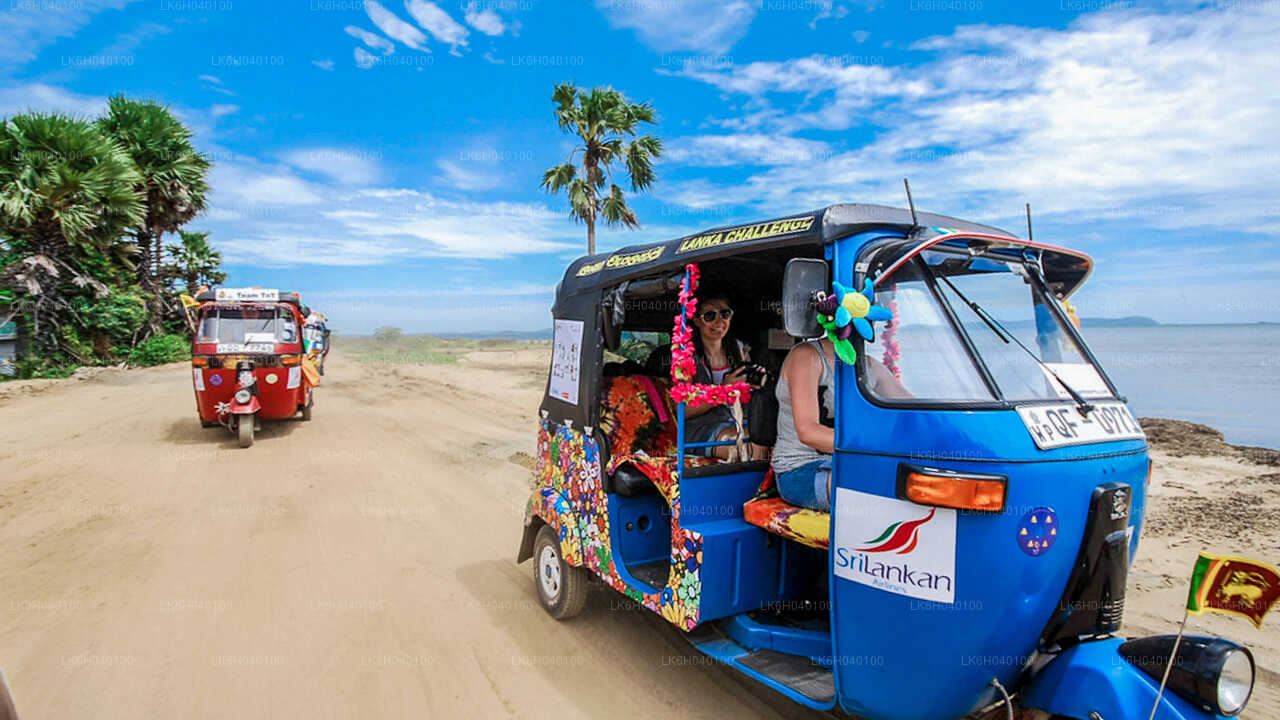
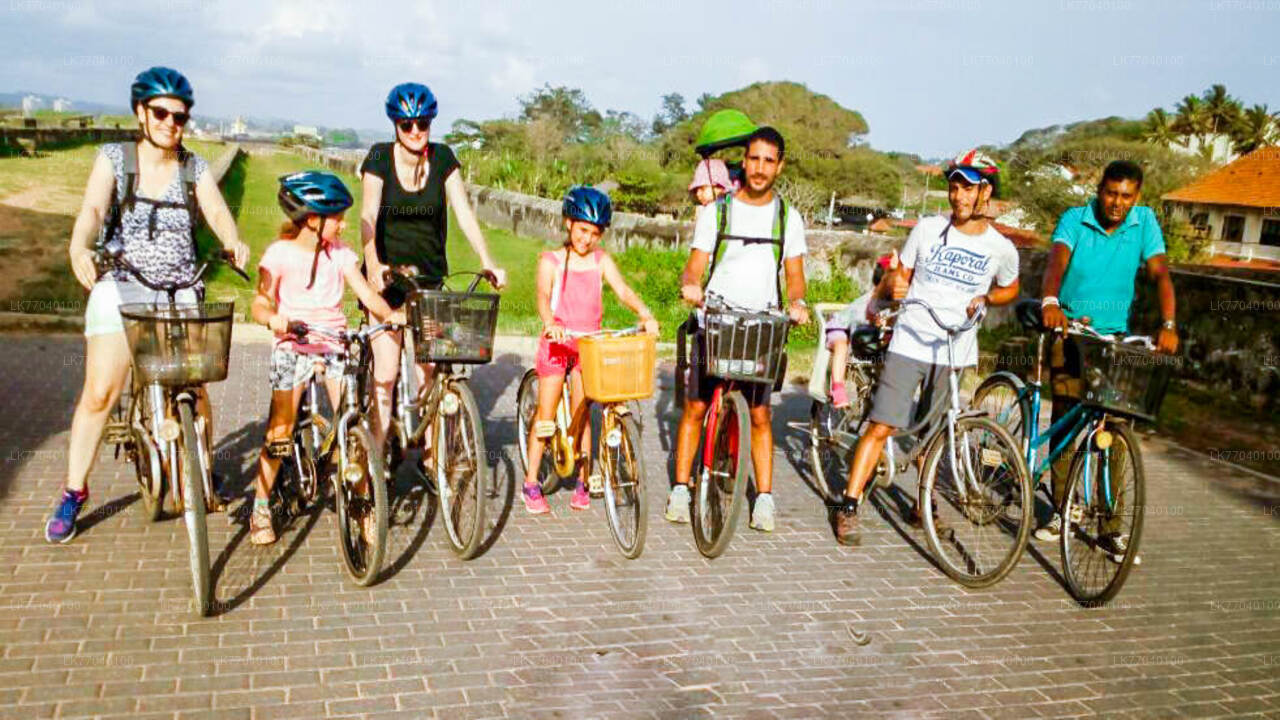
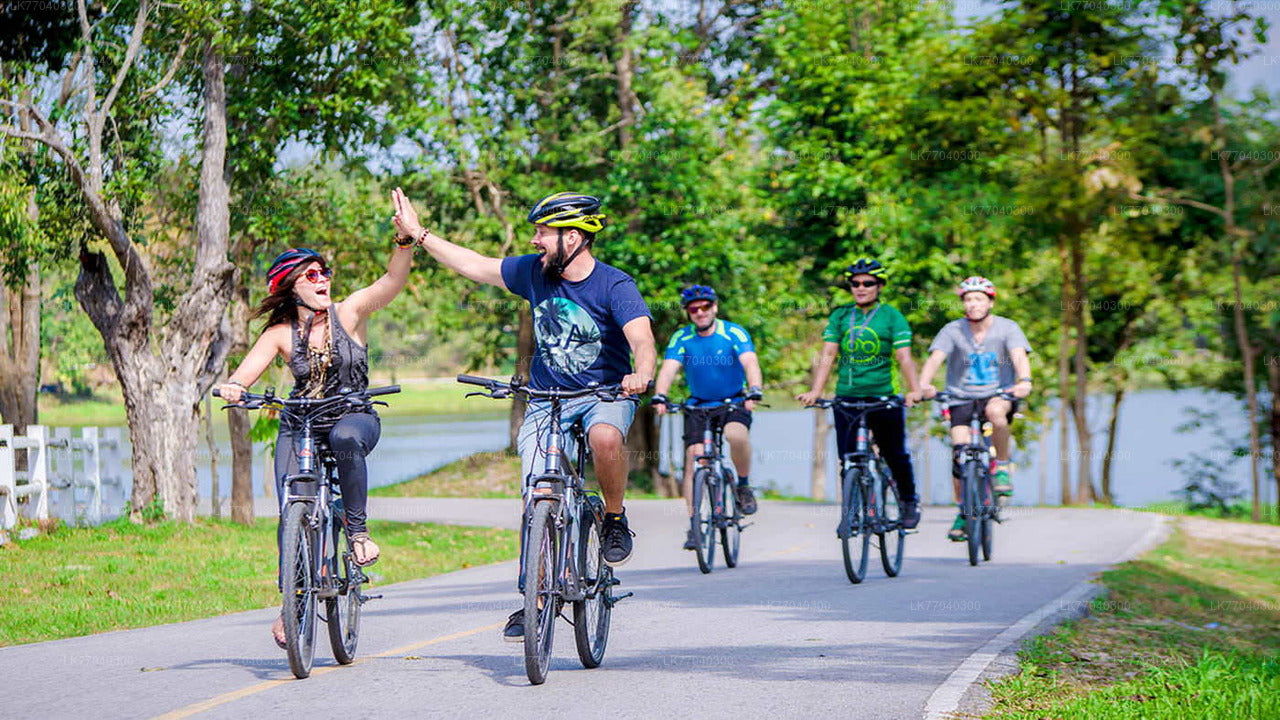
Once in Galle, the fort itself is best explored on foot. Tuk-tuks are available at the main gate for those who prefer not to walk, and cycling tours are a popular way to cover the ramparts and surrounding streets efficiently. Arrange a Galle city tour in advance if you want a knowledgeable guide to contextualise the architecture and history.

When is the best time to visit Galle Fort?

Galle's southwestern location means it receives the full force of the southwest monsoon between May and September, with heavy rainfall and rough seas. The dry season — December through April — is the most comfortable time to visit, with clear skies and cooler sea breezes. January and February are particularly pleasant. The Galle Literary Festival, typically held in January, draws an international crowd and adds a cultural dimension to a visit during that period.

The fort is worth visiting at any time of year, as the rampart walk and interior streets remain accessible even during rain. Morning visits (before 9 am) reward those who prefer quiet streets before the day-trippers arrive from the beach resorts nearby.

What is the significance of Galle Fort's UNESCO status?

Galle Fort was inscribed on the UNESCO World Heritage List in 1988 under criterion (iv), which recognises outstanding examples of a type of building, architectural ensemble, or landscape that illustrates a significant stage in human history. The citation specifically acknowledges the fort as an exceptional urban ensemble demonstrating the interaction of European architecture and South Asian traditions between the 16th and 19th centuries — a blend found nowhere else in the Indian Ocean region at this scale and state of preservation.

Unlike many colonial sites that have been extensively rebuilt or demolished, Galle Fort retains its original street grid, a significant proportion of its Dutch-era buildings, and its full circuit of ramparts. The Central Cultural Fund of Sri Lanka oversees conservation, and residents are required to maintain period-appropriate facades. This active stewardship is part of why the fort feels lived-in rather than museum-like.

Are there day trips or excursions from Galle Fort?

Galle makes an excellent base for exploring the southern coast and its hinterland. The Madu River Safari on the Madu Ganga lagoon — a Ramsar-listed wetland about 35 km north — takes visitors through mangrove channels and past cinnamon and spice islands. Further up the coast, the Kosgoda Sea Turtle Conservation Project offers close encounters with five species of marine turtle that nest on these beaches. Inland, the Sinharaja Forest Reserve, a UNESCO-listed tropical rainforest, is accessible in a day trip for birdwatchers and nature enthusiasts.

What else should I know before visiting?

Practical detail Notes
Entry to the fort walls Free to enter at any time; open 24 hours
Museum entry The Galle National Museum charges a small admission fee for foreign visitors
Dress code No formal dress code for the fort; cover shoulders and knees when entering churches or the mosque
Photography Permitted throughout; some private properties and places of worship may request permission
Accessibility The rampart walk involves uneven stone surfaces; the interior streets are mostly flat
Staying overnight Several boutique guesthouses and hotels operate inside the fort walls, offering a quieter experience after day visitors depart

The fort's compact scale means most visitors try to see it in three to four hours on a day trip from Mirissa, Hikkaduwa, or Colombo. Staying at least one night inside the fort gives a truer sense of its character as a working community — and lets you walk the ramparts at dawn before the heat builds.

Book this experience with Lakpura

Curated by our local team. Direct booking, instant confirmation.

Ask Lakpura® Agent