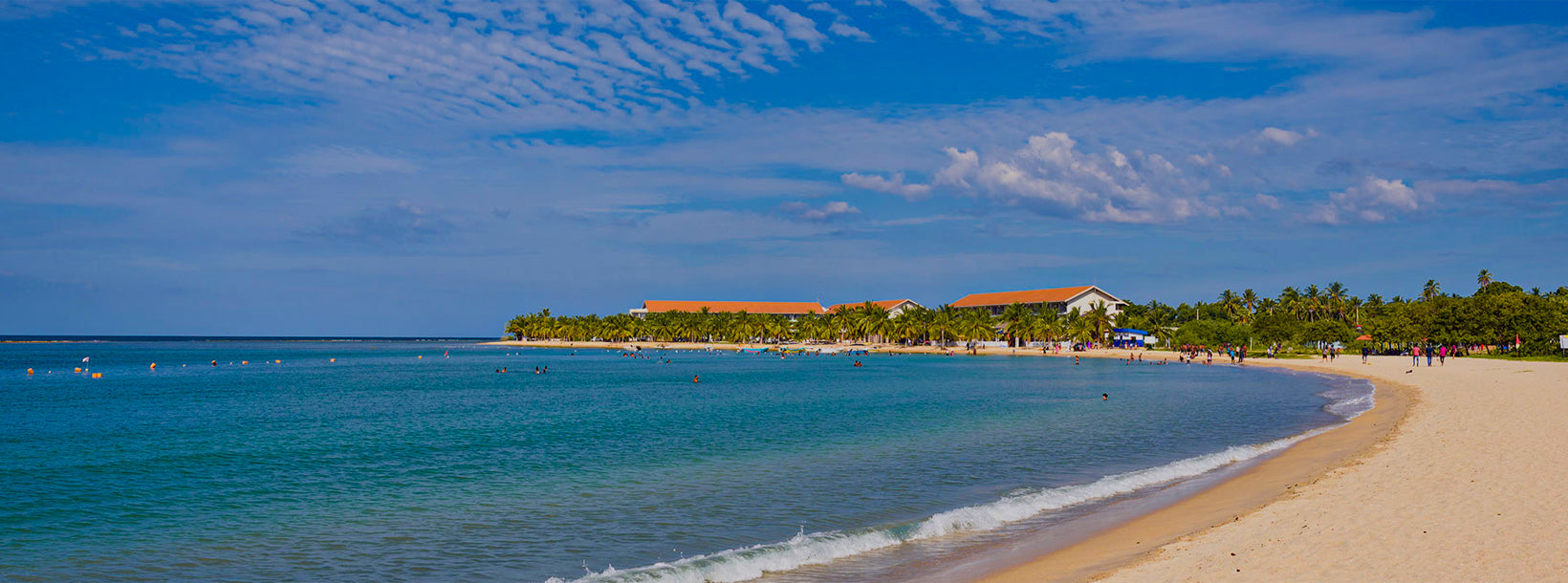
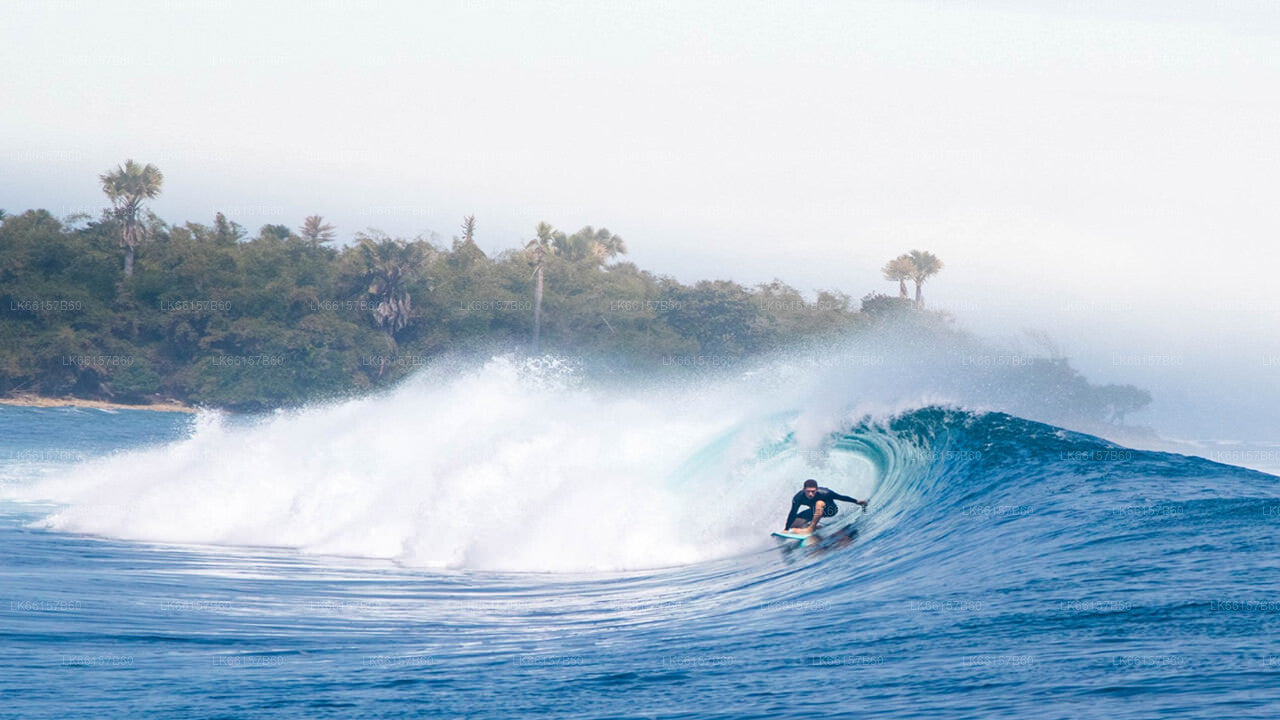
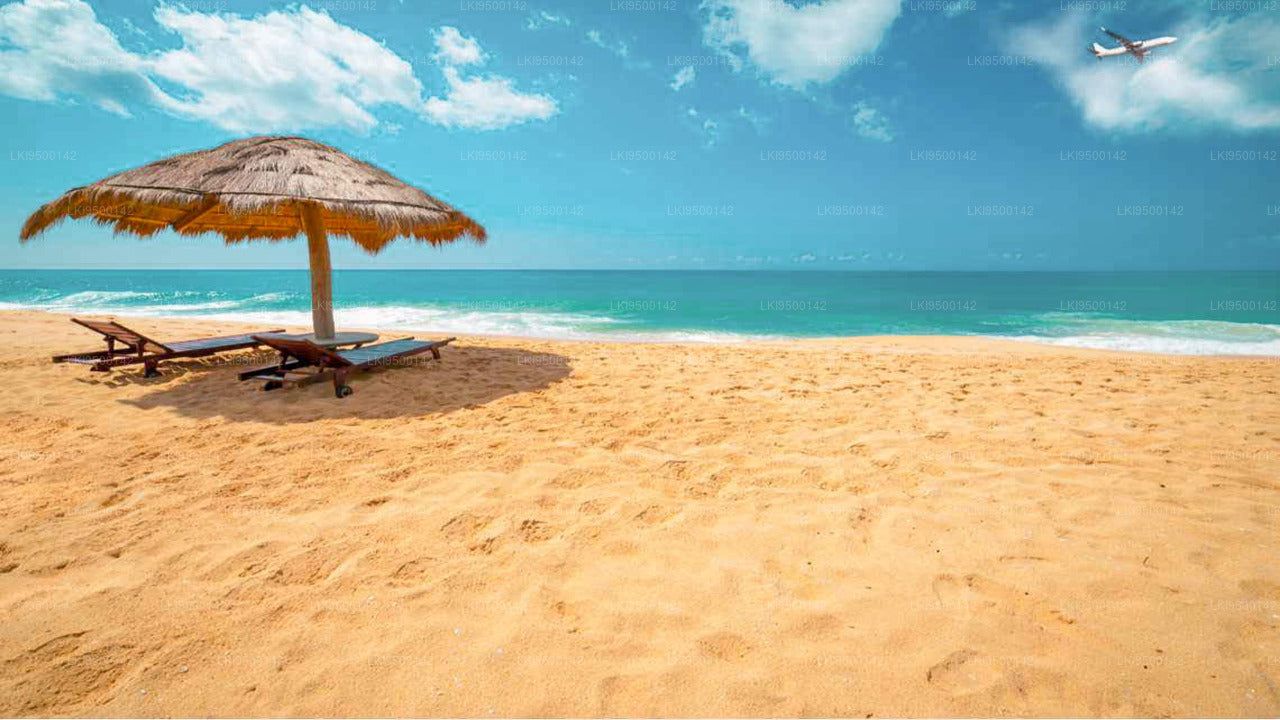
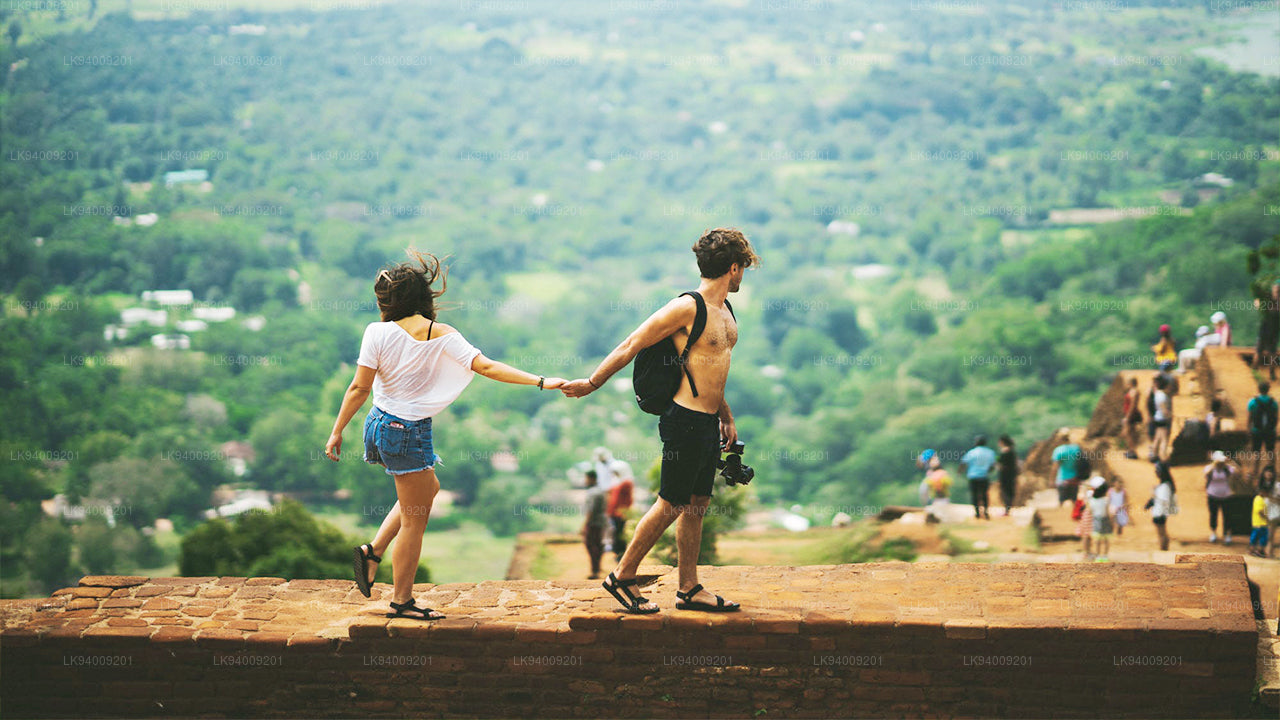
Pasikuda is a coastal resort town on Sri Lanka's Eastern Province shoreline, situated roughly 35 kilometres northwest of Batticaloa. Its defining feature is a wide, shallow bay protected by a natural reef, which keeps the water calm and clear even during periods when other coasts turn rough. That geography — a long crescent of pale sand backed by coconut palms, lapped by waters rarely deeper than a metre for several hundred metres out — has made it one of the most family-friendly swimming beaches in the country.
Historically a small Tamil fishing hamlet sharing its shoreline with neighbouring Kalkudah, Pasikuda suffered severe damage from the 2004 Indian Ocean tsunami and the decades-long Sri Lankan Civil War. Since peace was restored and reconstruction gathered pace, both domestic and international tourism have returned strongly, and a stretch of well-appointed resort hotels now lines the bay.
What makes Pasikuda different from other Sri Lanka beaches?
Most Sri Lankan beaches face the open ocean and are subject to seasonal swells. Pasikuda's reef acts as a natural breakwater, creating a shallow lagoon-like bay that remains swimmable for much of the year. The seabed is sandy and gradual, making it safe for children and less-confident swimmers. Visibility in the shallower sections is good enough that snorkellers can explore coral formations without venturing far from shore.
The beach also retains a relatively unhurried atmosphere compared to the more developed southern coast. Vendor activity is modest, and the resort strip is spread along the bay rather than compressed into a single crowded promenade.
When is the best time to visit Pasikuda?
The east coast of Sri Lanka has the opposite monsoon pattern to the west and south. The dry season on this coast typically runs from April to September, making those months the prime window for Pasikuda. May to August in particular brings consistently sunny skies, calm seas, and excellent conditions for water sports and snorkelling.
The northeast monsoon (roughly October to January) brings heavier rainfall and rougher seas to the east coast, so swimming and boat activities may be disrupted during those months. Travellers combining Pasikuda with a broader island itinerary often visit the east in May or June before the southern highlands turn lush after the southwest monsoon breaks.
How do I get to Pasikuda?
The most straightforward road route is from Colombo via the A4 highway, continuing through Kandy or Dambulla and then east. The drive typically takes around five to six hours depending on traffic and the exact route chosen. An alternative is to travel north to Polonnaruwa and then east along regional roads — a route that lets travellers combine an ancient-city stop with their beach stay.
- By air: Batticaloa Airport, approximately 35 km from Pasikuda, handles domestic scheduled services from Colombo's Bandaranaike International Airport. Flight times are typically under an hour, making this the fastest option for those with limited time.
- By road from Trincomalee: Pasikuda is accessible from Trincomalee to the north, roughly two to three hours by road, allowing a combined east-coast itinerary.
- By road from Batticaloa: The town of Batticaloa is the nearest major hub, and the road between the two is well surfaced and straightforward.
What water activities are available at Pasikuda?
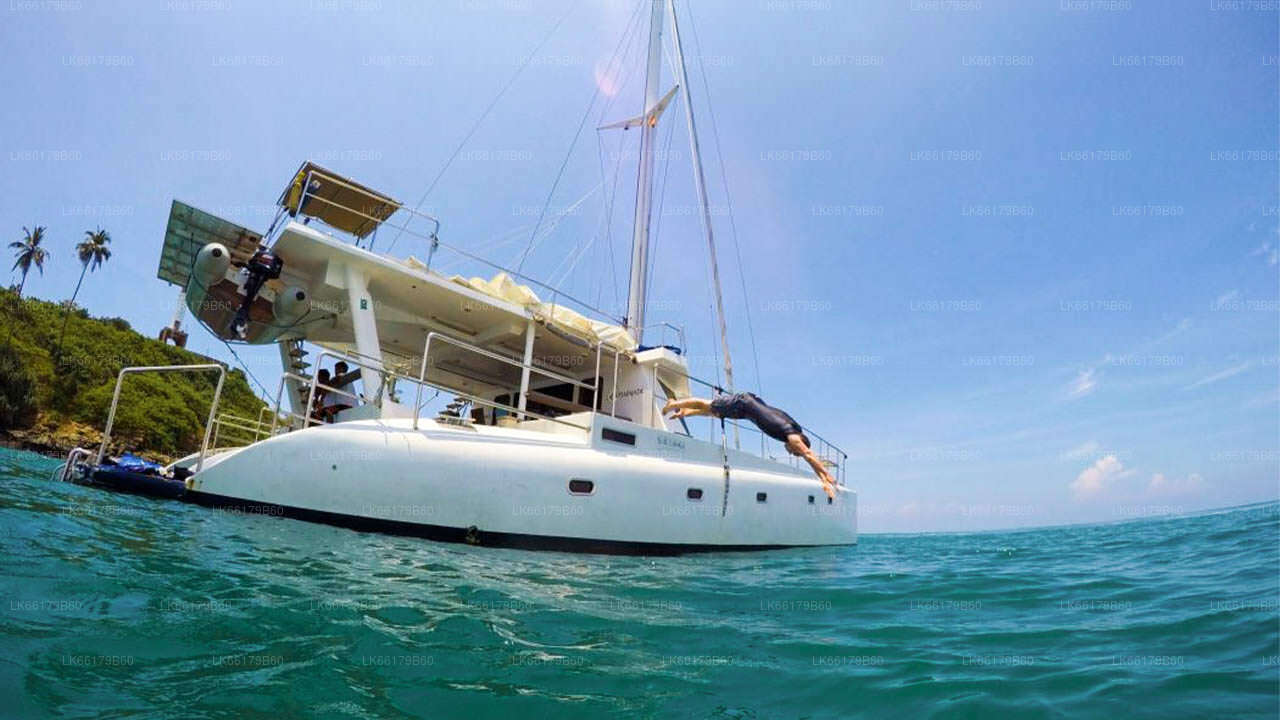
The calm, clear bay is well suited to a range of water-based activities. Snorkelling over the reef is the most popular, with coral communities and reef fish visible at shallow depths. Glass-bottom boat rides offer a drier alternative for those who prefer to observe the underwater world from above. Lagoon kayaking is a quieter option for early mornings, when the bay is glassy and birdlife is active around the water's edge.
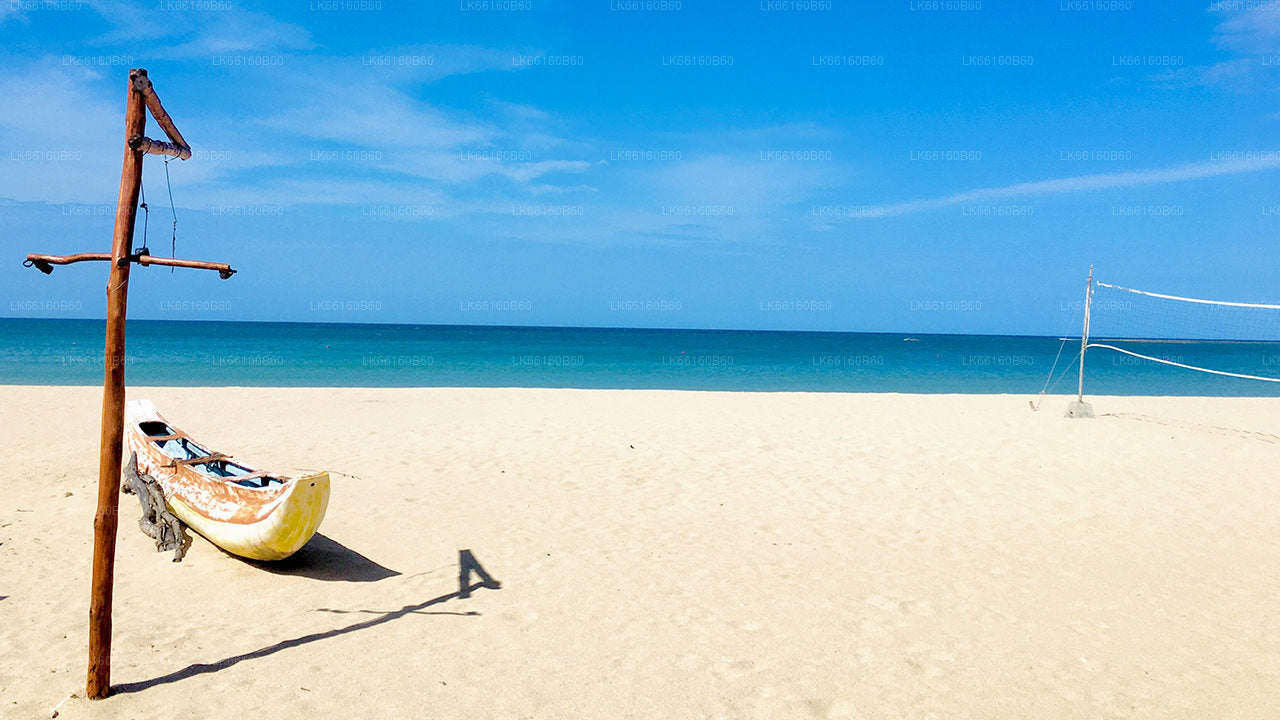
Guided traditional thoni rides — in the outrigger-style wooden boats used by local fishermen for generations — are a culturally distinctive way to experience the lagoon. Motorised water sports such as jet skiing and banana boat rides are available through resort operators and independent beach vendors during peak season.
- Snorkelling on Pasikudah Reef
- Glass-bottom boat rides
- Lagoon kayaking
- Traditional thoni rides
- Jet skiing and banana boats (seasonal)
- Deep sea fishing excursions (arranged through local operators)
What temples and cultural sites are near Pasikuda?
Within the town itself, the Pasikuda Mariamman Temple is the most significant religious site — a Hindu temple dedicated to the goddess Mariamman that has served the local Tamil community for generations. Visitors are generally welcome to observe respectfully outside of major puja times, and modest dress is expected.
Batticaloa, 35 kilometres to the south, offers a richer cultural itinerary including Batticaloa Fort (a Dutch colonial structure), the famous singing fish phenomenon of Batticaloa Lagoon, and several historic churches and mosques that reflect the town's layered Portuguese, Dutch, and British heritage.
What day trips can I take from Pasikuda?
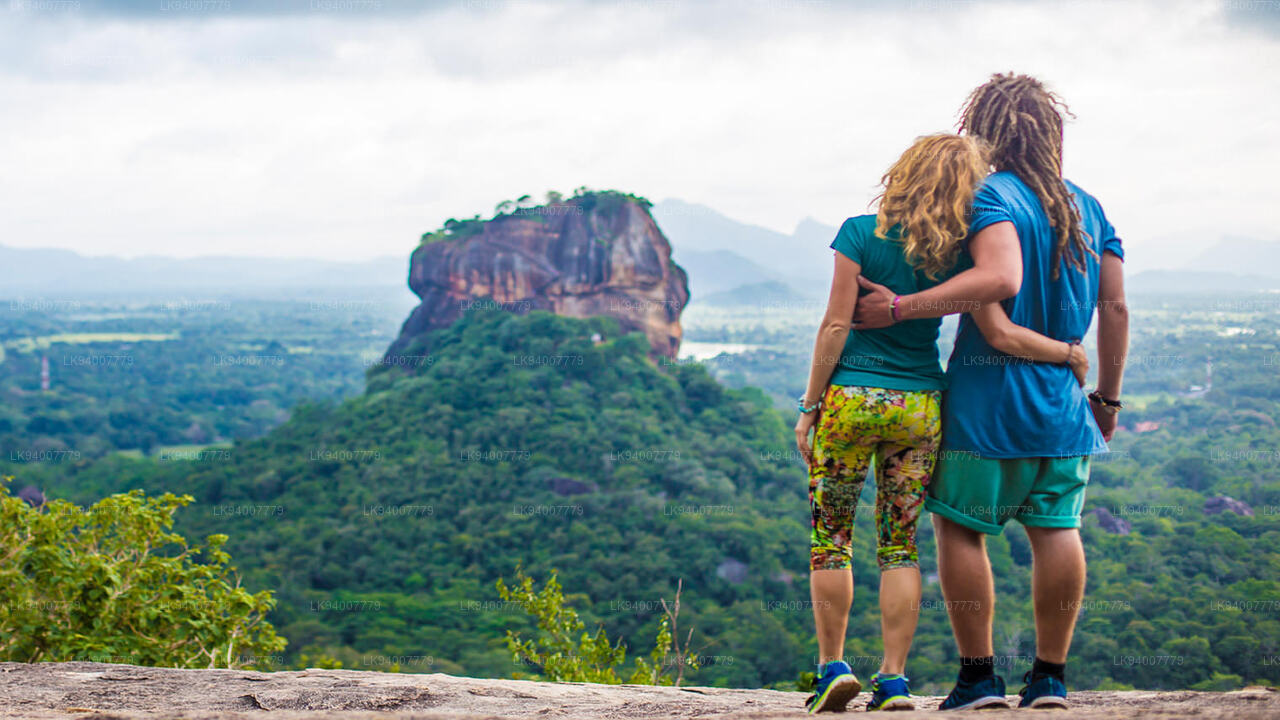
Pasikuda's location on the central-east coast puts it within range of several major Sri Lankan attractions. The ancient city of Polonnaruwa — a UNESCO World Heritage Site featuring medieval palaces, stupas, and the iconic Gal Vihara rock temple — lies roughly 90 kilometres to the west and makes a rewarding full-day excursion. Minneriya National Park, known for one of Asia's largest seasonal elephant gatherings, is similarly accessible and pairs well with a transfer day between the Cultural Triangle and the coast.
| Destination | Approximate distance | Suggested duration |
|---|---|---|
| Batticaloa Fort & city | 35 km | Half day |
| Polonnaruwa Ancient City | ~90 km | Full day |
| Minneriya National Park | ~100 km | Full day |
| Anuradhapura Sacred City | ~160 km | Full day |
| Pigeon Island Marine Park | ~100 km (via Trincomalee) | Full day |
Where should I stay in Pasikuda?
The resort strip along the bay ranges from intimate boutique properties to larger all-inclusive hotels. Most are positioned directly on the beach, and many include their own water-sports facilities, pools, and restaurants serving Sri Lankan and international cuisine. Booking in advance is advisable during the April-to-September high season, when occupancy at the better-regarded properties fills quickly. Lakpura works directly with a selection of hotels along the bay, from small holiday bungalows to established resort brands, and can arrange accommodation alongside transfers, excursions, and guided tours as part of a broader itinerary.
Is Pasikuda safe to visit?
Sri Lanka's Eastern Province has been peaceful and open to tourism for well over a decade. Infrastructure along the Pasikuda bay has been substantially rebuilt and improved, and the town receives visitors from across Sri Lanka and internationally throughout the year. Standard travel precautions apply — keep valuables secure, use sunscreen on the reflective shallow-water beach, and heed any local advice about swimming conditions during the northeast monsoon months.