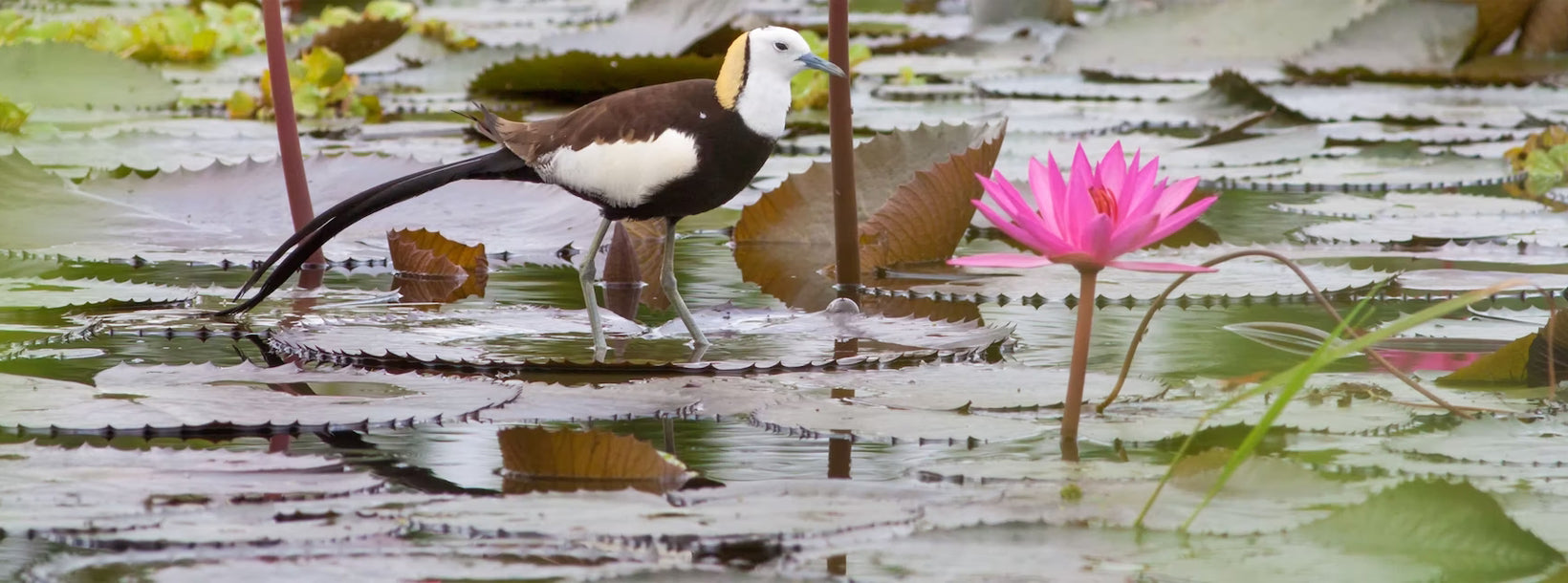
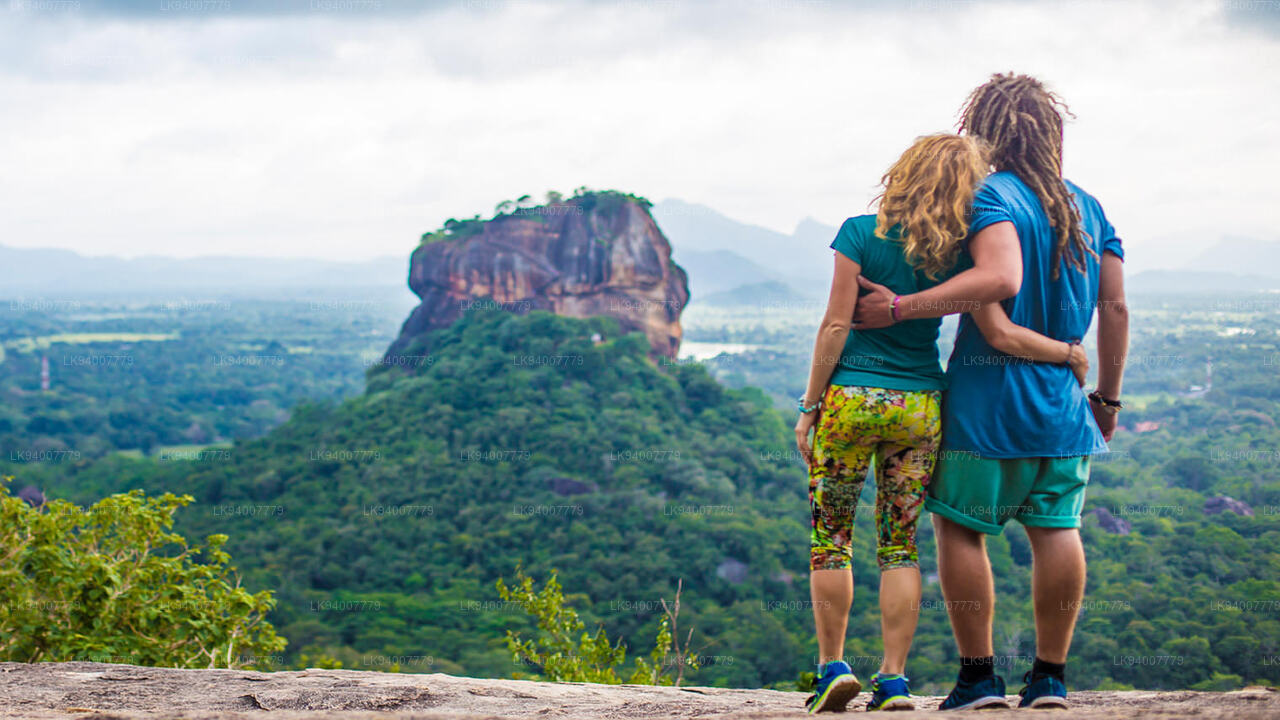
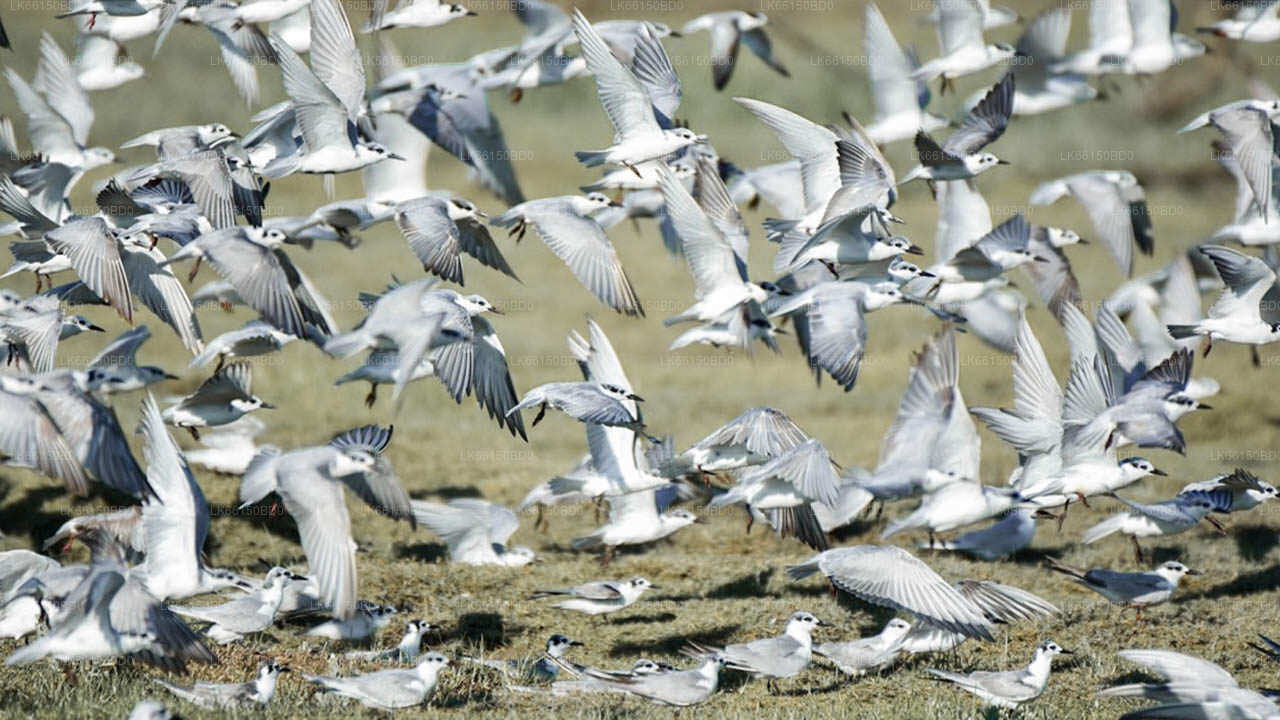
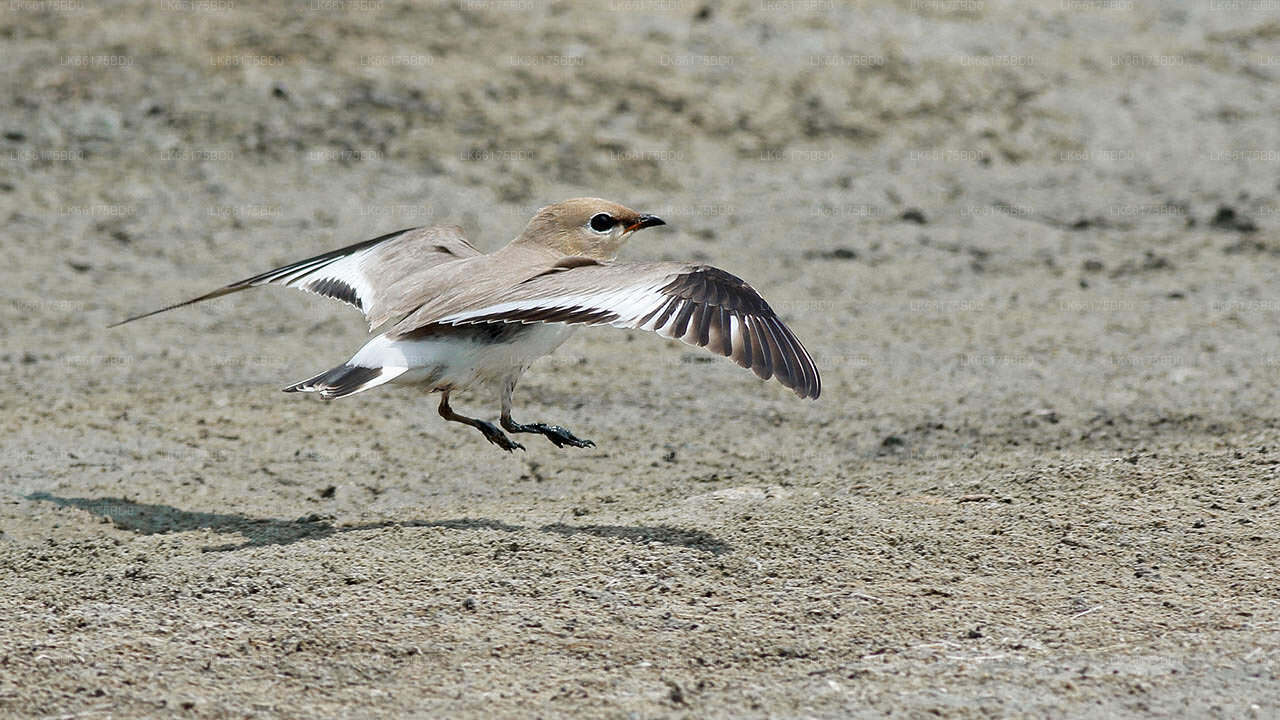
Embark on a nature retreat in Bundala, a haven for wildlife enthusiasts. Immerse yourself in the vibrant ecosystems of Bundala National Park, home to diverse bird species and captivating landscapes. Experience the beauty of nature and conservation at its finest in Bundala
Bundala, ubicada a lo largo de la costa sur de Sri Lanka cerca del distrito de Hambantota, es un paisaje notable conocido por su tranquila belleza, su encanto costero y su importancia ecológica. Como parte de la provincia del sur, la región ofrece un entorno pacífico formado por lagunas, humedales y extensas zonas de arena. Su atmósfera tranquila y sus alrededores naturales la convierten en un destino atractivo para los viajeros que buscan tranquilidad, observación de aves y la naturaleza intacta de la región sur de Sri Lanka. Bundala refleja la armoniosa combinación de ecosistemas costeros y patrimonio cultural de la isla.
La zona es especialmente conocida por su rica biodiversidad, particularmente por su extraordinario mundo de aves, que prospera en los humedales. Alberga tanto especies endémicas como migratorias, y atrae a aves provenientes de lugares tan lejanos como Siberia, creando uno de los entornos más vibrantes para la observación de aves en Sri Lanka. Los hábitats circundantes son hogar de elefantes, reptiles y fauna costera, y se conectan de manera natural con santuarios cercanos como el Parque Nacional Yala y el Parque Nacional Lunugamvehera. Sus humedales y lagunas contribuyen significativamente al equilibrio ecológico de la isla.
Los visitantes de Bundala pueden disfrutar de una variedad de experiencias modeladas por su carácter natural. Observadores de aves, fotógrafos y entusiastas de la naturaleza encontrarán innumerables oportunidades para observar vida silvestre en su forma más auténtica. Los safaris a través de los humedales revelan flamencos, pelícanos, cocodrilos y manadas de elefantes. Las tranquilas carreteras que conducen hacia Hambantota, Kirinda y las playas del sur ofrecen recorridos panorámicos que capturan la esencia de la costa sur de Sri Lanka. Cada visita se convierte en un encuentro significativo con la naturaleza, la aventura y los tranquilos paisajes costeros.
Bundala puede ser visitada durante todo el año, aunque las mejores condiciones para observar vida silvestre se dan entre octubre y marzo, cuando llegan grandes cantidades de aves migratorias. Los meses de estación seca permiten un acceso más fácil a través de la región de Hambantota, con cielos despejados y condiciones ideales para los safaris. Las rutas convenientes conectan Bundala con Colombo, el distrito de Galle y el distrito de Matara, lo que facilita tanto las excursiones cortas como las estancias largas. Los cambios estacionales traen poblaciones de aves variables, niveles de agua cambiantes y refrescantes vientos monzónicos, ofreciendo una experiencia única en cada visita. Bundala sigue siendo una de las áreas naturales más preciadas de Sri Lanka, combinando biodiversidad, belleza costera y exploración tranquila.
Hambantota is a rural town in southeastern coastal area of Sri Lanka. It is also the capital of the Hambantota District in the Southern Province of Sri Lanka. Approximately 240 kms from Colombo,Hambantota is in the midst of transformation into a strategic port and commercial centre, undergoing extensive infrastructure development. Flanked by sweeping sandy beaches,Hambantota is a convenient location from which to visit nearby sights.
The Southern Province of Sri Lanka is a small geographic area consisting of the districts of Galle, Matara and Hambantota. Subsistence farming and fishing is the main source of income for the vast majority of the people of this region.
Important landmarks of the Southern Province include the wildlife sanctuaries of the Yala and Udawalawe National Parks, the holy city of Kataragama, and the ancient cities of Tissamaharama, Kirinda and Galle. (Although Galle is an ancient city, almost nothing survives from before the Portuguese invasion.) During the Portuguese period there were two famous Sinhalese poets called Andare who was from Dickwella and Gajaman Nona who was from Denipitiya in Matara District, composing poems on common man.