Ciudad de Deniyaya


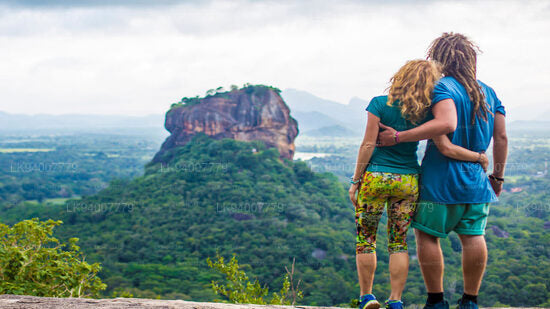
Deniyaya es una pintoresca ciudad situada en el corazón de la Provincia del Sur de Sri Lanka, específicamente en el Distrito de Matara. Rodeada por la exuberante vegetación del Bosque Tropical de Sinharaja, Deniyaya ofrece un entorno tranquilo y sereno que atrae tanto a los amantes de la naturaleza como a los buscadores de aventuras. Su clima fresco, gracias a su altitud, agrega un encanto especial a esta ciudad encantadora.
Una de las características definitorias de Deniyaya es su economía, impulsada principalmente por el cultivo de té. Las plantaciones de té de la ciudad son conocidas por producir hojas de té de alta calidad que contribuyen significativamente a la industria del té de Sri Lanka. Las plantaciones de té adornan las colinas, creando un paisaje pintoresco que no solo es visualmente atractivo, sino también económicamente importante para la comunidad local.
Aparte del cultivo de té, los residentes de Deniyaya también se dedican al cultivo de verduras. El suelo fértil y el clima favorable lo hacen propicio para cultivar una variedad de verduras, incluidas zanahorias, frijoles, repollo y más. Esta diversificación agrícola proporciona oportunidades de subsistencia y contribuye a la seguridad alimentaria de la ciudad.
Deniyaya también es rica en herencia cultural, con varios templos históricos que salpican su paisaje. El Gatabaruwa Devalaya es uno de esos templos, conocido por su importancia histórica y religiosa. Sirve como un centro espiritual para la comunidad local y atrae a los peregrinos y visitantes interesados en explorar las raíces culturales de la ciudad.
La belleza natural de Deniyaya se ve realzada por su proximidad al Bosque Tropical de Sinharaja, un Sitio del Patrimonio Mundial de la Humanidad de la UNESCO. El bosque es un punto caliente de biodiversidad, hogar de una amplia gama de flora y fauna, incluidas muchas especies endémicas. Los entusiastas de la naturaleza pueden embarcarse en caminatas guiadas y recorridos de observación de aves para explorar las maravillas del bosque y maravillarse de su diversidad natural.
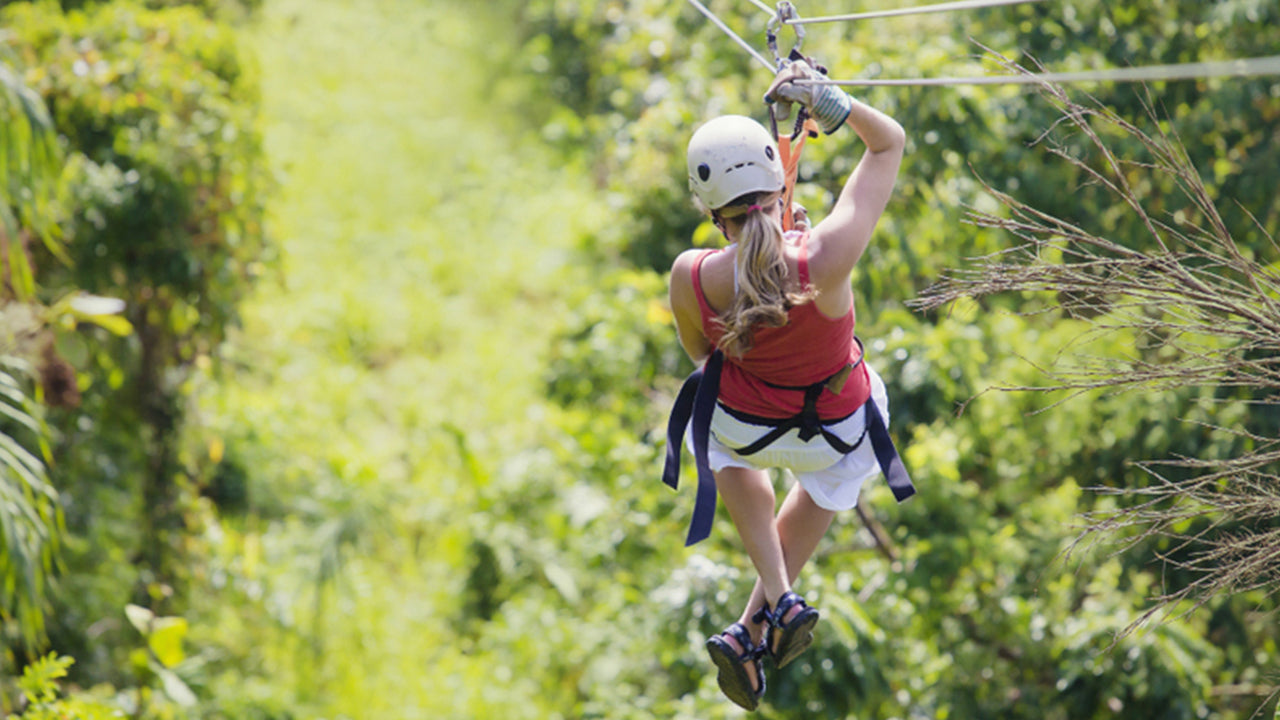
Además de sus atracciones naturales y culturales, Deniyaya ofrece una variedad de actividades recreativas para los visitantes. Las rutas de senderismo, caminatas por la naturaleza y excursiones a cascadas son populares entre los buscadores de aventuras que desean sumergirse en la belleza pintoresca de la ciudad y en sus aventuras al aire libre.
El sector de la hospitalidad de la ciudad también ha crecido en los últimos años, con casas de huéspedes, eco-lodges y estancias en casas locales que ofrecen opciones de alojamiento cómodas para los turistas. Esto ha contribuido al surgimiento de Deniyaya como un destino turístico, atrayendo a visitantes que buscan un refugio tranquilo en medio de la espléndida naturaleza.
En conclusión, Deniyaya es una pequeña ciudad con un gran corazón, que ofrece una mezcla armoniosa de belleza natural, herencia cultural y prosperidad agrícola. Sus plantaciones de té, su entorno de selva tropical, sus templos históricos y sus actividades al aire libre la convierten en un destino fascinante para todos.