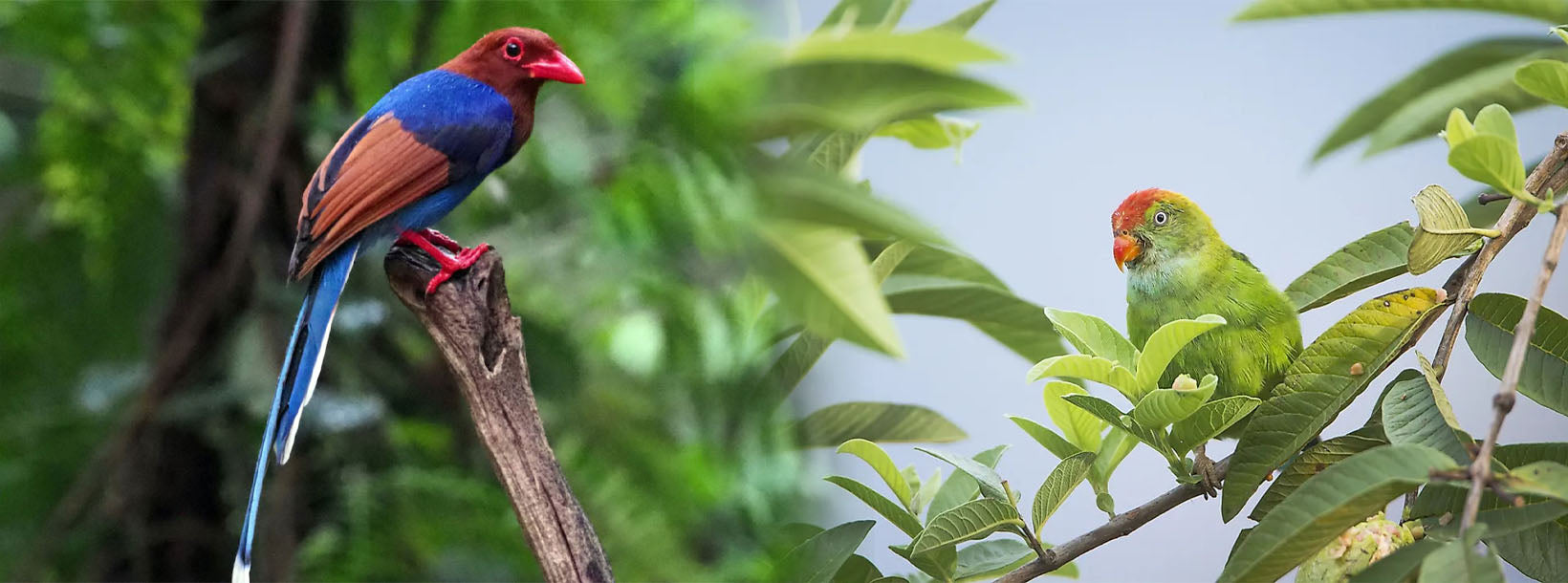
Yellow Eared Bulbul


Sri Lanka Yellow-eared Bulbul "Pycnonotus penicillatus" (Blyth, 1851)
The tuft of yellow feathers over the ear and white streak in front of the eye easily distinguishes this from all the other bulbuls. Females are distinguished from males by their slightly smaller size and broad yellow tail-tips. These birds reach 18.5 – 20 cm in length.
Yellow-eared bulbuls are restricted to the higher hills, mostly above 1,700 meters altitude. They do descent to about 1,100 meters on the western slopes, but are rarely seen below 1,200 meters on the eastern side of the central mountains. They also occur in the higher parts of the Knuckles Range and Sinharaja.
They are rather shy birds that generally keep to the forest and seen occasionally in gardens. The sharp whee, whee, whee call is unmistakable. They gather in large numbers, preferring to feed on berries among shrubs and in the mid-canopy. Yellow-eared Bulbuls breed throughout the year, with two peaks in March-May and August-October (the former being the major peak). An open, cup-shaped nest is built in a tree fork about 3-5 meters above the ground. The nest is constructed mostly from green moss, the cup being lined with fine ferns and rootlets. The speckled eggs which sometimes appear pinkish with reddish brown markings, measure around 23.4 x 16.7 mm.
Breeding takes place during two marked seasons; March to May, and August to September. Both birds excavate the nest chamber. The chamber entrance is usually 3 – 6 meters above the gr sometimes higher. The diameter of the entrance is about 25 cm, the chamber depth being .5 cm. No nesting materials are used, and up to three pure white eggs. Both parents participate in incubating the eggs and feeding the young.


-
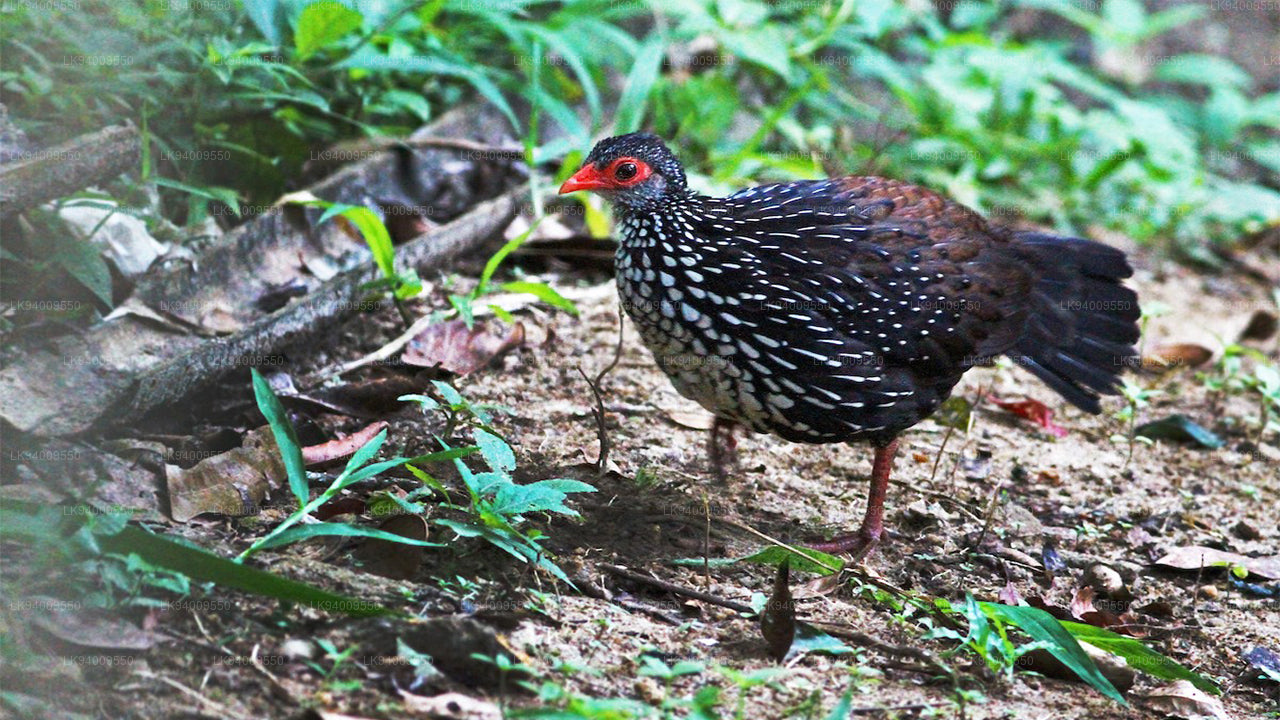 Ceylon Spurfowl
Galloperdix bicalcarata
-
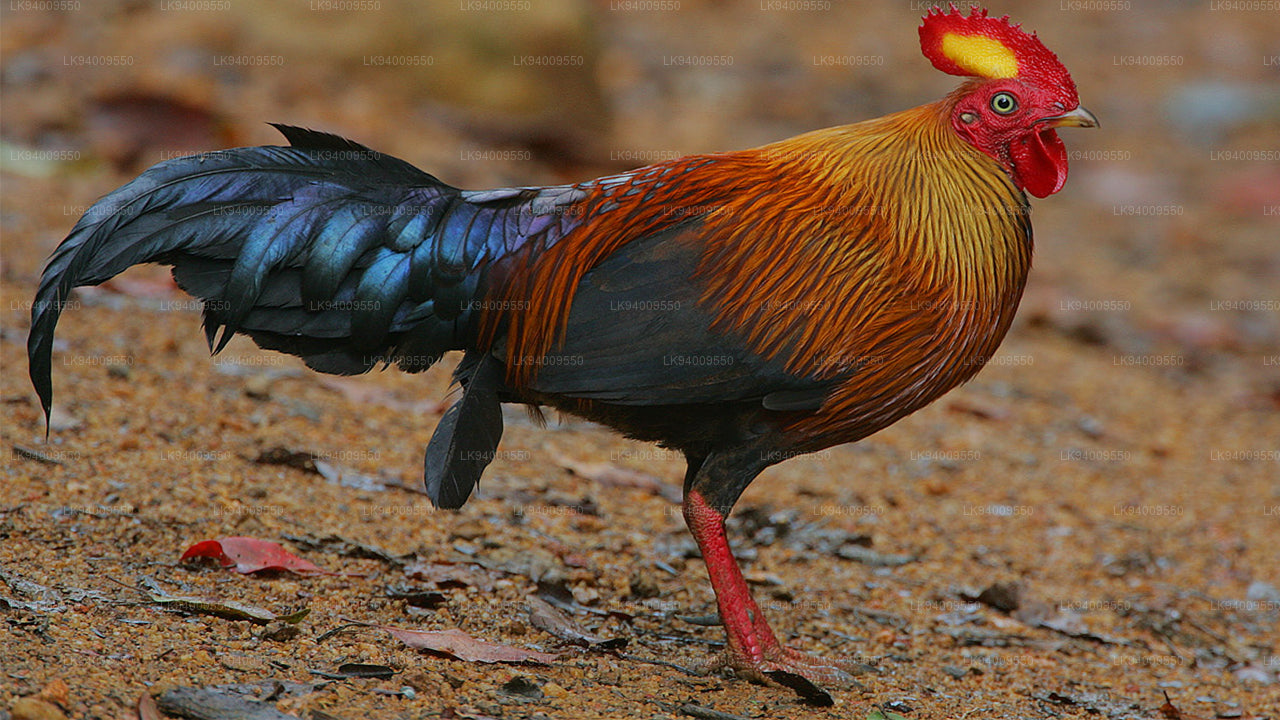 Junglefowl
Gallus lafayetii
-
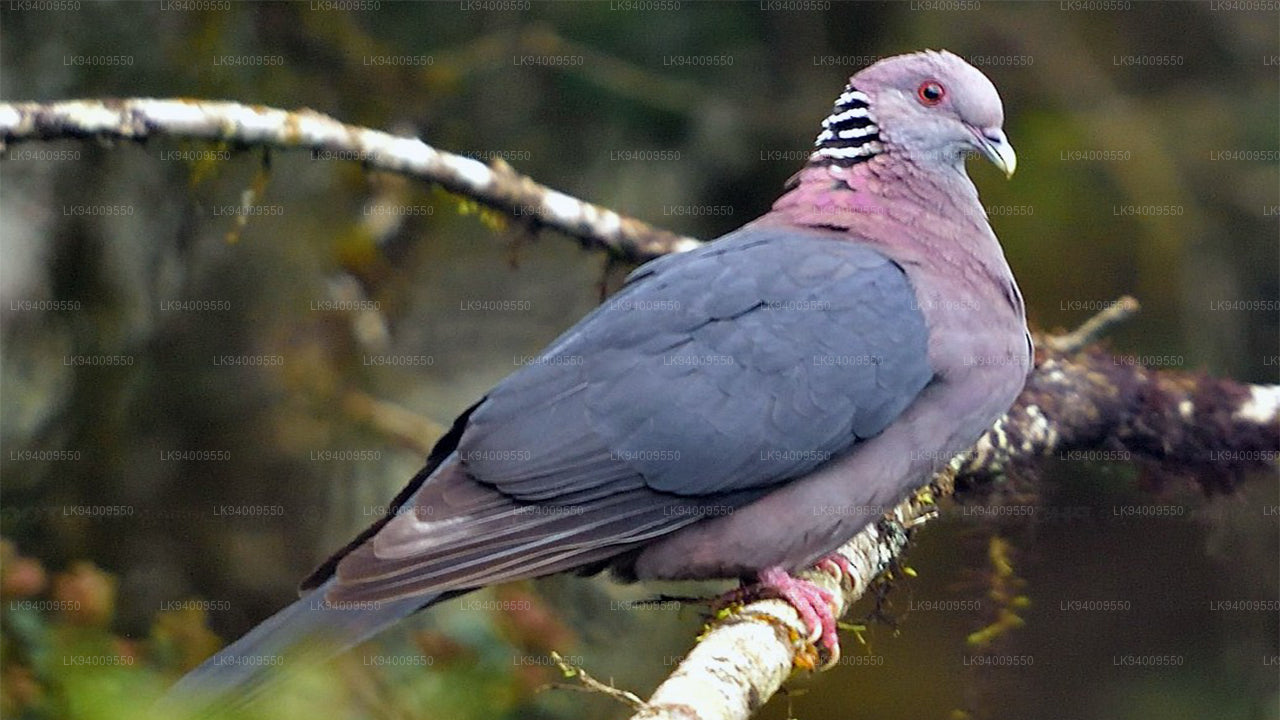 Ceylon Woodpigeon
Columba torringtoniae
-
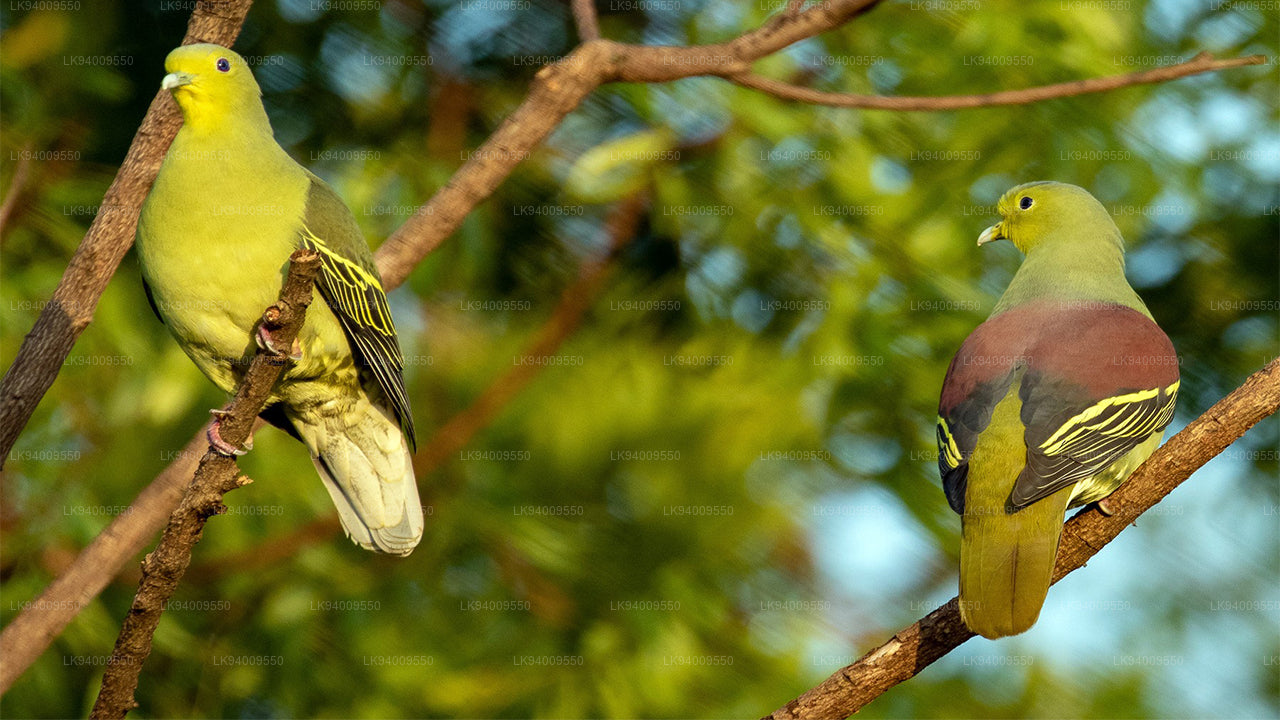 Ceylon Green Pigeon
Treron pompadora
-
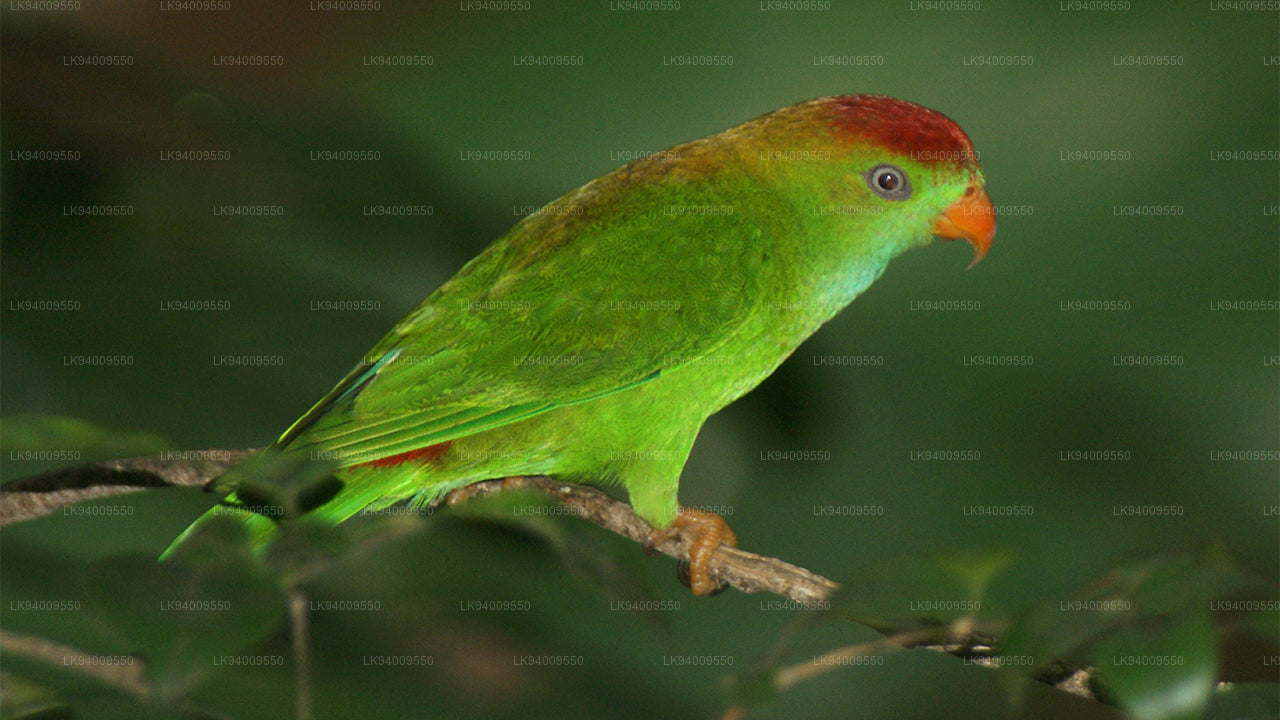 Ceylon Hanging Parrot
Loriculus beryllinus
-
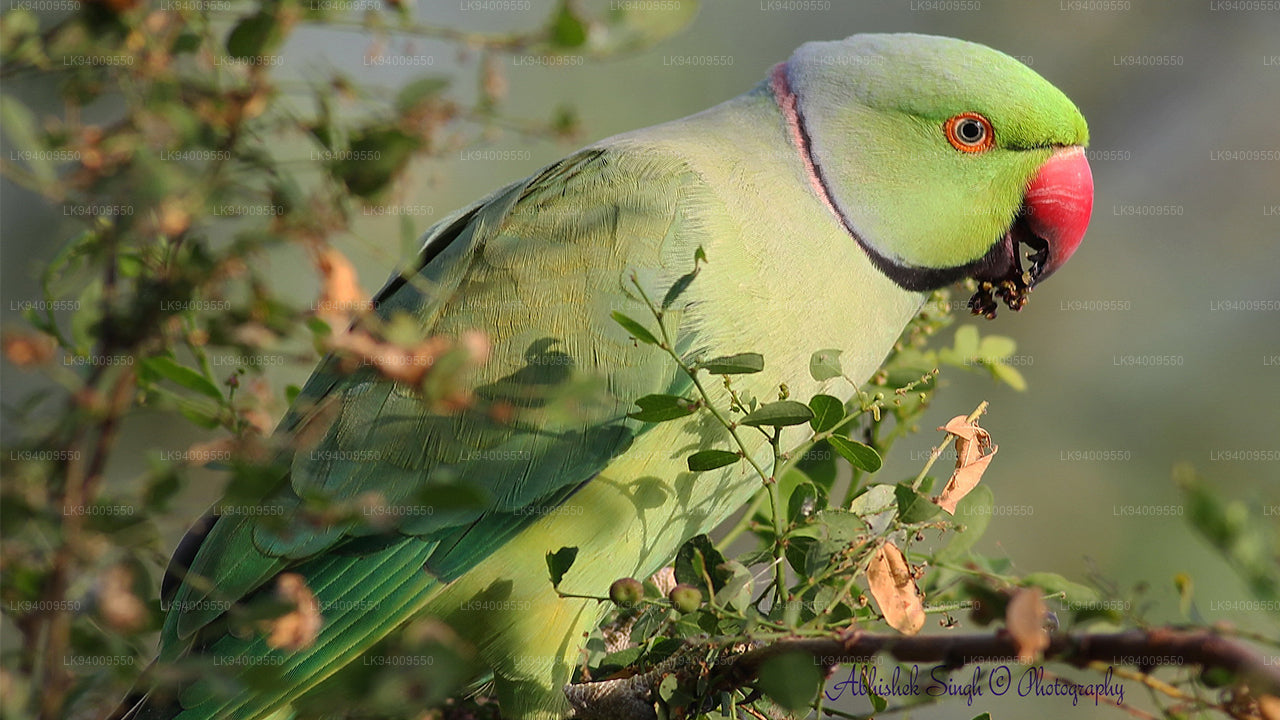 Layard’s Parakeet
Psittacula calthrapae
-
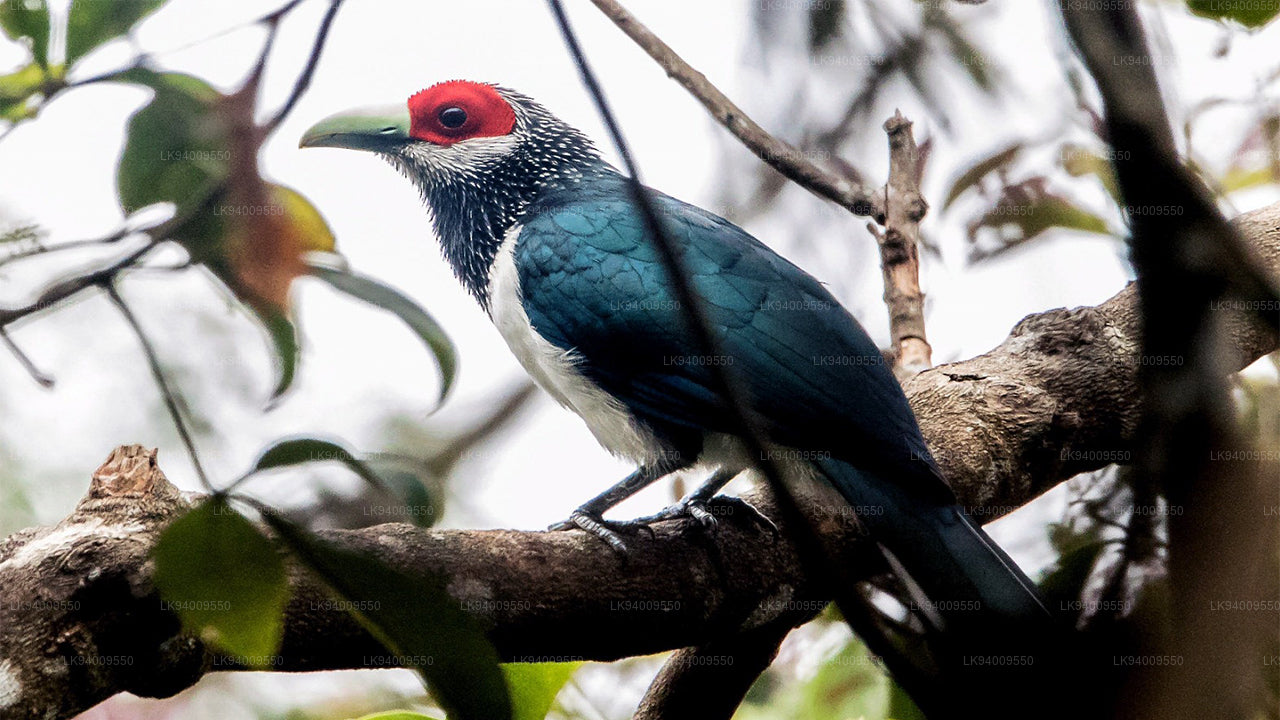 Red Faced Malkoha
Phaenicophaeus pyrrhocephalus
-
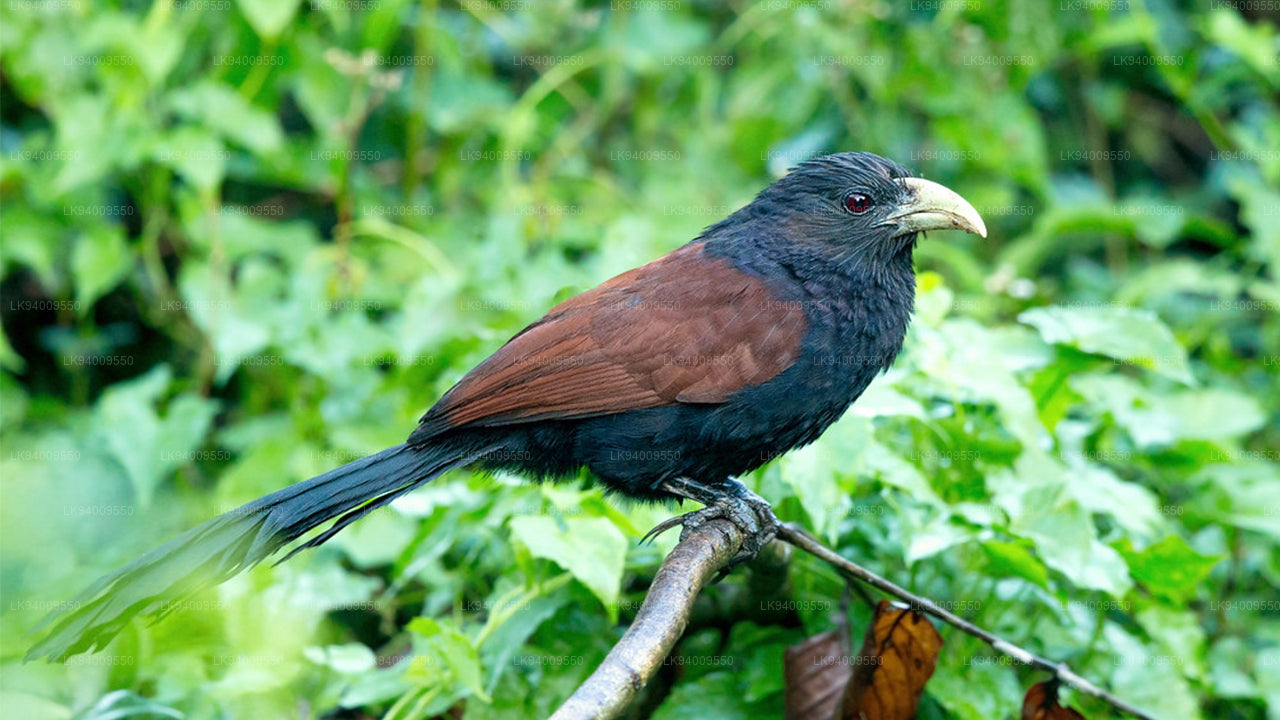 Green Billed Couca
Centropus chlororhynchos
-
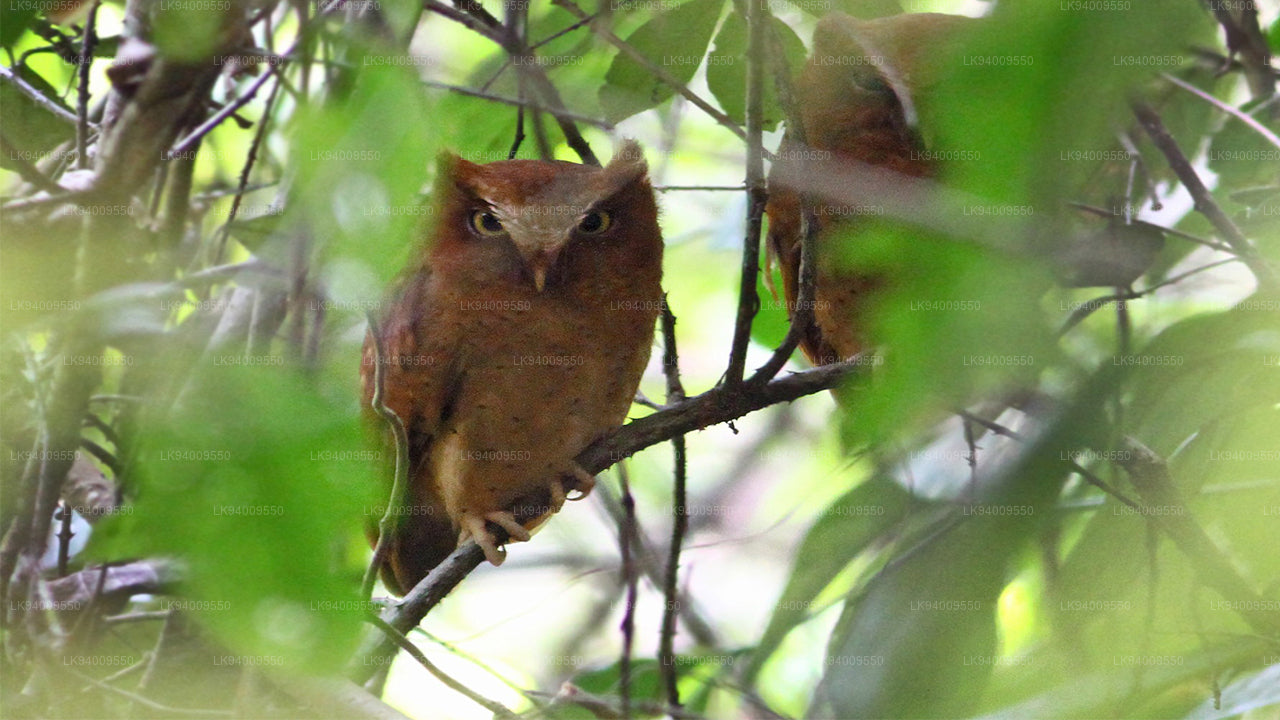 Serendib Scops Owl
Otus thilohoffmanni
-
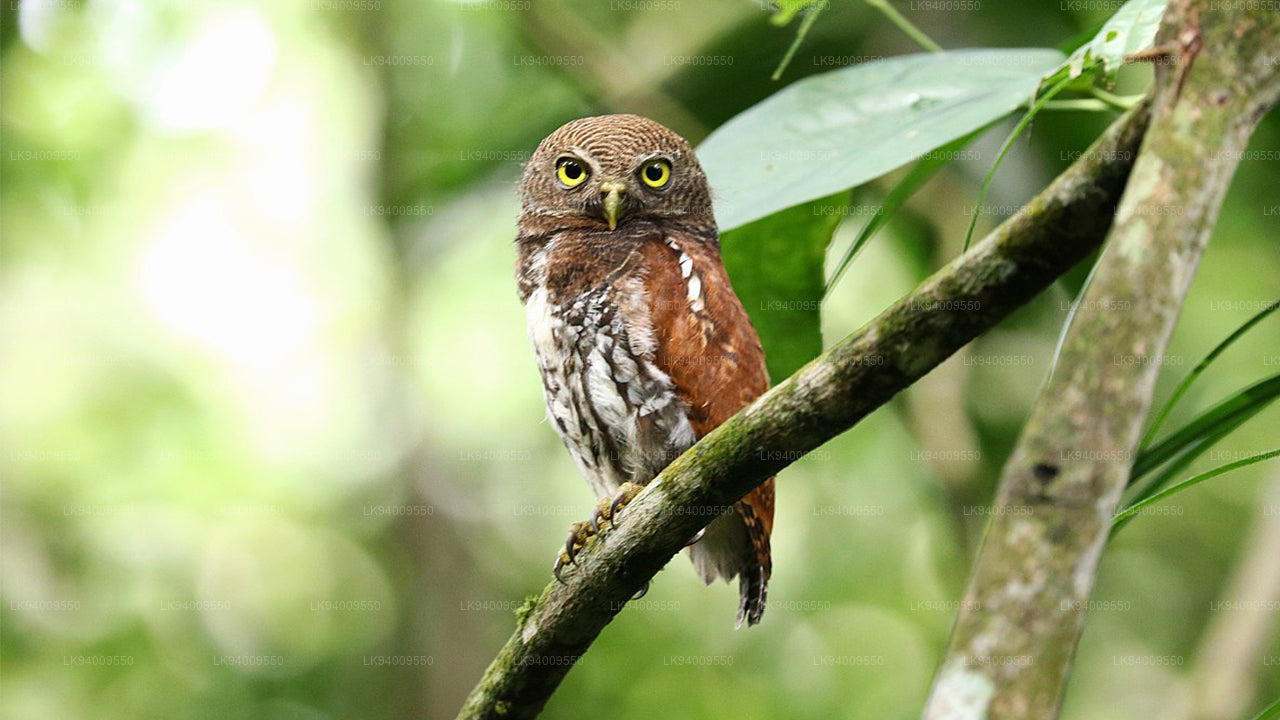 Chestnut Backed Owlet
$Glaucidium castanotum
-
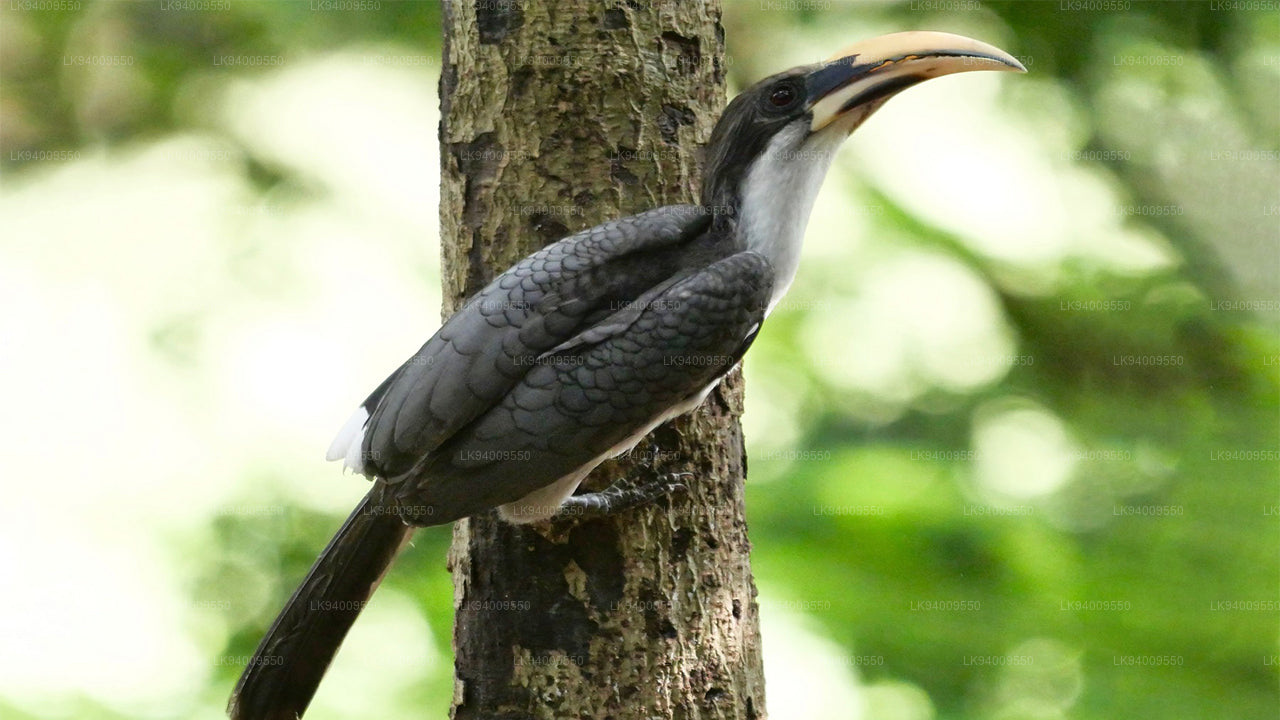 Ceylon Grey Hornbill
Ocyceros gingalensis
-
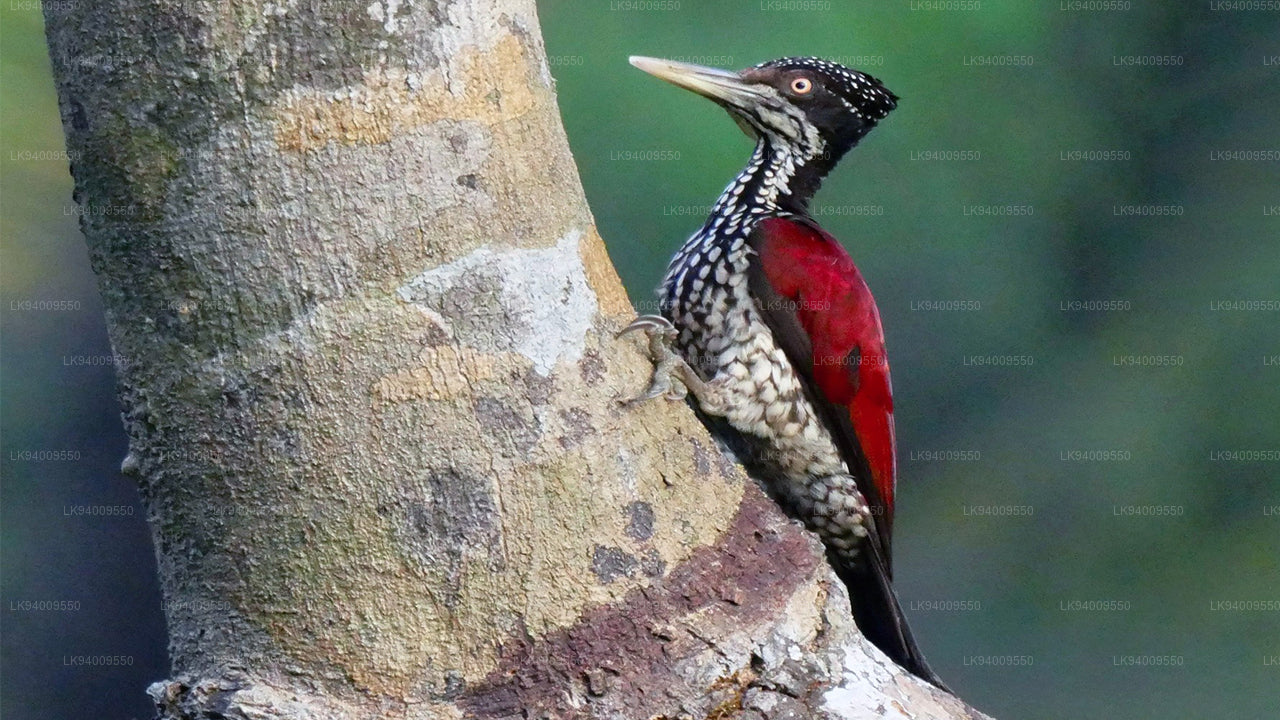 Crimson Backed Flameback
Chrysocolaptes stricklandi
-
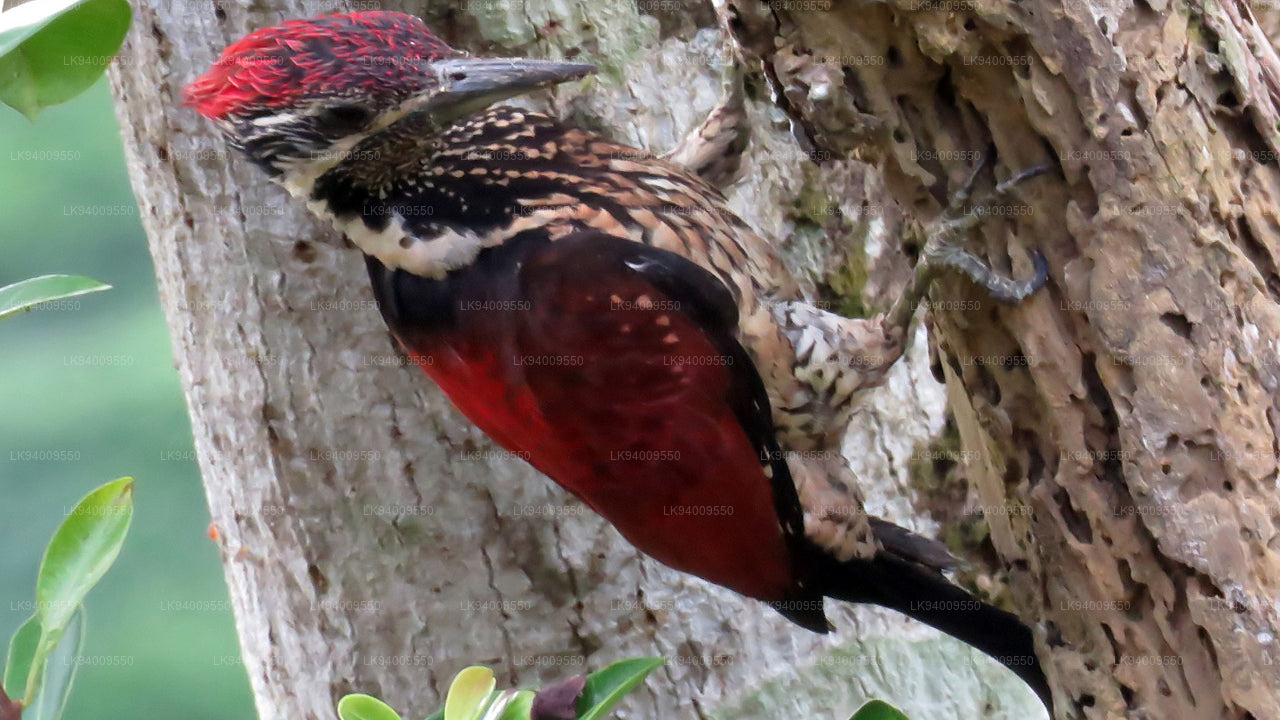 Red backed flameback
Dinopium psarodes
-
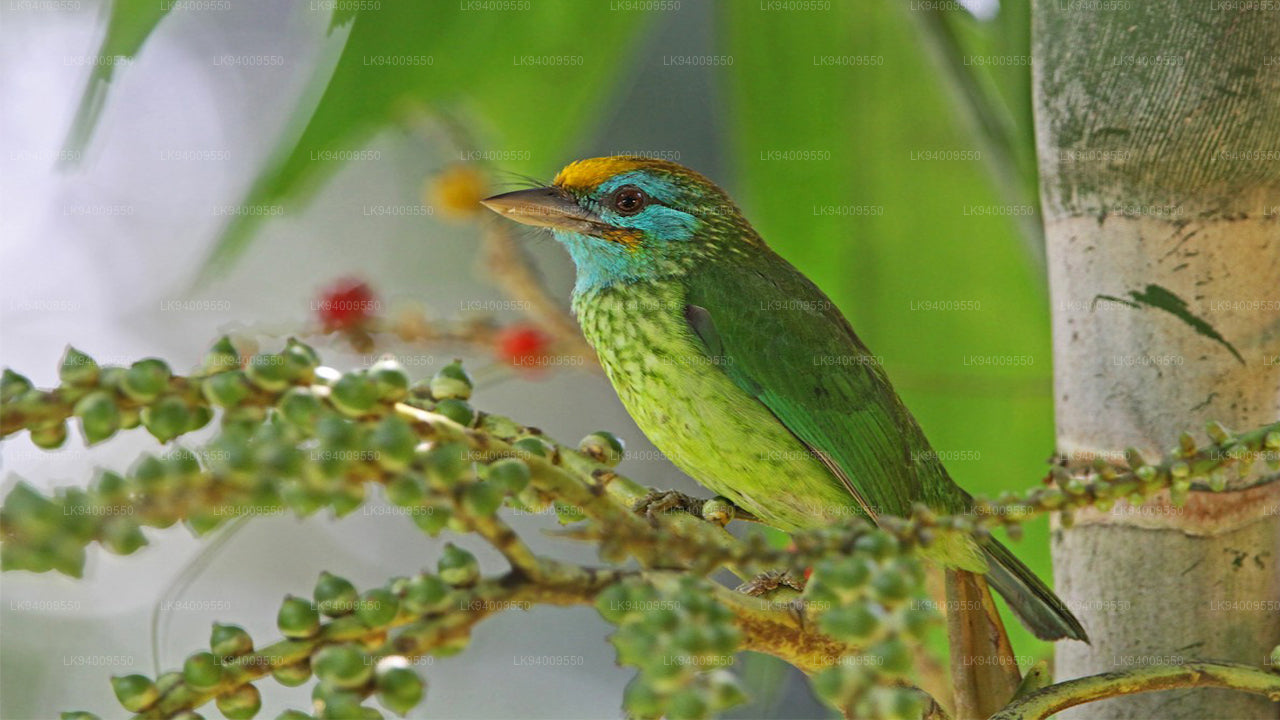 Yellow Fronted Barbet
Psilopogon flavifrons
-
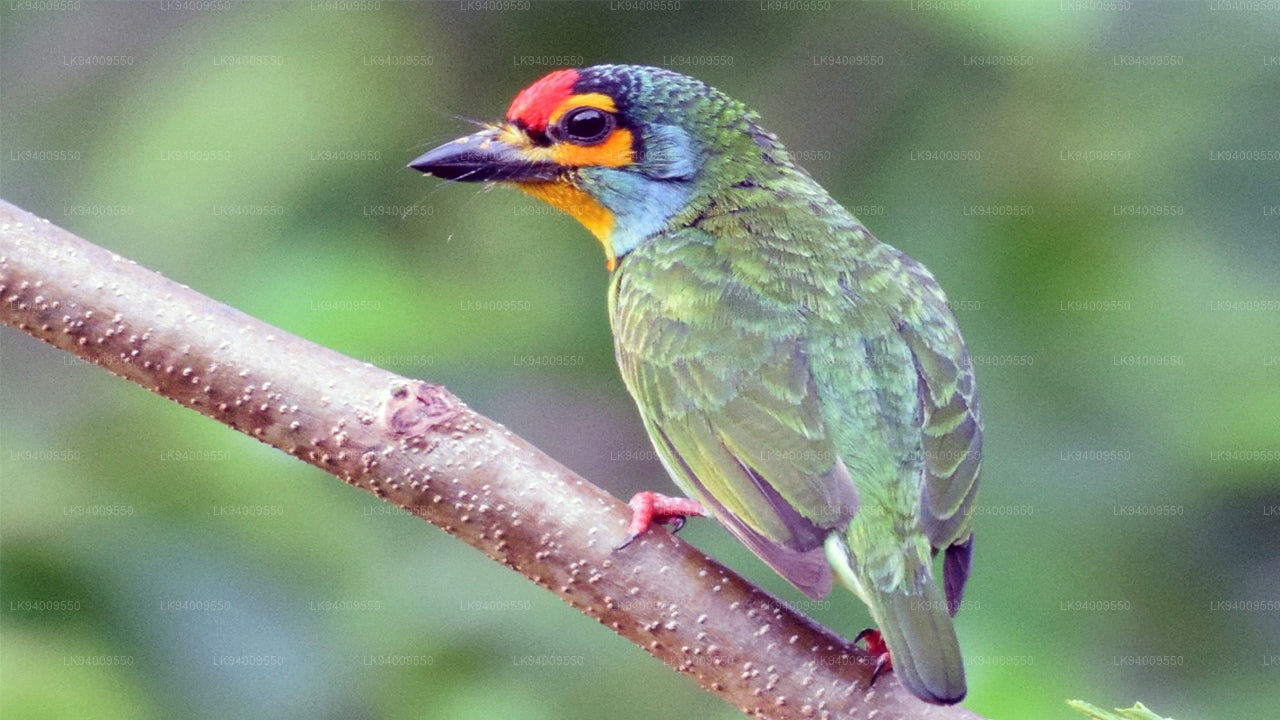 Crimson Fronted Barbet
Psilopogon rubricapillus
-
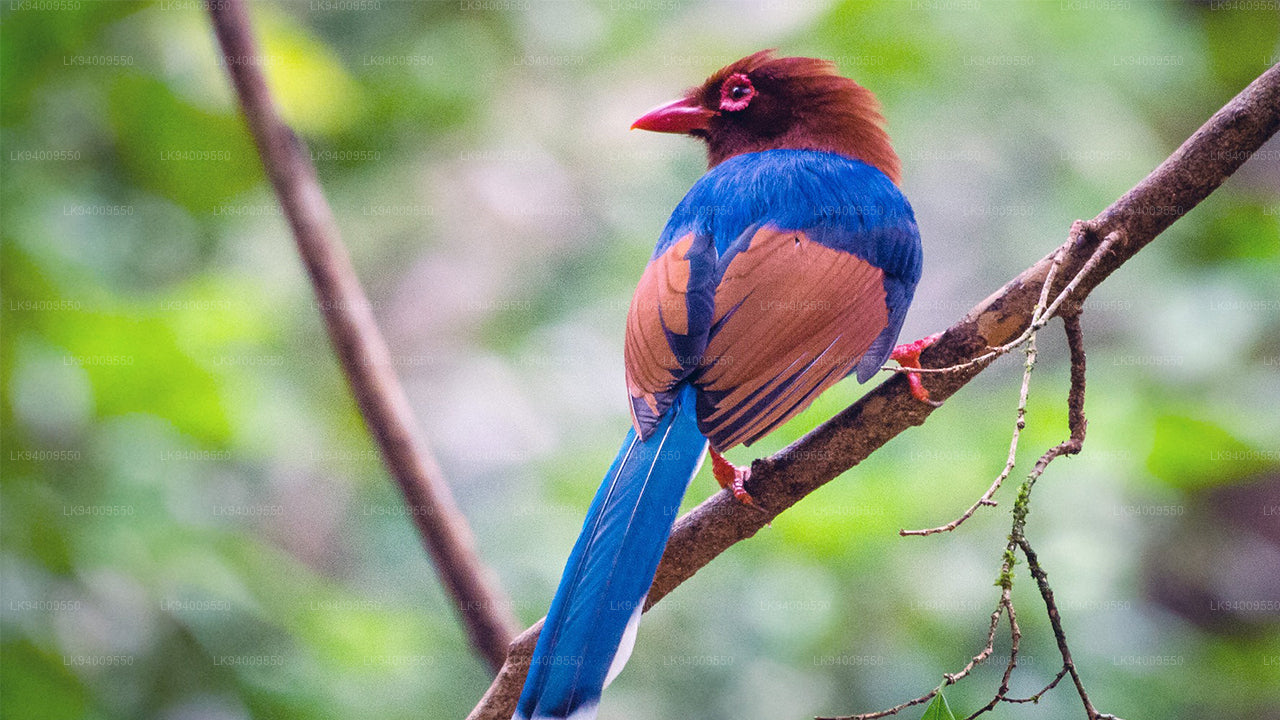 Ceylon Blue Magpie
Urocissa ornata
-
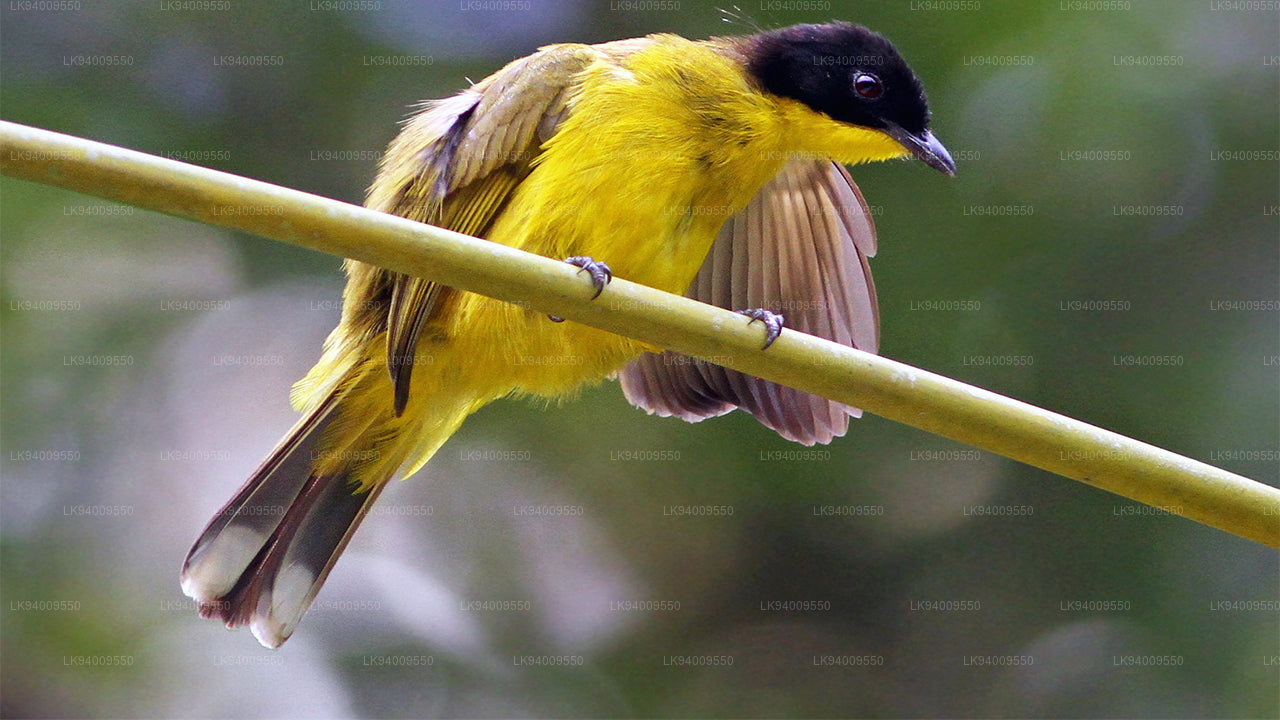 Black Capped Bulbul
Rubigula melanictera
-
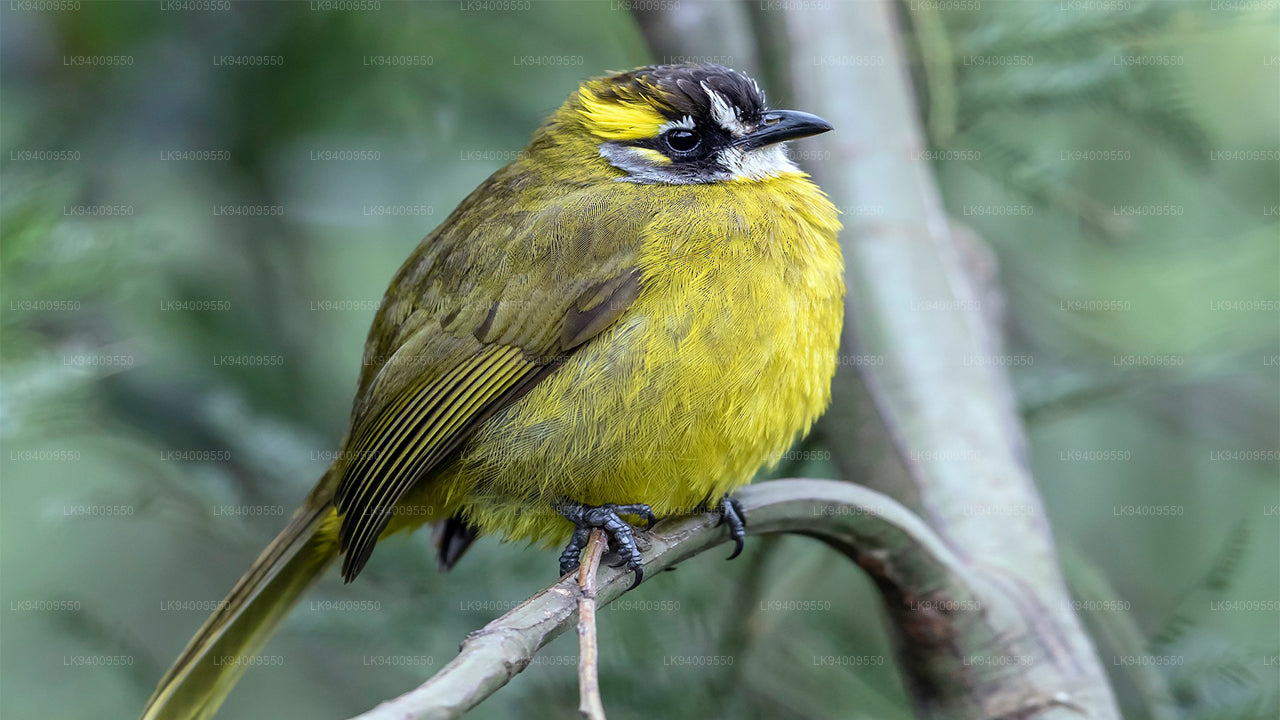 Yellow Eared Bulbul
Pycnonotus penicillatus
-
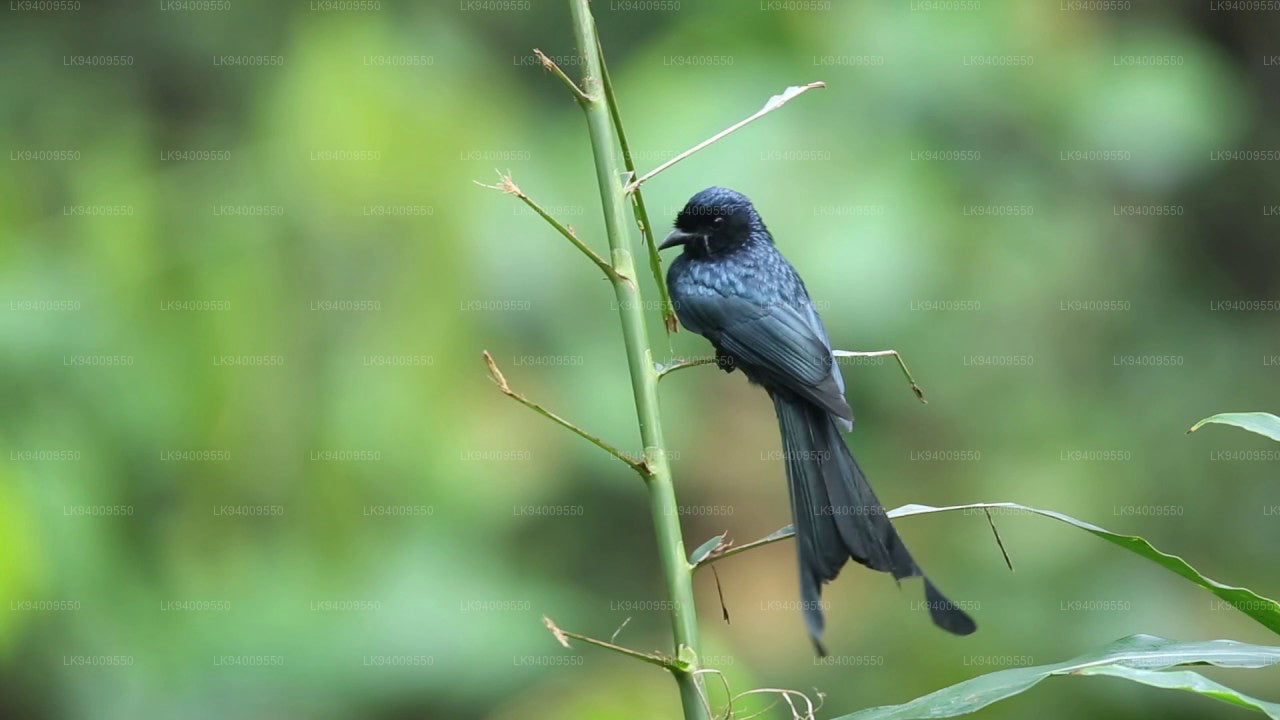 Ceylon Crested Drongo
Dicrurus lophorinus
-
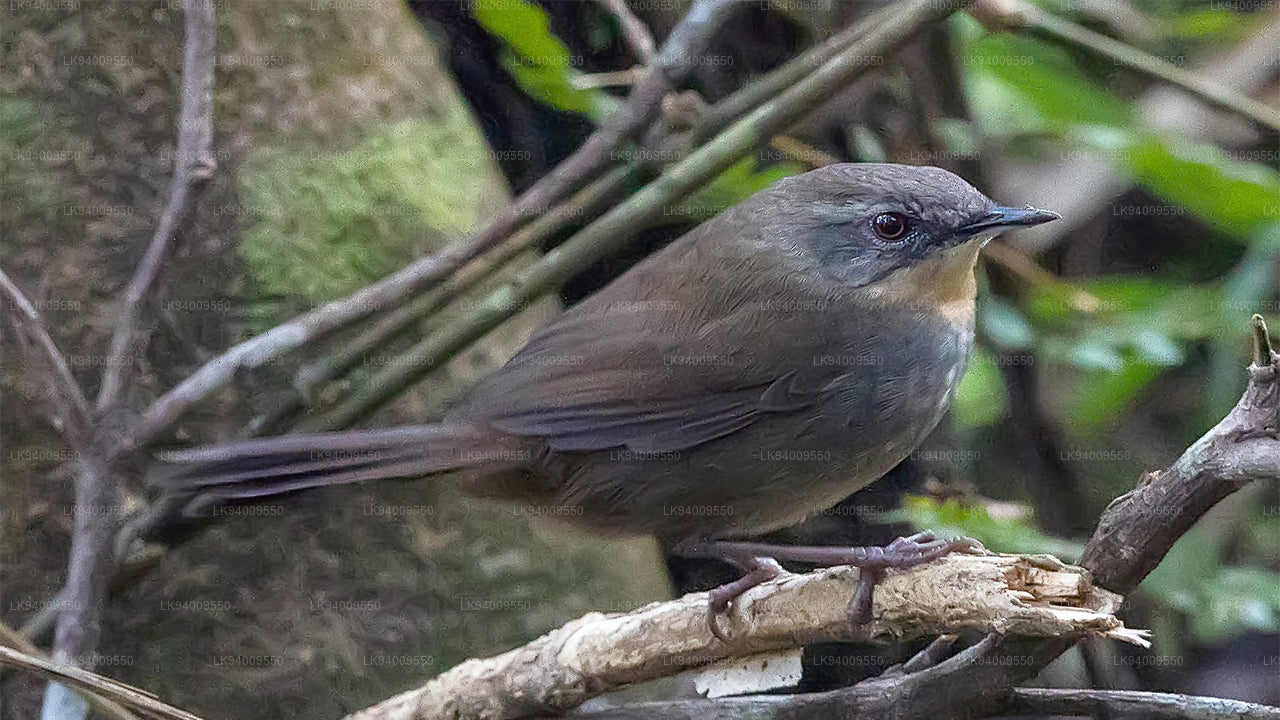 Ceylon Bush Warbler
Elaphrornis palliseri
-
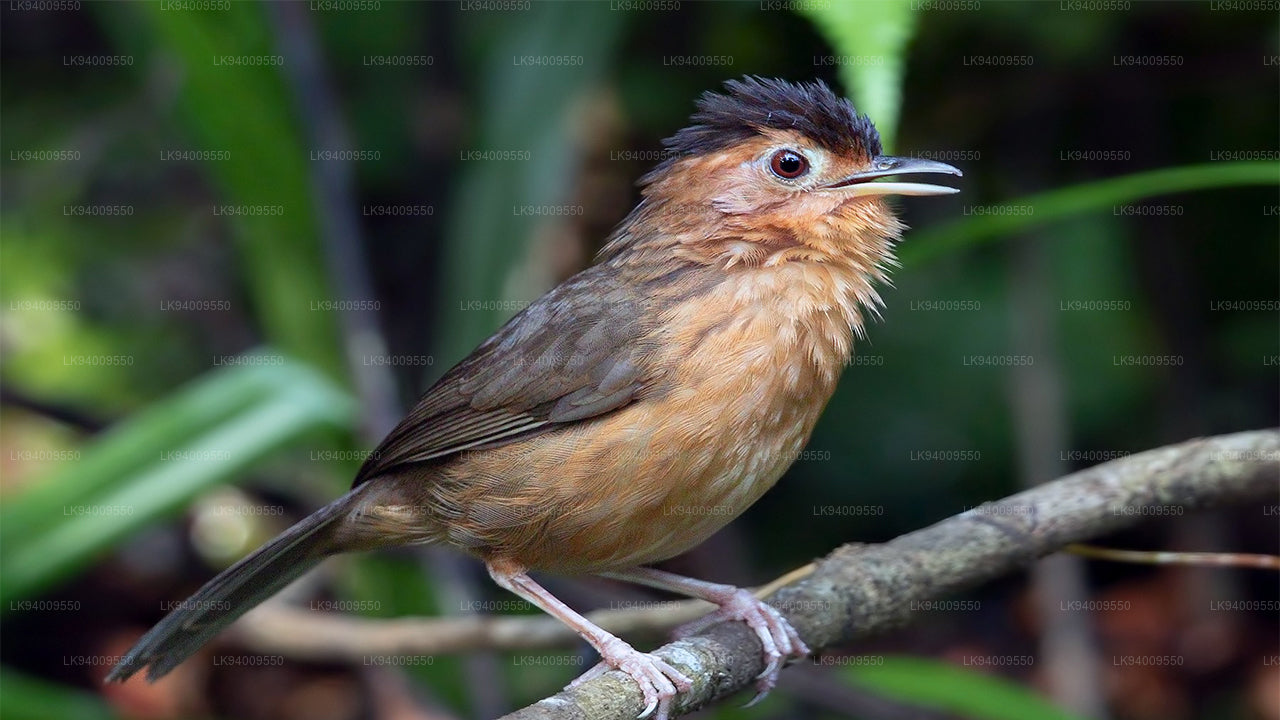 Brown Capped Babbler
Pellorneum fuscocapillus
-
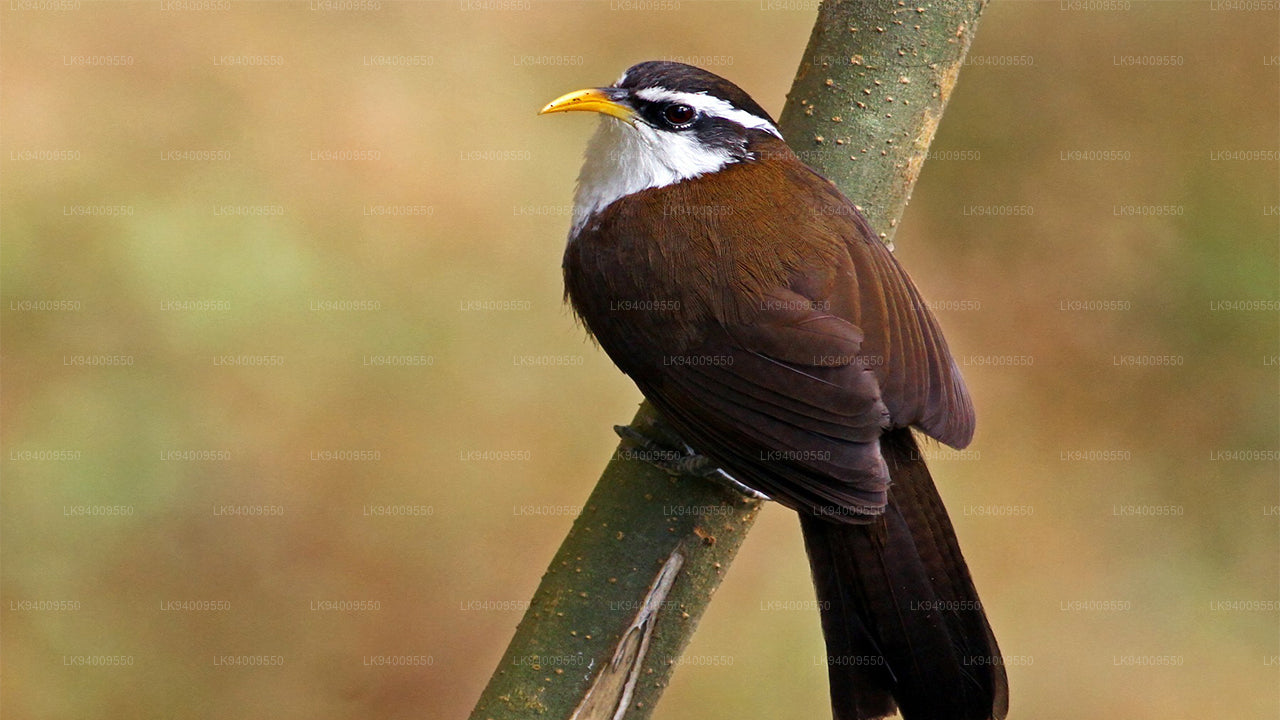 Ceylon Scimitar Babbler
Pomatorhinus melanurus
-
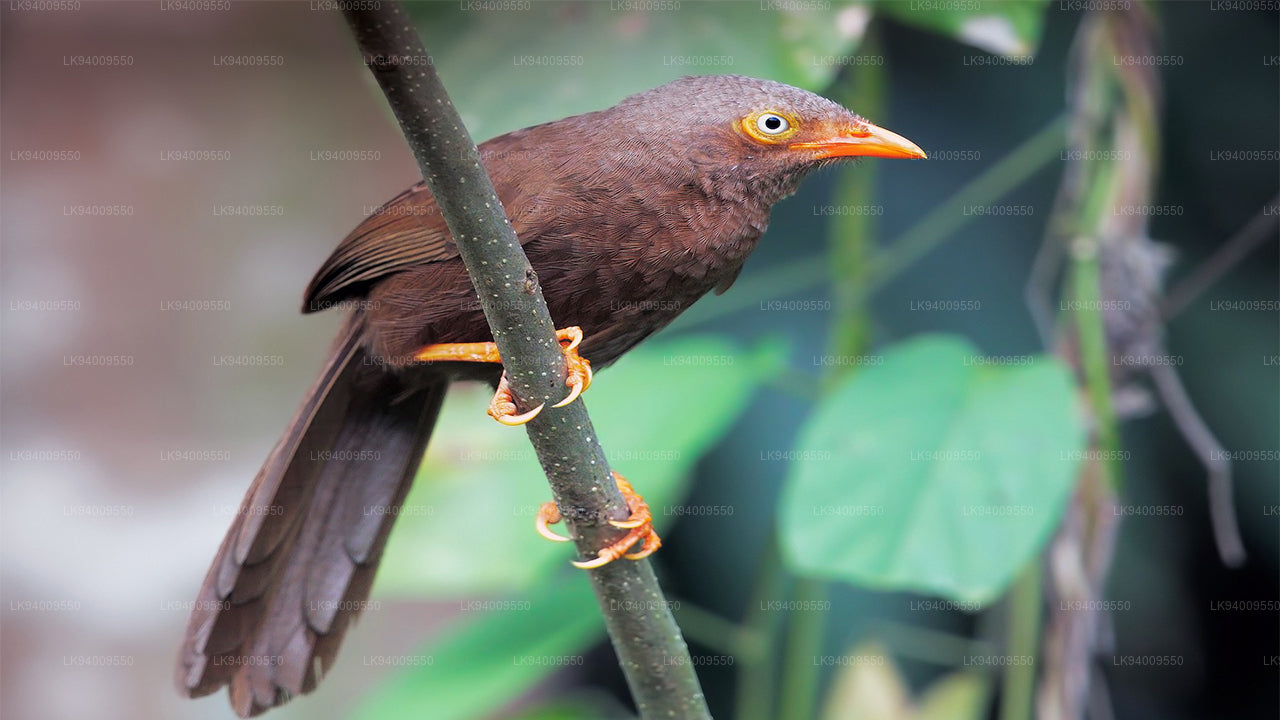 Ceylon Rufous Babbler
Argya rufescens
-
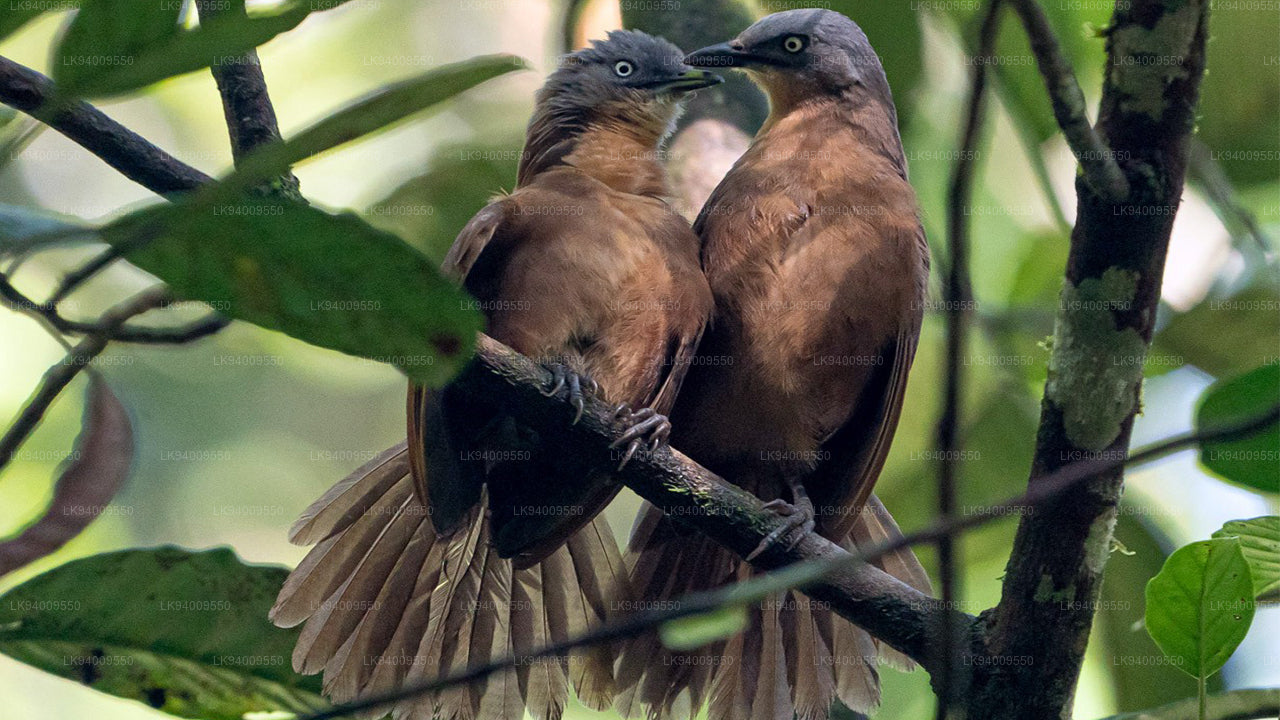 Ashy Headed Laughingthrush
Argya cinereifrons
-
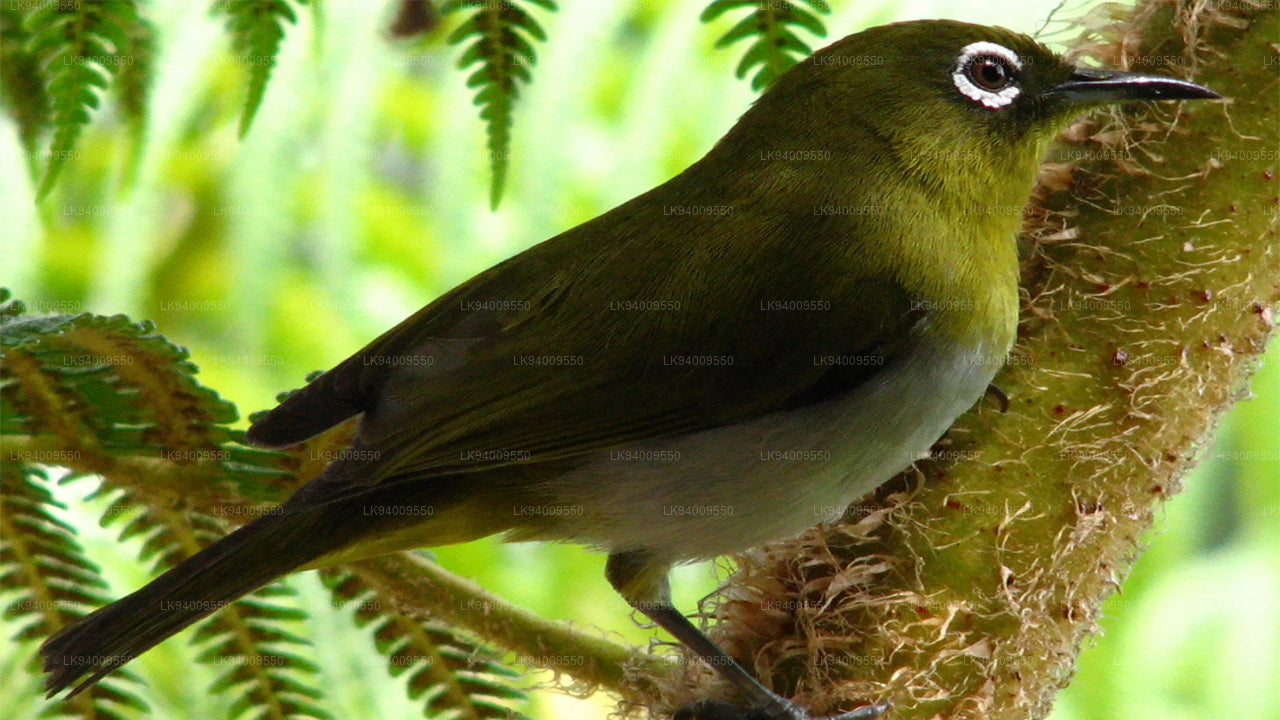 Ceylon White Eye
Zosterops ceylonensis
-
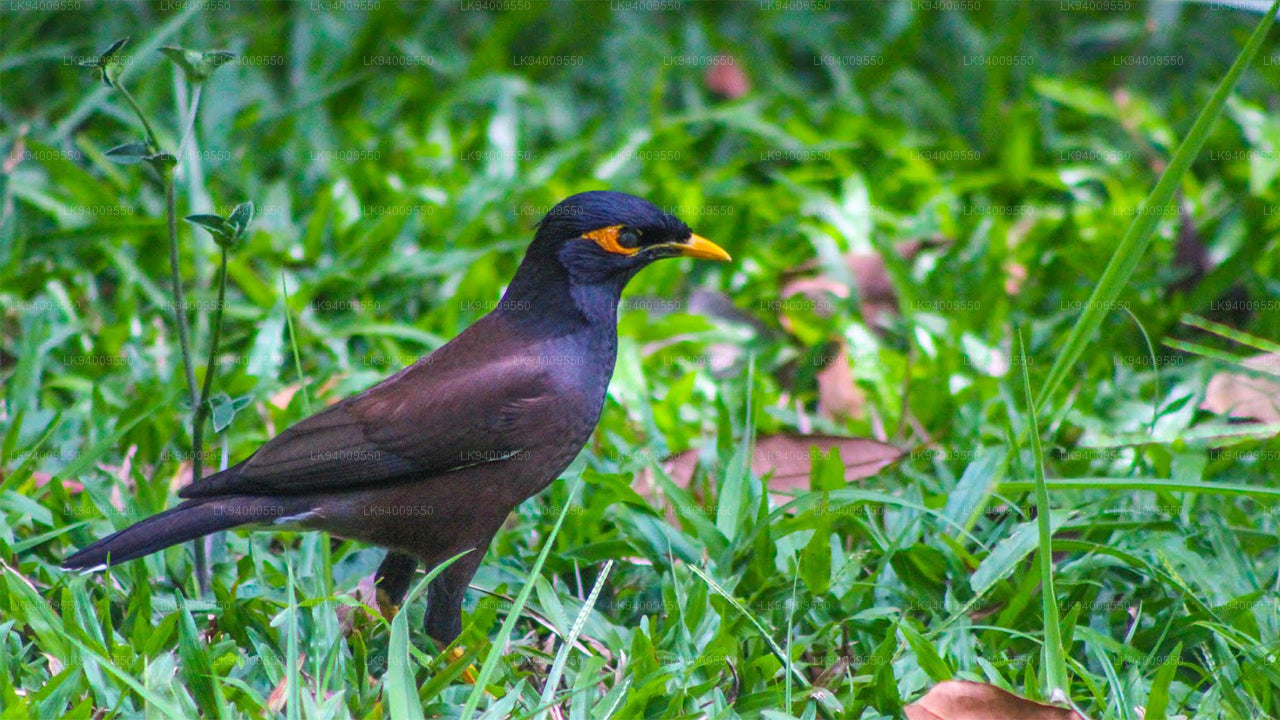 Ceylon Hill Myna
Gracula ptilogenys
-
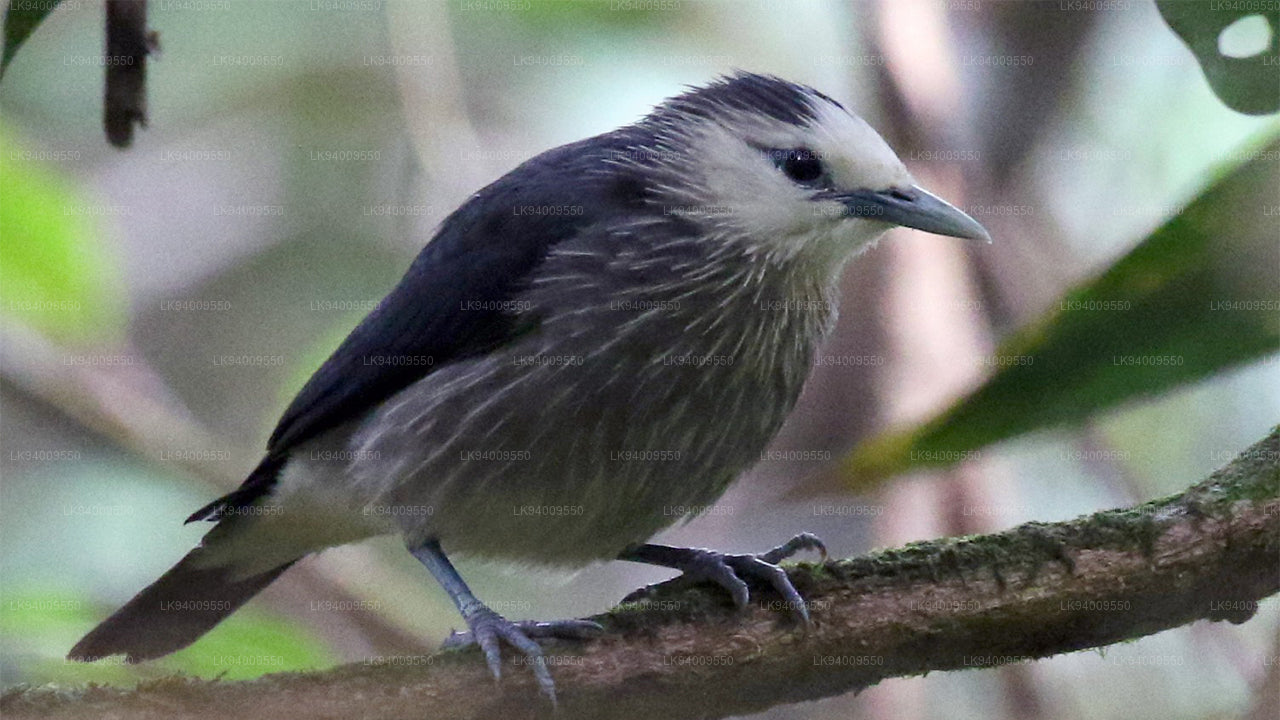 White Faced Starling
$Sturnornis albofrontatus
-
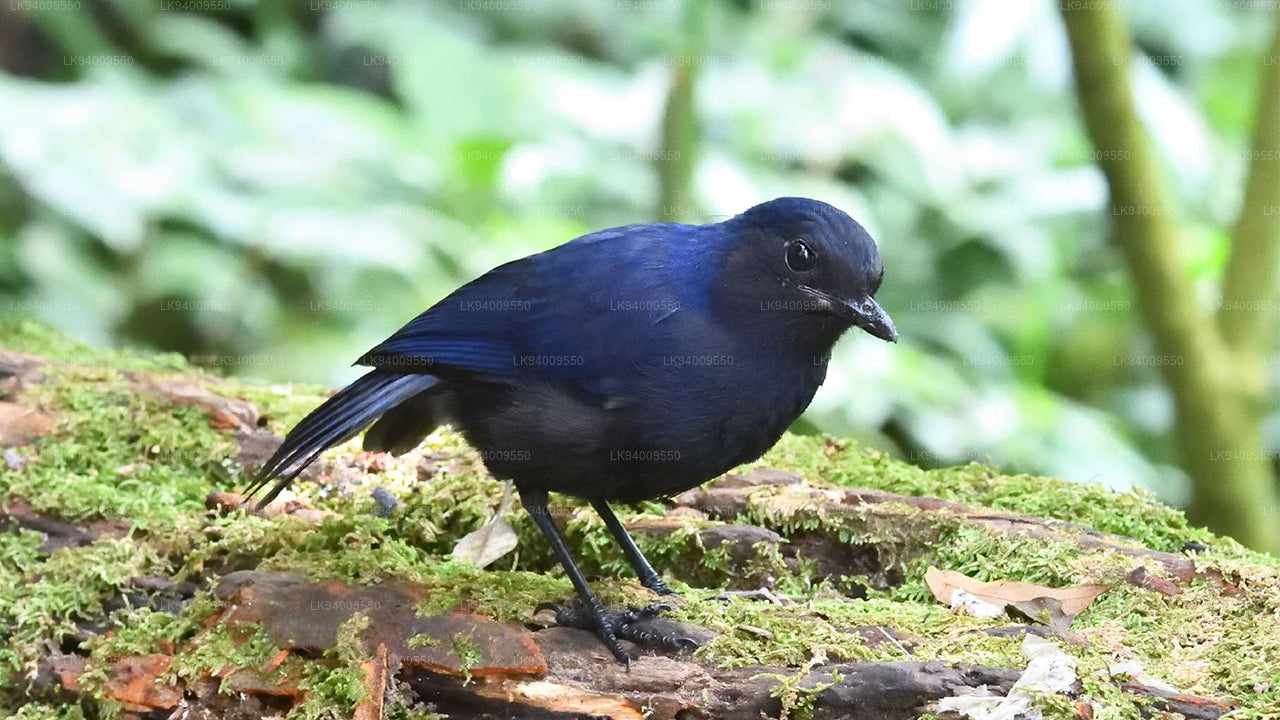 Ceylon Whistling Thrush
Myophonus blighi
-
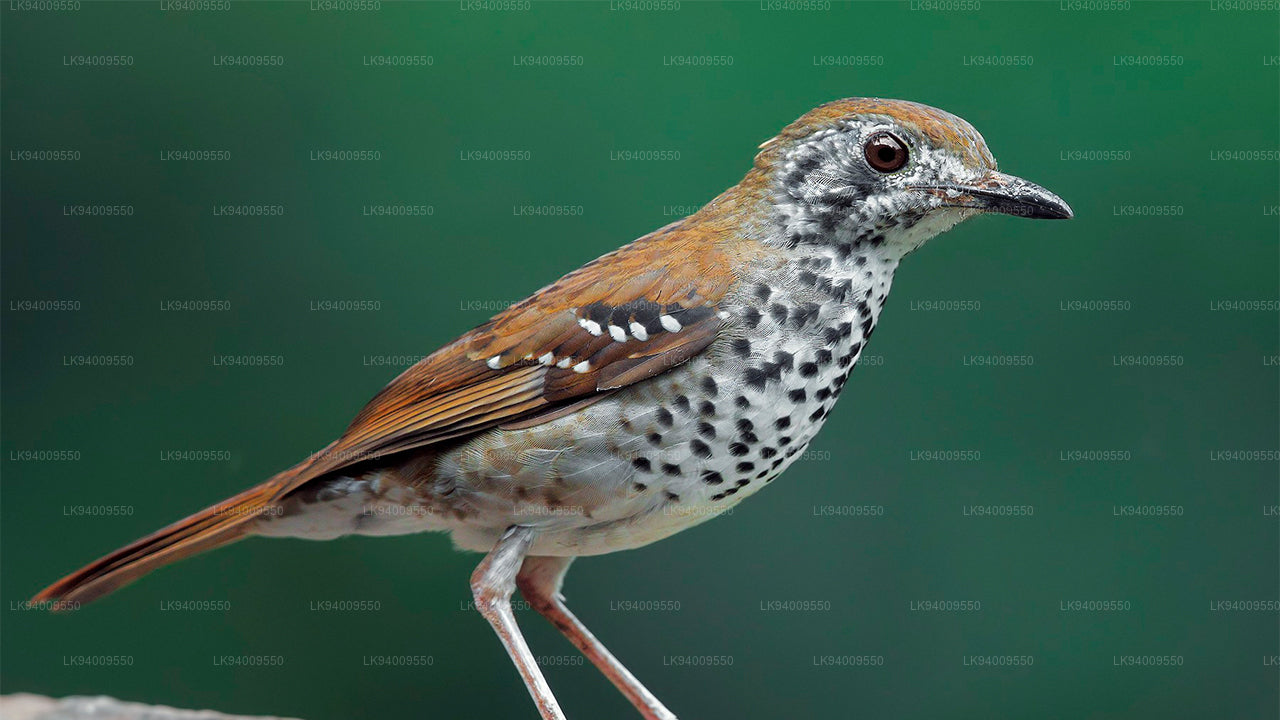 Spot Winged Ground Thrush
Geokichla spiloptera
-
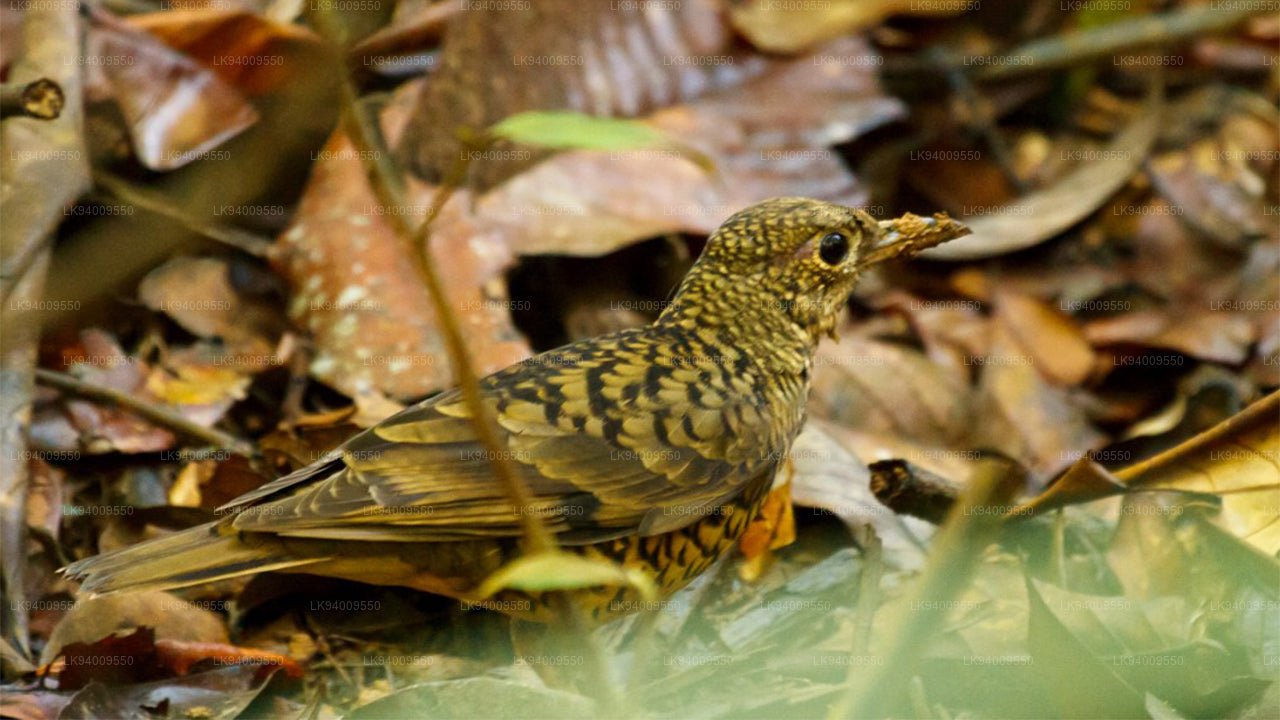 Ceylon Scaly Thrush
Zoothera imbricata
-
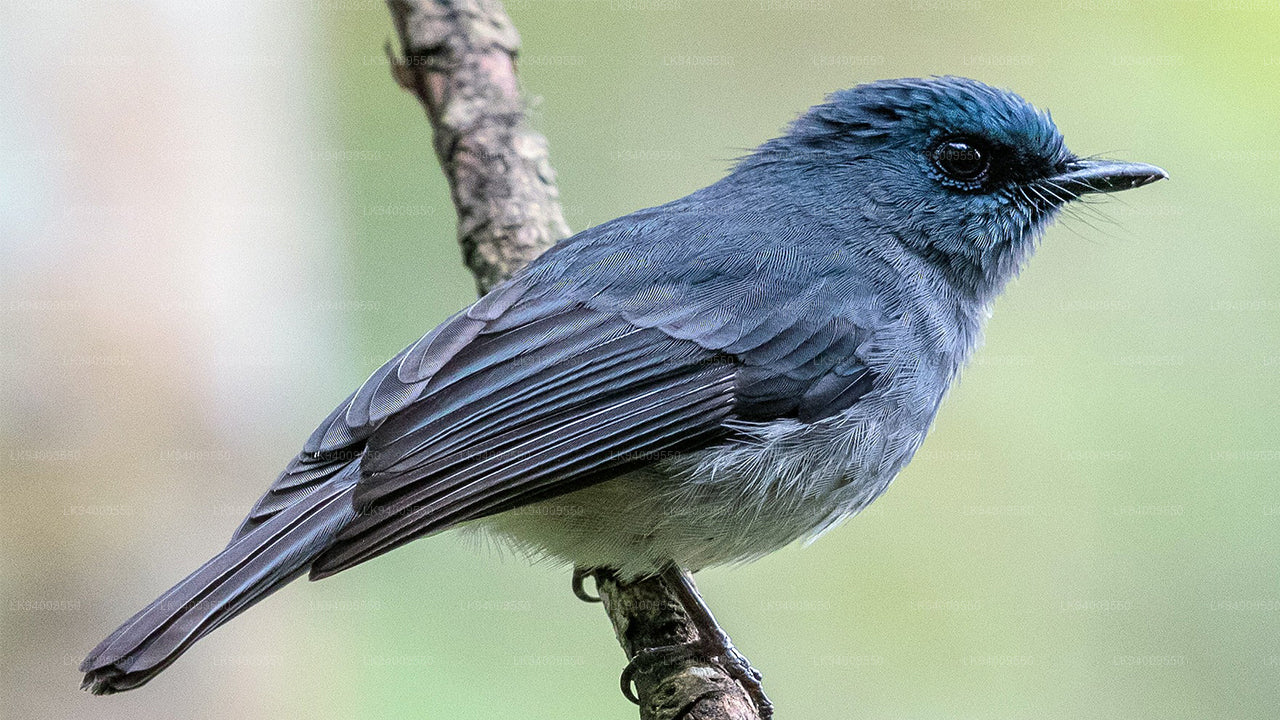 Dusky Blue Flycatcher
Eumyias sordidus
-
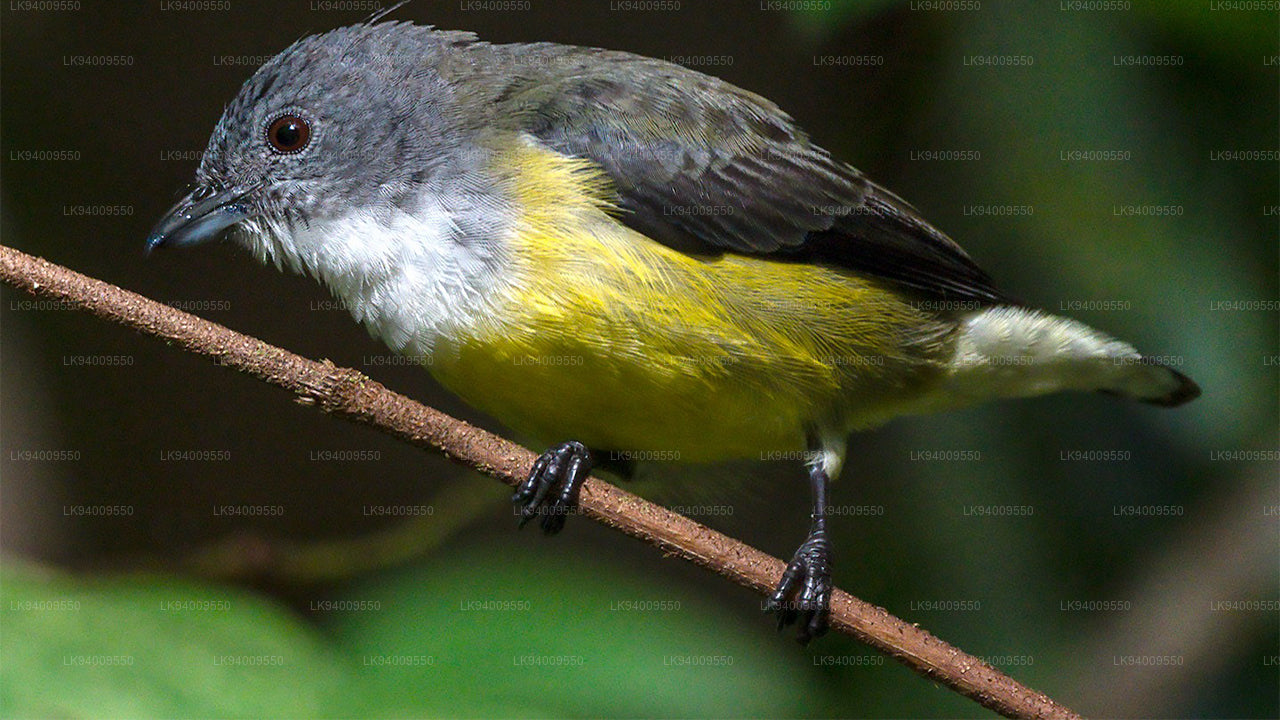 Legge's Flowerpecker
Dicaeum vincens
-
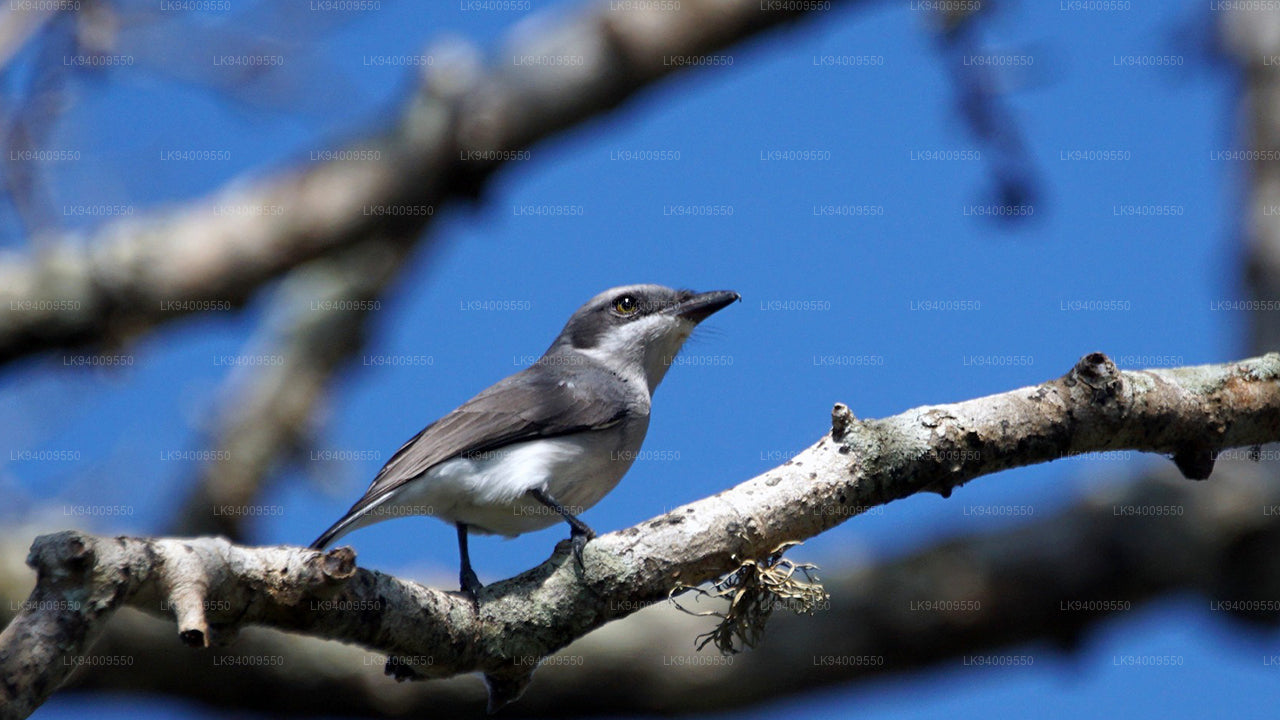 Ceylon Woodshrike
Tephrodornis affinis
-
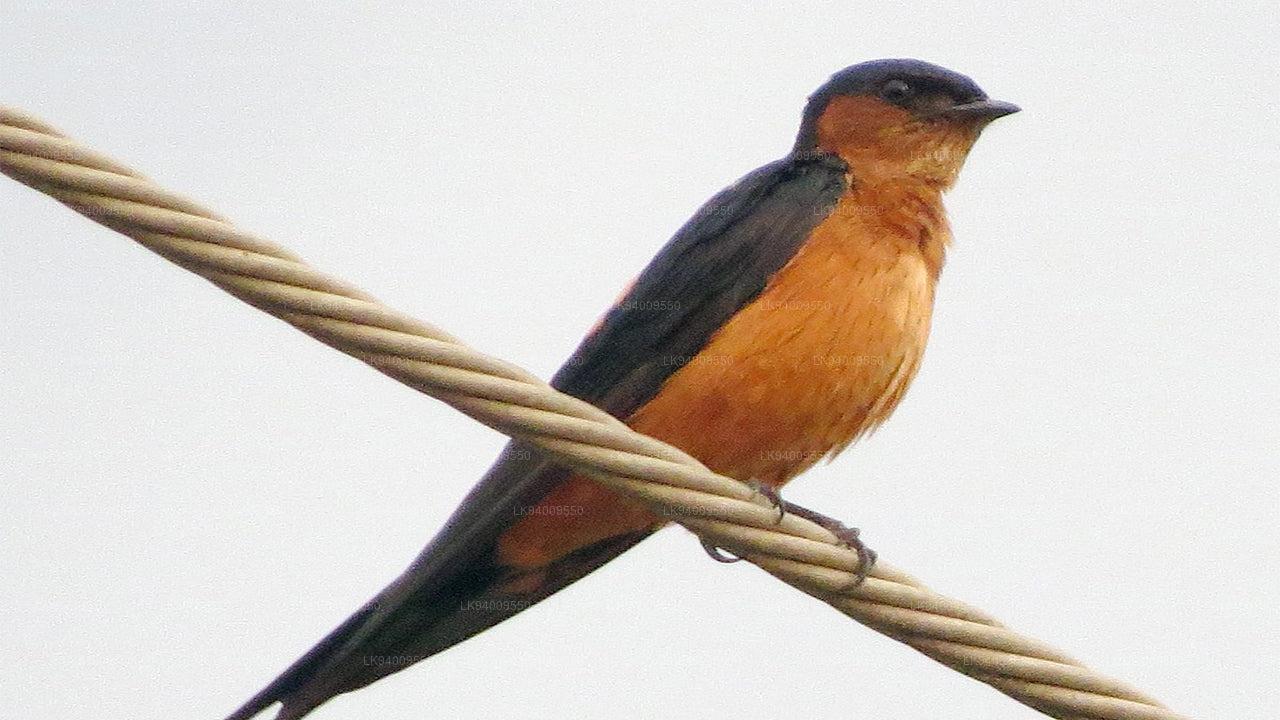 Ceylon Swallow
Cecropis hyperythra