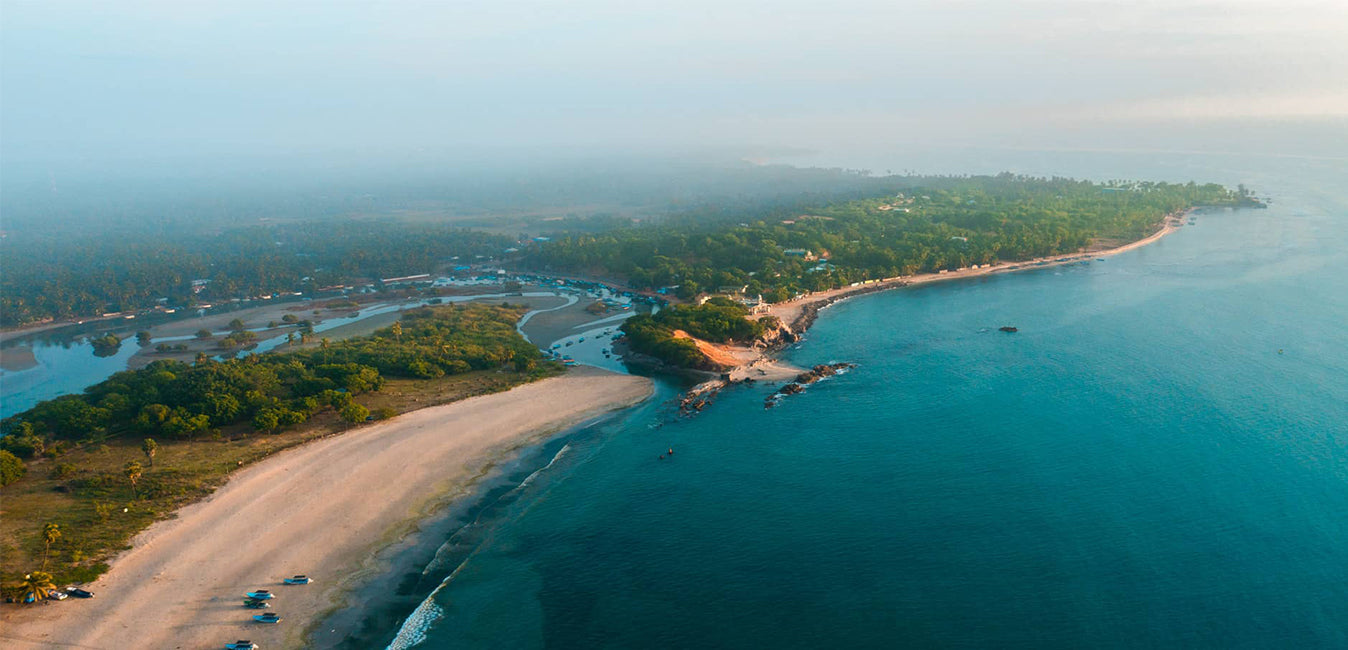
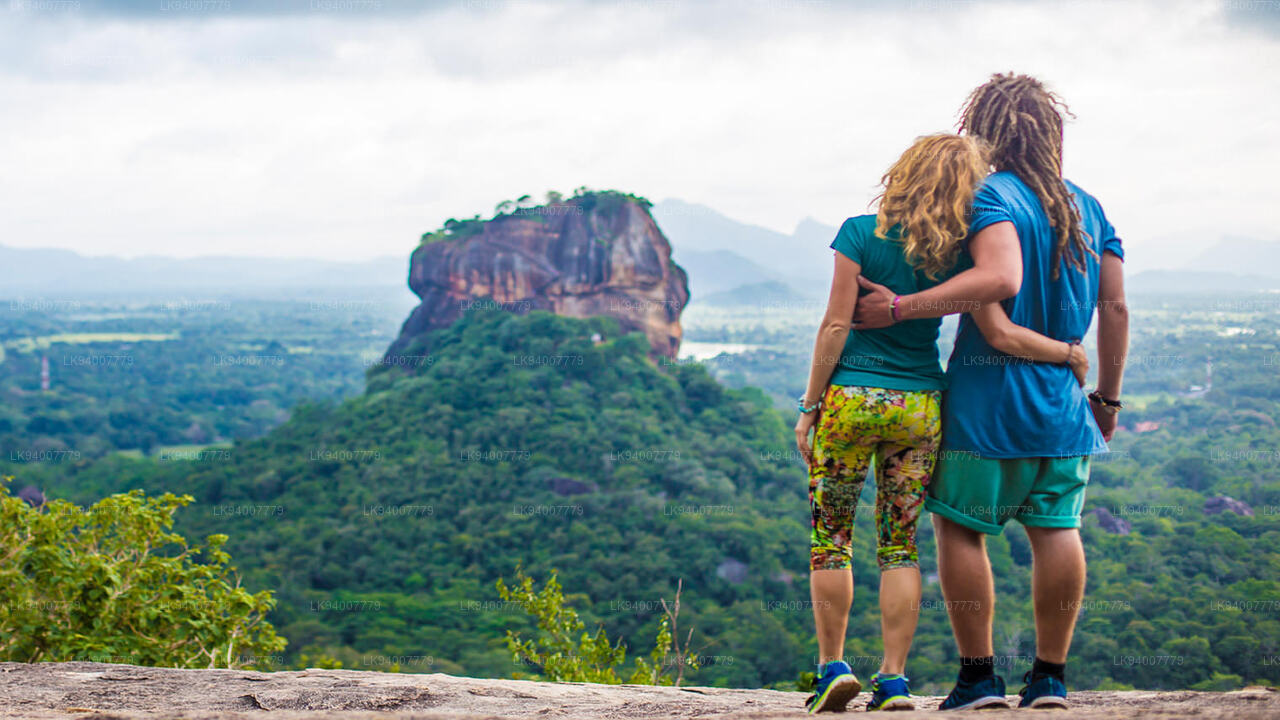
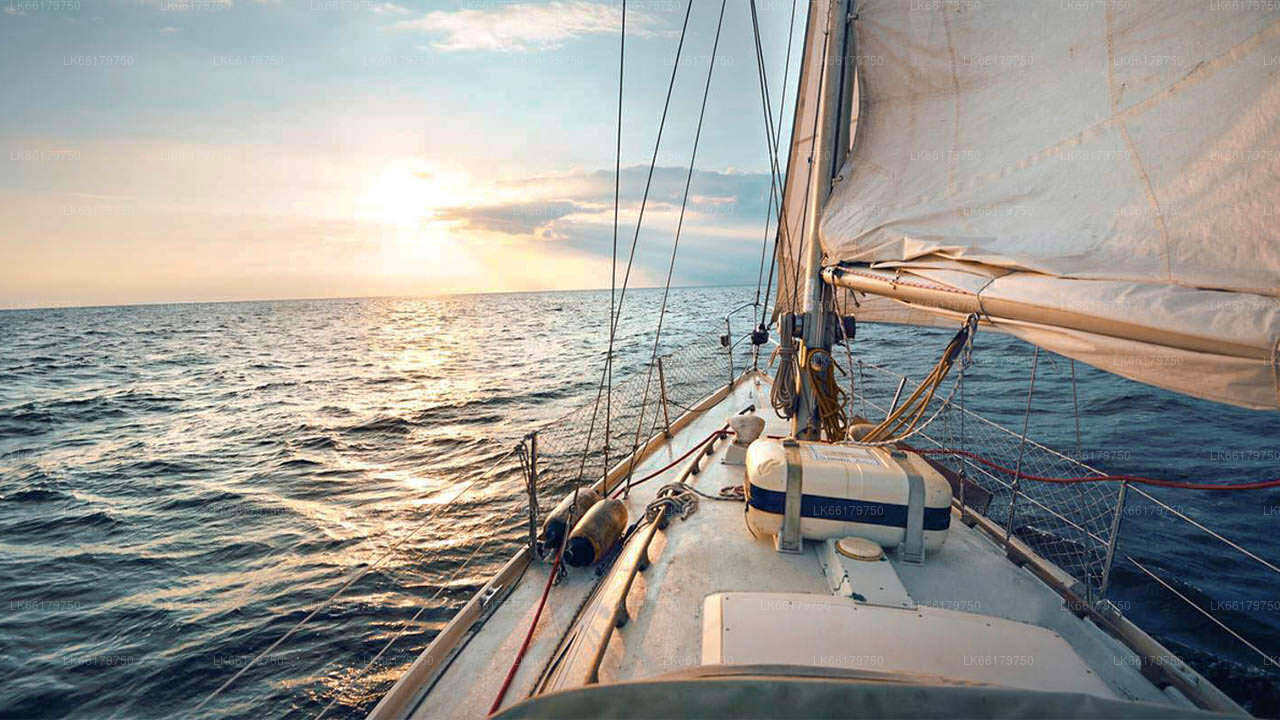
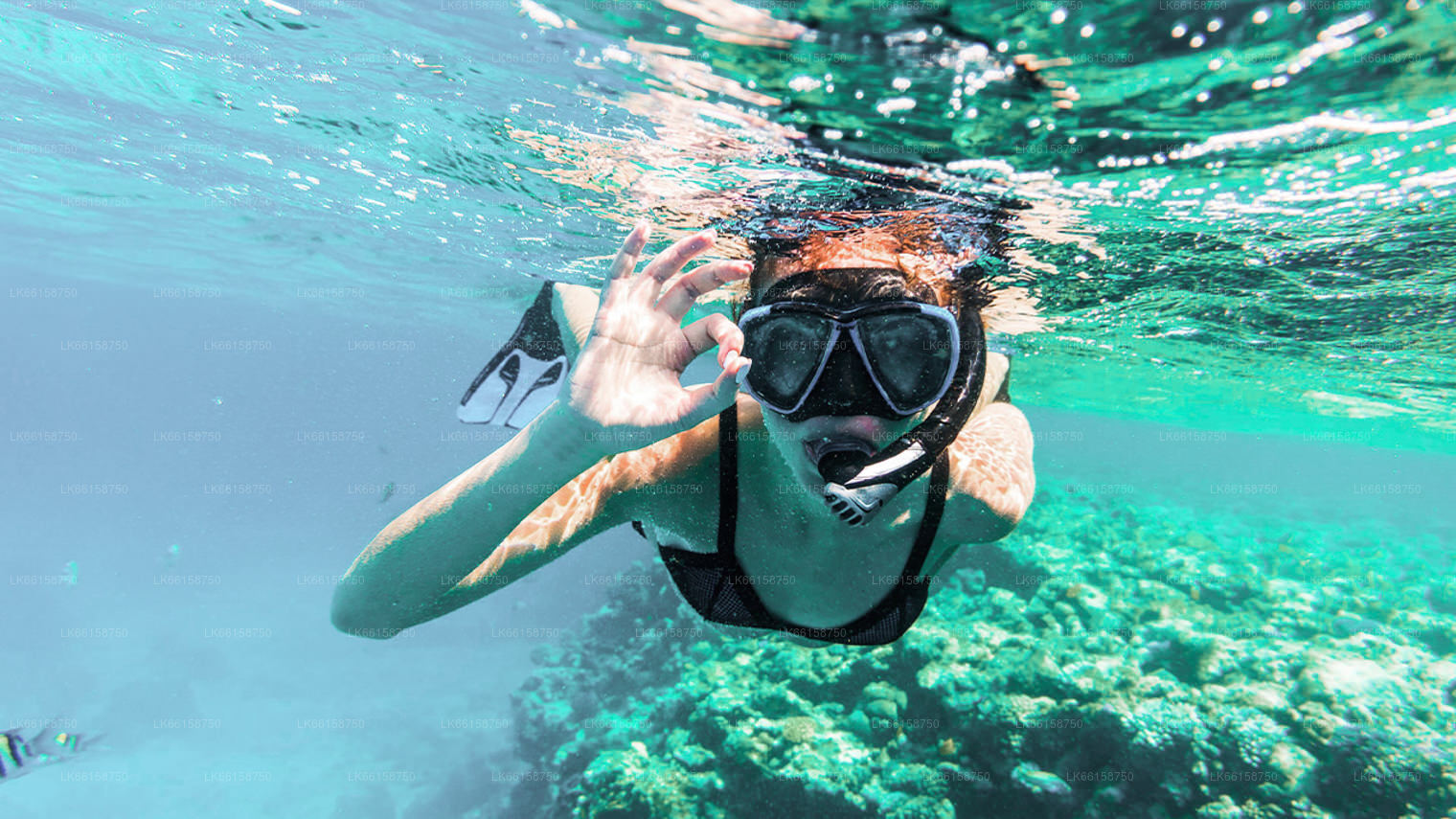
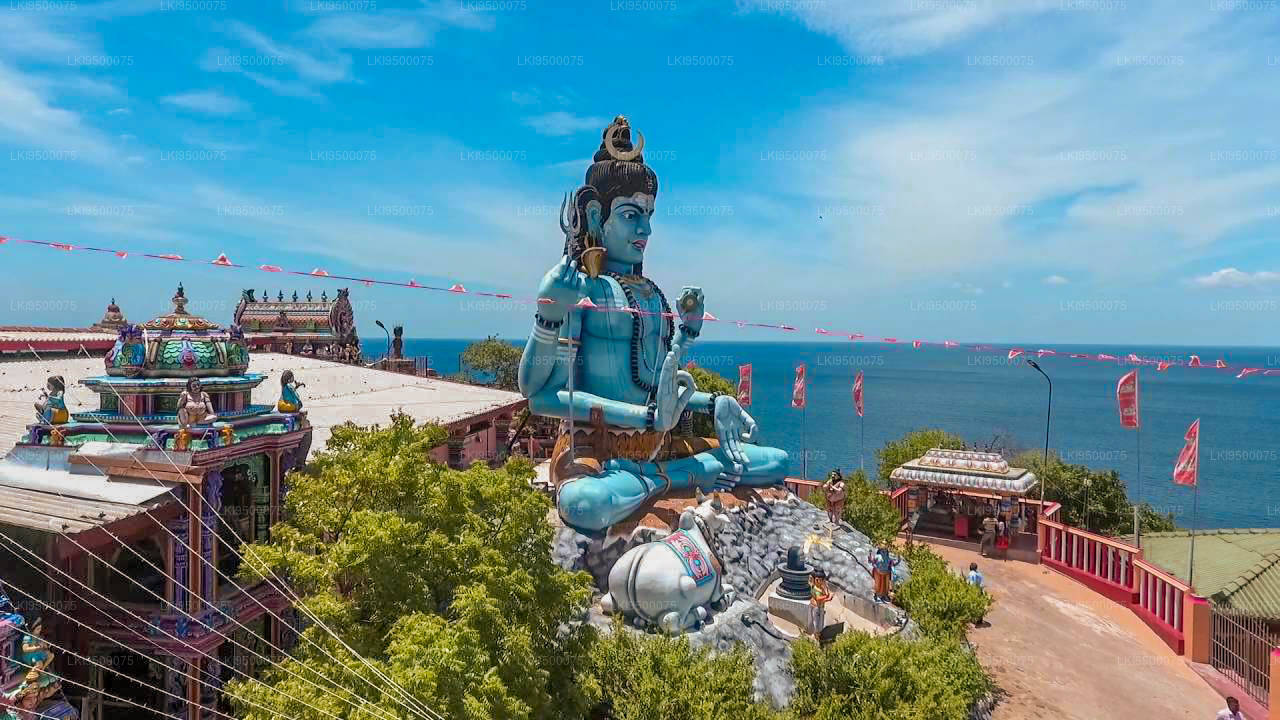
Trincomalee, located on the northeast coast of Sri Lanka, boasts a natural deep-water harbor and pristine beaches. Rich in history, it features landmarks like the ancient Koneswaram Temple. The city's diverse marine life and vibrant culture make it a captivating destination for tourists and historians alike.
Trincomalee, antiga Gokanna, cidade e porto, Sri Lanka, na costa nordeste da ilha. Está situada em uma península na baía de Trincomalee, anteriormente chamada baía de Koddiyar (que significa “Fortaleza perto do rio”)—um dos melhores portos naturais do mundo.
Trincomalee foi, nos tempos antigos, um importante assentamento de imigrantes indo-arianos. O Templo das Mil Colunas (também conhecido como Templo de Koneswaram), localizado na extremidade da península, foi utilizado como templo hindu em algum momento no século VII ou antes. Os primeiros europeus a ocupar a cidade foram os portugueses no século XVII; eles destruíram o templo, utilizando suas pedras para construir uma fortaleza. O porto passou por várias mudanças de mãos entre os holandeses, franceses e britânicos até que os britânicos tomaram posse permanente em 1795. A importância de Trincomalee como uma grande base britânica aumentou depois que os japoneses expulsaram os britânicos de Cingapura durante a Segunda Guerra Mundial; os japoneses bombardearam a cidade em 1942. Os britânicos continuaram a controlar o porto após a independência do Sri Lanka, mas o abandonaram em 1957.
O porto de Trincomalee não é mais importante comercialmente, embora, na década de 1960, a congestão e os problemas trabalhistas em Colombo, a capital comercial do Sri Lanka e o principal porto, tenham feito com que parte do comércio fosse redirecionado para lá. O turismo se tornou um componente importante da economia local. A cidade é um terminal ferroviário e possui boas conexões rodoviárias com o restante de Sri Lanka. Em dezembro de 2004, um grande tsunami causado por um terremoto submarino perto da Indonésia matou centenas de pessoas em Trincomalee e causou destruição generalizada. População (dados preliminares de 2007) 51.624.
Most of the Tamils and Sinhalese believe that this place is sacred to them and they are the indigenous people of the area. Trincomalee and its environs have both Hindu and Buddhist sites of historical importance. These sites are sacred to the Hindus and Buddhists.
Eastern Province
The Eastern Province is one of the 9 provinces of Sri Lanka. The provinces have existed since the 19th century but they didn't have any legal status until 1987 when the 13th Amendment to the 1978 Constitution of Sri Lanka established provincial councils. Between 1988 and 2006 the province was temporarily merged with the Northern Province to form the North-East Province. The capital of the province is Trincomalee. The Eastern province's population was 1,460,939 in 2007. The province is the most diverse in Sri Lanka, both ethnically and religiously.
Eastern province has an area of 9,996 square kilometers (3,859.5 sq mi).The province is surrounded by the Northern Province to the north, the Bay of Bengal to the east, the Southern Province to the south, and the Uva, Central and North Central provinces to the west. The province's coast is dominated by lagoons, the largest being Batticaloa lagoon, Kokkilai lagoon, Upaar Lagoon and Ullackalie Lagoon.