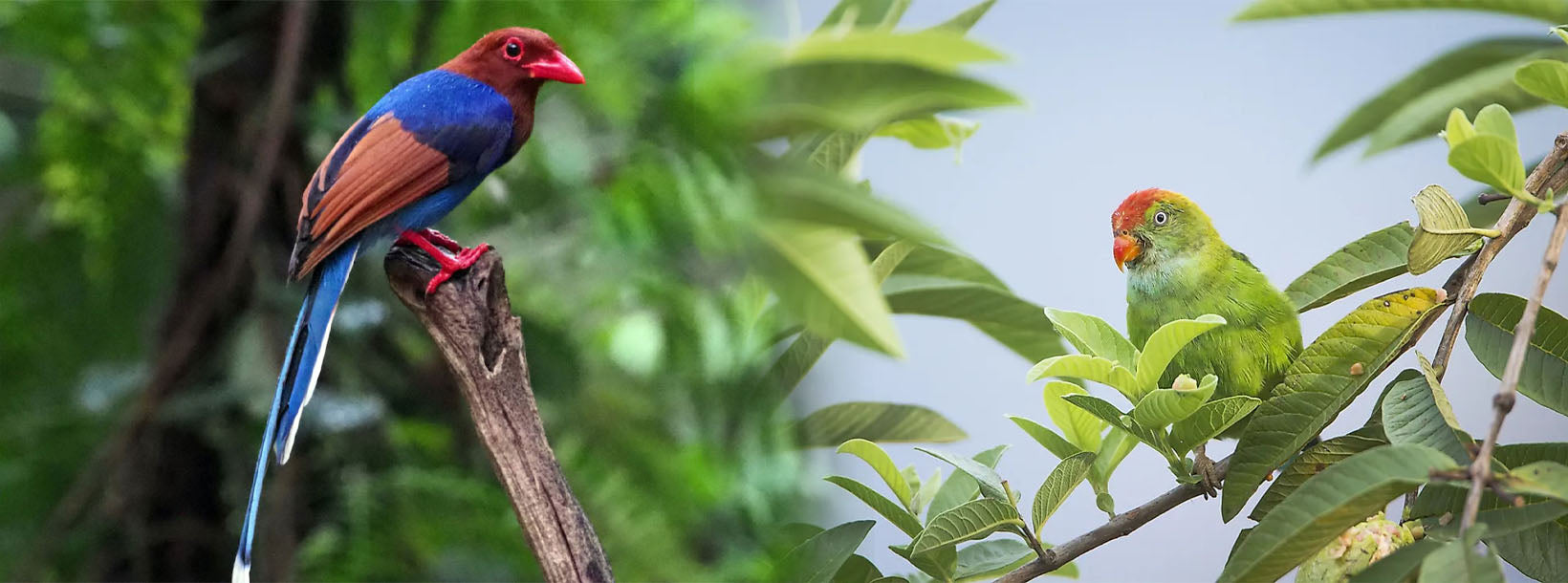
Ceylon Grey Hornbill


Sri Lanka Grey Hornbill "Ocyceros gingalensis" (Shaw, 1811)
This is one of the most commonly-seen endemic birds. Essentially, it is a tall forest dwelling species. They occur throughout the wet-zone lowlands (except coastal areas) and mid-hills up to altitudes of around 1,200 meters, as well as the adjacent intermediate and dry zones. The birds travel around in pairs or small flocks, although larger numbers are apt to gather at fruiting trees. Feeding action is fascinating: the fruit or prey is grasped by the tip of the bill, tossed into the air and then engulfed as it falls.
The sexes are about the same size, but the male may be distinguished from the female by its mainly cream-coloured bill, blotched in black at the base. The female’s bill is black with a cream stripe along the lower edge of the upper mandible. The call of this species is usually a loud kaa.. kaa.. kaa, developing into a ka-ka-ka-ka, other calls also having been noted (e.g kuk…kuk…kuk-kuk-kuk; ko…ko… ko-ko-ko)
These hornbills breed between April and August. Nests are built in tree cavities, the female entering the hollow and sealing herself in with a mortar made of her own excreta. A narrow vertical slit is left open however, through which the male feeds her several times each day. Here she lays between one and three white eggs (41.5x33mm) and incubates them, during which period she moults. Once the chicks hatch, the newly-fledged female breaks free from her cell and assists the male in feeding the brood.


-
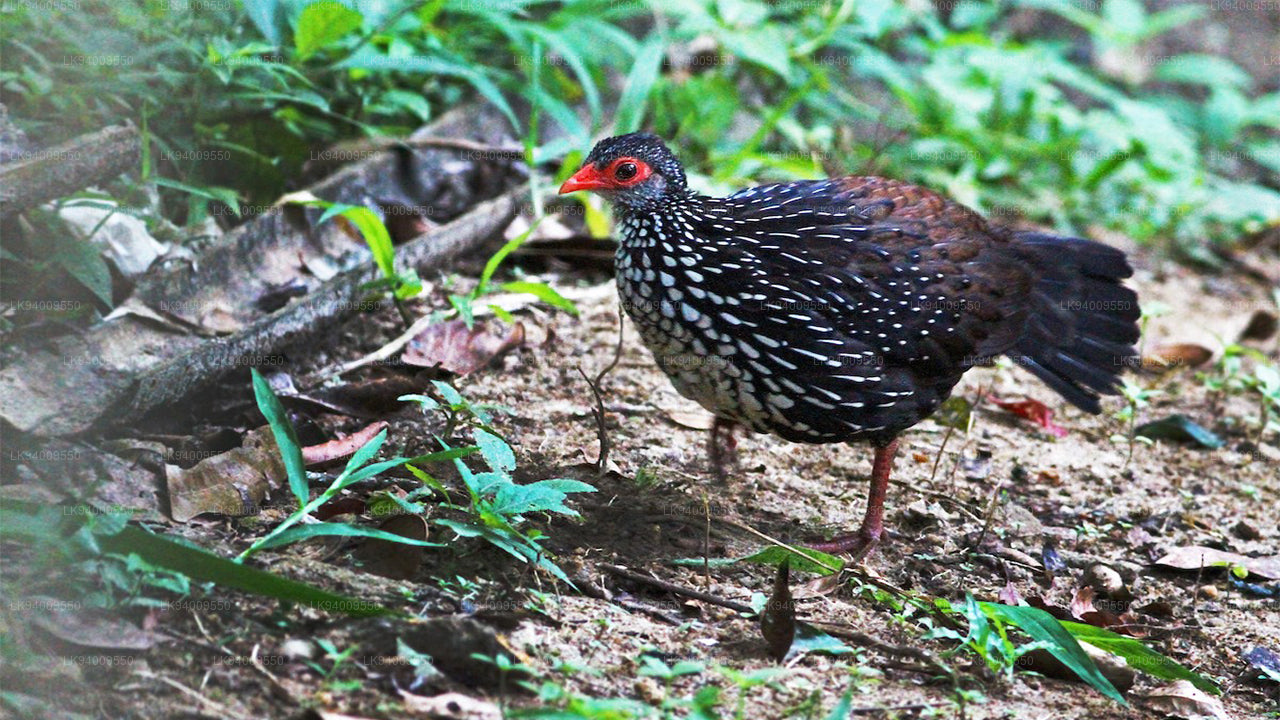 Ceylon Spurfowl
Galloperdix bicalcarata
-
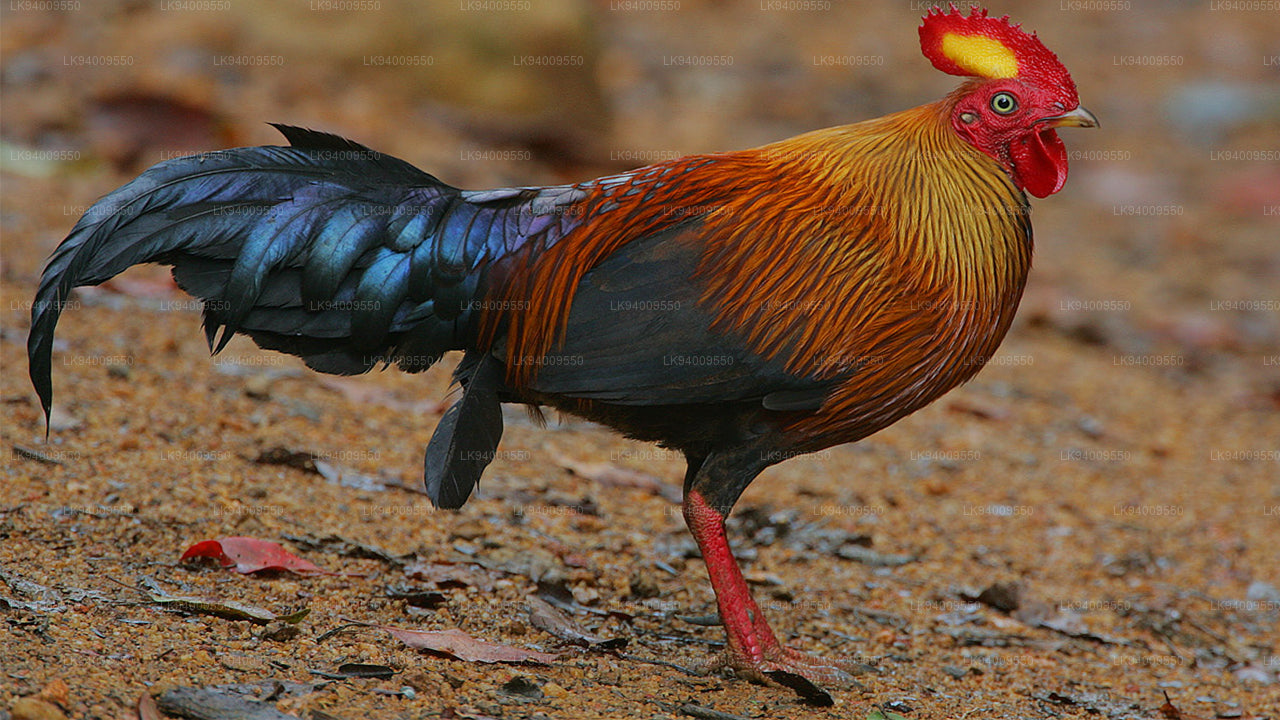 Junglefowl
Gallus lafayetii
-
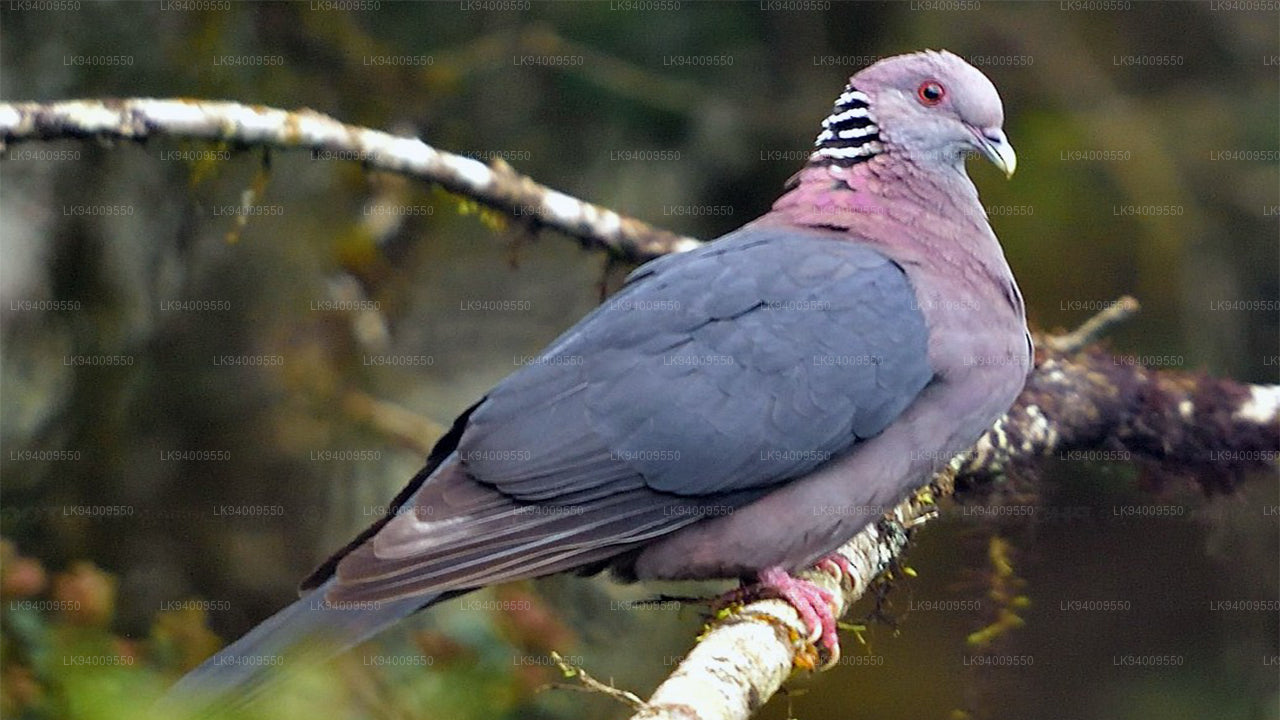 Ceylon Woodpigeon
Columba torringtoniae
-
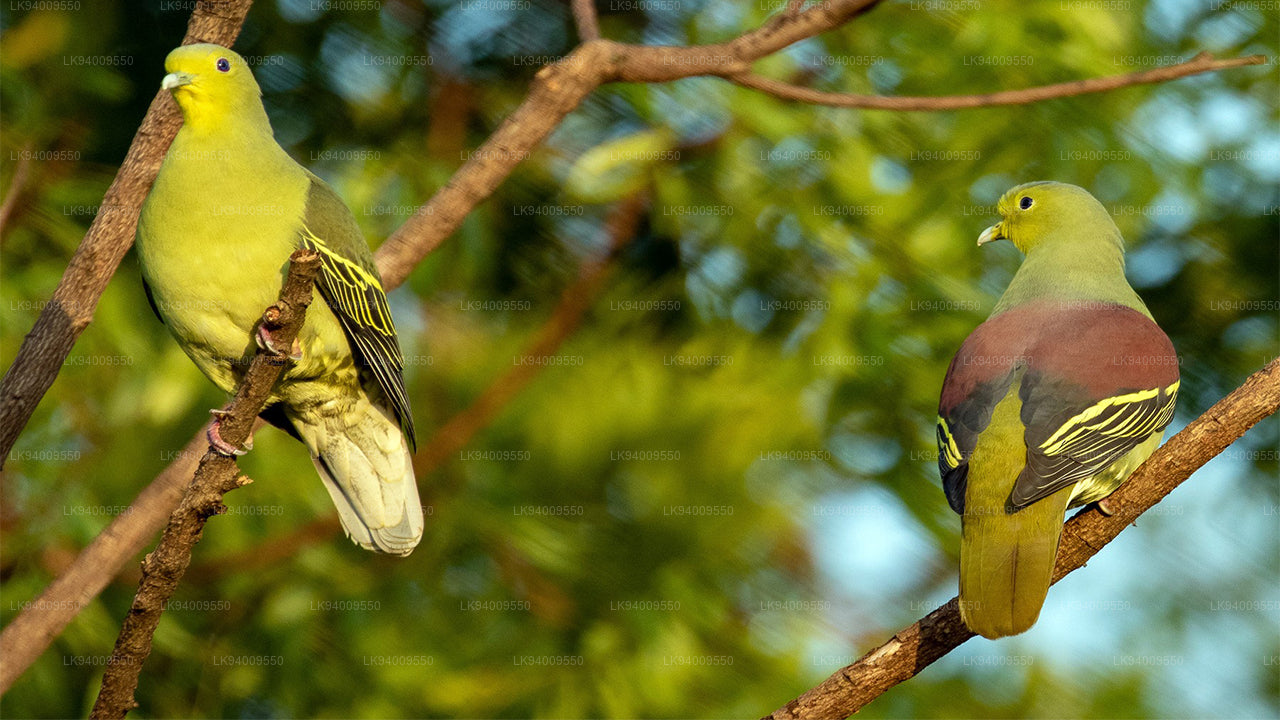 Ceylon Green Pigeon
Treron pompadora
-
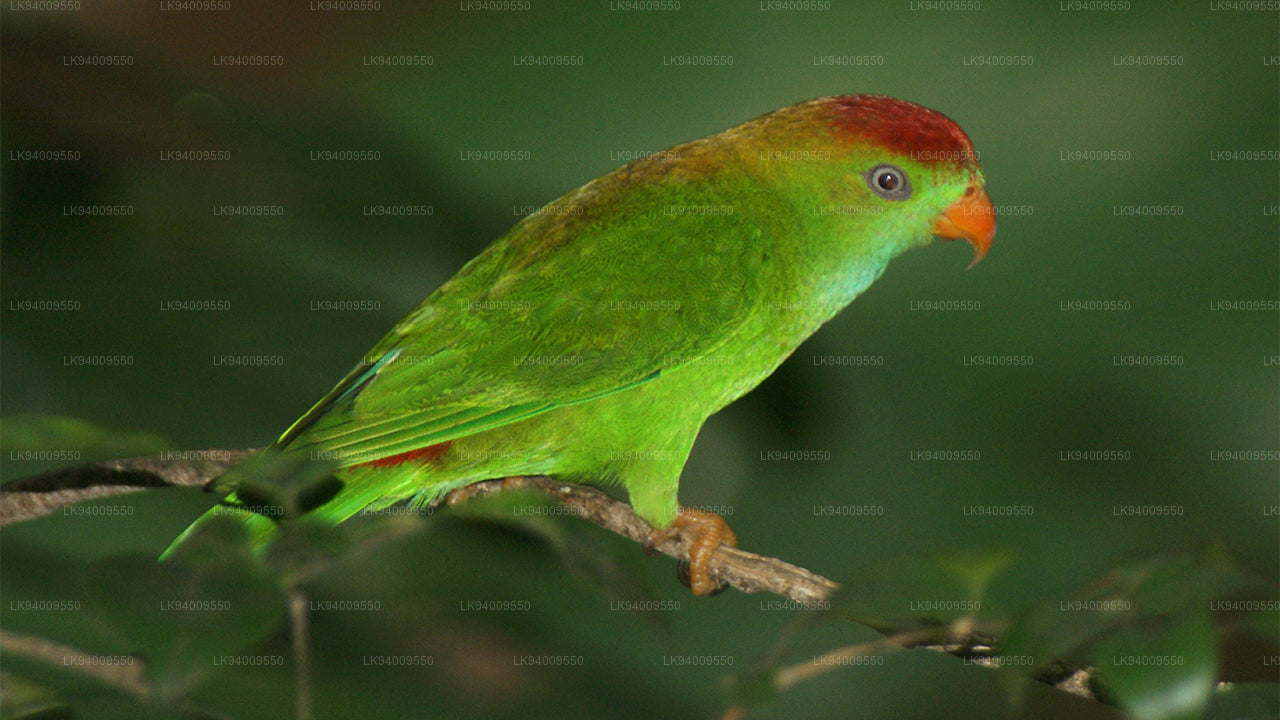 Ceylon Hanging Parrot
Loriculus beryllinus
-
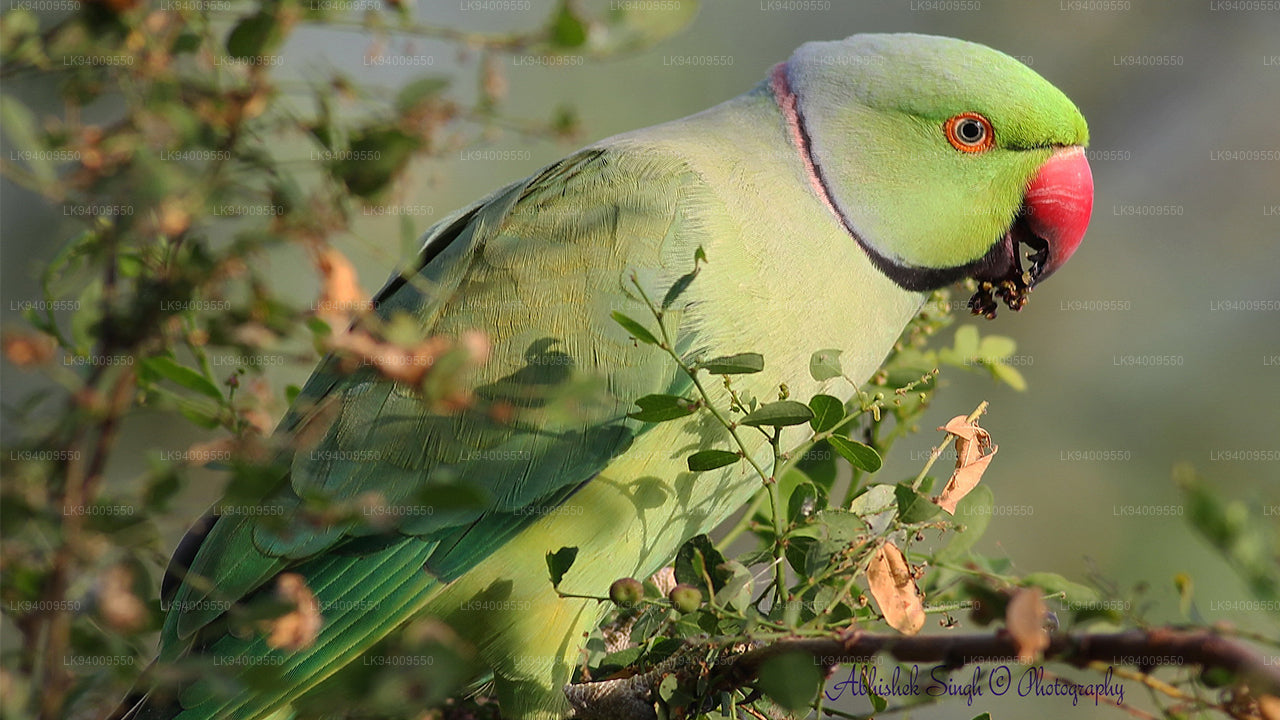 Layard’s Parakeet
Psittacula calthrapae
-
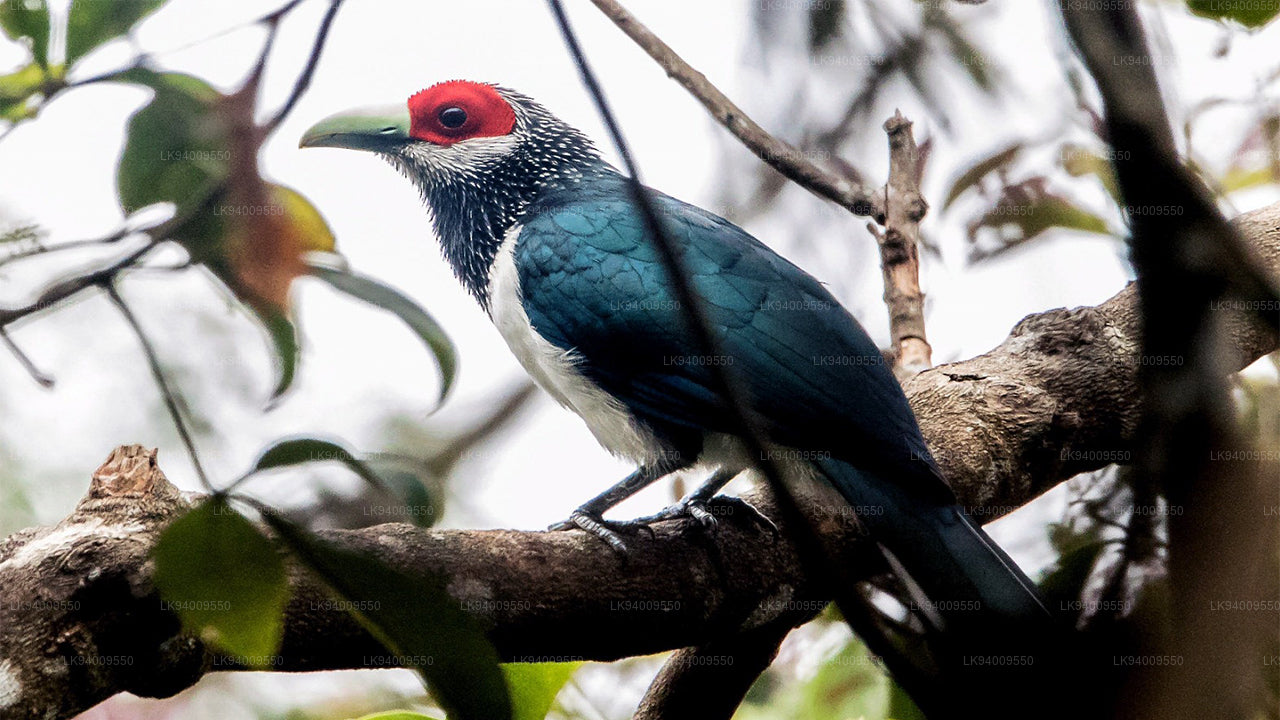 Red Faced Malkoha
Phaenicophaeus pyrrhocephalus
-
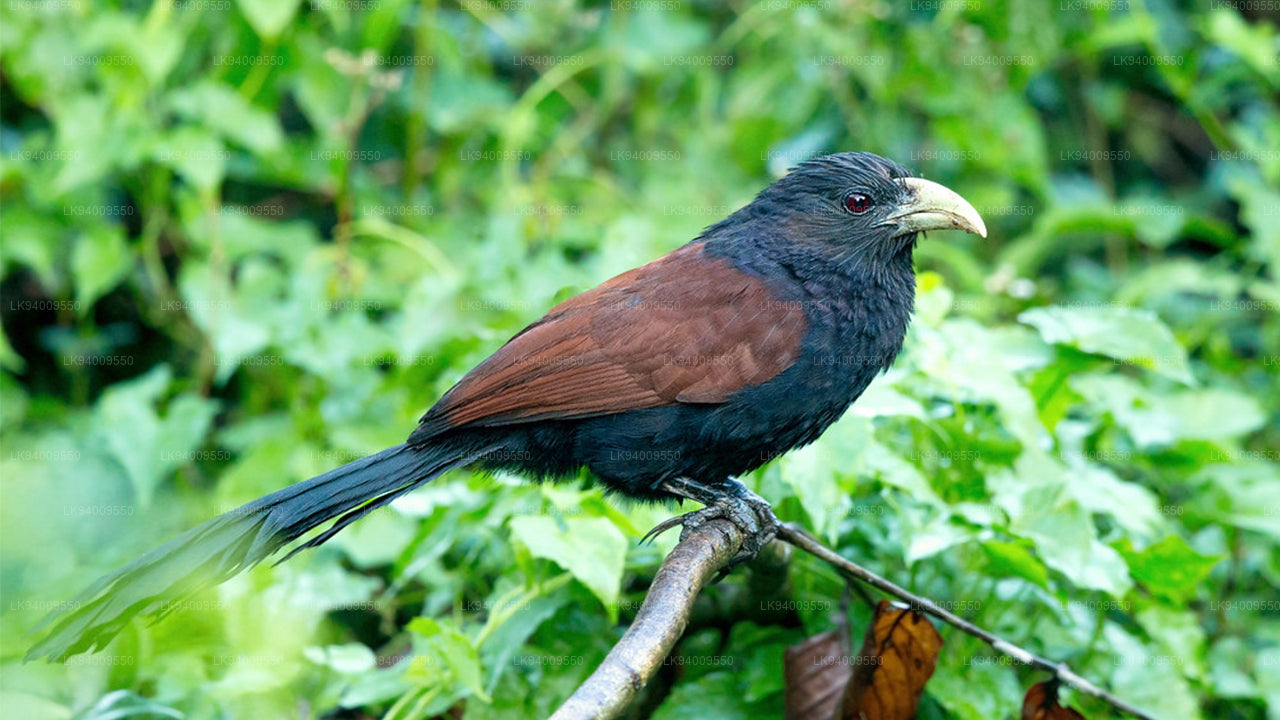 Green Billed Couca
Centropus chlororhynchos
-
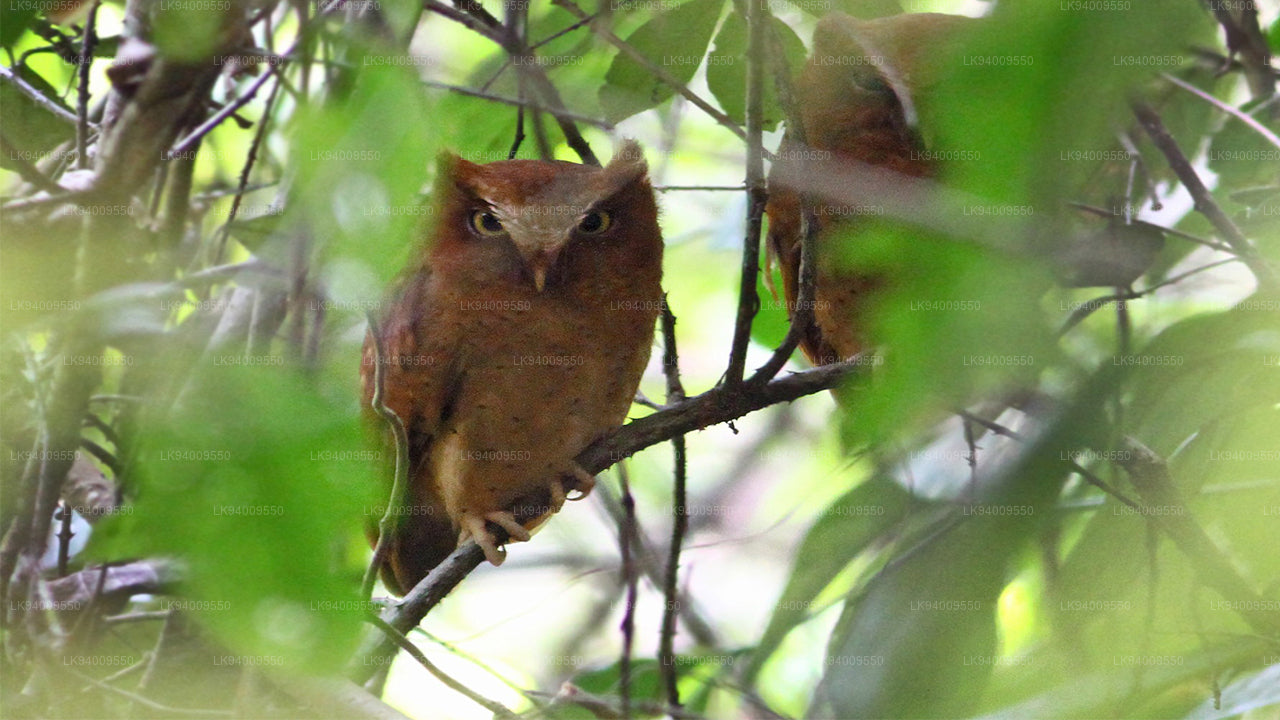 Serendib Scops Owl
Otus thilohoffmanni
-
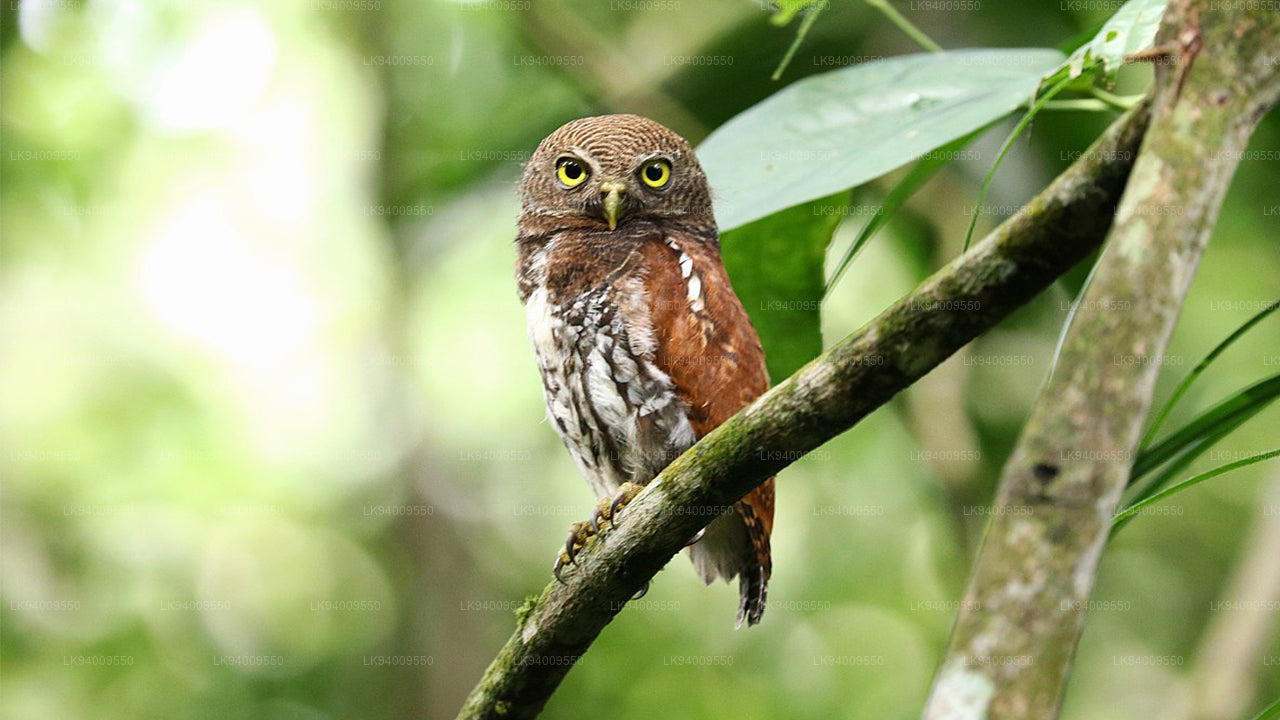 Chestnut Backed Owlet
$Glaucidium castanotum
-
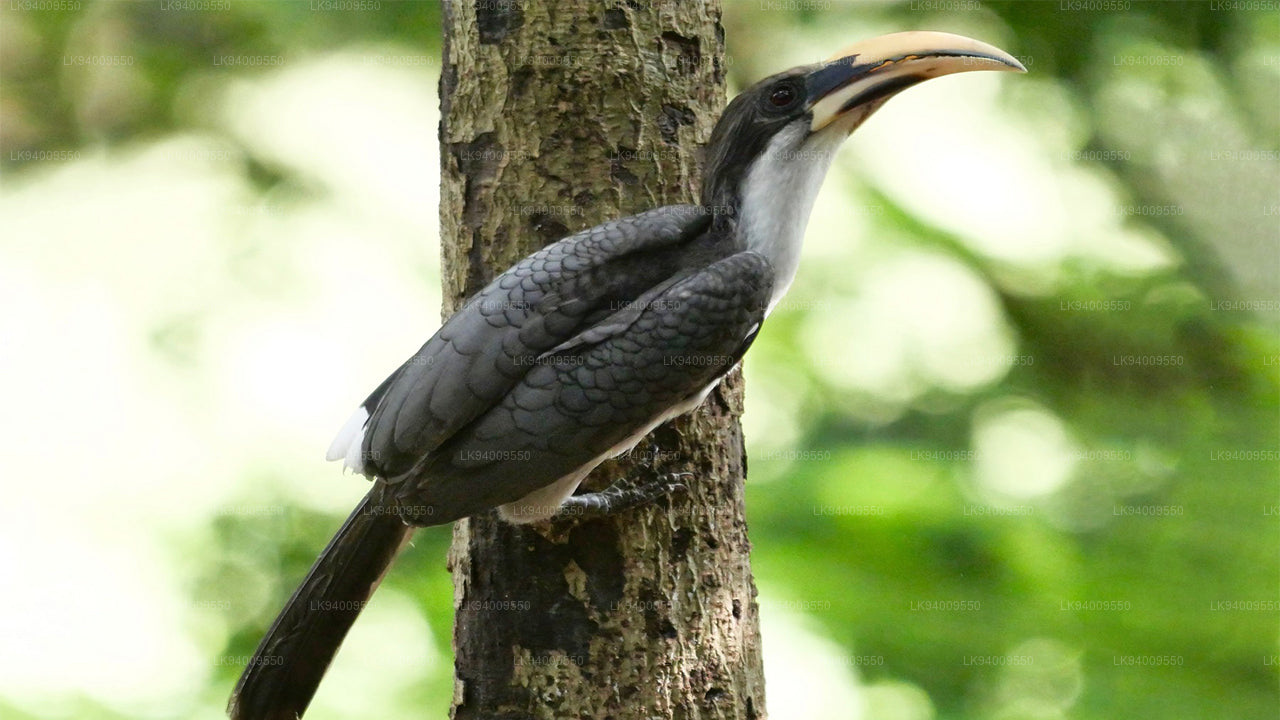 Ceylon Grey Hornbill
Ocyceros gingalensis
-
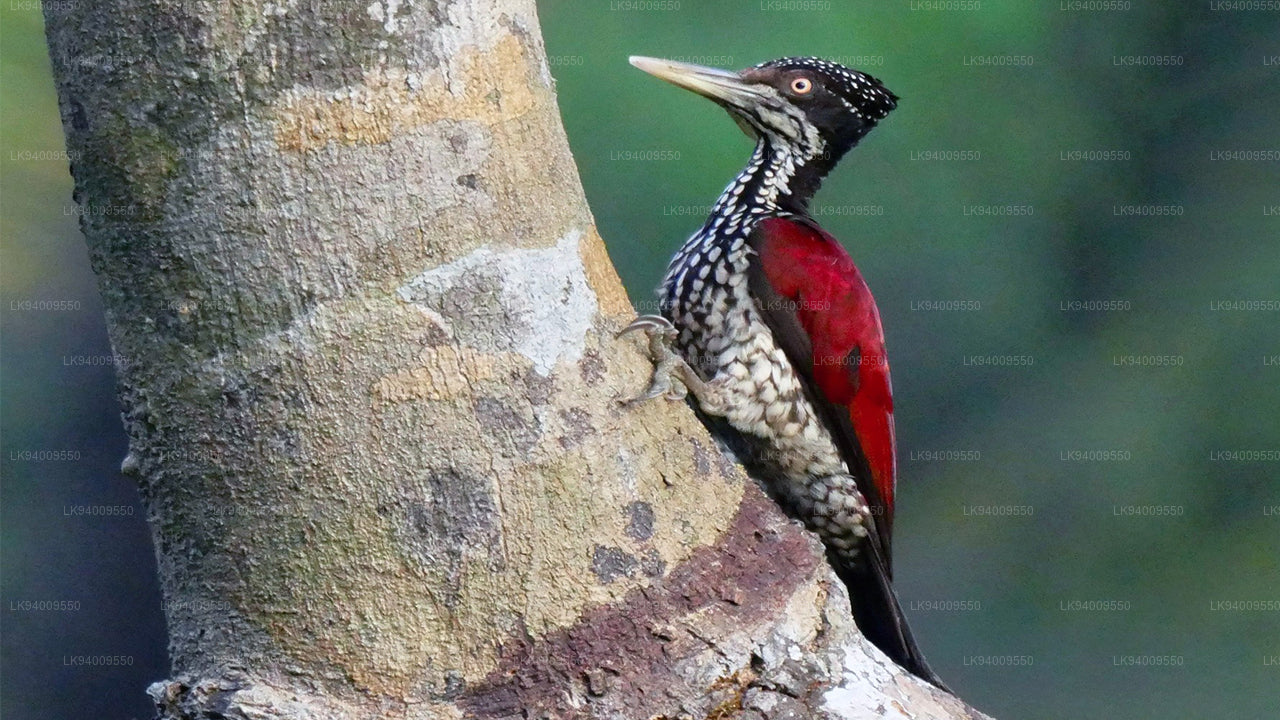 Crimson Backed Flameback
Chrysocolaptes stricklandi
-
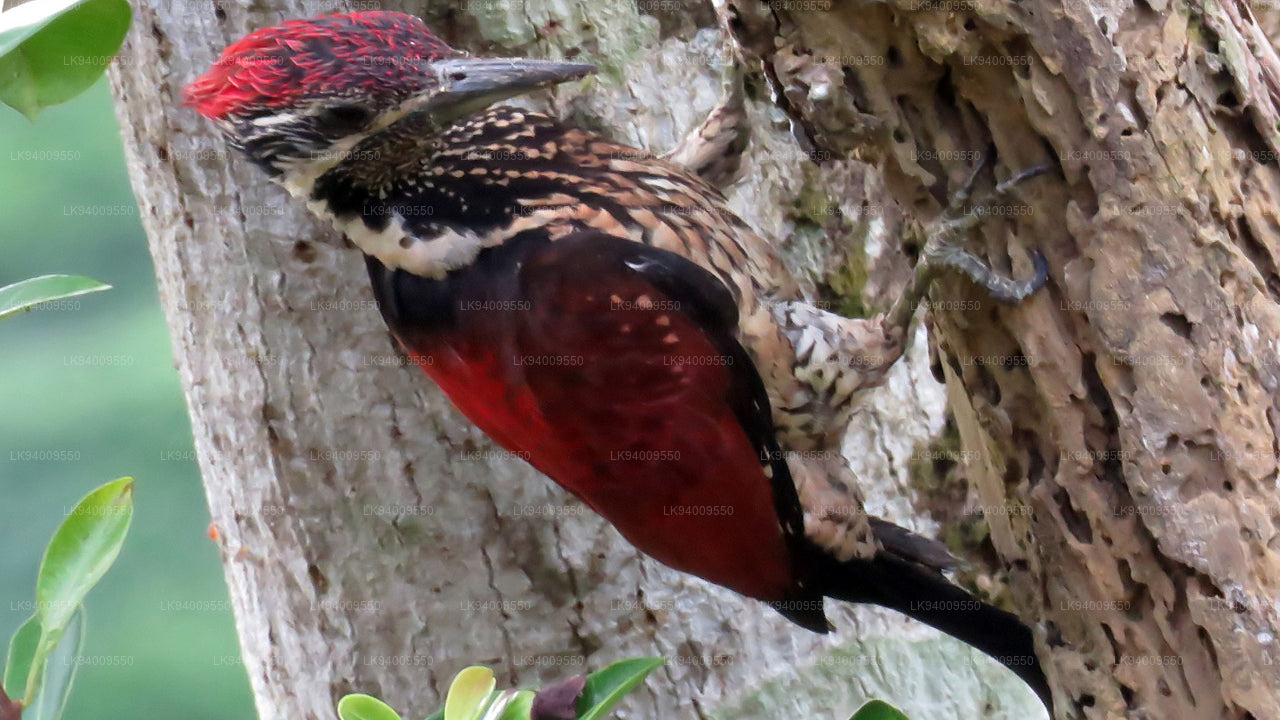 Red backed flameback
Dinopium psarodes
-
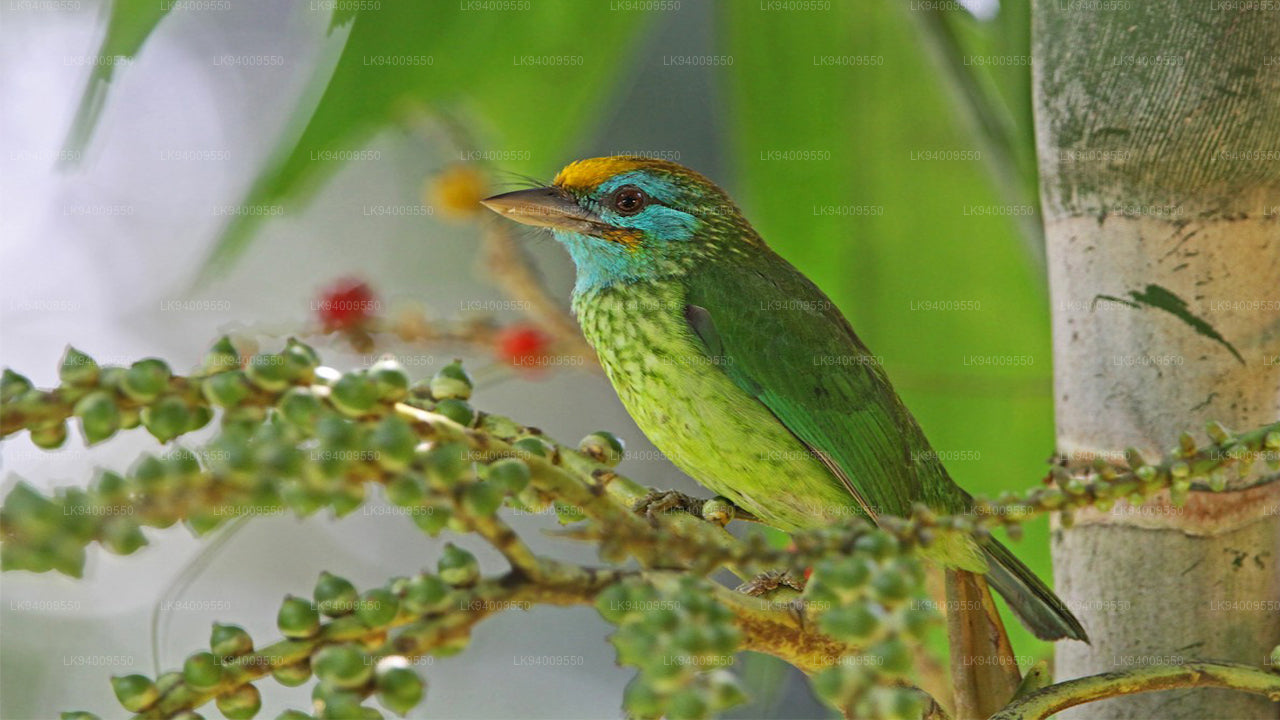 Yellow Fronted Barbet
Psilopogon flavifrons
-
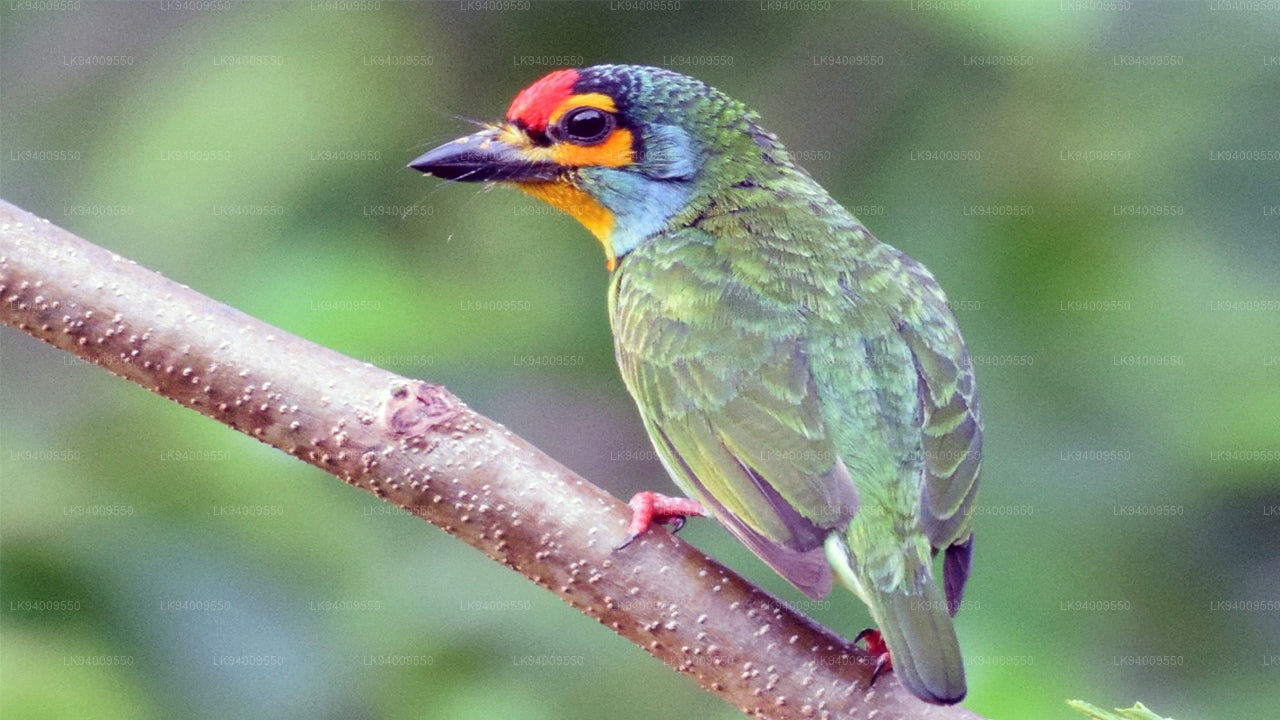 Crimson Fronted Barbet
Psilopogon rubricapillus
-
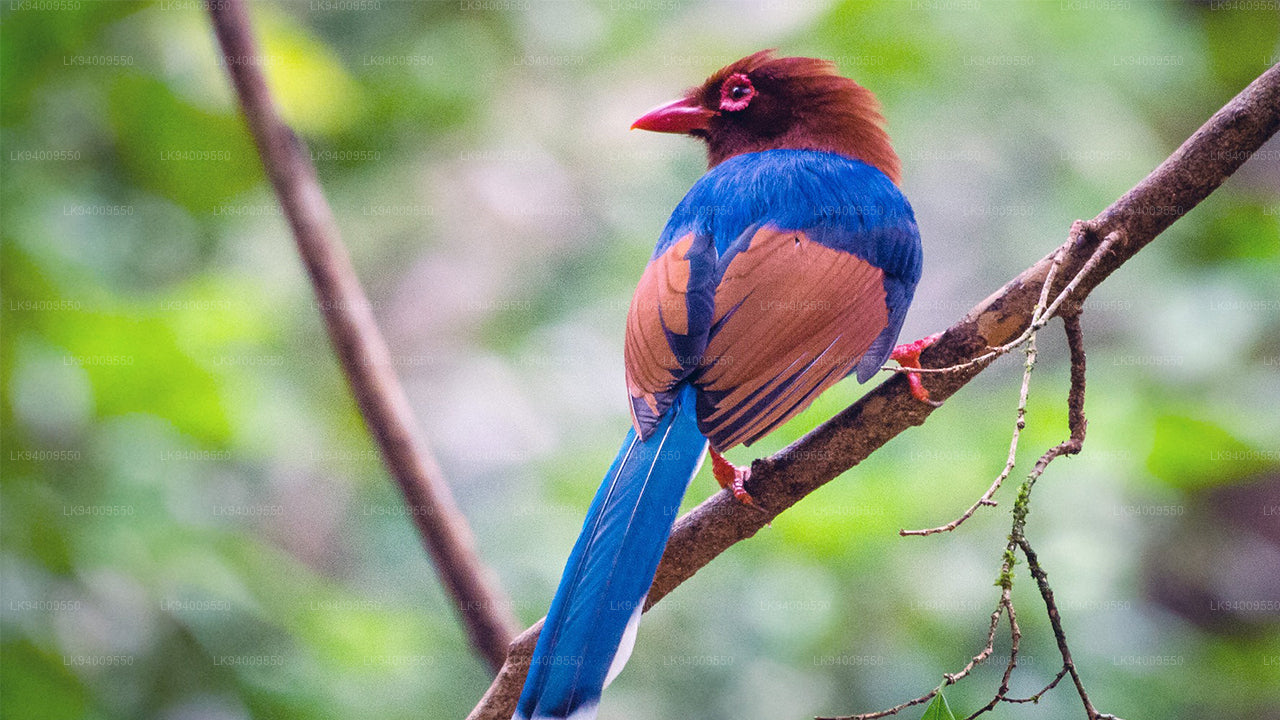 Ceylon Blue Magpie
Urocissa ornata
-
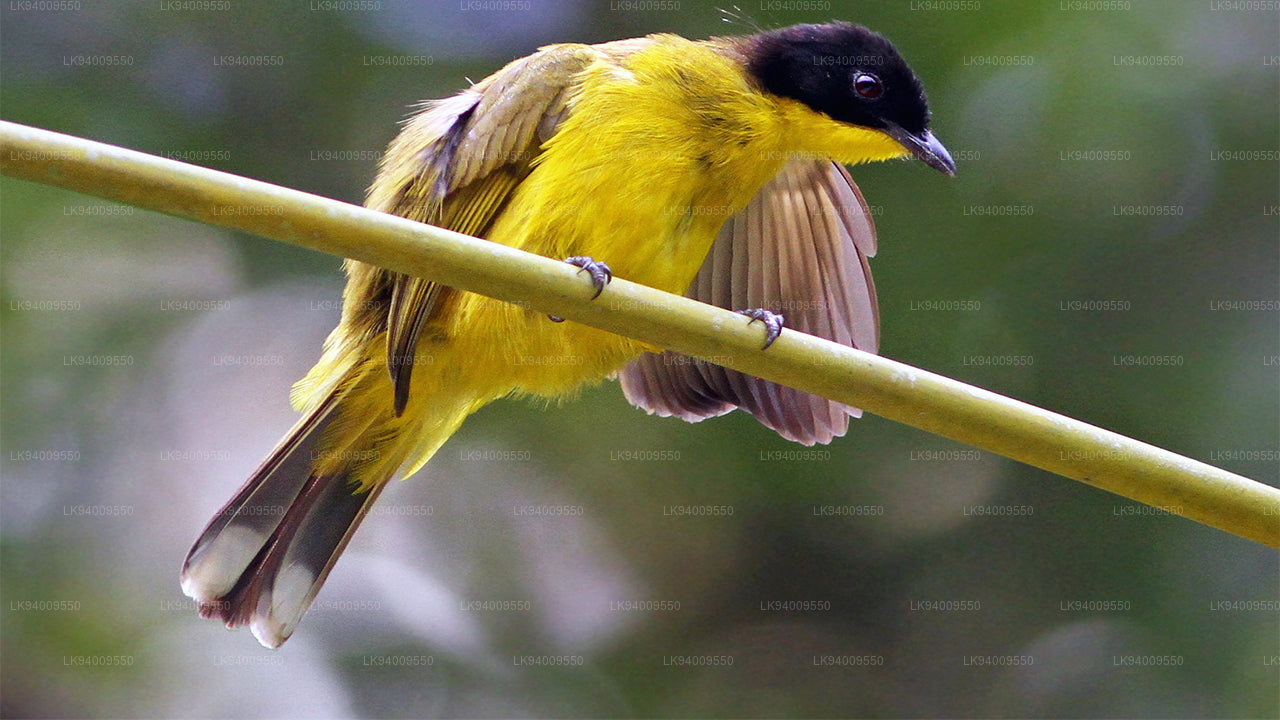 Black Capped Bulbul
Rubigula melanictera
-
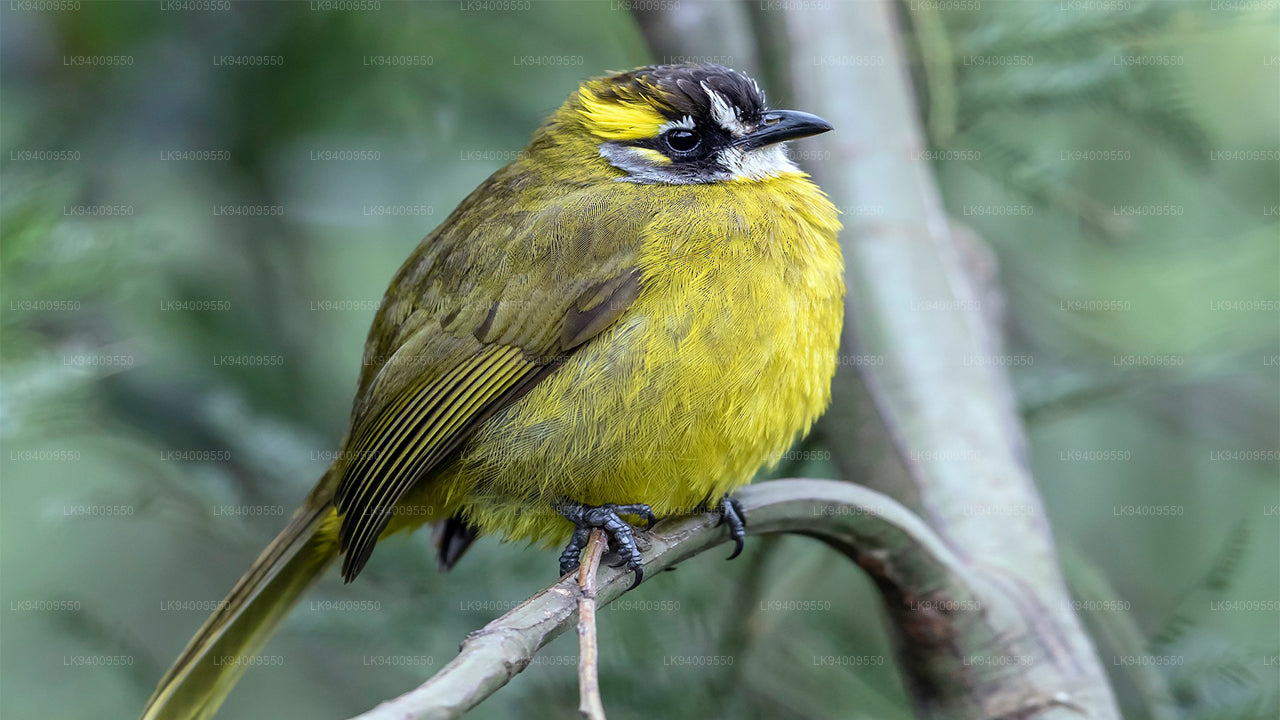 Yellow Eared Bulbul
Pycnonotus penicillatus
-
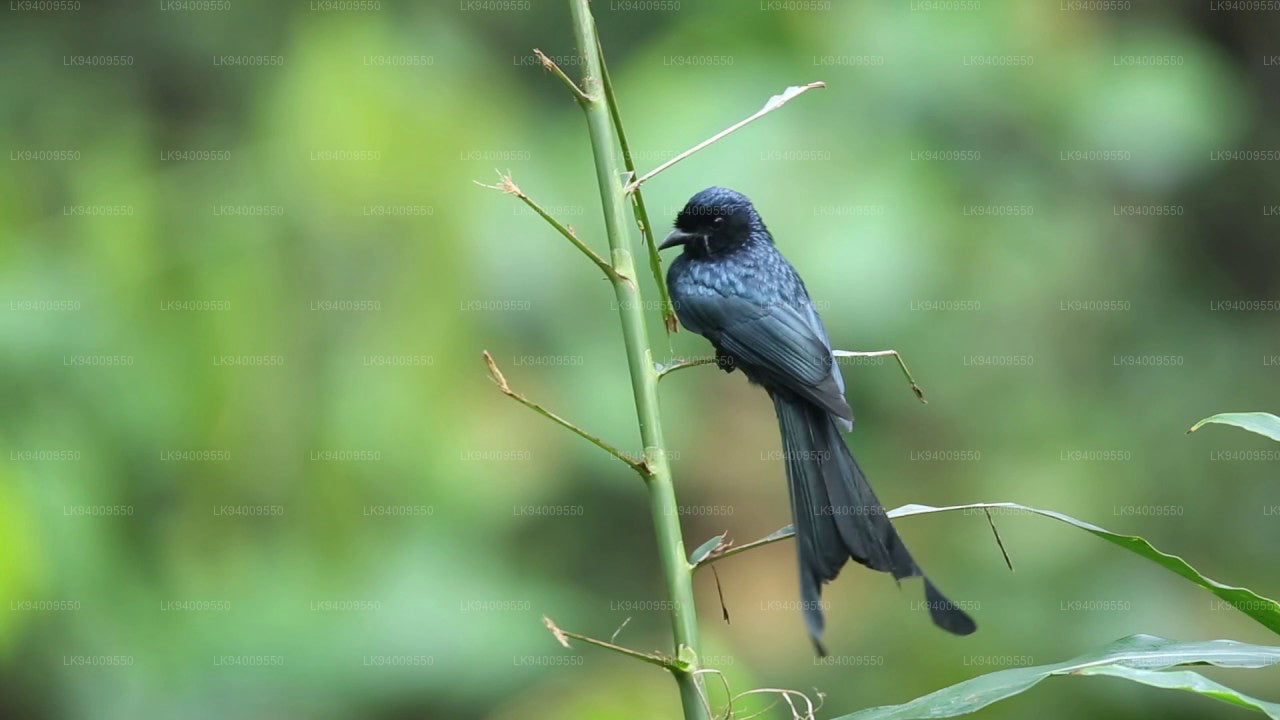 Ceylon Crested Drongo
Dicrurus lophorinus
-
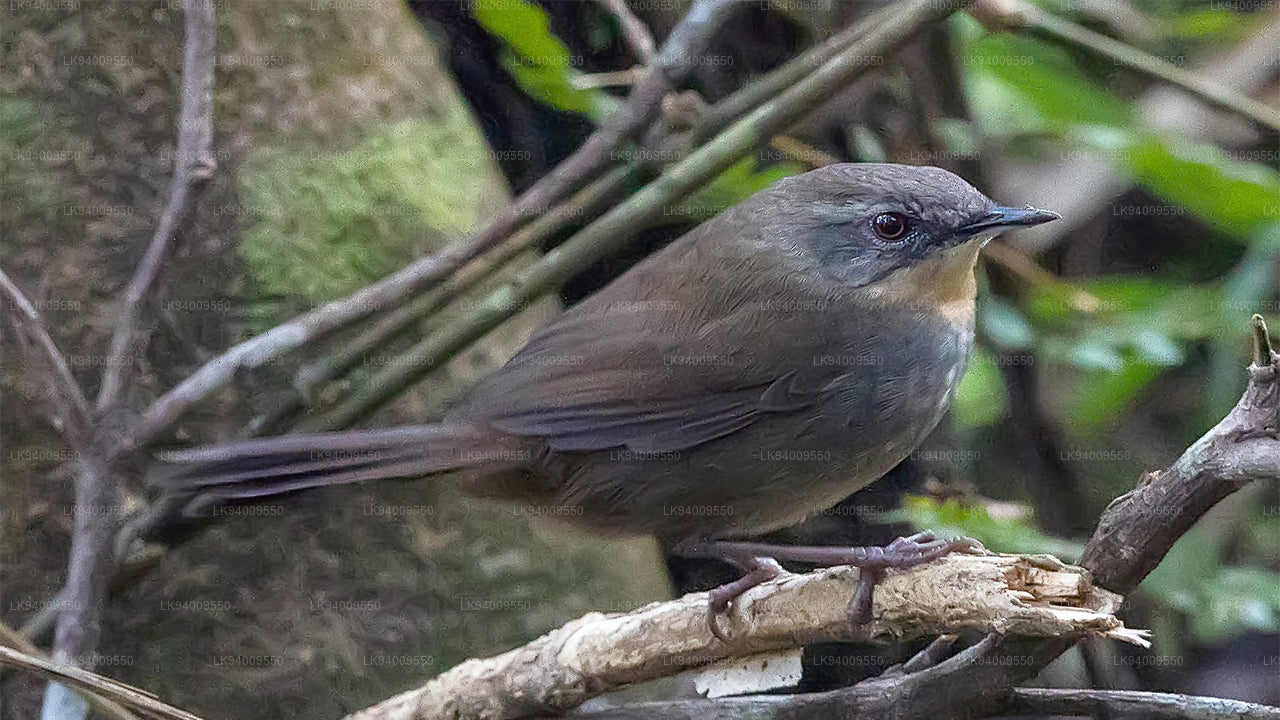 Ceylon Bush Warbler
Elaphrornis palliseri
-
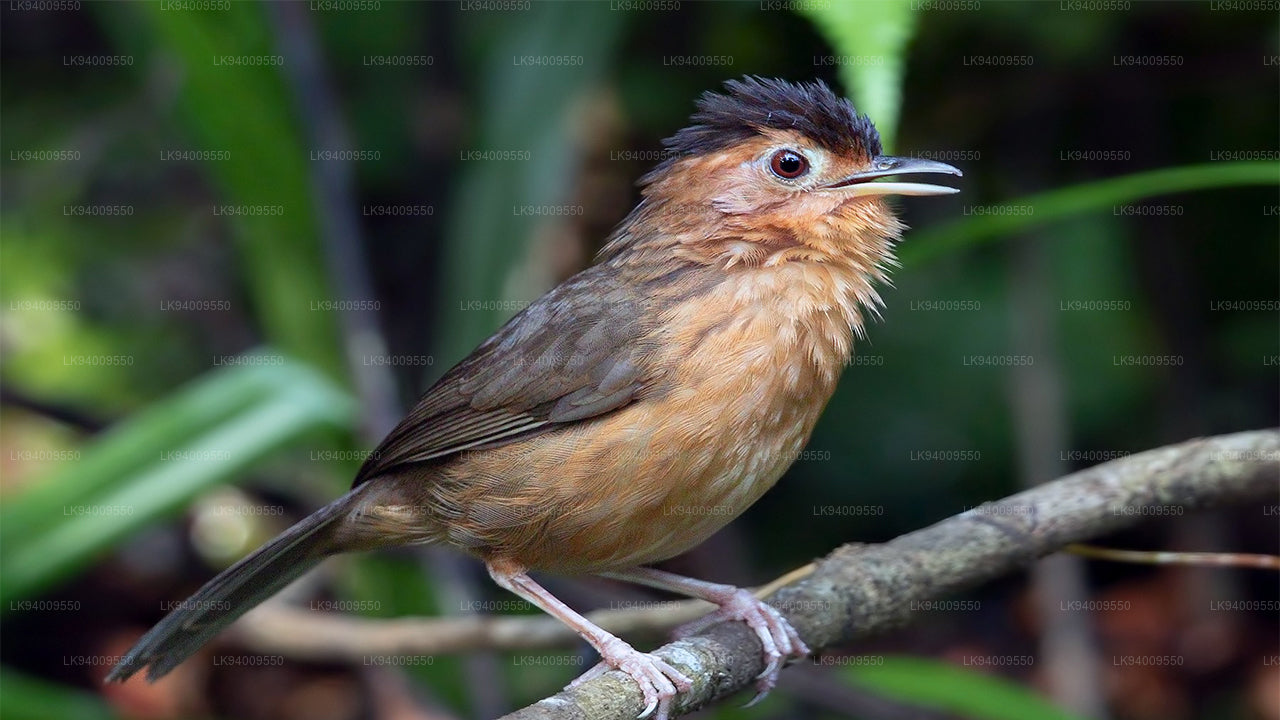 Brown Capped Babbler
Pellorneum fuscocapillus
-
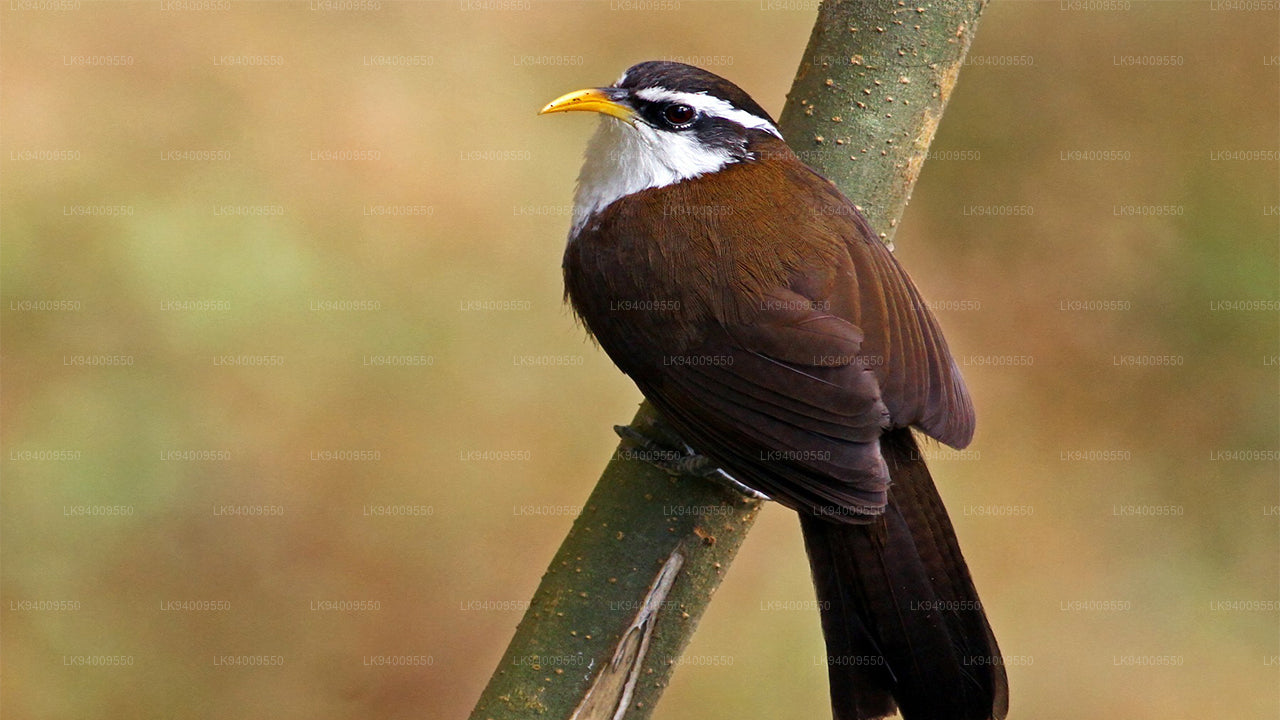 Ceylon Scimitar Babbler
Pomatorhinus melanurus
-
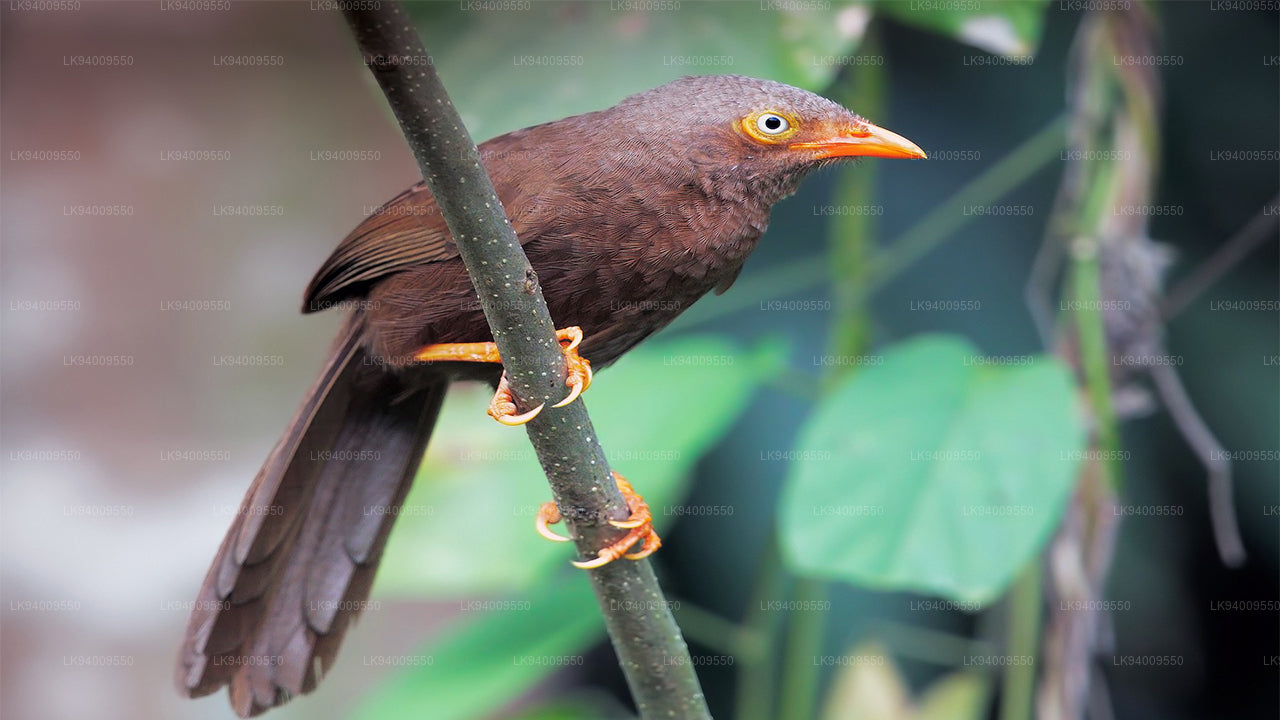 Ceylon Rufous Babbler
Argya rufescens
-
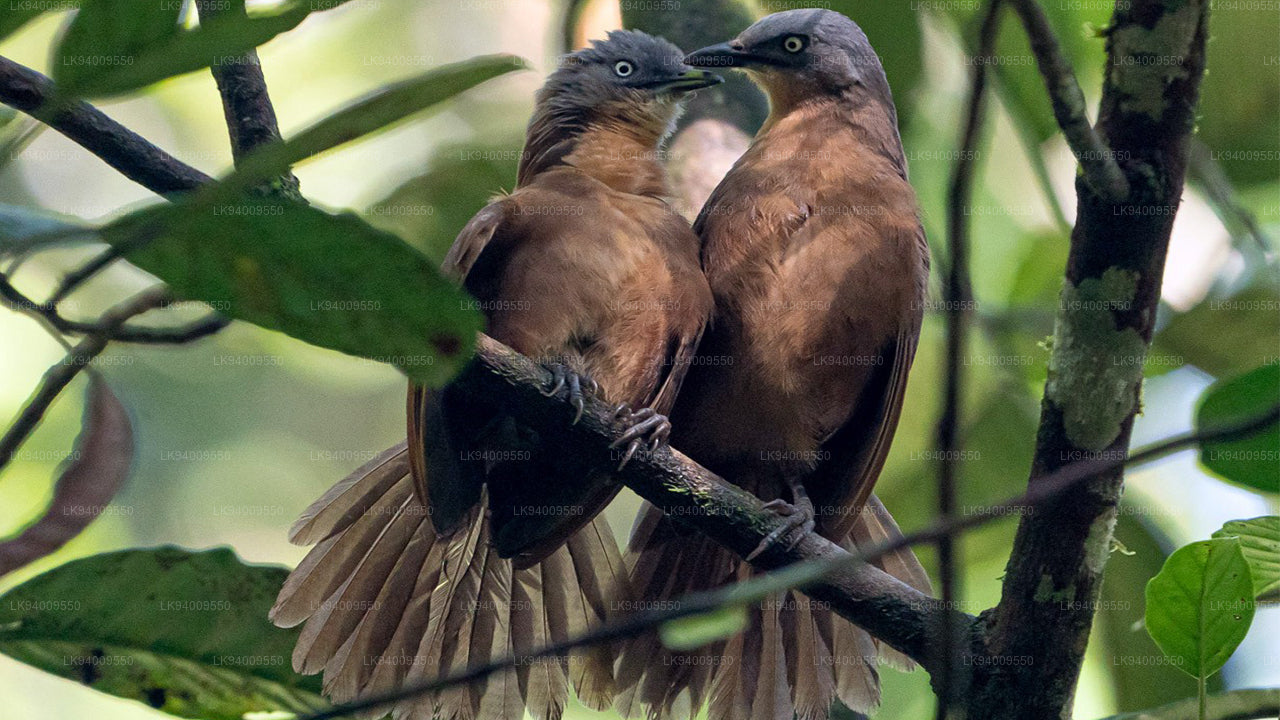 Ashy Headed Laughingthrush
Argya cinereifrons
-
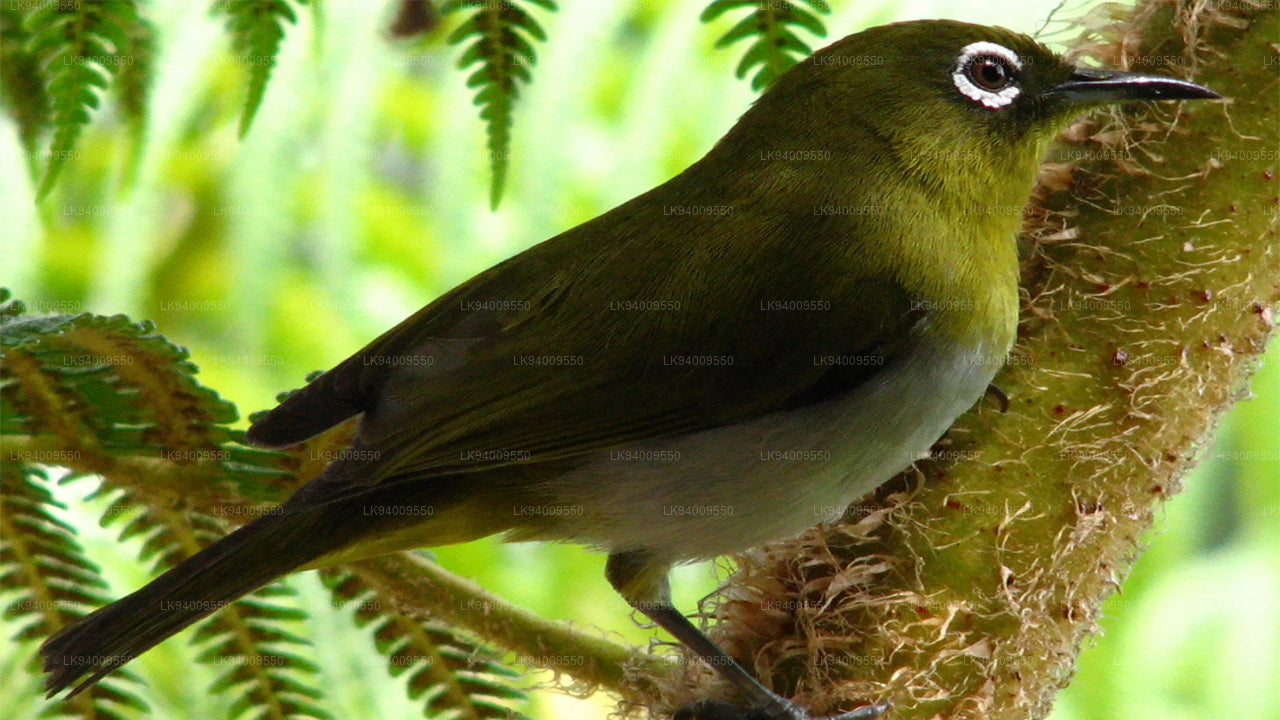 Ceylon White Eye
Zosterops ceylonensis
-
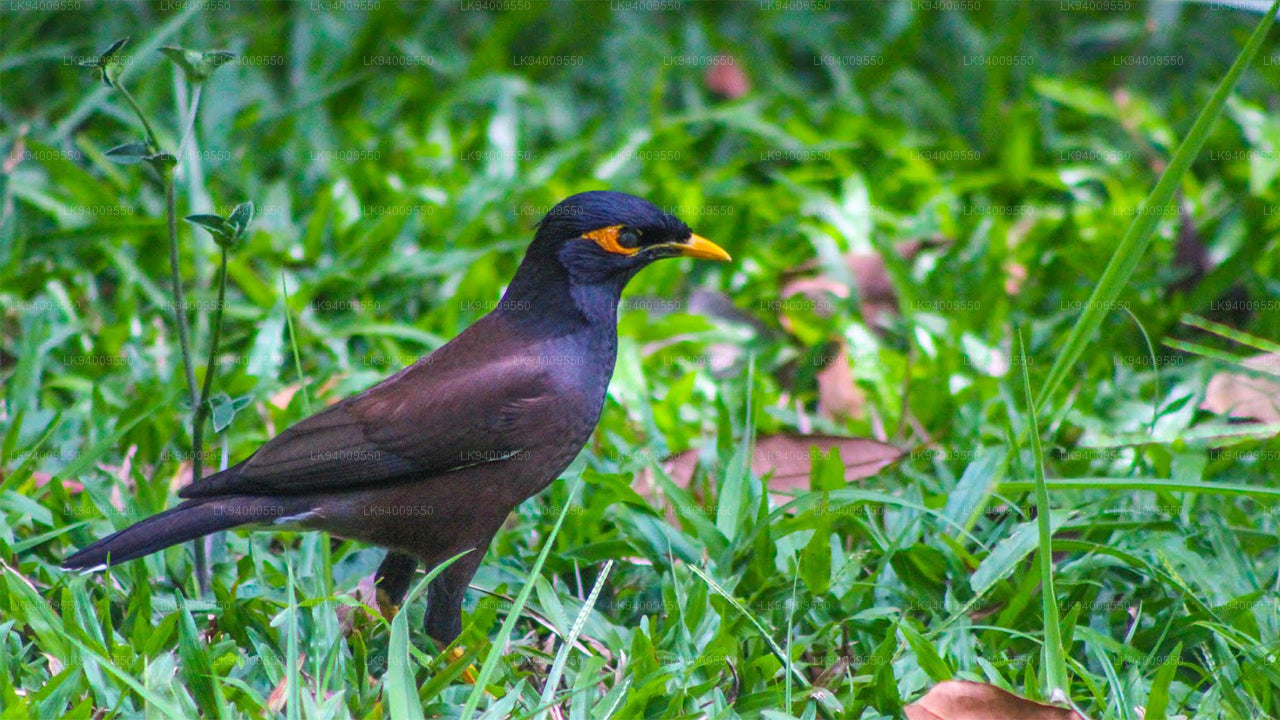 Ceylon Hill Myna
Gracula ptilogenys
-
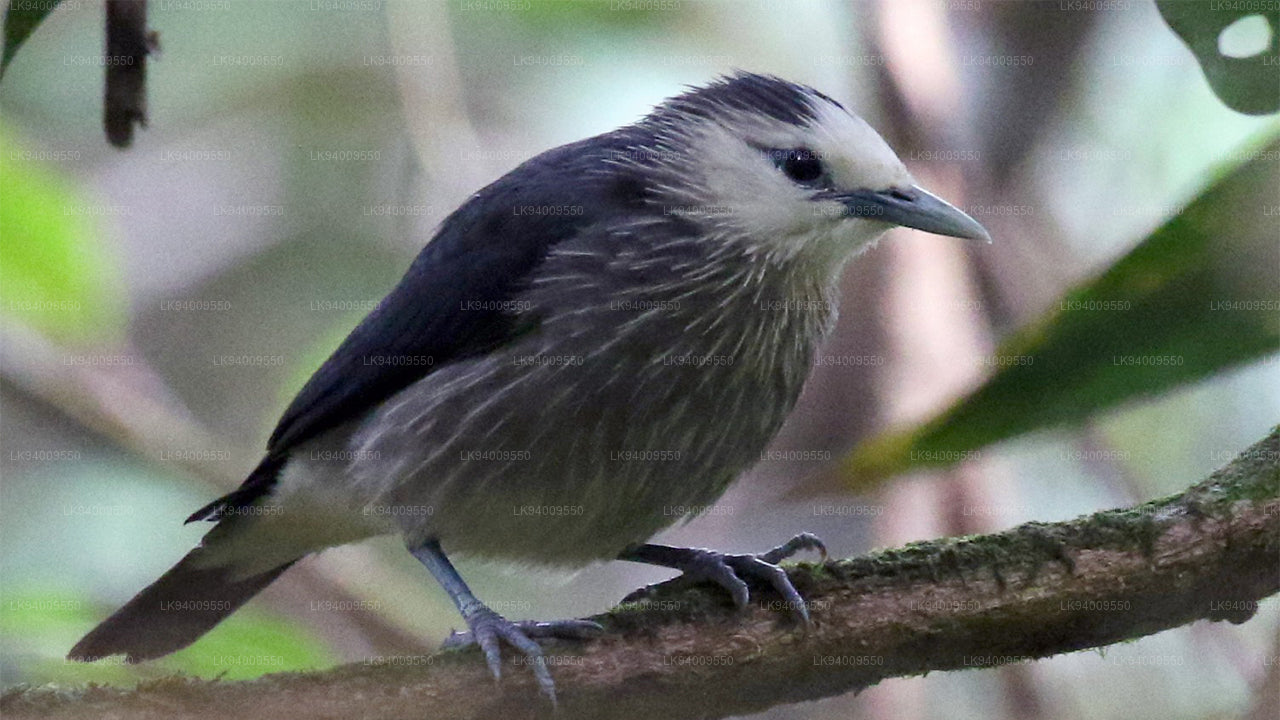 White Faced Starling
$Sturnornis albofrontatus
-
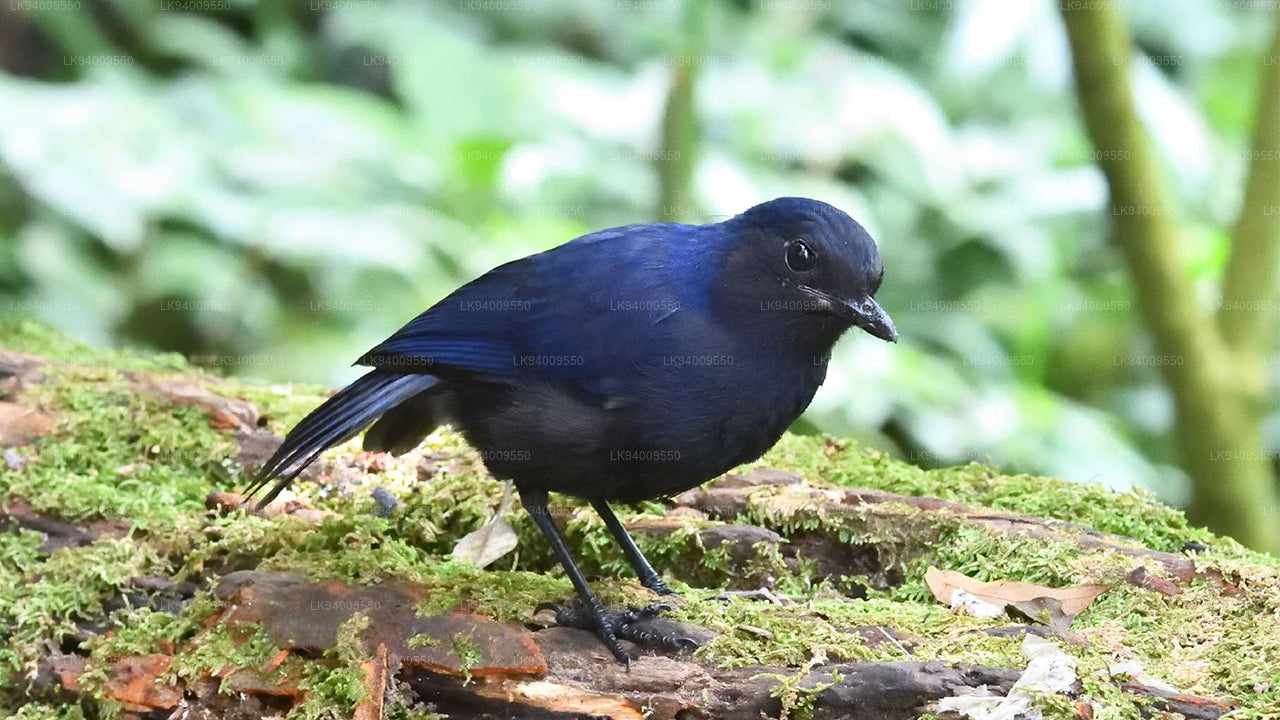 Ceylon Whistling Thrush
Myophonus blighi
-
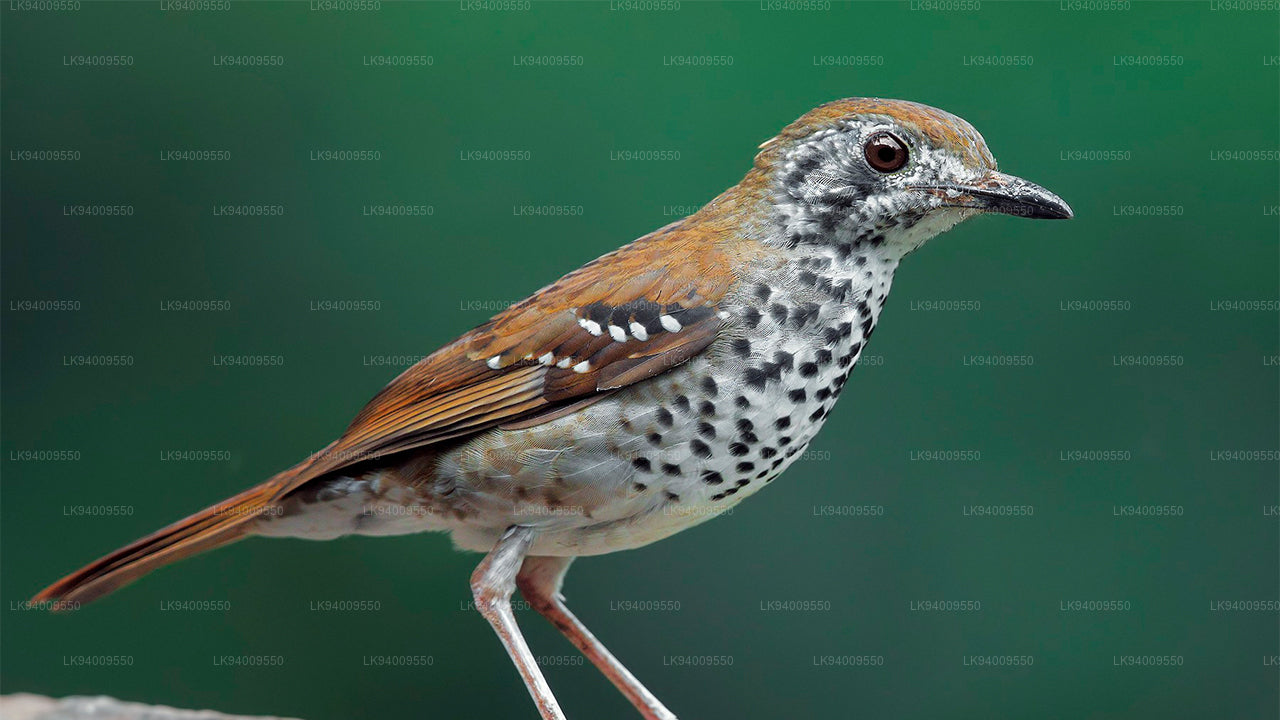 Spot Winged Ground Thrush
Geokichla spiloptera
-
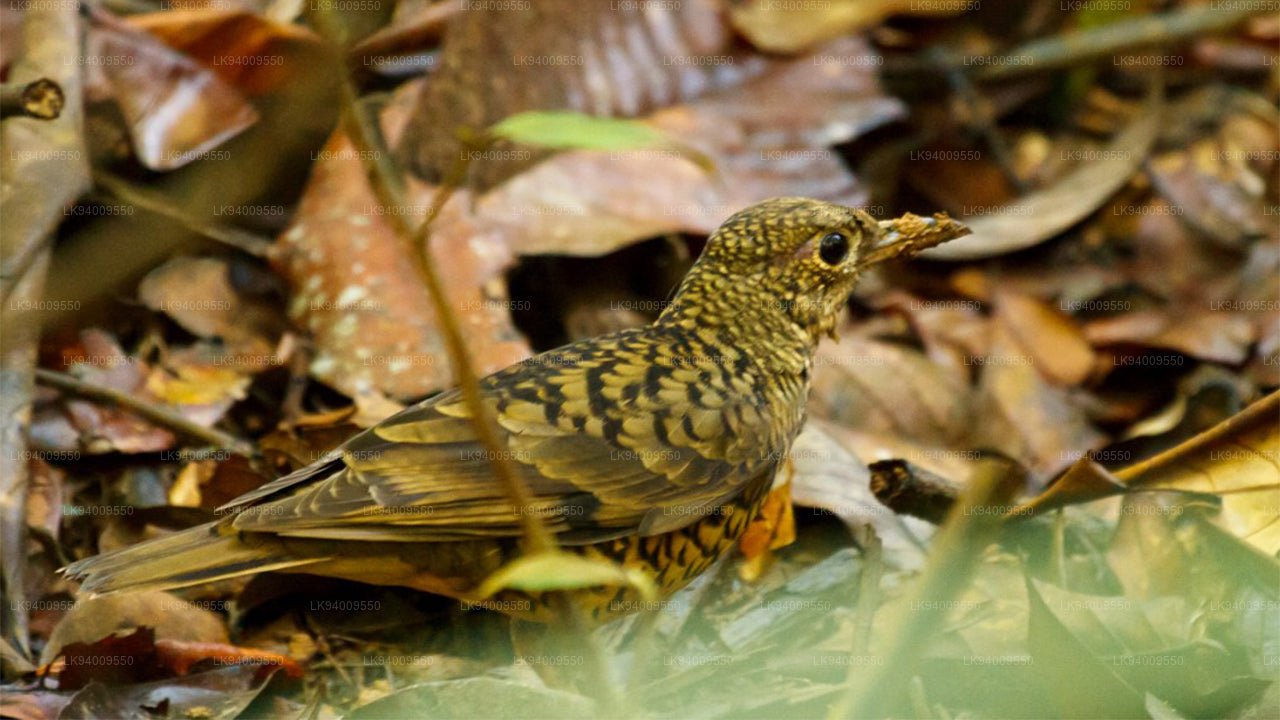 Ceylon Scaly Thrush
Zoothera imbricata
-
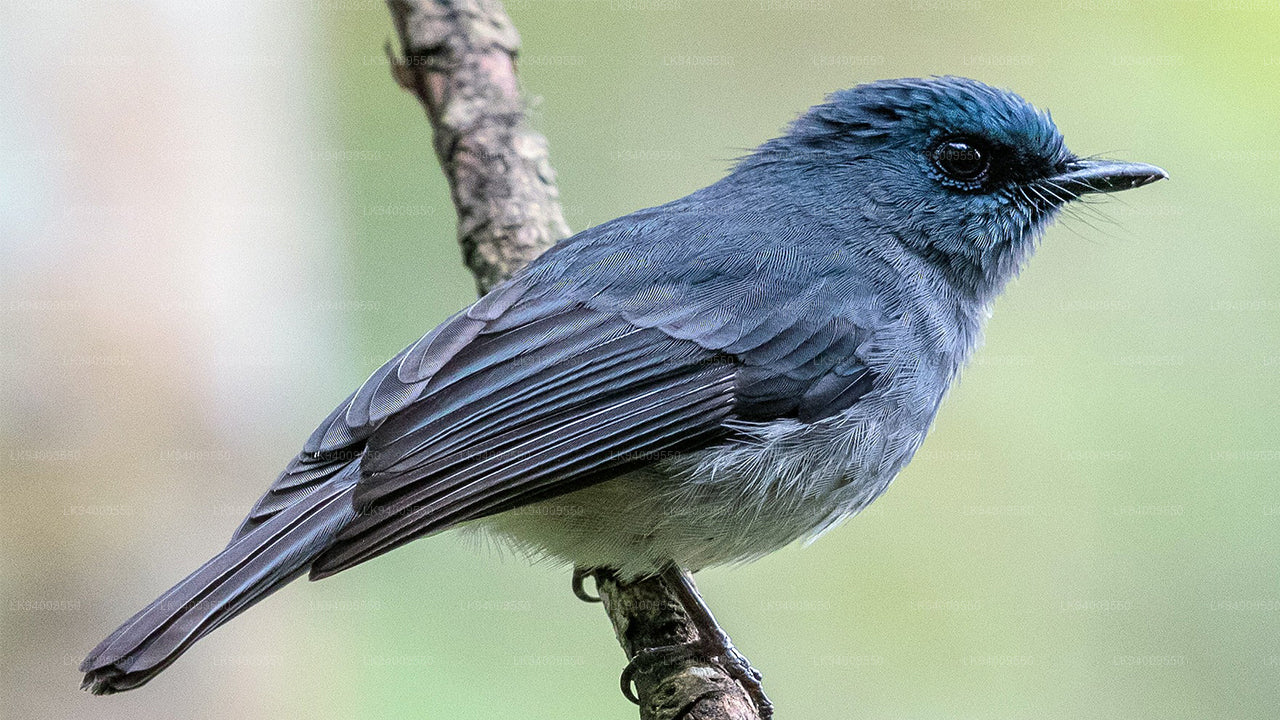 Dusky Blue Flycatcher
Eumyias sordidus
-
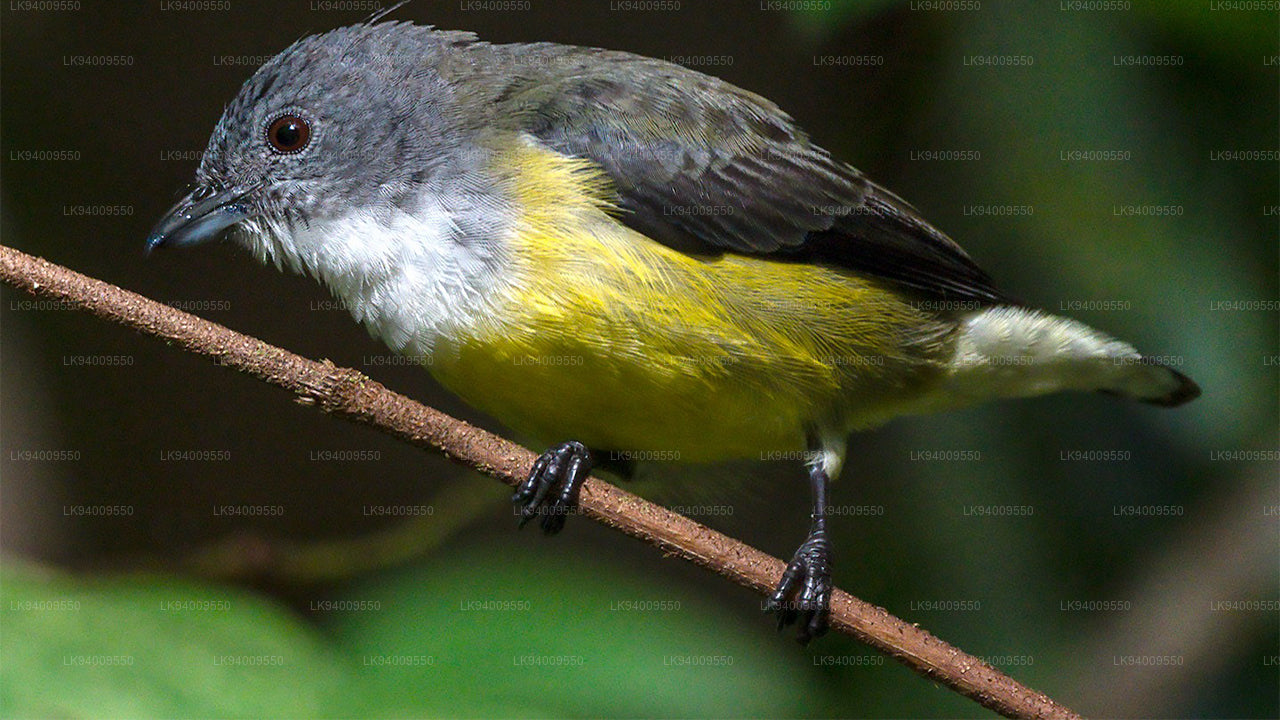 Legge's Flowerpecker
Dicaeum vincens
-
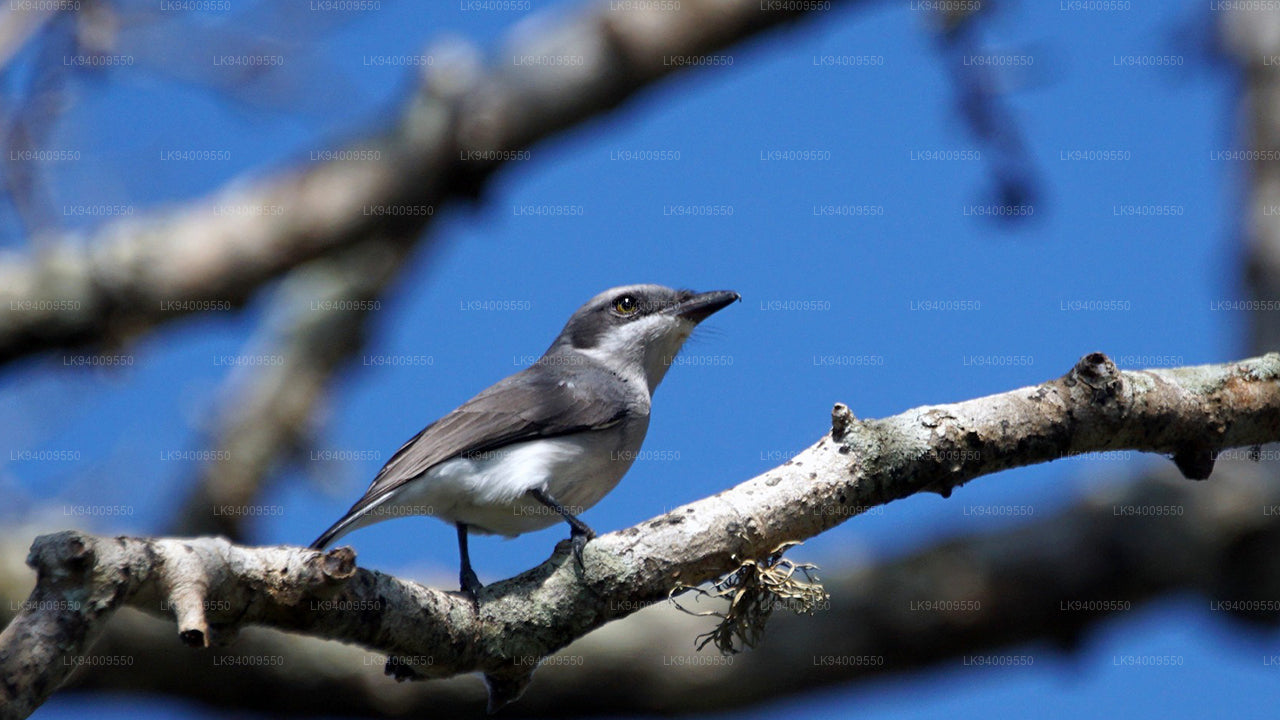 Ceylon Woodshrike
Tephrodornis affinis
-
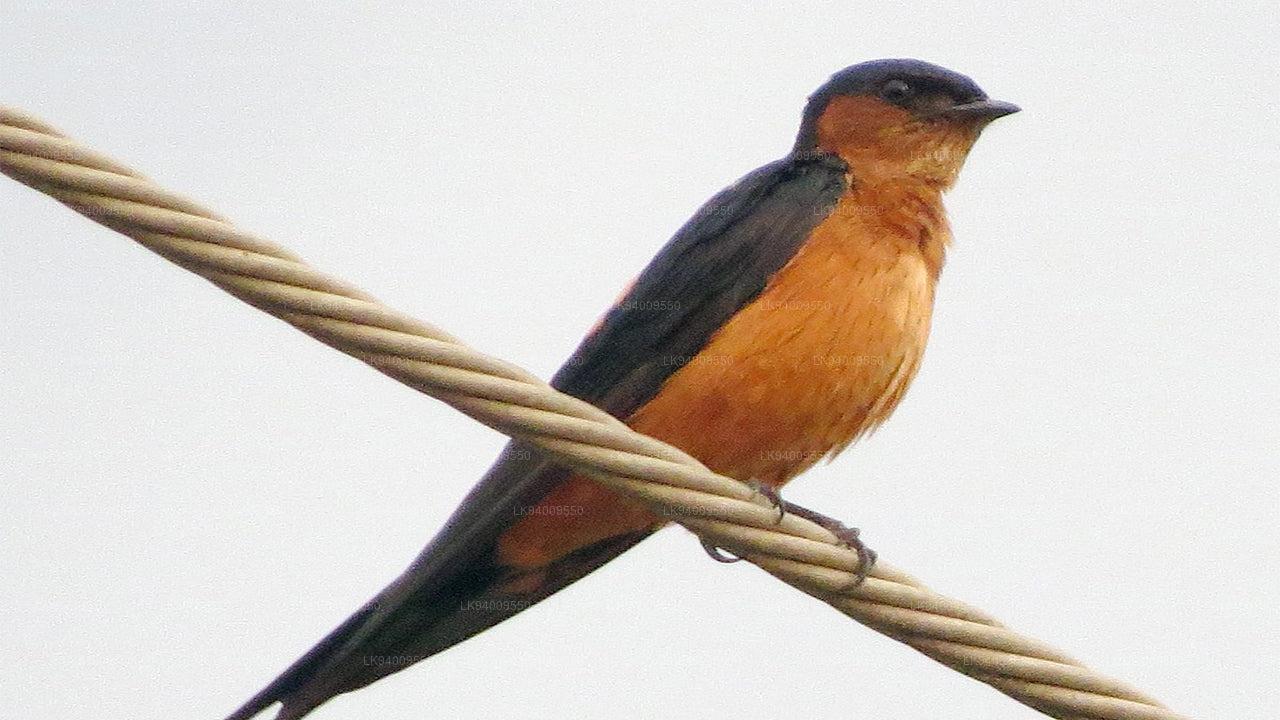 Ceylon Swallow
Cecropis hyperythra