Galeria
Galle pode ser acessada pela estrada principal Colombo–Galle–Matara (A2), bem como pela linha ferroviária do sul que vai de Colombo até Matara passando por Galle.
O principal terminal rodoviário de Galle atende bem os passageiros que viajam para o norte e para o sul. No entanto, chegar às Terras Altas Centrais a partir de Galle ainda é um processo cansativo, pois as partidas estão limitadas a apenas um serviço diário pela manhã.
Galle harbor é um esplêndido porto natural. O porto é utilizado desde o período pré-cristão, ganhou importância no século XII, tornou-se o principal porto marítimo da ilha no século XIV e manteve esse status até a construção do porto artificial em Colombo no ano de 1873.
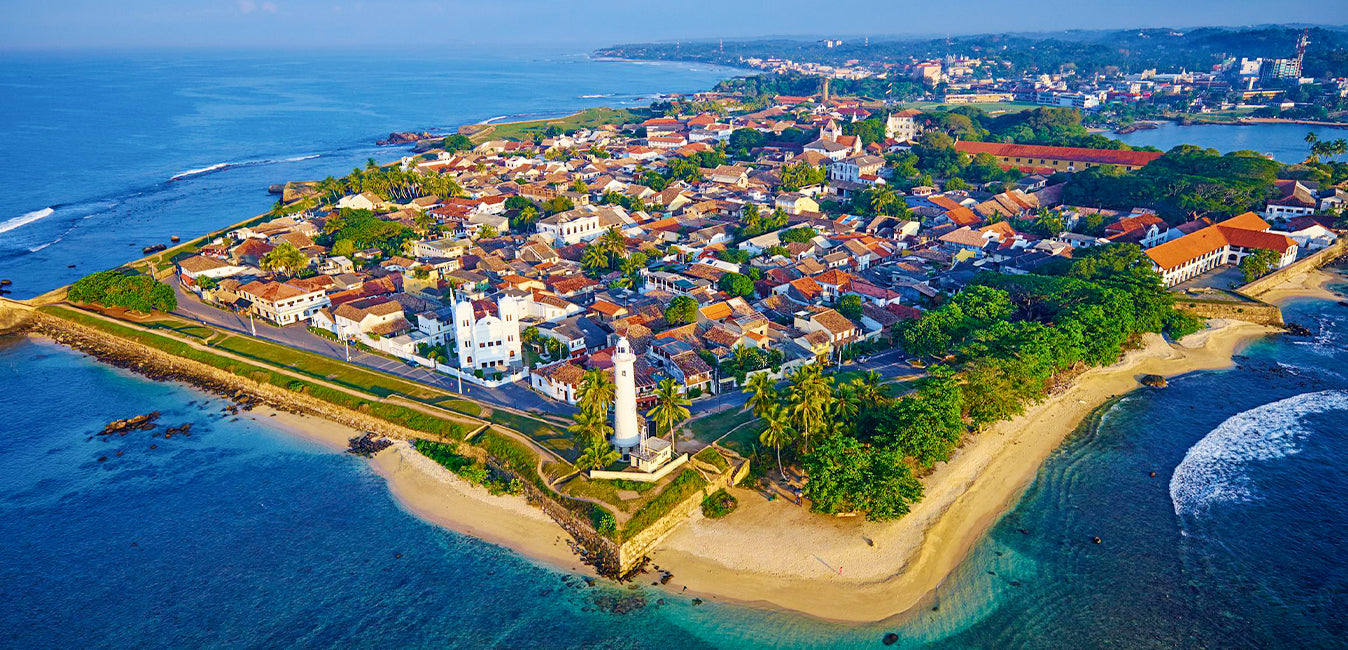
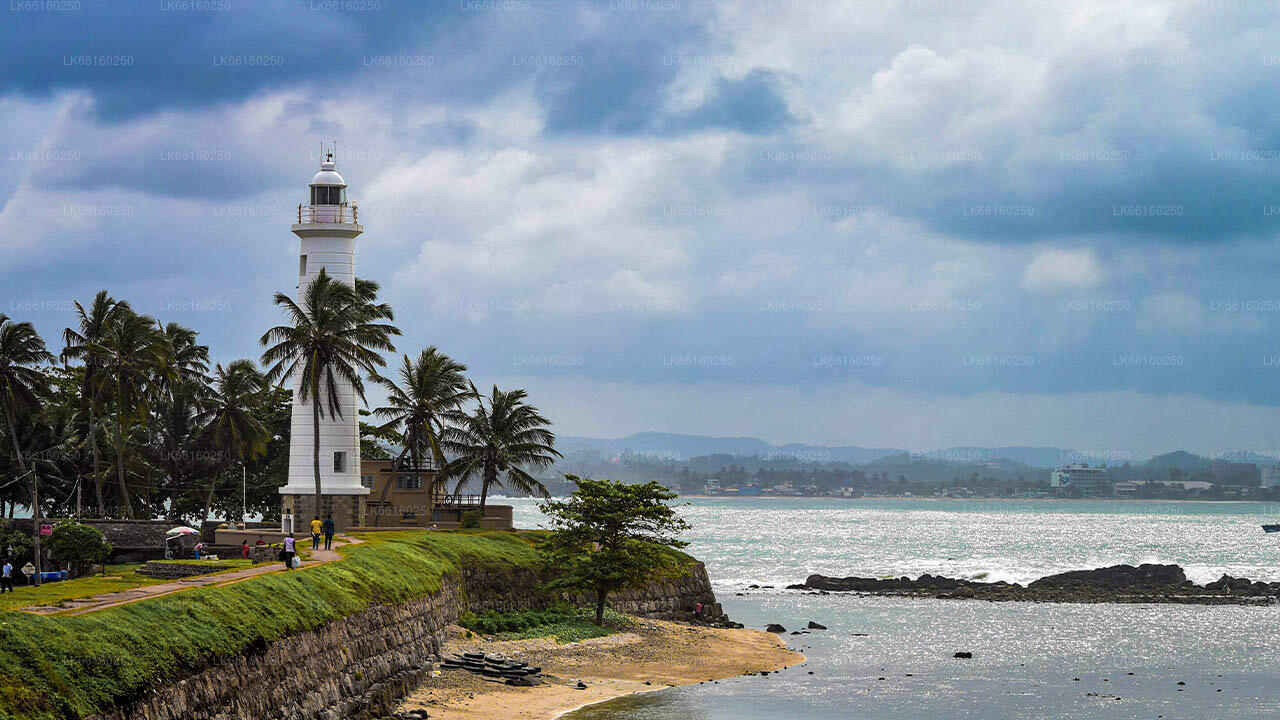
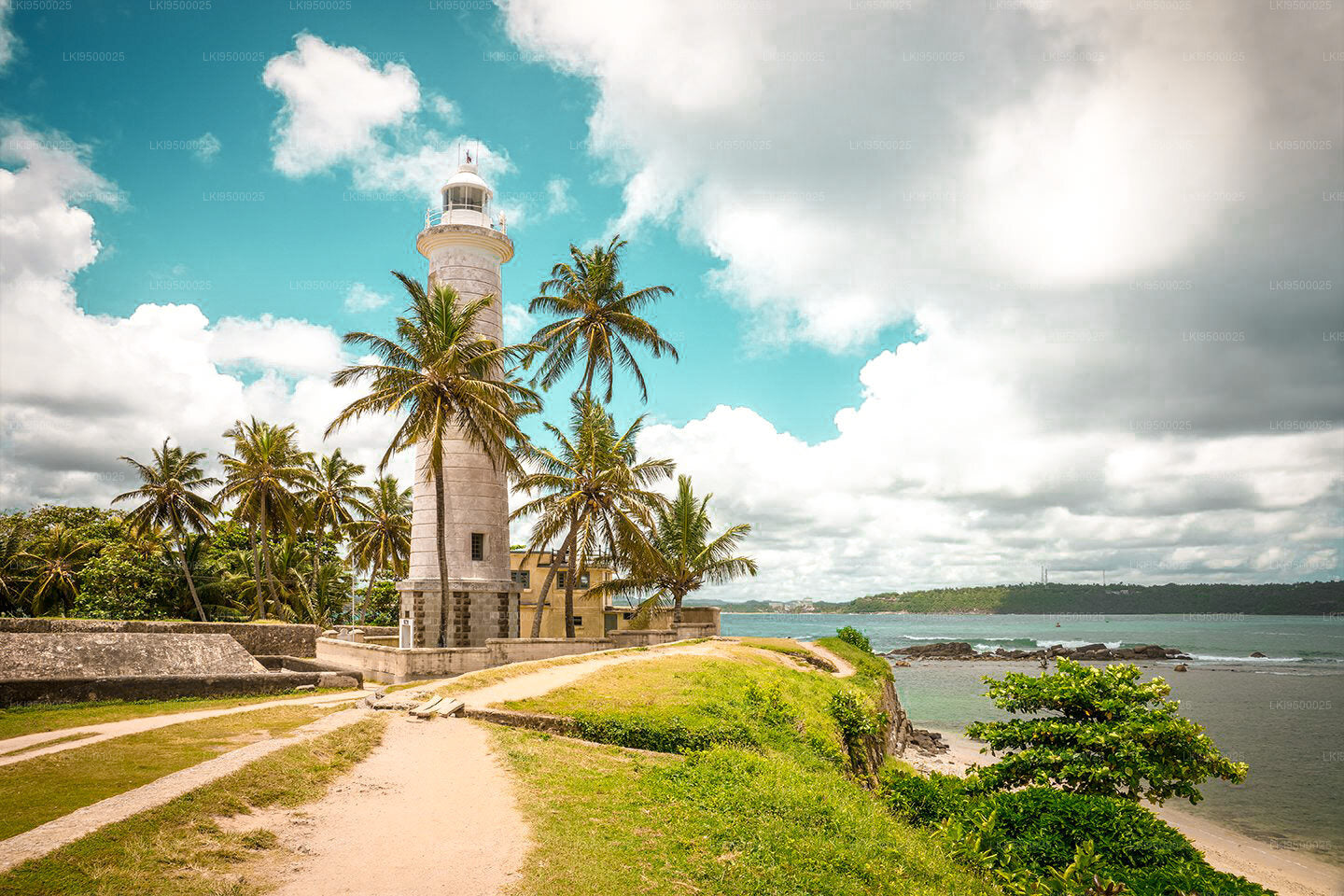
A cidade portuária de Galle abriga o Patrimônio Mundial de 36 hectares da VOC, o Forte Holandês de Galle , construído pelos portugueses em 1589, fortificado pelos holandeses em 1663 e posteriormente utilizado pelos britânicos. A maioria dos edifícios coloniais bem preservados dentro do forte ainda permanece em funcionamento: um labirinto de ruas estreitas leva a baluartes, edifícios públicos, igrejas e ao farol.
As muralhas, que oferecem pontos de vista ideais para apreciar os deslumbrantes pores do sol sobre o oceano, são populares para caminhadas ao entardecer.
Abaixo das muralhas encontra-se o bem organizado Estádio Internacional de Críquete de Galle.
Em janeiro de 2009, a Autoridade Portuária do Sri Lanka iniciou a construção de uma marina para iates, com o objetivo de promover Galle como um porto turístico. A marina deverá oferecer instalações de reparo e lazer para iates estrangeiros e embarcações de recreio.
Bangalôs coloniais bem renovados e primorosamente restaurados, vilas à beira-mar, hotéis boutique recém-construídos e pousadas cheias de caráter — algumas delas com foco ecológico — oferecem uma variedade de opções de hospedagem confortáveis ao longo da costa de Galle e no interior. Elas permitem desfrutar das belas praias ao norte e ao sul de Galle, como Unawatuna, Thalpe, Koggala, Habaraduwa e Ahangama.
Galle também é destaque no
TripAdvisor,
Viator e
GetYourGuide