Lakpura
Lakpura®

Koggala City

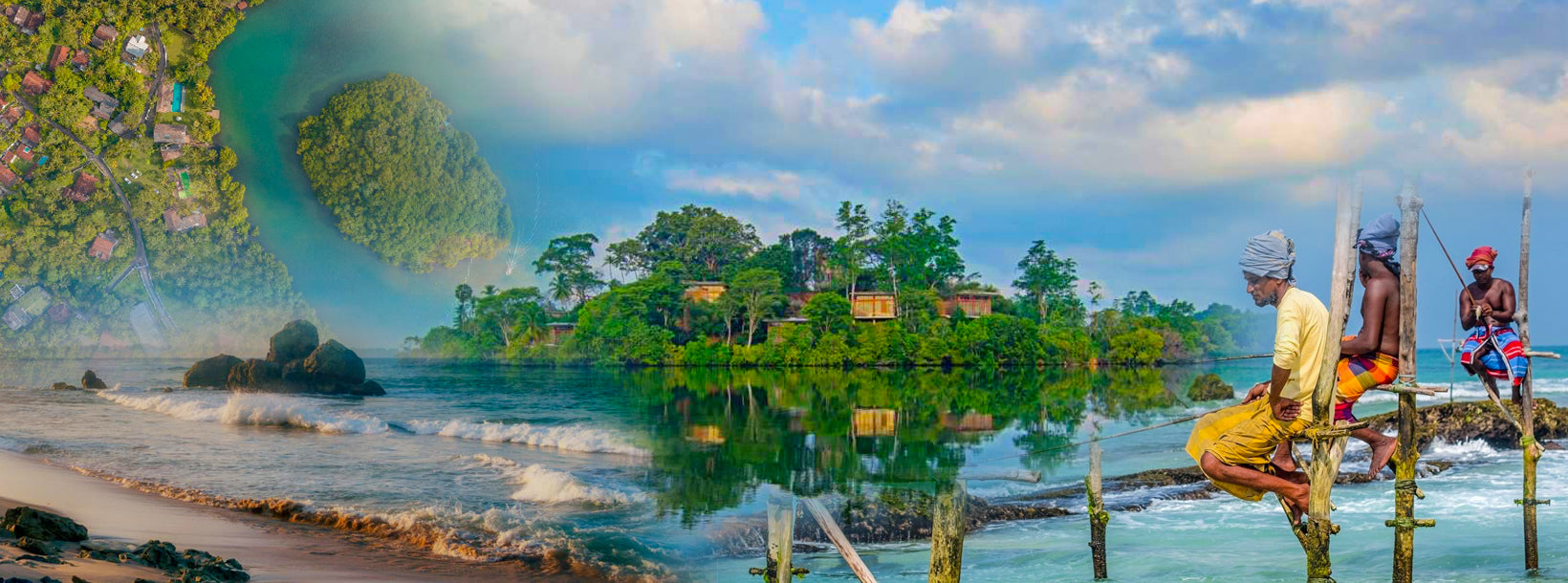
Koggala sits on Sri Lanka's Southern Coast, roughly 150 km south of Colombo along the A2 highway. It occupies a narrow strip of land between the Indian Ocean and a broad inland lake, which gives it a landscape unlike most coastal towns: open beach on one side, tranquil water on the other, with spice gardens and paddy land spreading inland. Visitors travelling between Galle and Matara pass through Koggala almost without noticing, yet those who stop find a layered destination with cultural, ecological, and culinary rewards.

How do I get to Koggala from Colombo?

The most direct route is the Southern Expressway (E01) to Pinnaduwa, then the A2 coastal road west toward Koggala — a total journey of around two and a half to three hours by car depending on traffic. The Southern coastal railway line from Colombo Fort to Matara also stops at Koggala, and the ride along the coast is one of the more scenic rail journeys in the country. Trains run several times daily; the journey from Colombo takes roughly three hours on an intercity express.

What is Koggala Lake and what can I do there?

Koggala Lake is a shallow lagoon that runs parallel to the coast, separated from the ocean by a thin band of land. Several small islands dot the lake, some of them home to Buddhist temples, cinnamon groves, and a community of fish otters that local boatmen use to corral catches — a tradition that has largely faded but can still be occasionally observed. The lake supports a wide variety of resident and migratory birds, and early morning or late afternoon boat trips are well suited to bird watching.

Beyond wildlife, the lake is ringed by spice gardens where visitors can see Ceylon black pepper, cinnamon, nutmeg, and cloves growing in their natural setting. Kayaking on the calm water is an increasingly popular way to explore the smaller inlets at a slower pace.

What is Koggala Beach like?

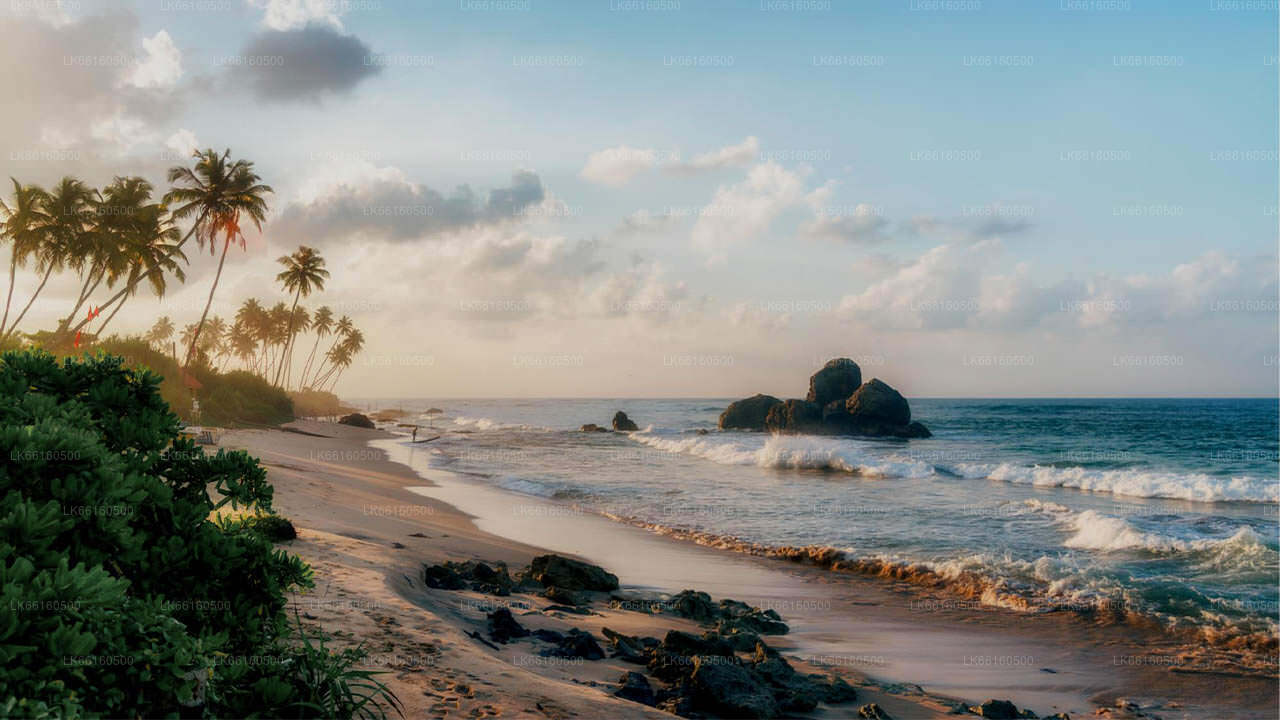
Koggala Beach is a long, largely uncommercialised stretch of coast. It is broader and calmer than some of the busier beaches to the west, partly because the reef offshore absorbs a portion of the swell. Stilt fishermen — balancing on spindly poles planted in the shallows — are a recurring sight at Koggala, particularly around dawn and dusk. The beach itself has relatively few food stalls compared to Hikkaduwa or Unawatuna, which makes it quieter but also means visitors should plan meals around their accommodation.

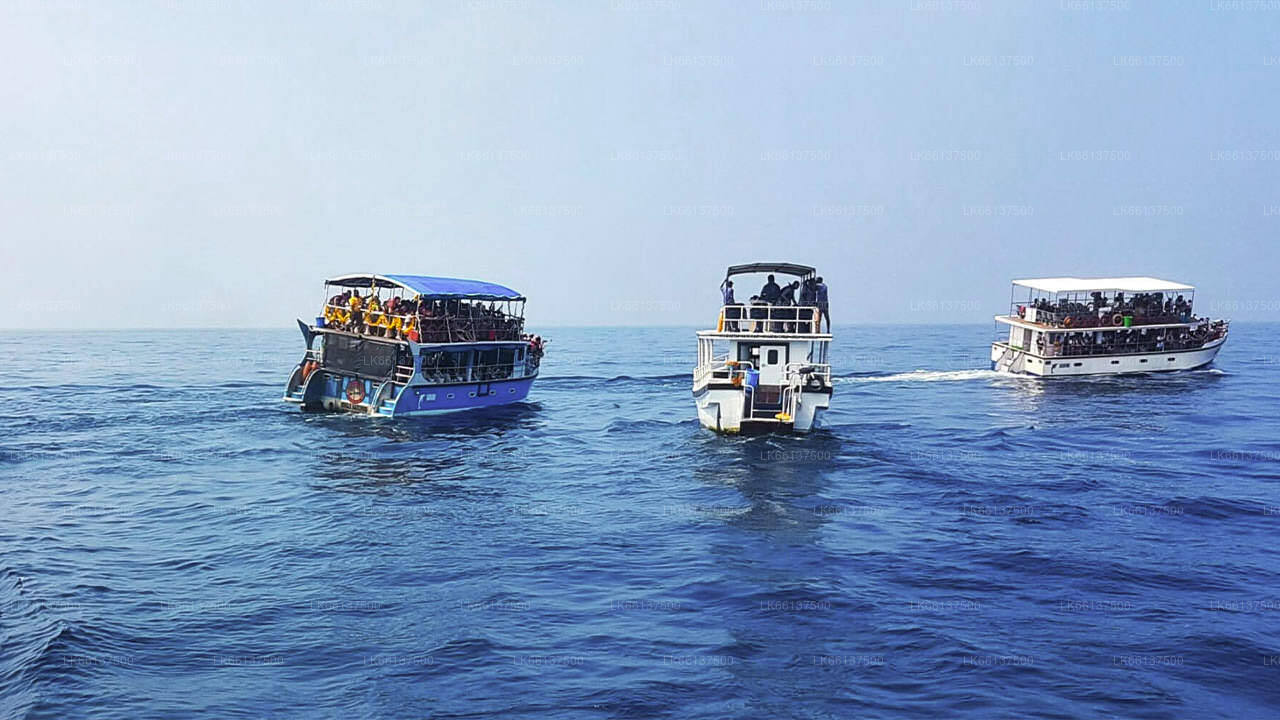
Whale watching excursions depart from waters near Koggala between November and April, when blue and sperm whales move through the deep channel south of Dondra Head. The Koggala Sea Turtle Conservation Project also operates in the area, where visitors can learn about nesting habits and, depending on the season, watch hatchlings released into the sea.

What is the Martin Wickramasinghe Museum of Folk Culture?

Martin Wickramasinghe (1890–1976) was one of Sri Lanka's most celebrated novelists, and he was born in Koggala. The museum dedicated to him occupies his ancestral home near the main road and functions as both a literary memorial and an ethnographic collection. The exhibits cover traditional Sinhalese crafts, agricultural tools, medicinal instruments, folk costumes, and domestic objects that would have been in everyday use a century ago. A separate pavilion houses his personal library and manuscripts.

The museum is modest in scale but genuinely absorbing for anyone interested in how rural Sinhalese life was organised before industrialisation. It is typically open daily; entry fees are nominal.

What is the Kataluwa Purwarama Temple?

Around 5 km east of Koggala, the Kataluwa Purwarama Temple is one of the more artistically significant small temples on the Southern Coast. Its interior walls carry a series of paintings depicting Jataka tales — stories from the previous lives of the Buddha — executed in a style that blends Kandyan and South Indian influences. The paintings retain much of their original pigmentation, which is unusual for murals in this humid coastal climate. Visitors are expected to dress modestly and remove footwear before entering.

What is the Handunugoda Tea Estate?

Sri Lanka's finest teas are generally associated with the cool highlands of Nuwara Eliya or Uva, but Handunugoda Tea Estate, located around 4 km inland from Kataluwa, demonstrates that low-country cultivation can produce teas of comparable character. The estate is best known for its "Virgin White" tea, made from the unopened leaf buds of the plant harvested without any contact by hand — a labour-intensive process that results in a very limited annual yield. A visit to the estate typically includes a guided walk through the bushes, a factory tour, and a tasting session. For a broader understanding of what goes into every cup, the Ceylon Tea page offers useful background on the island's tea industry.

Is there an airfield near Koggala?

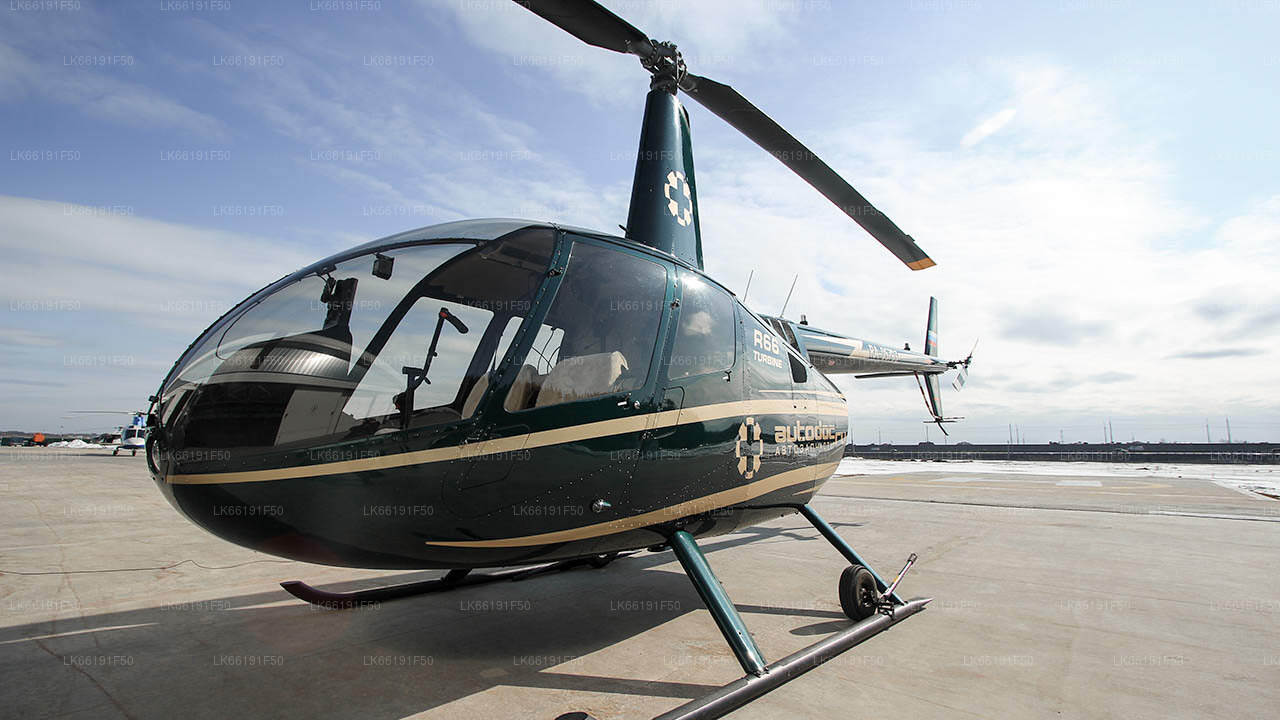
Koggala Airport (IATA: KCT) is a small domestic aerodrome situated close to the lake. It handles light aircraft and scenic flights, including short aerial tours over the Southern Coast and Galle Harbour. These flights are a practical option for travellers who want to see the coastline from above or move quickly between destinations without retracing the A2.

When is the best time to visit Koggala?

The Southern Coast experiences its dry season roughly from November through April, when the northeast monsoon keeps the west and south coasts sheltered. During this period the sea is generally calm, whale watching conditions are at their best, and outdoor activities on the lake are rarely disrupted. The southwest monsoon, active from May through September, brings heavier rainfall and rougher seas; whale watching pauses and beach swimming is less reliable, though the landscape turns intensely green and the lake is particularly photogenic under overcast skies.

What day trips can I take from Koggala?

  • Galle Fort — roughly 15 km west, the UNESCO-listed Dutch colonial fort is a half-day excursion. A Galle City Tour covers the ramparts, churches, and colonial-era streets in depth.
  • Madu Ganga — around 25 km east, the Madu River Safari navigates a mangrove estuary that is one of the most biodiverse wetlands on the coast.
  • Sinharaja Forest Reserve — approximately 50 km north, the Sinharaja Forest Reserve is a UNESCO-recognised rainforest and one of the last remaining lowland tropical wet forests in Sri Lanka.
  • Kosgoda — the Kosgoda Sea Turtle Conservation Project is a short drive north and can be combined with Koggala in a single itinerary.

Book this experience with Lakpura

Curated by our local team. Direct booking, instant confirmation.

Ask Lakpura® Agent