Montanha Ritigala


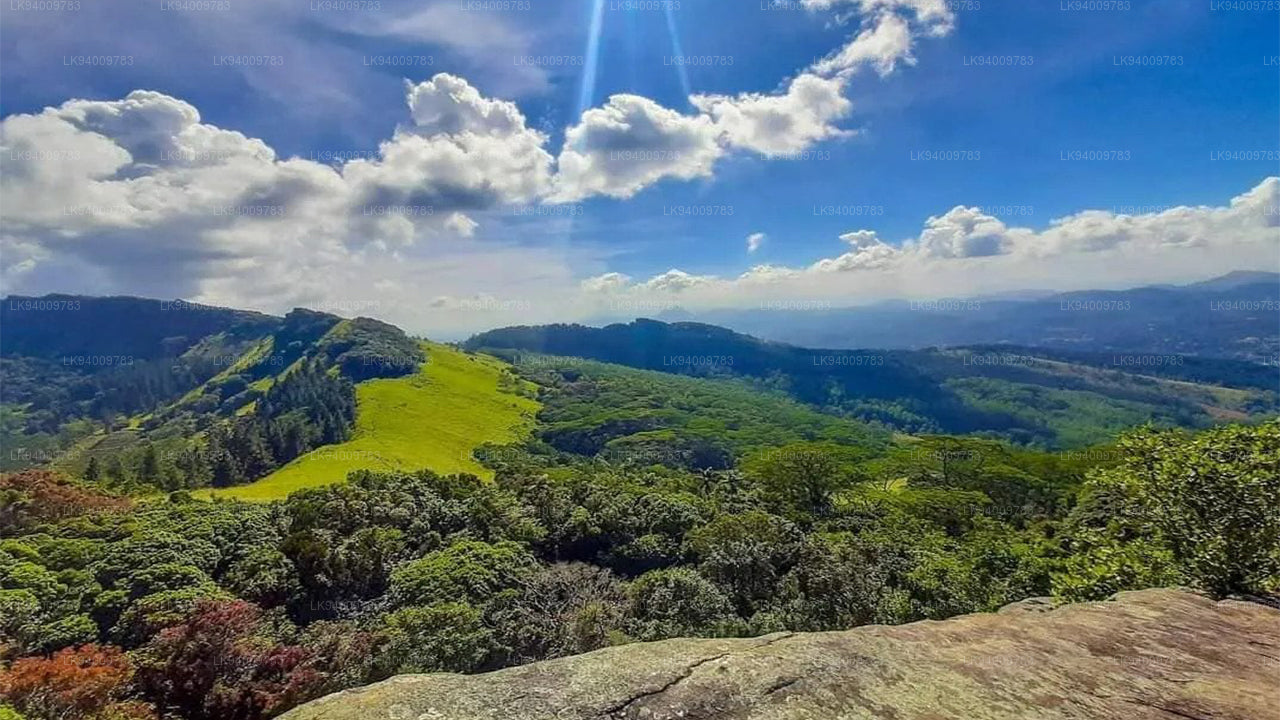
Ritigala é uma montanha localizada no centro de Sri Lanka, que abriga um antigo monastério budista. As ruínas e inscrições em rocha deste monastério datam do século I a.C. Ele está localizado a 43 km da antiga cidade monástica de Anuradhapura.
A montanha Ritigala é composta por quatro picos que se erguem abruptamente da planície ao redor. A montanha tem 6,5 km de comprimento e é dividida em blocos norte e sul pela garganta de Maha-Degala. O pico mais alto é Ritigala Kanda, no bloco sul.
A 766 m acima do nível do mar e cerca de 600 m acima das planícies ao redor, Ritigala é a montanha mais alta do norte de Sri Lanka. O nome moderno Ritigala deriva do nome antigo Arittha Pabbata, que significa “Montanha Temível”, e é mencionado no Mahavamsa.
Sua altura é maior do que outras atrações conhecidas das planícies do centro-norte, incluindo Sigiriya, Dambulla e Mihintale. A importância dessa característica topográfica reside na abrupta inclinação do maciço, nas encostas arborizadas e no microclima úmido encontrado no topo.
Clima
As montanhas interceptam ventos carregados de umidade e geram precipitação orográfica, tornando as montanhas mais úmidas do que as terras baixas ao redor. Durante o monção do nordeste (dezembro a fevereiro), Ritigala experimenta a maior precipitação de toda a zona seca.
O microclima úmido de Ritigala é um fenômeno único nas planícies centrais do norte, dentro da antiga região de Sri Lanka conhecida como Wewu Bandi Rata, que significa “terra dos reservatórios de água da chuva”.
O clima no topo contrasta fortemente com o clima no sopé da montanha. Ele é mais fresco em comparação com o clima quente e seco da região ao redor. A névoa e a cobertura de nuvens durante o monção do sudoeste resultam em alta condensação de vapor, mantendo o solo úmido mesmo quando as planícies ao redor sofrem com a seca.
Reserva Natural Rígida de Ritigala
Ritigala é uma reserva natural rígida que cobre 1.528 hectares. Foi estabelecida em 7 de novembro de 1941 e é gerida pelo Departamento de Conservação da Vida Selvagem de Sri Lanka junto com o Departamento de Florestas.
Lendas
Muitas lendas estão associadas a Ritigala. Uma crença misteriosa diz respeito a poderosas ervas medicinais encontradas perto do cume da montanha. Uma erva chamada Sansevi é considerada capaz de conceder longa vida e curar doenças humanas. De acordo com a lenda, toda a vegetação de Ritigala é protegida pelos Yakkas, os espíritos protetores da montanha.
O venerável Professor Walpola Sri Rahula Maha Thera, um monge budista e professor de história e religiões, observou que o termo Yaksa se refere a seres sobrenaturais dignos de respeito. Ele também pode ter se referido às comunidades indígenas pré-budistas de Sri Lanka.
Outra lenda afirma que o príncipe Pandukhabaya foi auxiliado pelos Yakkas durante suas batalhas contra seus oito tios ao pé de Ritigala. Uma história diferente se refere a um duelo entre dois gigantes, possivelmente Yakkas, chamados Soma e Jayasena. Soma foi morto no duelo, enquanto Jayasena se tornou uma figura lendária.
A Lenda do Senhor Hanuman e Ritigala
De acordo com a crença popular, o Senhor Hanuman uma vez passou por Ritigala enquanto carregava uma porção de uma montanha do Himalaia cheia de ervas medicinais. Ele estava transportando a montanha para Lanka para obter uma erva rara necessária para salvar a vida do príncipe Lakshmana, o irmão do Senhor Rama. Durante essa jornada, acredita-se que um pedaço da montanha tenha caído sobre Ritigala.
Essa lenda é frequentemente usada para explicar a vegetação incomum encontrada no topo de Ritigala, que difere da flora típica da zona seca encontrada nas encostas inferiores e nas planícies ao redor.
Outra história descreve a visita anterior de Hanuman a Lanka enquanto ele procurava Sita, a esposa de Rama, que havia sido sequestrada pelo rei Ravana. De acordo com a lenda, Hanuman usou Ritigala Kanda como ponto de partida para um grande salto em direção ao sul da Índia.
Ruínas do Antigo Monastério de Ritigala
As ruínas do monastério de Ritigala estão localizadas no lado leste da montanha, na base da garganta que separa o pico principal da crista norte. As ruínas cobrem uma área de cerca de 24 hectares. O complexo monástico começa perto do reservatório conhecido como Banda Pokuna.
Este antigo reservatório é um exemplo impressionante de engenharia primitiva, com uma barragem que forma um perímetro de cerca de 366 metros. A construção do reservatório é tradicionalmente atribuída ao rei Pandukabhaya. Acredita-se que o reservatório tenha servido como um local de banho ritual para os visitantes antes de entrarem no monastério.
A disposição do tanque de banho, das ruínas da entrada e dos caminhos sugere que um grande número de devotos visitava o monastério no passado. Esse approach ritual é semelhante à tradição em Kataragama, onde os peregrinos começam com um banho de purificação antes de fazerem oferendas religiosas.
Seguindo a borda do reservatório, chega-se a um riacho e um conjunto de escadas íngremes que levam a um caminho de pedra lindamente construído. Este caminho pavimentado, com cerca de 1,5 metros de largura, serpenteia pela floresta e conecta os principais edifícios do monastério. O caminho é feito de placas de pedra interligadas, com plataformas circulares de descanso distribuídas em intervalos regulares.
Pontes de Pedra, Plataformas Elevadas e Pátios
O monastério inclui estruturas de plataforma dupla conhecidas como Padhanaghara, que são características de monastérios florestais. Estruturas semelhantes também podem ser encontradas em locais como Arankele e outros monastérios florestais perto de Anuradhapura.
Essas estruturas consistem em plataformas elevadas construídas com grandes paredes de contenção de pedra e conectadas por pontes de pedra. As plataformas provavelmente eram cobertas e divididas em quartos usados para meditação, ensino e cerimônias religiosas.
Ruínas próximas indicam a presença de um hospital monástico onde ervas medicinais eram preparadas. Pedras de moagem e grandes banheiras de óleo ayurvédico esculpidas em pedra ainda podem ser vistas no local.
O principal caminho de pedra continua pela floresta, passando por pontos de observação acessados por trilhas que serpenteiam entre enormes raízes de árvores. Também há uma cachoeira artificial criada colocando uma placa de pedra entre duas rochas.
Mais adiante ao longo do caminho, há pátios afundados contendo algumas das maiores estruturas de plataforma dupla no complexo do monastério. Uma plataforma ainda preserva os restos de pilares que um dia sustentaram um edifício, enquanto outra grande plataforma fica próxima dentro da mesma área do pátio.
-
 Pidurutalagala
Pidurutalagala or Mount Pedro in English, is an ultra prominent peak, and the tallest mountain in Sri Lanka, at 2,524 m (8,281 ft). Mount Pedro is located close to the city of Nuwara Eliya, and is easily visible from most areas of the Central Province. It is situated North-North-East from the town of Nuwara Eliya.
-
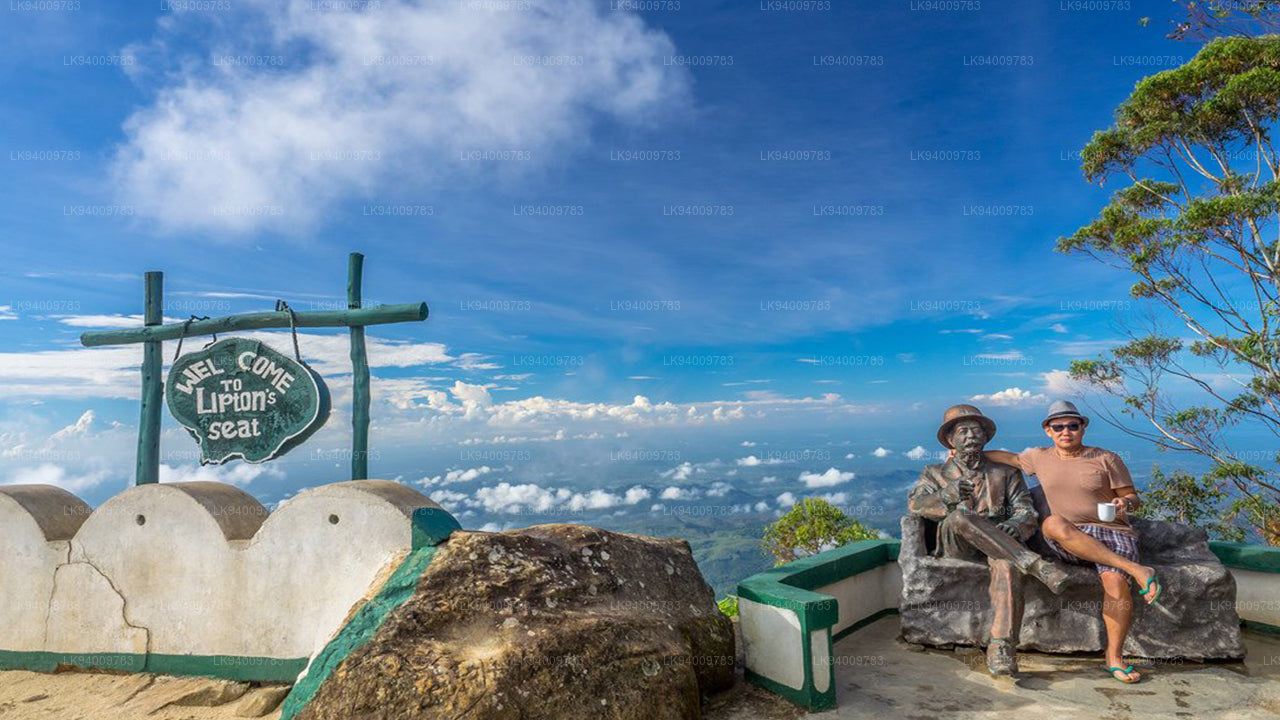 Lipton's Seat
Lipton’s Seat is a high observation point in the hills of Poonagala. Located on the top of the town’s namesake, Poonagala Hill, it is also near the Dambatenne Tea Factory. Lipton’s Seat is so named because the famed Scottish baron and tea planter Sir Thomas Lipton used it as the seat to survey his empire in a time long gone but not forgotten.
-
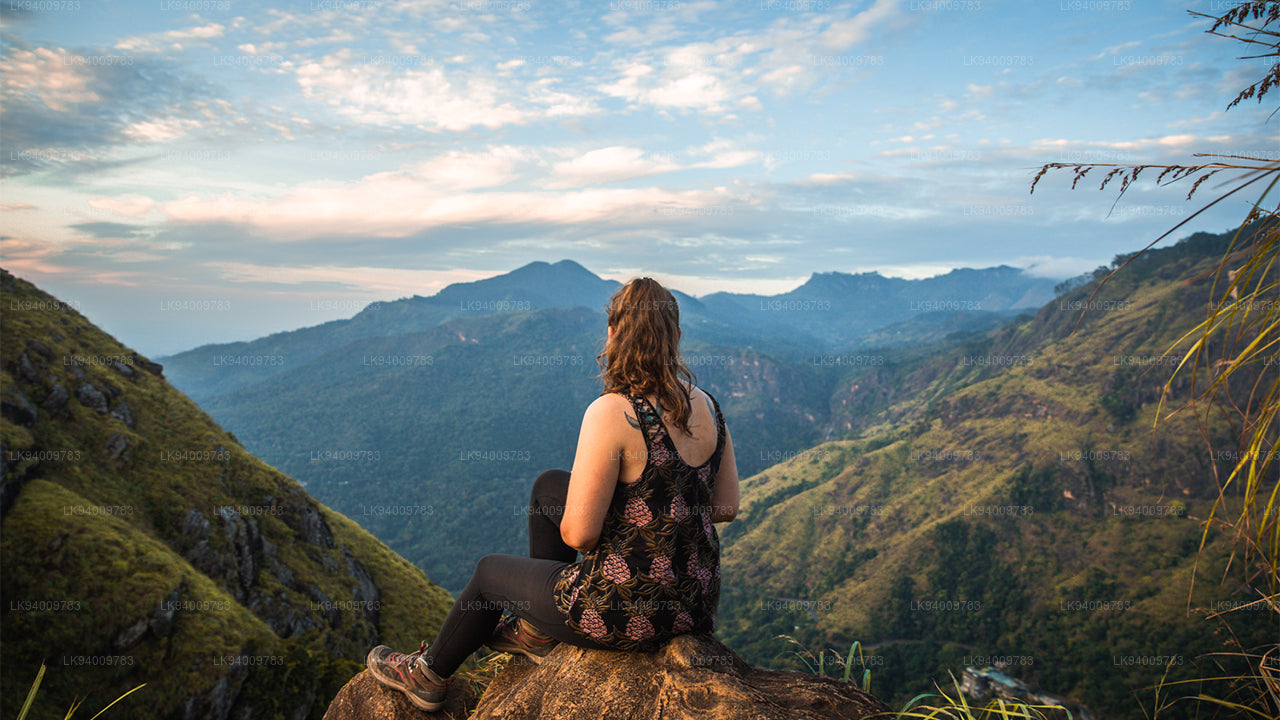 Little Adam’s Peak
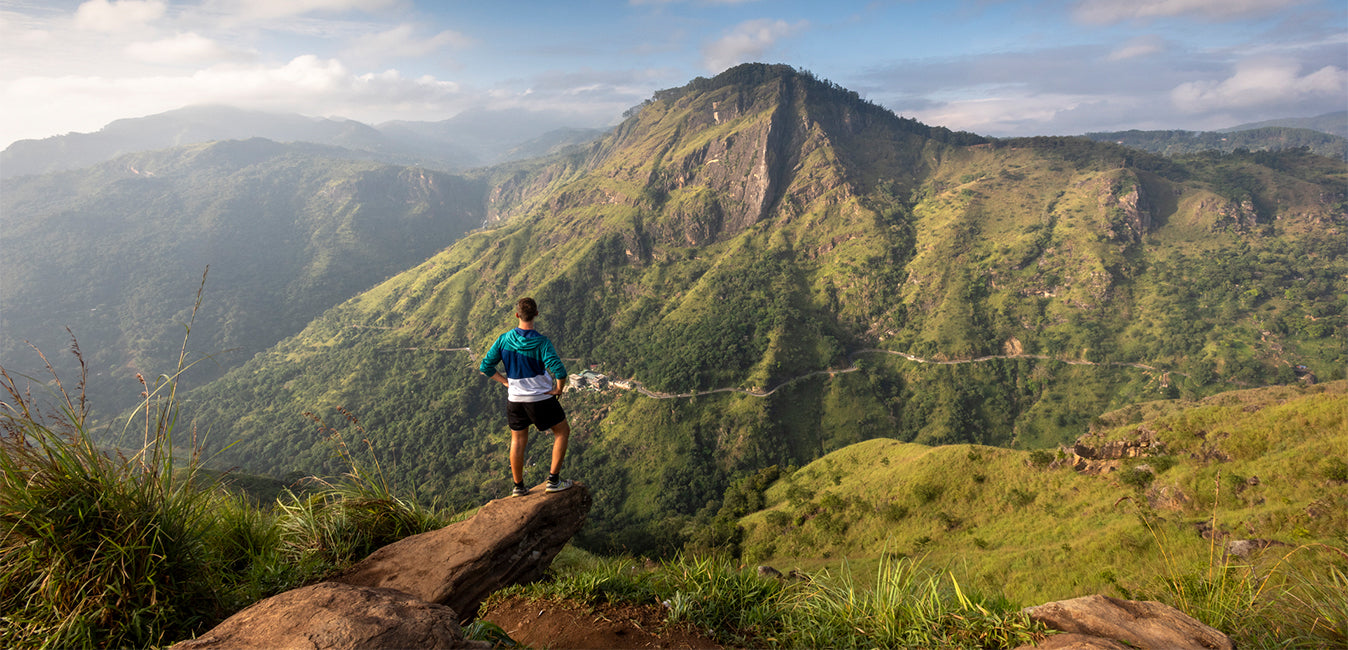
Don’t defiance the beautiful tourism site in Sri Lanka, Little Adams Peak whether considering the word ‘Little’, it is named after the sacred Adams Peak (Sri Pada –where the foot print of Lord Buddha is preserved) regarding the similarity between the two mountains.
-
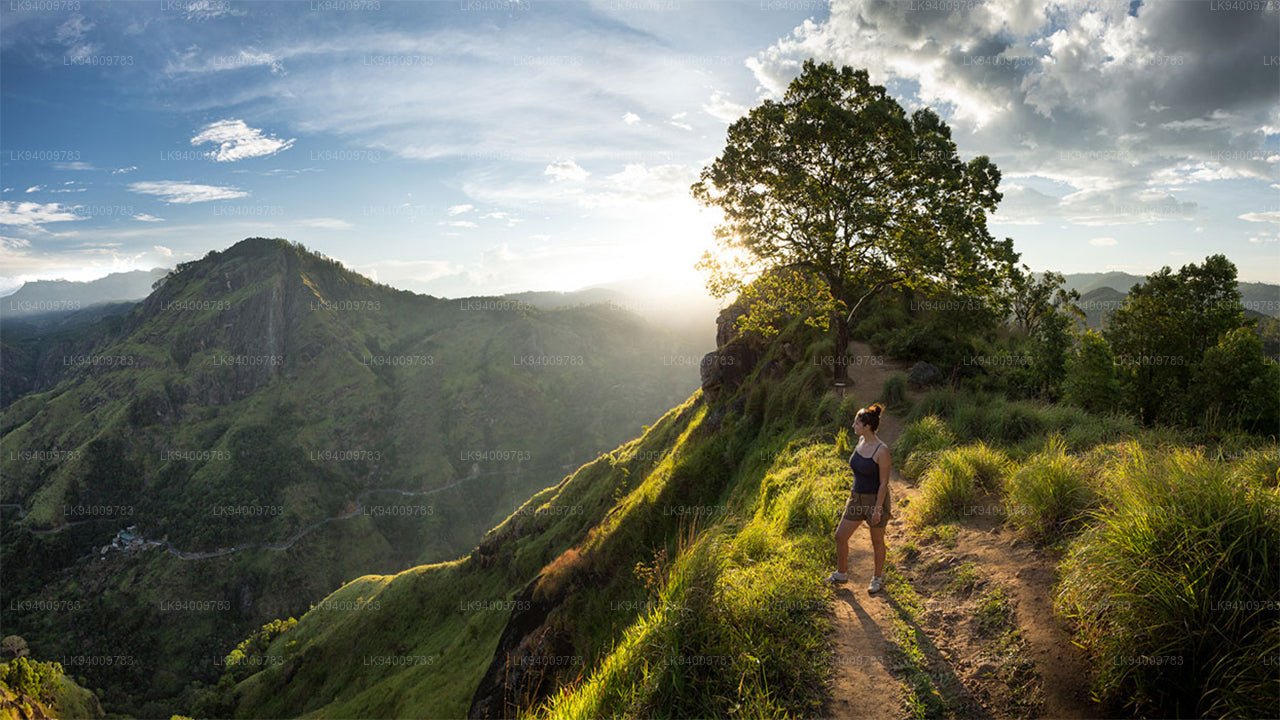 Ritigala
Ritigala can be reached from the turn-off from Habarana-Anuradhapura Road at a distance of 12 km from Habarana. Another 5 km along a graveled yet motorable road leads to the foot of the mountain.
-
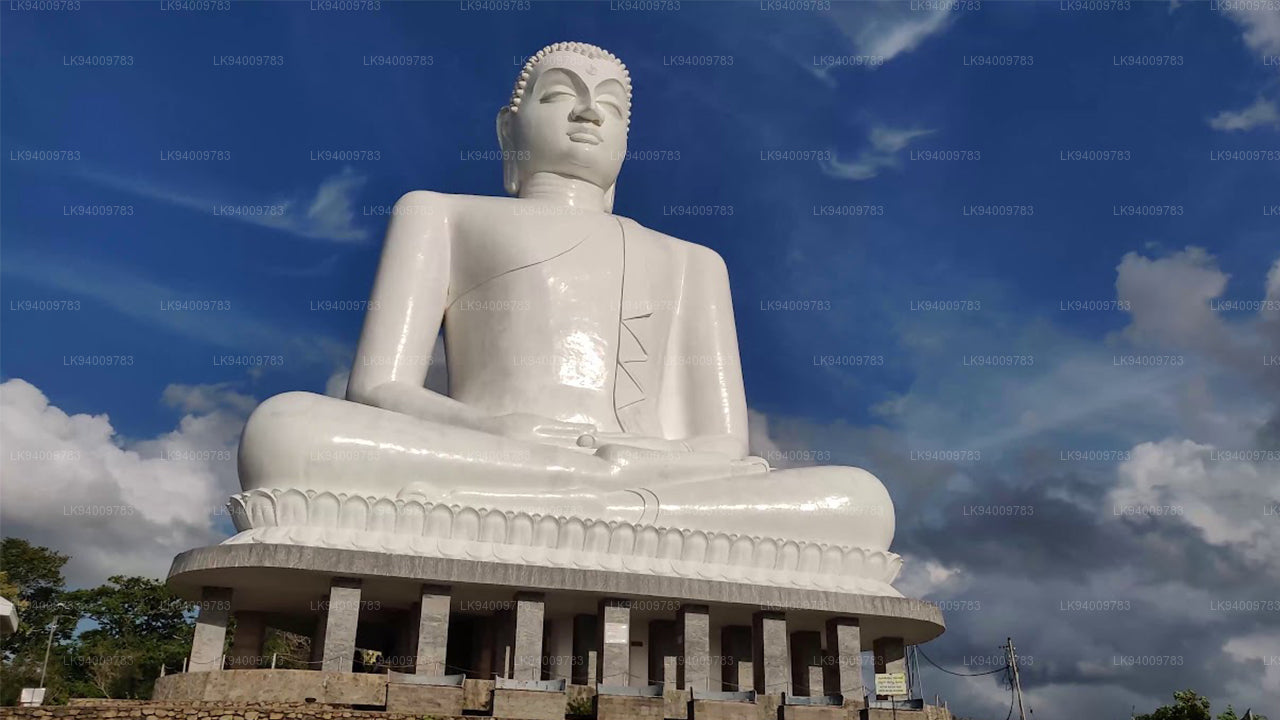 Ethagala (Elephnat Rock)
Ethagala (the Elephant Rock) is one of seven rocks that overlook the town of Kurunegala, in Sri Lanka. The rock face reaches 316 metres (1,037 ft) over the town and in its shape resembles a crouching elephant, which explains the rock’s name.
-
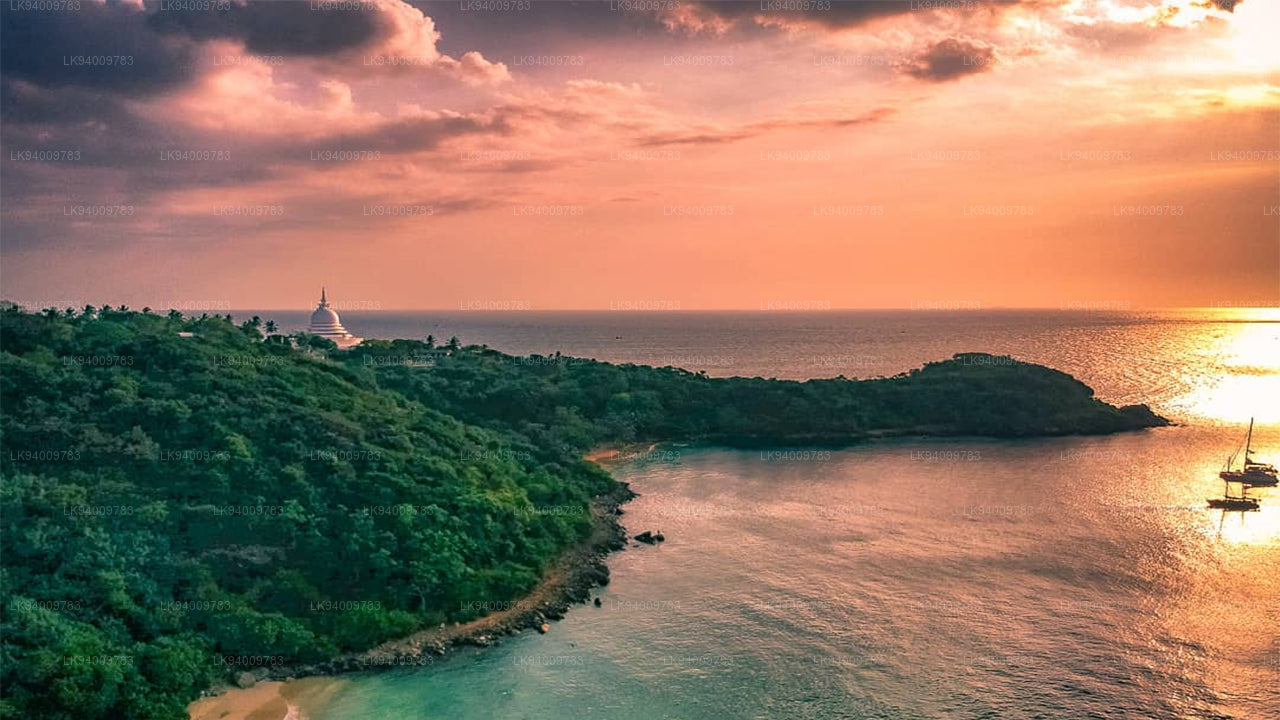 Rumasalla Mountain
Rumasalla Mountain. In the past, Rumassala was known as Buono Vista, a name that dates back to the colonial period, and most likely a corruption.
-
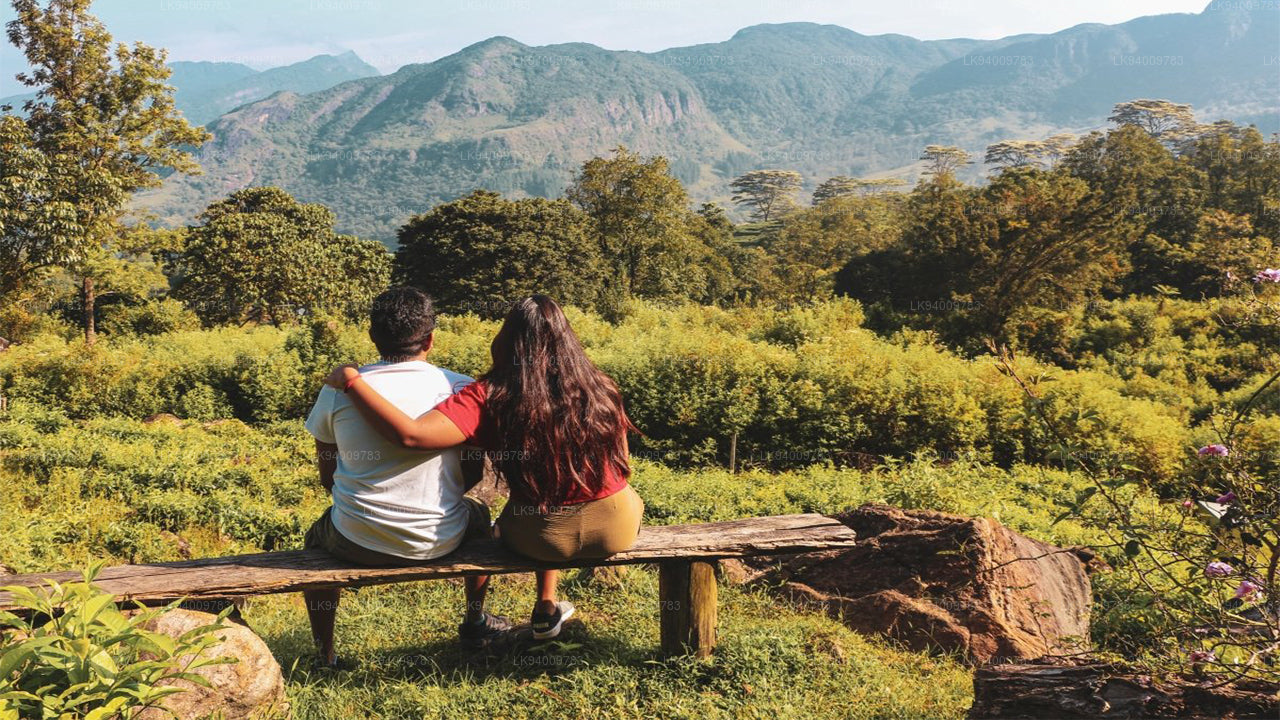 Knuckles Range
Knuckles range also called Dumbara mountain range is located off Kandy, in the northern end of Central Highlands of Sri Lanka. To the south and east of the mountain range is Mahaweli river basin while to the west are Matale plains.
-
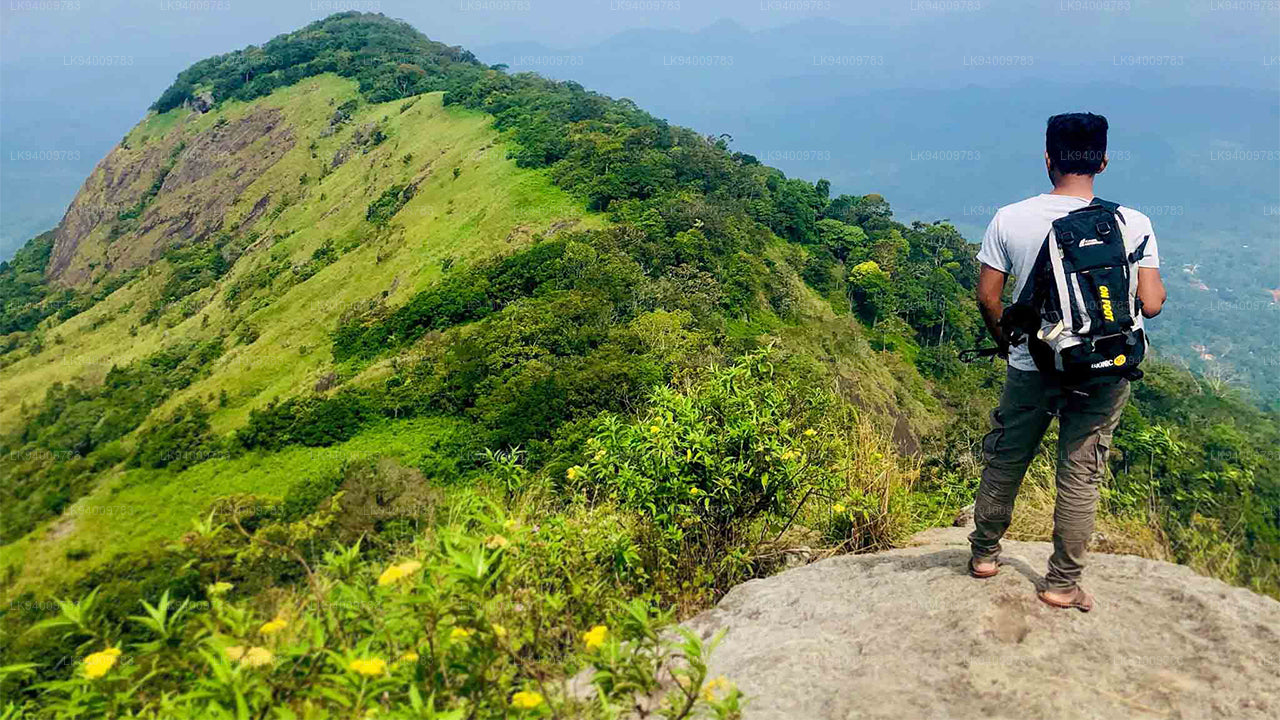 Alagalla Mountain Range
Alagalla Mountain Range. Alagalla Mountain Range or “Potato Range” is situated at the boundaries of the Central and Sabaragamuwa Provinces in Sri Lanka.
-
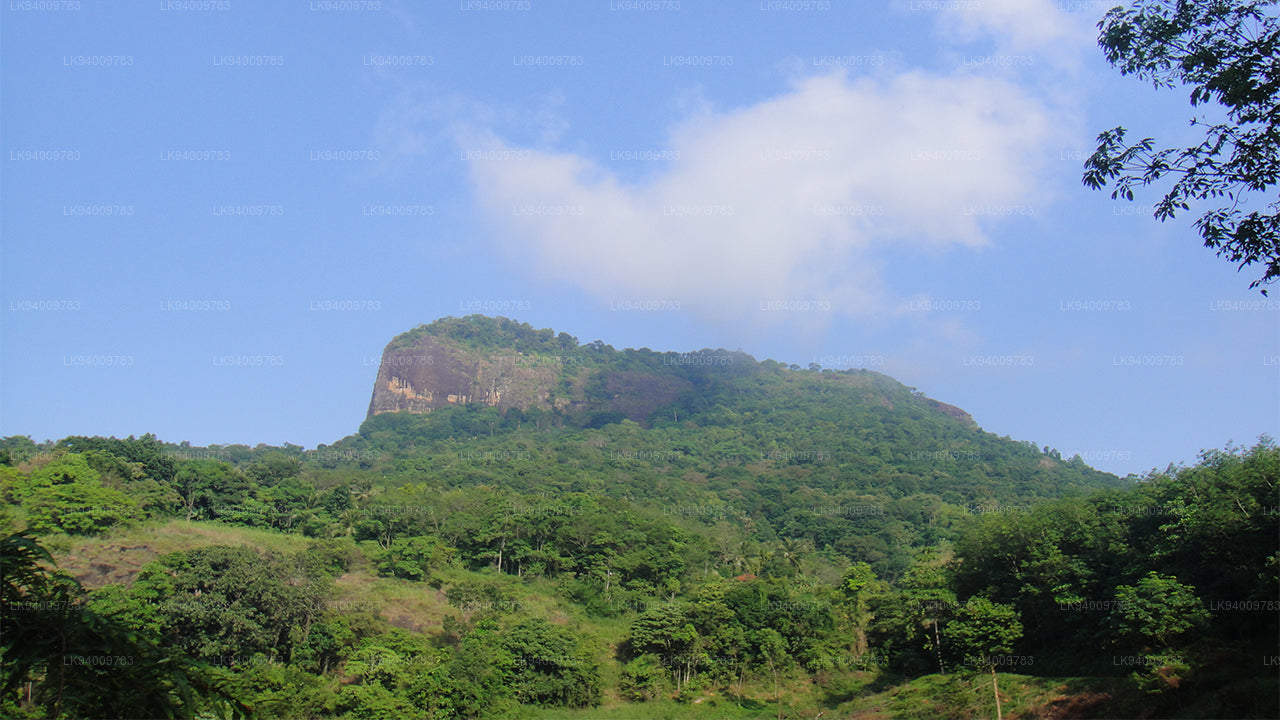 Bible Rock
Bible Rock is a mountain near Aranayake in Kegalle District in central Sri Lanka. It is known as the “Bible Rock” as its surface resembles.
-
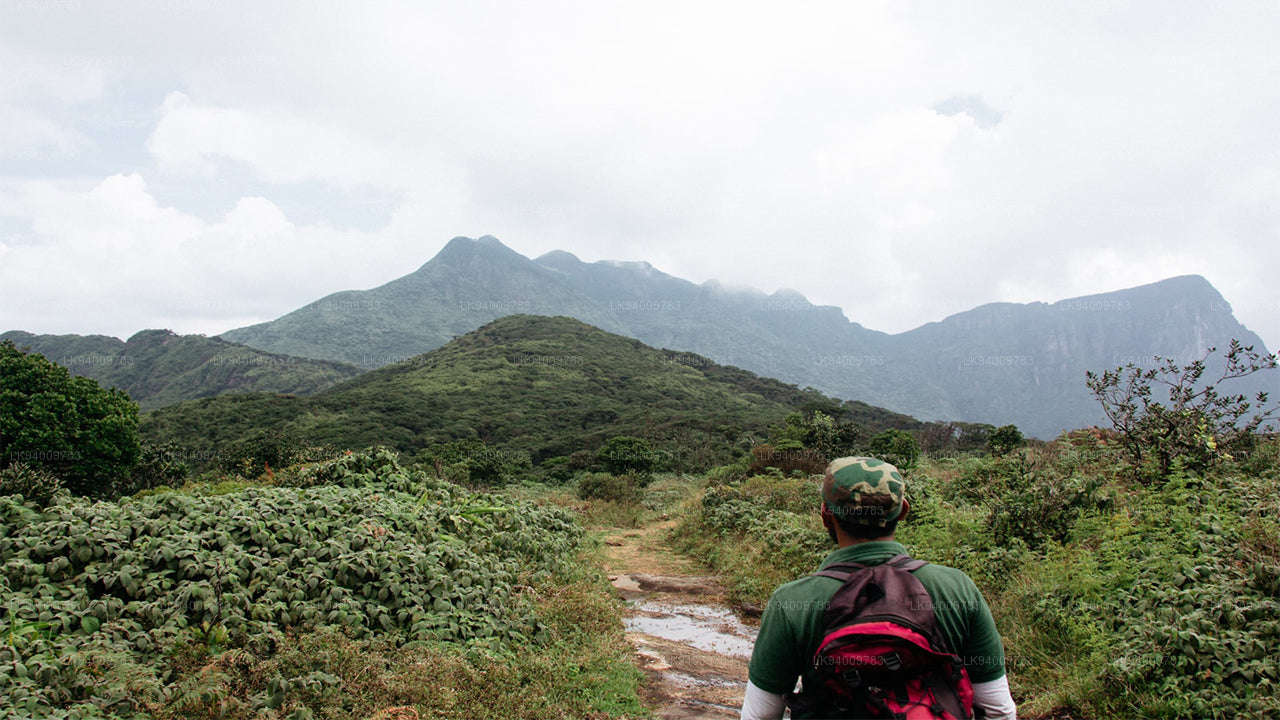 Monkey Mountain
Monkey Mountain. The Gal Oya area is resplendent with forest and lush with vegetation. Totally off-the-beaten-track and off-limits during the war, the area has avoided much development and the landscape is mostly unspoiled.
-
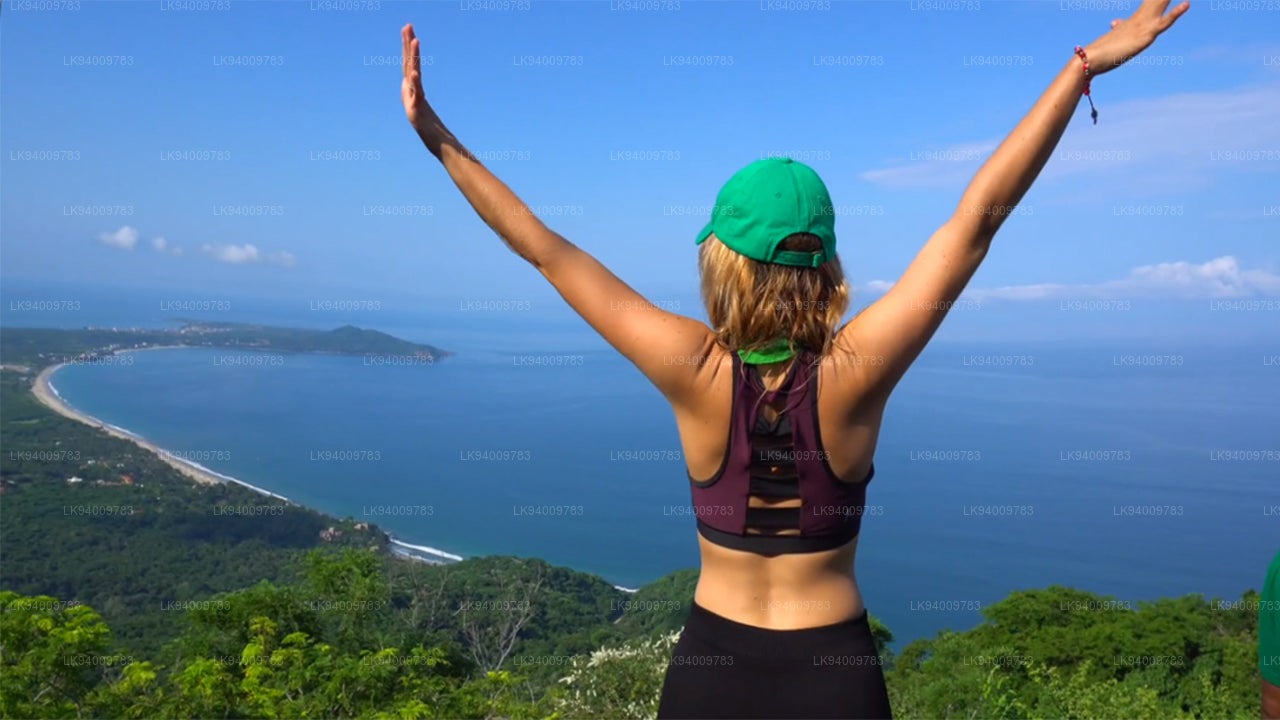 Yahangala
The great King Ravana’s body was kept after his death upon this rock called Yahangala( bedrock), for his countrymen to pay their last respects to their dear departed king.