Pidurutalagala

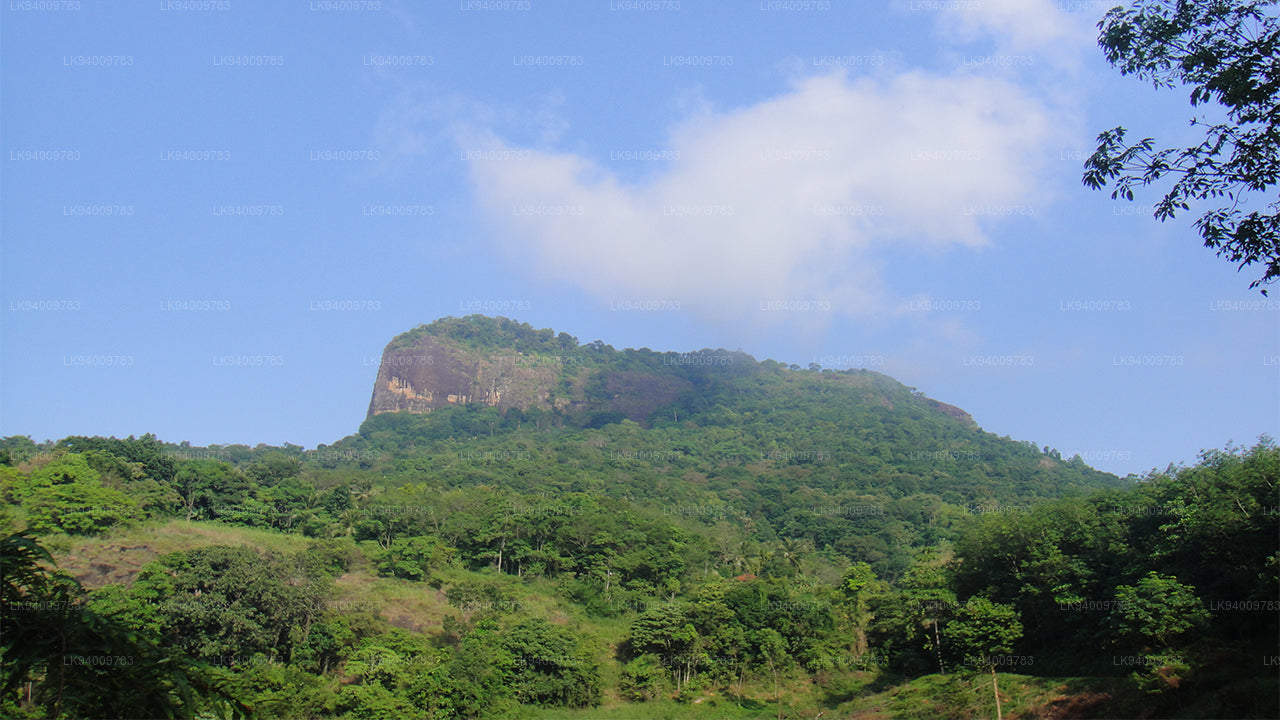
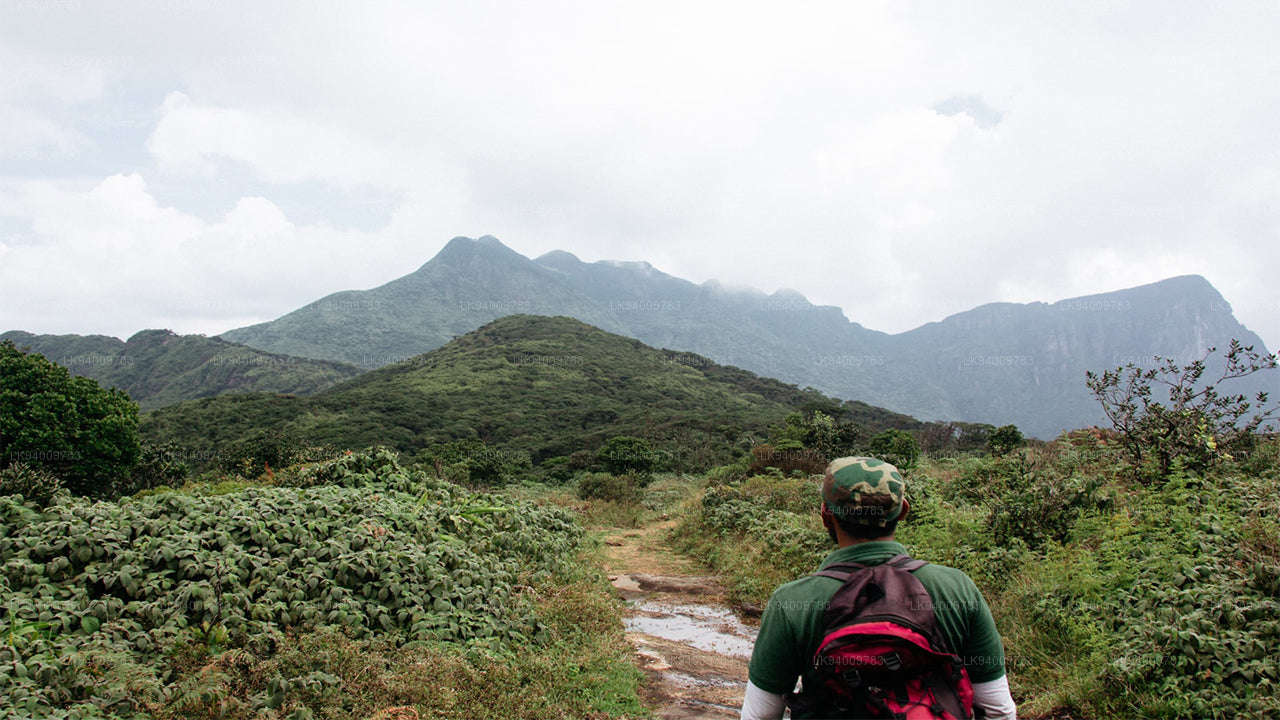
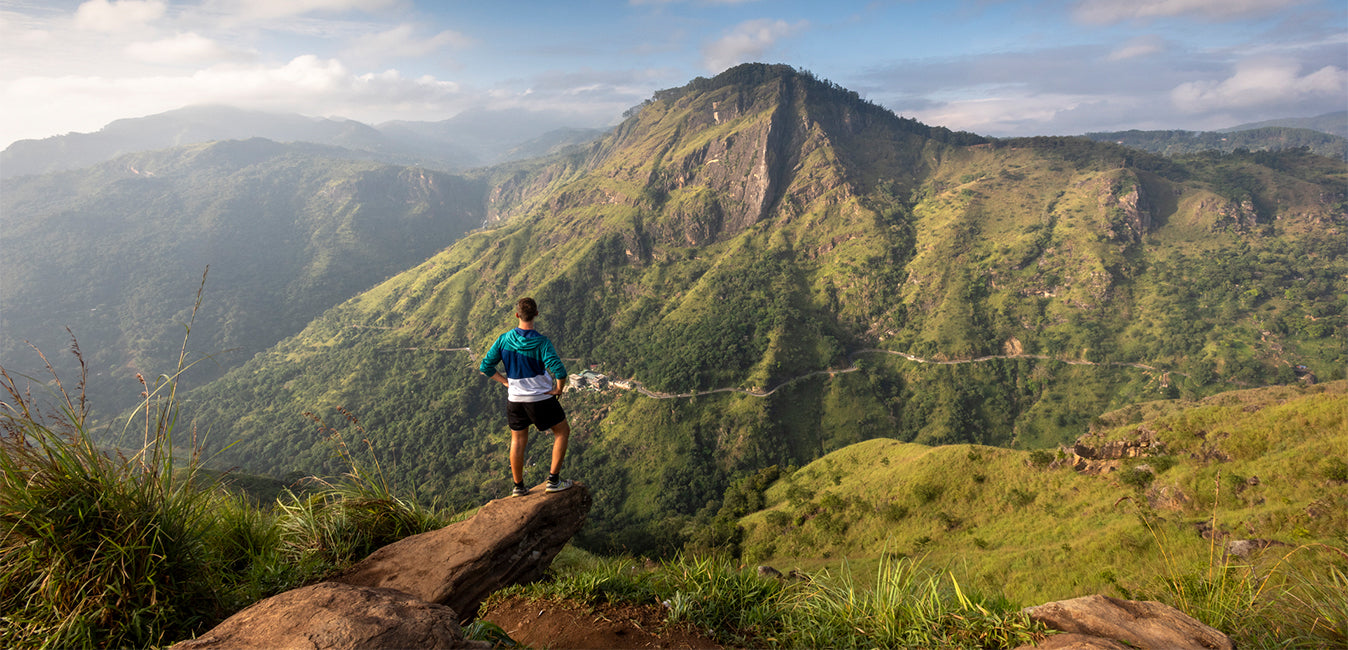
Pidurutalagala Mountain in Sri Lanka (literally translating to Straw Plateau Rock), which is also called Mount Pedro in English is the tallest mountain on the island and situated in the Central Province, north – northeast to the town of Nuwara Eliya. It is also the only ultra prominent peak on the island, and one of only 1515 ultra prominent peaks around the world. An ultra prominent peak is a mountain that has topographic prominence (height of the peak’s summit above the lowest contour line encircling it up to the highest summit) above 1500 meters. Mount Pedro has prominence and elevation of 2524m (8281 feet) (8292 feet according to the Survey Department).

The mountain of Pidurutalagala has a forest reserve surrounding it. The forest underwent damage five years ago in a forest fire, causing the loss of some 3 acres of forest. However, the damage is being repaired now with the assistance of nature and human intervention. The area of the mountain and forest reserve has been designated an ultra-high security zone due to the summit being used to house the communications array of the Sri Lankan Government and the Armed Forces of the country.

Pidurutalagala Mountain in Sri Lanka: Historical Background

The mountain was famed as a place to visit during the British regimen; and records show that, during the year of 1897, there were paths to climb the mountain by foot using a two and half hour trek or in a shorter time by horseback.

It was so popular that there were sedan chairs available for the ladies who wished to visit the mountaintop. Sedans were a form of wooden litter which was used primarily in Britain and Europe at the time. It was a chair placed on top of two long wooden poles (in the case of the chairs used on Mount Pedro, they were bamboo) and the parallel poles were borne by strong men on their shoulders. Some chairs had additional décor such as carved seats, hoods to keep out the sun, curtains to protect from the draft and etc. They were usually used by highborn ladies of the West. Hence their presence in the rural Sri Lanka of those ages shows the presence and visits of many such ladies to the mountain. The mountain gained its nickname ‘Pedro’ from the British as pronouncing the word ‘Pidurutalagala’ was a difficult feat for them.

Unlike most mountain summits which are rocky, Pidurutalagala Mountain in Sri Lanka had a cap of pale green vegetation on its somewhat flat summit as per eyewitness accounts of the 1940s. During the summer months the vegetation had a tendency to dry to a pale yellow giving it a straw-like appearance, and hence the name ‘Straw Laden Rock’ or ‘Pidurutalagala’ in Sinhala. During the early 20th century the mountain still had only a single human-made path to the summit. The only other trails were from the elephants that frequented the mountain. The rest of the mountain was all untouched vegetation. The forest visibly changed drastically from the lowland forests as the height increased. Most notably, the trees were shorter and the tops flattened higher up on the mountain; primarily due to the strong winds. They were also more gnarled and branched out and had lichen and moss clinging to them, displaying characteristics of cloud forests. The single man-made path had way stones with the height from sea level marked on them in feet.

Pidurutalagala Mountain in Sri Lanka: The Geology

  • Pidurutalagala, ou Monte Pedro em português, é um pico extremamente proeminente e a montanha mais alta do Sri Lanka, com 2.524 metros (8.281 pés). O Monte Pedro está localizado próximo à cidade de Nuwara Eliya e é facilmente visível da maioria das áreas da Província Central. Ele está situado a nordeste da cidade de Nuwara Eliya.

    Pidurutalagala 
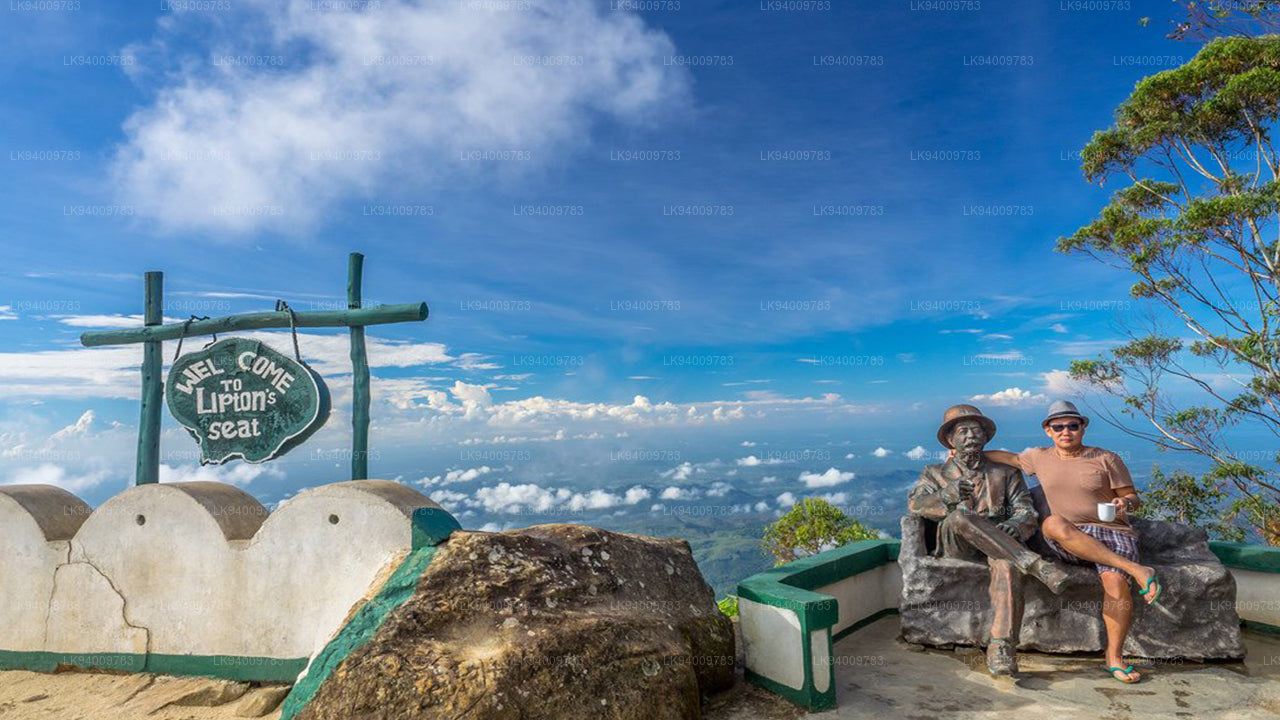
  • O Mirante de Lipton é um ponto de observação elevado nas colinas de Poonagala. Localizado no topo da colina que dá nome à cidade, Poonagala Hill, também fica próximo à Fábrica de Chá Dambatenne. O Mirante de Lipton recebeu esse nome porque o famoso barão escocês e plantador de chá Sir Thomas Lipton o utilizava como ponto de referência para observar seu império em uma época remota, mas não esquecida.

    Assento de Lipton 
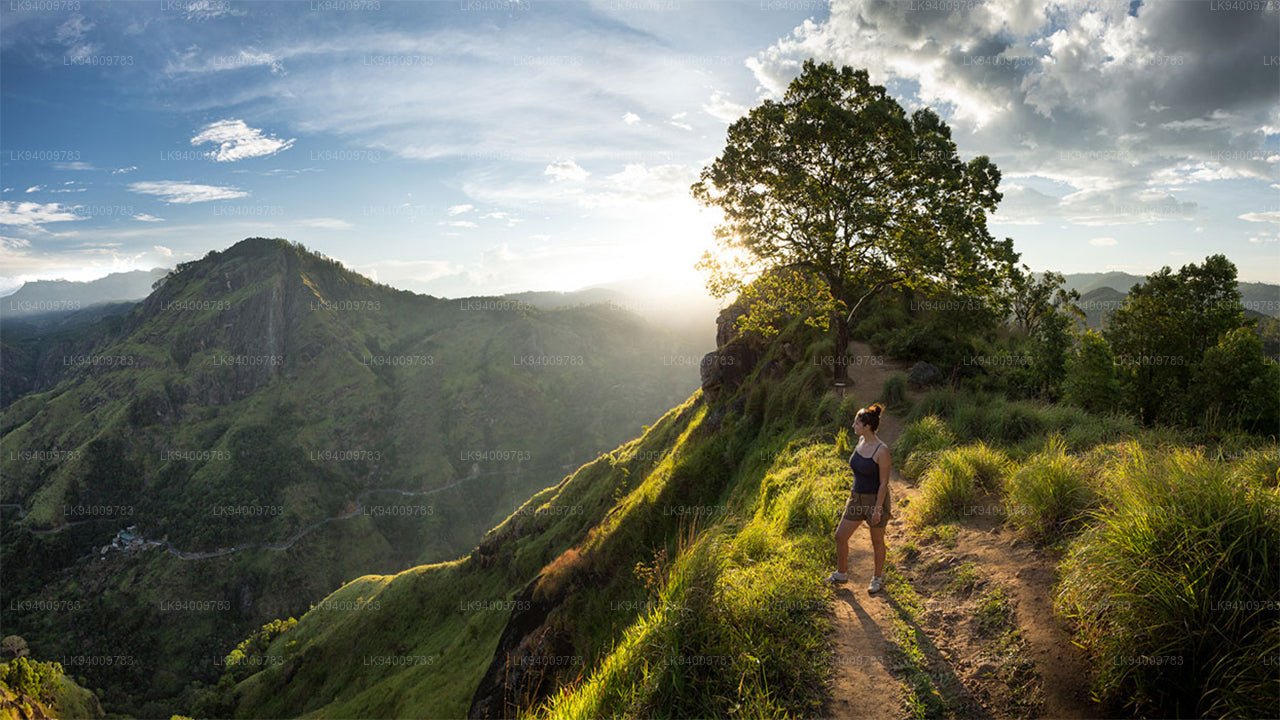
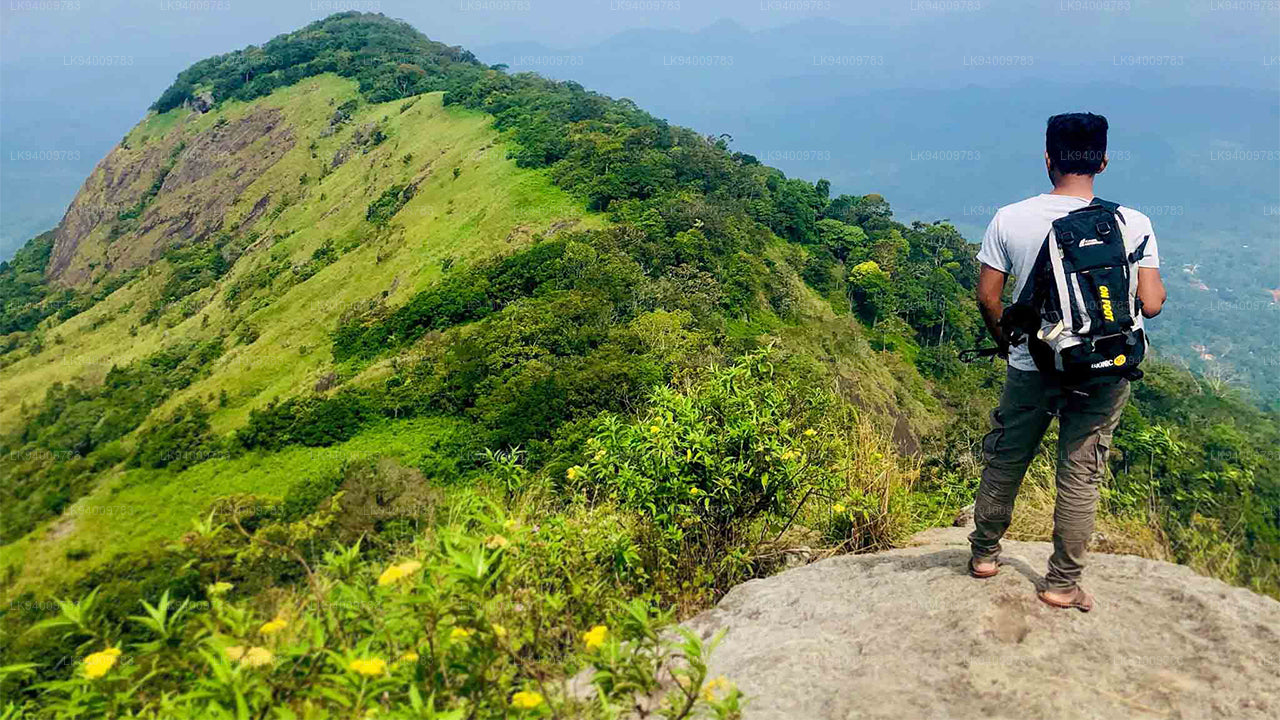
  • Não subestime a beleza do Pico do Pequeno Adão, um ponto turístico do Sri Lanka, mesmo considerando a palavra "Pequeno", já que o nome deriva do sagrado Pico de Adão (Sri Pada, onde se preserva a pegada de Buda), dada a semelhança entre as duas montanhas.

    Pico do Pequeno Adão 
  • Ritigala pode ser alcançada a partir do desvio na estrada Habarana-Anuradhapura, a 12 km de Habarana. Mais 5 km por uma estrada de terra batida, porém transitável, levam ao sopé da montanha.

    Ritigala 
  • Ethagala (a Rocha do Elefante) é uma das sete rochas que dominam a cidade de Kurunegala, no Sri Lanka. A face da rocha atinge 316 metros (1.037 pés) acima da cidade e, em sua forma, assemelha-se a um elefante agachado, o que explica o nome da rocha.

    Ethgala (Rocha do Elefante) 
  • Montanha Rumassala. No passado, Rumassala era conhecida como Buona Vista, um nome que remonta ao período colonial e que, muito provavelmente, é uma corruptela.

    Montanha Rumassala 
  • A cordilheira de Knuckles, também chamada de cordilheira de Dumbara, está localizada perto de Kandy, na extremidade norte das Terras Altas Centrais do Sri Lanka. Ao sul e leste da cordilheira fica a bacia do rio Mahaweli, enquanto a oeste estão as planícies de Matale.

    Linha Knuckles 
  • Cordilheira de Alagalla. A Cordilheira de Alagalla, também conhecida como "Cordilheira da Batata", está situada na divisa entre as províncias Central e Sabaragamuwa, no Sri Lanka.

    Serra de Alagalla 
  • A Rocha da Bíblia é uma montanha perto de Aranayake, no distrito de Kegalle, na região central do Sri Lanka. É conhecida como "Rocha da Bíblia" devido à semelhança de sua superfície com uma rocha.

    Rocha Bíblica 
  • Ura Kanda. A cordilheira de Ura Kanda está situada no distrito de Kegalle. Uma montanha belíssima com paisagens de tirar o fôlego.

    Ura Kanda 
  • Monkey Mountain. The Gal Oya area is resplendent with forest and lush with vegetation. Totally off-the-beaten-track and off-limits during the war, the area has avoided much development and the landscape is mostly unspoiled.

    Montanha dos Macacos 
  • O corpo do grande Rei Ravana foi mantido após sua morte sobre esta rocha chamada Yahangala (rocha matriz), para que seus compatriotas pudessem prestar suas últimas homenagens ao seu querido rei falecido.

    Yahangala