Districts
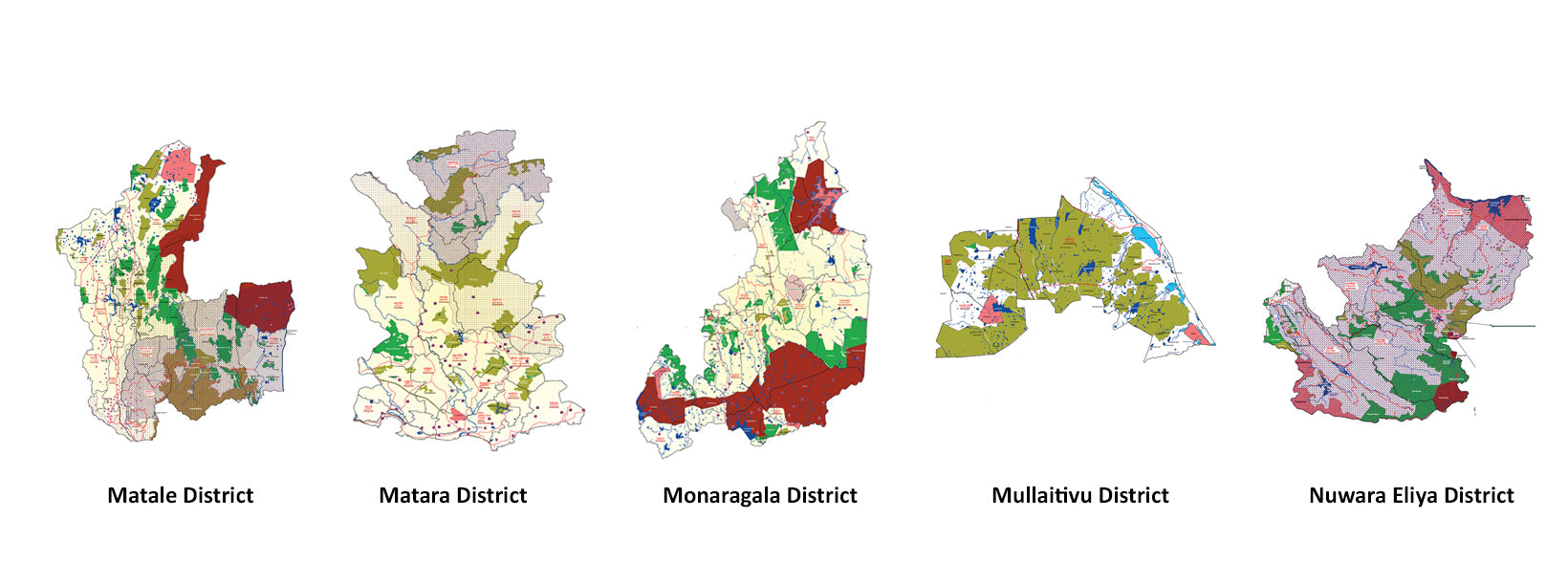
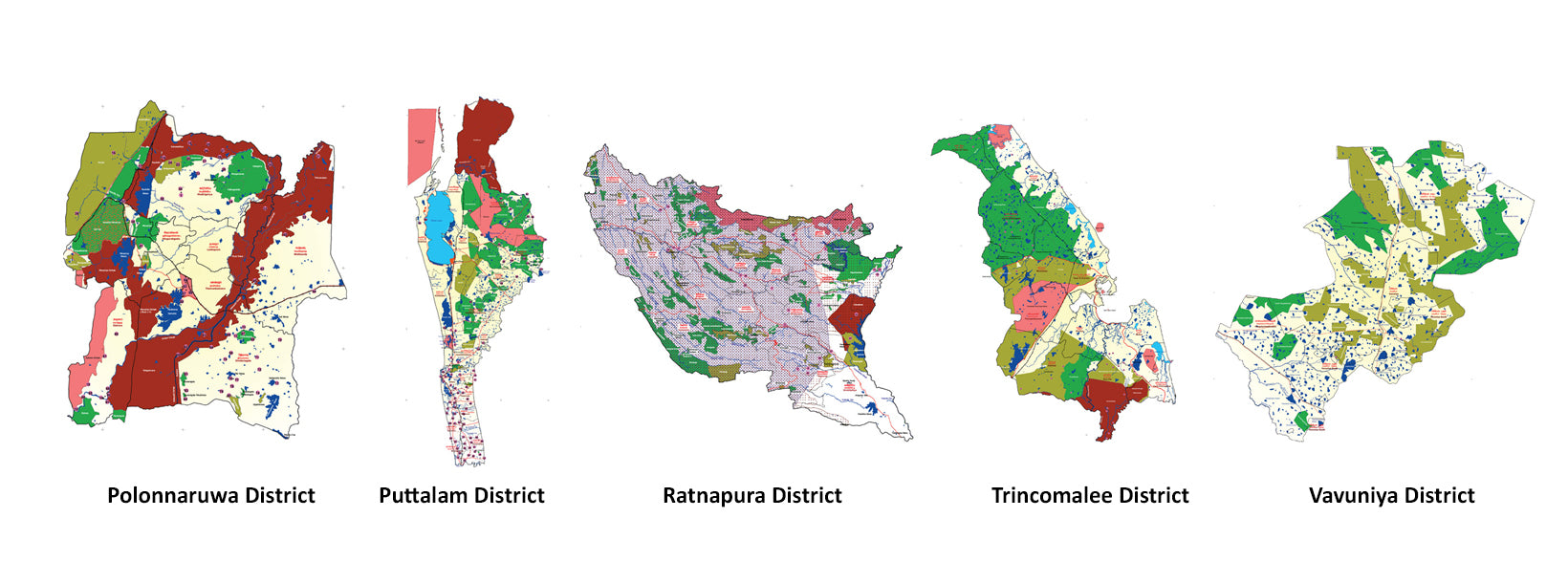
Sri Lanka is divided into 25 districts, each governed by a District Secretary and further subdivided into Divisional Secretariats and Grama Niladhari Divisions. These districts are organized into nine provinces, reflecting the island’s rich cultural and geographical diversity.
Districts
Sri Lanka is divided into 25 districts, each governed by a District Secretary and further subdivided into Divisional Secretariats and Grama Niladhari Divisions. These districts are organized into nine provinces, reflecting the island’s rich cultural and geographical diversity.
Districts
Sri Lanka is divided into 25 districts, each governed by a District Secretary and further subdivided into Divisional Secretariats and Grama Niladhari Divisions. These districts are organized into nine provinces, reflecting the island’s rich cultural and geographical diversity.
Districts
Sri Lanka is divided into 25 districts, each governed by a District Secretary and further subdivided into Divisional Secretariats and Grama Niladhari Divisions. These districts are organized into nine provinces, reflecting the island’s rich cultural and geographical diversity.
Districts
Sri Lanka is divided into 25 districts, each governed by a District Secretary and further subdivided into Divisional Secretariats and Grama Niladhari Divisions. These districts are organized into nine provinces, reflecting the island’s rich cultural and geographical diversity.
distretto di Galle
Galle è un distretto della Provincia del Sud dello Sri Lanka. È uno dei 25 distretti dello Sri Lanka, una divisione amministrativa di secondo livello del paese. Il distretto è amministrato da un Segretariato di Distretto guidato da un Segretario di Distretto (precedentemente noto come Agente del Governo), nominato dal governo centrale dello Sri Lanka.
La sua superficie è di 1.652 km² (638 miglia quadrate): 35 km² (14 miglia quadrate) sono acqua e 1.617 km² (624 miglia quadrate) sono terra. Il distretto di Galle è delimitato a nord dal fiume Benthara, a sud e a ovest dall'Oceano Indiano e a est dai distretti di Matara e Ratnapura. La topografia del distretto di Galle è molto varia. Il clima di Hiniduma Patthuwa è molto simile a quello delle colline centrali dello Sri Lanka. Questa zona è costituita da foreste pluviali, che sono la zona di captazione delle acque per la maggior parte dei fiumi e dei laghi che attraversano il distretto di Galle. La Riserva Forestale di Sinharaja è una di queste. Il distretto di Galle si trova in una zona climatica temperata.
Le precipitazioni annuali sono tra 2000 e 2500 mm. Il fiume Gin ("Gin Ganga") nasce dalla collina Gongala di Hiniduma Patthuwa e, nel suo lungo percorso di 113 km (70 mi), attraversa le aree di Neluwa, Thawalama, Nagoda Baddegama e Thelikada. Il fiume nutre la terra su una superficie di 922 km² (356 miglia quadrate). Si getta nell'Oceano Indiano nell'area di Ginthota, nel distretto di Galle. Il fiume Madu Ganga nasce da Polathu Kanda e scorre verso il mare da Balapitiya, contribuendo a mantenere l'equilibrio ecologico nel distretto di Galle.
Nel Sri Lanka antico, il distretto di Galle aveva un posto importante nelle battaglie contro i nemici come capitale della Provincia del Sud. Le leggende antiche rivelano che nel 1072 d.C. il re Vijayabahu I iniziò la sua battaglia contro i "Soli" a Thambalagamuwa, nel distretto di Hiniduma Patthuwa. Secondo le leggende, durante il regno del re Dambhadeniya Parakramabahu, combatté la sua battaglia contro la regina Sugala nel distretto di Galle. Galle è stata una zona molto importante durante il regno del re Maha Parakramabahu e ha contribuito molto nell'aiutare i portoghesi, gli olandesi e gli inglesi a stabilire i loro regni.
Galle veniva chiamata "Gimhathitha". La pronuncia singalese "Gaala" deriva dalla parola "gala" (pietra). Gala implica il luogo di incontro dei carri trainati da buoi. Successivamente, è stata pronunciata come "Gaala" a causa delle grandi rocce e delle colline presenti nel distretto.
Molti individui del distretto di Galle hanno dato contributi significativi alla letteratura singalese. Thotagamuwa Vijayaba pirivena, che era una famosa istituzione educativa nell'epoca di Kotte, ha prodotto molti studiosi di rilievo. Hikkaduwe Sri Sumangala Thera, Migettuwatte Gunananda Thera, Martin Wickramasinghe, Nandadasa Kodagoda, Edwin Ariyadasa, M. B. Ariyapala, Gunadasa Amarasekera, D. J. Wimalasurendra, Senarath Paranavithana, A. T. Ariyaratne e Ariyapala Gurunnanse sono alcuni dei residenti più noti di Galle.
Il Galle Literary Festival porta 3.000 persone a Galle ogni gennaio, attirando scrittori da tutta l'Asia meridionale.
Districts of Sri Lanka
-
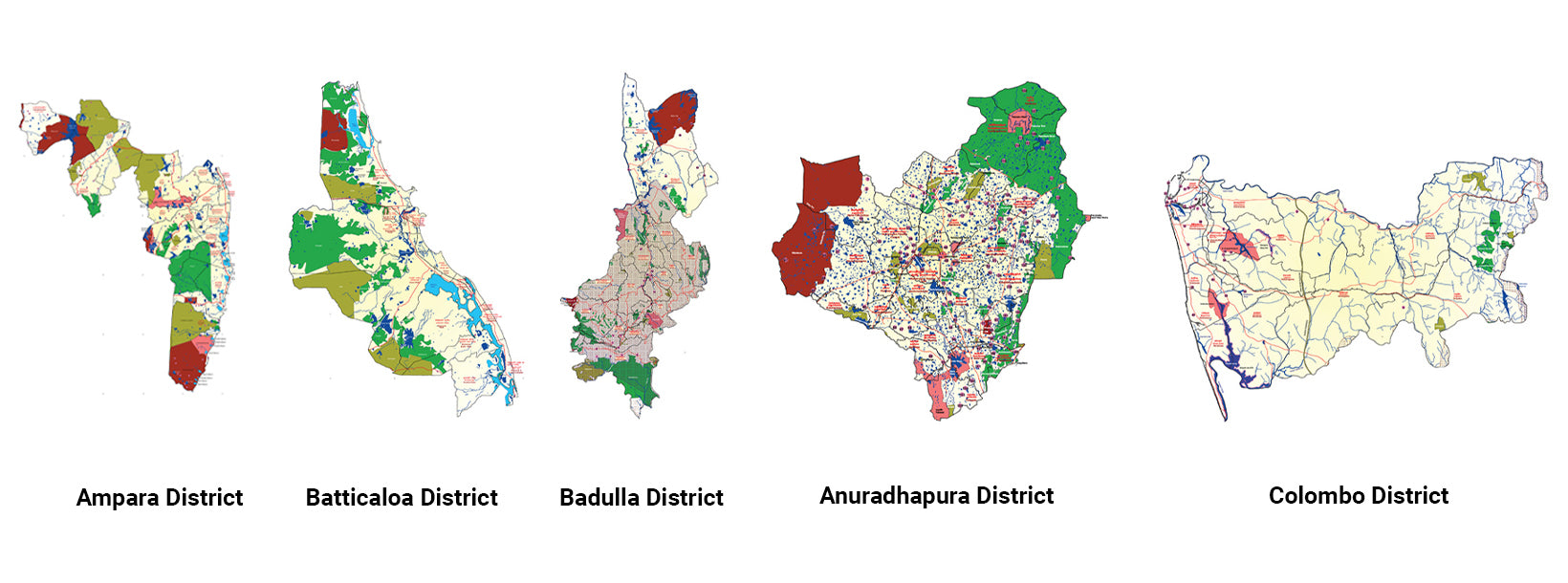
Ampara DistrictA district rich in agriculture, Ampara offers pristine beaches, historical Buddhist sites, and a diverse cultural landscape.
-
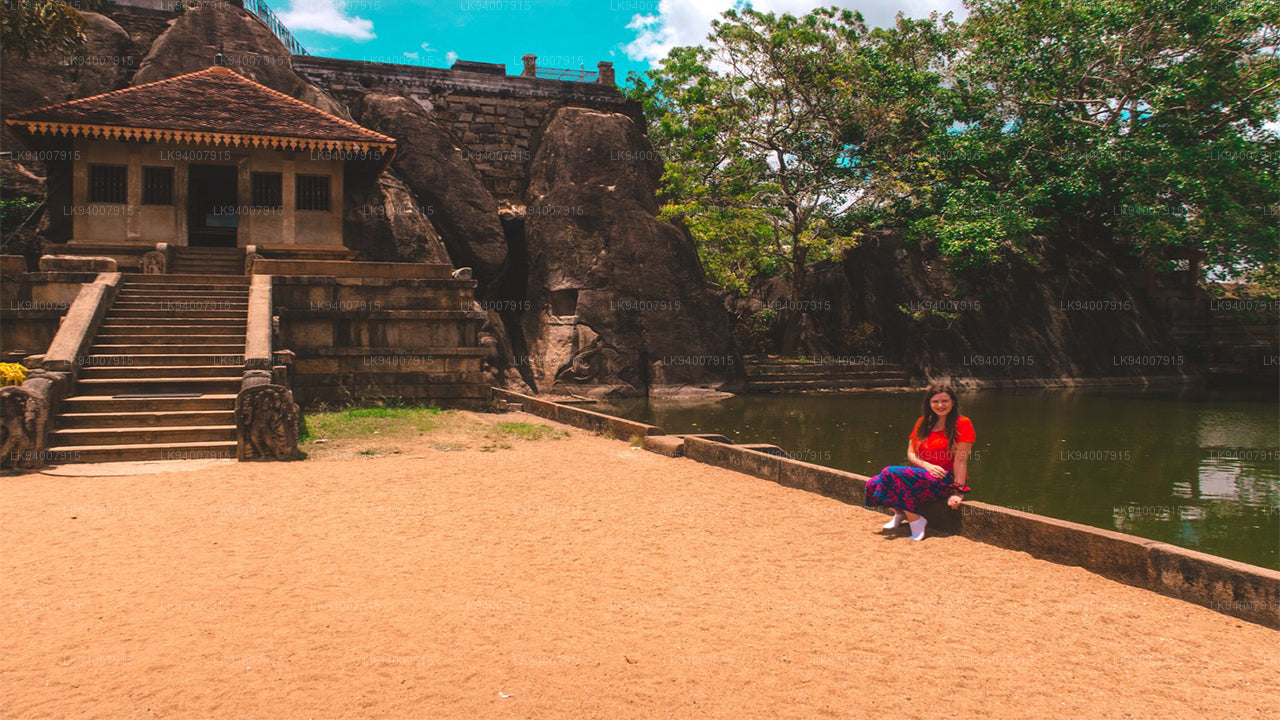
Anuradhapura DistrictOne of the ancient capitals, Anuradhapura is a UNESCO World Heritage Site, rich with historic Buddhist monuments and temples.
-
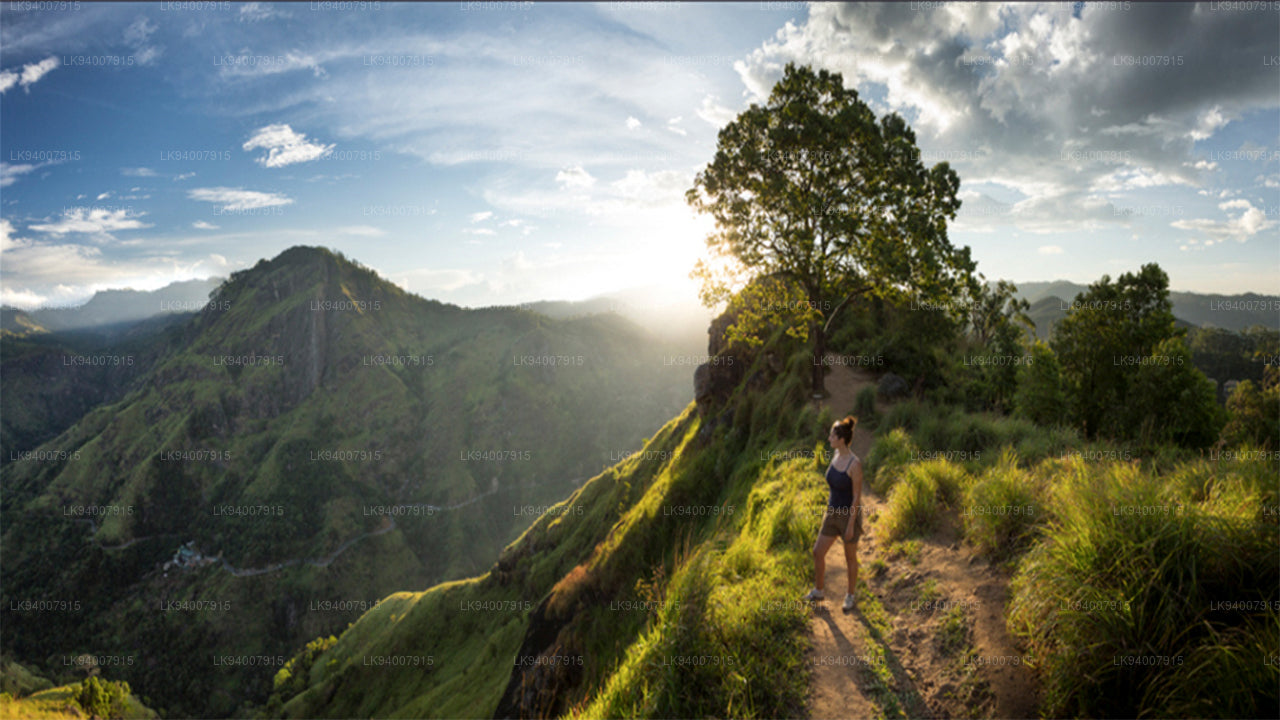
Badulla DistrictBadulla is a scenic district surrounded by mountains, tea plantations, and stunning waterfalls, offering a peaceful retreat.
-
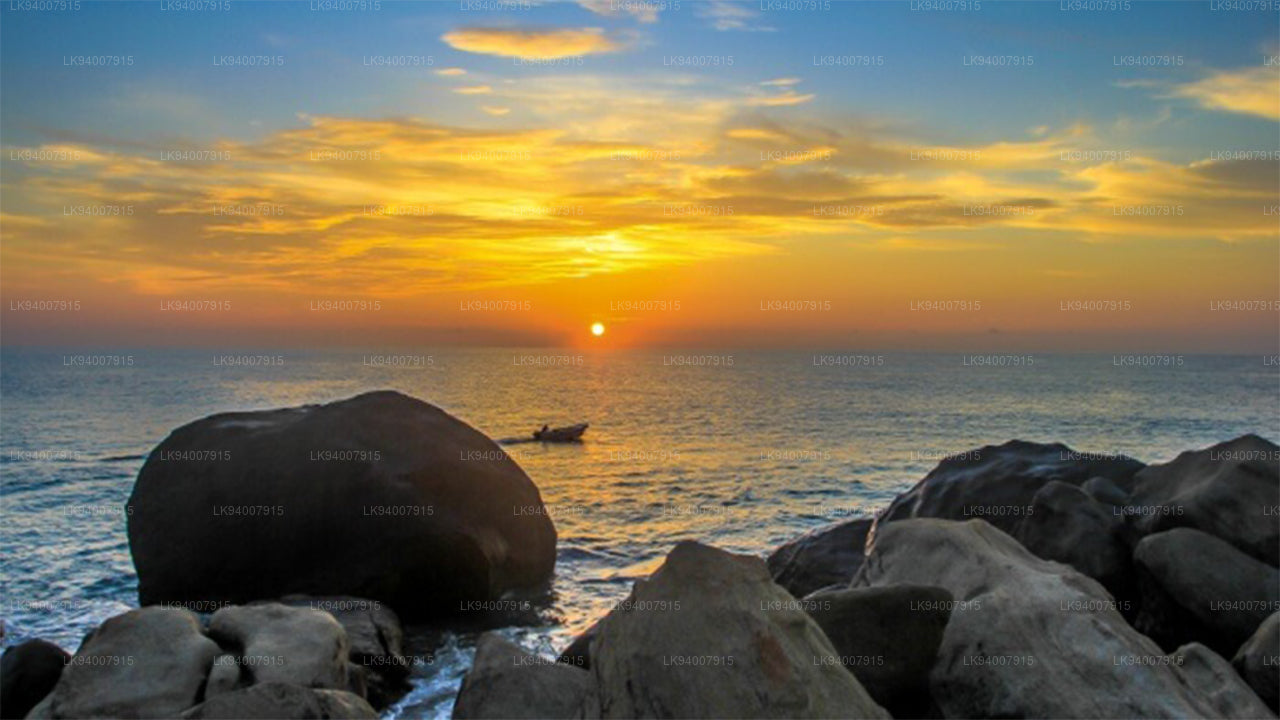
Batticaloa DistrictKnown for its lagoons and beaches, Batticaloa is a serene district with a rich blend of Tamil and Muslim culture.
-
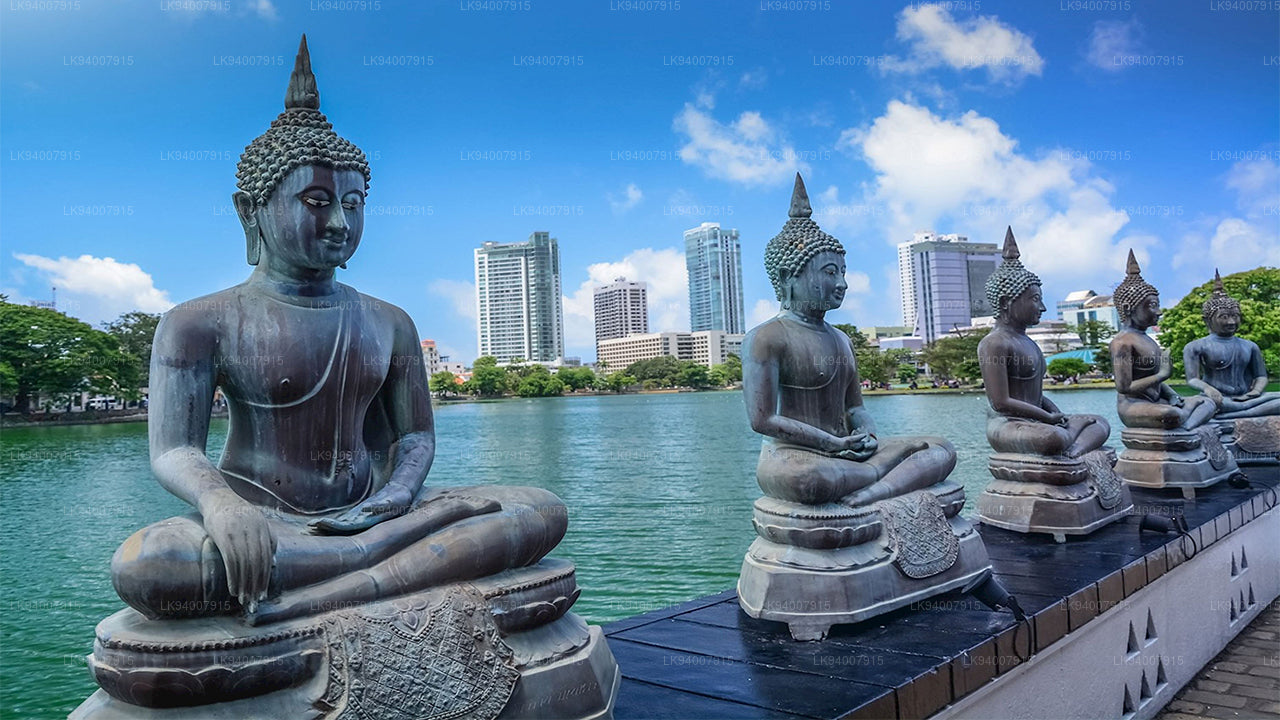
Colombo DistrictSri Lanka’s bustling commercial capital, Colombo is a vibrant metropolis known for its urban landscape, colonial architecture, and coastal beauty.
-
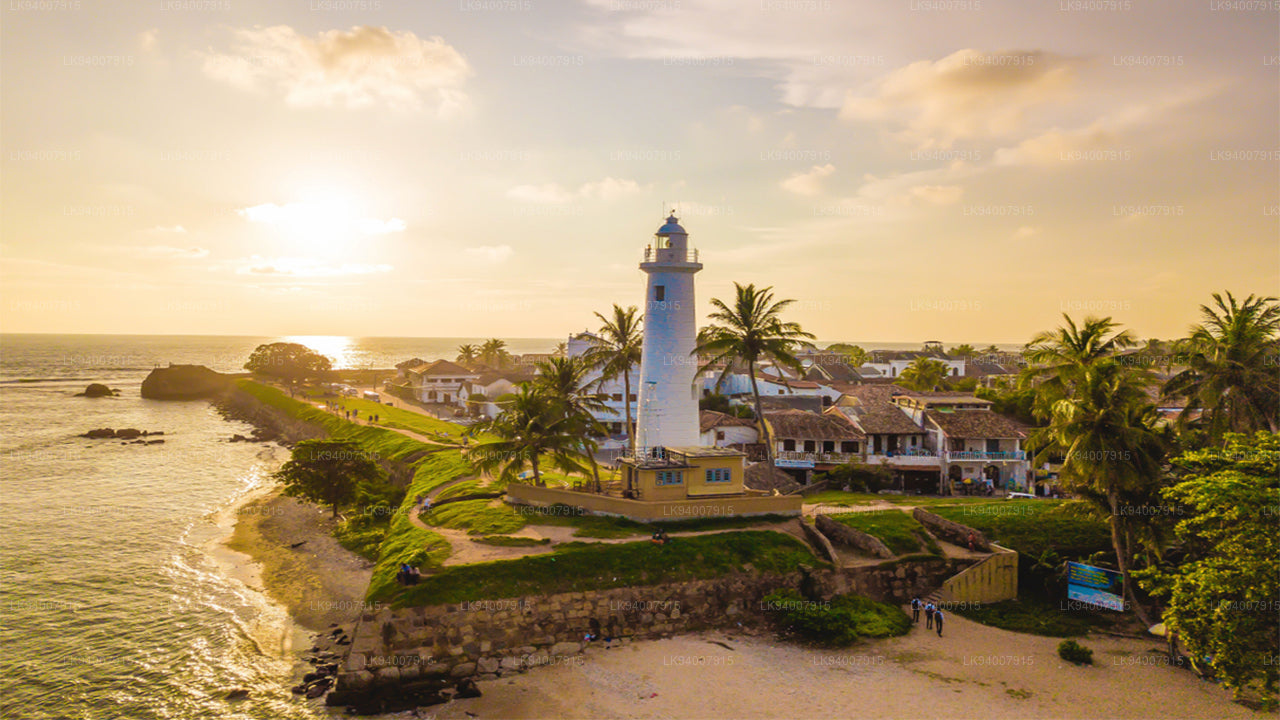
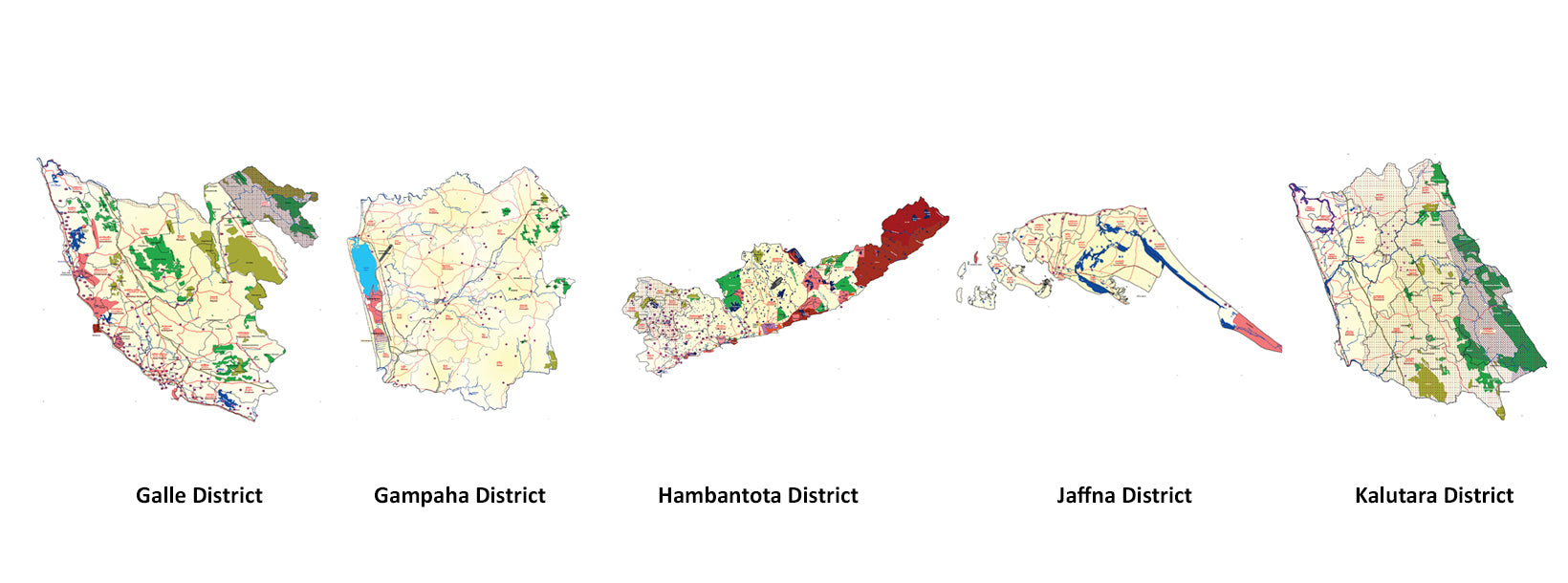
Galle DistrictA historic coastal district, Galle is famous for its UNESCO-listed Dutch Fort, pristine beaches, and rich colonial history.
-
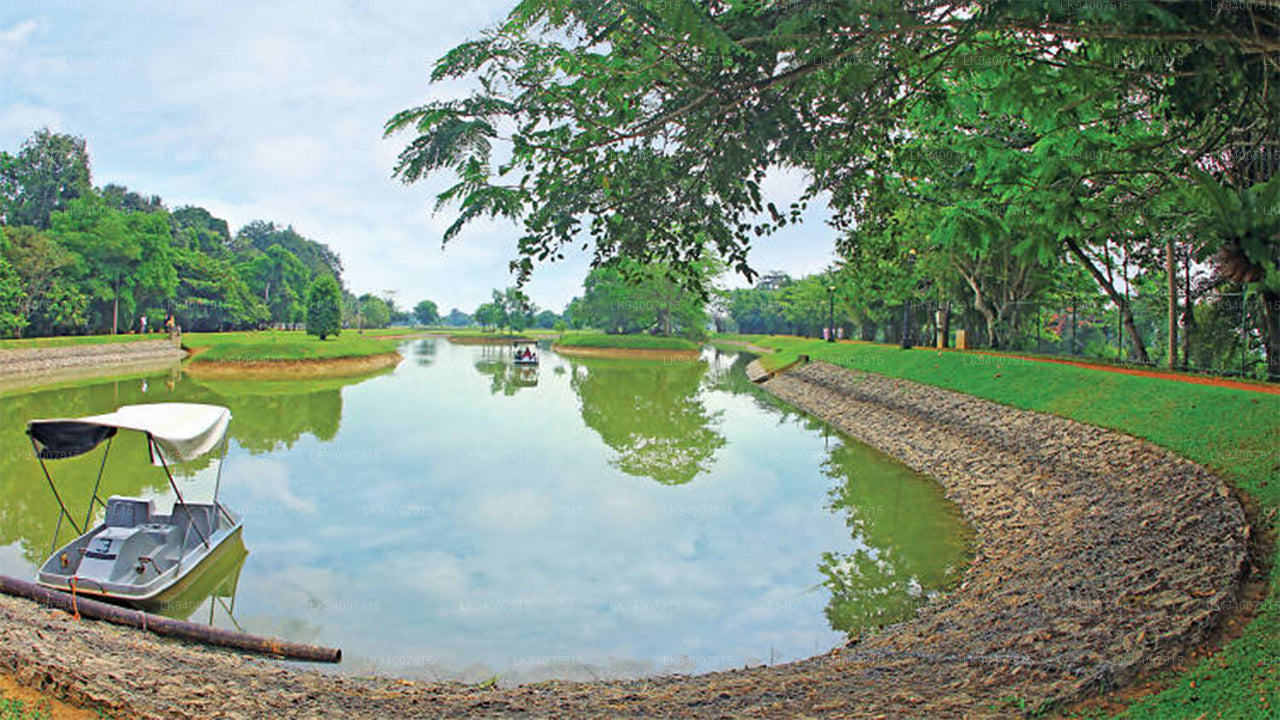
Gampaha DistrictA district blending urban and rural life, Gampaha is home to the Katunayake Airport and scenic beaches.
-
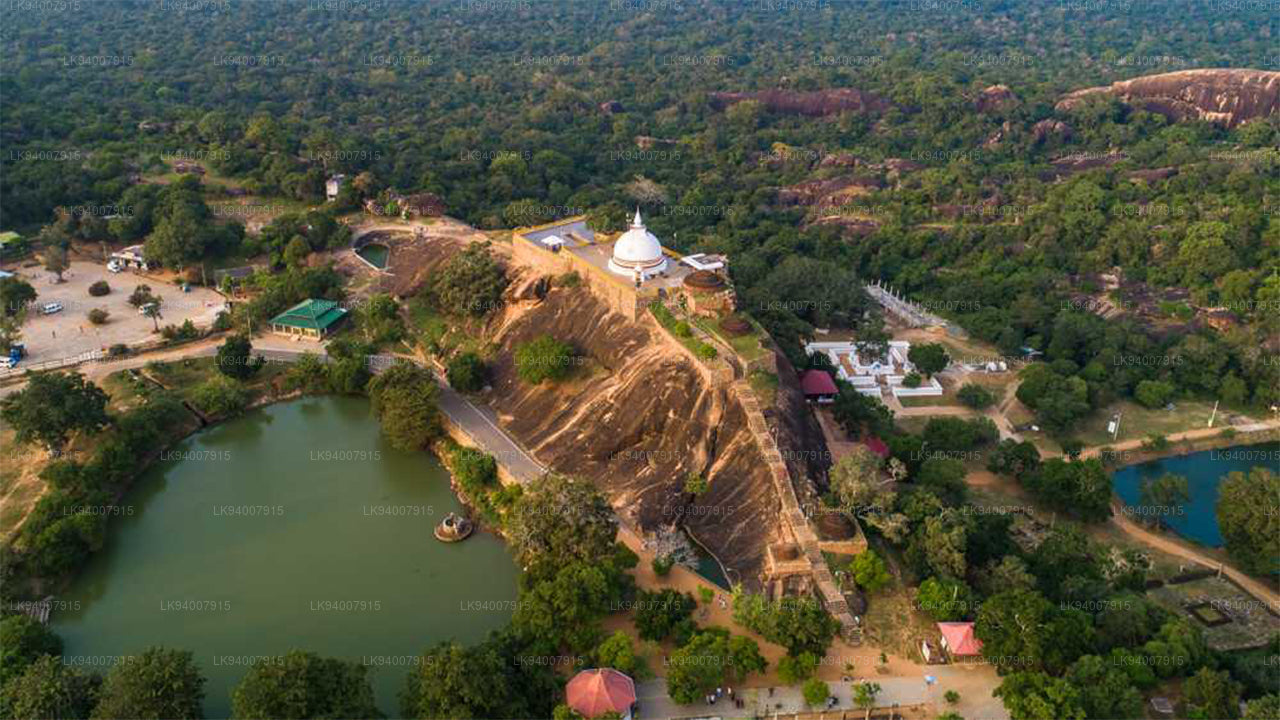
Hambantota DistrictKnown for its wildlife parks, including Yala and Bundala, Hambantota is a growing hub of development and eco-tourism.
-
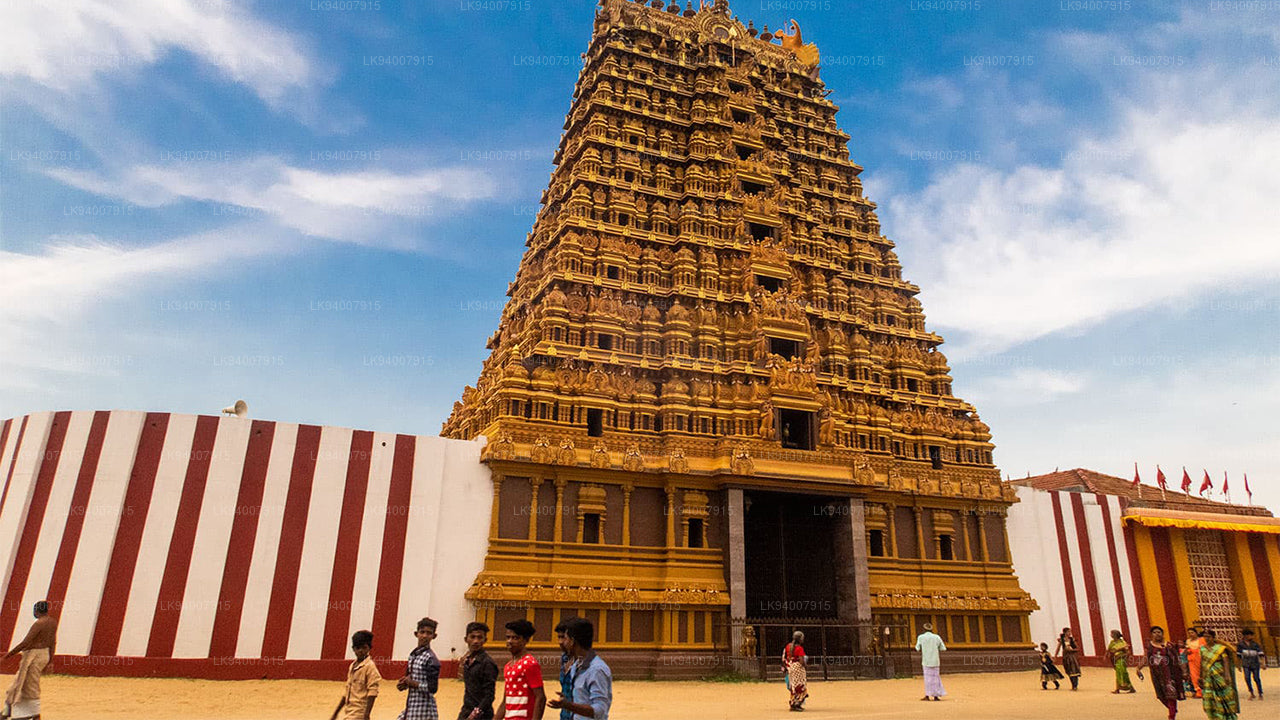
Jaffna DistrictThe cultural center of Tamil heritage, Jaffna is known for its historic temples, vibrant culture, and rich history.
-
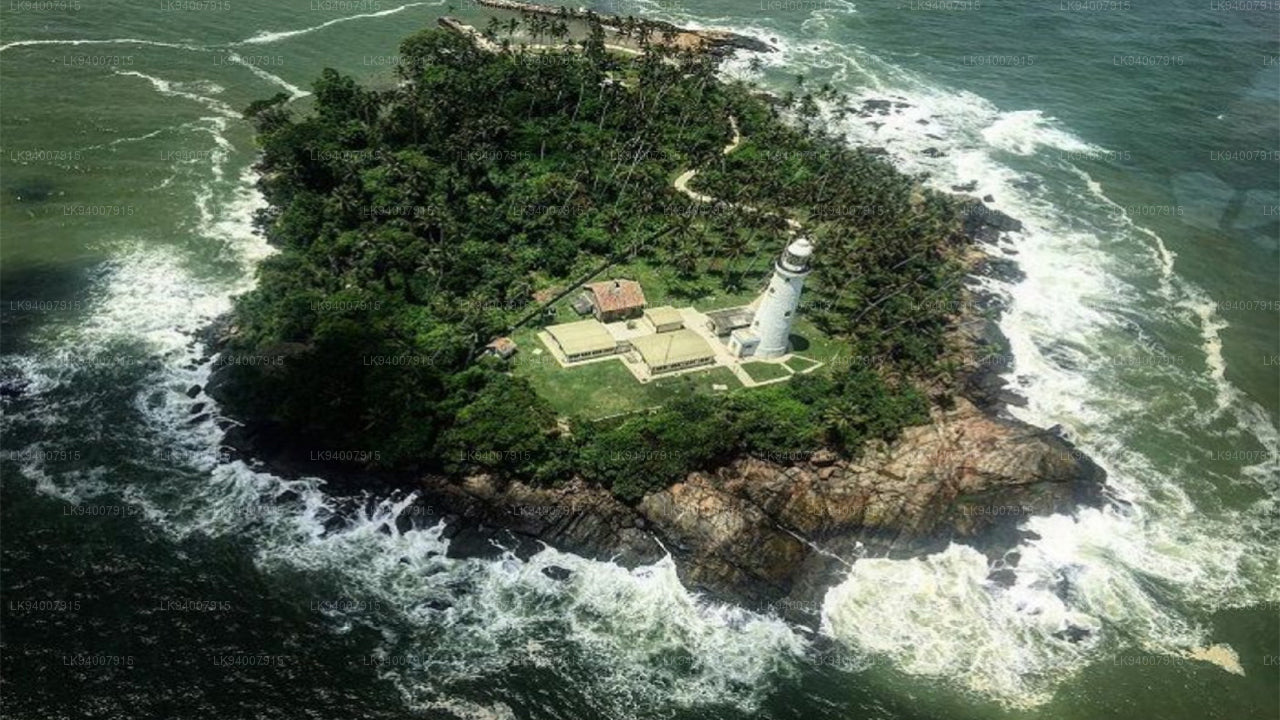
Kalutara DistrictKnown for its historic Kalutara Bodhiya and beautiful beaches, Kalutara offers coastal charm and religious significance.
-
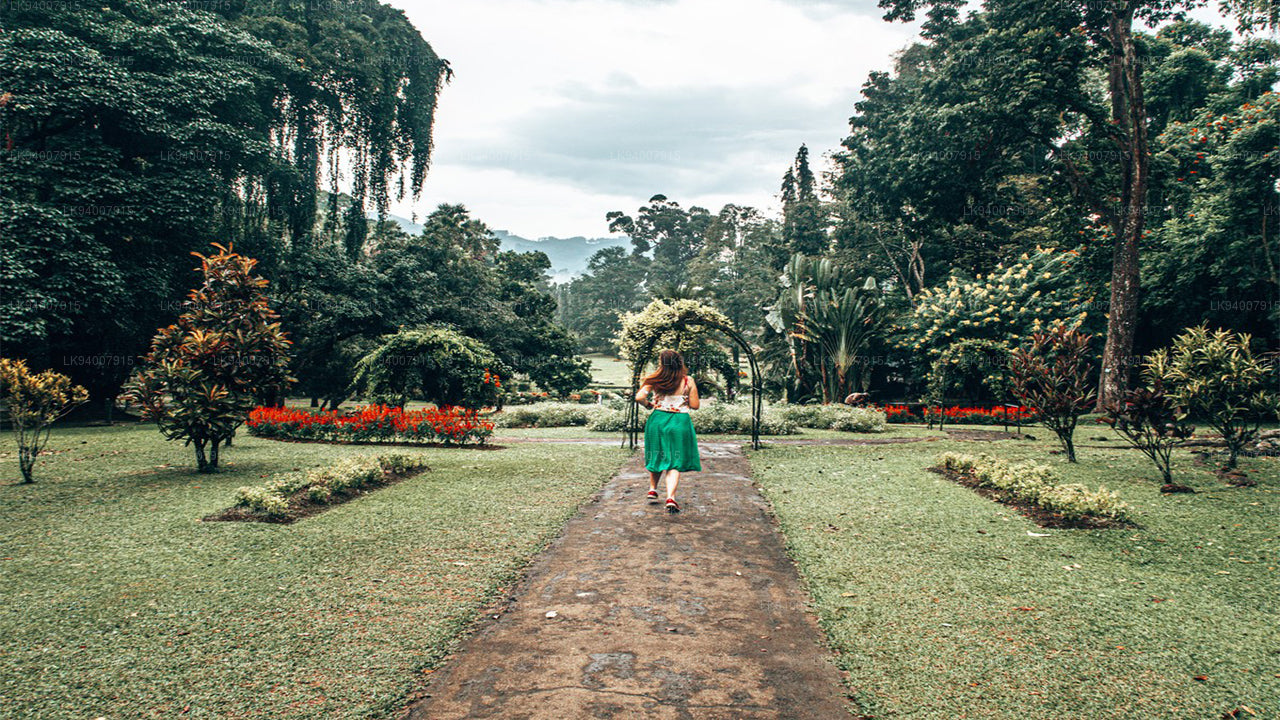
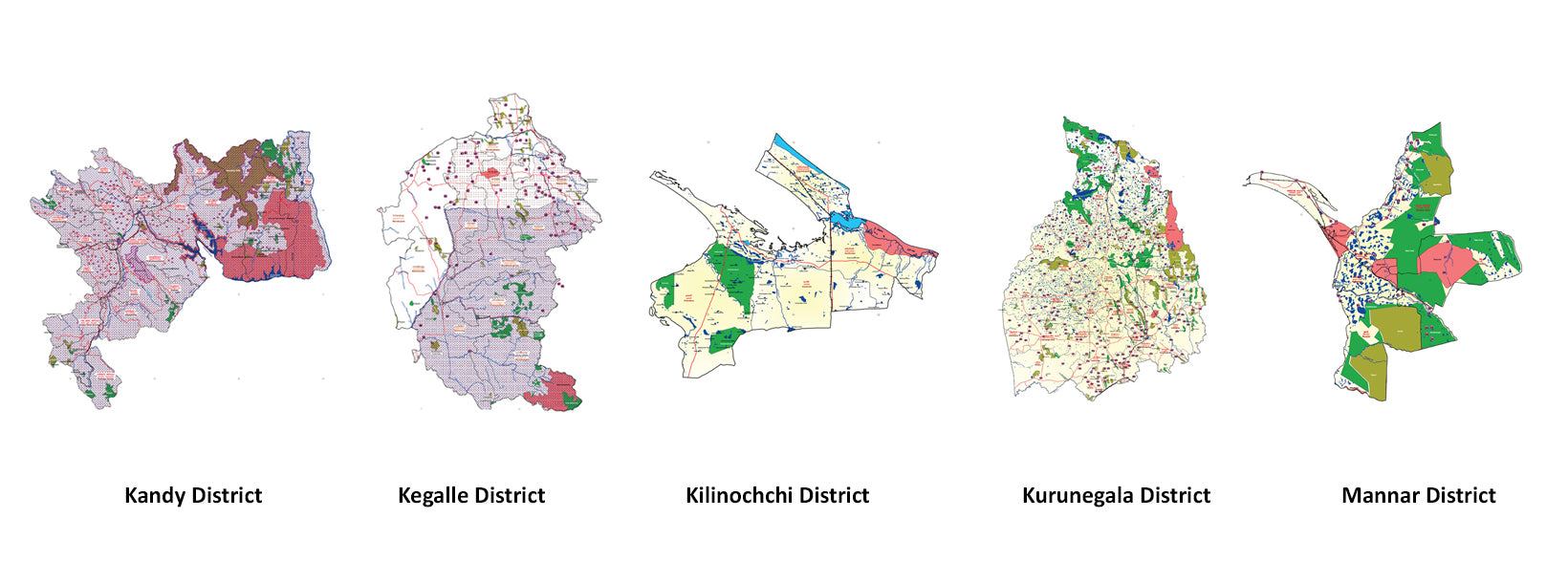
Kandy DistrictFamous for the Temple of the Tooth and its stunning lake, Kandy is the cultural heart of Sri Lanka and a UNESCO World Heritage Site.
-
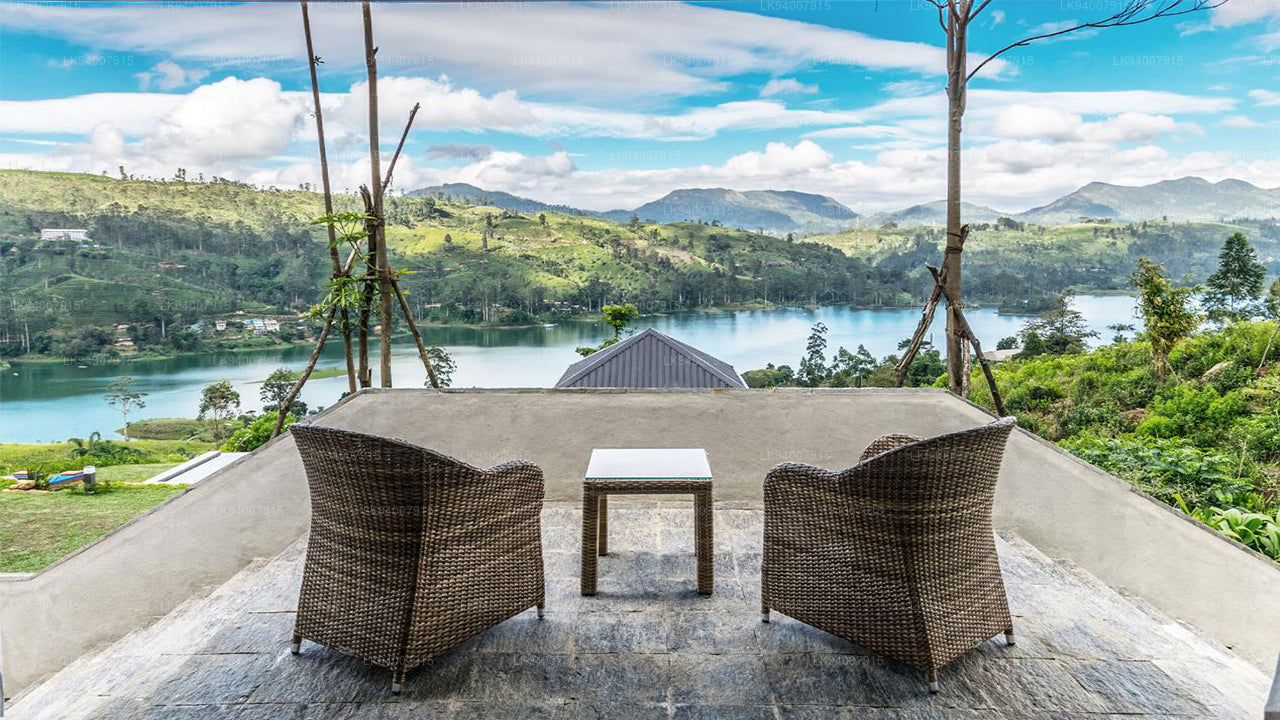
Kegalle DistrictKegalle is known for its rubber plantations and the Pinnawala Elephant Orphanage, a popular tourist attraction.
-
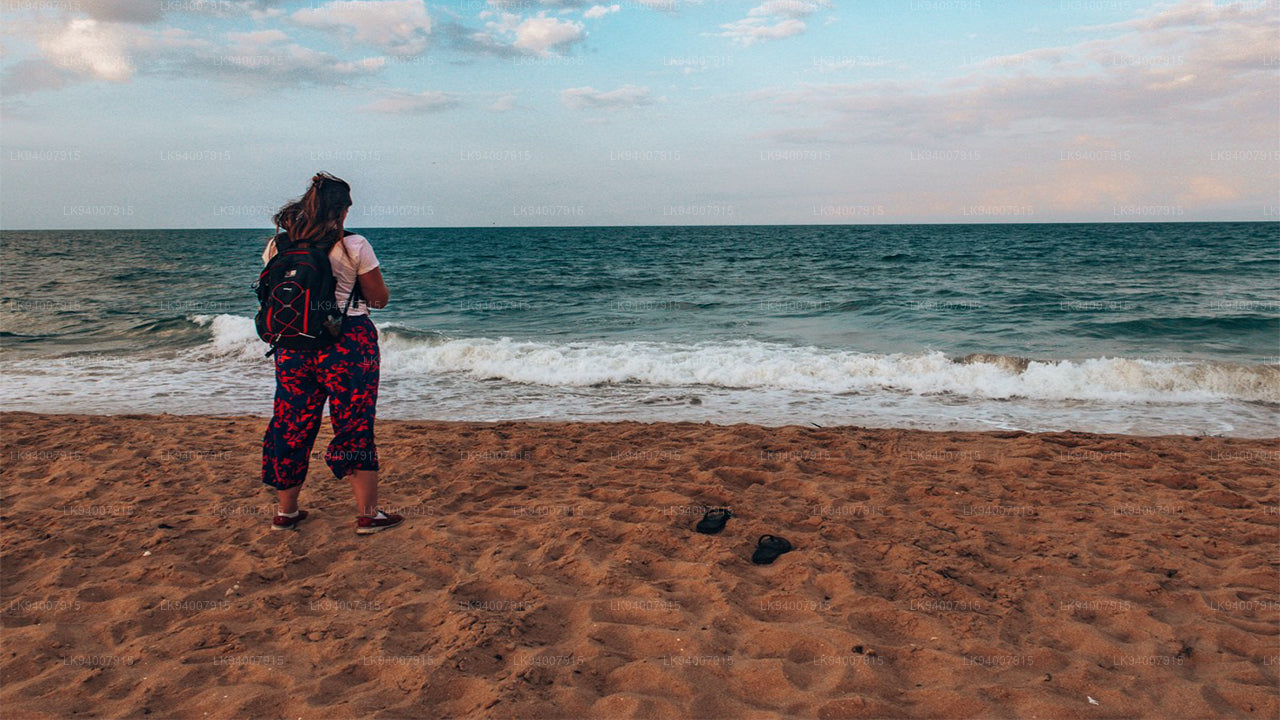
Kilinochchi DistrictA primarily agricultural district, Kilinochchi has seen rapid post-war development and is home to numerous water resources.
-
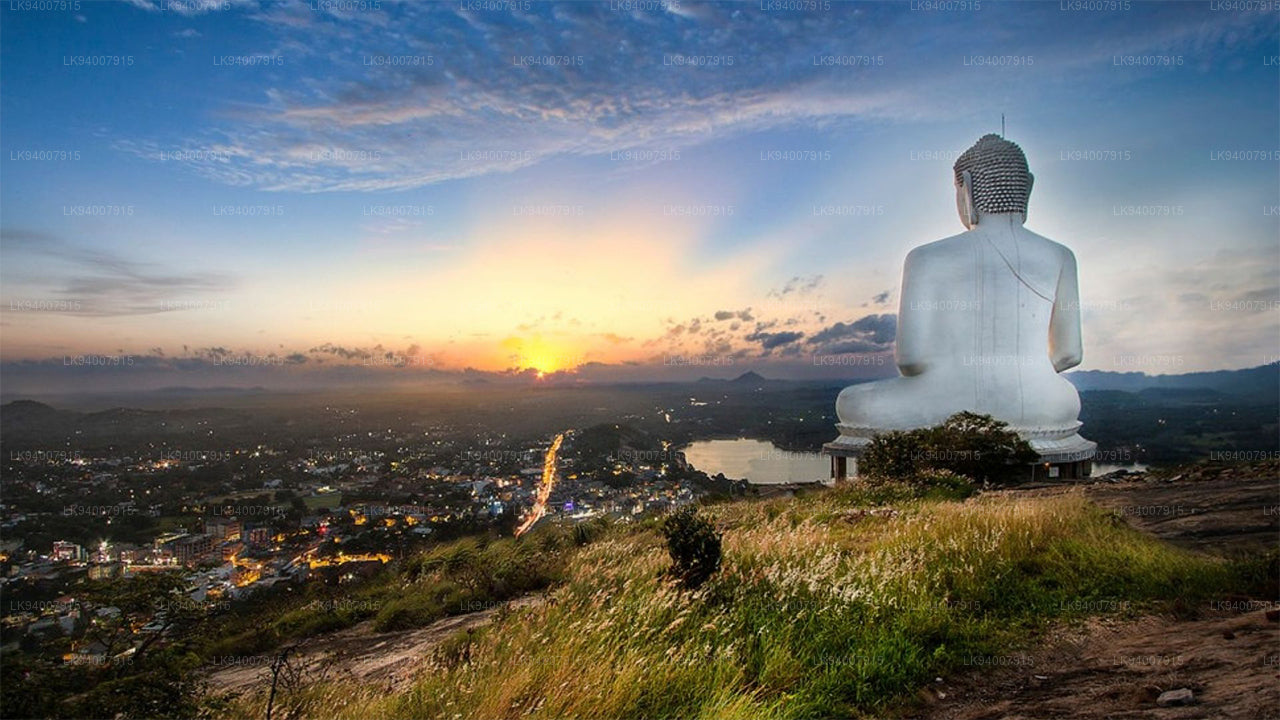
Kurunegala DistrictFamous for its elephant rock, Kurunegala is an agricultural hub surrounded by historic ruins and religious sites.
-
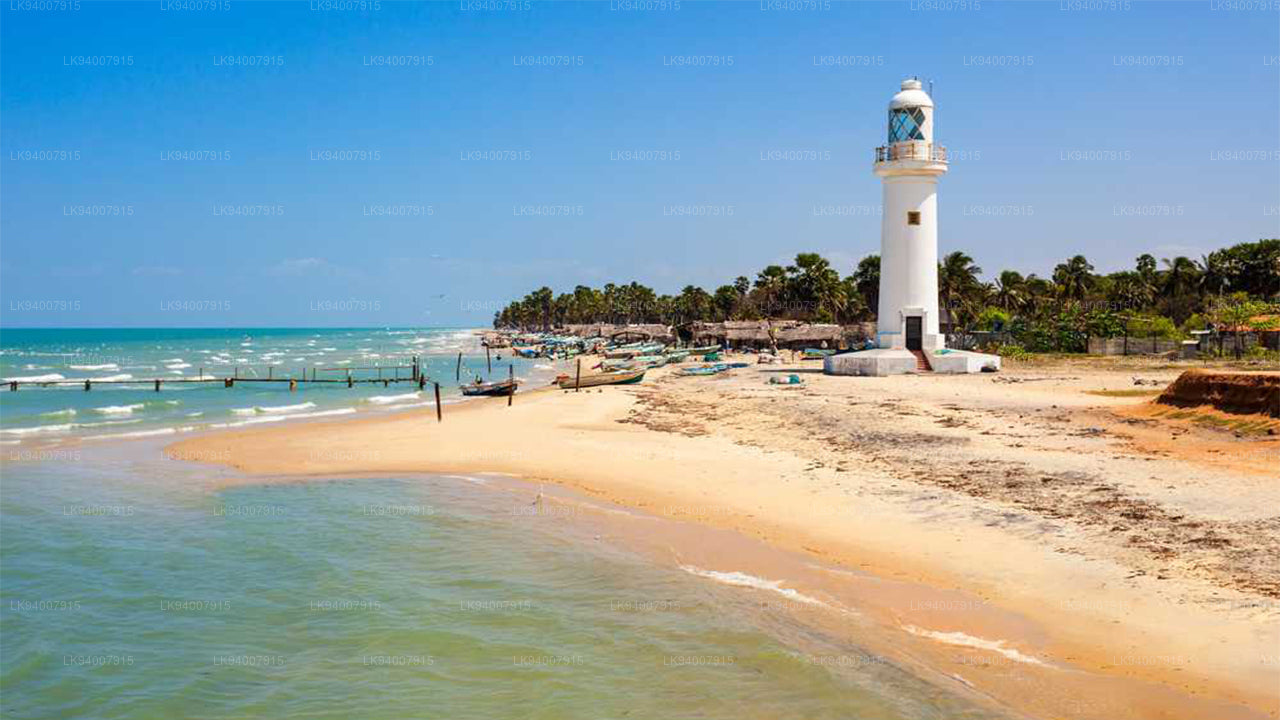
Mannar DistrictFamous for its unique landscapes, pearl fisheries, and the historic Mannar Fort, this district has a rich maritime history.
-
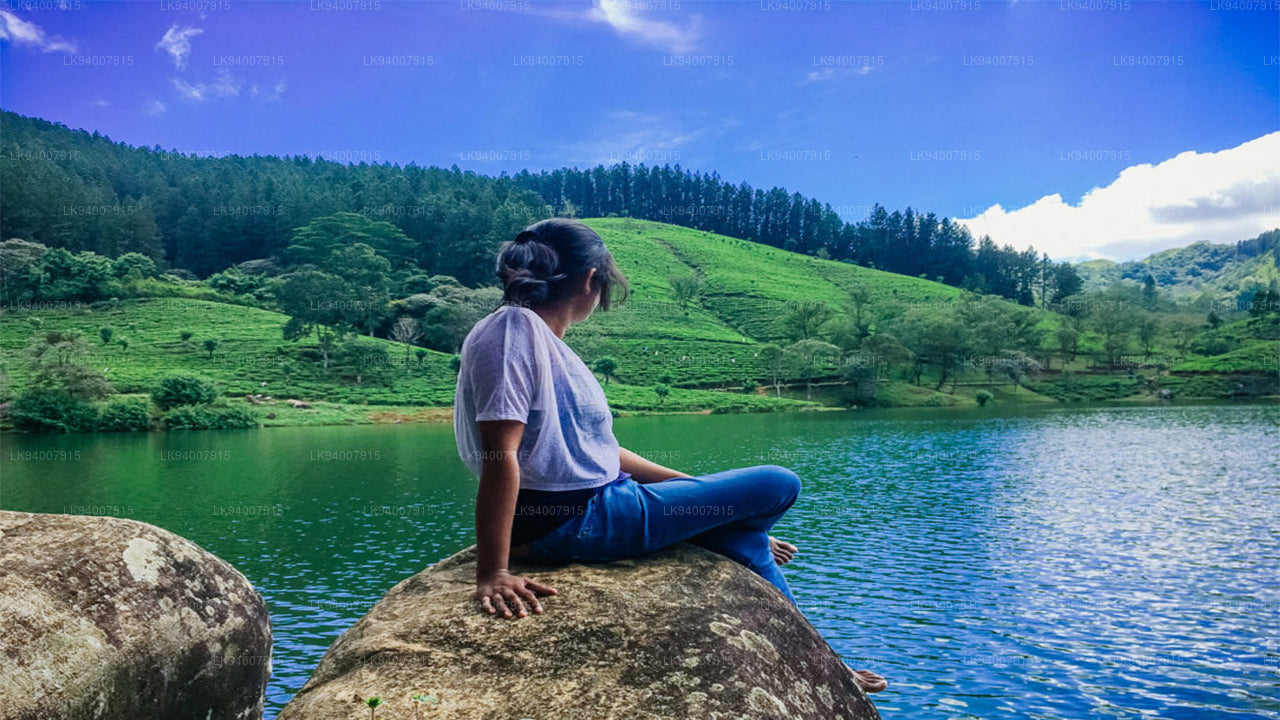
Matale DistrictA district filled with spice plantations, waterfalls, and historic temples, Matale offers scenic natural beauty.
-
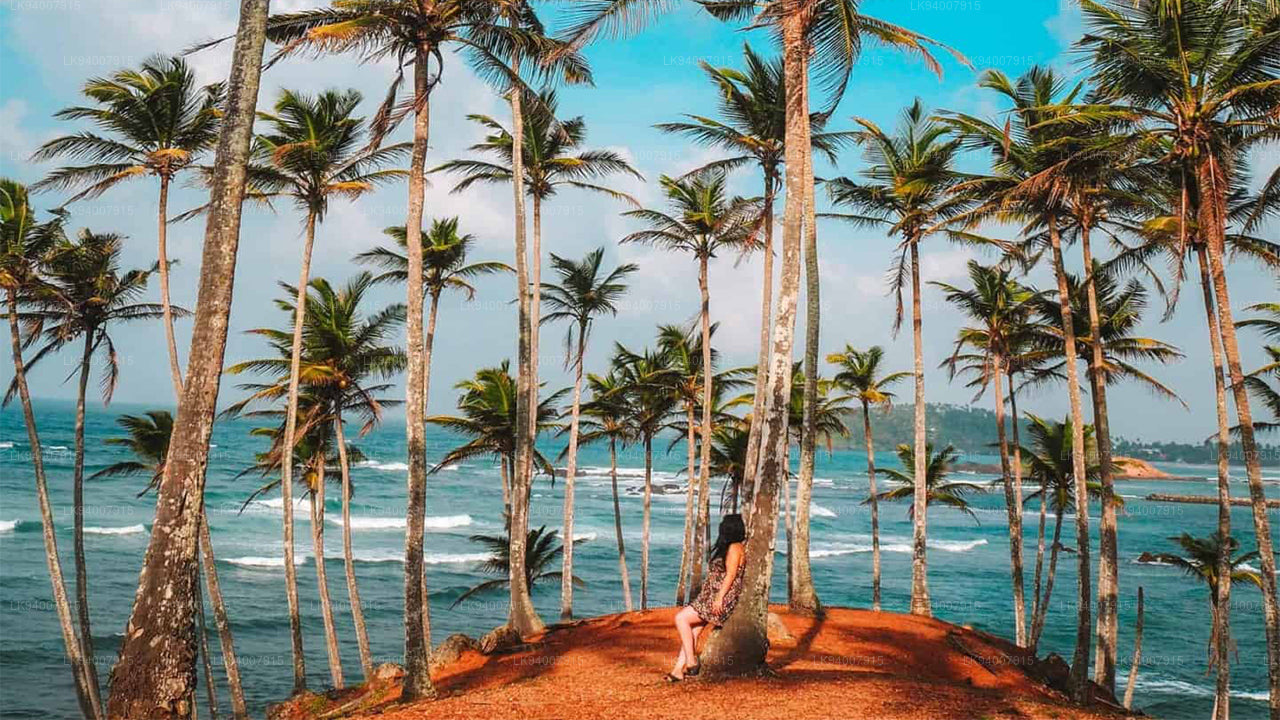
Matara DistrictMatara boasts stunning beaches, the Dondra Head lighthouse, and a mix of coastal and cultural attractions.
-
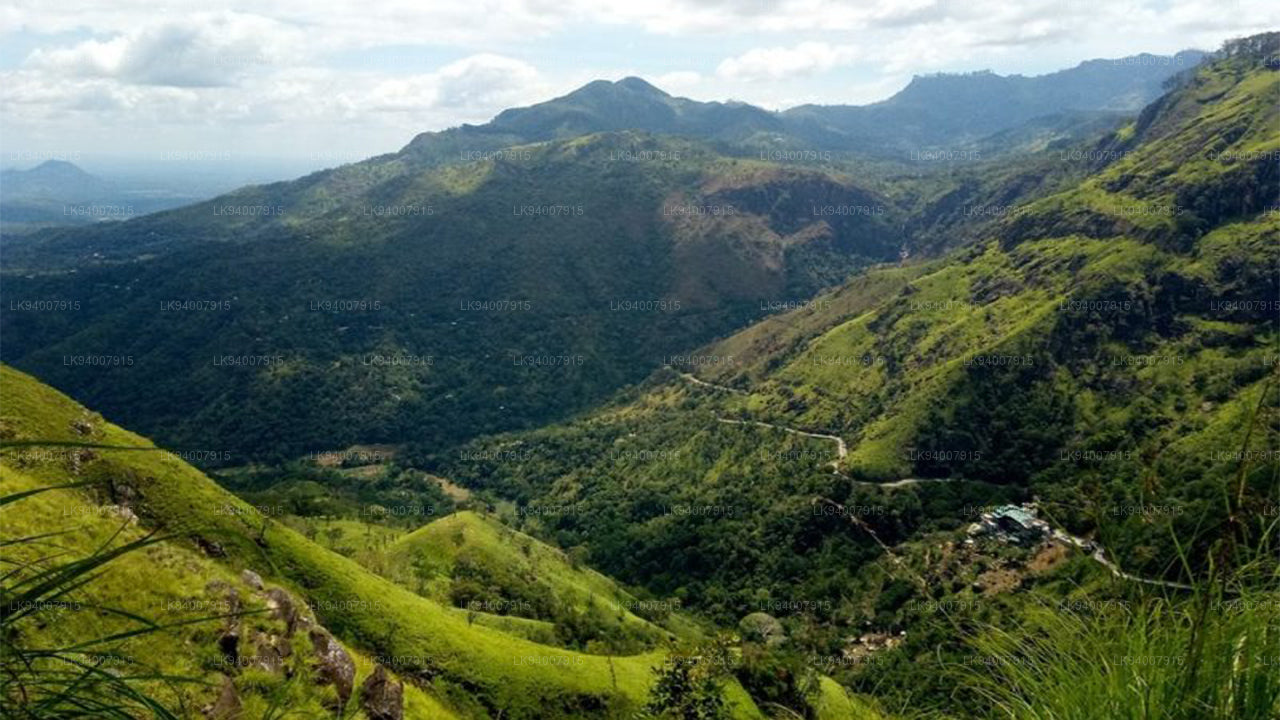
Monaragala DistrictKnown for its rugged landscapes and rich biodiversity, Monaragala is an agricultural district with vast natural beauty.
-
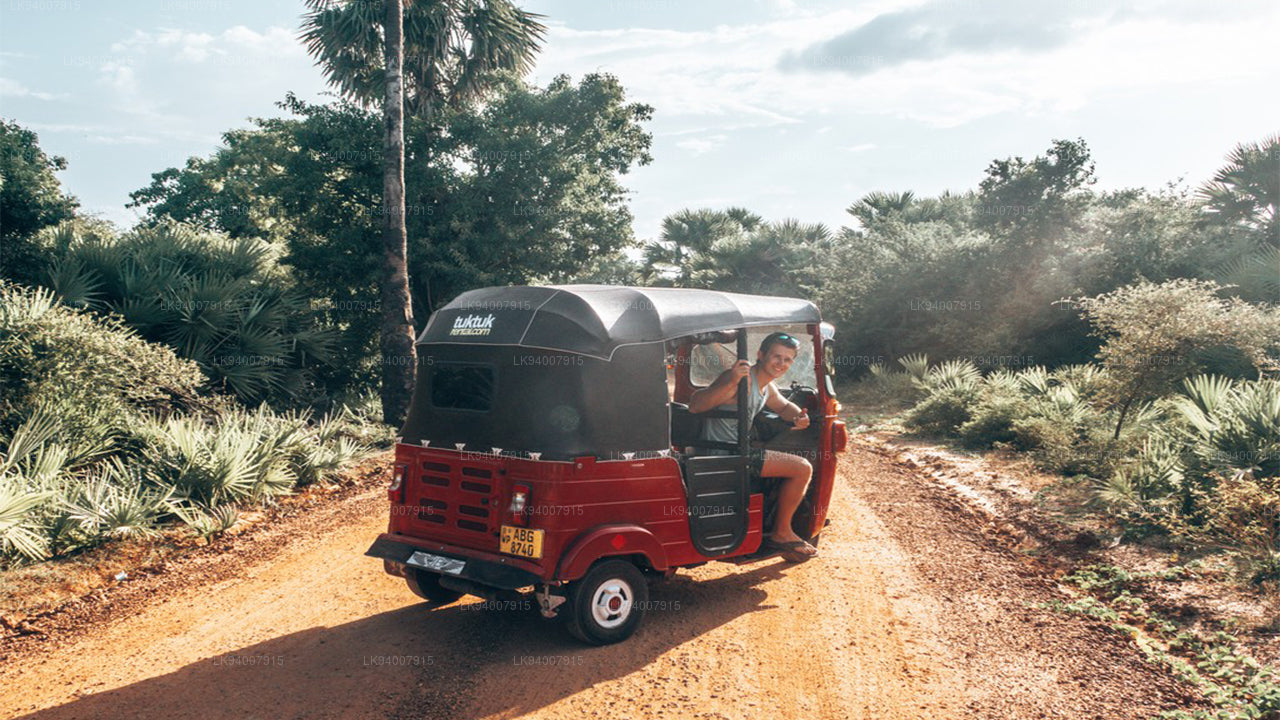
Mullaitivu DistrictA largely rural and coastal district, Mullaitivu is known for its beaches and significant history during the civil conflict.
-
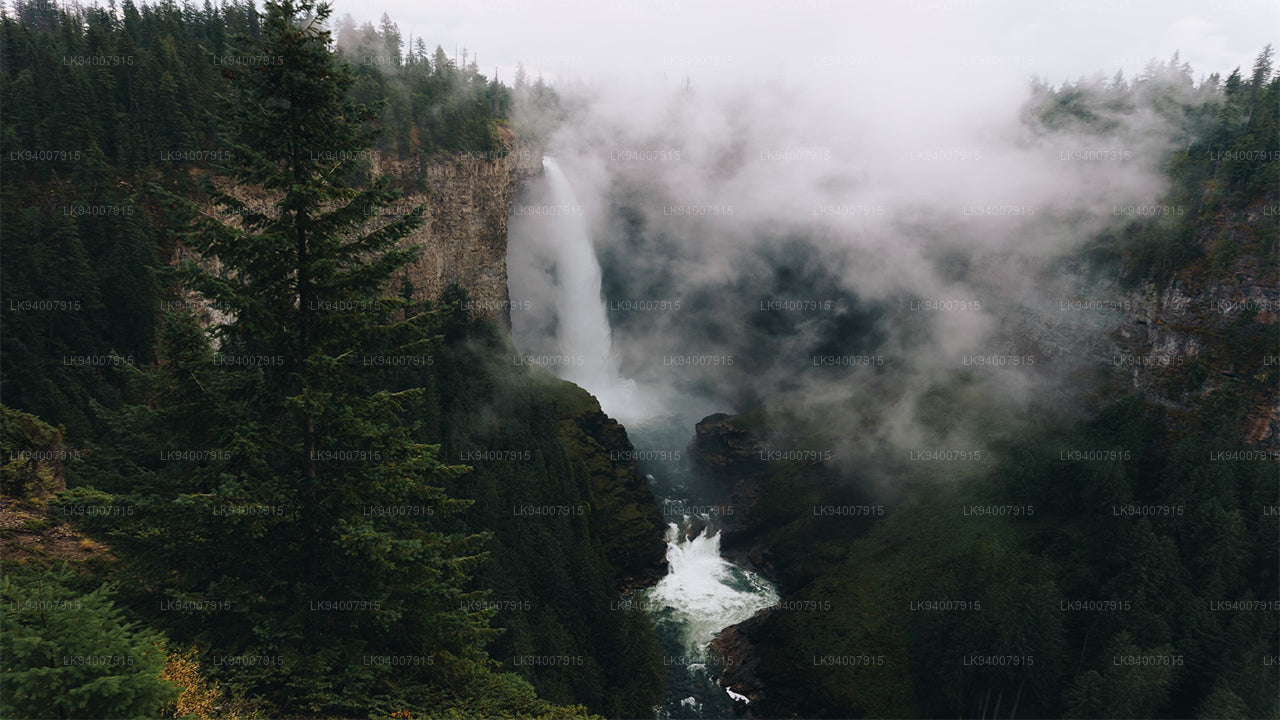
Nuwara Eliya DistrictOften called "Little England," Nuwara Eliya is renowned for its cool climate, tea plantations, and colonial architecture.
-
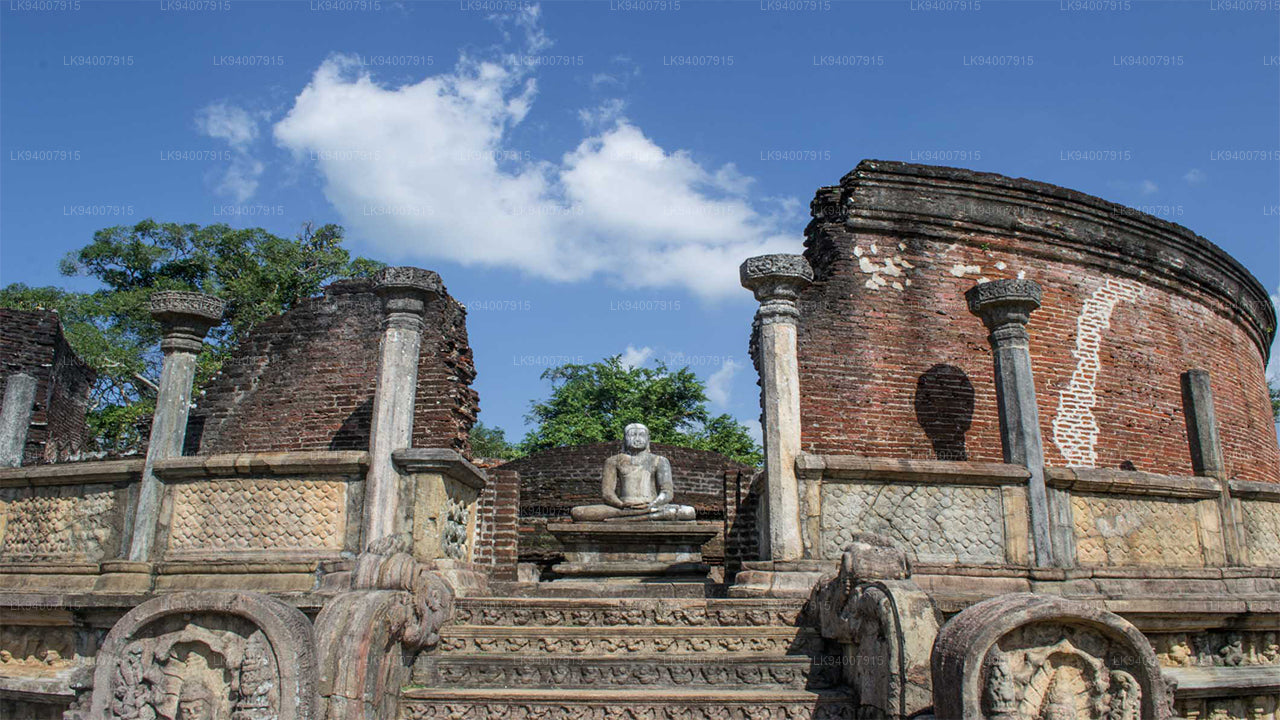
Polonnaruwa DistrictPolonnaruwa is a treasure trove of ancient ruins, including the famous Gal Vihara, and a key archaeological site.
-
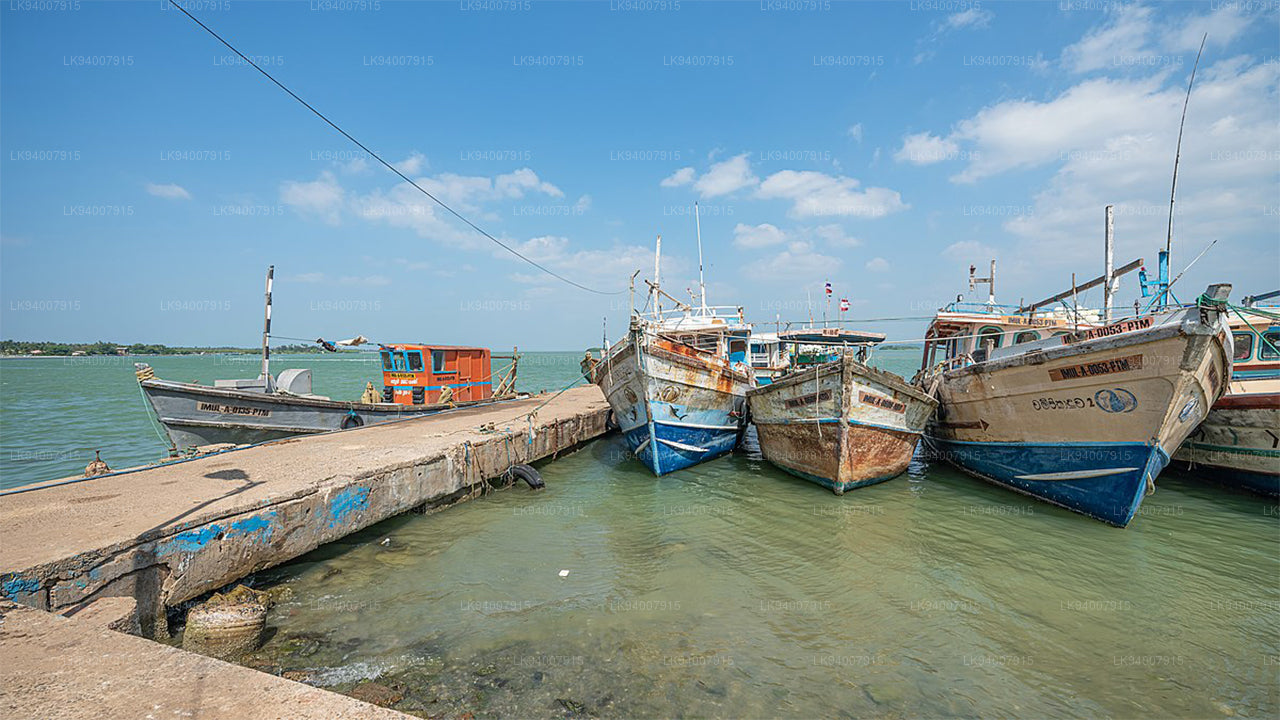
Puttalam DistrictPuttalam is known for its coastal lagoons, wildlife sanctuaries, and salt production, along with a growing wind energy sector.
-
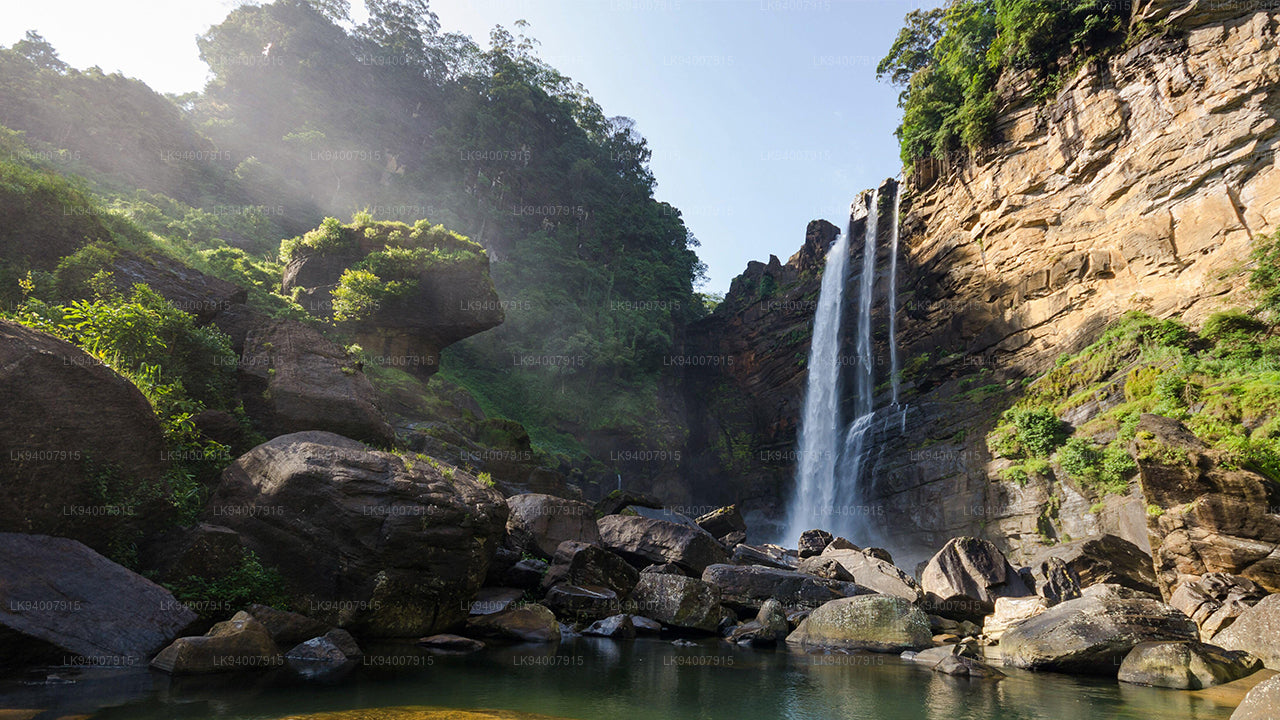
Ratnapura DistrictThe "City of Gems," Ratnapura is famous for its gem mining and lush green landscapes filled with waterfalls and tea estates.
-
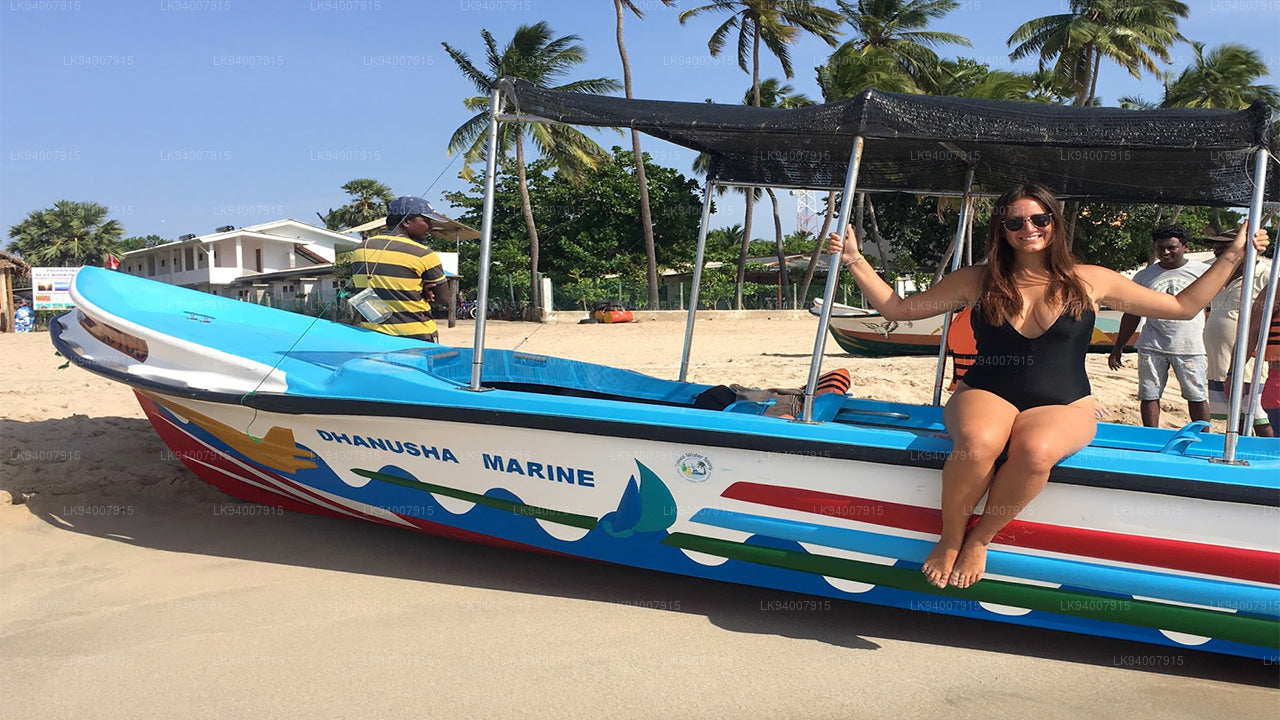
Trincomalee DistrictA coastal gem, Trincomalee is home to beautiful beaches, historic Hindu temples, and one of the world’s finest natural harbors.
-
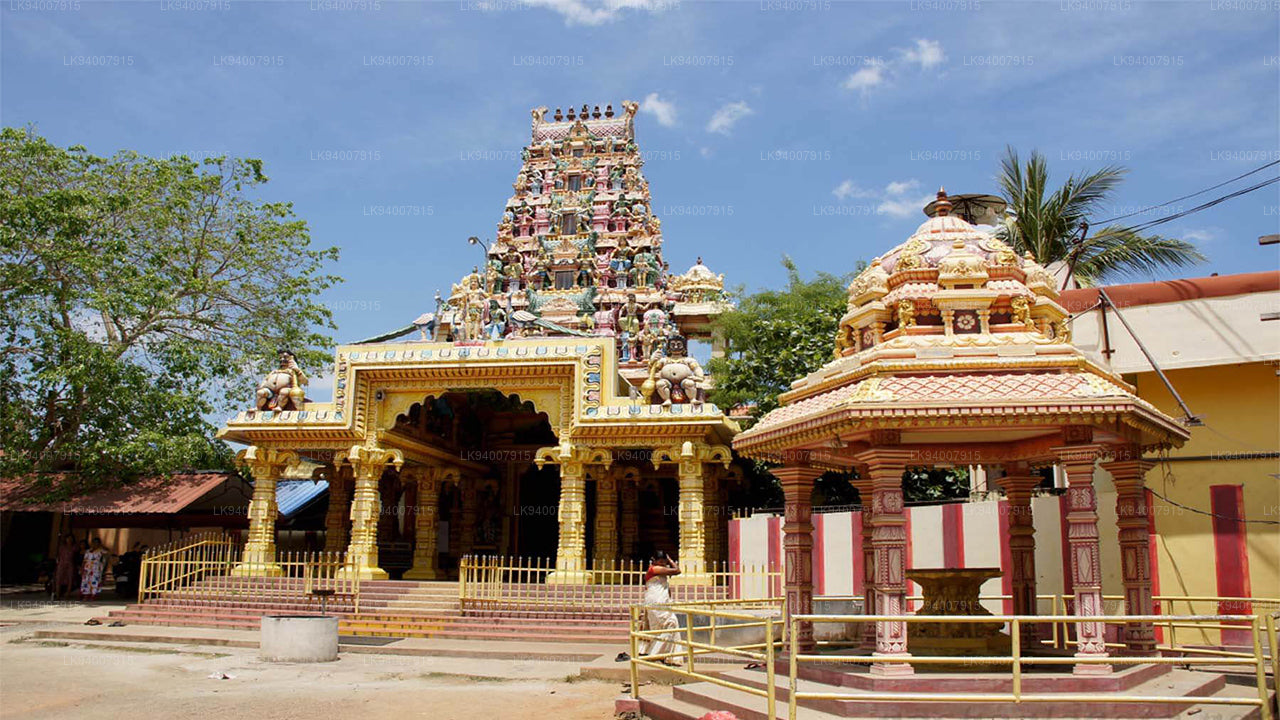
Vavuniya DistrictA key transit hub between the north and south, Vavuniya is known for its agriculture and growing urbanization.