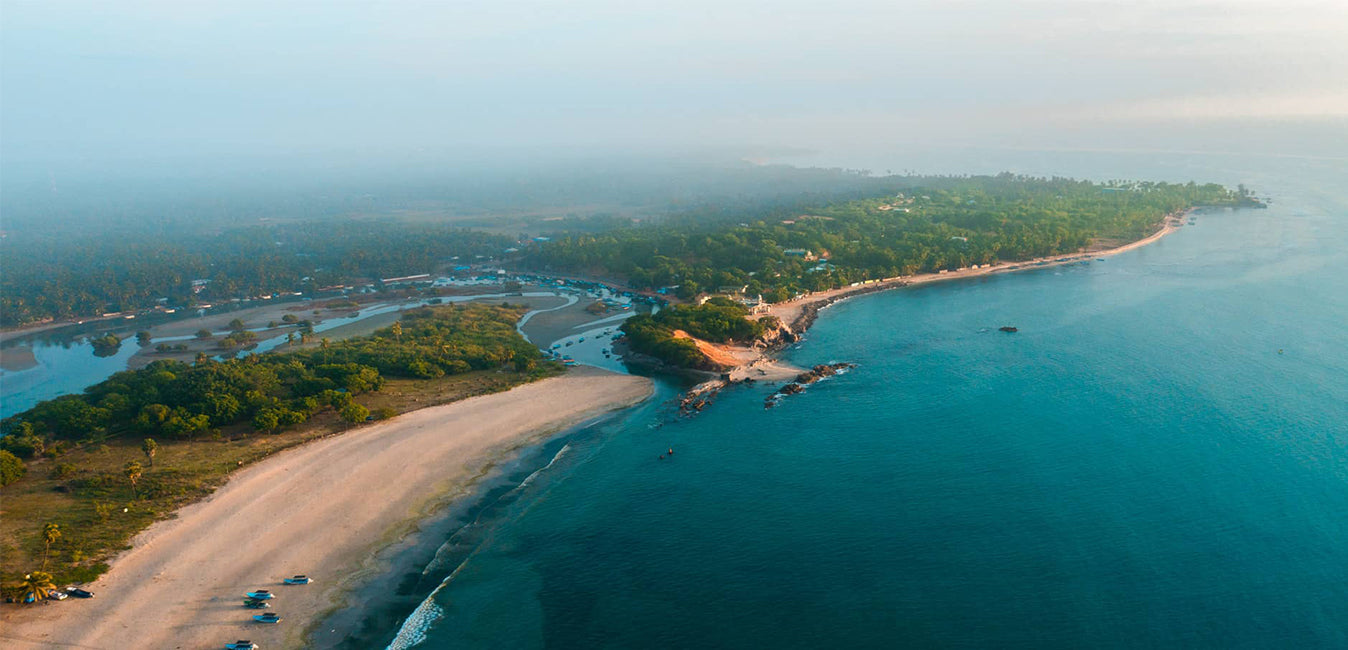
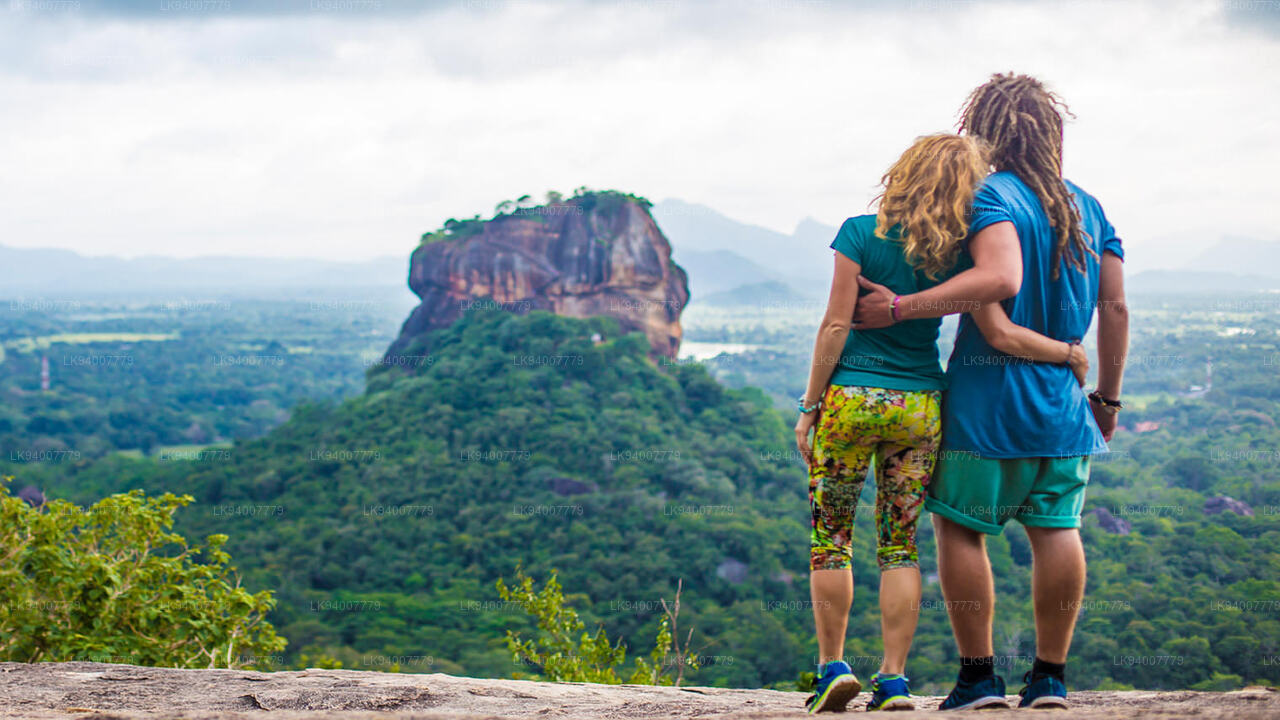
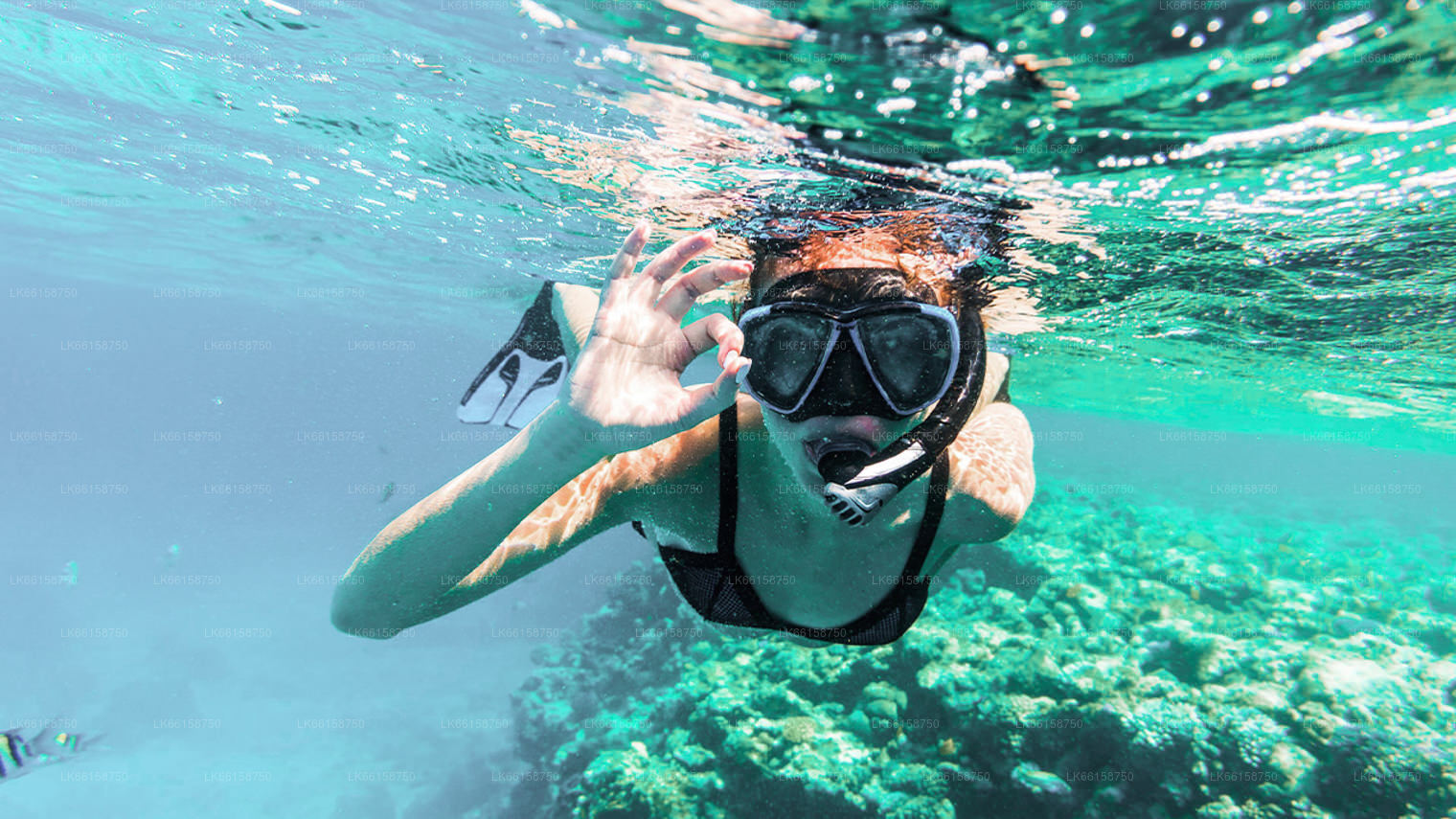
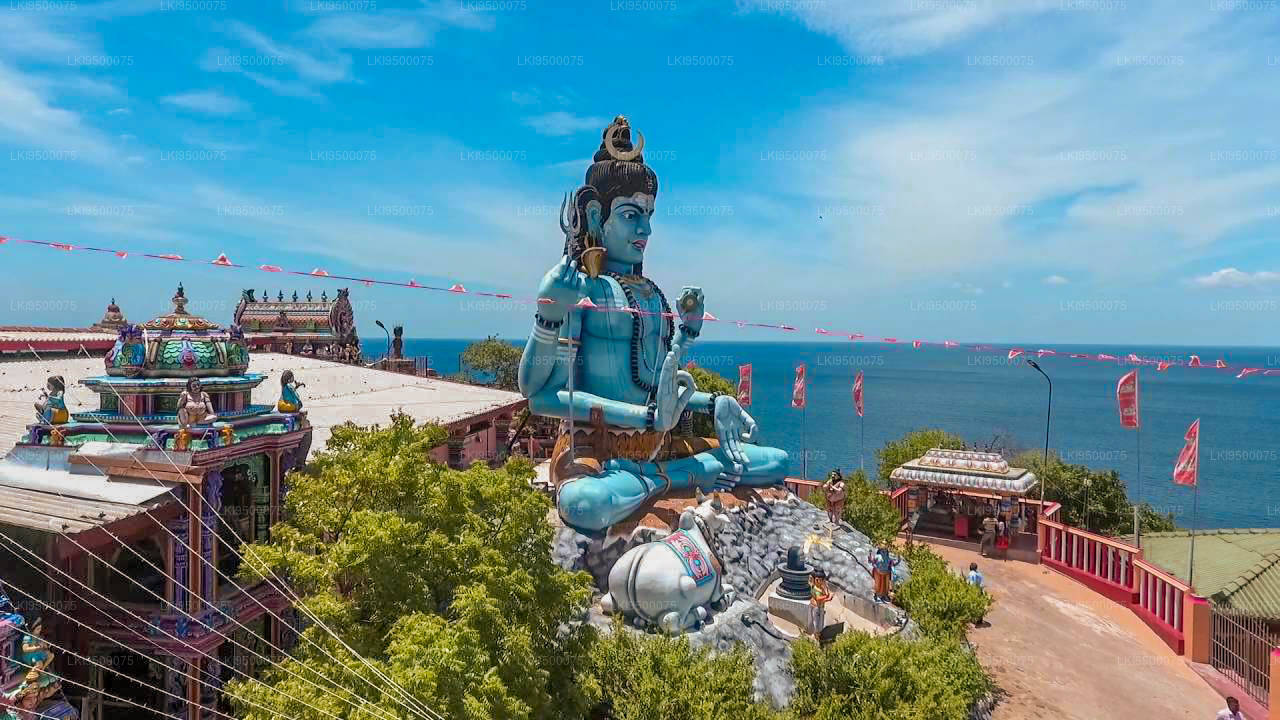
Trincomalee, located on the northeast coast of Sri Lanka, boasts a natural deep-water harbor and pristine beaches. Rich in history, it features landmarks like the ancient Koneswaram Temple. The city's diverse marine life and vibrant culture make it a captivating destination for tourists and historians alike.
Trincomalee, l'antica Gokanna, città e porto, Sri Lanka, sulla costa nord-orientale dell'isola. Si trova su una penisola nella baia di Trincomalee, precedentemente chiamata baia di Koddiyar (che significa "Forte vicino al fiume")—uno dei migliori porti naturali del mondo.
Trincomalee era un'importante insediamento di immigrati indo-ariani nei tempi antichi. Il Tempio delle Mille Colonne (noto anche come Tempio di Koneswaram), situato all'estremità della penisola, fu utilizzato come tempio induista in qualche momento del VII secolo o prima. I primi europei a occupare la città furono i portoghesi nel XVII secolo; distrussero il tempio e usarono le sue pietre per costruire una fortezza. Il porto passò di mano tra i dutch, i francesi e i britannici, fino a quando i britannici ottennero la proprietà duratura nel 1795. L'importanza di Trincomalee come base britannica principale crebbe dopo che i giapponesi cacciarono i britannici da Singapore durante la Seconda Guerra Mondiale; i giapponesi bombardano la città nel 1942. I britannici continuarono a mantenere il controllo del porto dopo l'indipendenza dello Sri Lanka, ma lo abbandonarono nel 1957.
Il porto di Trincomalee non è più di importanza commerciale, sebbene negli anni '60, la congestione e i problemi legati al lavoro a Colombo, la capitale commerciale dello Sri Lanka e il principale porto, abbiano causato che parte del commercio fosse deviate attraverso di esso. Il turismo è diventato un'importante componente dell'economia locale. La città è una stazione ferroviaria e ha buone connessioni stradali con il resto di Sri Lanka. Nel dicembre 2004, uno tsunami provocato da un terremoto sottomarino vicino all'Indonesia ha ucciso centinaia di persone a Trincomalee e ha causato una vasta distruzione. Popolazione (2007 preliminare) 51.624.
Most of the Tamils and Sinhalese believe that this place is sacred to them and they are the indigenous people of the area. Trincomalee and its environs have both Hindu and Buddhist sites of historical importance. These sites are sacred to the Hindus and Buddhists.
Eastern Province
The Eastern Province is one of the 9 provinces of Sri Lanka. The provinces have existed since the 19th century but they didn't have any legal status until 1987 when the 13th Amendment to the 1978 Constitution of Sri Lanka established provincial councils. Between 1988 and 2006 the province was temporarily merged with the Northern Province to form the North-East Province. The capital of the province is Trincomalee. The Eastern province's population was 1,460,939 in 2007. The province is the most diverse in Sri Lanka, both ethnically and religiously.
Eastern province has an area of 9,996 square kilometers (3,859.5 sq mi).The province is surrounded by the Northern Province to the north, the Bay of Bengal to the east, the Southern Province to the south, and the Uva, Central and North Central provinces to the west. The province's coast is dominated by lagoons, the largest being Batticaloa lagoon, Kokkilai lagoon, Upaar Lagoon and Ullackalie Lagoon.