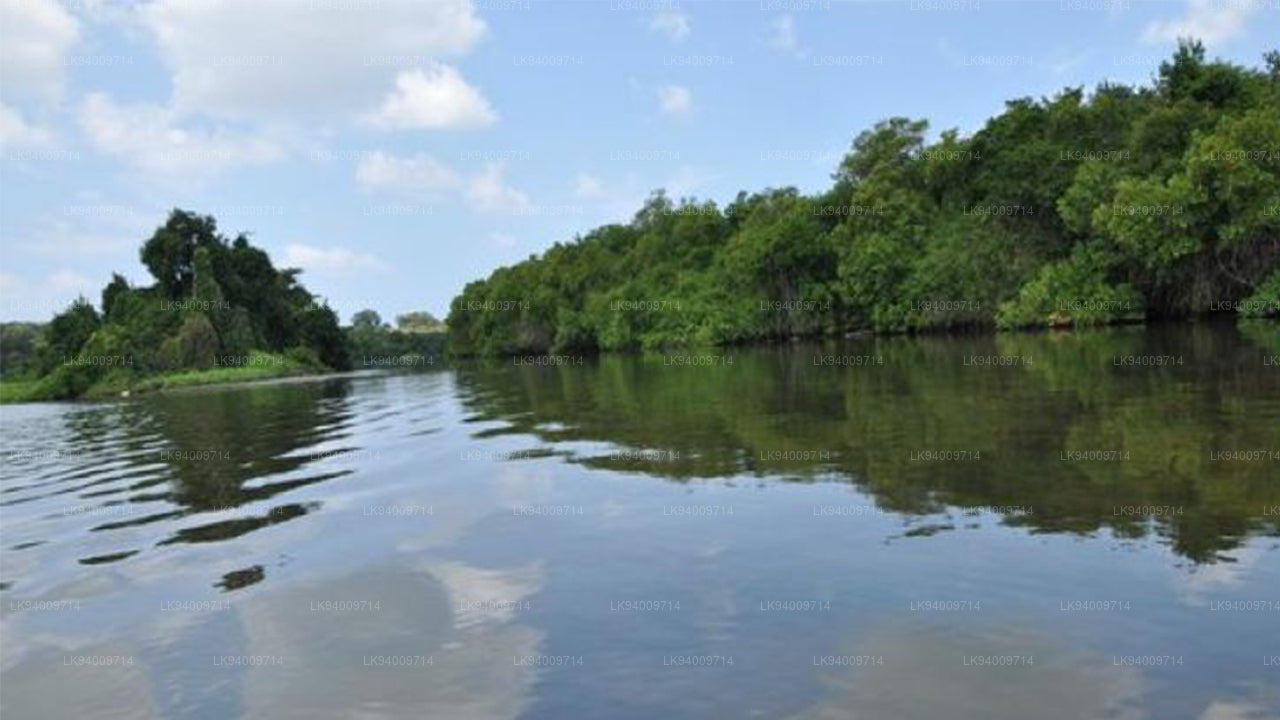
Gal Oya, Rio


Gal Oya é um dos principais rios da província oriental de Sri Lanka, nascendo nas terras altas centrais e fluindo pela zona seca até atingir o mar próximo à laguna de Batticaloa. O rio é vital para as atividades agrícolas, fornecendo irrigação e abastecimento de água essenciais para as comunidades agrícolas da região. Seu curso através de vales, planícies e florestas contribui para a beleza natural da área, tornando-se uma característica importante da paisagem local.
Gal Oya tem desempenhado um papel central nos sistemas de irrigação de Sri Lanka por séculos. O rio é fundamental para a economia agrícola da província oriental, abastecendo reservatórios como o Reservatório Gal Oya, que ajuda a irrigar campos de arroz, hortas e outras terras agrícolas. O fluxo constante de água do rio apoia os meios de subsistência dos agricultores em Batticaloa, Ampara e distritos vizinhos, garantindo um fornecimento consistente de água durante a estação seca.
Ecologicamente, a bacia do rio Gal Oya abriga uma grande variedade de espécies de plantas e animais. As áreas alagadas e as margens do rio fornecem habitats importantes para peixes de água doce, aves aquáticas e outros animais selvagens. À medida que o rio flui para a zona costeira, ele alimenta a laguna de Batticaloa e as florestas de mangue ao redor, que são vitais para a biodiversidade costeira e a vida marinha. Esses ecossistemas úmidos e costeiros tornam o rio um recurso importante tanto para a conservação ambiental quanto para o ecoturismo.
Culturalmente, Gal Oya está profundamente enraizada na vida diária das pessoas que vivem ao longo de suas margens. Por gerações, o rio tem apoiado as atividades agrícolas e fornecido água para uso doméstico. Gal Oya é parte integrante da economia e do modo de vida na província oriental, e suas águas permanecem como um símbolo da resiliência e prosperidade agrícola da região.
Risco de Inundações e Importância Hidrológica
Embora o Gal Oya seja vital para a agricultura e o abastecimento de água, também está sujeito a inundações durante períodos de chuvas intensas. Compreender os riscos de inundação do rio é crucial para o gerenciamento dos recursos hídricos, proteção das terras agrícolas e segurança das comunidades que dependem dele.
-
Leituras Hidrológicas Atuais (Relatório Oficial):
Os dados atuais sobre Gal Oya do relatório hidrológico oficial não estão disponíveis. O rio não está listado nas estações de monitoramento de inundações disponíveis. - Sensibilidade da Bacia: Chuvas fortes nas terras altas centrais podem causar um rápido escoamento superficial, o que aumenta os níveis de água no rio a jusante, especialmente durante as monções do sudoeste e do nordeste.
- Áreas Propensas a Inundações: Áreas baixas em Ampara, Batticaloa e nos distritos vizinhos correm o risco de inundações quando o rio transborda além de seus níveis normais, especialmente durante períodos de chuvas intensas.
- Impacto na Agricultura: As inundações podem interromper os sistemas de irrigação e danificar as colheitas, especialmente os campos de arroz e as hortas que dependem do fornecimento constante de água do rio para irrigação.
- Drenagem Lenta nas Zonas Costeiras: À medida que o rio entra na planície costeira, seu fluxo diminui, o que aumenta o risco de inundações prolongadas e alagamentos, especialmente nas zonas agrícolas próximas à laguna de Batticaloa.
- Necessidade de Monitoramento: A coleta regular de dados hidrológicos e a melhoria dos sistemas de monitoramento são essenciais para prever eventos de inundação e fornecer alertas antecipados às comunidades e agricultores.
- Riscos de Chuvas Sazonais: O risco de inundação no Gal Oya é mais alto durante a temporada de monções, especialmente durante a Monção do Sudoeste, quando as chuvas nas terras altas centrais causam um aumento rápido nos níveis de água a jusante.
Gal Oya continua sendo um recurso vital para a agricultura, fornecimento de água e ecossistemas na província oriental de Sri Lanka. No entanto, seu risco de inundações, especialmente durante a temporada de monções, destaca a necessidade de um gerenciamento eficaz das inundações e monitoramento contínuo para proteger as comunidades e os recursos agrícolas da região.


-
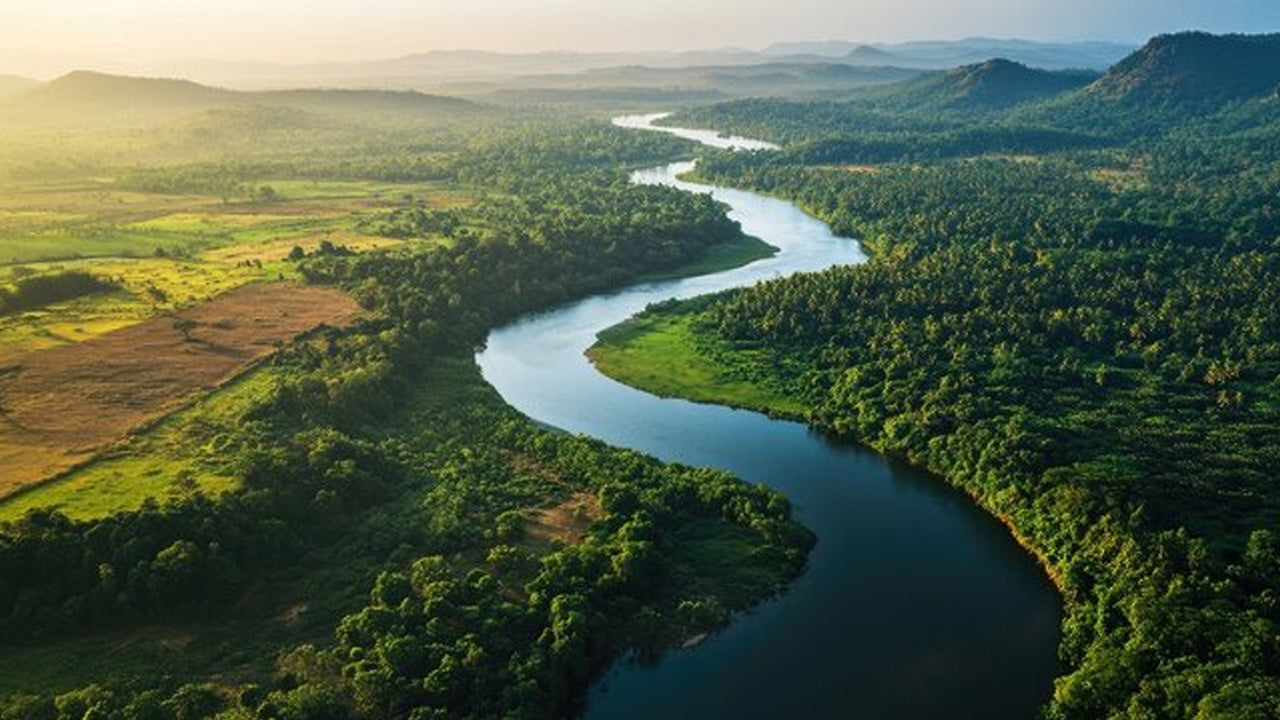 Mahaweli River
Explore the majestic Mahaweli River, Sri Lanka’s longest river, offering serene boat rides and opportunities for birdwatching and nature adventures along its winding course through scenic valleys.
-
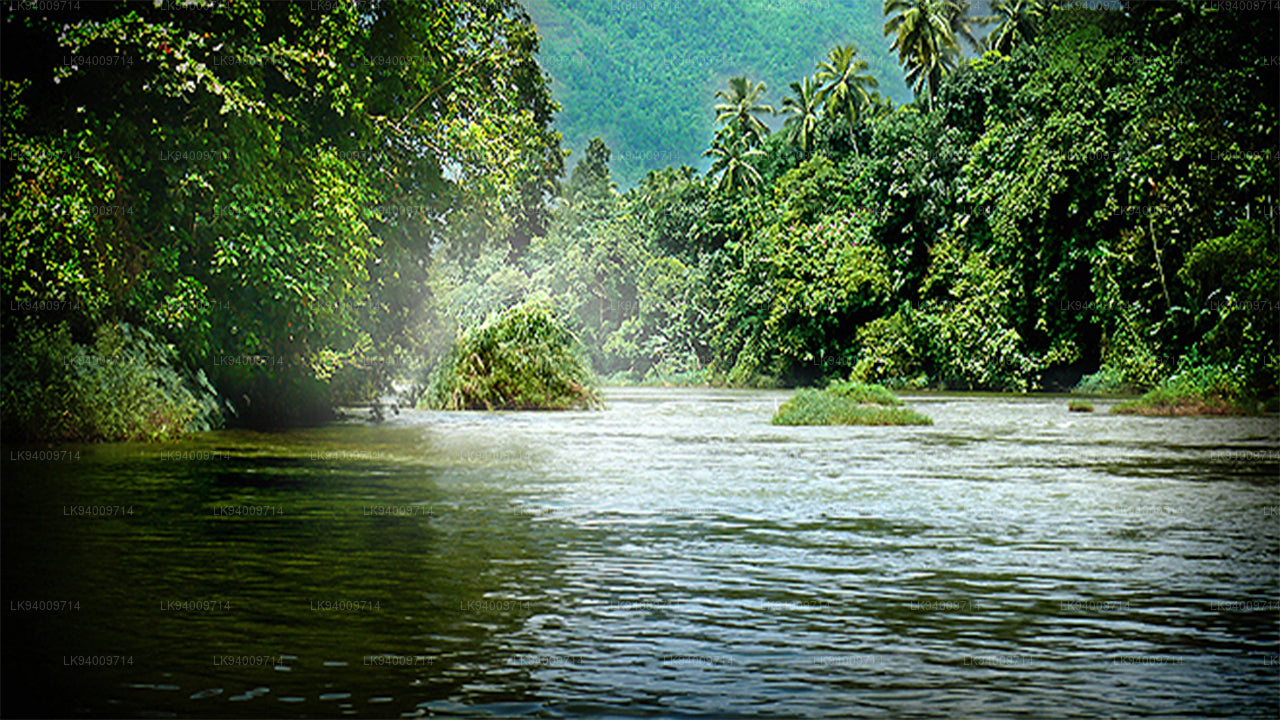 Kelani River
The Kelani River is a 145-kilometre-long (90 mi) river in Sri Lanka. It flows through or borders the Sri Lankan districts of Nuwara Eliya, Ratnapura, Kegalle, Gampaha and Colombo.
-
 Kalu Ganga
Kalu Ganga is a river in Sri Lanka. Measuring 129 km (80 mi) in length. The mountainous forests in the Province and the Sinharaja Forest Reserve are the main sources of water for the river.
-
 Walawe River
The southern region of Sri Lanka is exalted by a bushel of enthralling and glorified rivers and the Walawe River is one of them. Gently flowing through the Udawalawe National Park, the Walawe River provides water for a multitude of species of mesmerising fauna.
-
 Deduru Oya
The Deduru Oya Dam is an embankment dam built across the Deduru River in Kurunegala District of Sri Lanka. Built in 2014, the primary purpose of the dam is to retain approximately a billion cubic metres of water for irrigation purposes, which would otherwise flow out to sea.
-
 Malwathu Oya
The Malvathu River long river in Sri Lanka, connecting the city of Anuradhapura, which was the capital of the country for over 15 centuries, to the coast of Mannar. It currently ranks as the second longest river in the country, with a great historic significance.
-
 Kala Oya
It was around these ancient tank (water storage reservoir) irrigation systems that the economy and human settlements of early Sri Lankan society were organised into a “hydraulic civilization”.
-
 Gal Oya
Discover Gal Oya, a tranquil sanctuary in Sri Lanka, known for its lush landscapes, rich wildlife, and serene boat safaris, offering a peaceful retreat surrounded by nature and wildlife.
-
 Gin Ganga
The Gin Ganga, is a 115.9 km (72 mi) long river situated in Galle District of Sri Lanka. The river's headwaters are located near Deniyaya, bordering the Sinharaja Forest Reserve.
-
 Kirindi Oya
Experience the serene beauty of Kirindi Oya, a tranquil river in Sri Lanka. Enjoy scenic boat rides, lush landscapes, and opportunities for birdwatching, offering a peaceful escape into nature.
-
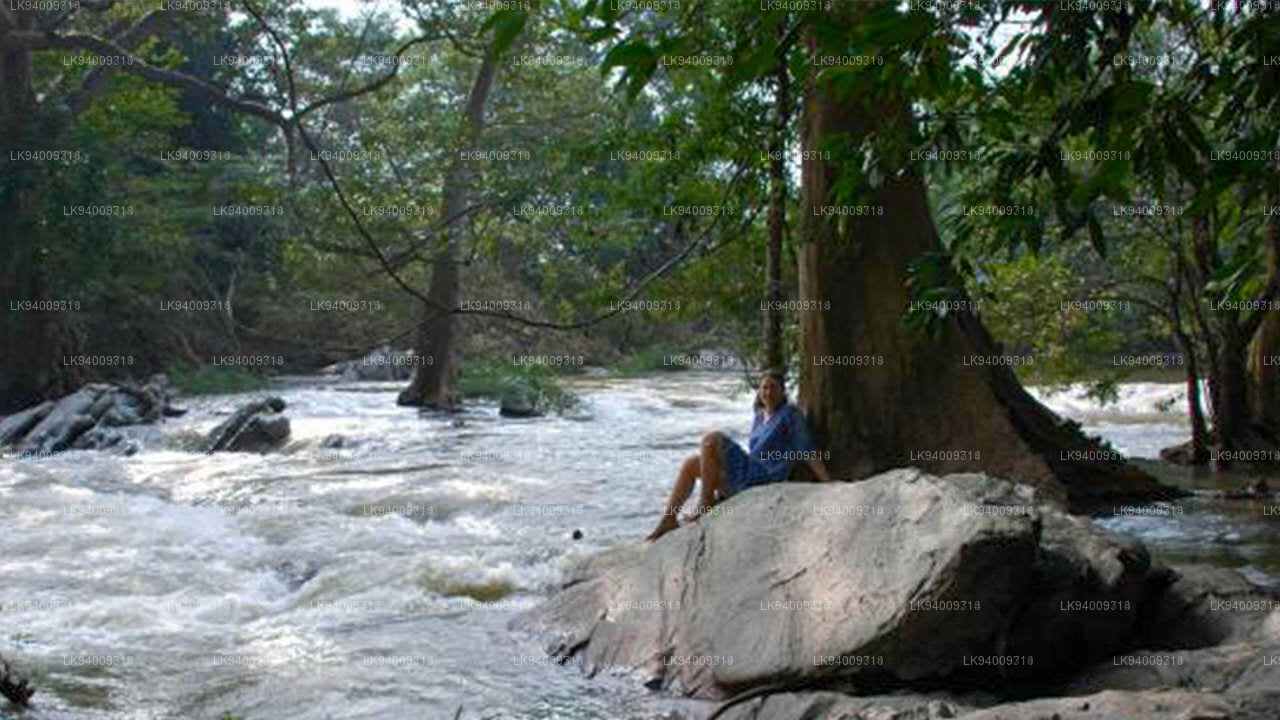 Kumbukkan Oya
The Kumbukkan Oya is the twelfth-longest river of Sri Lanka. It is approximately 116 km (72 mi) long. Its catchment area receives approximately 2,115 million cubic metres of rain per year.
-
 Maduru Oya
The Maduru Oya is a major stream in the North Central Province of Sri Lanka. It is approximately 135 km (84 mi) in length. approximately 3,060 million cubic metres of rain per year
-
 Manik River
Explore the peaceful Manik River, surrounded by lush greenery and rich wildlife. Enjoy scenic boat rides and nature walks, offering a serene and refreshing experience.
-
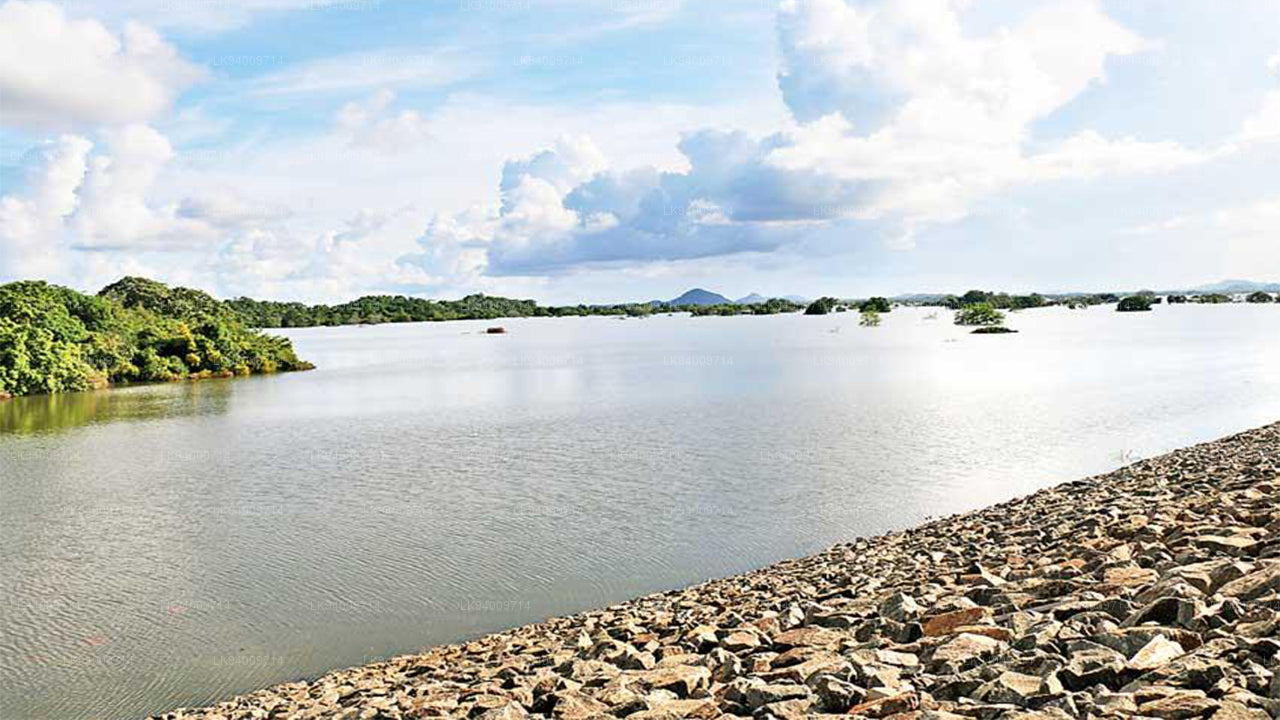 Yan Oya
The Yan Oya, 142 km long and receives 2,371 million cubic meters of rainfall annually, with 17% flowing to the sea. Its catchment area covers 1,520 square kilometers.