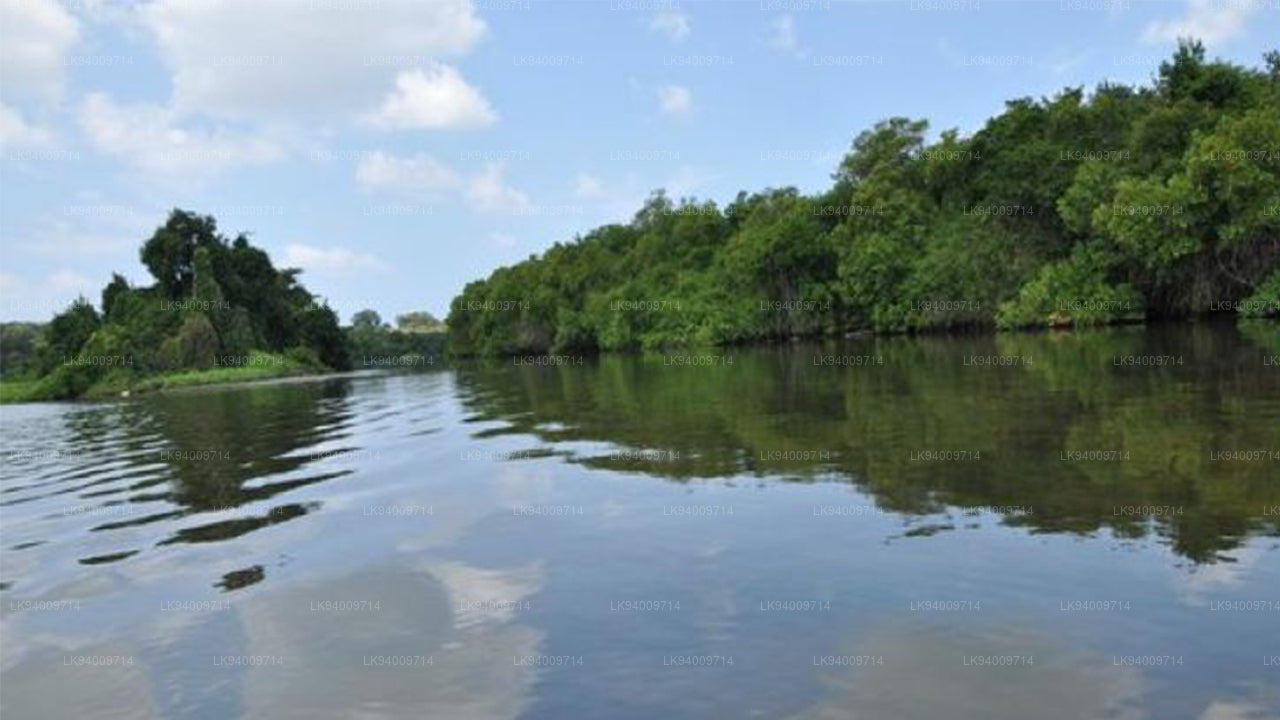
Gin Ganga


The Gin Ganga is an important river in Sri Lanka's Southern Province, originating from the central hills near the town of Badulla. Flowing through scenic landscapes of forests, valleys, and agricultural fields, the river eventually reaches the coastal area of Galle. Its diverse course supports various ecosystems and communities along the way, contributing to the natural beauty of the southern region.
Gin Ganga plays a crucial role in sustaining the agricultural activities of the Southern Province. Its waters feed several irrigation systems that support paddy cultivation, vegetable farming, and fruit production. The river is particularly important for rural communities in Galle and Matara, where it provides water for both farming and daily consumption. The river's reservoirs, including the famous Gin Ganga Reservoir, regulate the water supply for these farming areas, ensuring that crops receive consistent irrigation even during dry periods.
Ecologically, the river is a lifeline for local wildlife. The riverbanks and surrounding wetlands support a wide range of flora and fauna, including migratory birds, freshwater fish, and reptiles. As it passes through the lowland forests, Gin Ganga also contributes to the region's biodiversity, playing a role in preserving habitats that support various species. The river's estuary and coastal wetlands further enrich the local ecosystem, making it a key site for environmental conservation and eco-tourism.
Culturally, Gin Ganga is important to the people living along its banks. For centuries, the river has supported farming communities and provided water for daily use. It also holds cultural significance, as it flows through historic areas of Sri Lanka's southern region, linking the river to the cultural practices of local communities. Today, the river continues to be central to the livelihoods of people in the Galle and Matara districts, contributing to the region's economy and cultural heritage.
Flood Risk & Hydrological Importance
While Gin Ganga is essential for agriculture and water supply, it is also vulnerable to seasonal flooding, particularly during the Southwest Monsoon. Understanding its flood risk is important for managing water resources and protecting communities and farmland in the southern regions of Sri Lanka.
-
Current Hydrological Readings (Official Report):
Baddegama Station – Minor Flood Level: 4.00 m, Major Flood Level: 5.00 m, Current Level: 3.10 m (Normal). - Flood-Prone Areas: The river's flood risk mainly affects low-lying agricultural areas and settlements in Galle and Matara, especially during the Southwest Monsoon when rainfall in the central hills increases water flow.
- Catchment Sensitivity: The upper catchment areas near Badulla and the central hills contribute to rapid runoff during heavy rains, leading to swift increases in water levels downstream.
- Impact on Agriculture: Flooding can disrupt irrigation channels, damage crops, and affect farming activities in the lowlands near Galle and Matara, particularly in areas dependent on the river for irrigation.
- Slow Drainage in Coastal Zones: As the river approaches the coast near Galle, the flow slows, increasing the risk of waterlogging and prolonged flooding in agricultural fields.
- Importance of Monitoring: Regular hydrological monitoring is essential to predict flood events, especially in vulnerable regions like Galle, where urban areas and farmlands coexist.
- Seasonal Rainfall Risks: The river is at highest flood risk during the Southwest Monsoon, when heavy rainfall increases the likelihood of rapid water level rises.
While Gin Ganga remains a vital resource for agriculture and communities in the Southern Province, its sensitivity to seasonal flooding makes it important to continue monitoring and improving flood management strategies for the region.


-
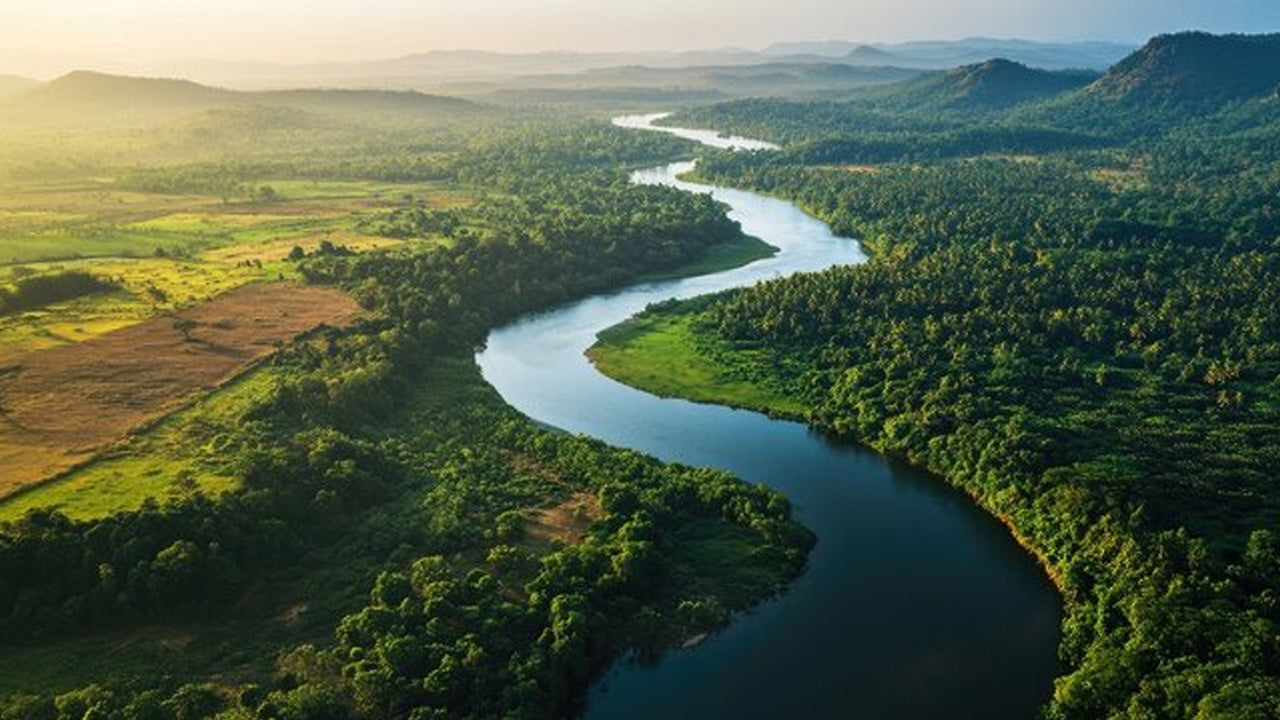 Mahaweli River
Explore the majestic Mahaweli River, Sri Lanka’s longest river, offering serene boat rides and opportunities for birdwatching and nature adventures along its winding course through scenic valleys.
-
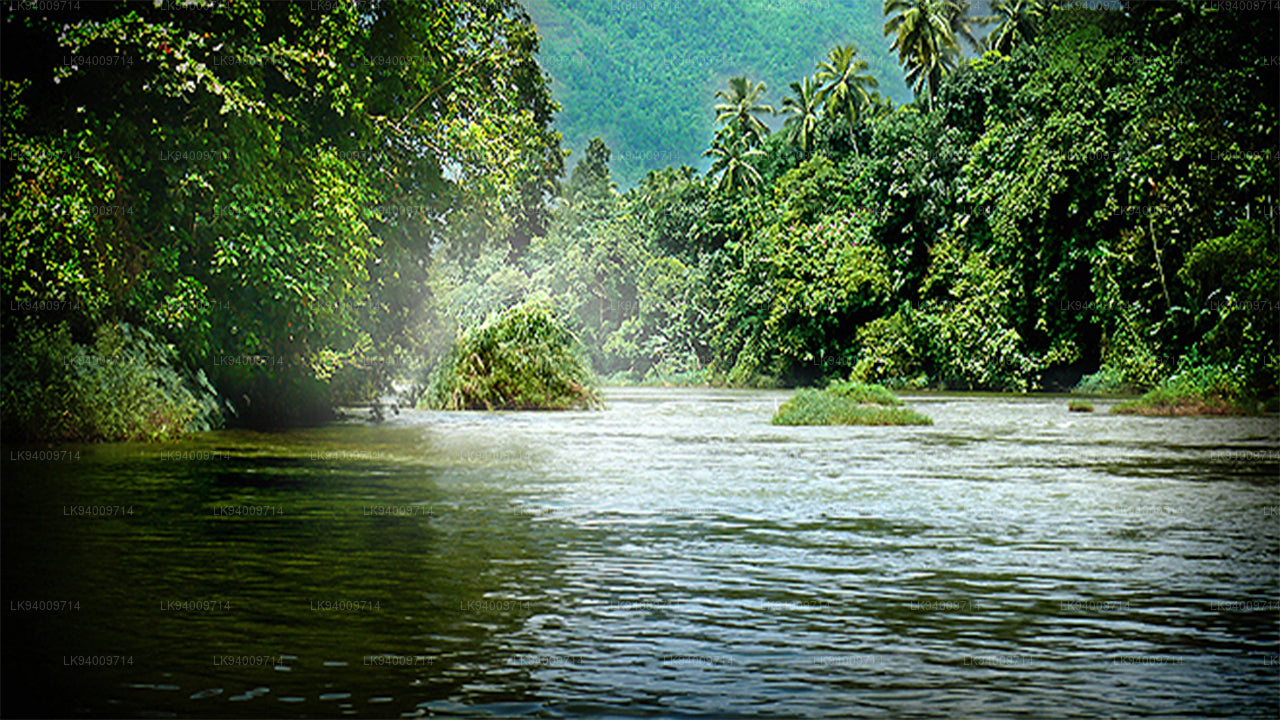 Kelani River
The Kelani River is a 145-kilometre-long (90 mi) river in Sri Lanka. It flows through or borders the Sri Lankan districts of Nuwara Eliya, Ratnapura, Kegalle, Gampaha and Colombo.
-
 Kalu Ganga
Kalu Ganga is a river in Sri Lanka. Measuring 129 km (80 mi) in length. The mountainous forests in the Province and the Sinharaja Forest Reserve are the main sources of water for the river.
-
 Walawe River
The southern region of Sri Lanka is exalted by a bushel of enthralling and glorified rivers and the Walawe River is one of them. Gently flowing through the Udawalawe National Park, the Walawe River provides water for a multitude of species of mesmerising fauna.
-
 Deduru Oya
The Deduru Oya Dam is an embankment dam built across the Deduru River in Kurunegala District of Sri Lanka. Built in 2014, the primary purpose of the dam is to retain approximately a billion cubic metres of water for irrigation purposes, which would otherwise flow out to sea.
-
 Malwathu Oya
The Malvathu River long river in Sri Lanka, connecting the city of Anuradhapura, which was the capital of the country for over 15 centuries, to the coast of Mannar. It currently ranks as the second longest river in the country, with a great historic significance.
-
 Kala Oya
It was around these ancient tank (water storage reservoir) irrigation systems that the economy and human settlements of early Sri Lankan society were organised into a “hydraulic civilization”.
-
 Gal Oya
Discover Gal Oya, a tranquil sanctuary in Sri Lanka, known for its lush landscapes, rich wildlife, and serene boat safaris, offering a peaceful retreat surrounded by nature and wildlife.
-
 Gin Ganga
The Gin Ganga, is a 115.9 km (72 mi) long river situated in Galle District of Sri Lanka. The river's headwaters are located near Deniyaya, bordering the Sinharaja Forest Reserve.
-
 Kirindi Oya
Experience the serene beauty of Kirindi Oya, a tranquil river in Sri Lanka. Enjoy scenic boat rides, lush landscapes, and opportunities for birdwatching, offering a peaceful escape into nature.
-
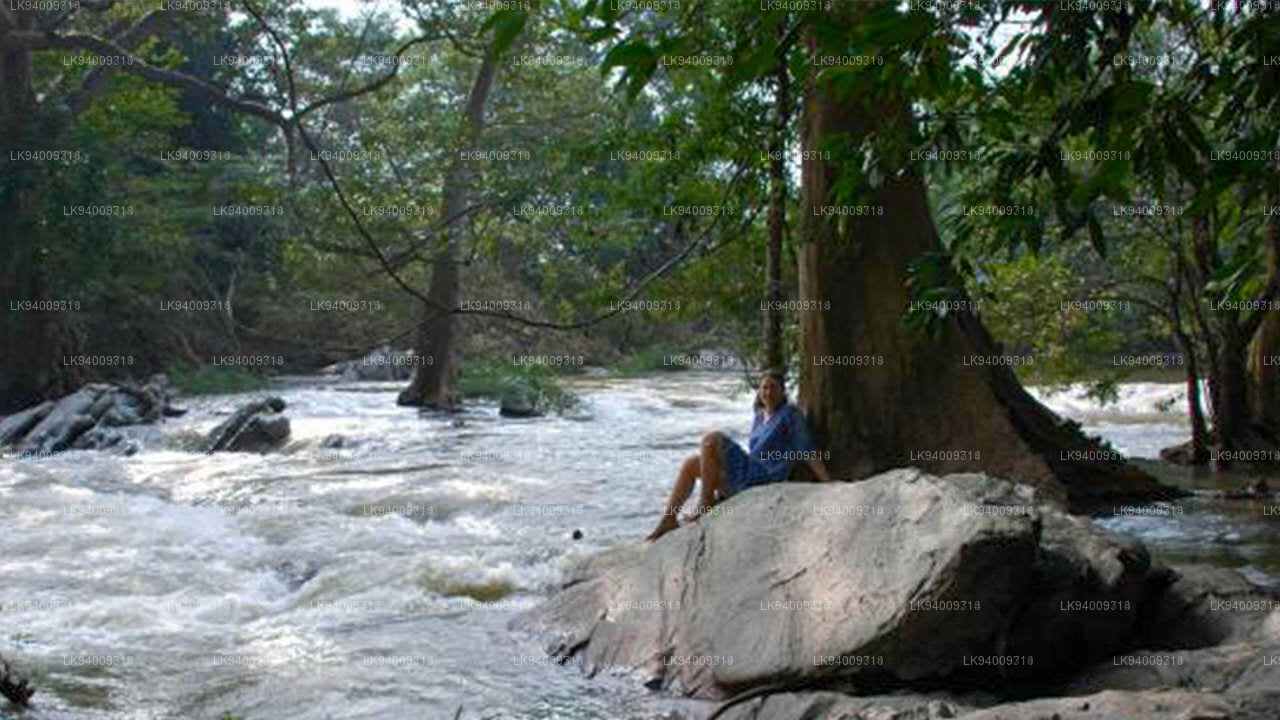 Kumbukkan Oya
The Kumbukkan Oya is the twelfth-longest river of Sri Lanka. It is approximately 116 km (72 mi) long. Its catchment area receives approximately 2,115 million cubic metres of rain per year.
-
 Maduru Oya
The Maduru Oya is a major stream in the North Central Province of Sri Lanka. It is approximately 135 km (84 mi) in length. approximately 3,060 million cubic metres of rain per year
-
 Manik River
Explore the peaceful Manik River, surrounded by lush greenery and rich wildlife. Enjoy scenic boat rides and nature walks, offering a serene and refreshing experience.
-
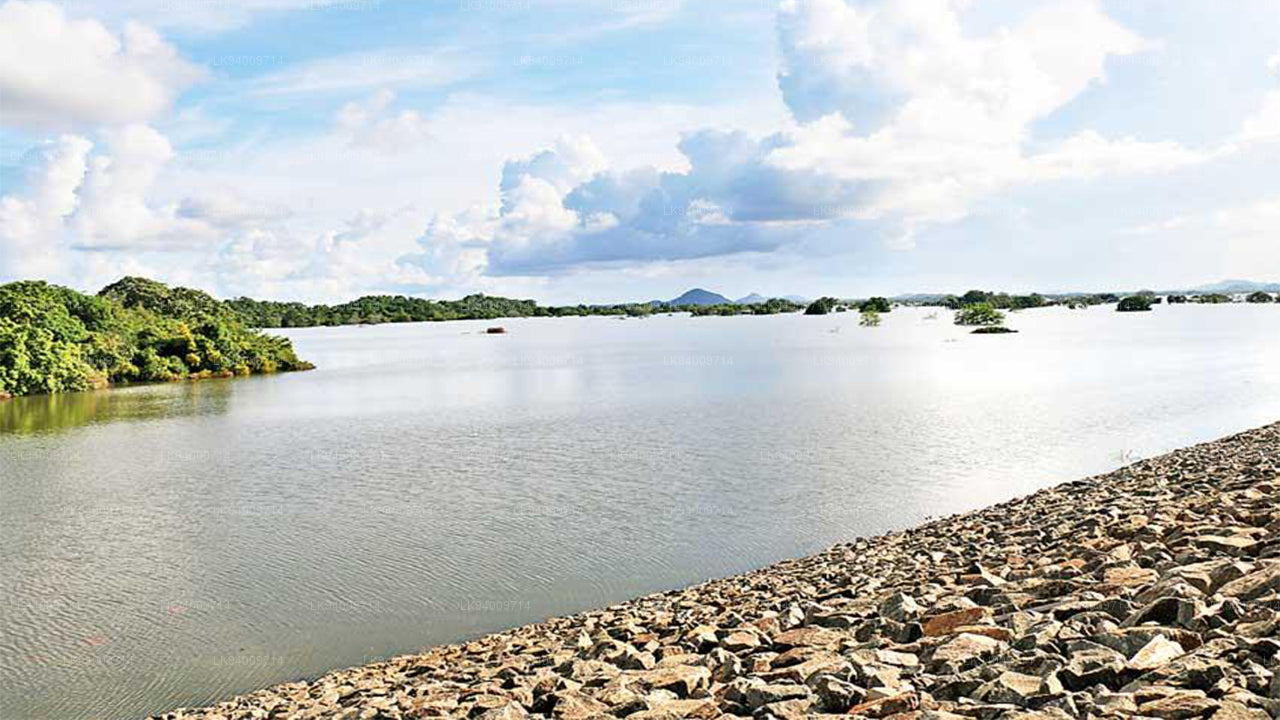 Yan Oya
The Yan Oya, 142 km long and receives 2,371 million cubic meters of rainfall annually, with 17% flowing to the sea. Its catchment area covers 1,520 square kilometers.