Lakpura
Lakpura®

Food

Sri Lankan cuisine is one of the most distinctive in South Asia — built on centuries of trade, agriculture, and cultural exchange. Rice forms the backbone of almost every meal, but it is the layers of spice, coconut, fresh herbs, and regional technique that make Sri Lankan food genuinely complex. Whether you are eating a simple roadside kottu or a ceremonial spread laid out for the Sinhala and Tamil New Year, food in Sri Lanka carries meaning far beyond nutrition.

What makes Sri Lankan cuisine unique?

Sri Lanka sits at the crossroads of ancient spice routes, and that history is still tasted in every curry. The island produces some of the world's finest Ceylon black pepper, cinnamon, cardamom, and cloves — spices that don't just flavour food but also carry Ayurvedic significance. Dishes are intentionally balanced across hot, sour, sweet, and bitter notes, a philosophy rooted in traditional medicine as much as culinary tradition.

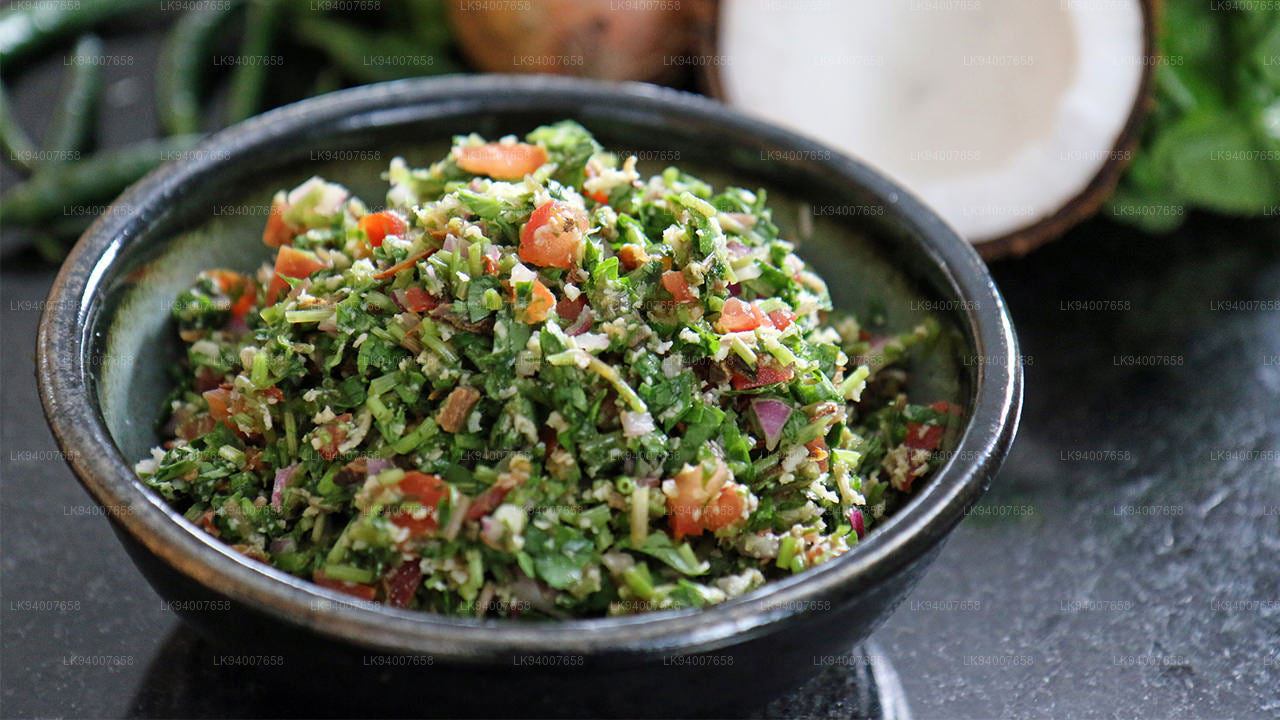
Coconut is woven into virtually every aspect of the cuisine: coconut milk enriches curries and desserts, scraped coconut meat finishes salads (mallum), and coconut oil is the traditional cooking medium. The island's coconut palm — locally called pol — is rightly considered one of its most vital food trees.

Sri Lankan cooking is also deeply regional. The same ingredient or dish can taste markedly different depending on whether you encounter it in the South, the Hill Country, the dry-zone North, or the coastal West. That diversity is one of the great pleasures of eating your way across the island.

What is the staple food of Sri Lanka?

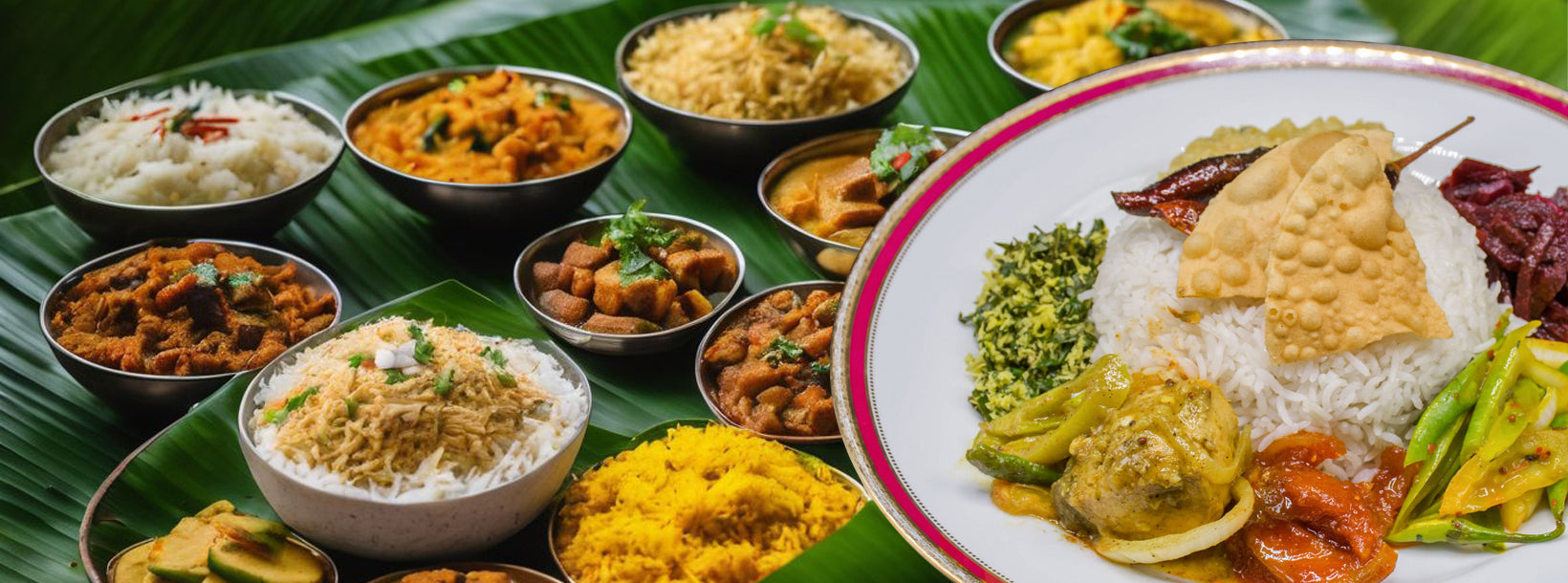
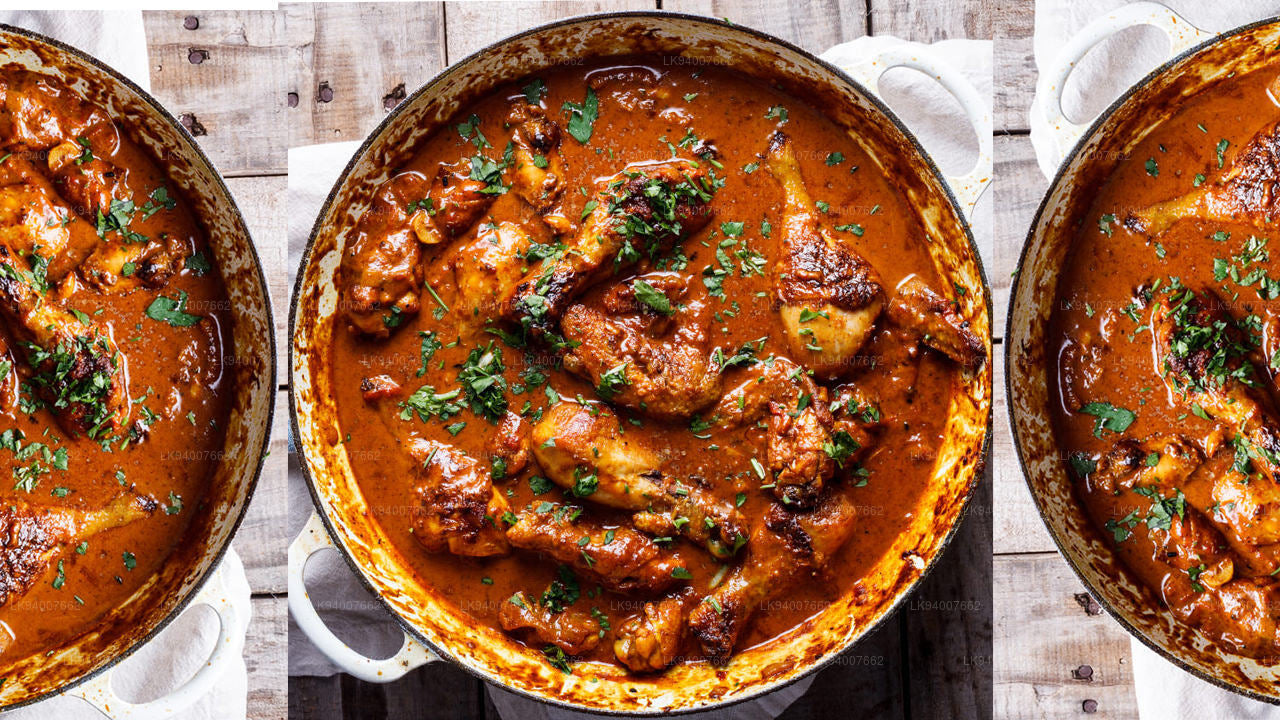
Rice and curry — bath saha malumiris in Sinhala — is the national meal, eaten at lunch and sometimes dinner by the majority of the population. A typical plate arrives as a mound of steamed rice surrounded by small portions of several curries: a protein (fish, chicken, or dhal), a vegetable curry or two, a coconut sambol, and often a pickle or chutney. Each element is seasoned independently, so the flavour combinations shift with every forkful.

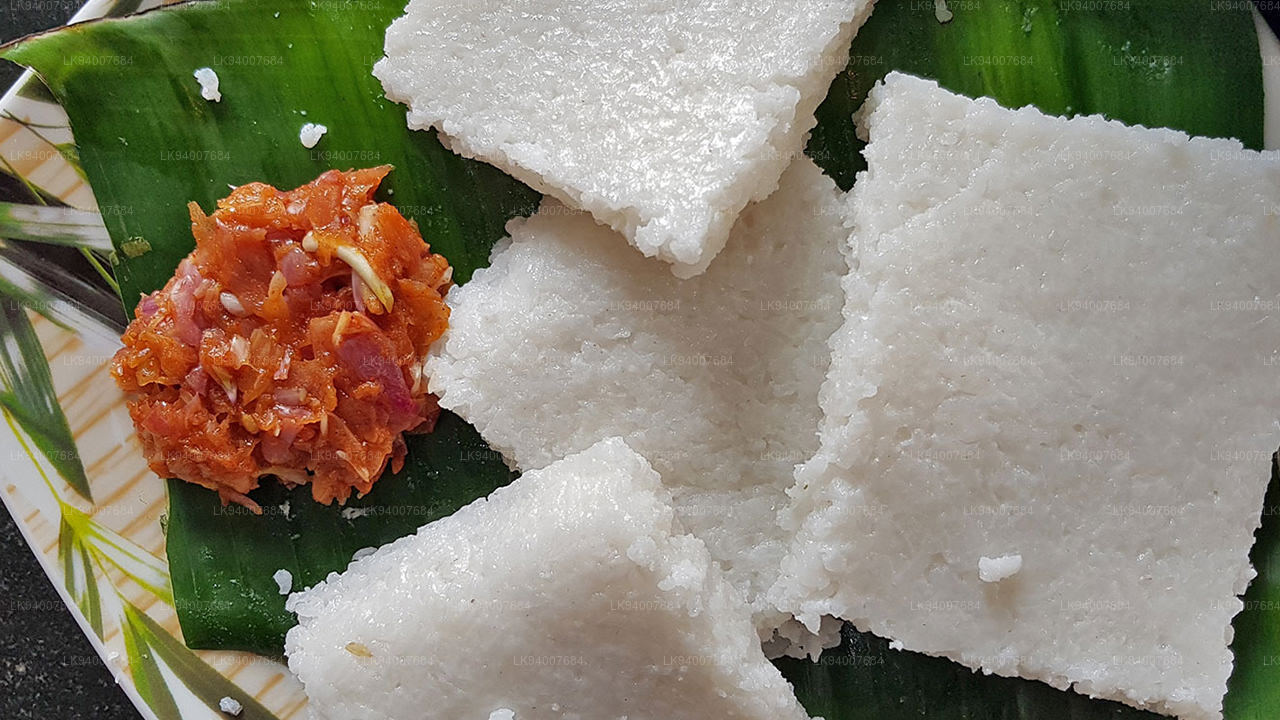
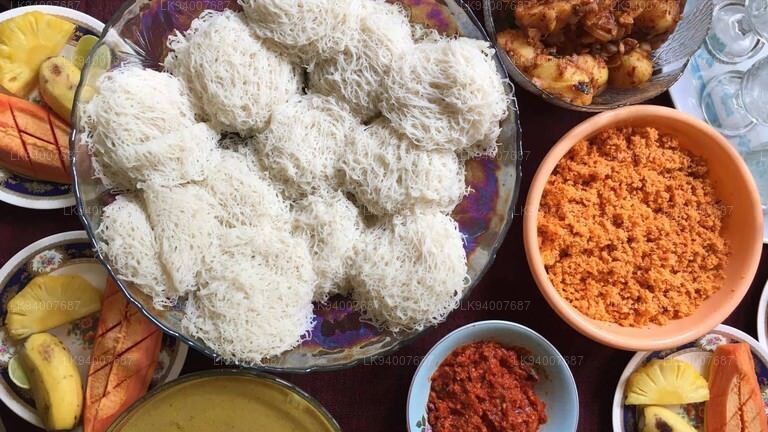
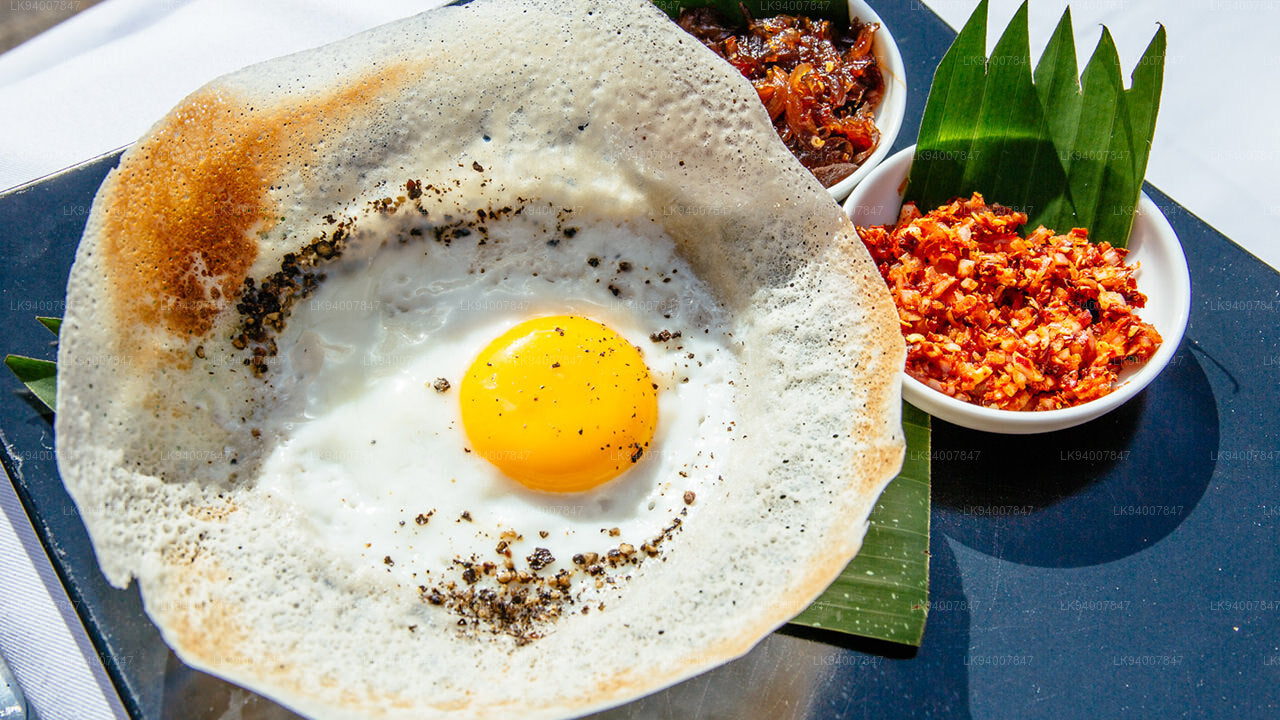
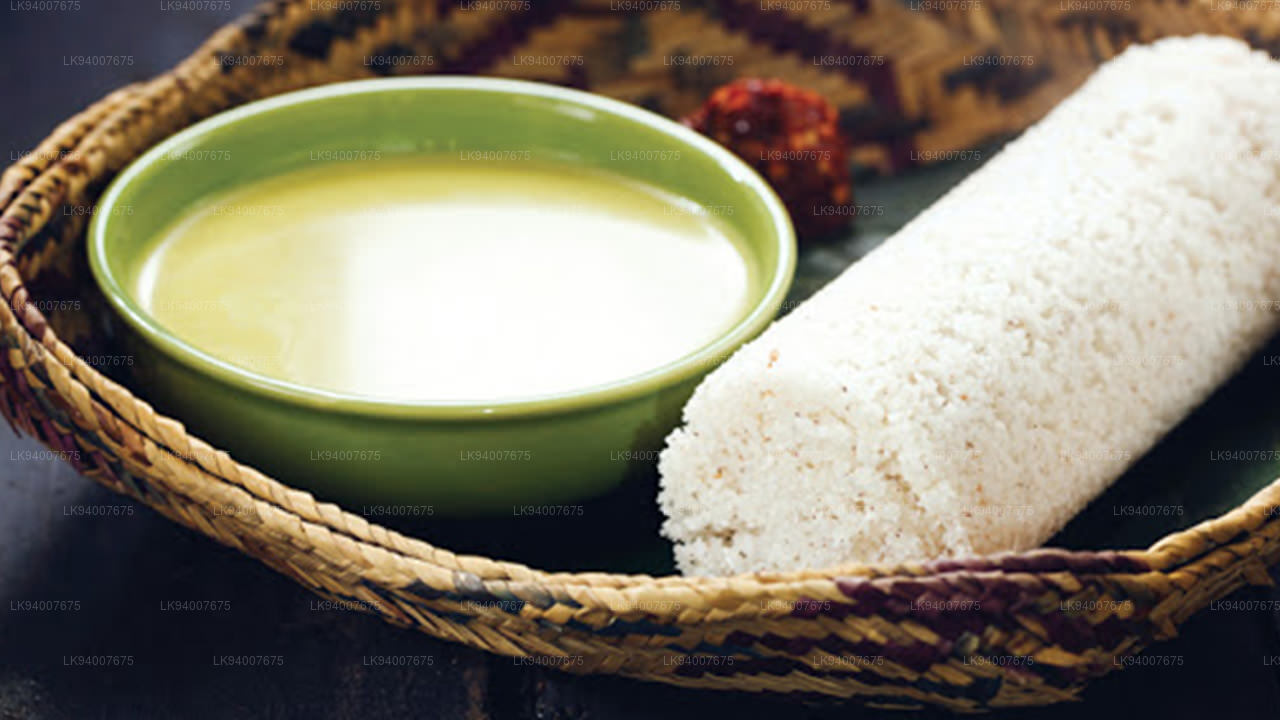
Rice flour is equally important, forming the base of breakfast staples such as string hoppers (indi appa), hoppers (appa), and pittu. These are lighter than rice and typically paired with coconut milk, dhal curry, or a fiery sambol. Wheat-based bread and rotis — introduced partly through Portuguese and Dutch colonial contact — also feature heavily in everyday breakfasts.

How does the South of Sri Lanka influence its food?

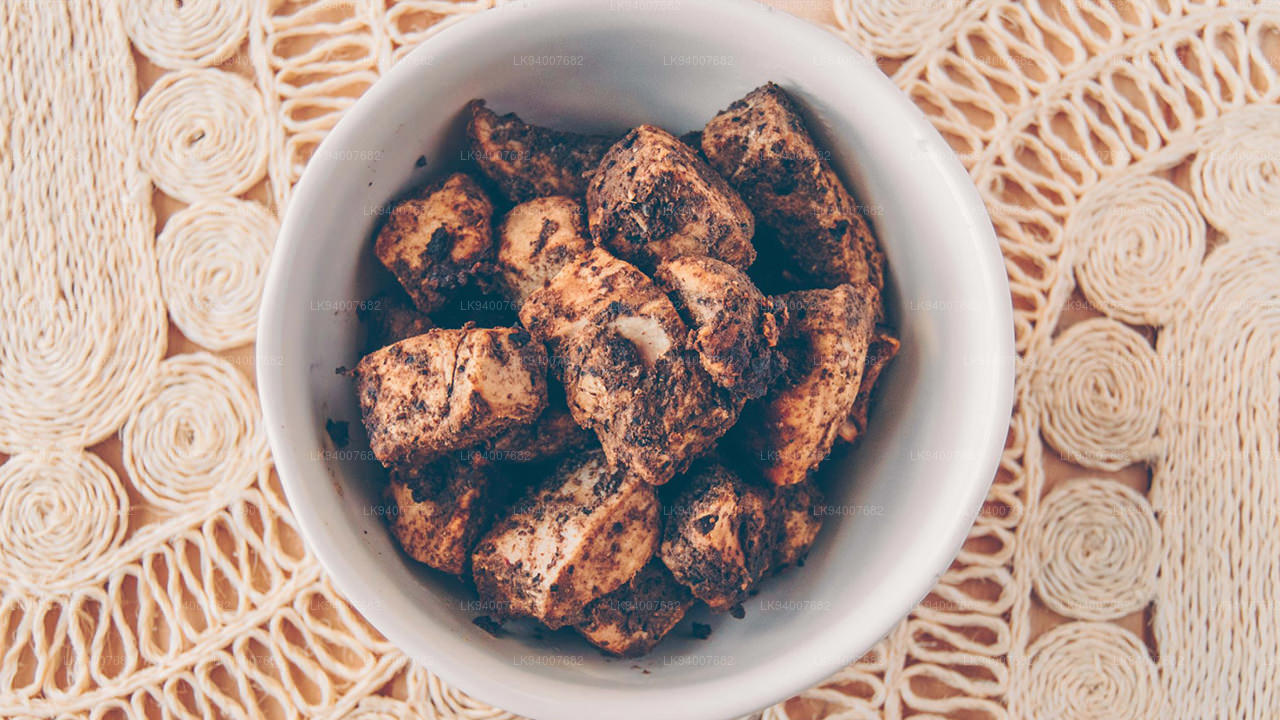
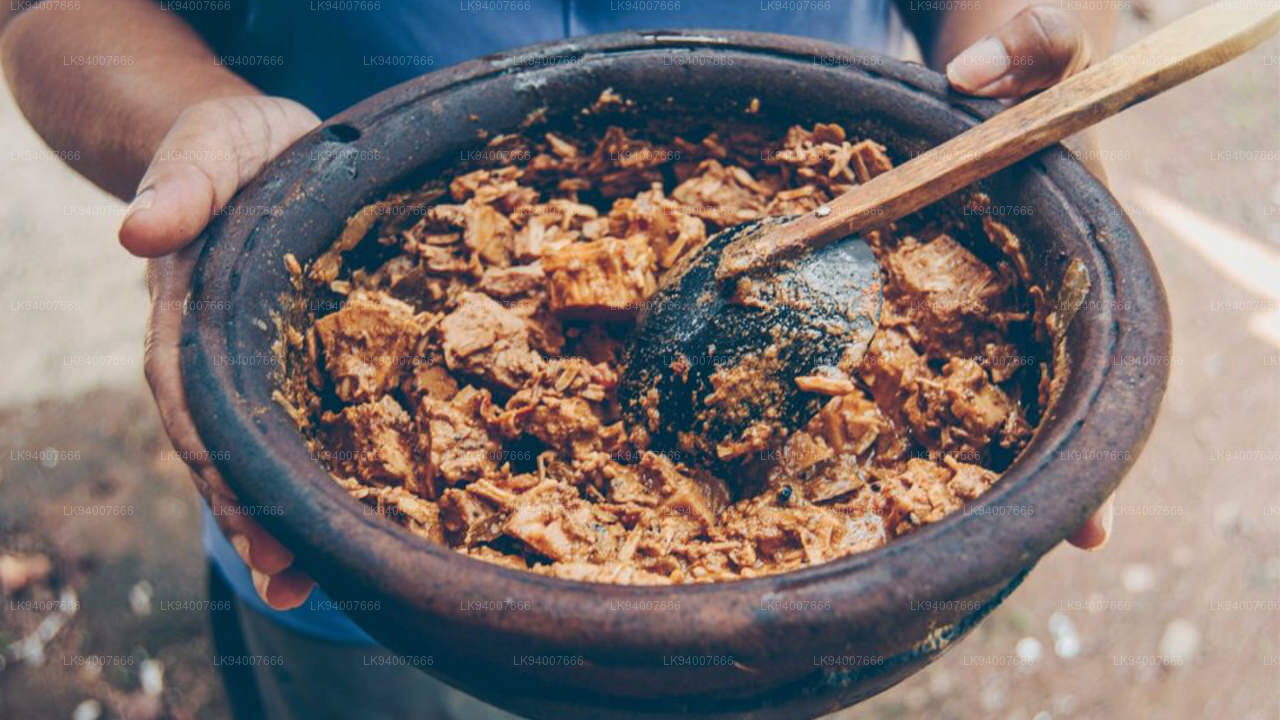
Southern Sri Lankan cooking has a character all its own, shaped by proximity to the coast and a strong fishing tradition. Seafood — tuna, seer fish, crab, prawns, and squid — appears in most meals. The region is the home of ambulthiyal, a dry fish curry made with goraka (Garcinia cambogia), a sour fruit paste that both flavours the fish and acts as a natural preservative. The result is intensely tangy and spiced — nothing quite like it exists elsewhere on the island.

Southern curries are generally darker and spicier than those prepared in Colombo or the Hill Country, using a higher proportion of roasted spice powders. Visiting the Galle city area gives a good introduction to this coastal kitchen style, with fresh catches sold at the harbour each morning and small restaurants preparing them with minimal fuss.

What are Sri Lanka's most important spices?

A well-stocked Sri Lankan kitchen keeps a long list of aromatics, but a handful appear in nearly every savory dish:

  • Ceylon cinnamon — milder and more complex than cassia; used in curries, desserts, and infusions
  • Black pepper — Sri Lanka has grown it for over two thousand years; essential in meat and vegetable dishes
  • Cloves (Syzygium aromaticum) — added whole to rice dishes and biryanis for warmth and depth
  • Turmeric — the base of almost every curry, lending colour and anti-inflammatory properties
  • Pandan leaves (rampe) — a fragrant leaf used to temper oil before adding other ingredients
  • Curry leaves (karapincha) — fried in coconut oil at the start of a curry, releasing a distinctive nutty aroma
  • Goraka — dried Garcinia rinds that add a sour, smoky note, particularly in fish preparations

Many of these spices also appear in Ayurvedic formulations, reflecting the long tradition of treating food as medicine in Sri Lankan culture.

What traditional Sri Lankan dishes should you try?

Beyond rice and curry, a food trail through Sri Lanka will surface dozens of dishes worth seeking out:

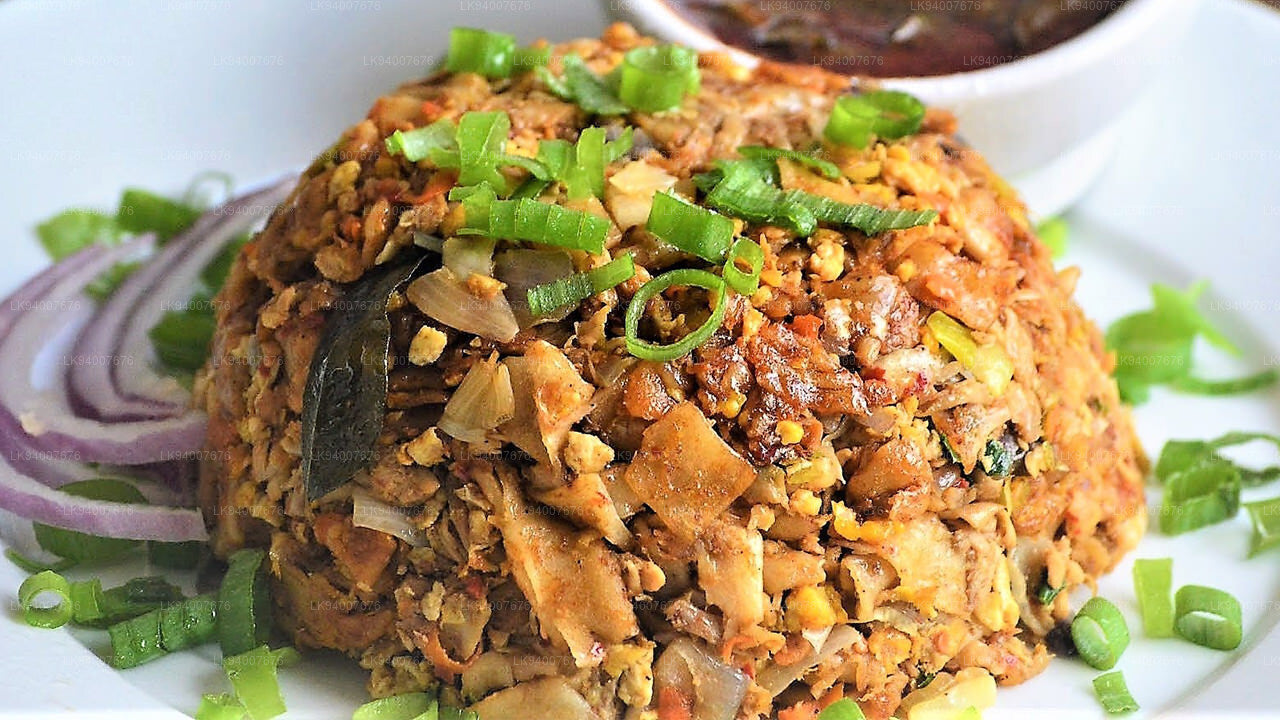
  • Kottu roti — shredded flatbread stir-fried on a griddle with egg, vegetables, and meat or seafood; the rhythmic clang of the metal blades chopping it is a signature sound of Sri Lankan streets
  • Milk rice (kiribath) — rice cooked in coconut milk, served at auspicious occasions including the Sinhala and Tamil New Year
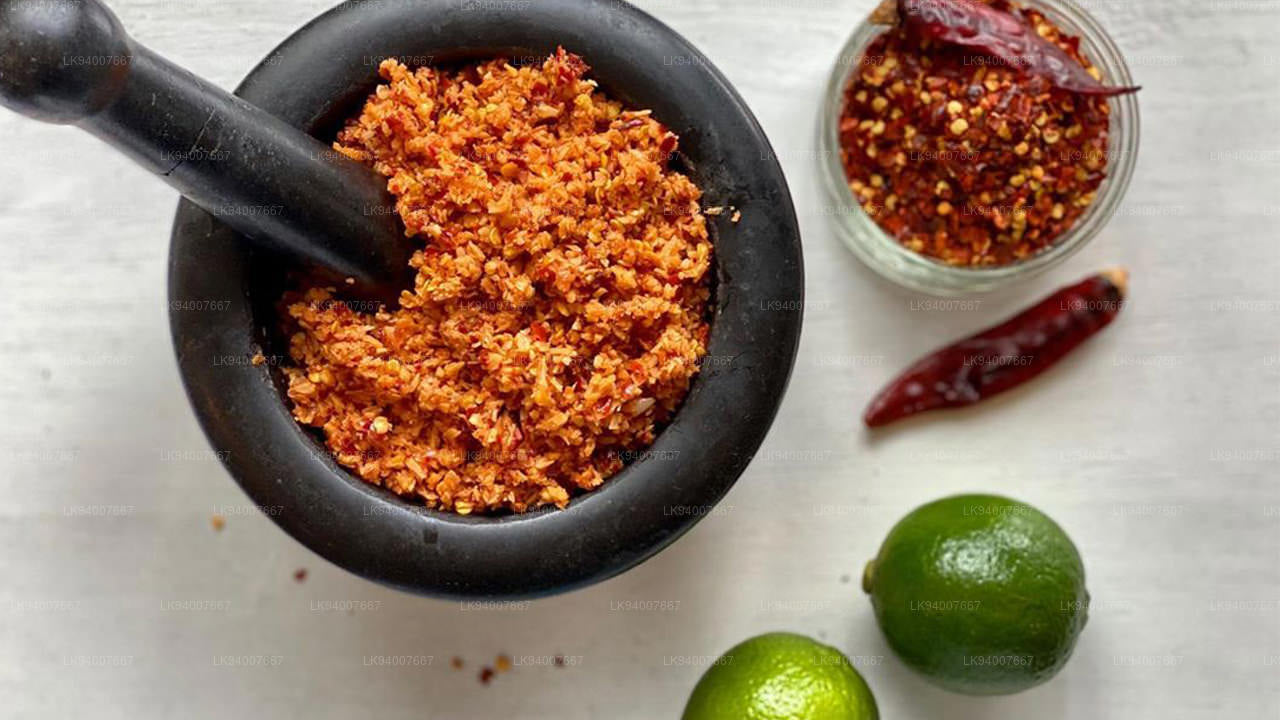
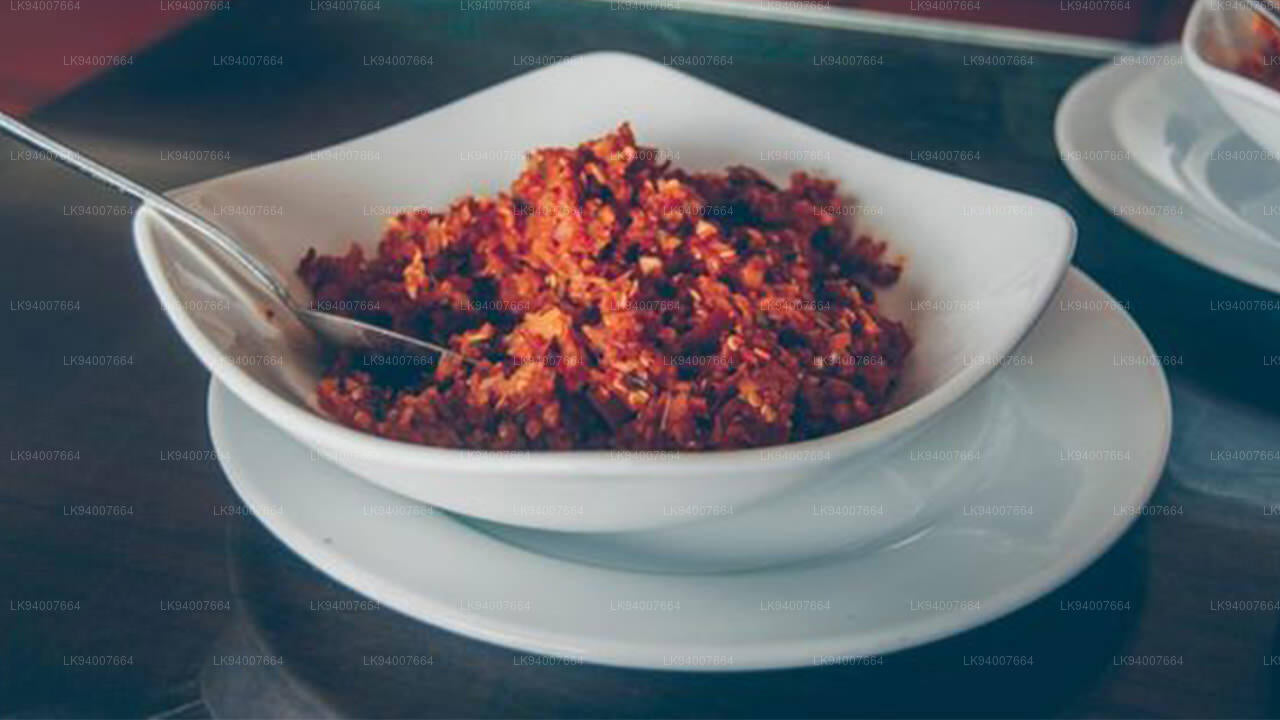
  • Pol sambol — freshly scraped coconut mixed with red chilli, shallots, lime, and Maldive fish; eaten with almost every breakfast
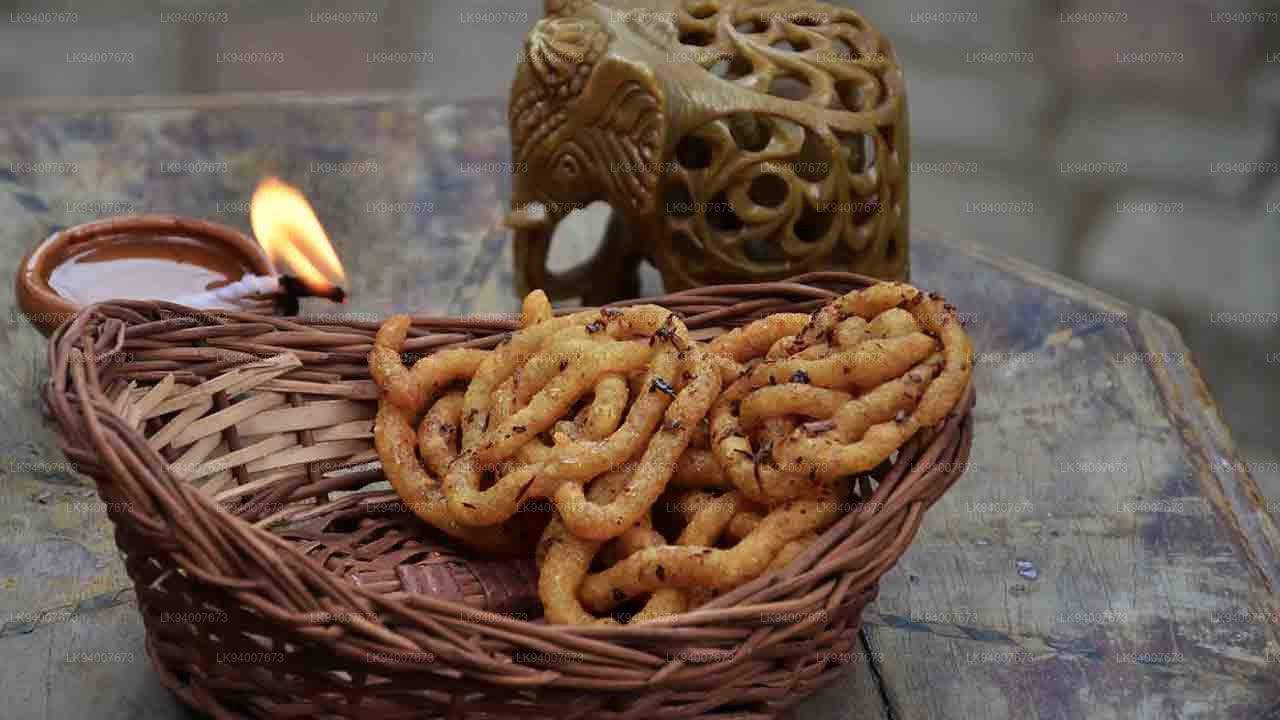
  • Kokis — a crispy, oil-fried snack made from rice flour and coconut milk, traditionally prepared at New Year; a legacy of Dutch influence on Sri Lankan confectionery
  • Watalappan — a steamed coconut custard set with jaggery and spiced with cardamom and nutmeg; a Malay-influenced dessert popular at Muslim celebrations
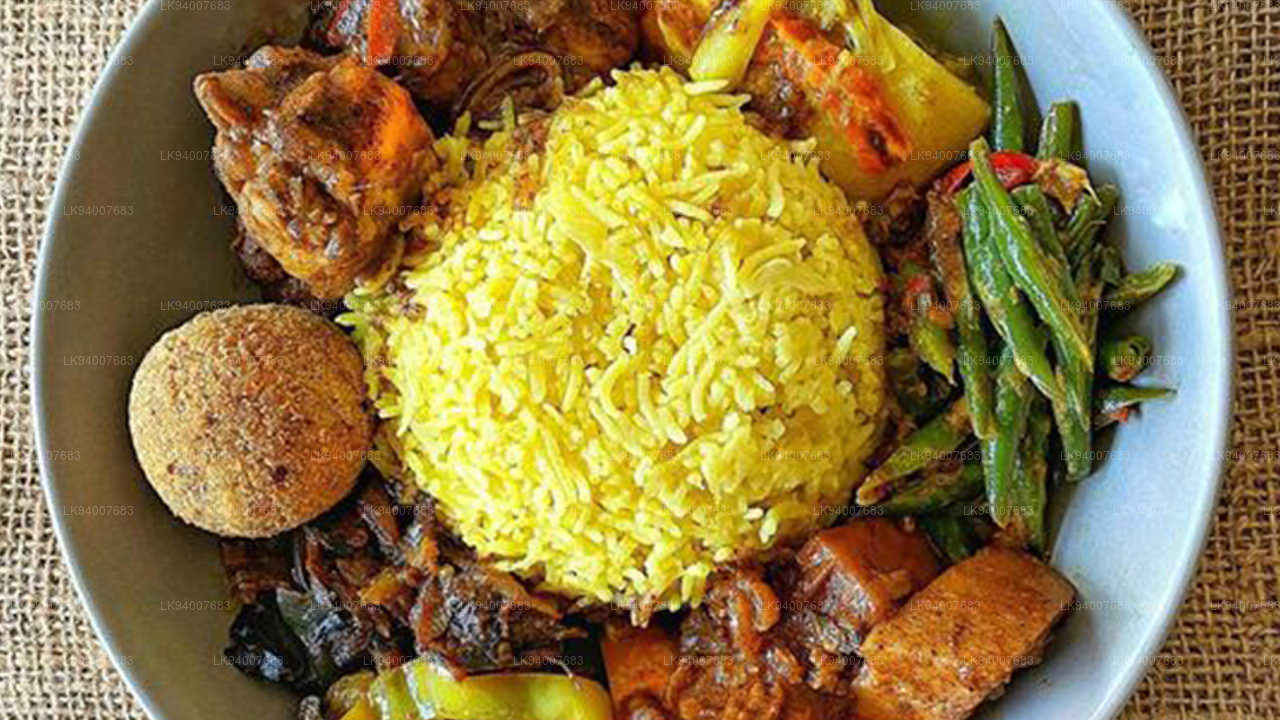
  • Lamprais — a Dutch Burgher dish of rice, three curries, a frikkadel, and blachan, all wrapped in a banana leaf and baked
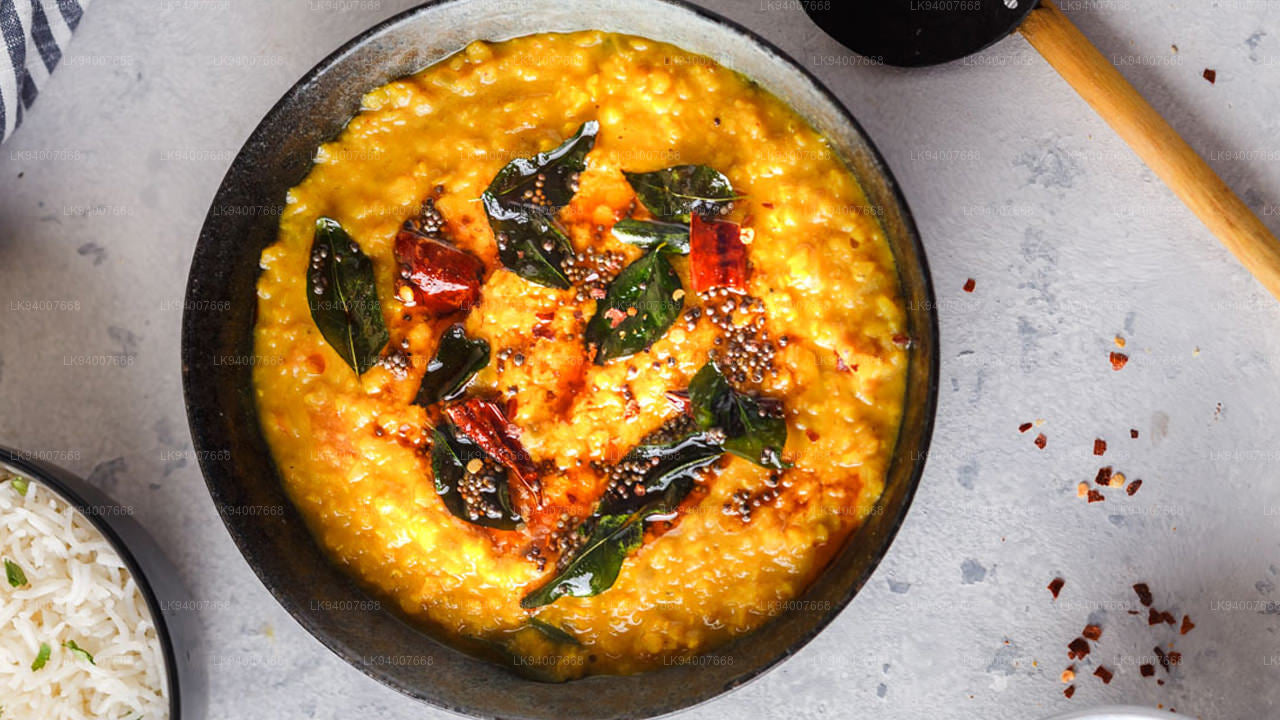
  • Dhal curry (parippu) — slow-cooked red lentils finished with a coconut milk tempering; the most universally eaten dish on the island

How does Sri Lankan street food differ from restaurant food?

Street food in Sri Lanka operates on entirely different rhythms. In the early morning, roadside stalls sell string hoppers, hoppers, and wade (fried lentil fritters) alongside glasses of sweet, milky tea. By midday, rice-and-curry parcels wrapped in banana leaves appear near bus stations and markets. Come evening, kottu-roti carts take over, producing meals to order in under five minutes.

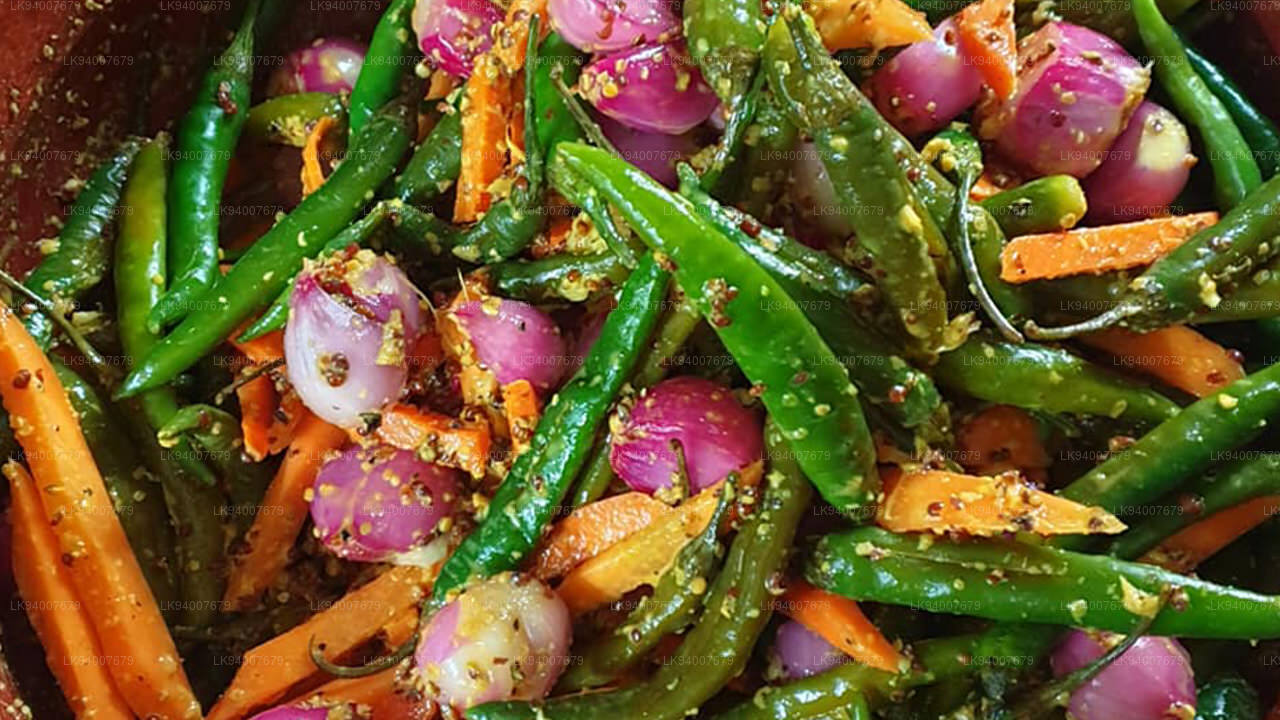
Lunu dehi — a pungent lime pickle — and pani kadju (cashews in jaggery syrup) are among the condiments and snacks that define the informal food culture of the island. Colombo's Pettah market district is one of the best places to eat across multiple traditions — Sinhalese, Tamil, Muslim, and Burgher stalls often sit within metres of each other.

How does Sri Lankan food vary by region?

The Hill Country, centred around Kandy and the tea districts, produces some of the island's finest vegetables — leeks, carrots, and greens grown in the cool climate appear in dishes that are lighter on coconut and heavier on whole spices. A visit to Ella reveals this mountain cooking style clearly, with roadside restaurants serving vegetable-forward meals quite different from what you would find in Colombo.

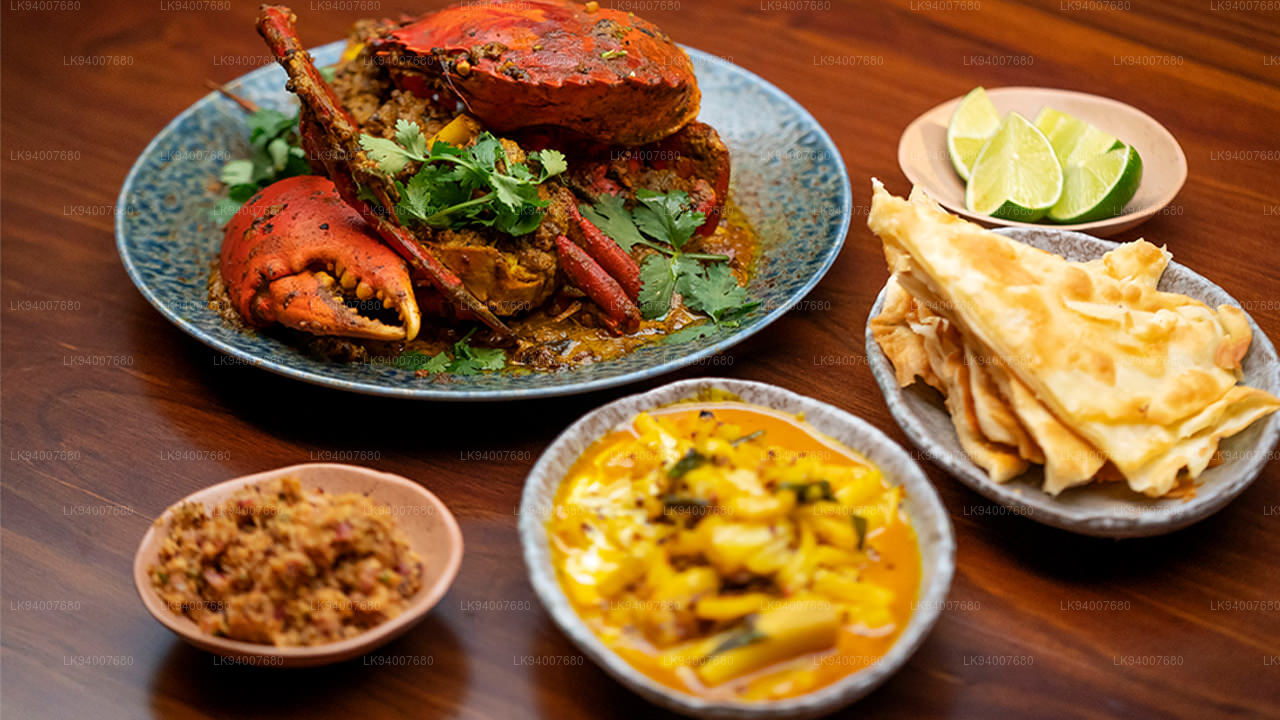
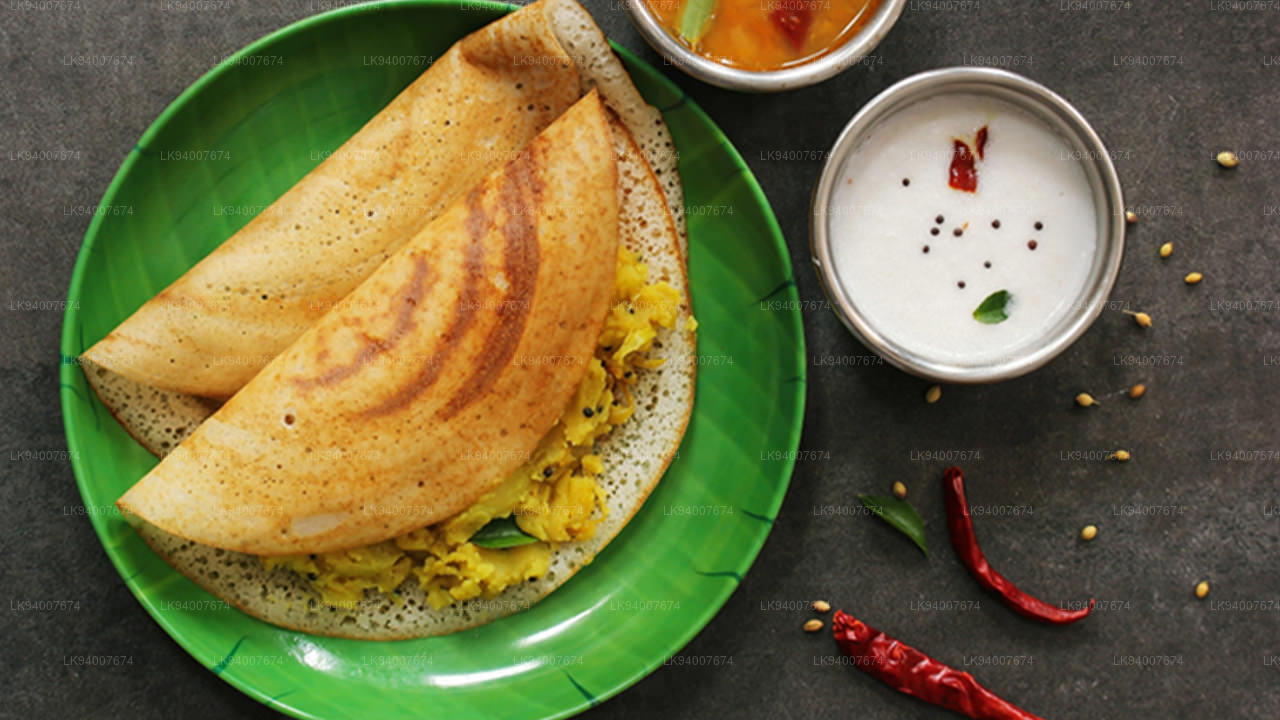
In the North and East, Tamil cooking traditions dominate. Food here tends to be drier in texture, with a heavier use of tamarind, dried chillies, and sesame. Jaffna crab curry, made with the local blue swimmer crabs, is considered one of the great regional dishes of the entire island. Rice preparations are similar to South Indian traditions, with thin, crisp dosai and idli eaten alongside sambar and chutneys.

The coastal belt — from Negombo in the west to Trincomalee in the east — is naturally oriented toward seafood. Fishing communities along the coast eat fish in some form at every meal, and the freshest catch almost always goes straight into the curry pot rather than to a restaurant.

What is the role of food in Sri Lankan culture and festivals?

In Sri Lanka, food marks time. The Sinhala and Tamil New Year (Aluth Avurudu) in April is the most food-intensive celebration of the year: kiribath is prepared at an auspicious moment determined by the astrologer, sweetmeats including kokis, athirasa, and kavum are made in large batches and shared between households, and families gather for a communal meal that can run to a dozen dishes. The Esala Perahera in Kandy and other major religious events similarly bring out specific ritual foods tied to offerings and communal feasting.

Chena cultivation — the traditional slash-and-burn farming of the dry zone — has shaped the Sinhalese diet for millennia. Many staple crops including manioc, corn, and a range of gourds and beans come from this tradition. The paddy field, or kumbura, remains the physical and cultural centre of rural life in much of the country.

What should vegetarians and vegans expect in Sri Lanka?

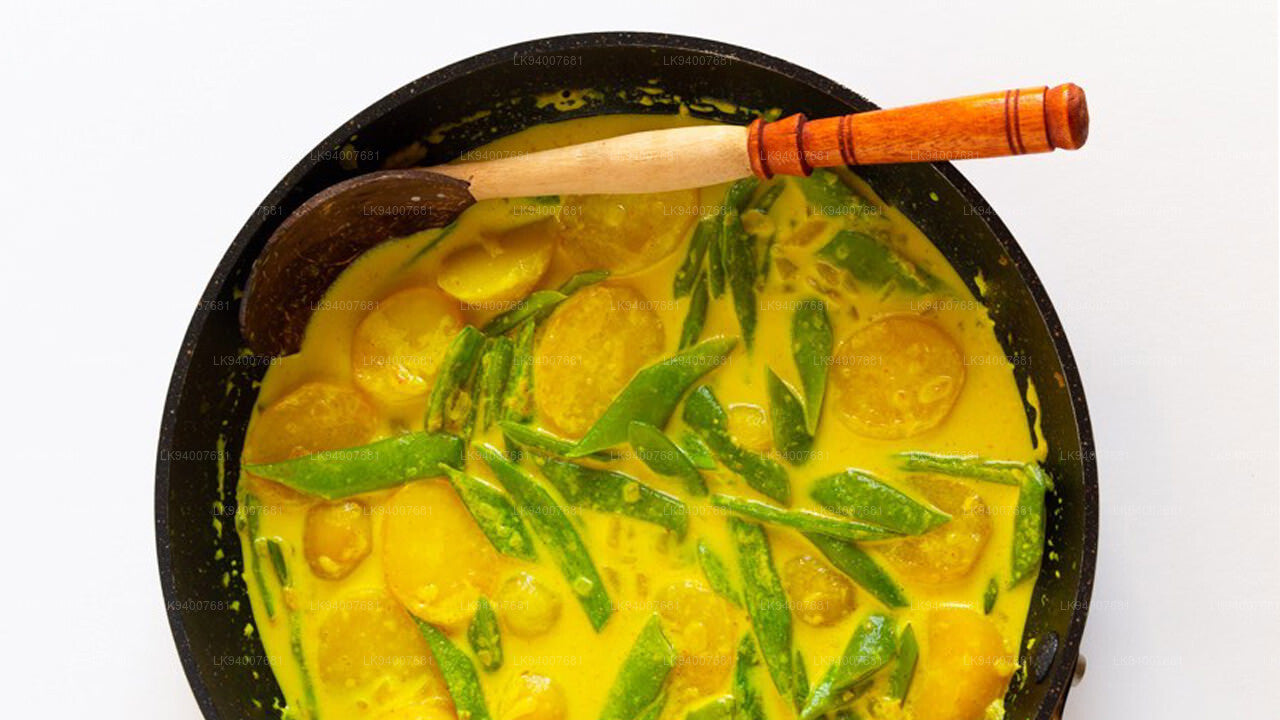
Sri Lanka is unusually good territory for vegetarian travellers. The majority of everyday curries are plant-based — jackfruit, breadfruit, green banana, drumstick, and a wide range of leafy vegetables are prepared with enough spice and technique that they are fully satisfying main courses in their own right. Dhal, coconut sambol, and plain rice form a complete meal that appears on almost every menu for a very modest price.

Vegans need to check for Maldive fish (dried tuna), which appears in many sambols and some vegetable dishes as a seasoning rather than a main ingredient. Asking specifically about this will usually result in a version made without it. Buddhist temple towns and pilgrimage sites typically have multiple purely vegetarian options near their entrances.

Book this experience with Lakpura

Curated by our local team. Direct booking, instant confirmation.

Ask Lakpura® Agent