String hoppers — known in Sinhala as ඉඳි ආප්ප (indi appa) and in Tamil as idiyappam — are one of Sri Lanka's most quietly satisfying staple foods. Pressed through a mould into delicate, lace-like noodle nests and then steamed, they appear on breakfast and dinner tables across the island, from modest home kitchens to boutique guesthouses in the hill country.
What exactly are string hoppers?
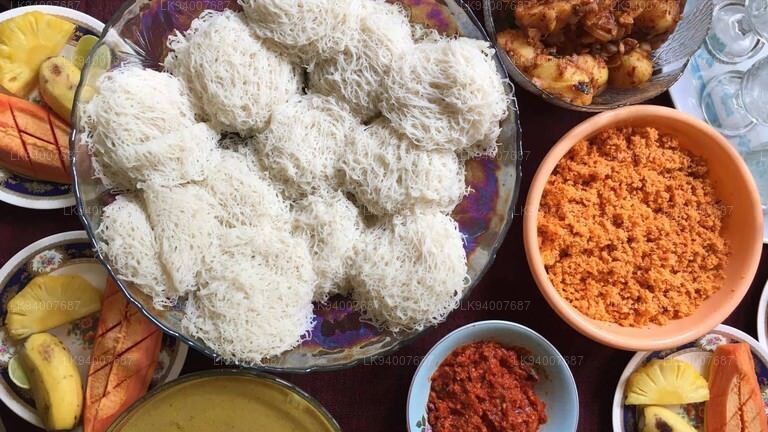
A string hopper is a small, circular nest of steamed rice-flour noodles, roughly the size of your palm. The texture is soft and slightly springy — nothing like dried pasta — and the flavour is mild enough to carry whatever sambal or curry is served alongside. Unlike kokis or other Sri Lankan fried snacks, string hoppers are steamed, making them lighter and easier to digest.
They are made from either white or red rice flour. Red-rice string hoppers have a nuttier taste and a slightly denser texture; white-rice versions are more delicate. A third option — finger millet flour (kurakkan or ragi) — produces darker, earthy-flavoured hoppers that are popular in rural households and among those looking for a higher-fibre alternative.
What do you need to make string hoppers?
The equipment is simple and widely available across Sri Lanka, and increasingly in South Asian grocery stores worldwide. You need:
- A string hopper press — a cylindrical mould fitted with a die plate that has fine holes. Presses come in wood or aluminium; aluminium models tend to be more durable for regular use.
- String hopper mats — small woven cane or bamboo discs onto which you press the dough before steaming. Each mat holds one hopper.
- A steamer — a tiered steamer or a wok with a tight-fitting lid works well.
If you cannot find cane mats, you can press the dough directly onto banana leaves or parchment paper placed inside a bamboo steamer.
What ingredients go into string hoppers?
The basic recipe is three ingredients, which is part of its enduring appeal.
| Ingredient | Quantity (serves 4) | Notes |
|---|---|---|
| Rice flour (red or white) or finger millet flour | 2 cups | Use dedicated string hopper flour where possible — it is ground more finely than general-purpose rice flour |
| Warm water | Around ½ cup | Add gradually; the exact amount varies by flour brand and humidity |
| Salt | 1 teaspoon | Adjust to taste |
Some cooks add a small amount of coconut oil to the dough to keep the hoppers from sticking together after steaming. A pinch of food colouring — or a natural alternative such as butterfly pea flower extract — can turn the nests a vivid blue or purple, a popular choice for festive occasions.
How do you make string hoppers step by step?
- Toast the flour (optional but recommended): spread the flour in a dry pan and stir over low heat for six to eight minutes until it smells faintly nutty and any raw-flour edge is gone. Allow it to cool slightly before proceeding.
- Mix the dough: combine the flour and salt in a bowl. Pour in warm water a little at a time, mixing constantly with your hand or a stand mixer. The dough is ready when it pulls cleanly away from the sides of the bowl and is smooth but not sticky. If it cracks when pressed, add a few more drops of water.
- Fill the press: pack the dough firmly into the string hopper press, making sure there are no air pockets.
- Press the nests: hold the press over a mat and turn or push the handle in a steady circular motion so the noodle strands fall in overlapping loops, building a nest roughly 7–8 cm across. One press-load typically fills two or three mats.
- Steam: stack the loaded mats in a steamer over briskly boiling water, cover tightly, and steam on medium heat for eight to ten minutes. The hoppers are done when the dough looks set and no longer appears raw in the centre.
- Serve immediately: string hoppers cool quickly and firm up if left too long. Bring them to the table straight from the steamer.
What do Sri Lankans eat with string hoppers?
The accompaniments are half the pleasure. A traditional Sri Lankan breakfast plate might include two or three of the following alongside a stack of hoppers:
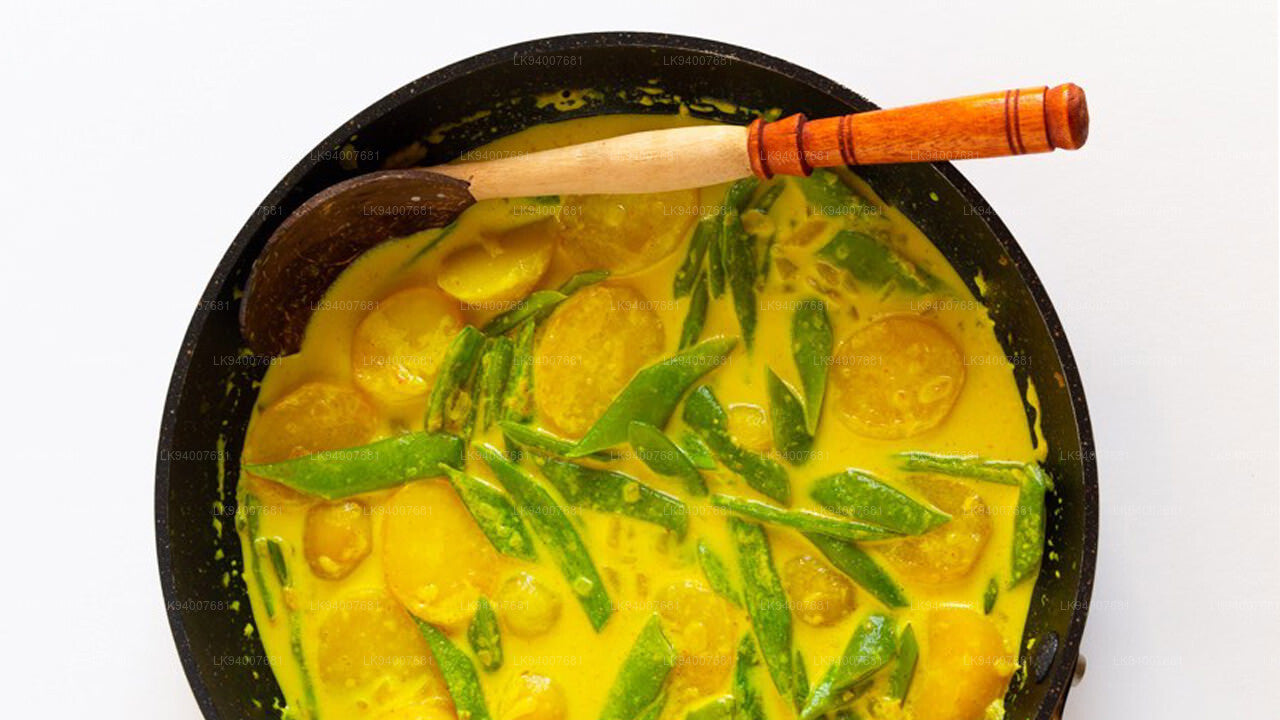
- Kiri hodi — a thin, mildly spiced coconut milk gravy, often considered the classic pairing
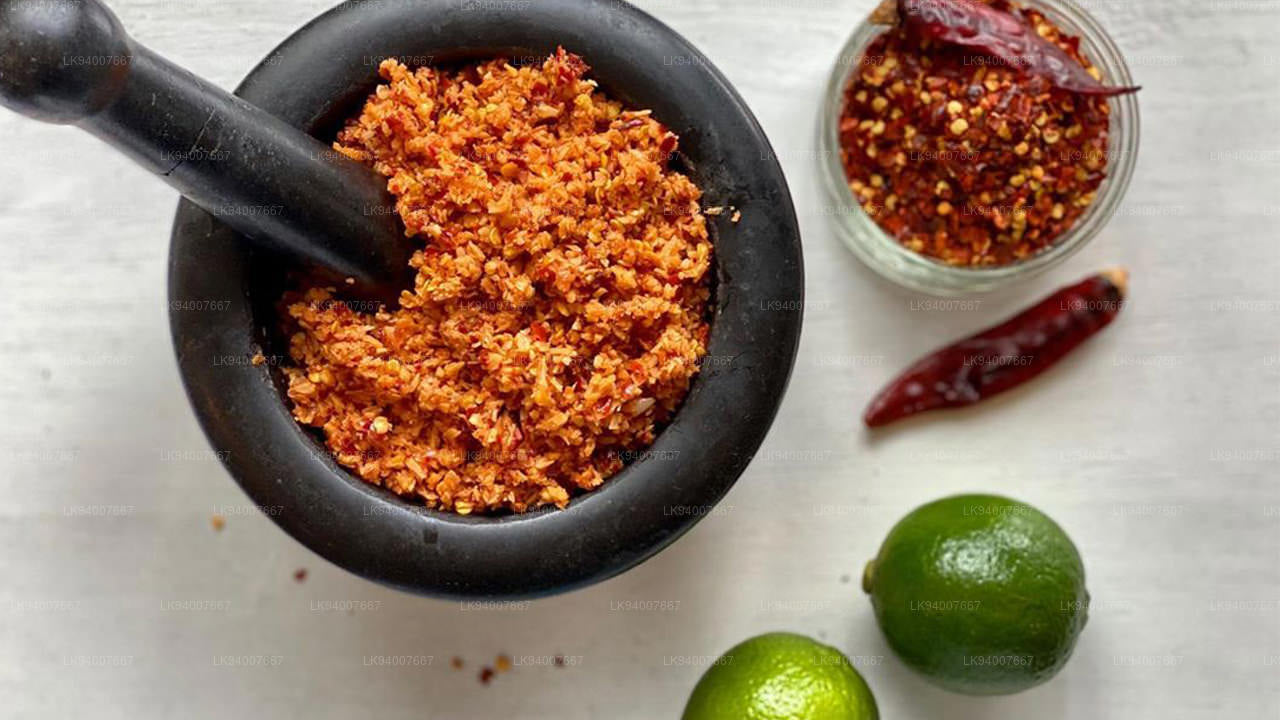
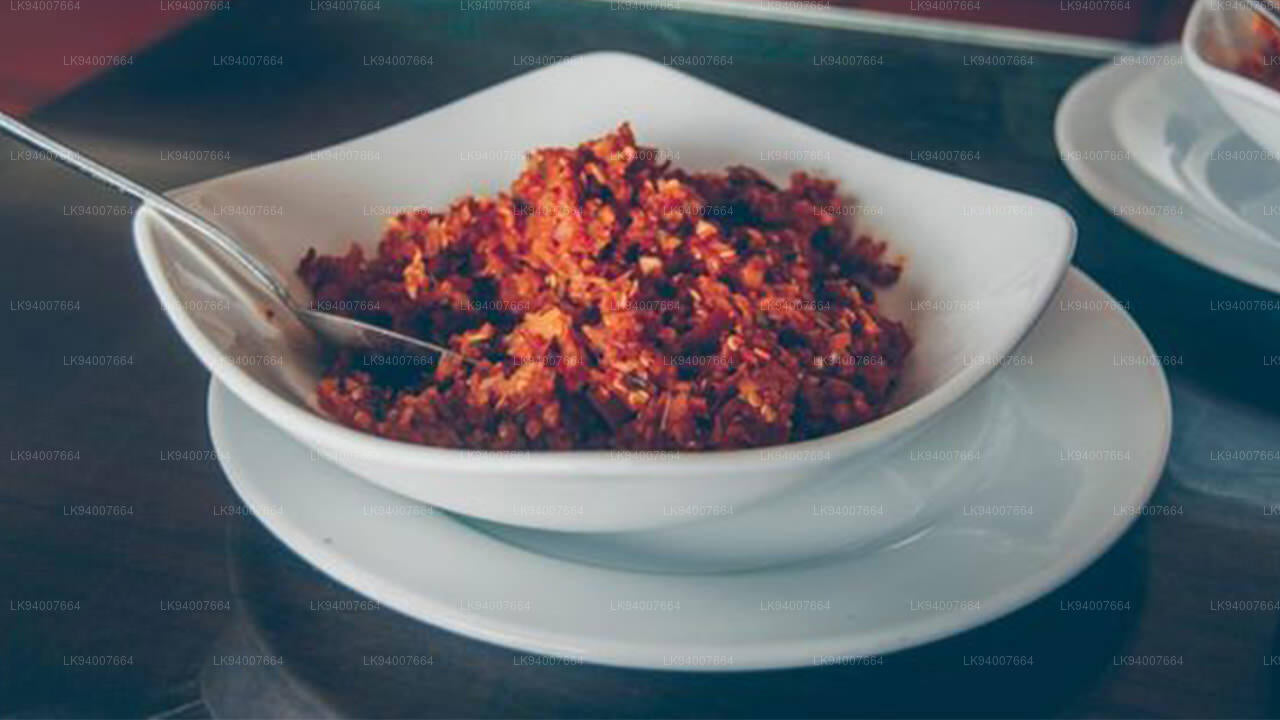
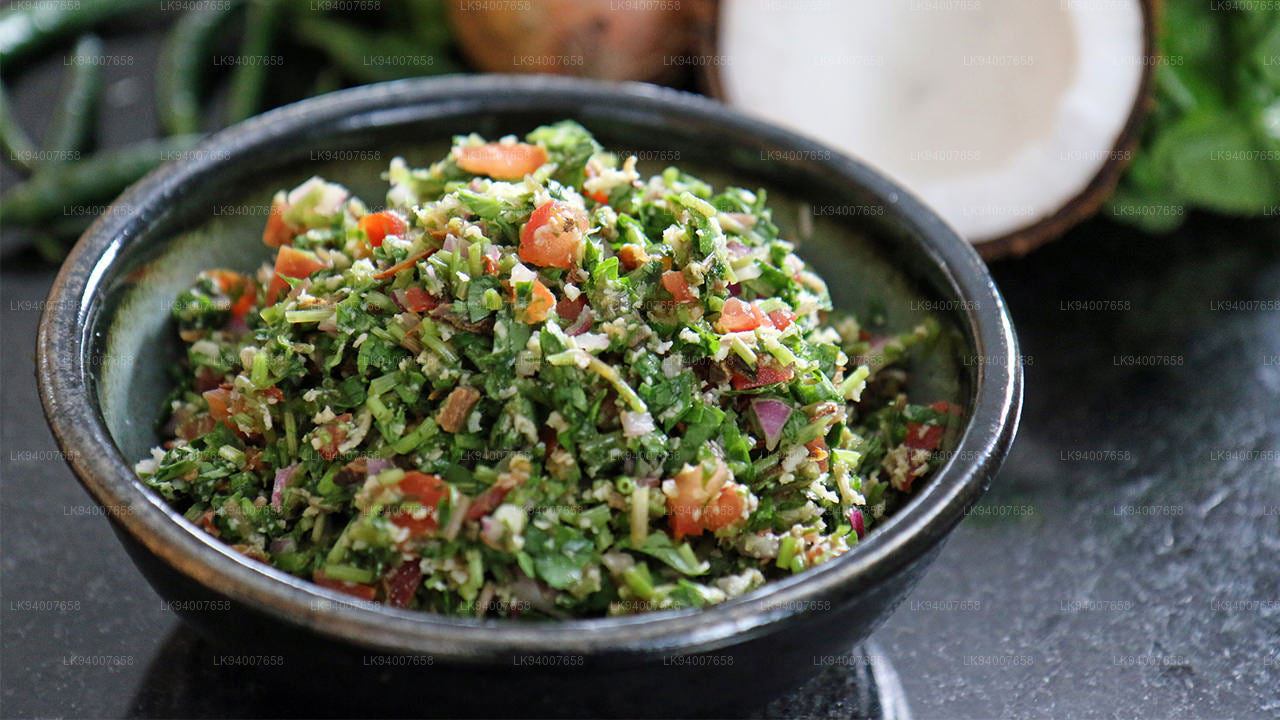
- Pol sambal — freshly grated coconut sambal with chilli, lime, and onion
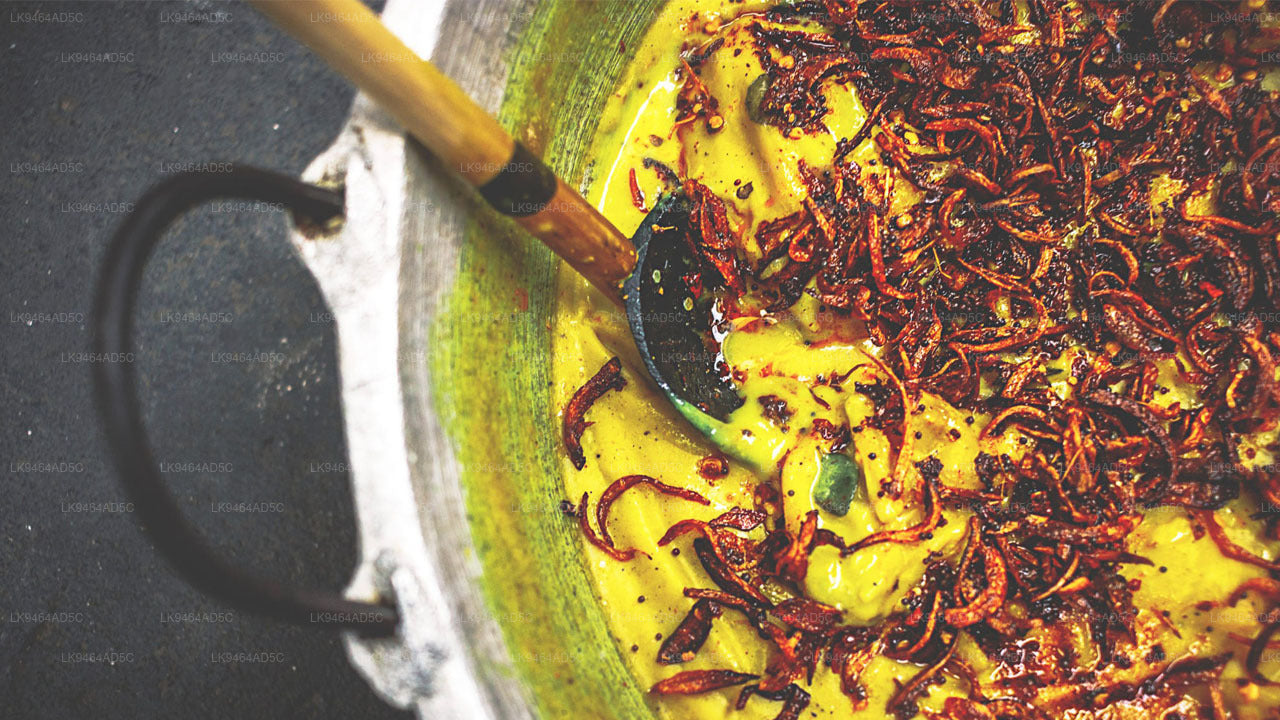
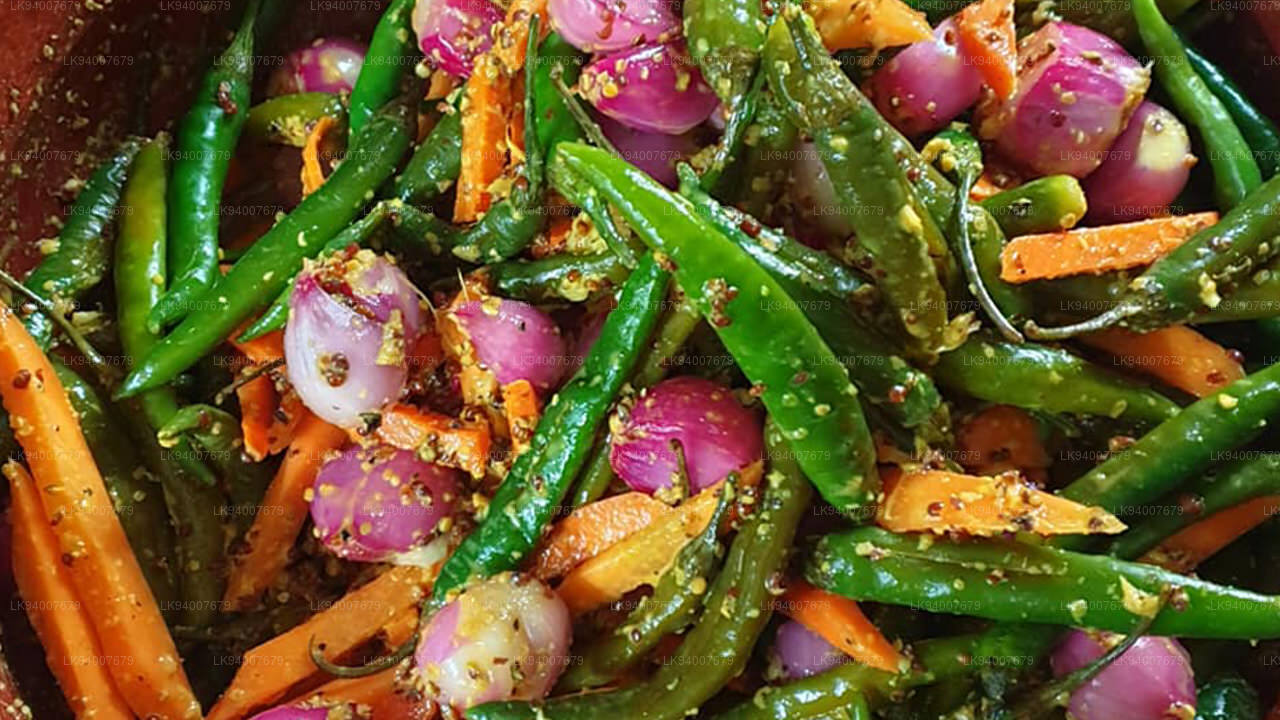
- Lunu miris — a sharper, drier chilli-and-onion relish
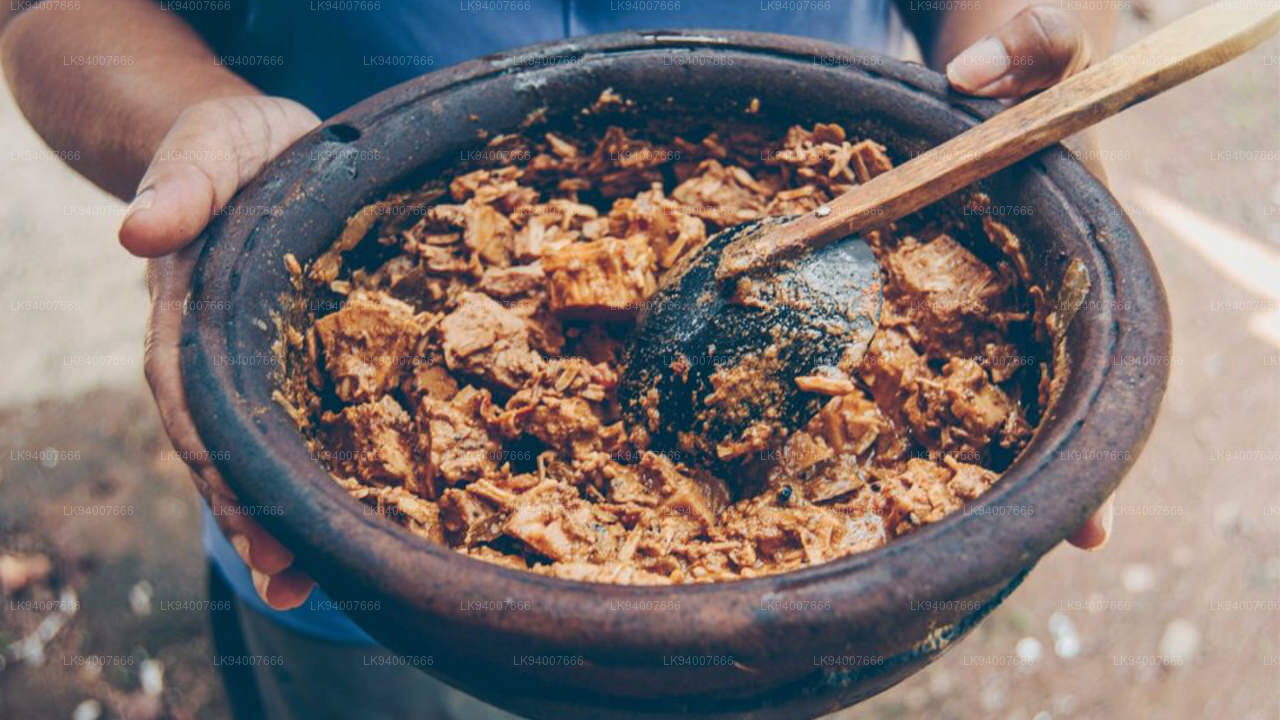
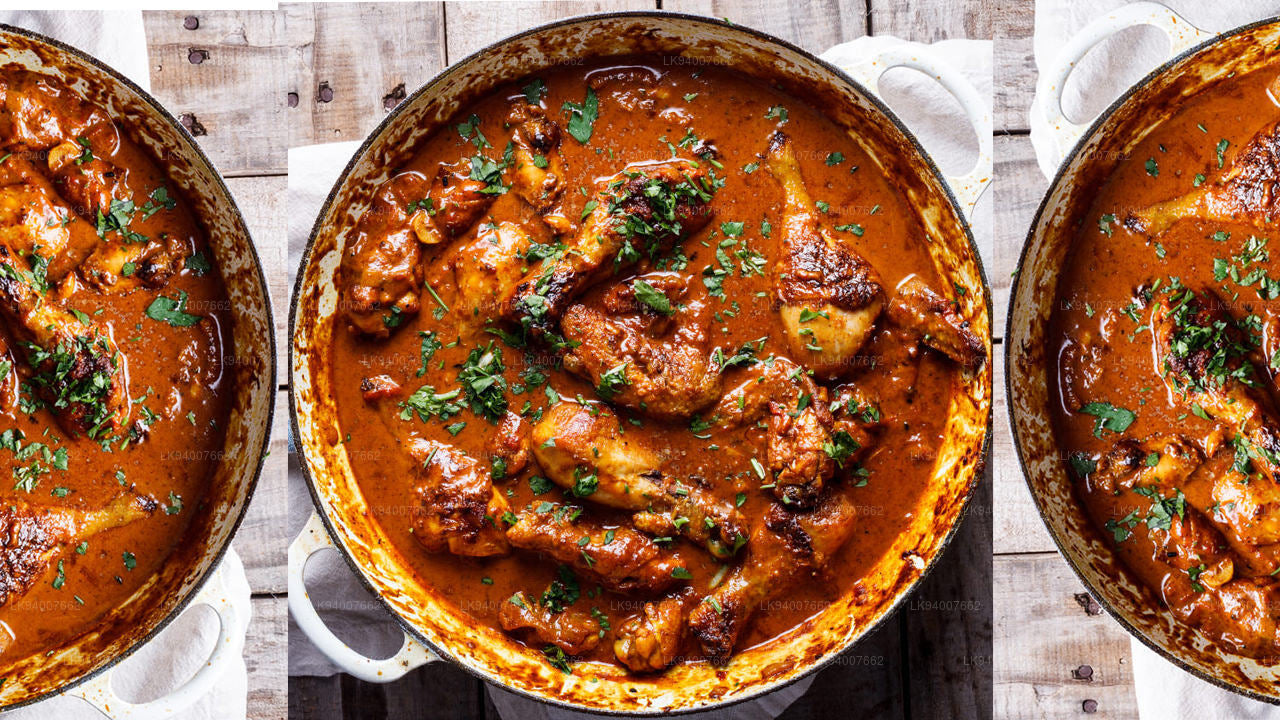
- Fish or chicken curry — a spiced gravy that soaks into the noodle nest
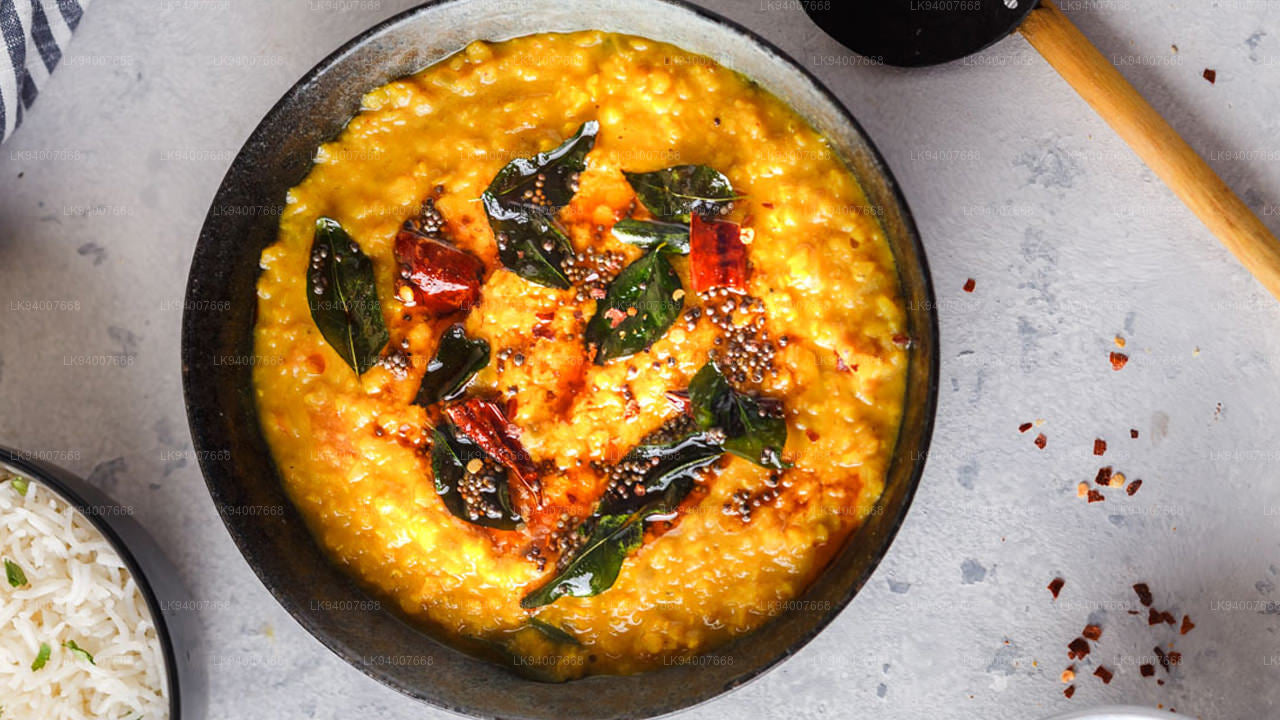
- Dhal curry — red lentils cooked with tempered spices and coconut milk
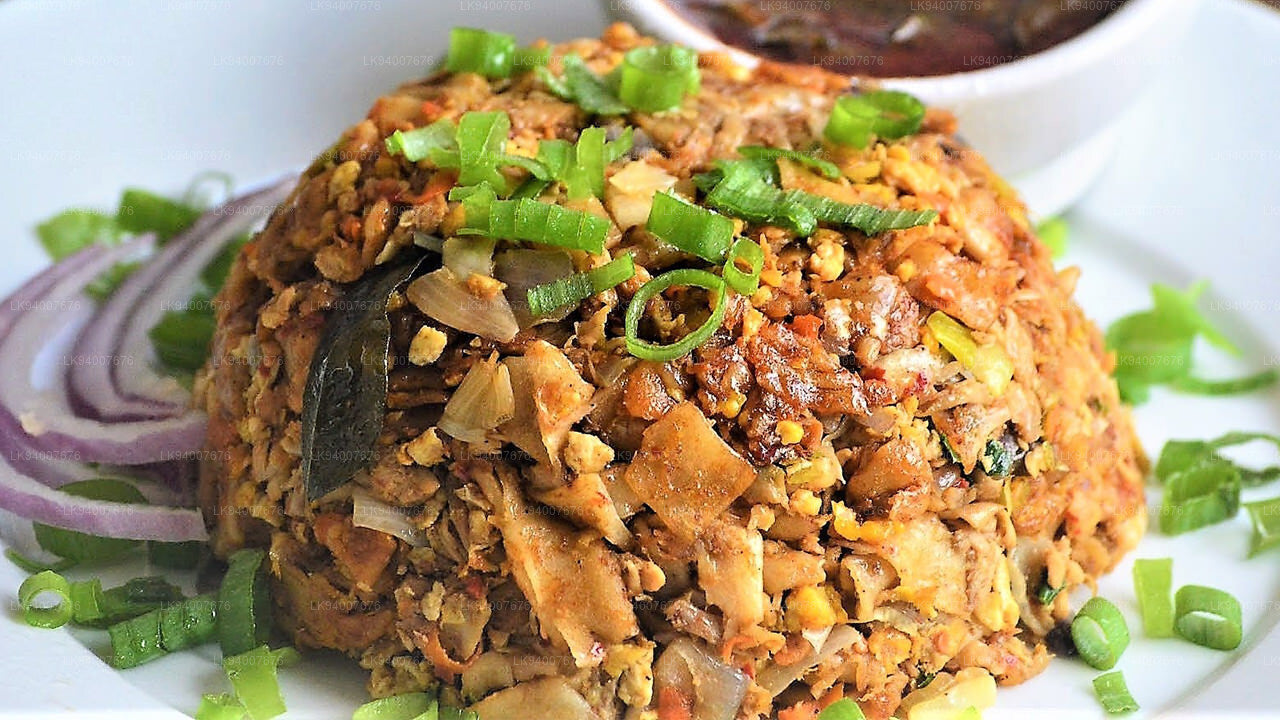
For dinner, the same accompaniments apply. String hoppers are also the base of idiyappam pilaf — a stir-fried dish in which cooked hoppers are tossed with vegetables, egg, and spices in a manner similar to fried rice.
Are there regional or modern variations?
Across Sri Lanka's regions, small variations reflect local produce and habit. In the north and east, where Tamil culinary traditions predominate, idiyappam may be served with a slightly sweeter coconut milk or with a thin mutton gravy. In the hill country around Ella, kurakkan (finger millet) hoppers are common, making use of the grain grown on nearby slopes.
Contemporary cooks have introduced coloured and enriched versions using natural plant pigments. Butterfly pea flower extract produces blue hoppers; moringa leaf powder gives a pale green; hibiscus yields a dusty rose. Pre-mixed specialty flours incorporating these ingredients are now commercially available, making it easier to achieve consistent results at home without additional preparation.
Tips for getting the texture right
- The dough must be warm when you press it — cold dough tends to crack and block the die holes. If it stiffens while you work, knead in a few drops of warm water.
- Do not overcrowd the steamer. Leave a gap between the top mat and the lid so steam can circulate freely.
- If the hoppers stick to the mats, lightly oil the mats before pressing the dough, or line them with a small piece of banana leaf.
- Dedicated string hopper flour — finely milled and sometimes pre-toasted — gives more consistent results than standard rice flour, especially for beginners.
Can you make string hoppers ahead of time?
String hoppers are best eaten the moment they come off the steamer. If you need to prepare them in advance, keep the steamed hoppers in the steamer with the heat very low and the lid on, which preserves moisture for up to 20–30 minutes. Refrigerating and reheating them is possible — a light steam of two to three minutes revives the texture — though the result is slightly firmer than freshly made hoppers. Leftover hoppers are well suited to pilaf preparations, where the change in texture is an advantage.