Lakpura
Lakpura®

Brinjal (Eggplant) Curry

Sri Lankan brinjal curry — known locally as wambatu curry (වම්බටු කරි) — is one of those dishes that appears on tables across the island with quiet regularity, yet never feels ordinary. Eaten at festive gatherings and everyday family meals alike, it delivers a careful balance of sweet, sour, and spice in a single mouthful. The version described here uses thick coconut milk to produce a richer, slightly thicker gravy, though the dish works equally well without it.

Like most Sri Lankan home cooking, there is no single definitive recipe. Flavour profiles shift from region to region and from kitchen to kitchen, shaped by family tradition and the spices available locally. What follows is a straightforward, reliable version suited to cooks of any level.

What makes Sri Lankan brinjal curry different from other eggplant dishes?

The key distinction lies in technique and spice combination. The eggplant is first shallow- or deep-fried until golden, which concentrates its flavour and prevents it from turning mushy once it enters the sauce. The cooking liquid blends vinegar and sugar alongside the usual aromatics — curry leaves, green chilli, garlic, and red onion — creating a mild sweet-and-sour backbone that is characteristic of Sri Lankan pickle-style curries. The addition of coconut milk softens the heat and gives the sauce body.

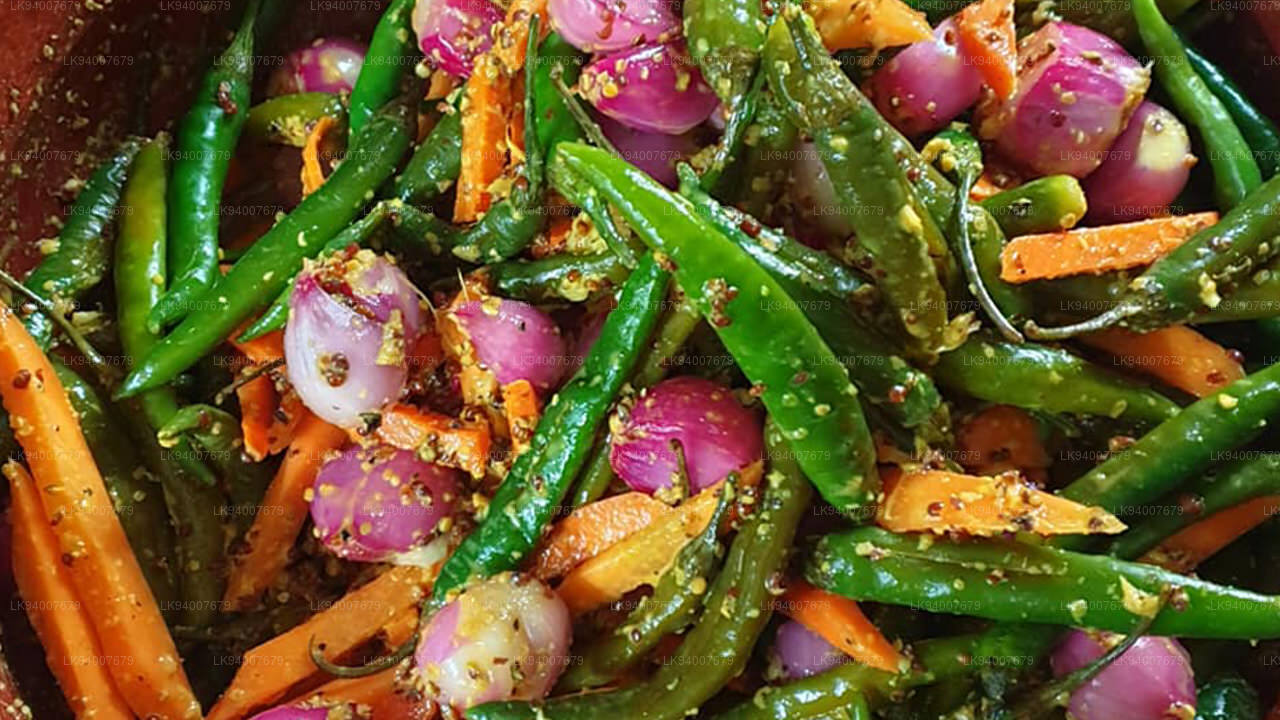
The dish can also be prepared as a pickle or relish (known as wambatu moju), in which case the vinegar and sugar proportions increase and the result is served at room temperature alongside rice and other curries.

Ingredients

  • 500 g eggplant (brinjal), cut into thin strips roughly 5 cm long
  • 1 tsp turmeric powder
  • ½ tsp mild curry powder (optional)
  • ½ tsp chilli powder
  • 4 small red onions, thinly sliced
  • 2 cloves garlic, thinly sliced
  • 4–5 fresh curry leaves
  • 2 green chillies, thinly sliced
  • ½ tsp vinegar
  • 1 tsp sugar
  • ½ tsp salt, or to taste
  • ⅓ cup thick coconut milk
  • Oil for frying

How do you make Sri Lankan brinjal curry step by step?

  1. Prepare the eggplant. Place the cut eggplant strips in a large mixing bowl, add the turmeric powder, and toss until evenly coated. Set aside for a few minutes — the turmeric helps with colour and acts as a mild preservative during frying.
  2. Fry the eggplant. Heat enough oil in a wide pan or wok for shallow frying. Once the oil is hot, add the eggplant in batches and fry over medium-high heat for around 8–10 minutes per batch, turning occasionally, until the pieces are golden brown. Do not crowd the pan or they will steam rather than fry. Transfer the fried pieces to a plate lined with paper towels to drain excess oil.
  3. Build the sauce. In a separate saucepan, combine the curry powder, chilli powder, sliced onion, garlic, curry leaves, green chilli, vinegar, sugar, salt, and coconut milk. Stir together over medium heat for about 2 minutes until the mixture is fragrant and the onion begins to soften.
  4. Combine and finish. Add the fried eggplant to the sauce. Reduce the heat to low and cook for a further 10 minutes, stirring gently once or twice, until the sauce thickens and coats the eggplant pieces. Taste and adjust salt, vinegar, or sugar as needed.
  5. Rest before serving. The flavours deepen as the dish sits. Allow it to rest for at least 5 minutes off the heat before serving.

What should I serve with brinjal curry?

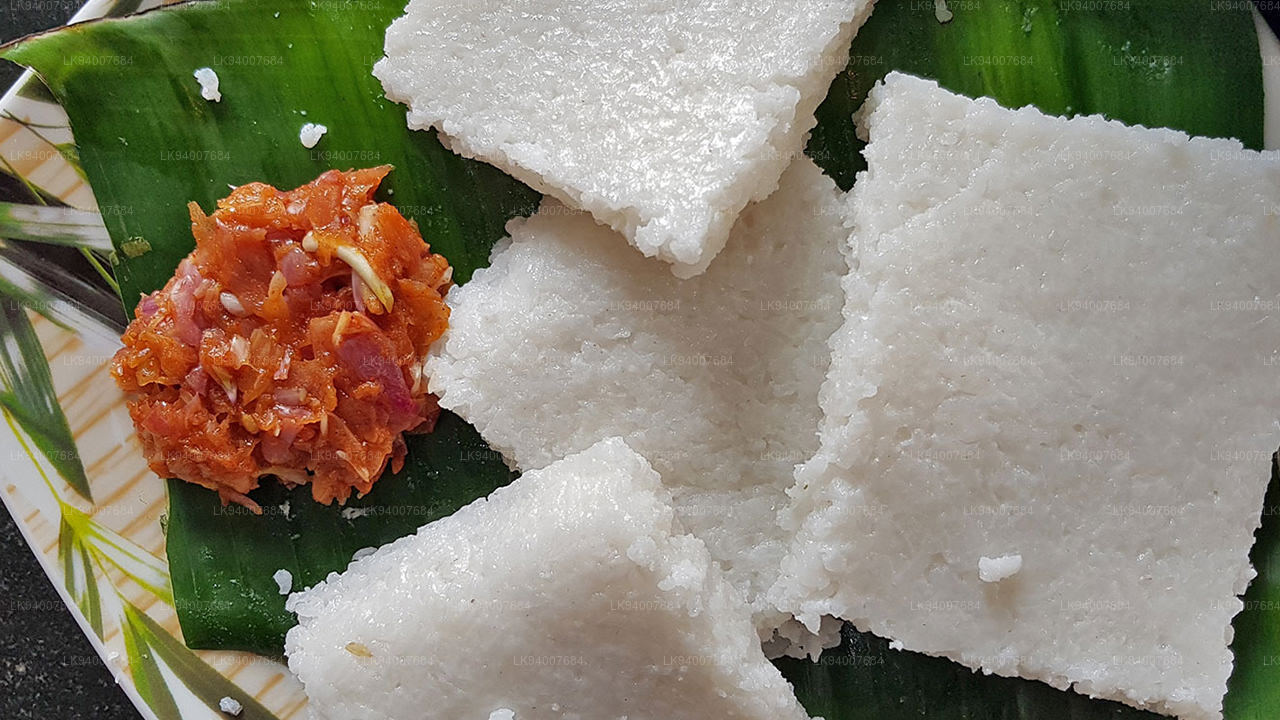
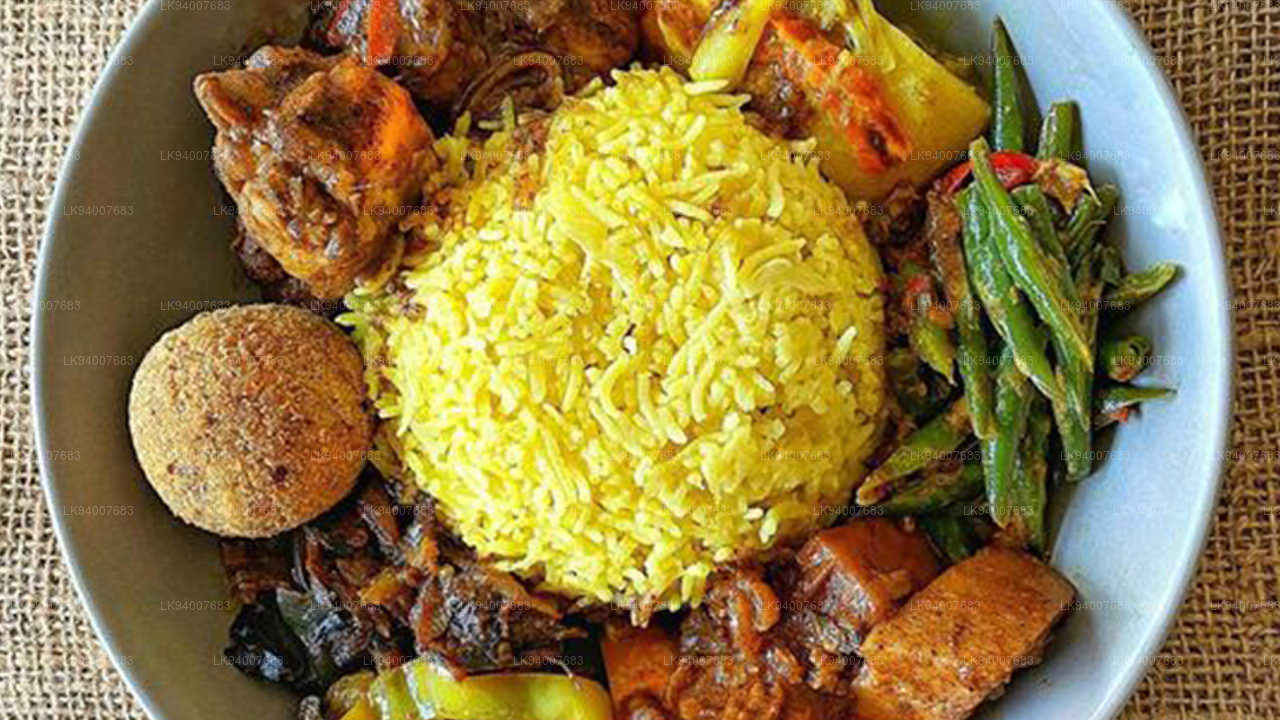
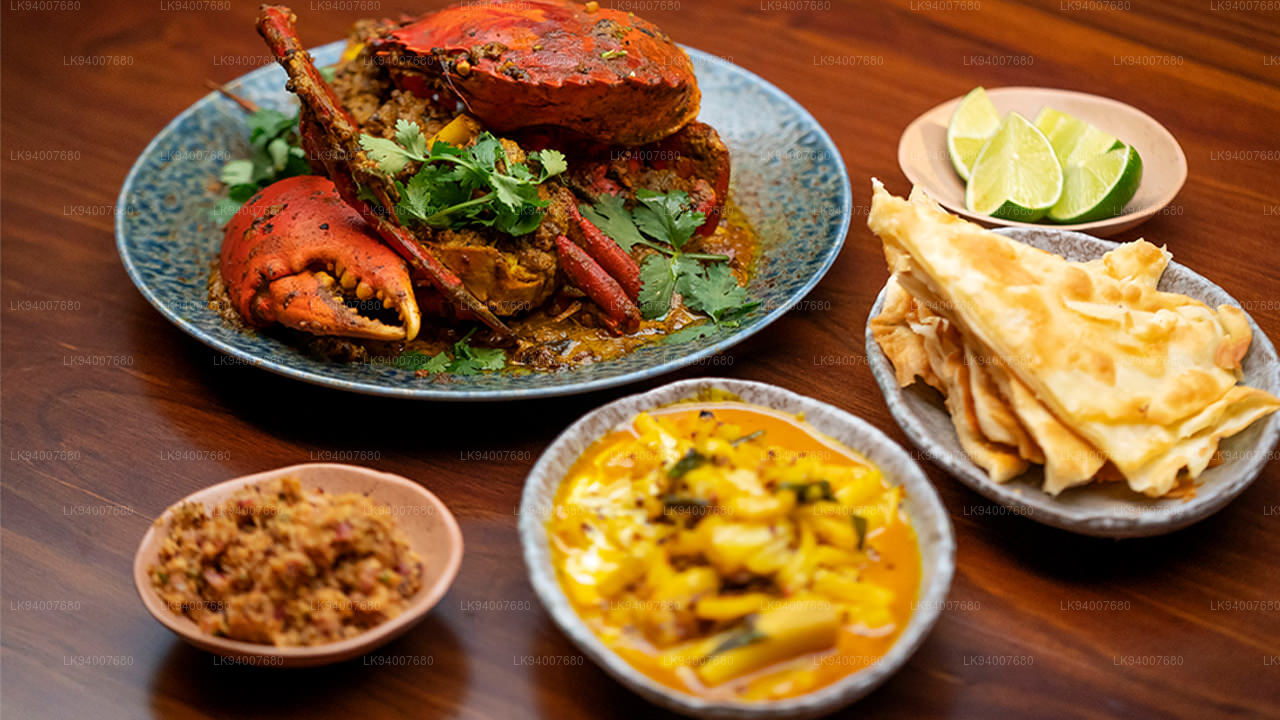
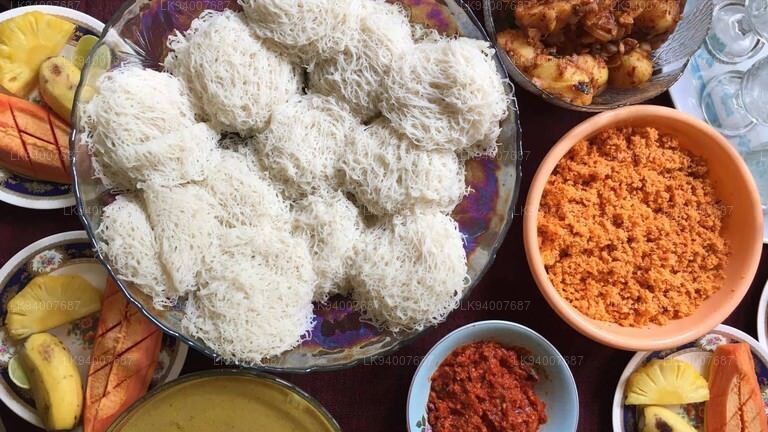
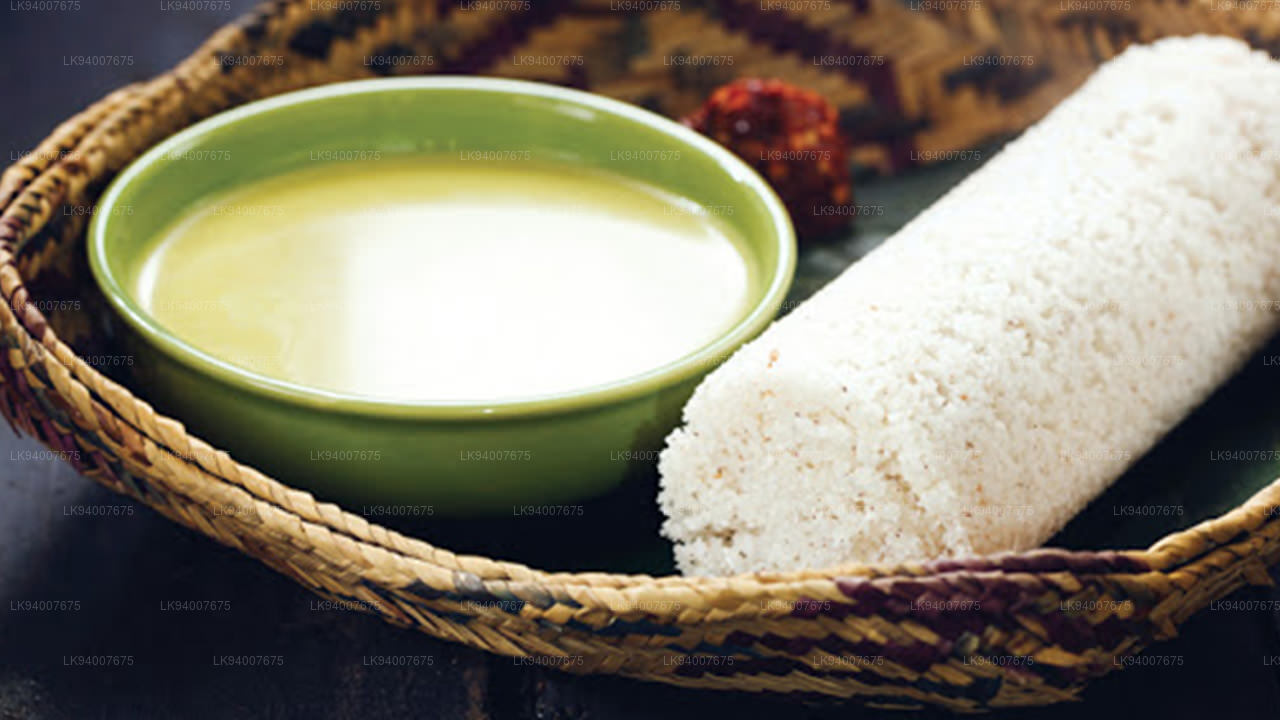
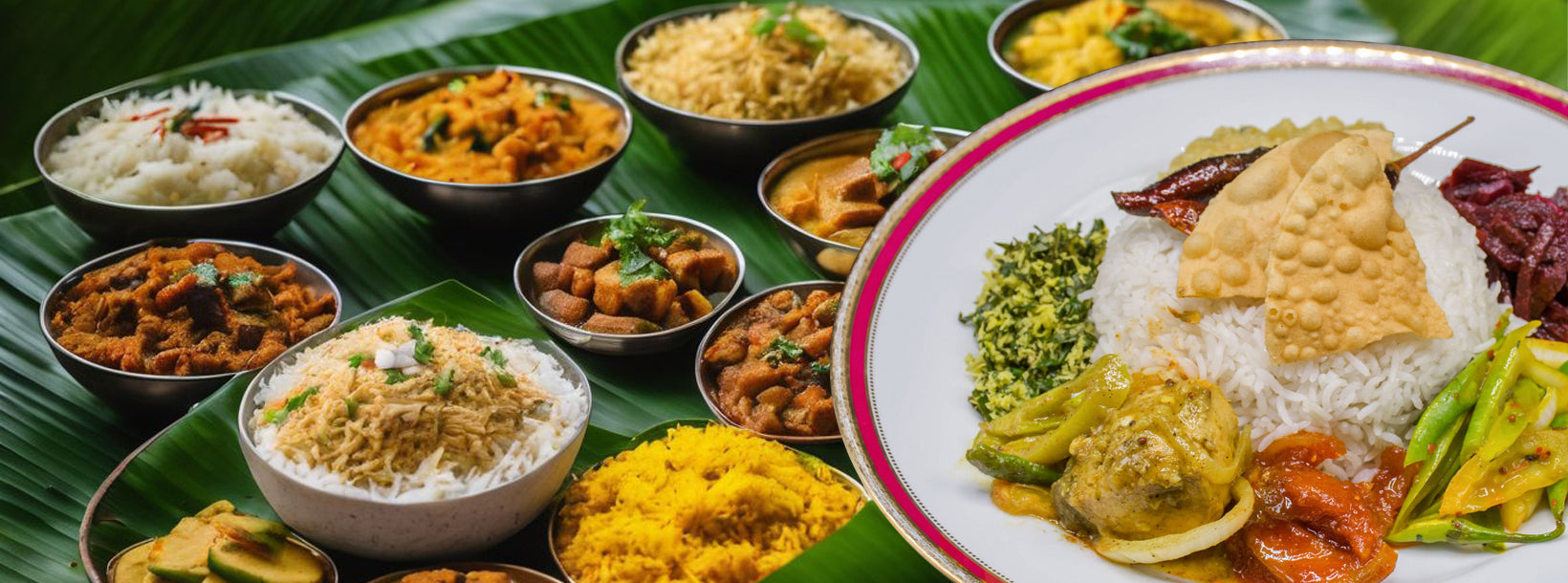
Brinjal curry pairs naturally with steamed red or white rice, though it also works alongside string hoppers (indi appa) or roti. In a traditional Sri Lankan rice-and-curry spread, it sits alongside a protein dish, a dal, and one or two chutneys or lunu dehi (lime pickle). A small portion goes a long way — the bold flavours are meant to complement rather than dominate the plate.

For a lighter meal, the curry can be served with flatbread or even as a topping for kokis-style crisp snacks, though the latter is an informal rather than traditional pairing.

Tips for getting the best results

  • Choose the right variety. Long, thin purple brinjals (the type most common in Sri Lanka) work best. They hold their shape during frying better than the large globe eggplants common in Western supermarkets.
  • Don't skip the frying step. Baking or air-frying produces a softer result that tends to break apart in the sauce. The high-heat fry is what gives the dish its characteristic texture.
  • Control the oil temperature. If the oil is not hot enough when the eggplant goes in, the pieces absorb too much oil and become greasy. A small piece of eggplant dropped in should sizzle immediately.
  • Adjust the vinegar carefully. Sri Lankan palates often prefer a more pronounced sour note; if you are cooking for guests unfamiliar with the flavour profile, start with less vinegar and add more at the end to taste.
  • Fresh curry leaves matter. Dried curry leaves lose much of their aromatic quality. Fresh or frozen leaves make a noticeable difference to the final flavour.

Is brinjal curry suitable for different diets?

The base recipe is fully vegetarian and vegan — no dairy is used, and the coconut milk is plant-based. It is also naturally gluten-free, provided the curry powder used contains no wheat-based fillers (always worth checking packaged blends). Those following a low-oil diet can reduce the frying oil, though the texture will differ from the traditional result. The dish contains no nuts unless a specific curry powder blend includes them.

Regional variations across Sri Lanka

In the south, brinjal curry often includes a generous amount of black pepper and dried Maldive fish flakes, making it a non-vegetarian and spicier preparation. In the central hill country — including areas around Ella — the dish may incorporate locally grown small round brinjals and a thinner coconut-milk gravy. The Jaffna-style preparation, common in the north, typically skips the vinegar in favour of tamarind and adds more dried chilli for a deeper heat. Each version reflects the local ingredient landscape and culinary tradition of its region.

Book this experience with Lakpura

Curated by our local team. Direct booking, instant confirmation.

Ask Lakpura® Agent