Montagne Ritigala


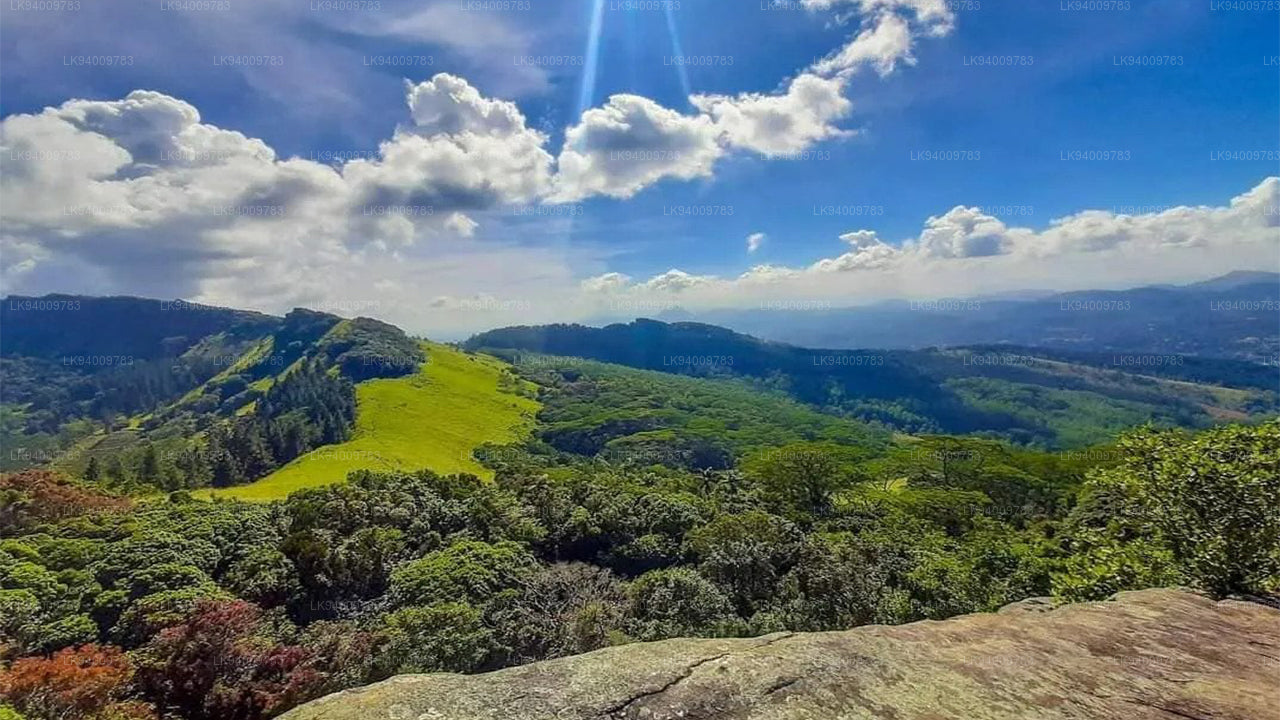
Ritigala est une montagne située au centre de Sri Lanka qui abrite un ancien monastère bouddhiste. Les ruines et les inscriptions rupestres de ce monastère remontent au Ier siècle av. J.-C. Elle se trouve à 43 km de l’ancienne ville monastique de Anuradhapura.
La montagne Ritigala se compose de quatre sommets qui s’élèvent abruptement depuis la plaine environnante. La montagne s’étend sur 6,5 km et est divisée en blocs nord et sud par la gorge de Maha-Degala. Le sommet le plus élevé est Ritigala Kanda dans le bloc sud.
À 766 m au-dessus du niveau de la mer et environ 600 m au-dessus des plaines environnantes, Ritigala est la plus haute montagne du nord de Sri Lanka. Le nom moderne Ritigala est dérivé de l’ancien nom Arittha Pabbata, signifiant « montagne redoutable », mentionné dans le Mahavamsa.
Son altitude est plus élevée que celle d’autres attractions célèbres des plaines du centre-nord, notamment Sigiriya, Dambulla et Mihintale. L’importance de cette caractéristique topographique réside dans la brusque raideur du massif, ses pentes boisées et le microclimat humide présent au sommet.
Climat
Les montagnes interceptent les vents chargés d’humidité et génèrent des précipitations orographiques, rendant la montagne plus humide que les basses terres environnantes. Pendant la mousson du nord-est (décembre à février), Ritigala connaît les précipitations les plus élevées de toute la zone sèche.
Le microclimat humide de Ritigala est un phénomène unique dans les plaines du centre-nord, au sein de l’ancienne région de Sri Lanka connue sous le nom de Wewu Bandi Rata, signifiant « la terre des réservoirs d’eau de pluie ».
Le climat au sommet contraste fortement avec celui au pied de la montagne. Il est plus frais comparé au climat chaud et sec de la région environnante. La brume et la couverture nuageuse pendant la mousson du sud-ouest entraînent une forte condensation de vapeur, maintenant le sol humide même lorsque les plaines environnantes connaissent la sécheresse.
Réserve naturelle stricte de Ritigala
Ritigala est une réserve naturelle stricte couvrant 1 528 hectares. Elle a été établie le 7 novembre 1941 et est gérée par le Département de la conservation de la faune sauvage de Sri Lanka en collaboration avec le Département des forêts.
Légendes
De nombreuses légendes sont associées à Ritigala. Une croyance mystérieuse concerne de puissantes herbes médicinales trouvées près du sommet de la montagne. Une herbe appelée Sansevi est censée avoir le pouvoir d’accorder une longue vie et de guérir les maladies humaines. Selon la légende, toute la végétation de Ritigala est protégée par les Yakkas, les esprits gardiens de la montagne.
Le vénérable professeur Walpola Sri Rahula Maha Thera, un moine bouddhiste et professeur d’histoire et de religions, a noté que le terme Yaksa désigne des êtres surhumains dignes de respect. Il peut également avoir fait référence aux communautés indigènes pré-bouddhistes de Sri Lanka.
Une autre légende affirme que le prince Pandukhabaya fut aidé par les Yakkas lors de ses batailles contre ses huit oncles au pied de Ritigala. Une autre histoire évoque un duel entre deux géants, peut-être des Yakkas, nommés Soma et Jayasena. Soma fut tué dans le duel, tandis que Jayasena devint une figure légendaire.
La légende du Seigneur Hanuman et de Ritigala
Selon la croyance populaire, le Seigneur Hanuman serait passé au-dessus de Ritigala en transportant une partie d’une montagne de l’Himalaya remplie d’herbes médicinales. Il transportait la montagne vers Lanka afin d’obtenir une herbe rare nécessaire pour sauver la vie du prince Lakshmana, le frère du Seigneur Rama. Au cours de ce voyage, un morceau de la montagne serait tombé sur Ritigala.
Cette légende est souvent utilisée pour expliquer la végétation inhabituelle trouvée au sommet de Ritigala, qui diffère de la flore typique de la zone sèche présente sur les pentes inférieures et les plaines environnantes.
Une autre histoire décrit la visite antérieure de Hanuman à Lanka lorsqu’il recherchait Sita, l’épouse du Seigneur Rama, qui avait été enlevée par le roi Ravana. Selon la légende, Hanuman aurait utilisé Ritigala Kanda comme point de départ pour un grand saut vers le sud de l’Inde.
Ruines de l’ancien monastère de Ritigala
Les ruines du monastère de Ritigala se trouvent sur le côté est de la montagne au pied de la gorge séparant le sommet principal de la crête nord. Les ruines couvrent une superficie d’environ 24 hectares. Le complexe monastique commence près du réservoir connu sous le nom de Banda Pokuna.
Ce réservoir ancien est un exemple impressionnant d’ingénierie ancienne, avec une digue formant une circonférence d’environ 366 mètres. La construction du réservoir est traditionnellement attribuée au roi Pandukabhaya. On pense que le réservoir servait de lieu de bain rituel pour les visiteurs avant d’entrer dans le monastère.
L’agencement du bassin de bain, des ruines de l’entrée et des chemins suggère qu’un grand nombre de fidèles visitaient autrefois le monastère. Cette approche rituelle est similaire à la tradition de Kataragama, où les pèlerins commencent par un bain de purification avant de faire des offrandes religieuses.
En suivant le bord du réservoir, on arrive à un ruisseau et à un ensemble de marches raides qui montent vers un magnifique chemin pavé de pierres. Ce chemin pavé, d’environ 1,5 mètre de large, serpente à travers la forêt et relie les principaux bâtiments du monastère. Le chemin est composé de dalles de pierre imbriquées, avec des plates-formes circulaires de repos placées à intervalles réguliers.
Ponts en pierre, plates-formes surélevées et cours
Le monastère comprend des structures à double plate-forme connues sous le nom de Padhanaghara, caractéristiques des monastères forestiers. Des structures similaires peuvent également être trouvées dans des endroits comme Arankele et d’autres monastères forestiers près de Anuradhapura.
Ces structures sont constituées de plates-formes surélevées construites avec de grands murs de soutènement en pierre et reliées par des ponts en pierre. Les plates-formes étaient probablement couvertes et divisées en pièces utilisées pour la méditation, l’enseignement et les cérémonies religieuses.
Les ruines voisines indiquent la présence d’un hôpital monastique où les herbes médicinales étaient préparées. Des pierres de broyage et de grands bains d’huile ayurvédiques taillés dans la pierre peuvent encore être observés sur le site.
Le chemin principal en pierre continue à travers la forêt, passant par des points d’observation accessibles par des sentiers serpentant entre d’énormes racines d’arbres. Il existe également une cascade artificielle créée en plaçant une dalle de pierre entre deux rochers.
Plus loin le long du chemin se trouvent des cours en contrebas contenant certaines des plus grandes structures à double plate-forme du complexe monastique. Une plate-forme conserve encore les restes de piliers qui soutenaient autrefois un bâtiment, tandis qu’une autre grande plate-forme se trouve à proximité dans la même cour.
-
 Pidurutalagala
Pidurutalagala or Mount Pedro in English, is an ultra prominent peak, and the tallest mountain in Sri Lanka, at 2,524 m (8,281 ft). Mount Pedro is located close to the city of Nuwara Eliya, and is easily visible from most areas of the Central Province. It is situated North-North-East from the town of Nuwara Eliya.
-
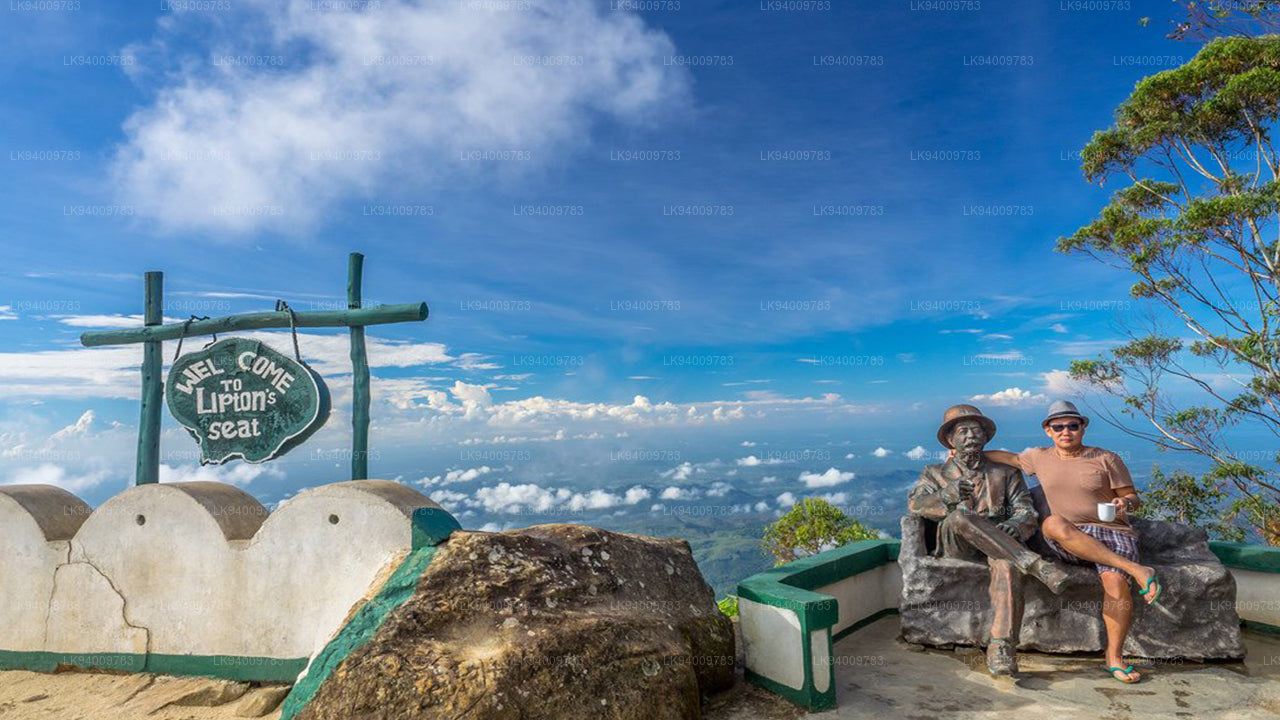 Lipton's Seat
Lipton’s Seat is a high observation point in the hills of Poonagala. Located on the top of the town’s namesake, Poonagala Hill, it is also near the Dambatenne Tea Factory. Lipton’s Seat is so named because the famed Scottish baron and tea planter Sir Thomas Lipton used it as the seat to survey his empire in a time long gone but not forgotten.
-
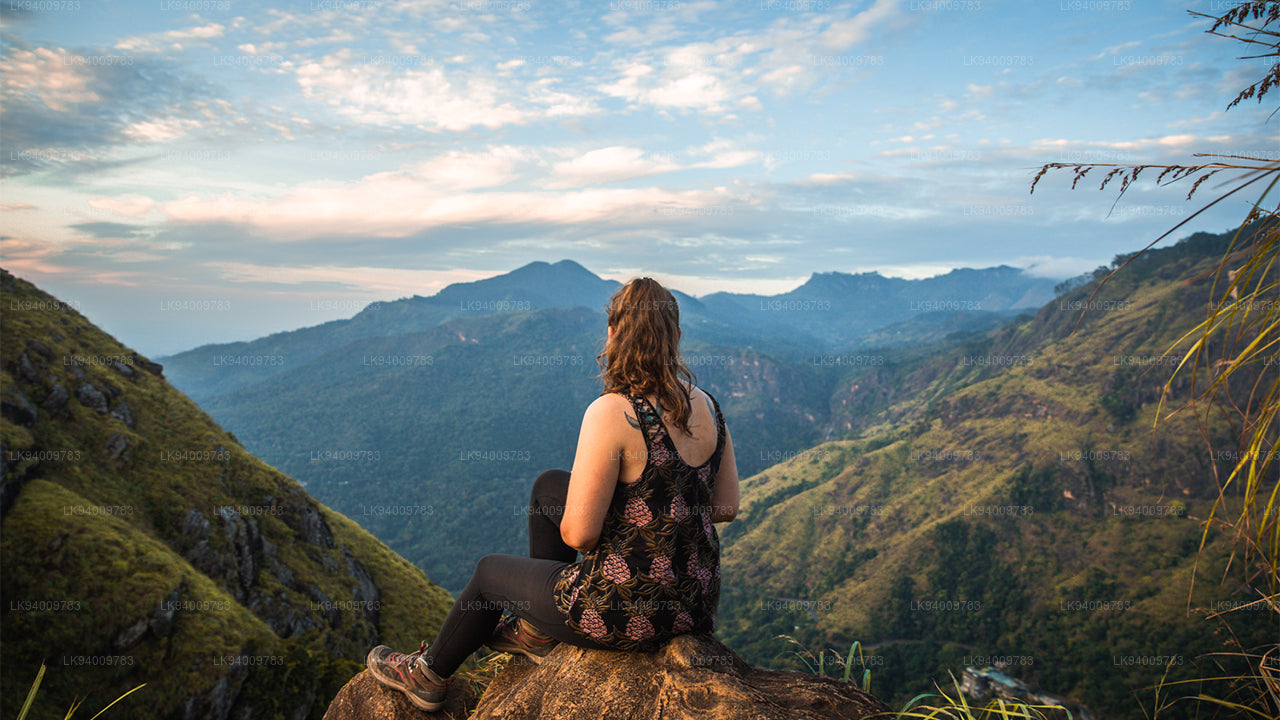 Little Adam’s Peak
Don’t defiance the beautiful tourism site in Sri Lanka, Little Adams Peak whether considering the word ‘Little’, it is named after the sacred Adams Peak (Sri Pada –where the foot print of Lord Buddha is preserved) regarding the similarity between the two mountains.
-
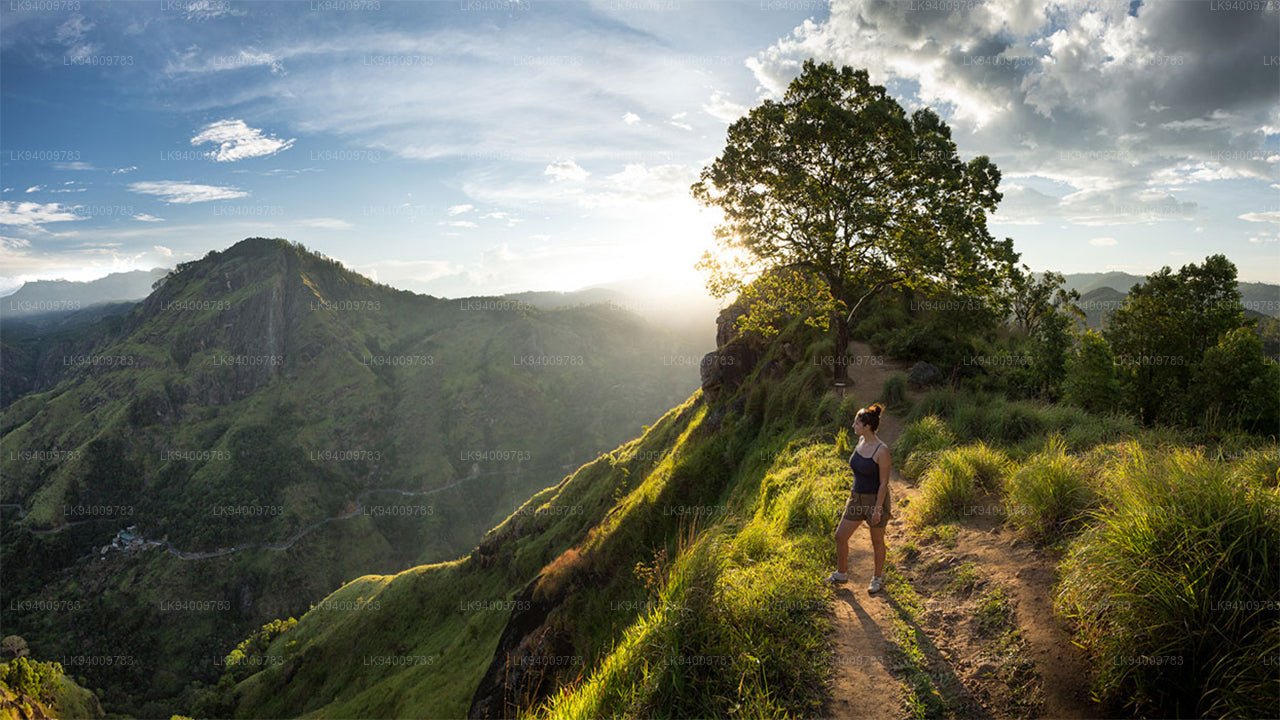 Ritigala
Ritigala can be reached from the turn-off from Habarana-Anuradhapura Road at a distance of 12 km from Habarana. Another 5 km along a graveled yet motorable road leads to the foot of the mountain.
-
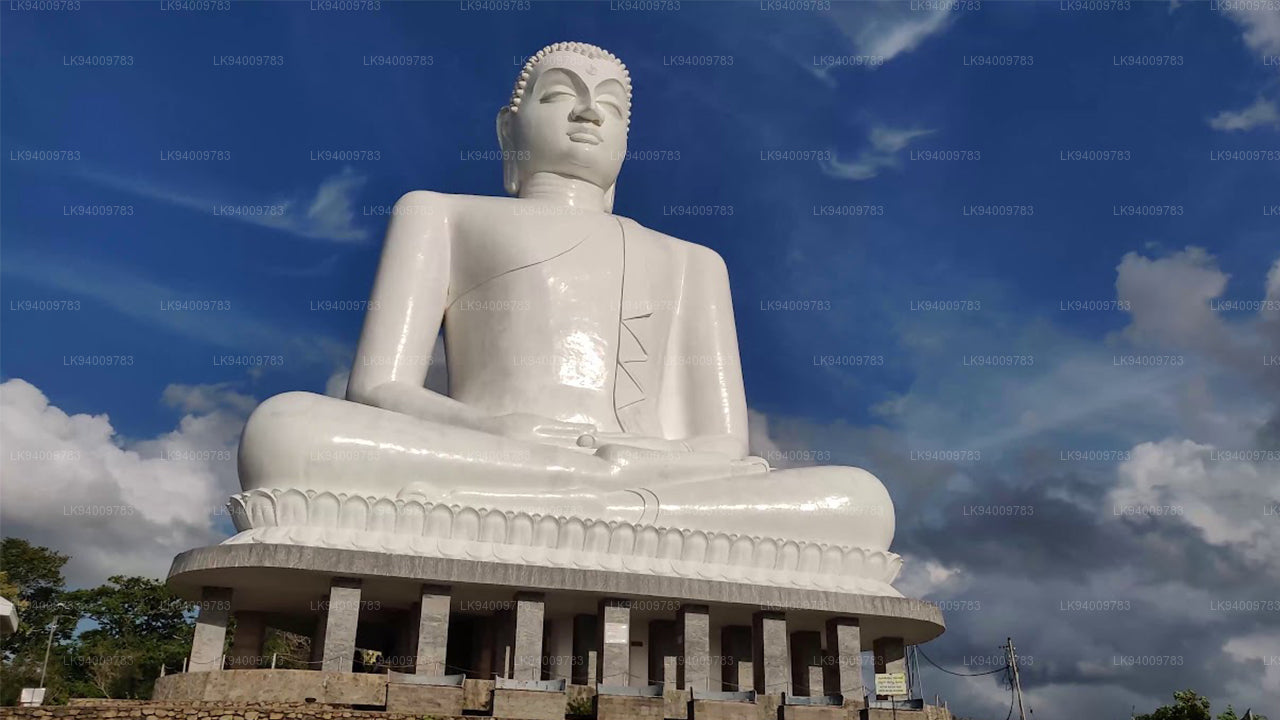 Ethagala (Elephnat Rock)
Ethagala (the Elephant Rock) is one of seven rocks that overlook the town of Kurunegala, in Sri Lanka. The rock face reaches 316 metres (1,037 ft) over the town and in its shape resembles a crouching elephant, which explains the rock’s name.
-
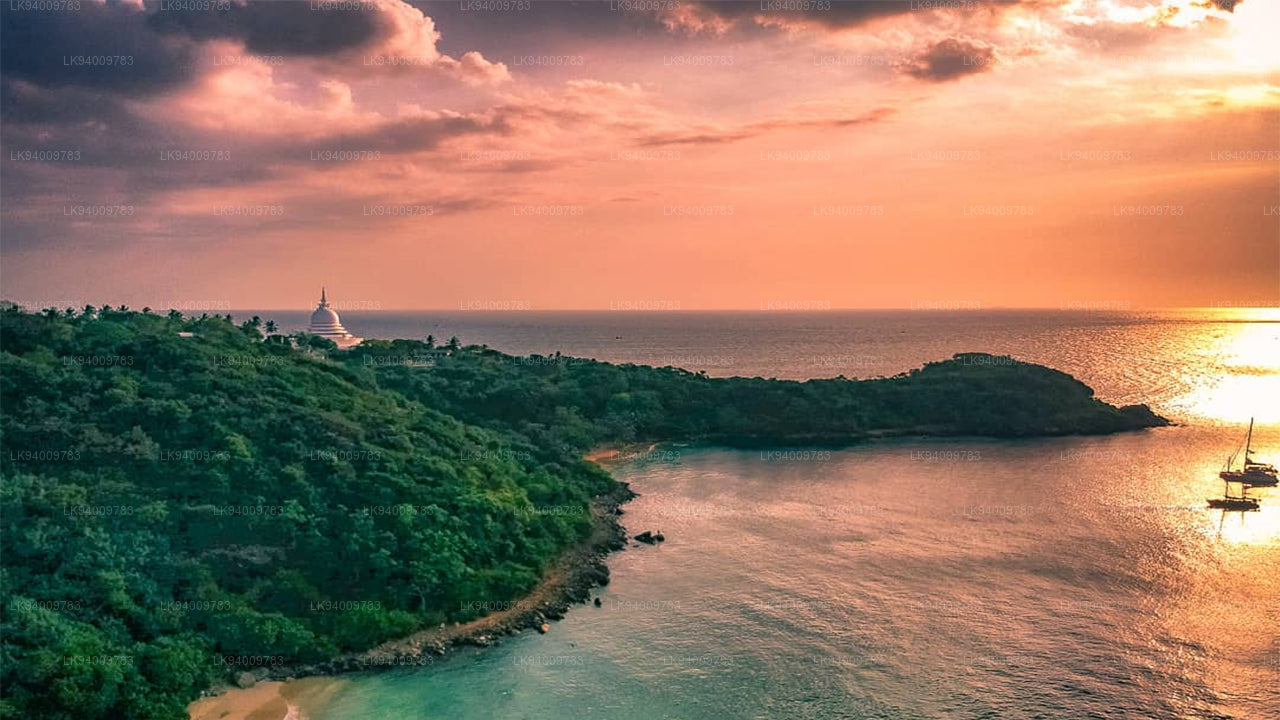 Rumasalla Mountain
Rumasalla Mountain. In the past, Rumassala was known as Buono Vista, a name that dates back to the colonial period, and most likely a corruption.
-
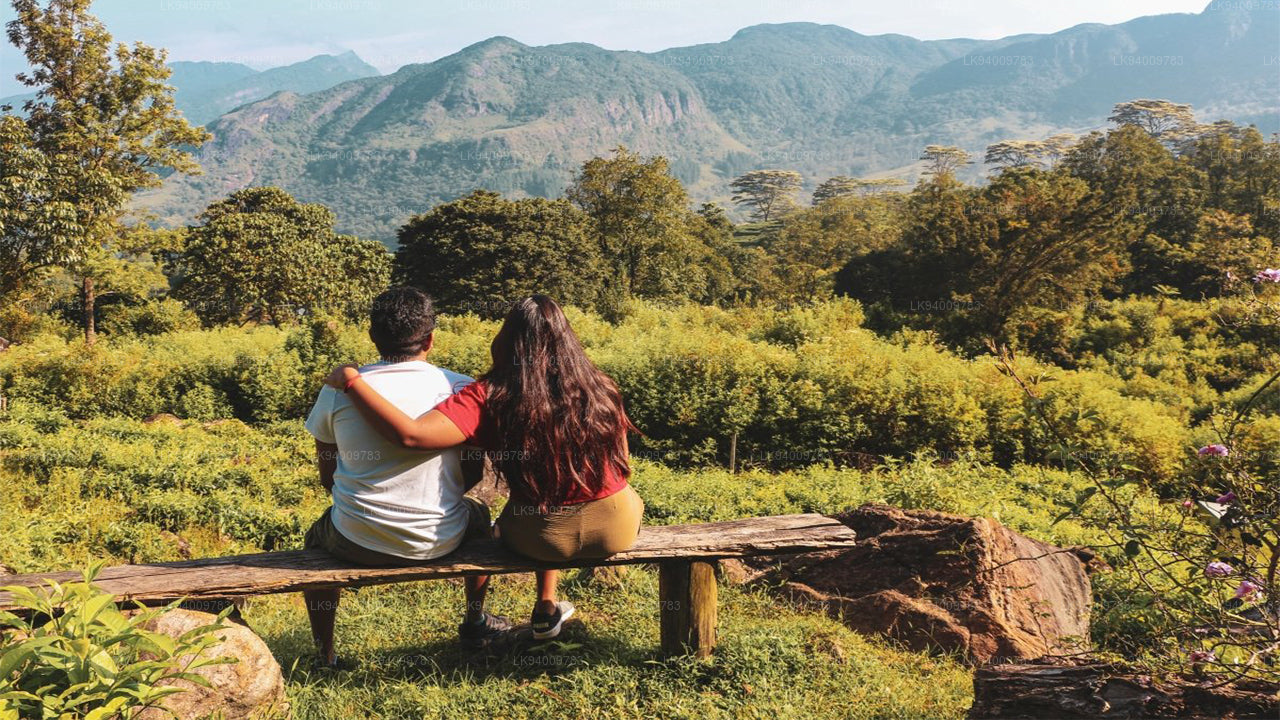 Knuckles Range
Knuckles range also called Dumbara mountain range is located off Kandy, in the northern end of Central Highlands of Sri Lanka. To the south and east of the mountain range is Mahaweli river basin while to the west are Matale plains.
-
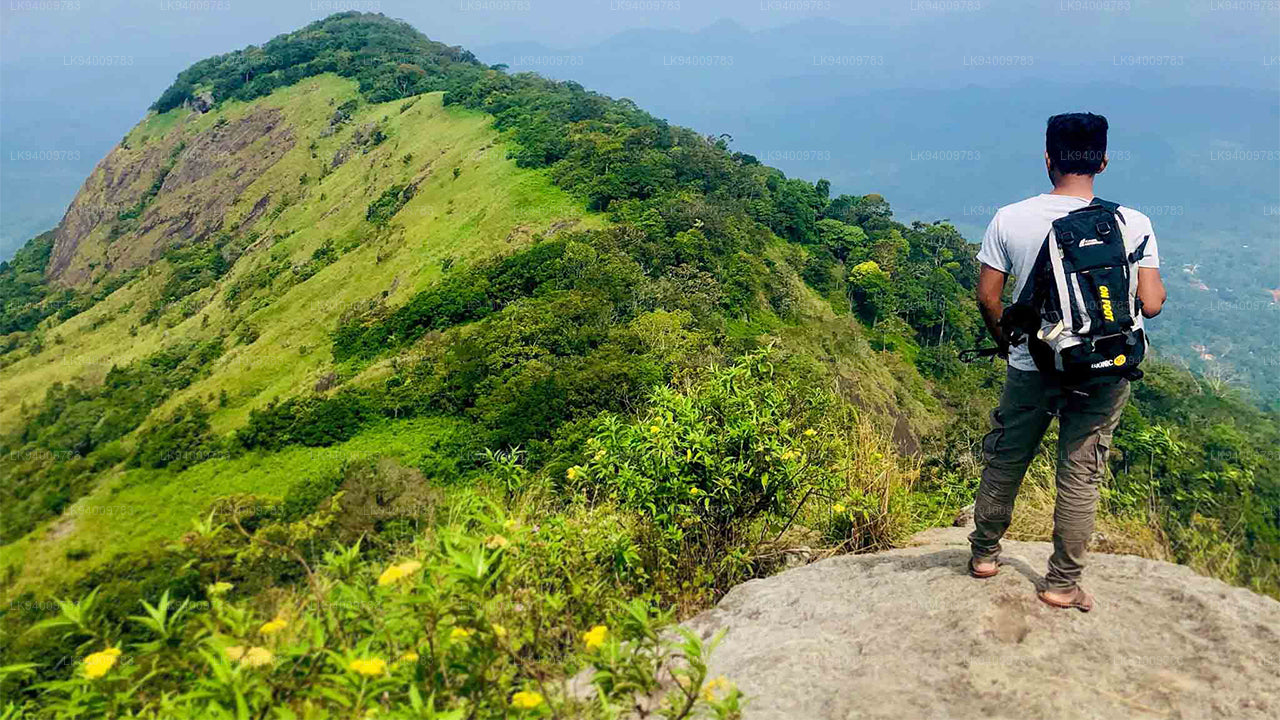 Alagalla Mountain Range
Alagalla Mountain Range. Alagalla Mountain Range or “Potato Range” is situated at the boundaries of the Central and Sabaragamuwa Provinces in Sri Lanka.
-
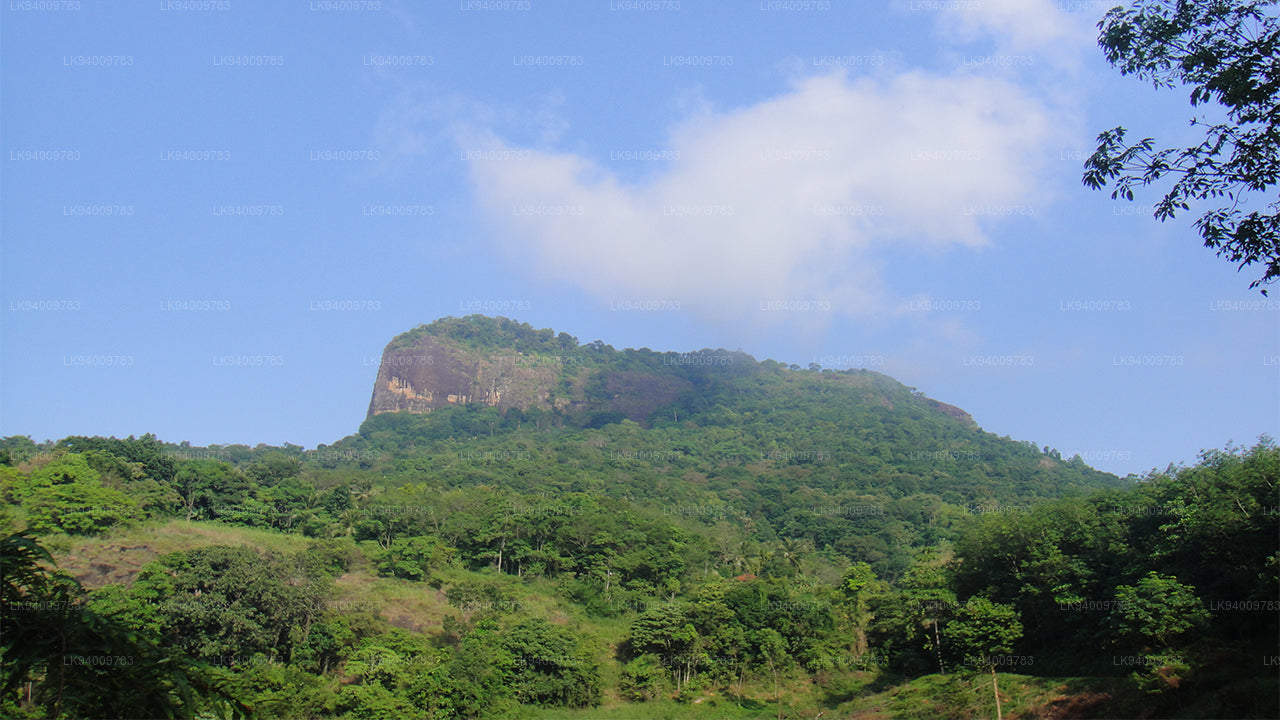 Bible Rock
Bible Rock is a mountain near Aranayake in Kegalle District in central Sri Lanka. It is known as the “Bible Rock” as its surface resembles.
-
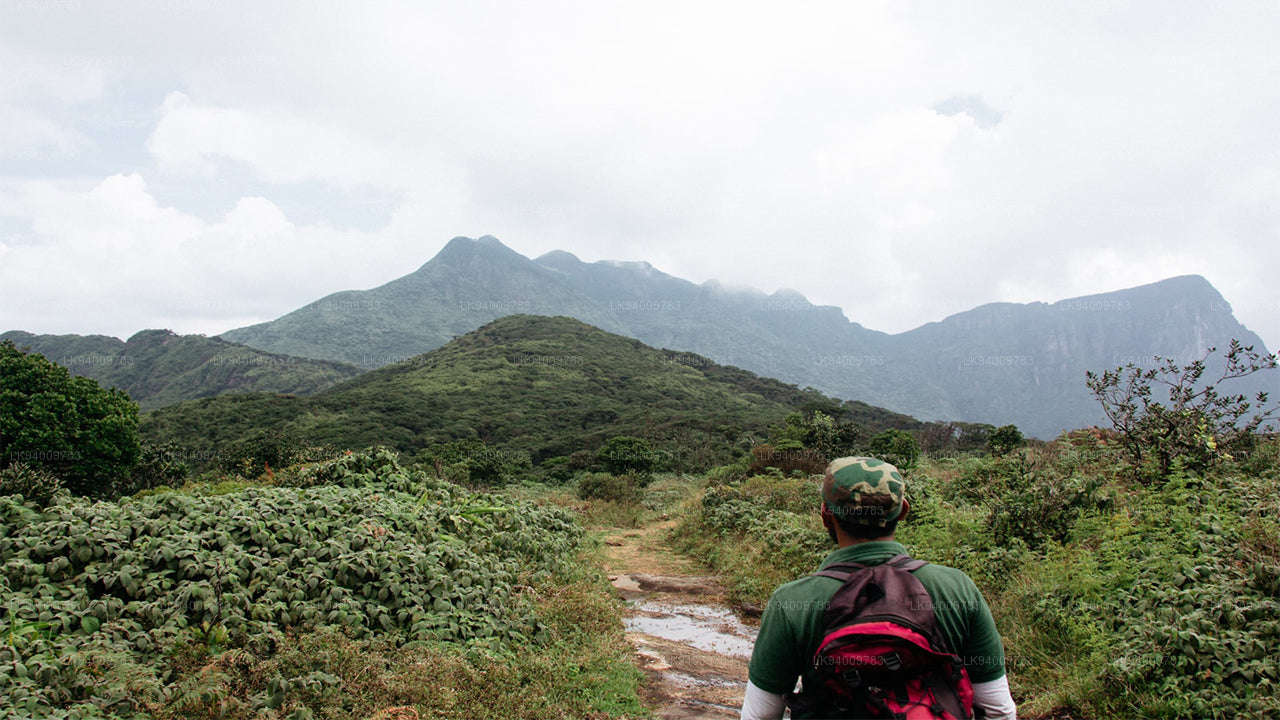 Monkey Mountain
Monkey Mountain. The Gal Oya area is resplendent with forest and lush with vegetation. Totally off-the-beaten-track and off-limits during the war, the area has avoided much development and the landscape is mostly unspoiled.
-
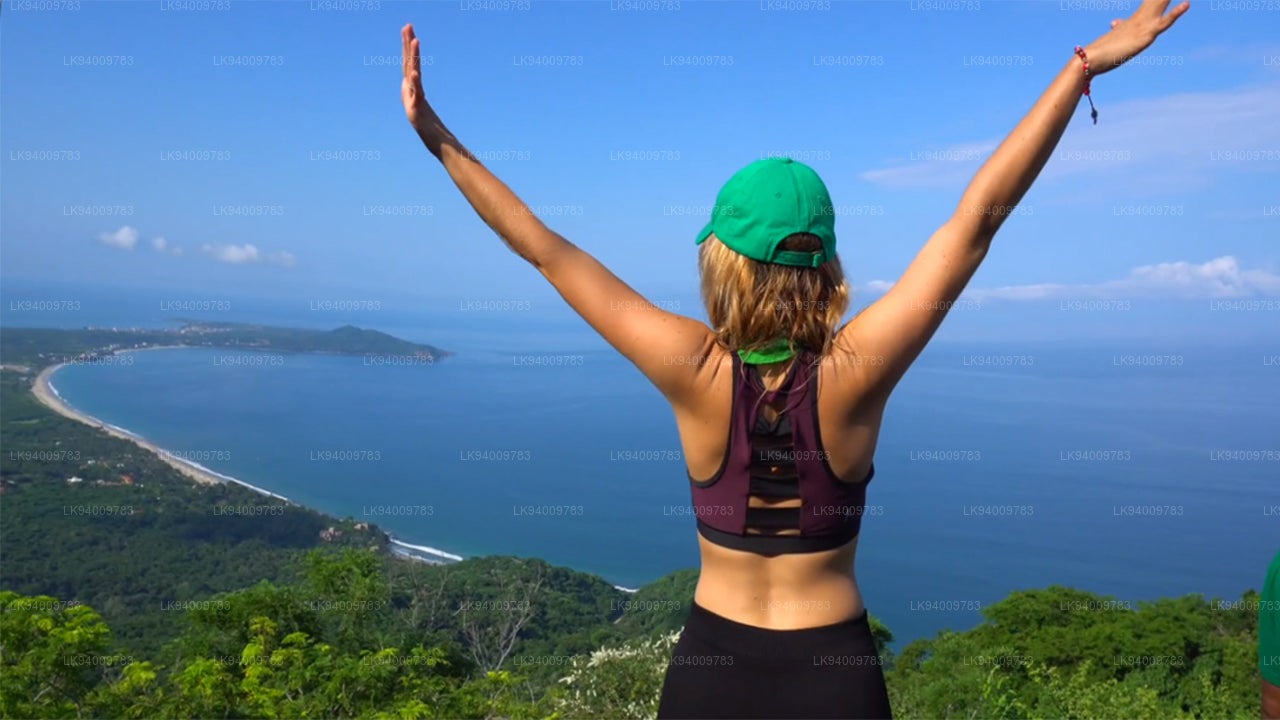 Yahangala
The great King Ravana’s body was kept after his death upon this rock called Yahangala( bedrock), for his countrymen to pay their last respects to their dear departed king.