Pidurutalagala

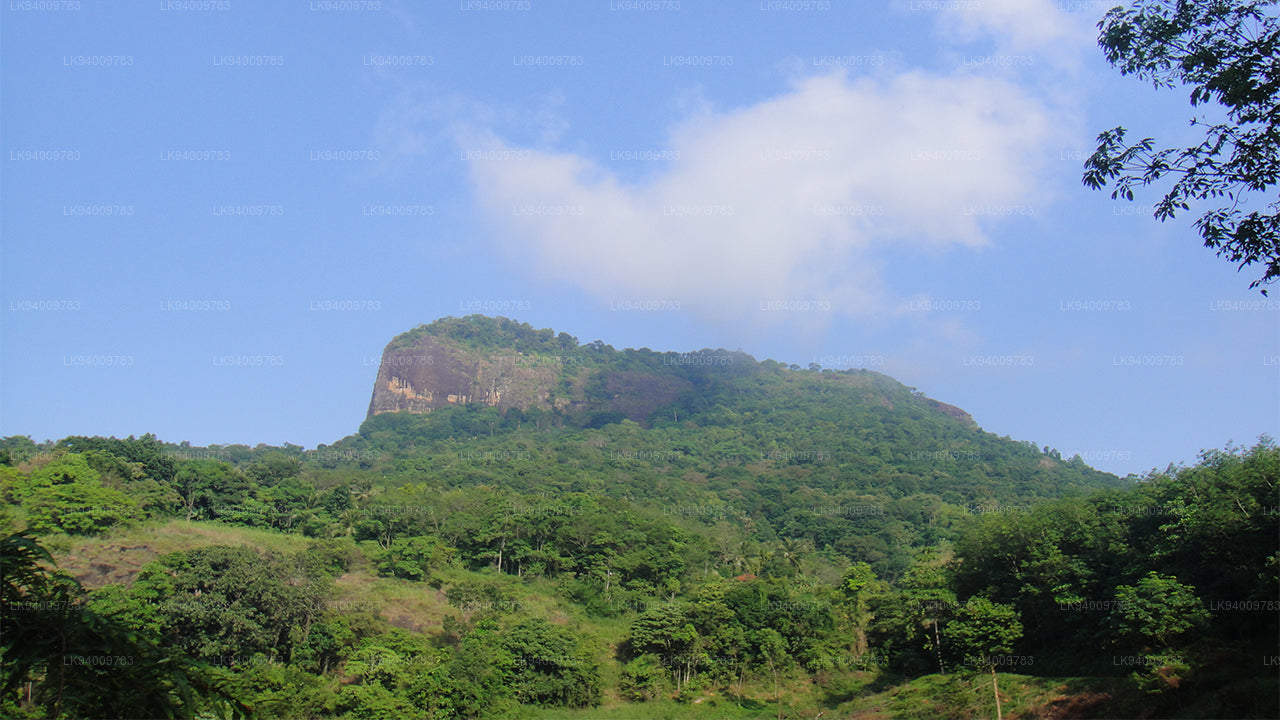
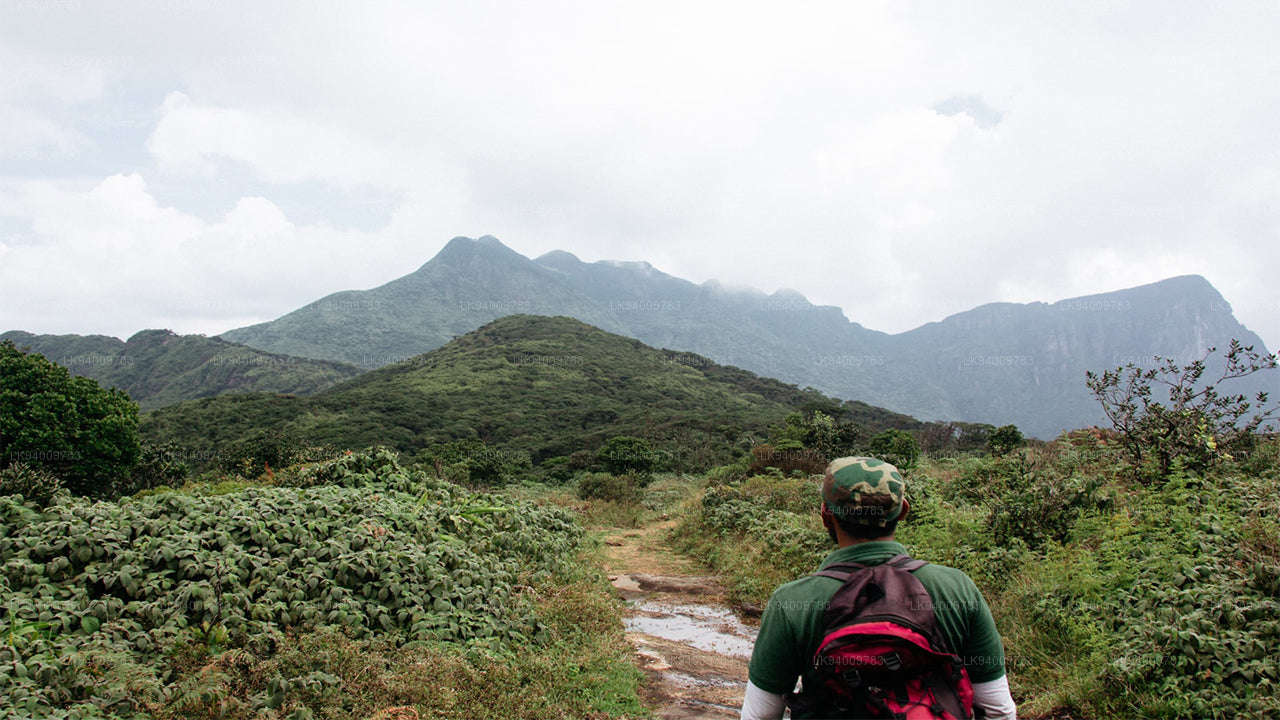
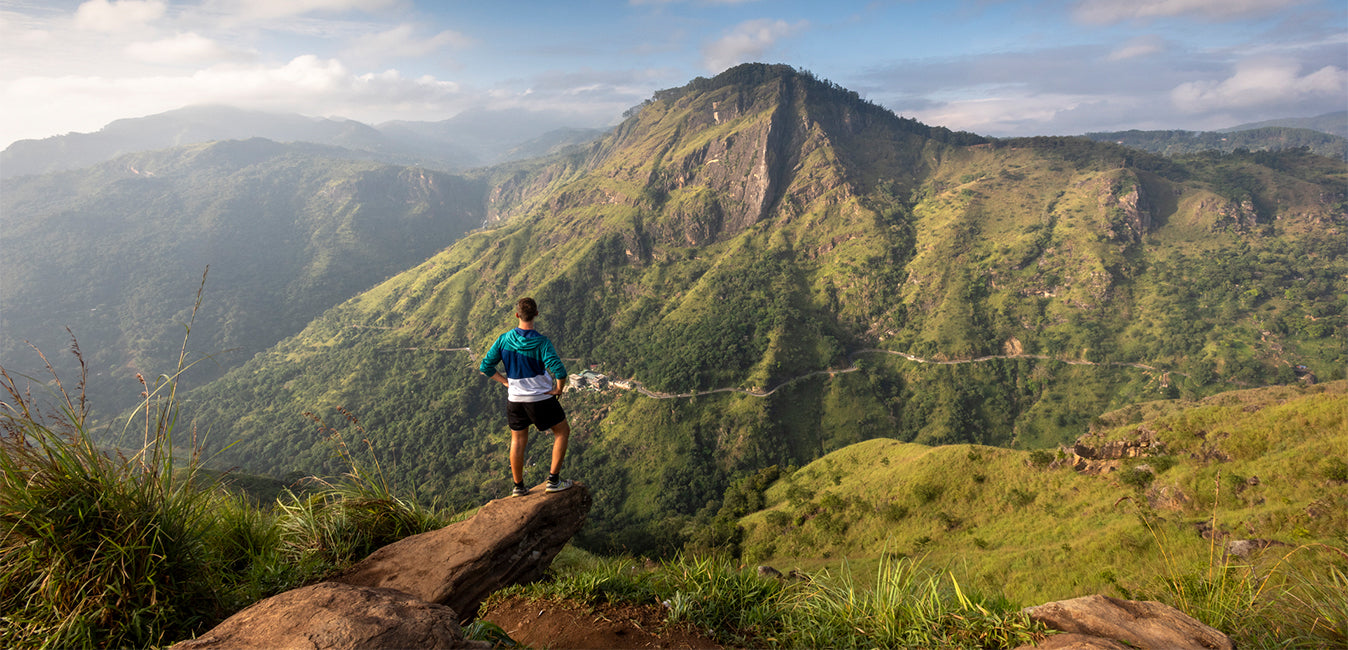
Pidurutalagala Mountain in Sri Lanka (literally translating to Straw Plateau Rock), which is also called Mount Pedro in English is the tallest mountain on the island and situated in the Central Province, north – northeast to the town of Nuwara Eliya. It is also the only ultra prominent peak on the island, and one of only 1515 ultra prominent peaks around the world. An ultra prominent peak is a mountain that has topographic prominence (height of the peak’s summit above the lowest contour line encircling it up to the highest summit) above 1500 meters. Mount Pedro has prominence and elevation of 2524m (8281 feet) (8292 feet according to the Survey Department).

The mountain of Pidurutalagala has a forest reserve surrounding it. The forest underwent damage five years ago in a forest fire, causing the loss of some 3 acres of forest. However, the damage is being repaired now with the assistance of nature and human intervention. The area of the mountain and forest reserve has been designated an ultra-high security zone due to the summit being used to house the communications array of the Sri Lankan Government and the Armed Forces of the country.

Pidurutalagala Mountain in Sri Lanka: Historical Background

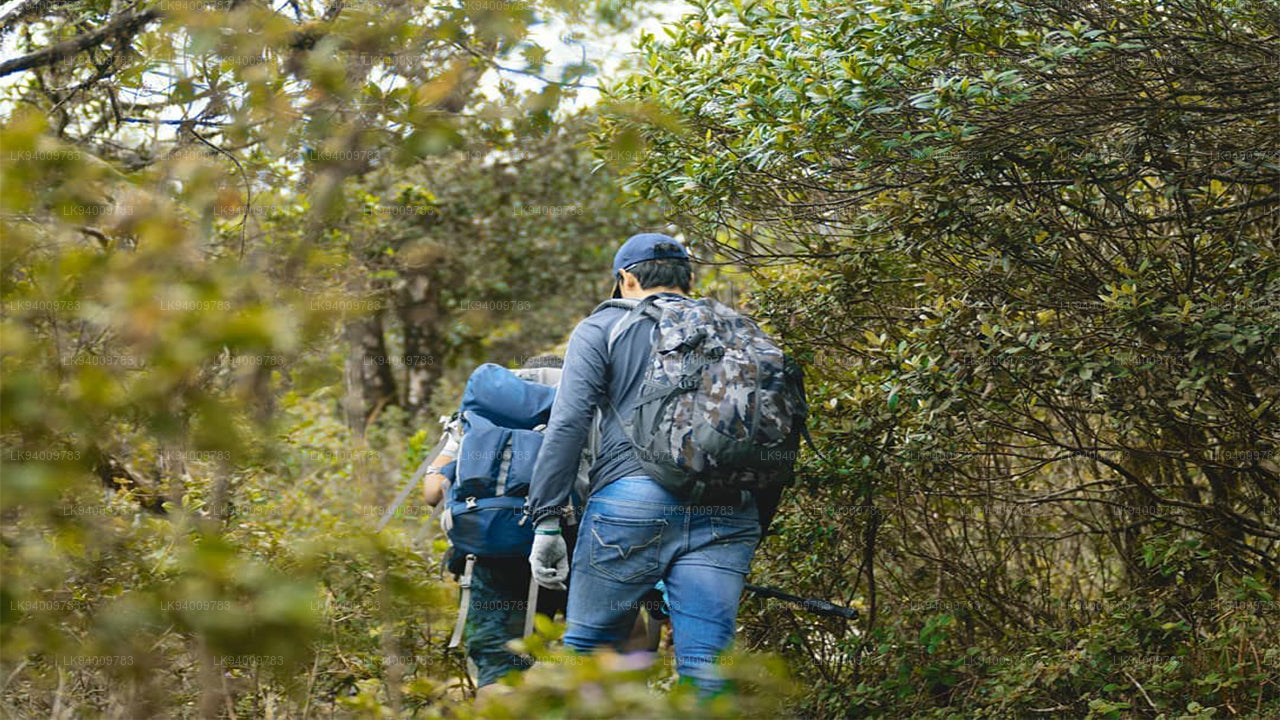
The mountain was famed as a place to visit during the British regimen; and records show that, during the year of 1897, there were paths to climb the mountain by foot using a two and half hour trek or in a shorter time by horseback.

It was so popular that there were sedan chairs available for the ladies who wished to visit the mountaintop. Sedans were a form of wooden litter which was used primarily in Britain and Europe at the time. It was a chair placed on top of two long wooden poles (in the case of the chairs used on Mount Pedro, they were bamboo) and the parallel poles were borne by strong men on their shoulders. Some chairs had additional décor such as carved seats, hoods to keep out the sun, curtains to protect from the draft and etc. They were usually used by highborn ladies of the West. Hence their presence in the rural Sri Lanka of those ages shows the presence and visits of many such ladies to the mountain. The mountain gained its nickname ‘Pedro’ from the British as pronouncing the word ‘Pidurutalagala’ was a difficult feat for them.

Unlike most mountain summits which are rocky, Pidurutalagala Mountain in Sri Lanka had a cap of pale green vegetation on its somewhat flat summit as per eyewitness accounts of the 1940s. During the summer months the vegetation had a tendency to dry to a pale yellow giving it a straw-like appearance, and hence the name ‘Straw Laden Rock’ or ‘Pidurutalagala’ in Sinhala. During the early 20th century the mountain still had only a single human-made path to the summit. The only other trails were from the elephants that frequented the mountain. The rest of the mountain was all untouched vegetation. The forest visibly changed drastically from the lowland forests as the height increased. Most notably, the trees were shorter and the tops flattened higher up on the mountain; primarily due to the strong winds. They were also more gnarled and branched out and had lichen and moss clinging to them, displaying characteristics of cloud forests. The single man-made path had way stones with the height from sea level marked on them in feet.

Pidurutalagala Mountain in Sri Lanka: The Geology

  • Le Pidurutalagala, ou mont Pedro en français, est un sommet très proéminent et le plus haut du Sri Lanka, culminant à 2 524 mètres. Situé à proximité de la ville de Nuwara Eliya, il est facilement visible depuis la majeure partie de la province centrale. Il se trouve au nord-nord-est de Nuwara Eliya.

    Pidurutalagala 
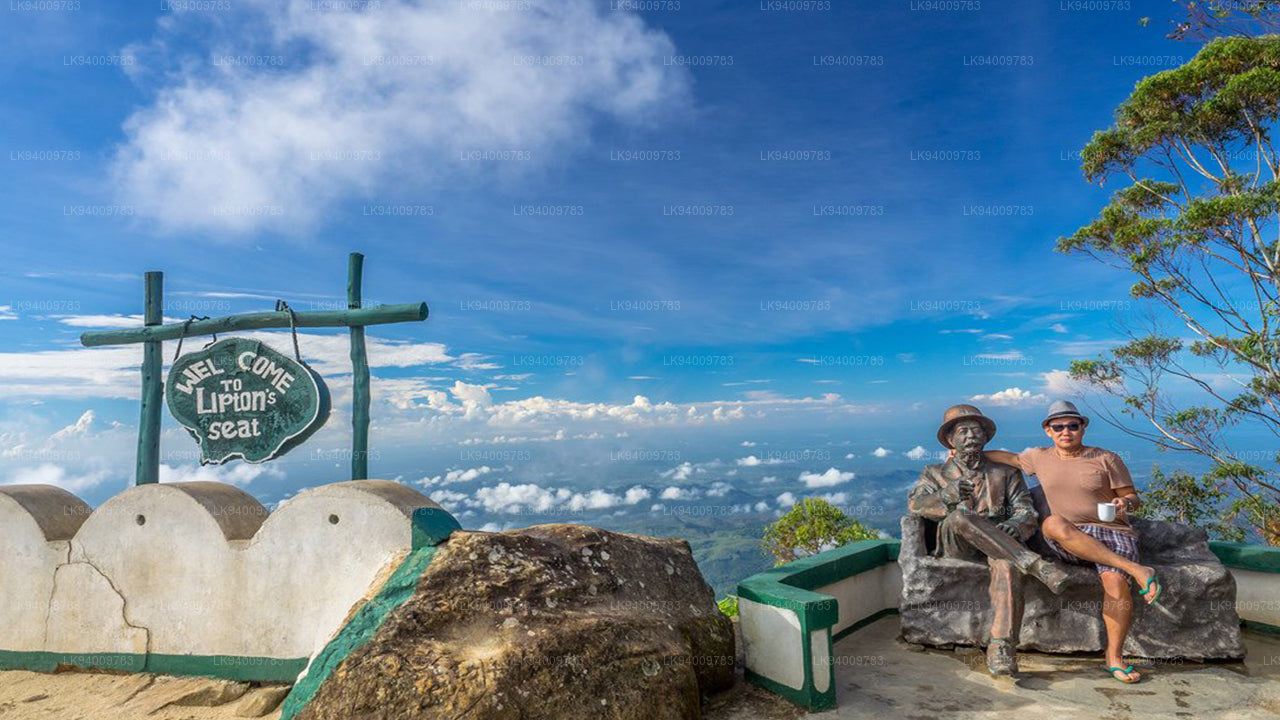
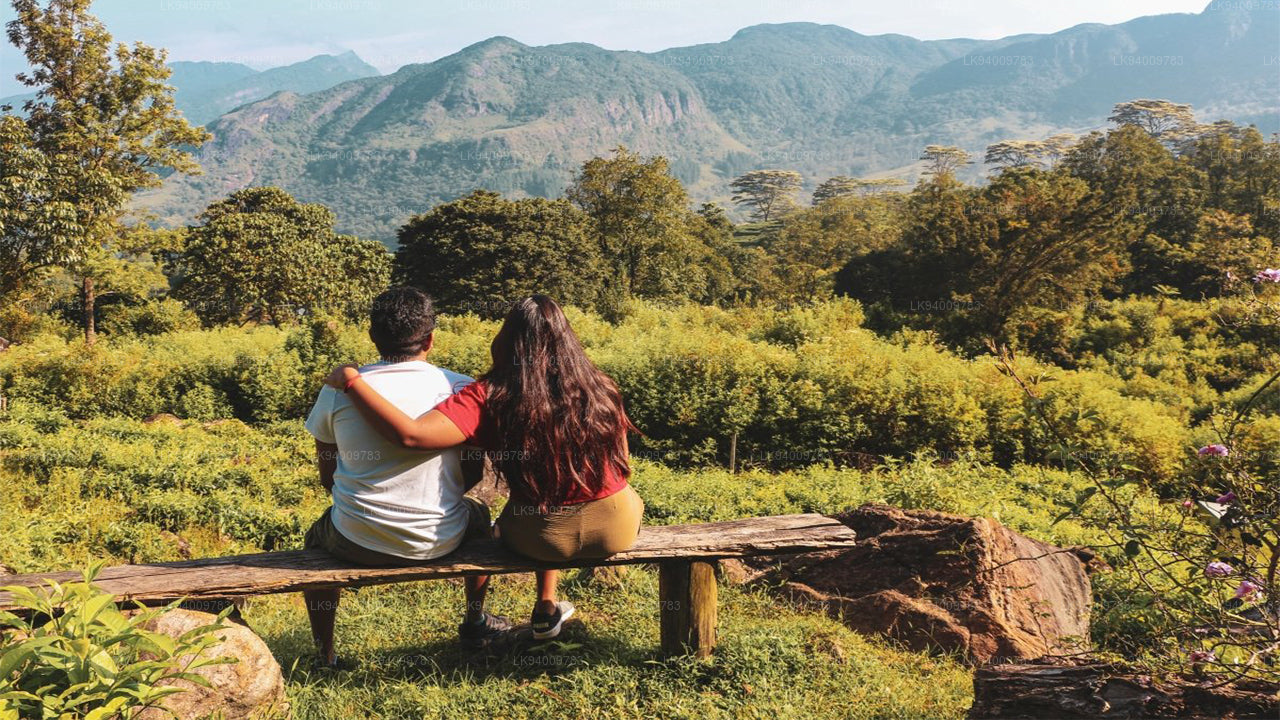
  • Le point de vue de Lipton's Seat, situé sur les hauteurs de Poonagala, offre un panorama exceptionnel. Perché au sommet de la colline éponyme, il se trouve également à proximité de la fabrique de thé de Dambatenne. Lipton's Seat doit son nom au célèbre baron écossais et planteur de thé, Sir Thomas Lipton, qui l'utilisait comme poste d'observation pour contempler son empire, à une époque révolue mais toujours vivante dans les mémoires.

    Siège Lipton 
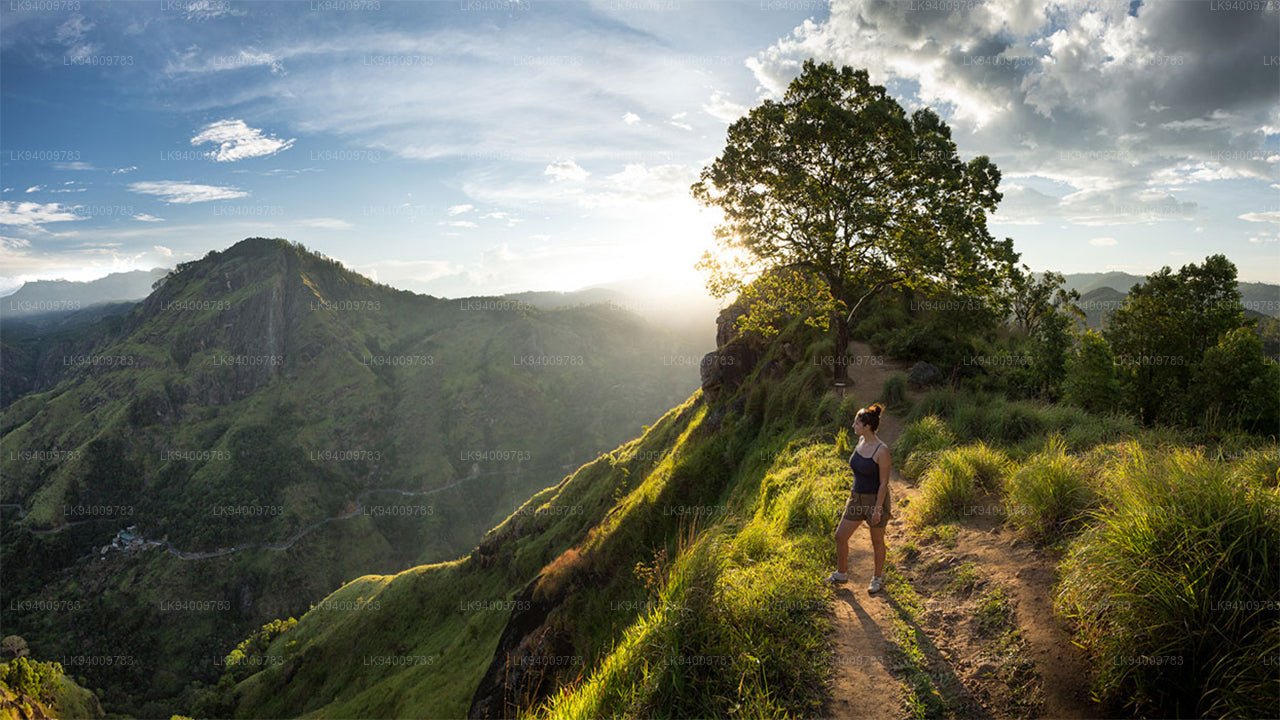
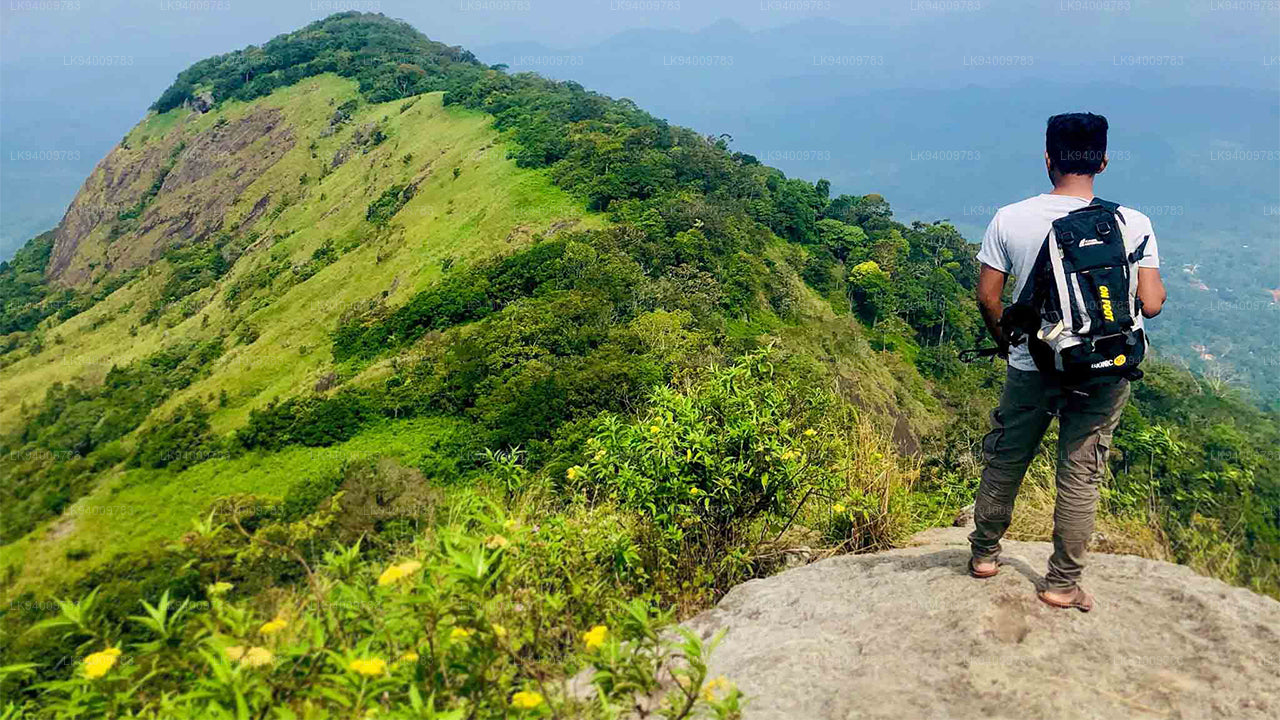
  • Ne sous-estimez pas le magnifique site touristique du Sri Lanka, le Petit Pic d'Adam, en raison de son nom qui lui est associé : il tire son nom du Pic d'Adam sacré (Sri Pada, où est conservée l'empreinte du pied du Bouddha), compte tenu de la ressemblance entre les deux montagnes.

    Petit pic d'Adam 
  • Ritigala est accessible depuis la bifurcation de la route Habarana-Anuradhapura, à 12 km d'Habarana. Un chemin de gravier carrossable de 5 km mène ensuite au pied de la montagne.

    Ritigala 
  • Ethagala (le Rocher de l'Éléphant) est l'un des sept rochers qui surplombent la ville de Kurunegala, au Sri Lanka. Sa paroi rocheuse s'élève à 316 mètres au-dessus de la ville et sa forme rappelle celle d'un éléphant accroupi, d'où son nom.

    Ethagala (Rocher de l'Éléphant) 
  • La montagne Rumassala. Autrefois, Rumassala s'appelait Buona Vista, un nom qui remonte à la période coloniale et qui est très probablement une déformation.

    Montagne de Rumassala 
  • La chaîne des Knuckles, également appelée chaîne de montagnes de Dumbara, se situe au large de Kandy, à l'extrémité nord des hauts plateaux centraux du Sri Lanka. Au sud et à l'est de la chaîne se trouve le bassin du fleuve Mahaweli, tandis qu'à l'ouest s'étendent les plaines de Matale.

    La chaîne des Knuckles 
  • Chaîne de montagnes d'Alagalla. La chaîne de montagnes d'Alagalla, également appelée « chaîne des pommes de terre », est située à la frontière des provinces centrales et de Sabaragamuwa au Sri Lanka.

    Chaîne de montagnes d'Alagalla 
  • Bible Rock est une montagne située près d'Aranayake, dans le district de Kegalle, au centre du Sri Lanka. Elle est connue sous le nom de « rocher de la Bible » en raison de sa ressemblance avec la Bible.

    Rocher biblique 
  • Ura Kanda. La chaîne de montagnes d'Urakanda est située dans le district de Kegalle. Une magnifique montagne aux paysages à couper le souffle.

    Ura Kanda 
  • La montagne des singes. La région de Gal Oya est resplendissante de forêts et de végétation luxuriante. Totalement à l'écart des sentiers battus et interdite d'accès pendant la guerre, la région a échappé à un développement important et le paysage est resté en grande partie intact.

    Montagne des Singes 
  • Après sa mort, le corps du grand roi Ravana fut déposé sur ce rocher appelé Yahangala (rocher-mère), afin que ses compatriotes puissent rendre un dernier hommage à leur cher roi disparu.

    Yahangala