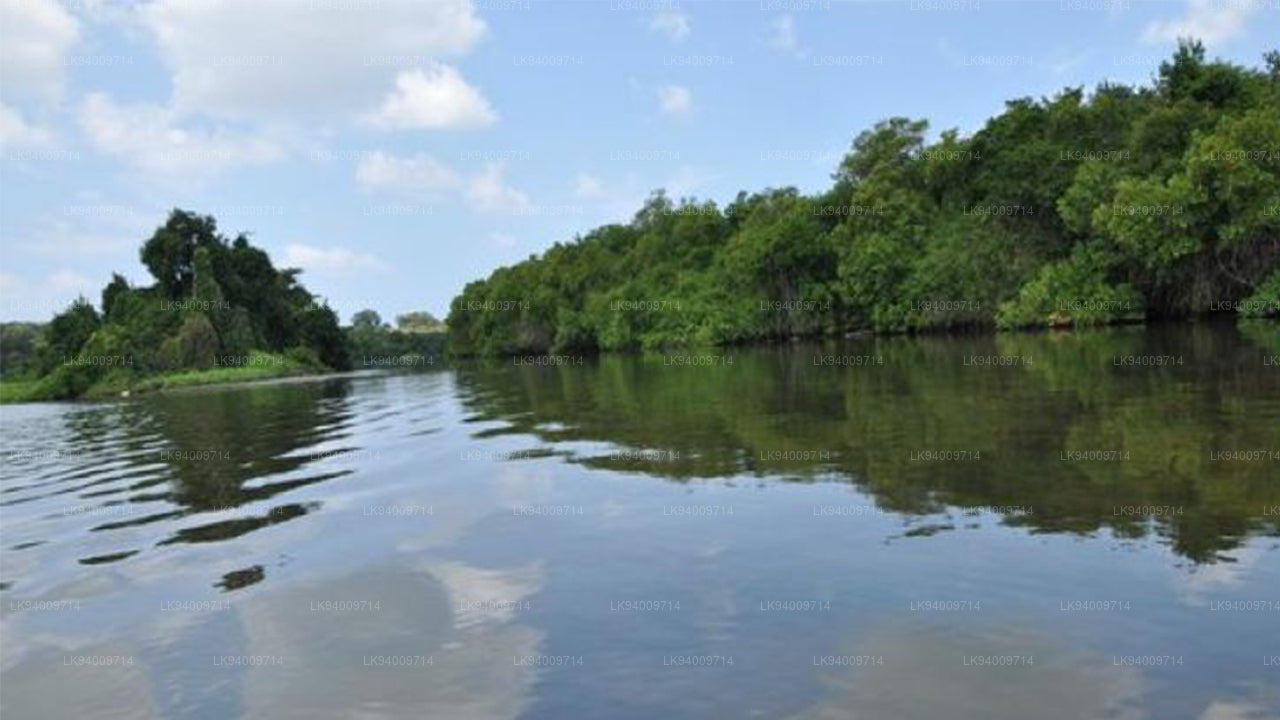
Gal Oya, Fluss


Gal Oya ist einer der wichtigsten Flüsse in der Östlichen Provinz Sri Lankas. Er entspringt im zentralen Hochland und fließt durch die Trockenzone, bevor er das Meer in der Nähe der Batticaloa-Lagune erreicht. Der Fluss ist von entscheidender Bedeutung für landwirtschaftliche Aktivitäten, da er die Region mit notwendiger Bewässerung und Wasserversorgung für die landwirtschaftlichen Gemeinschaften versorgt. Sein Verlauf durch Täler, Ebenen und Wälder trägt zur natürlichen Schönheit der Gegend bei und macht ihn zu einem wichtigen Merkmal der Landschaft der Region.
Gal Oya hat über Jahrhunderte eine zentrale Rolle in den Bewässerungssystemen von Sri Lanka gespielt. Der Fluss ist entscheidend für die Landwirtschaftsökonomie der Östlichen Provinz, indem er Reservoirs wie das Gal Oya Reservoir speist, das dabei hilft, Reisfelder, Gemüsebauernhöfe und andere landwirtschaftliche Flächen zu bewässern. Der stetige Wasserfluss des Flusses unterstützt die Lebensgrundlage der Landwirte in Batticaloa, Ampara und den umliegenden Bezirken und sorgt für eine konstante Wasserversorgung während der Trockenzeit.
Ökologisch gesehen unterstützt das Gal Oya Flusssystem eine Vielzahl von Pflanzen- und Tierarten. Die umliegenden Feuchtgebiete und Ufer des Flusses bieten wichtige Lebensräume für Süßwasserfische, Wasservögel und andere Wildtiere. Wenn der Fluss in die Küstenzone eintritt, speist er die Batticaloa-Lagune und die umliegenden Mangrovenwälder, die für die Küstendiversität Biodiversität und das Meeresleben von entscheidender Bedeutung sind. Diese Feuchtgebiete und Küstenechosysteme machen den Fluss zu einer wichtigen Ressource für sowohl den Umweltschutz als auch für den Ökotourismus.
Kulturell ist Gal Oya tief in das tägliche Leben der Menschen integriert, die entlang seiner Ufer leben. Seit Generationen unterstützt der Fluss landwirtschaftliche Aktivitäten und versorgt Haushalte mit Wasser. Gal Oya ist ein unverzichtbarer Bestandteil der Wirtschaft und Lebensweise in der Östlichen Provinz, und sein Wasser bleibt ein Symbol für die Widerstandsfähigkeit und landwirtschaftliche Prosperität der Region.
Hochwassergefahr & Hydrologische Bedeutung
Obwohl Gal Oya für die Landwirtschaft und die Wasserverversorgung von entscheidender Bedeutung ist, ist er auch anfällig für Überschwemmungen während Perioden intensiver Niederschläge. Das Verständnis der Hochwassergefahren des Flusses ist entscheidend, um die Wasserressourcen zu verwalten, landwirtschaftliche Flächen zu schützen und die Gemeinschaften, die vom Fluss abhängen, zu schützen.
- Aktuelle hydrologische Messungen (Offizieller Bericht):
Die aktuellen Daten für Gal Oya aus dem offiziellen hydrologischen Bericht sind nicht verfügbar. Der Fluss ist nicht in den verfügbaren Überschwemmungs-Stationen aufgeführt. - Einzugsgebietsempfindlichkeit: Starker Niederschlag im zentralen Hochland kann zu schnellem Oberflächenabfluss führen, was die Wasserstände des Flusses stromabwärts, insbesondere während der Südwest- und Nordostmonsune, erhöht.
- Hochwassergefährdete Gebiete: Tiefliegende Gebiete in Ampara, Batticaloa und den umliegenden Bezirken sind gefährdet, wenn der Fluss über seine normalen Flussniveaus hinaus anschwillt, insbesondere während Perioden intensiven Niederschlags.
- Auswirkungen auf die Landwirtschaft: Überschwemmungen können Bewässerungssysteme stören und Ernten beschädigen, insbesondere Reis- und Gemüseanbauflächen, die auf die konstante Wasserquelle des Flusses angewiesen sind.
- Langsame Drainage in Küstengebieten: Wenn der Fluss in das Küstentiefland eintritt, verlangsamt sich sein Fluss, was das Risiko von langanhaltenden Überschwemmungen und Wasseransammlungen erhöht, insbesondere in landwirtschaftlichen Gebieten in der Nähe der Batticaloa-Lagune.
- Notwendigkeit der Überwachung: Regelmäßige hydrologische Datensammlung und verbesserte Überwachungssysteme sind unerlässlich, um Hochwasserereignisse vorherzusagen und frühe Warnungen an die Gemeinschaften und Landwirte zu geben.
- Saisonale Niederschlagsrisiken: Die Hochwassergefahr für Gal Oya ist während der Monsunzeit am höchsten, insbesondere während der Südwestmonsun, wenn der Niederschlag im zentralen Hochland zu einem schnellen Anstieg des Wasserstandes stromabwärts führt.
Gal Oya bleibt eine wichtige Ressource für Landwirtschaft, Wasserverversorgung und Ökosysteme in der Östlichen Provinz Sri Lankas. Die Hochwassergefahr, insbesondere während der Monsunzeit, unterstreicht jedoch die Notwendigkeit für eine effektive Hochwasserbewirtschaftung und kontinuierliche Überwachung zum Schutz der Gemeinschaften und landwirtschaftlichen Ressourcen der Region.


-
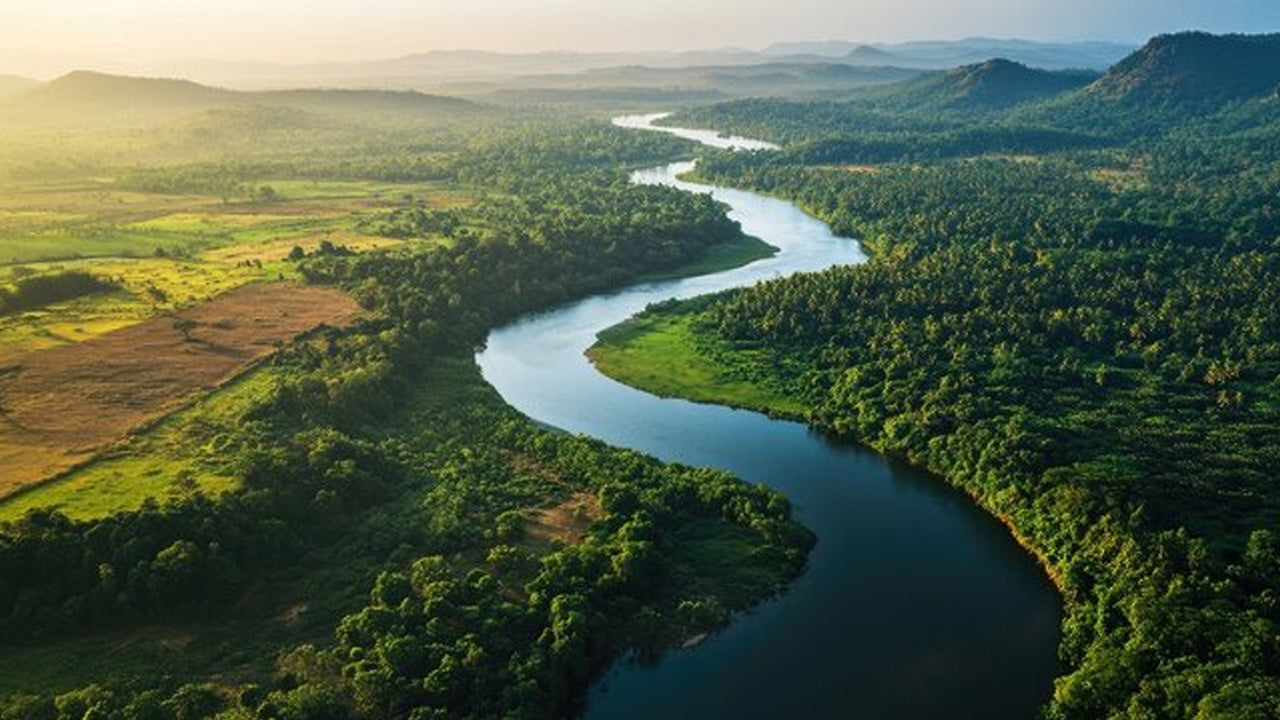 Mahaweli River
Explore the majestic Mahaweli River, Sri Lanka’s longest river, offering serene boat rides and opportunities for birdwatching and nature adventures along its winding course through scenic valleys.
-
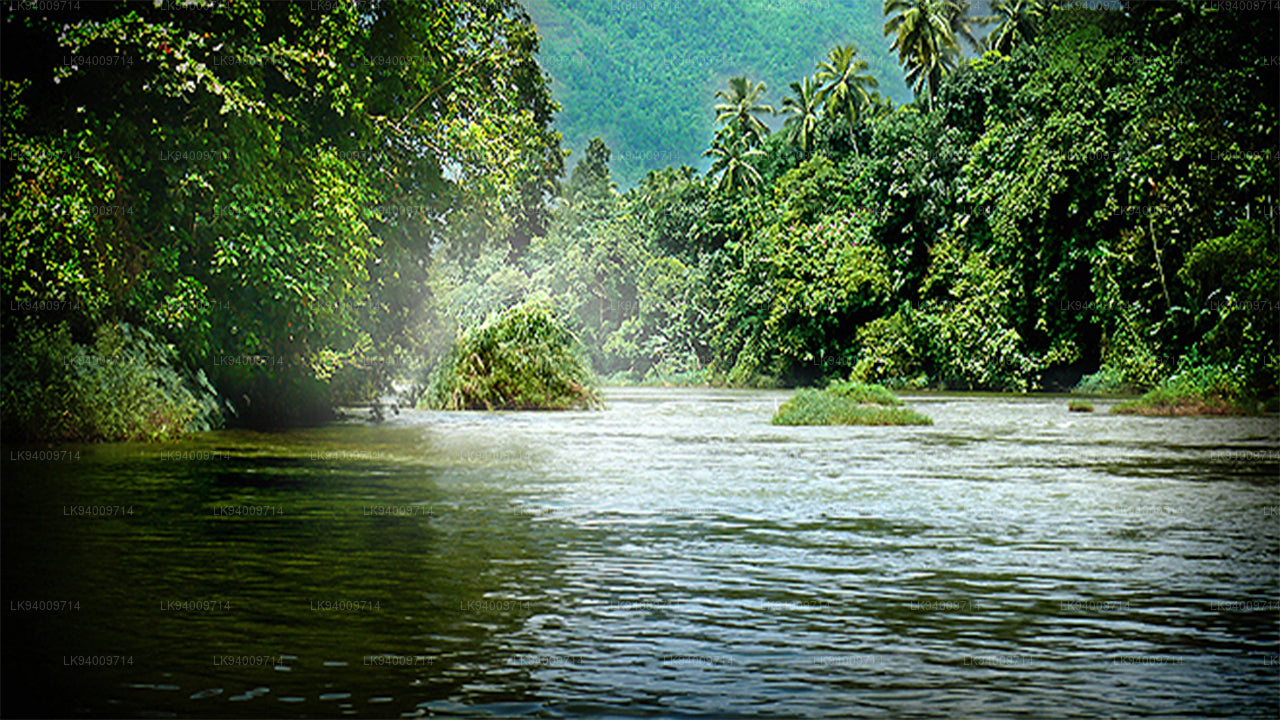 Kelani River
The Kelani River is a 145-kilometre-long (90 mi) river in Sri Lanka. It flows through or borders the Sri Lankan districts of Nuwara Eliya, Ratnapura, Kegalle, Gampaha and Colombo.
-
 Kalu Ganga
Kalu Ganga is a river in Sri Lanka. Measuring 129 km (80 mi) in length. The mountainous forests in the Province and the Sinharaja Forest Reserve are the main sources of water for the river.
-
 Walawe River
The southern region of Sri Lanka is exalted by a bushel of enthralling and glorified rivers and the Walawe River is one of them. Gently flowing through the Udawalawe National Park, the Walawe River provides water for a multitude of species of mesmerising fauna.
-
 Deduru Oya
The Deduru Oya Dam is an embankment dam built across the Deduru River in Kurunegala District of Sri Lanka. Built in 2014, the primary purpose of the dam is to retain approximately a billion cubic metres of water for irrigation purposes, which would otherwise flow out to sea.
-
 Malwathu Oya
The Malvathu River long river in Sri Lanka, connecting the city of Anuradhapura, which was the capital of the country for over 15 centuries, to the coast of Mannar. It currently ranks as the second longest river in the country, with a great historic significance.
-
 Kala Oya
It was around these ancient tank (water storage reservoir) irrigation systems that the economy and human settlements of early Sri Lankan society were organised into a “hydraulic civilization”.
-
 Gal Oya
Discover Gal Oya, a tranquil sanctuary in Sri Lanka, known for its lush landscapes, rich wildlife, and serene boat safaris, offering a peaceful retreat surrounded by nature and wildlife.
-
 Gin Ganga
The Gin Ganga, is a 115.9 km (72 mi) long river situated in Galle District of Sri Lanka. The river's headwaters are located near Deniyaya, bordering the Sinharaja Forest Reserve.
-
 Kirindi Oya
Experience the serene beauty of Kirindi Oya, a tranquil river in Sri Lanka. Enjoy scenic boat rides, lush landscapes, and opportunities for birdwatching, offering a peaceful escape into nature.
-
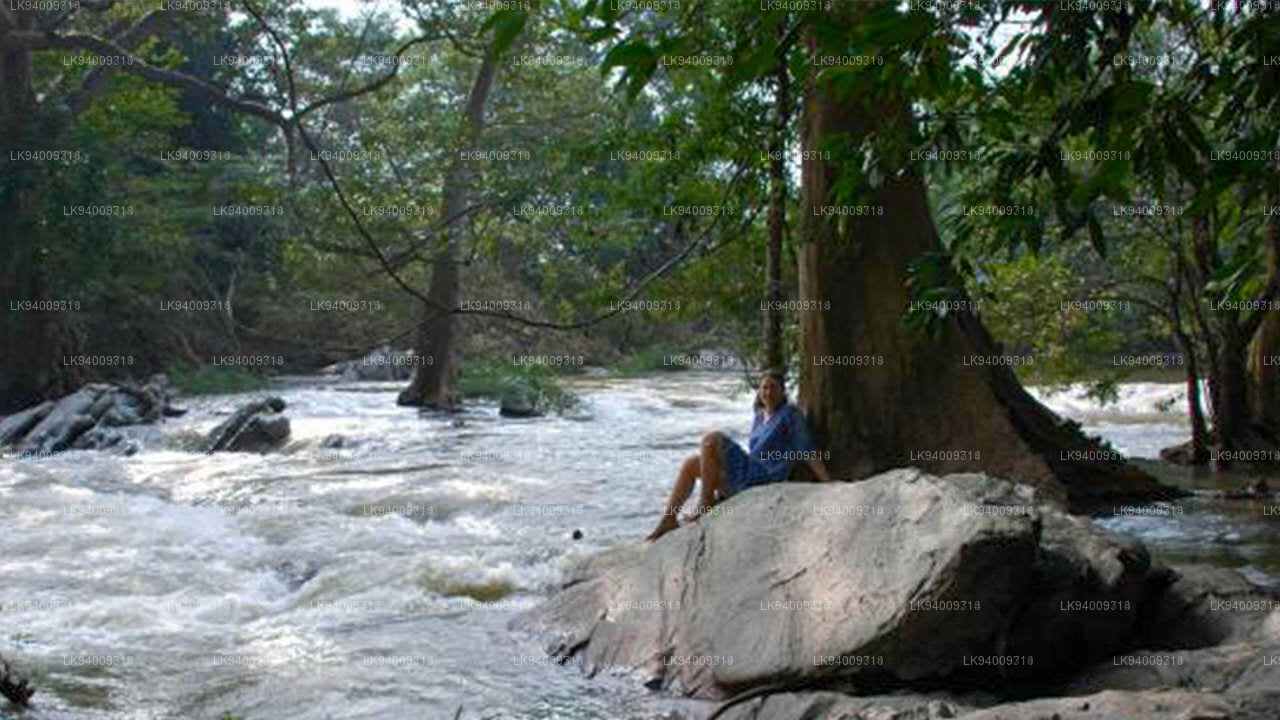 Kumbukkan Oya
The Kumbukkan Oya is the twelfth-longest river of Sri Lanka. It is approximately 116 km (72 mi) long. Its catchment area receives approximately 2,115 million cubic metres of rain per year.
-
 Maduru Oya
The Maduru Oya is a major stream in the North Central Province of Sri Lanka. It is approximately 135 km (84 mi) in length. approximately 3,060 million cubic metres of rain per year
-
 Manik River
Explore the peaceful Manik River, surrounded by lush greenery and rich wildlife. Enjoy scenic boat rides and nature walks, offering a serene and refreshing experience.
-
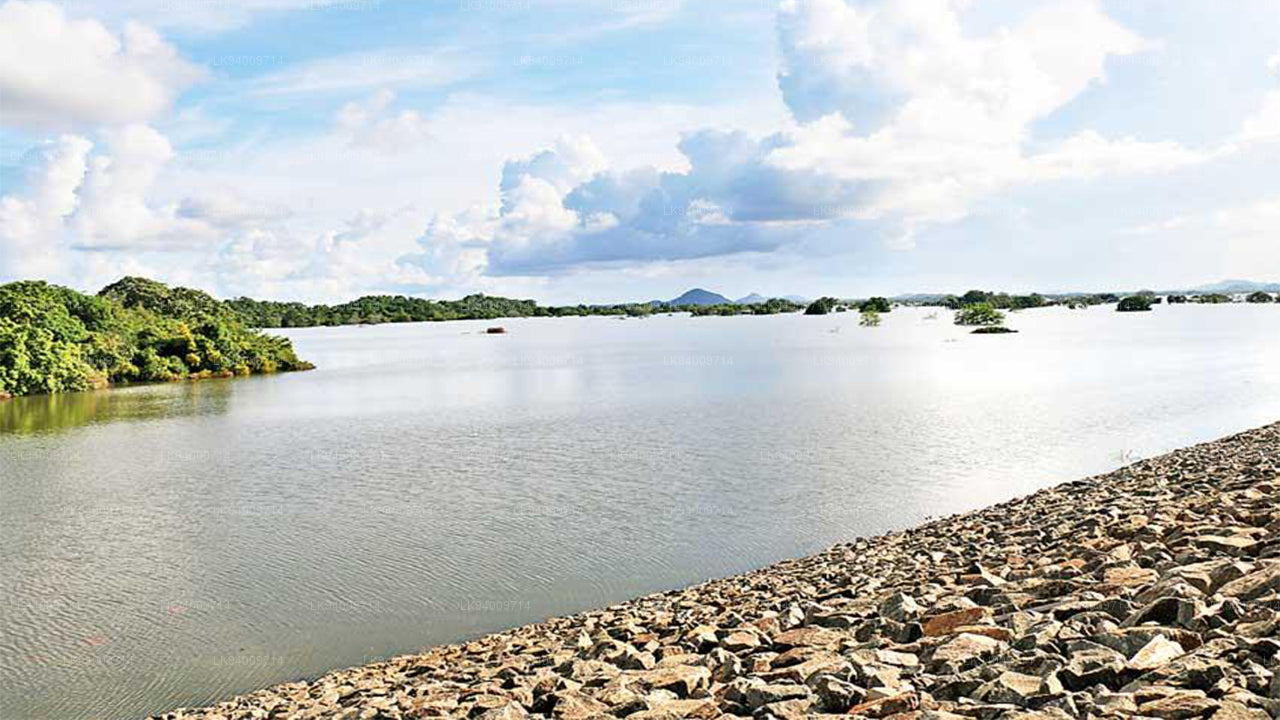 Yan Oya
The Yan Oya, 142 km long and receives 2,371 million cubic meters of rainfall annually, with 17% flowing to the sea. Its catchment area covers 1,520 square kilometers.