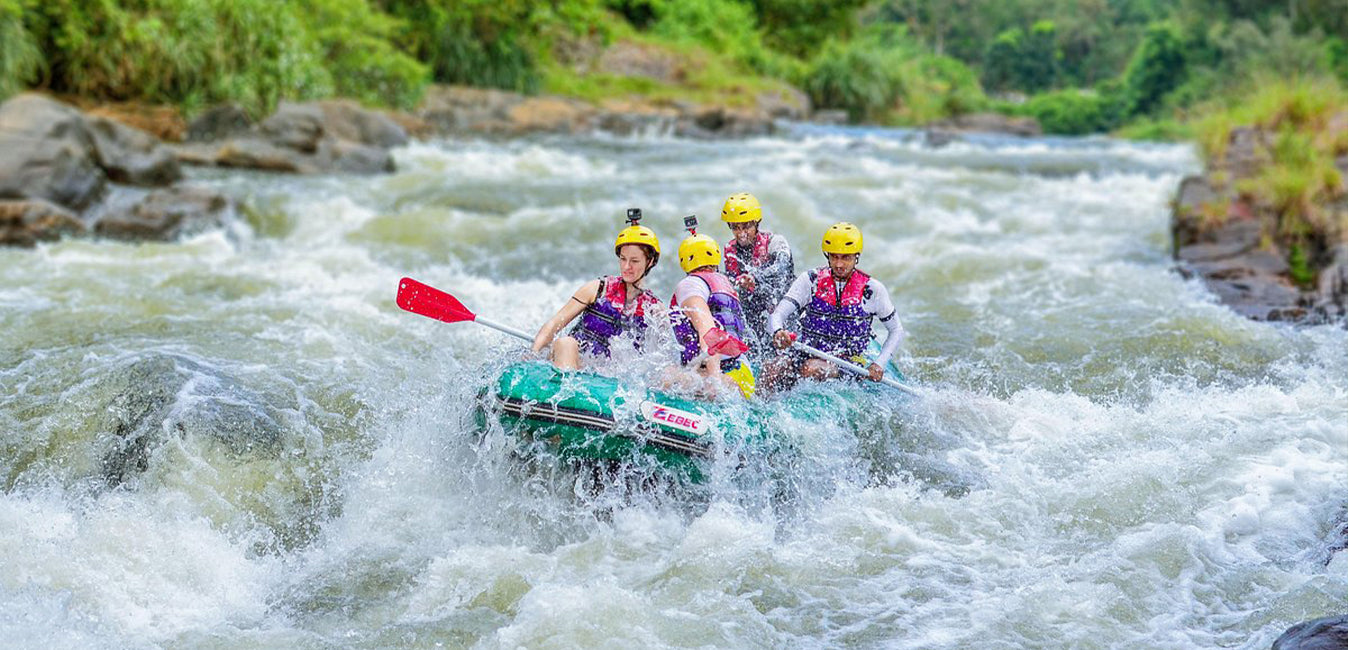
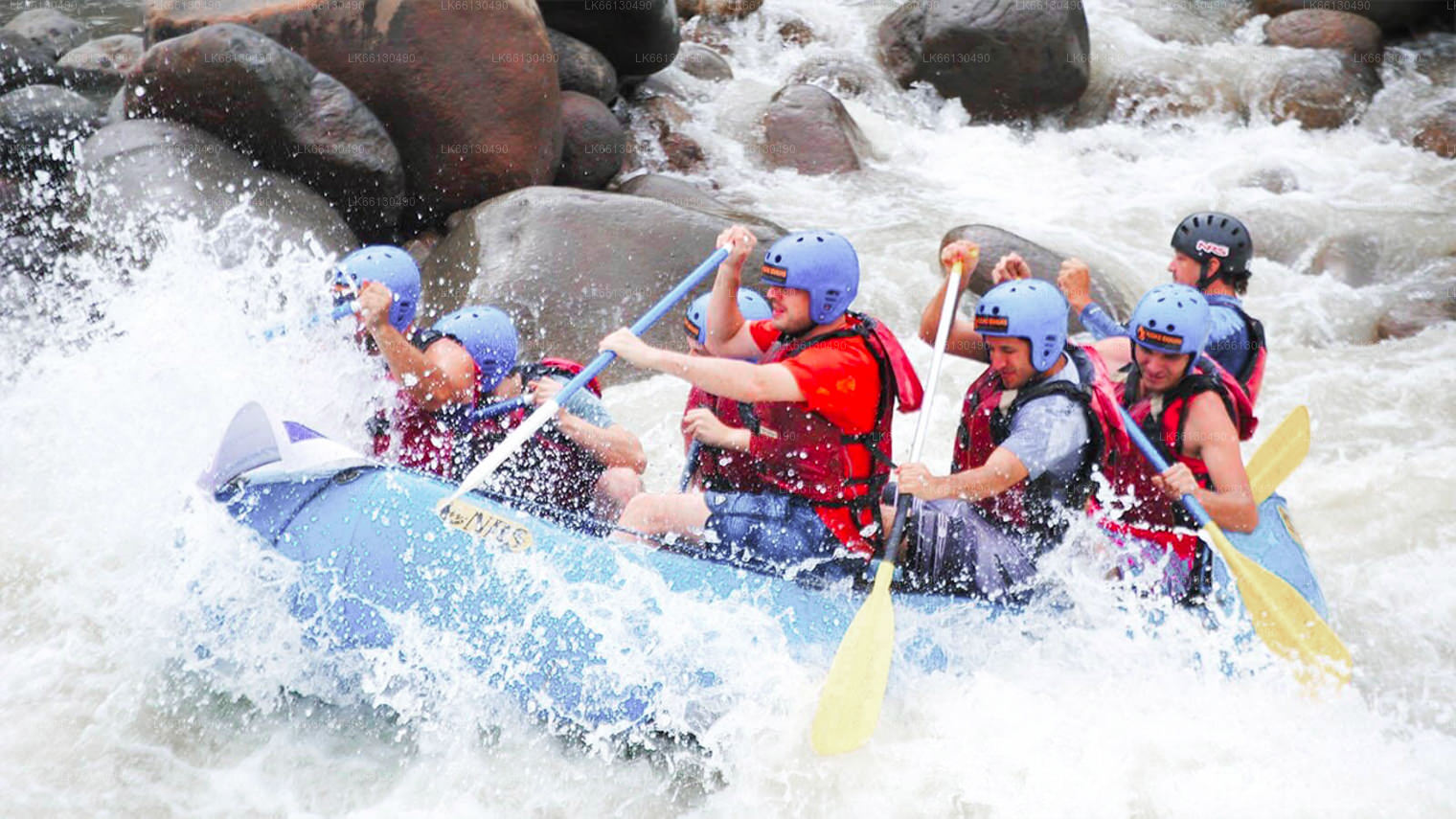
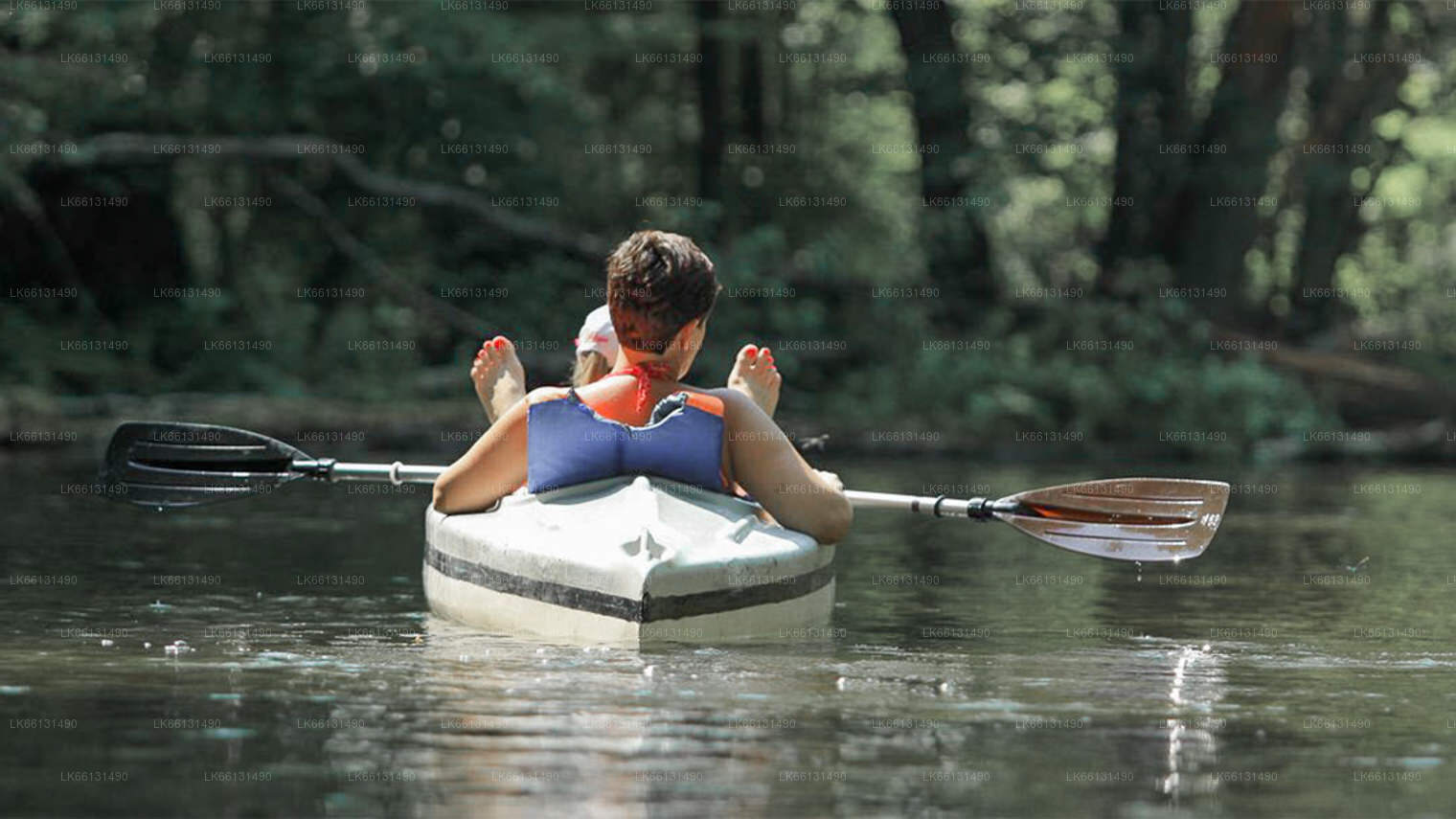
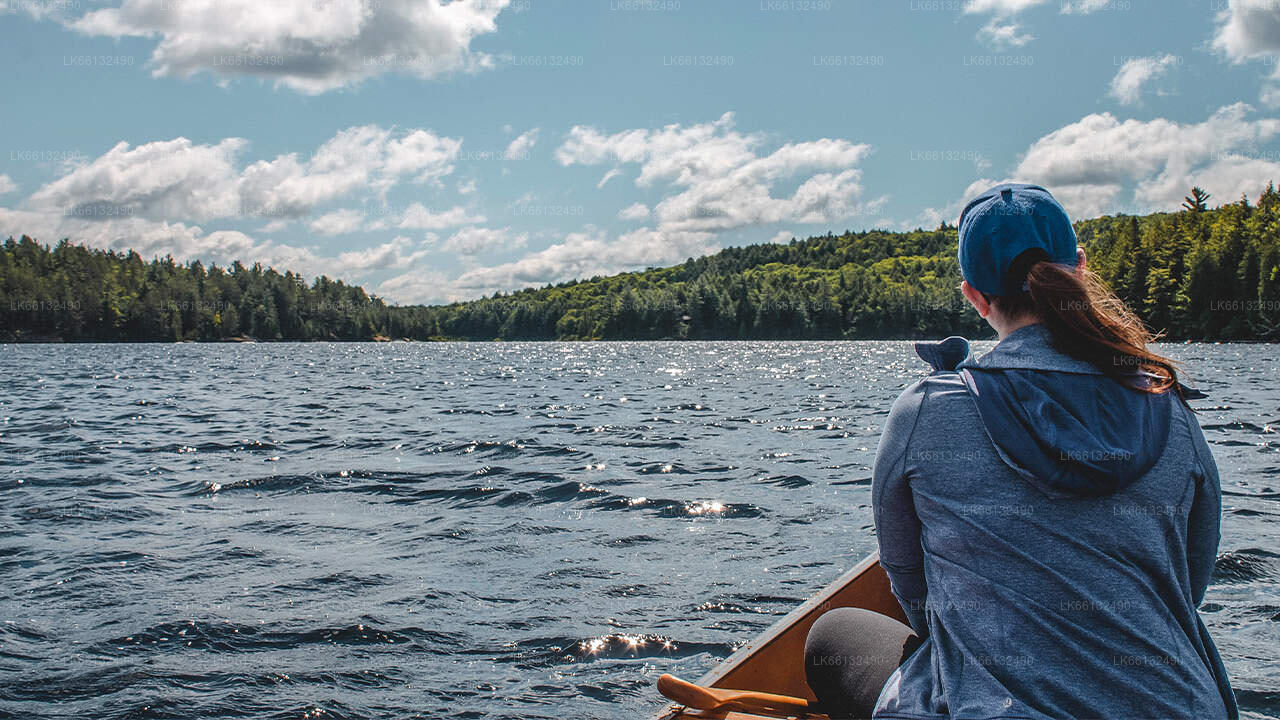
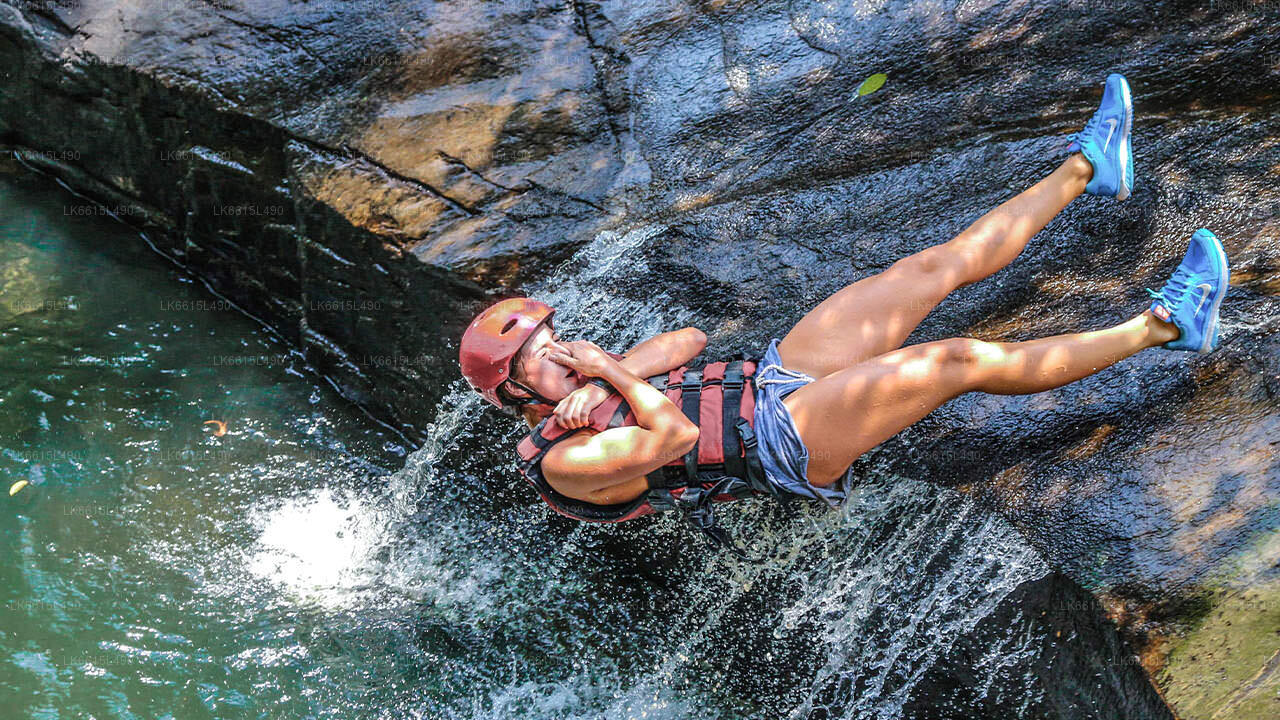
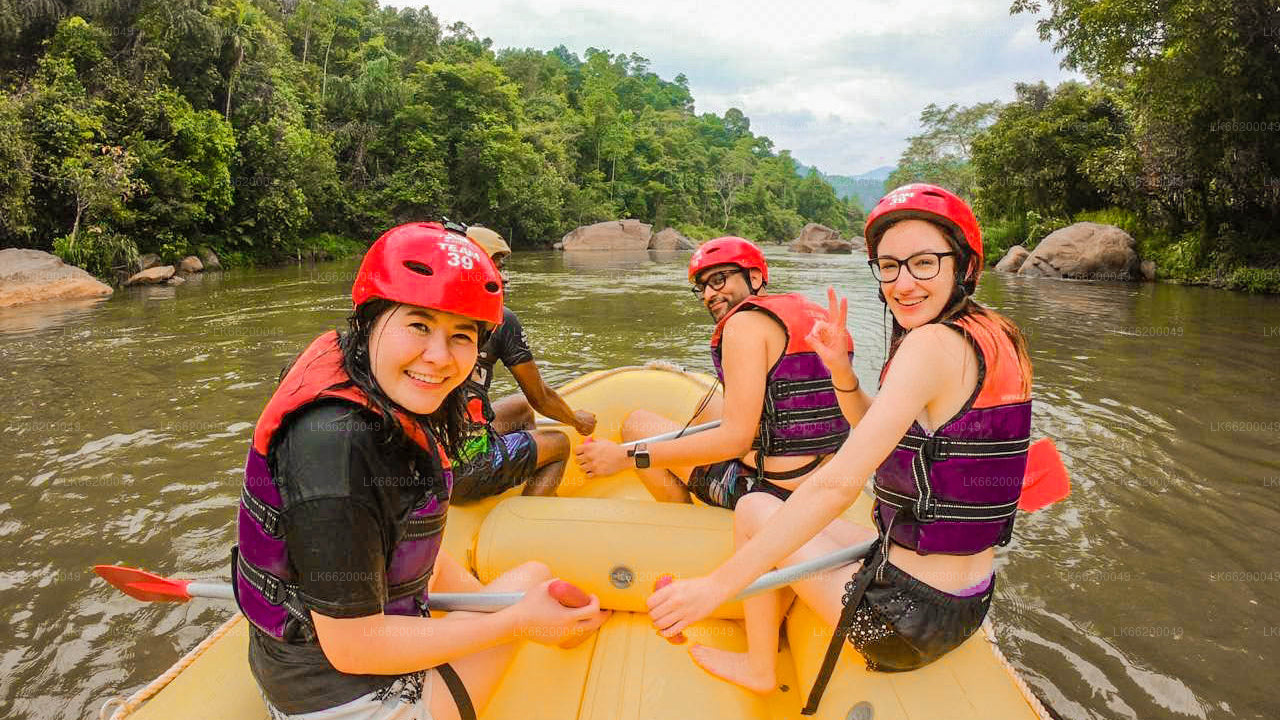
Kitulgala is a picturesque town in Sri Lanka, renowned for its lush greenery and adventure activities. Nestled amidst the verdant hills, it is famous for white-water rafting on the Kelani River, where scenes from the film "The Bridge on the River Kwai" were shot.
Kitulgala liegt 95 km von Colombo in der Provinz Sabaragamuwa. Kitulgala ist über die Hauptstraße Colombo-Avissawella-Hatton erreichbar. Kitulgala liegt ungefähr auf halbem Weg zwischen Hatton aus den Zentralbergen Sri Lankas und Avissawella aus den Tiefländern von Sri Lanka und ist von bewaldeten Hügeln umgeben, die zu den schnell fließenden Gewässern des Kelani-Flusses führen. Kitulgala ist Sri Lankas Hauptziel für alle, die sich dem Wildwasser-Rafting widmen. Kitulgala ist bekannt für seine Natur, Vogelwelt und Wildwasser-Rafting. Obwohl der Kelani-Fluss in Kitulgala breit ist, ist er in den meisten Bereichen flach und bietet sichere Stellen zum Schwimmen und Genießen des Wassers und der Umgebung, besonders in den ersten drei Monaten des Jahres. Der Name Kitulgala stammt von der Kitul-Palme (Sinhalesisch: Sago-Palme), die in der Region verbreitet ist. Kitul-Palmsirup wird verwendet, um viele traditionelle sinhalesische Süßigkeiten zuzubereiten.
In der Gemeinde Kitulgala werden viele Bananensorten sowie andere Früchte und Gemüse angebaut. Die Restaurants und Hotels in Kitulgala sind bekannt für ihren traditionellen sinhalesischen Reis und Curry, ergänzt mit einem Dessert aus Joghurt, das mit Kitul-Palmenhonig gesüßt wird. Die Beli-Lena-Höhlen, die 8 km von Kitulgala entfernt liegen, haben Überreste (zehn Skelette) des "Balangoda-Menschen" freigelegt, der als der älteste Bewohner Sri Lankas gilt und vor 32.000 Jahren dort lebte.
Der Kegalle-Distrikt, der zwischen den zentralen Hochländern und den westlichen südlichen Ebenen liegt, hat eine bezaubernde Umgebung. Die Höhe der westlichen Region liegt unter 500 Fuß über dem Meeresspiegel, während die östliche Region über 1000 Fuß liegt. Der Gummianbau erstreckt sich über den größten Teil des Distrikts, und kleinere Exportpflanzen wie Kaffee, Kakao, Pfeffer, Nelken und Muskatnüsse spielen eine wichtige Rolle in der Wirtschaft des Distrikts. Sri Lankas bester Graphitbergbau befindet sich in Bogala im Kegalle-Distrikt. Die Fläche des Distrikts beträgt 1692,8 km² (169.280 Hektar).
Kegalle is a town in Sabaragamuwa Province of . It is located on the Colombo - Kandy road and 48 miles/78 km away from Colombo and 24 Miles/40 km away from Kandy. It is the Capital City of the Kegalle District which is one of the two districts belonging to Sabaragamuwa province the other being Ratnapura District.
District of Kegalle, situated in between the central highlands and western southern planes and has an enchanting environment. Height of the western region is less than 500 feet from the sea level while eastern region exceeds 1000 feet. Rubber cultivation has stretched over most of the area of the District and minor export crops such as coffee, cocoa,pepper,clove and nutmeg takes an important place in the economy of the District. Sri Lanka's best graphite mine is situated at Bogala in Kegalle District. The extent of the District is 1692.8 km2 (169,280 in hectares).
Sabaragamuwa province
The Sabaragamuwa province of Sri Lanka contains two main cities called Ratnapura and Kegalle. At an elevation of approximately 500 feet above sea level, Ratnapura is the provincial capital of Sabargamuwa. It is 60 miles (100 km) from the main coastal city of Colombo. Province of Sabaragamuwa The gem-mining centre of Sri Lanka is also a major crossroad between southern plains and the hill country to the east.
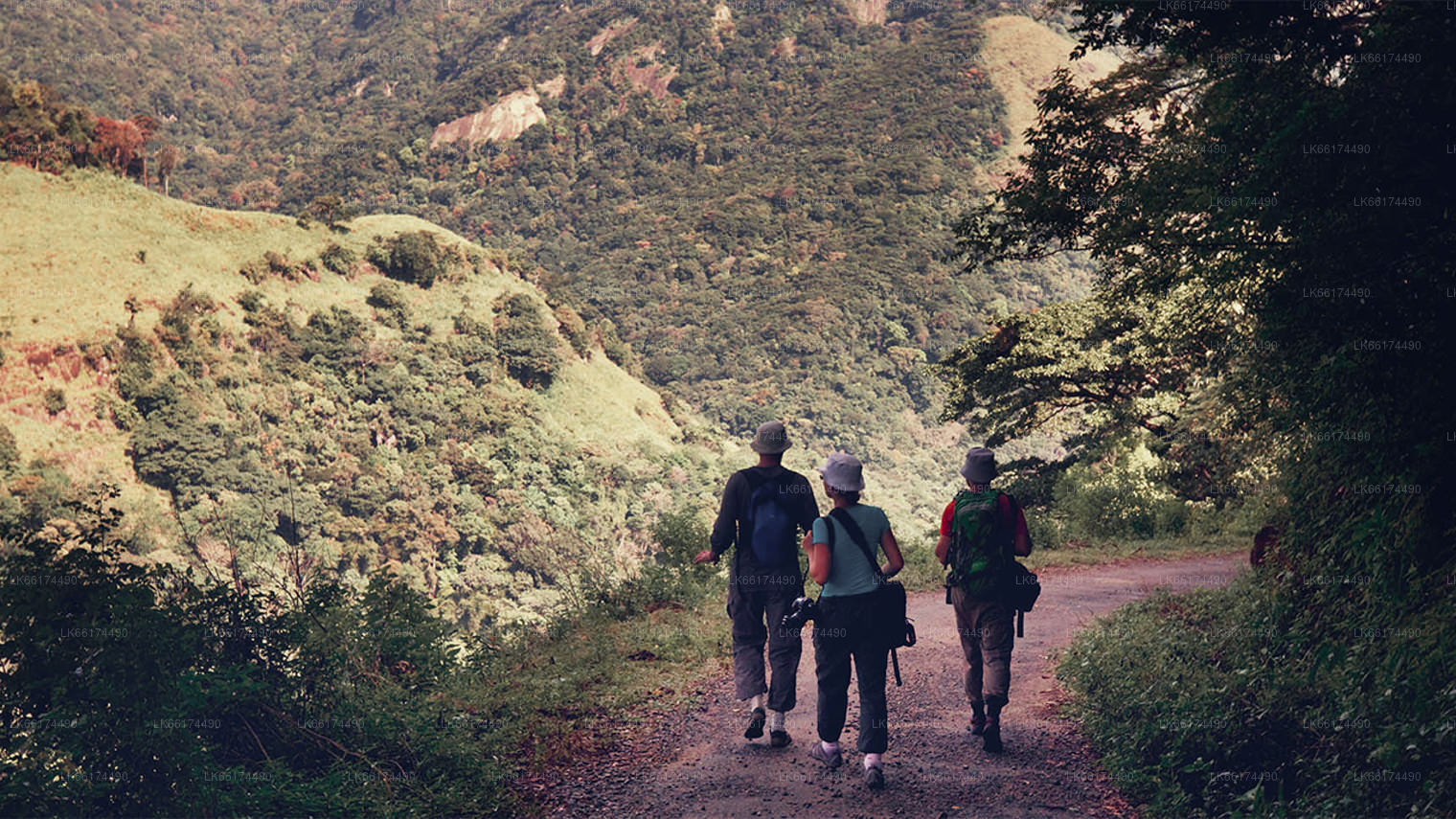
In Sabaragamuwa province there is a route to Sri Pada from Ratnapura direction. Excursions include Sinharaja Forest Reserve and Udawalawe National Park. The route towards hill country is beautiful. The surrounding area is a popular trekking destination and a good place for bird watching.