Galle
Galle kann über die Hauptstraße Colombo-Galle-Matara (A2) sowie über die südliche Eisenbahnlinie erreicht werden, die von Colombo über Galle nach Matara führt.
Der Hauptbusbahnhof von Galle eignet sich gut für Pendler, die in den Norden und weiter nach Süden reisen. Es ist jedoch immer noch mühsam, die Central Highlands von Galle aus zu erreichen, da die Abflüge auf nur einen einzigen Service pro Tag am Morgen beschränkt sind.
Der Hafen von Galle ist ein herrlicher Naturhafen. Der Hafen ist seit der vorchristlichen Zeit in Betrieb, gewann im 12. Jahrhundert an Bedeutung, wurde im 14. Jahrhundert zum wichtigsten Seehafen der Insel und blieb dies bis zum Bau eines künstlichen Hafens in Colombo im Jahr 1873.
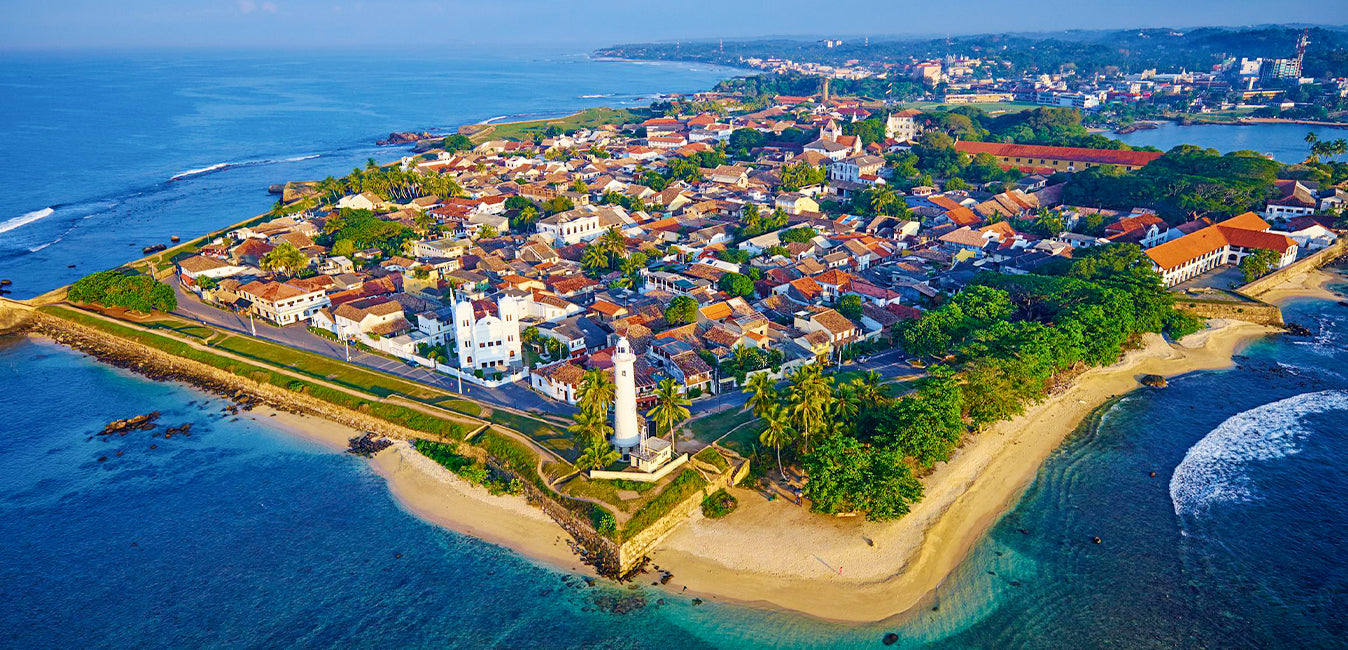
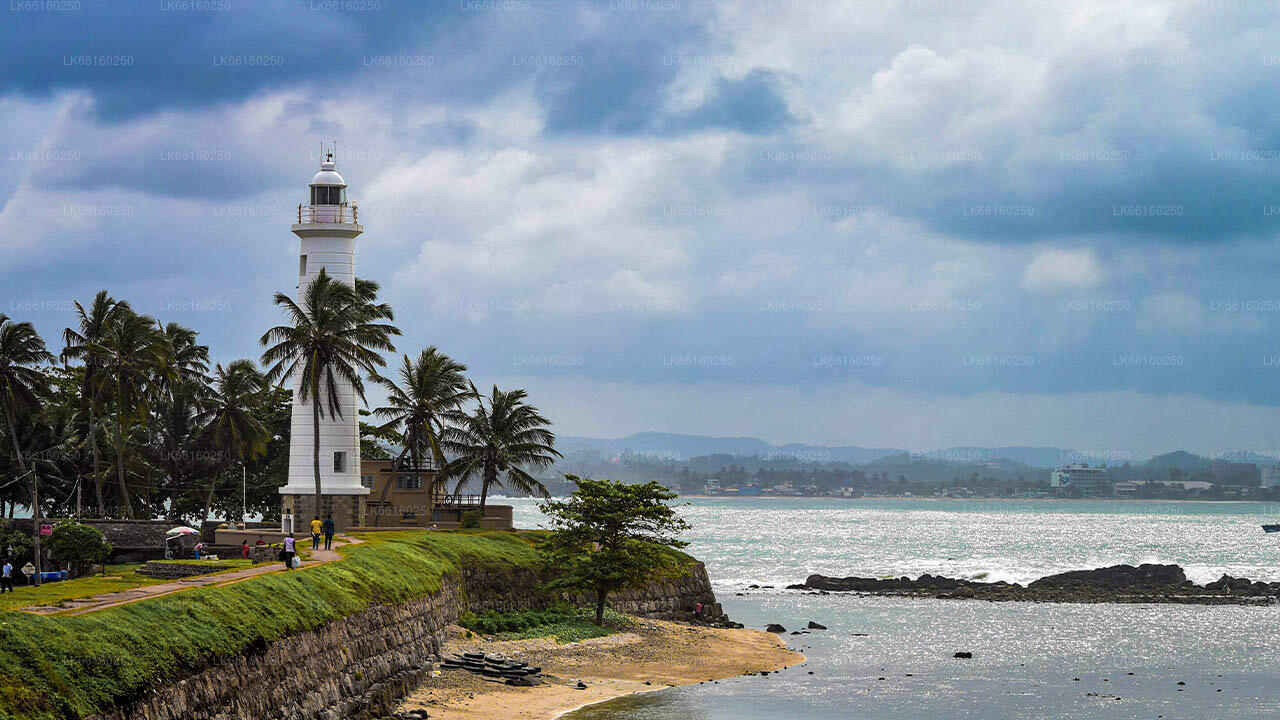
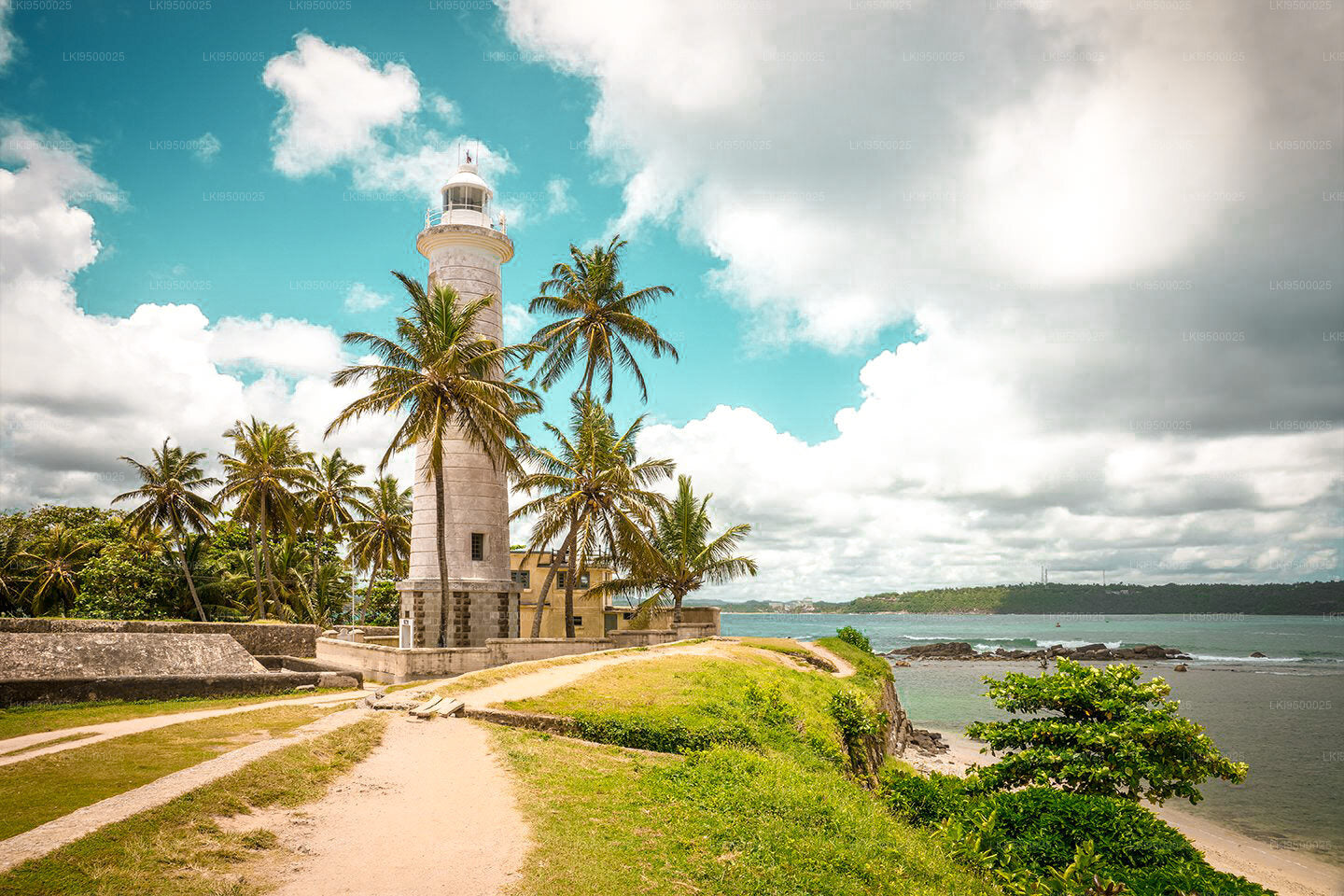
Im Seehafen von Galle befindet sich das 36 Hektar große VOC Galle Dutch Fort, das 1589 von den Portugiesen erbaut, 1663 von den Niederländern befestigt und von den Briten genutzt wurde. Die meisten der gut erhaltenen Gebäude aus der Kolonialzeit von Fort sind noch funktionstüchtig: Ein Labyrinth aus engen Gassen führt zu Bastionen, öffentlichen Gebäuden, Kirchen und dem Leuchtturm.
Die Stadtmauern, die ideale Aussichtspunkte bieten, um die atemberaubenden Sonnenuntergänge am Meer zu genießen, sind bei Abendspaziergängen beliebt.
Unterhalb der Stadtmauern befindet sich das gut gelegene Galle International Cricket Stadium
Im Januar 2009 begann die Sri Lanka Ports Authority mit den Bauarbeiten für einen Yachthafen, um Galle als touristischen Seehafen zu bewerben. Der Yachthafen wird Reparatur- und Erholungseinrichtungen für ausländische Jachten und Sportboote in Anspruch nehmen.
Gut renovierte und exquisit renovierte Bungalows aus der Kolonialzeit, Strandvillen, neu errichtete Boutique-Hotels und charaktervolle Gästehäuser, von denen einige ökologisch ausgerichtet sind, bieten eine Reihe komfortabler Unterkünfte entlang der Küste von Galle und im Landesinneren, die Sie an den schönen Stränden nördlich von Galle und südlich von Galle genießen können: Unawatuna, Thalpe, Koggala, Habaraduwa und Ahangama.
Über den Bezirk Galle
Galle ist eine Stadt an der südwestlichen Spitze Sri Lankas, 119 km von Colombo entfernt. Galle ist das beste Beispiel für eine befestigte Stadt, die von Europäern in Süd - und Südostasien erbaut wurde und die Wechselwirkung zwischen europäischen Architekturstilen und südasiatischen Traditionen zeigt. Das Galle Fort ist ein Weltkulturerbe und die größte verbliebene Festung Asiens, die von europäischen Besatzern erbaut wurde.
Galle ist für srilankische Verhältnisse eine große Stadt und hat 91.000 Einwohner, von denen die meisten singhalesischer Abstammung sind. Es gibt auch eine große Minderheit der srilankischen Mooren, insbesondere im Fort-Gebiet, die von arabischen Kaufleuten abstammen, die sich im alten Hafen von Galle niedergelassen haben.
Über Southern Province
Die Südprovinz Sri Lankas ist ein kleines geografisches Gebiet, das aus den Bezirken Galle, Matara und Hambantota besteht. Subsistenzwirtschaft und Fischerei sind die Haupteinnahmequelle für die überwiegende Mehrheit der Menschen in dieser Region.
Zu
den wichtigen Wahrzeichen der Südprovinz gehören die Naturschutzgebiete der Nationalparks Yala und Udawalawe, die heilige Stadt Kataragama und die antiken Städte Tissamaharama, Kirinda und Galle. (Obwohl Galle eine antike Stadt ist, ist fast nichts von der Zeit vor der portugiesischen Invasion erhalten geblieben.) Während der portugiesischen Zeit gab es zwei berühmte singhalesische Dichter namens Andare aus Dickwella und Gajaman Nona aus Denipitiya im Bezirk Matara, die Gedichte über den einfachen Menschen verfassten.