Lakpura
Lakpura®

Potato Curry (අල හොදි)

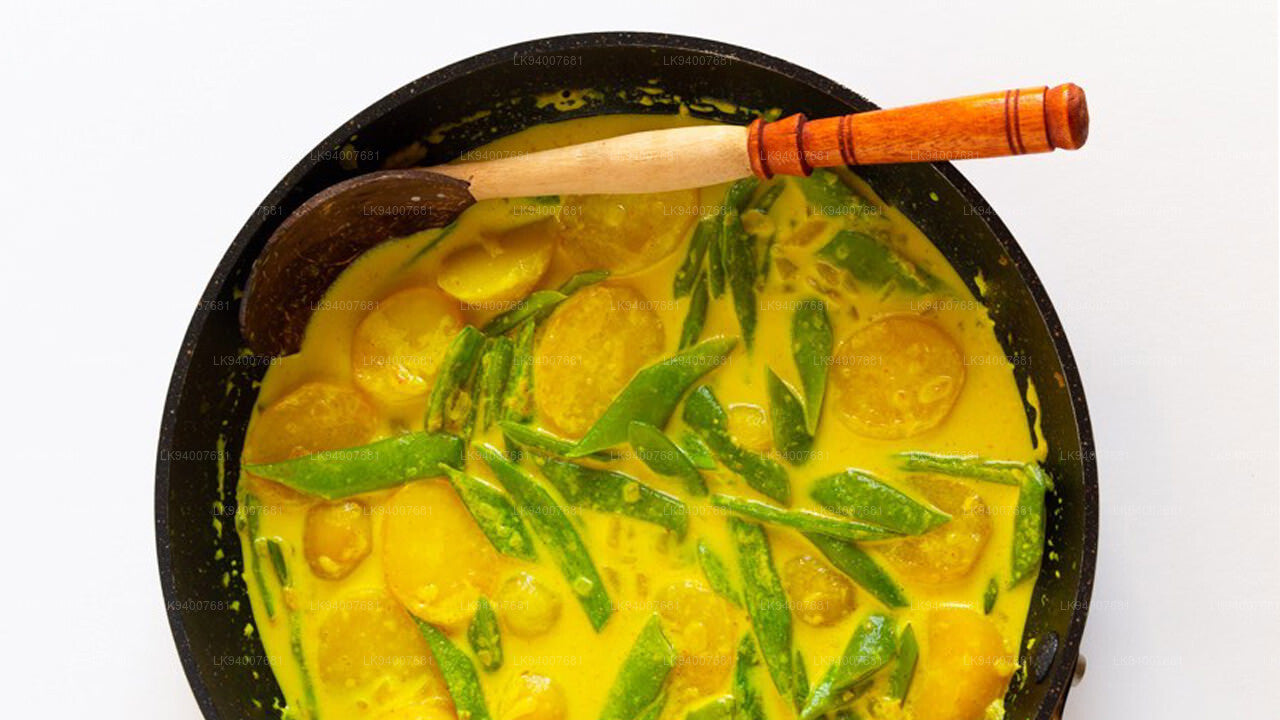
Potato curry — known in Sinhala as අල හොදි (ala hodi) — is one of the most dependable dishes in a Sri Lankan home kitchen. Mild, creamy, and gently spiced, it appears at breakfast tables alongside hoppers, at lunch as a counterpoint to fiercer curries, and at festive spreads where guests of all ages need something reliably comforting. Its appeal crosses regions, generations, and dietary preferences: it is naturally vegan, filling, and takes less than half an hour to prepare.

The recipe shifts subtly from province to province — southern versions tend to lean on thicker coconut milk and a touch of tamarind, while upcountry preparations sometimes skip the souring agent entirely — but the core logic remains the same: potatoes, coconut milk, and a restrained hand with the spice box.

What ingredients do you need for Sri Lankan potato curry?

The ingredient list is short, which is part of the dish's enduring popularity. Below is a reliable household-scale recipe serving three to four people.

IngredientQuantityNotes
Large potatoes, peeled and cubed2Any waxy or all-purpose variety works
Large onion, sliced lengthwise1Red onion adds a touch more sweetness
Green or dried red chillies2Slit lengthwise; adjust to heat preference
Fenugreek seeds1 tbspGoes in first — browns quickly
Cinnamon stick1 piece (approx. 2.5 cm)Whole stick, not ground
Turmeric powder1 tspGives the gravy its golden colour
Curry powder1–2 tspOptional; use unroasted for a milder result
Curry leavesA small sprigFresh leaves make a noticeable difference
Thick coconut milkEnough to cover potatoesFresh or canned; add more for extra gravy
Tamarind water or lime juiceA small dashOptional, added at the end to balance richness
Cooking oil2 tbspCoconut oil reinforces flavour
SaltTo taste

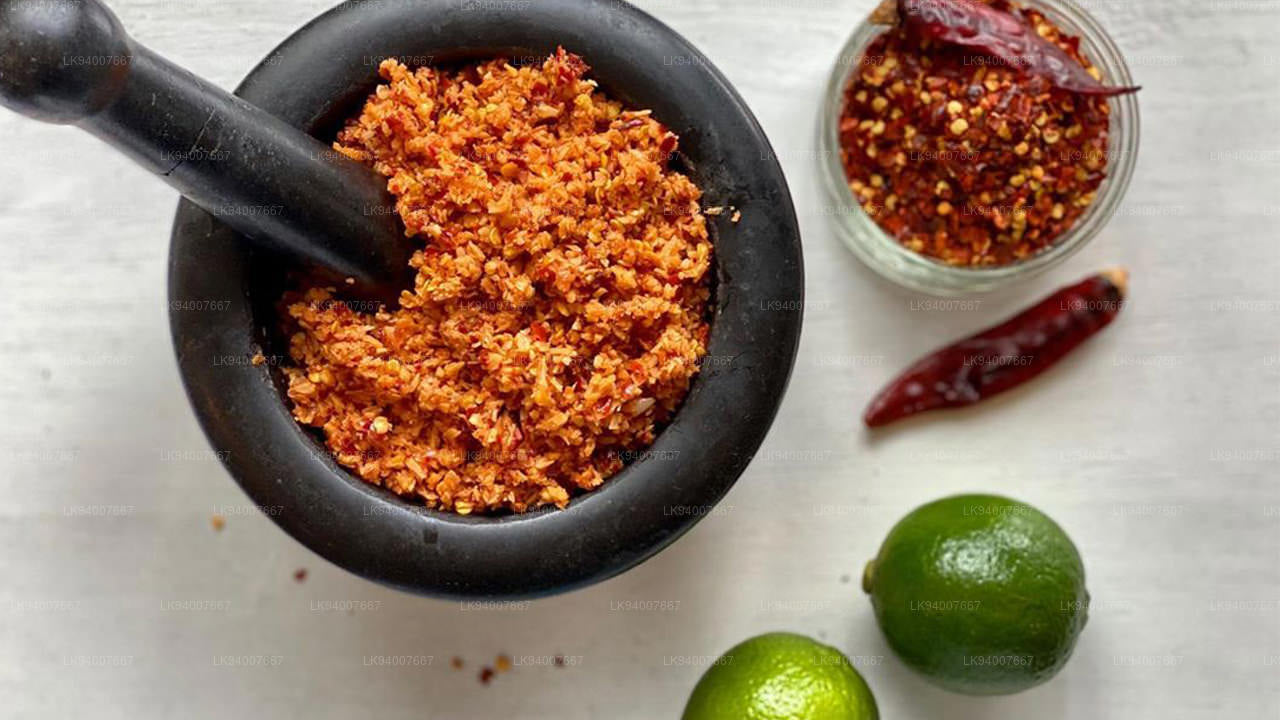
If you want to recreate the dish at home before your Sri Lanka trip — or ship ingredients as a culinary souvenir — lunu dehi and other Sri Lankan condiments pair well alongside it at the table.

How do you cook Sri Lankan potato curry step by step?

  1. Temper the fenugreek. Heat oil in a wok or saucepan over medium heat. Add fenugreek seeds first and watch them carefully — they turn brown and bitter within seconds if left unattended.
  2. Build the base. Add sliced onion and fry until translucent and beginning to turn golden. Toss in the chillies and curry leaves and fry for another minute.
  3. Add the potato. Add the cubed potatoes and stir-fry for about two minutes so the outside catches a little colour and the spices begin to coat the flesh.
  4. Season. Add salt, curry powder (if using), turmeric, and the cinnamon stick. Stir everything together for one further minute.
  5. Simmer in coconut milk. Pour in enough thick coconut milk to just cover the potatoes. Cook uncovered on medium heat for 10 to 15 minutes, stirring occasionally, until the potatoes are completely tender when pierced with a fork. If the coconut milk reduces too quickly before the potatoes are done, add a splash of water to keep things moving, then finish with more coconut milk once the potatoes are cooked through.
  6. Finish and adjust. Once cooked, stir well and add extra coconut milk if you prefer a thinner, soupier gravy. A small dash of tamarind water or lime juice stirred in at this stage lifts the richness and gives the dish a rounder flavour.

What spices make Sri Lankan potato curry different from other versions?

The distinguishing feature is fenugreek — a seed rarely used as a primary tempering spice outside South Asian cooking. It contributes a faintly bitter, maple-like undertone that works with the sweetness of coconut milk rather than against it. Cinnamon added as a whole stick (rather than ground) perfumes the gravy gently without dominating it. Turmeric does two jobs: it colours the gravy a warm amber-gold and contributes mild anti-inflammatory properties that have made it a staple of Sri Lankan cooking for centuries.

Curry powder is technically optional in this dish, which surprises many visitors. The coconut milk, fenugreek, cinnamon, and turmeric already carry the flavour profile; curry powder nudges it toward a slightly more complex, roasted note. Unroasted powder keeps things milder and is often the choice when the dish is prepared for young children.

How is potato curry served in Sri Lanka?

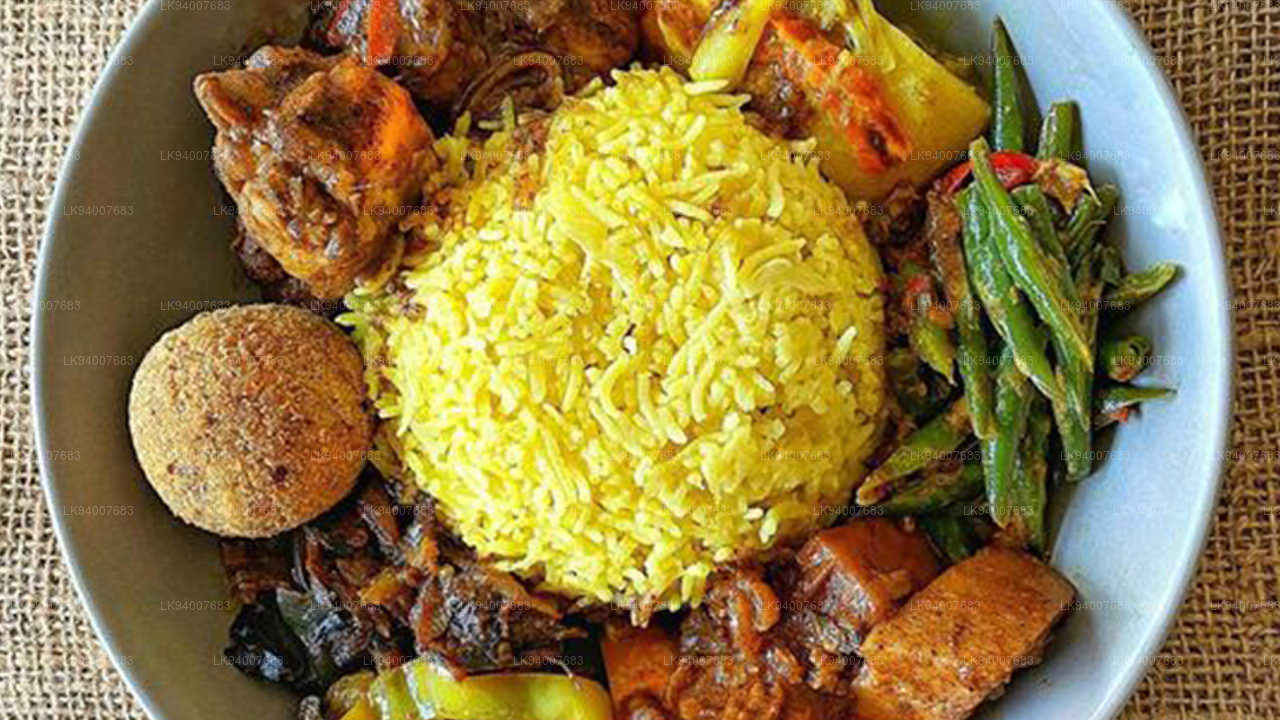
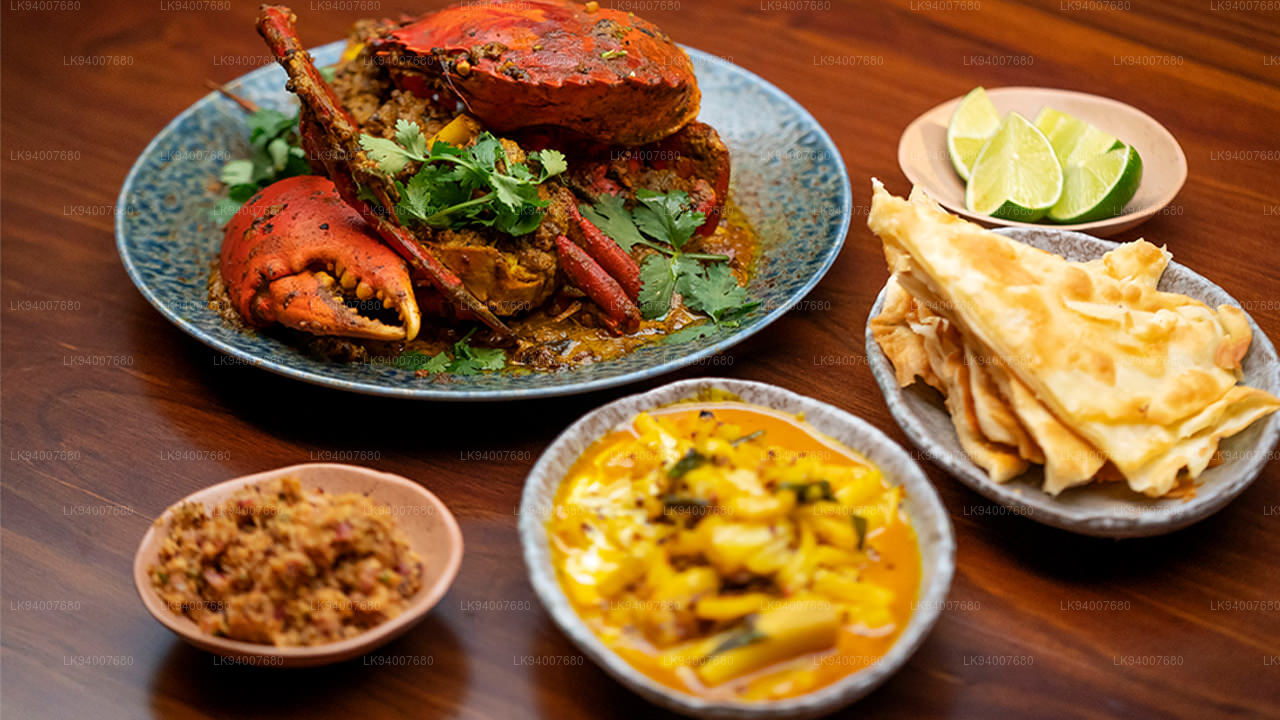
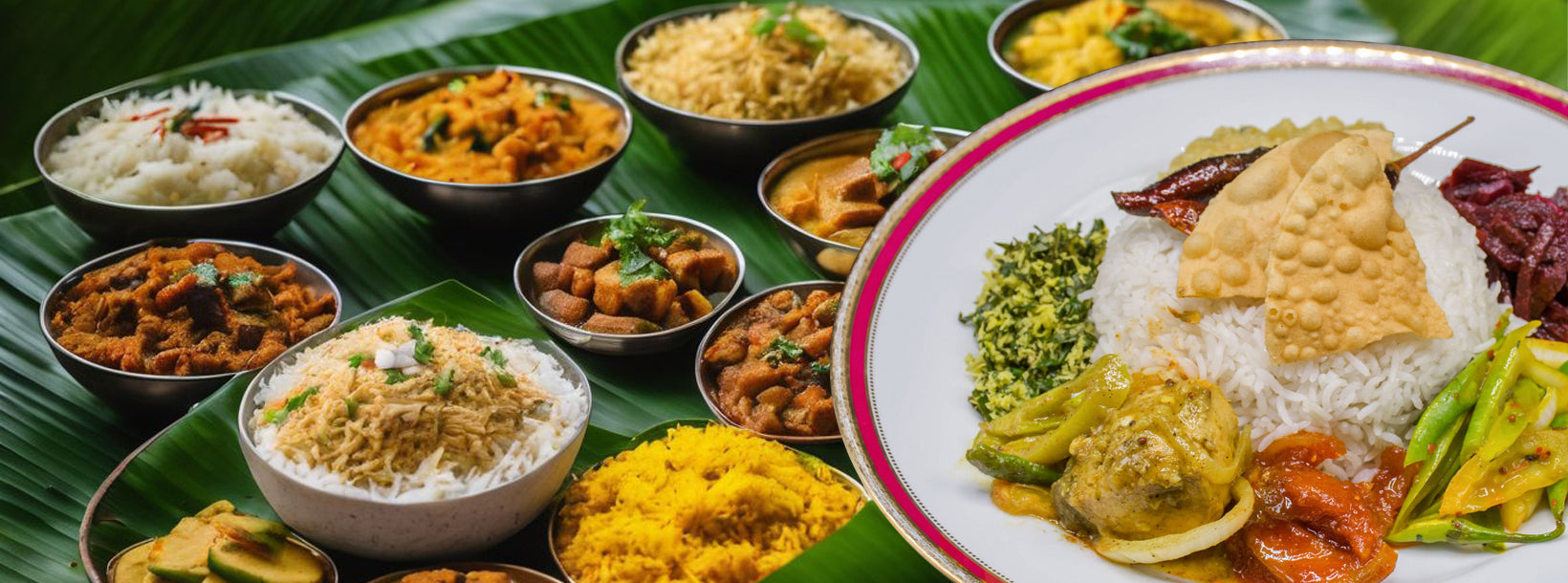
At a typical Sri Lankan lunch, potato curry sits alongside rice, a darker meat or fish curry, a dry-fried vegetable dish (known as a mallum), and a sambol or chutney. Its creaminess makes it the natural partner for anything fiery: a spoonful of potato curry after a mouthful of chilli-hot fish curry resets the palate in the same way raita does in Indian cooking.

During the Sinhala and Tamil New Year in April — marked by the Sinhala Avurudu Nakath — and other festive occasions, potato curry is almost always present on the communal table, partly because it scales up effortlessly and partly because it offends no dietary restriction. It is dairy-free, meat-free, and gentle enough for the youngest guests.

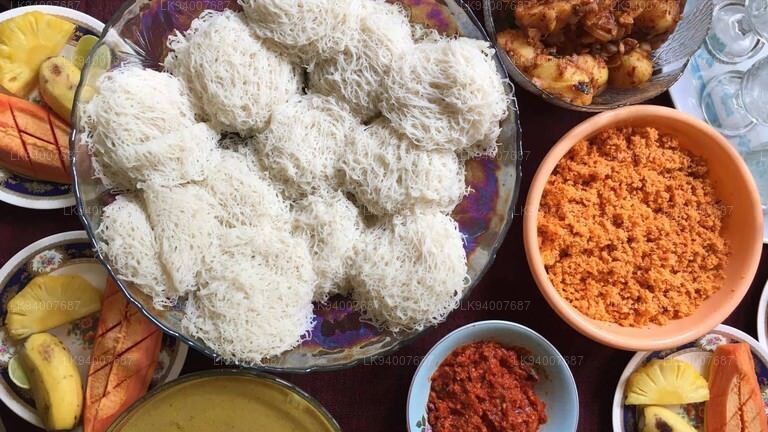
Leftovers thicken overnight as the potato starch absorbs the remaining gravy. Many households consider the next-day version even better, eaten with bread or string hoppers.

Can you vary the recipe?

The base method accommodates a number of adjustments without losing its character:

  • Add a protein. Hard-boiled eggs added during the final simmer are a common household variation, turning this into a more substantial main-course dish.
  • Incorporate other vegetables. Green beans, drumstick (moringa), or raw banana are sometimes added alongside the potato in equal portions to stretch the dish further.
  • Use thin coconut milk first. Some cooks add thin coconut milk to cook the potatoes through, reserving the thick cream for the final two minutes. This produces a lighter gravy with a richer finish.
  • Omit chilli entirely. For very young children, the chilli and curry powder are both left out, and the dish becomes a pure coconut-fenugreek-cinnamon preparation that is still flavourful.
  • Mustard seeds instead of fenugreek. In some regional variations — particularly in the north of the island — black mustard seeds replace fenugreek as the tempering spice, giving a sharper, nuttier opening note.

Where does potato curry fit in Sri Lankan culinary tradition?

Sri Lanka's cooking draws on centuries of trade in spices, a deep Buddhist tradition of vegetable-forward meals, and the culinary influences of Dutch, Portuguese, and British colonial periods. The potato itself arrived in Sri Lanka via colonial trade routes, yet it was absorbed into the local spice framework so completely that dishes like ala hodi now feel entirely indigenous.

The use of coconut milk as the primary cooking medium is central to the coastal and low-country style of Sri Lankan cuisine. Sri Lanka's coconut palms — cultivated across much of the island's western and southern coastlines — supply not just milk but also oil, scraped flesh, and toddy, making the coconut arguably the single most important ingredient in the national kitchen. Sri Lanka's spice heritage, which includes cinnamon, black pepper, and cardamom traded for thousands of years through Indian Ocean routes, underpins the complexity that even a simple potato curry carries.

For travellers visiting the island, tasting ala hodi in a home or a local restaurant is one of the most accessible entry points into Sri Lankan flavour — mild enough to be approachable, distinctive enough to be memorable.

Book this experience with Lakpura

Curated by our local team. Direct booking, instant confirmation.

Ask Lakpura® Agent