Lakpura
Lakpura®

Crab Curry (කකුළු ව්‍යාංජනය)

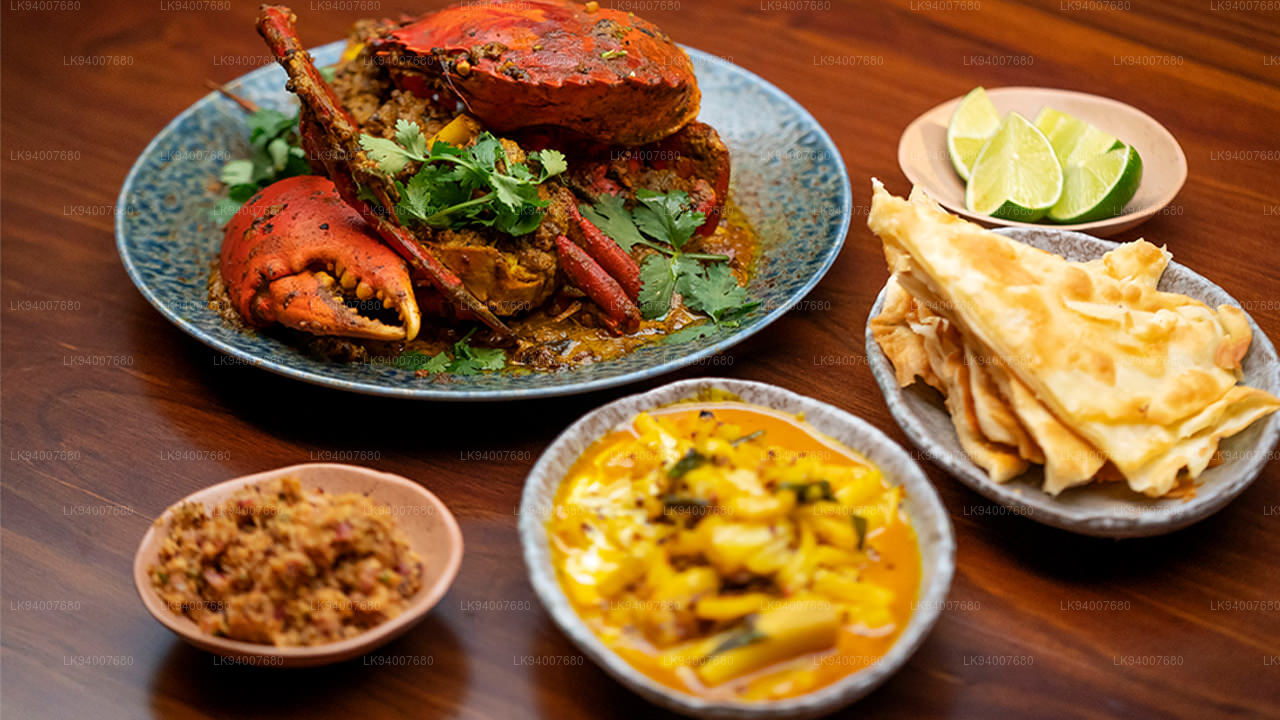
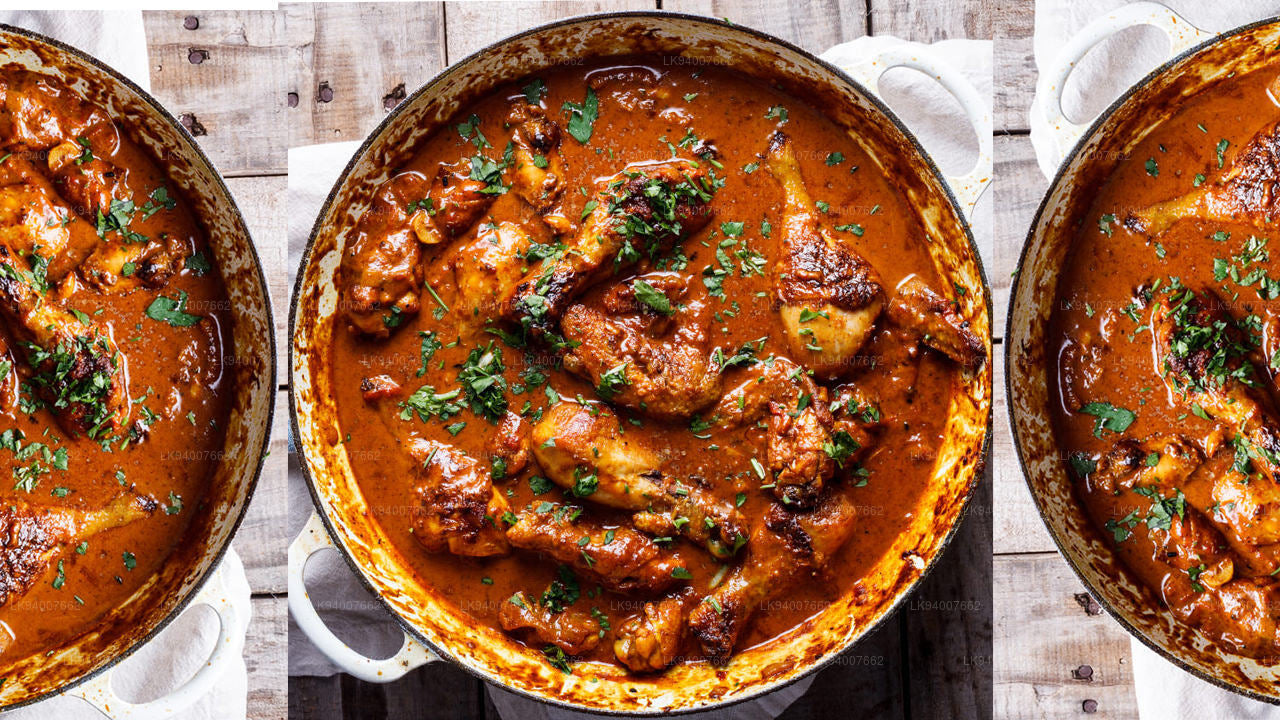
Sri Lanka's coastline has shaped its cuisine for centuries, and few dishes capture that coastal identity as completely as crab curry — known locally as Kakuluwo Curry (කකුළු ව්‍යාංජනය). Rich with roasted spice, tempered with curry leaves, and built around the sweet, firm flesh of fresh-caught crab, this is a dish that appears on village tables and white-tablecloth restaurant menus alike. Understanding it means understanding something essential about how Sri Lankans cook.

What Makes Sri Lankan Crab Curry Different?

The defining character of a Sri Lankan crab curry is its spice base: roasted Ceylon black pepper, dried red chillies, and a blend of warming spices that are typically ground fresh or sourced as a roasted curry powder rather than the milder, unroasted blends used in South Indian cooking. Coconut milk — drawn from the white flesh of mature coconuts — is folded in to temper heat and build body in the sauce. Curry leaves, pandan, and lemongrass provide fragrance rather than sharpness, so the overall profile is bold but layered rather than simply hot.

The choice of crab matters. Blue swimmer crabs are lighter and more widely available along the western and southern coasts. Mud crabs, harvested from mangrove-lined estuaries such as those around Madu Ganga, have denser, sweeter flesh and are generally considered the premium choice for a slow-cooked curry. Either variety works well; the cooking time differs only slightly.

What Ingredients Do You Need for Crab Curry?

The ingredient list below produces a curry that is aromatic and moderately hot — adjust chilli quantity to suit your heat tolerance. Serves 3–4 as part of a shared meal.

  • 4 crabs, cleaned, halved, claws cracked
  • 3 tbsp coconut oil or vegetable oil
  • 1 medium onion, finely sliced
  • 4 garlic cloves, crushed
  • 1-inch piece of fresh ginger, finely chopped
  • 2–3 green chillies, slit lengthwise
  • 2 sprigs fresh curry leaves
  • 1 stalk lemongrass, bruised
  • 1 tbsp roasted Sri Lankan curry powder
  • 1 tsp ground turmeric
  • 1 tsp paprika or chilli powder (adjust to taste)
  • 1 tbsp tomato purée
  • 1 cup thick coconut milk
  • ½ cup water or light fish stock
  • Salt to taste
  • A handful of drumstick (murunga) leaves — optional but traditional

How Do You Cook Sri Lankan Crab Curry Step by Step?

  1. Prepare the crabs. Clean, halve, and rinse the crabs thoroughly. Crack the claws lightly so the sauce can penetrate during cooking. Pat dry.
  2. Build the base. Heat oil in a wide, heavy-bottomed pan or clay pot (a clay pot is traditional and worth using if you have one). Add the sliced onion and cook over medium heat until softened and beginning to colour, around 6–8 minutes. Add garlic, ginger, green chillies, curry leaves, and lemongrass; cook for a further 2 minutes until fragrant.
  3. Add the spices. Stir in the roasted curry powder, turmeric, and chilli powder. Cook the spice paste for 1–2 minutes, stirring constantly, to eliminate any raw flour note and deepen the colour.
  4. Add liquid and crab. Stir in the tomato purée, then add the water or stock. Bring to a simmer, then add the crab pieces. Stir to coat each piece in the sauce. Cover and cook for 10–12 minutes, turning the pieces once halfway through.
  5. Finish with coconut milk. Pour in the coconut milk and stir gently. Simmer uncovered for a further 5–7 minutes until the sauce has thickened slightly and the crab is cooked through. If using murunga leaves, add them in the final 2 minutes.
  6. Season and serve. Taste and adjust salt. Remove the lemongrass stalk. Serve immediately with steamed rice or roti.

Which Type of Crab Is Best for This Recipe?

Both blue swimmer and mud crabs are well suited to a curry preparation. Blue swimmers cook faster — around 10 minutes in the sauce is sufficient — and their thinner shells absorb flavour more readily. Mud crabs take 12–15 minutes and reward patience with a richer, sweeter meat. When buying either variety, look for crabs that are alive and active, or at minimum have been chilled immediately after the catch. Freshness is the single biggest variable in the final flavour of the dish.

If whole crab is unavailable, pre-cut frozen crab sections work reasonably well; add them directly from frozen and extend cooking time by 3–4 minutes. Avoid pre-cooked crab, which tends to become rubbery when simmered a second time.

What Are the Key Spices in a Traditional Sri Lankan Crab Curry?

Roasted curry powder is the backbone. Unlike unroasted blends, it carries a darker, slightly smoky note from the dry-roasting of coriander, cumin, fennel, and black pepper — a process done before grinding. Turmeric adds colour and mild earthiness. Fresh curry leaves provide a citrus-adjacent aroma that dried leaves simply cannot replicate; if at all possible, use fresh. Ginger and garlic are non-negotiable base aromatics, and a small amount of tomato purée adds a gentle acidity that balances the richness of the coconut milk. Some cooks add a pinch of fenugreek for depth; others include a small piece of goraka (dried gamboge) for a sour counterpoint similar to tamarind.

How Should You Serve Crab Curry?

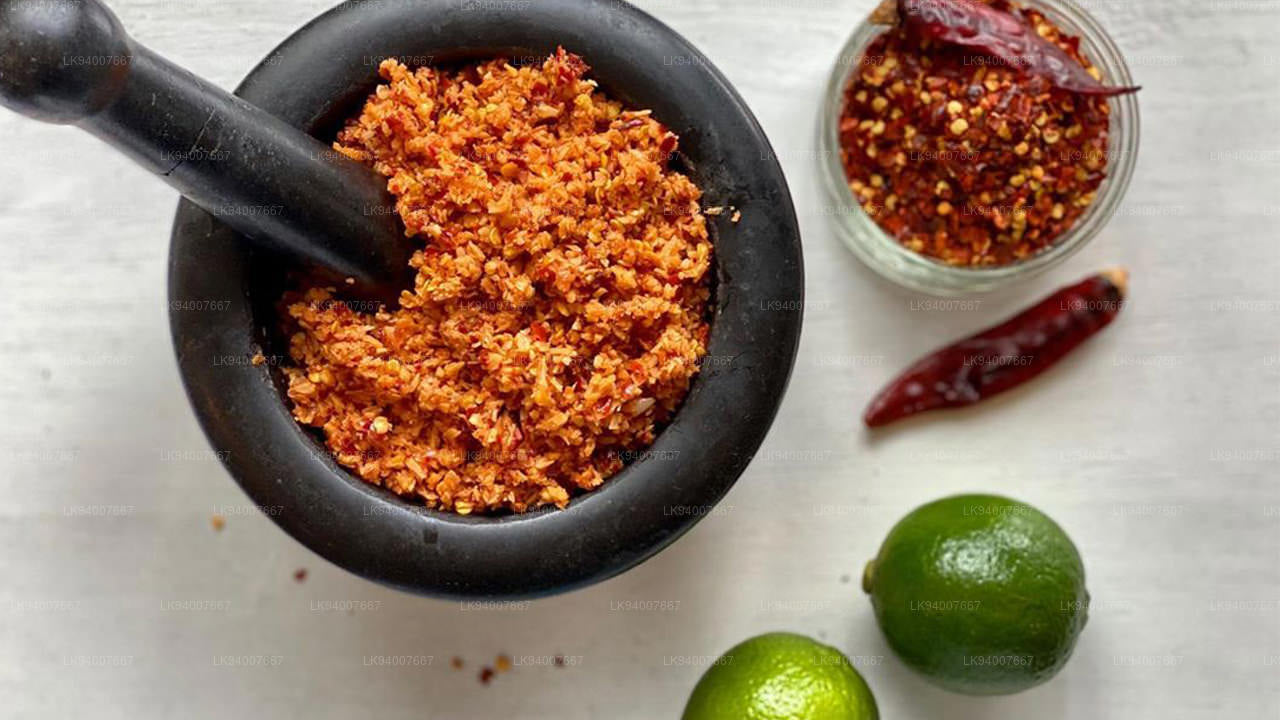
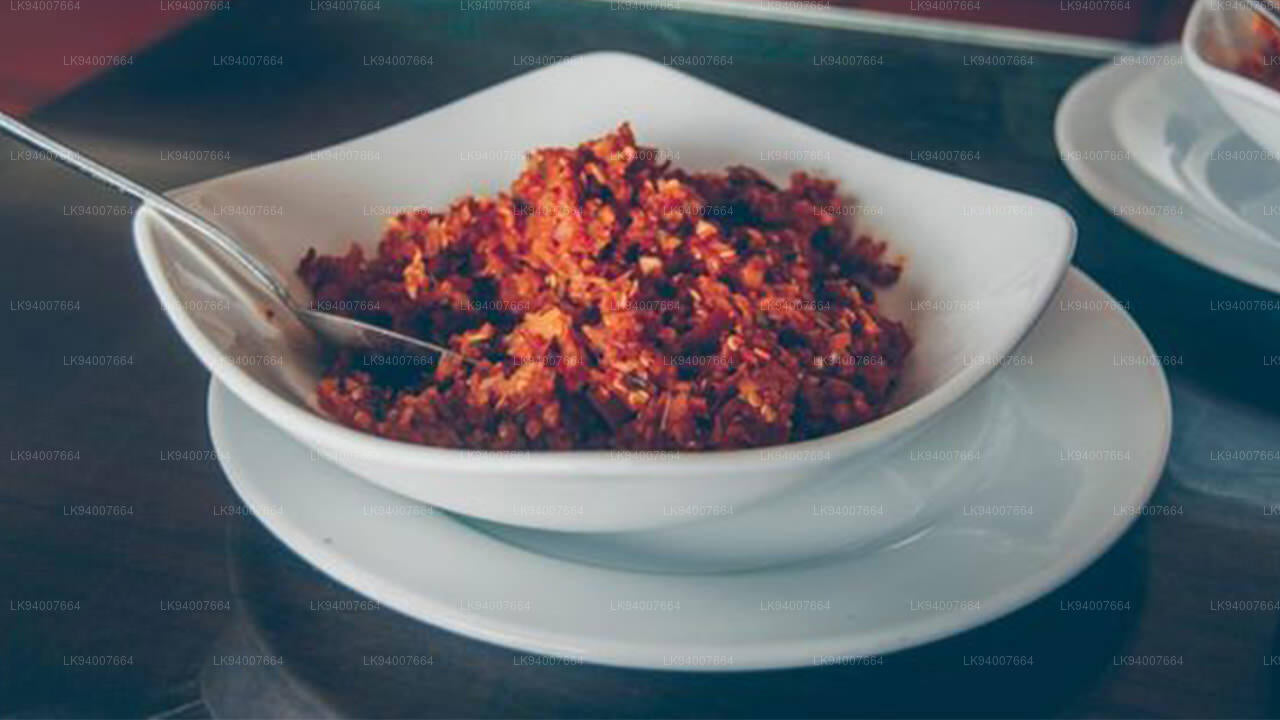
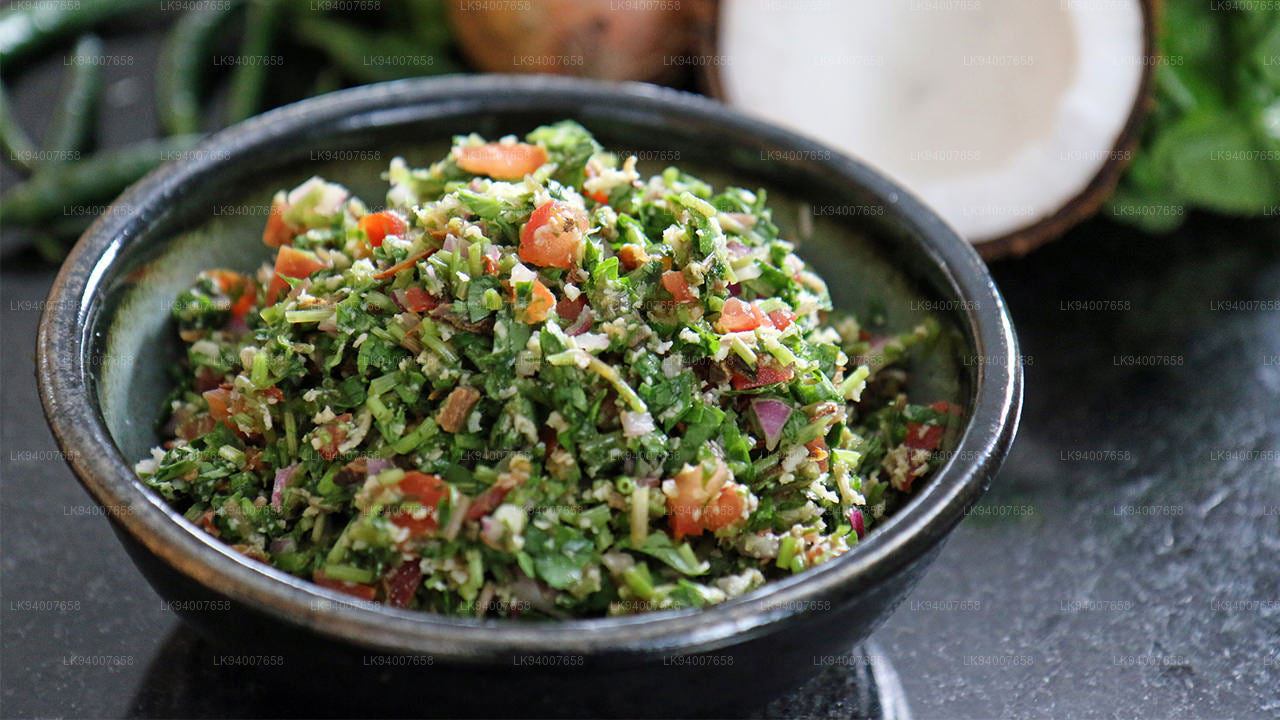
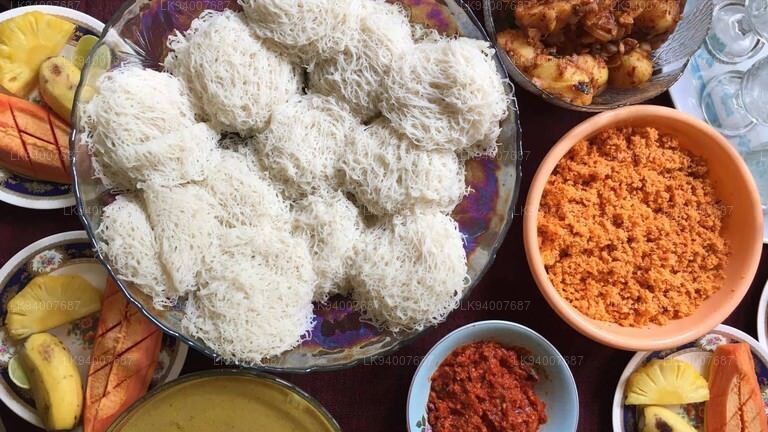
Crab curry is best eaten the moment it comes off the heat, while the shells still radiate warmth and the sauce has not yet thickened to a paste. Serve it in the pot or a wide shallow bowl, accompanied by steamed white rice. A simple cucumber or green-mango salad alongside cuts through the richness. Pol sambol — freshly grated coconut with green chilli and lime — is the classic Sri Lankan condiment pairing. Finger bowls are practical rather than optional: this dish demands to be eaten with your hands.

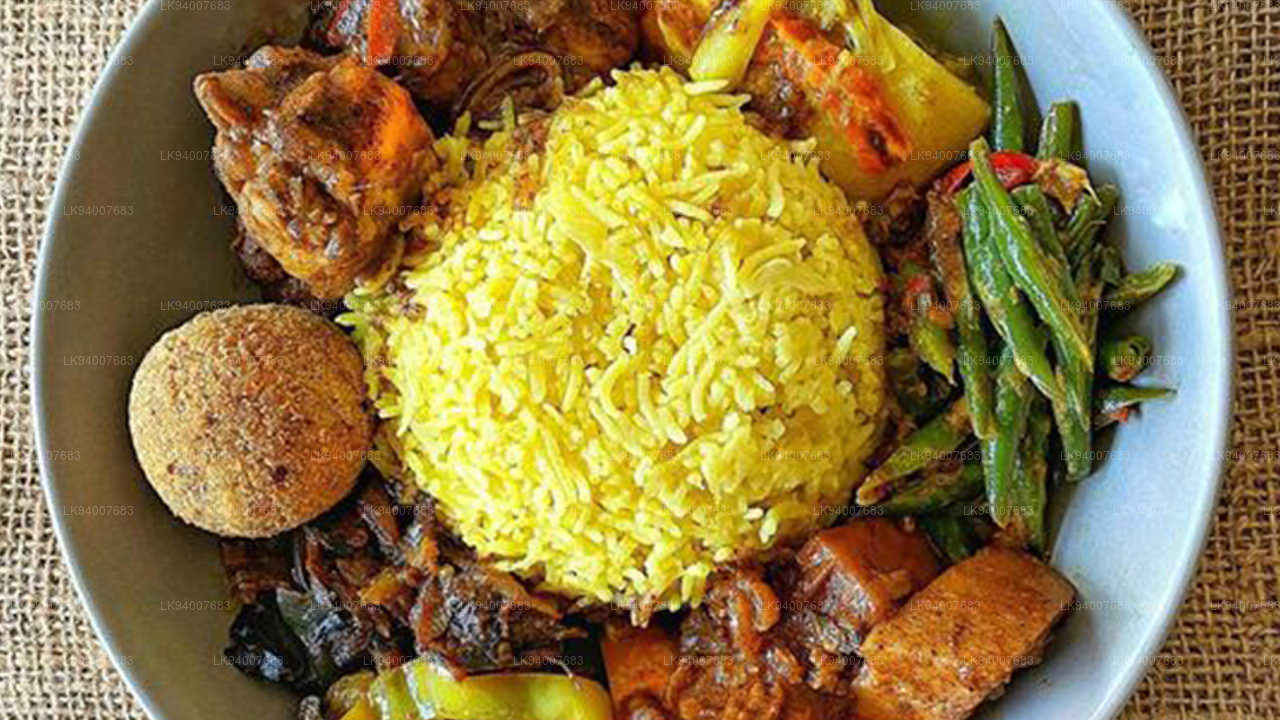
In Sri Lanka, crab curry often appears as part of a larger rice-and-curry spread rather than as a standalone centrepiece, though it is substantial enough to anchor a meal on its own.

Where Can You Eat Authentic Crab Curry in Sri Lanka?

The coastal belt running from Negombo south through Colombo and on to Galle has the highest concentration of restaurants specialising in crab. Negombo's fish market supplies some of the freshest crab on the island, and the town's local eateries, visited on a Negombo city tour, often serve mud crab curries that have changed little over generations. Colombo's Pettah district and Mount Lavinia strip also have well-regarded seafood houses. Inland, availability drops — this is emphatically a coastal dish, tied to coastal supply chains.

Tips for Getting the Best Results at Home

  • Use a clay pot if possible — it distributes heat gently and evenly, which prevents the coconut milk from splitting.
  • Do not overcook the crab. Overcooked crabmeat becomes stringy. A total of 15–20 minutes in the sauce is usually enough.
  • Roast your own curry powder if time allows. A freshly roasted, freshly ground blend makes a noticeable difference.
  • Add coconut milk at the end, not the beginning, to prevent it from breaking under prolonged high heat.
  • A pinch of sugar in the final minute can round out any bitterness from the spices.

Book this experience with Lakpura

Curated by our local team. Direct booking, instant confirmation.

Ask Lakpura® Agent