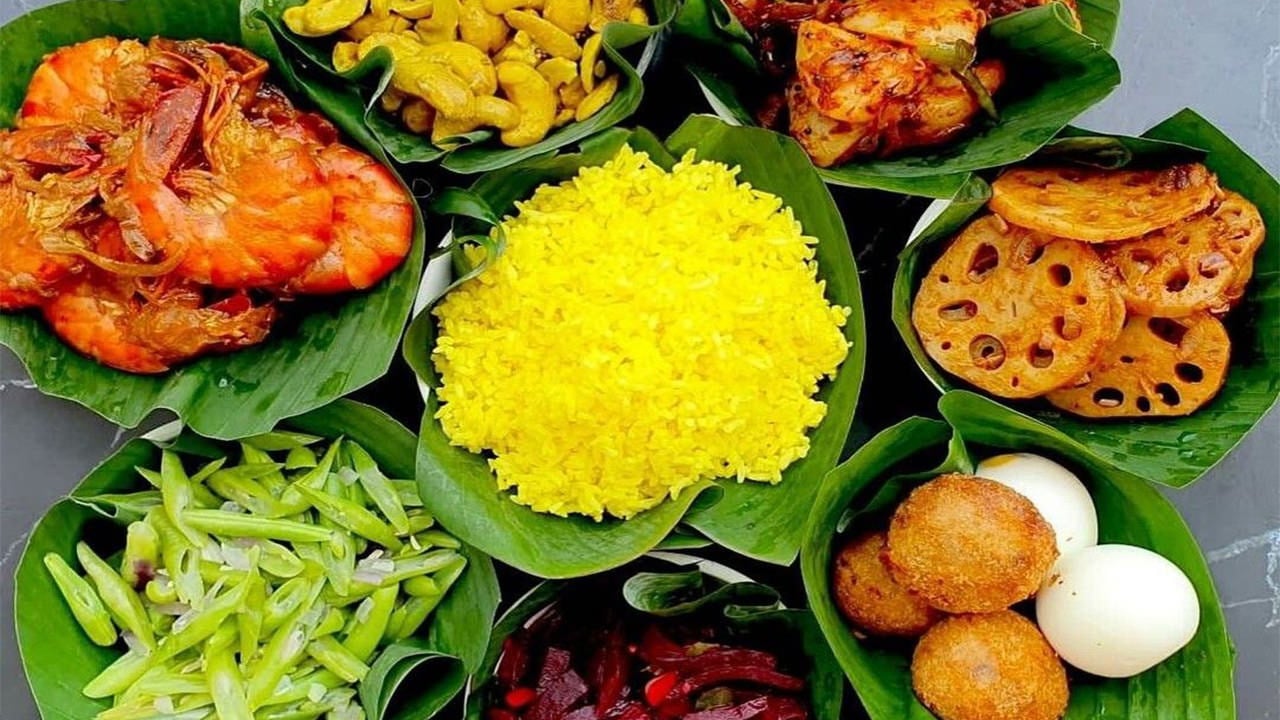
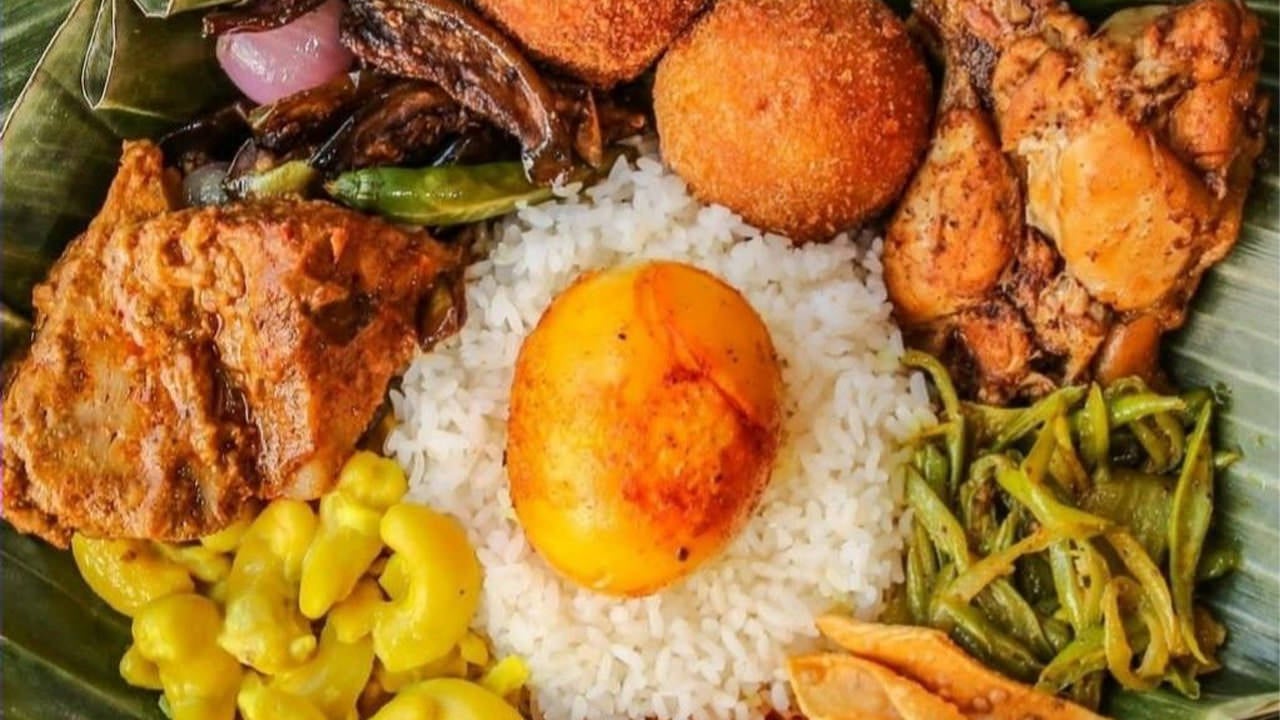
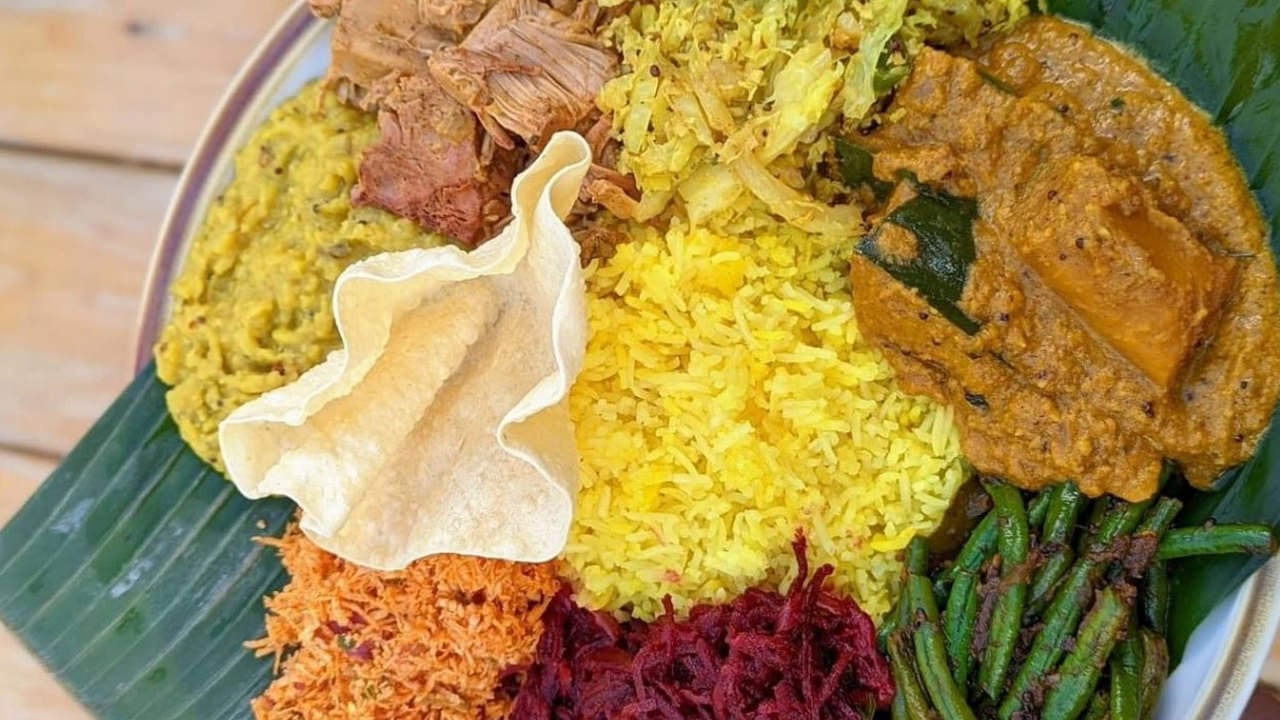
Rice and curry is more than a meal in Sri Lanka — it is a daily ritual, a reflection of the island's agricultural history, and the closest thing the country has to a national dish. Whether served on a banana leaf at a roadside eatery or arranged in small clay bowls at a heritage hotel, the format remains consistent: a generous mound of rice surrounded by an array of curries, sambals, and chutneys that together form one of the most complex flavour combinations in South Asian cooking.
What makes Sri Lankan rice and curry different from other South Asian dishes?
Sri Lankan rice and curry occupies its own distinct place in the region's culinary landscape. The island's cooking leans heavily on coconut in nearly every form — fresh grated, pressed into milk, or toasted into a smoky garnish — and this gives the curries a richness that sets them apart from their Indian or Southeast Asian counterparts. The spice palette is bold but layered: dried and roasted spices produce a darker, more intense curry powder than the fresh-ground blends common elsewhere.
Sri Lankan meals are also defined by their variety. A single rice-and-curry spread might include five to eight separate preparations served simultaneously, each contributing a different texture or flavour note. No single curry dominates; balance across the whole plate is the goal.
What varieties of rice are used in Sri Lanka?
Sri Lanka grows and consumes a remarkable range of rice. Ancient grain varieties — some cultivated since the era of the great irrigation kingdoms centred around Polonnaruwa — are still found in specialty markets and health-food stores. These heritage rices differ significantly in colour, texture, and nutritional profile.
- Samba — a small, rounded white grain with a slightly sticky texture, popular for everyday cooking.
- Basmathi — a long-grained, aromatic variety often used for special occasions and biryanis.
- Kalu Heenati — a dark, nutty heritage rice associated with traditional Kandyan cuisine.
- Suwandel — a fragrant heirloom variety prized for its natural aroma; the name translates roughly to "fragrant paddy."
- Red Raw Rice — partly milled to retain the bran, giving it a chewy texture and higher fibre content; widely used in everyday meals.
White parboiled rice remains the most widely consumed variety on a daily basis, but interest in heirloom and red rice varieties has grown substantially among health-conscious Sri Lankans and visitors alike. The island's lowland paddy fields — known locally as kumbura — continue to supply rice to most of the country.
What are the typical accompaniments in a rice and curry meal?
The accompaniments are what give a rice-and-curry meal its character. A well-composed plate typically includes the following elements:
- A main protein curry — fish, chicken, mutton, or egg, cooked in a spiced gravy. Coastal regions favour fish and seafood; the hill country leans toward chicken and mutton.
- Two or three vegetable curries — drawn from whatever is in season. Common choices include jackfruit, breadfruit, ash plantain, drumstick, okra, brinjal (eggplant), and green beans.
- Dhal curry — a mild lentil preparation cooked with coconut milk and tempered with mustard seeds and curry leaves; it provides a creamy counterpoint to spicier dishes.
- Mallum — finely shredded green leaves (typically gotu kola, gotukola, or cabbage) tossed with grated coconut, lime juice, and salt. It adds freshness and texture to the plate.
- Pol sambal — a fresh relish of grated coconut, dried chilli, Maldive fish (cured tuna), onion, and lime. It is eaten in small spoonfuls and adds significant heat.
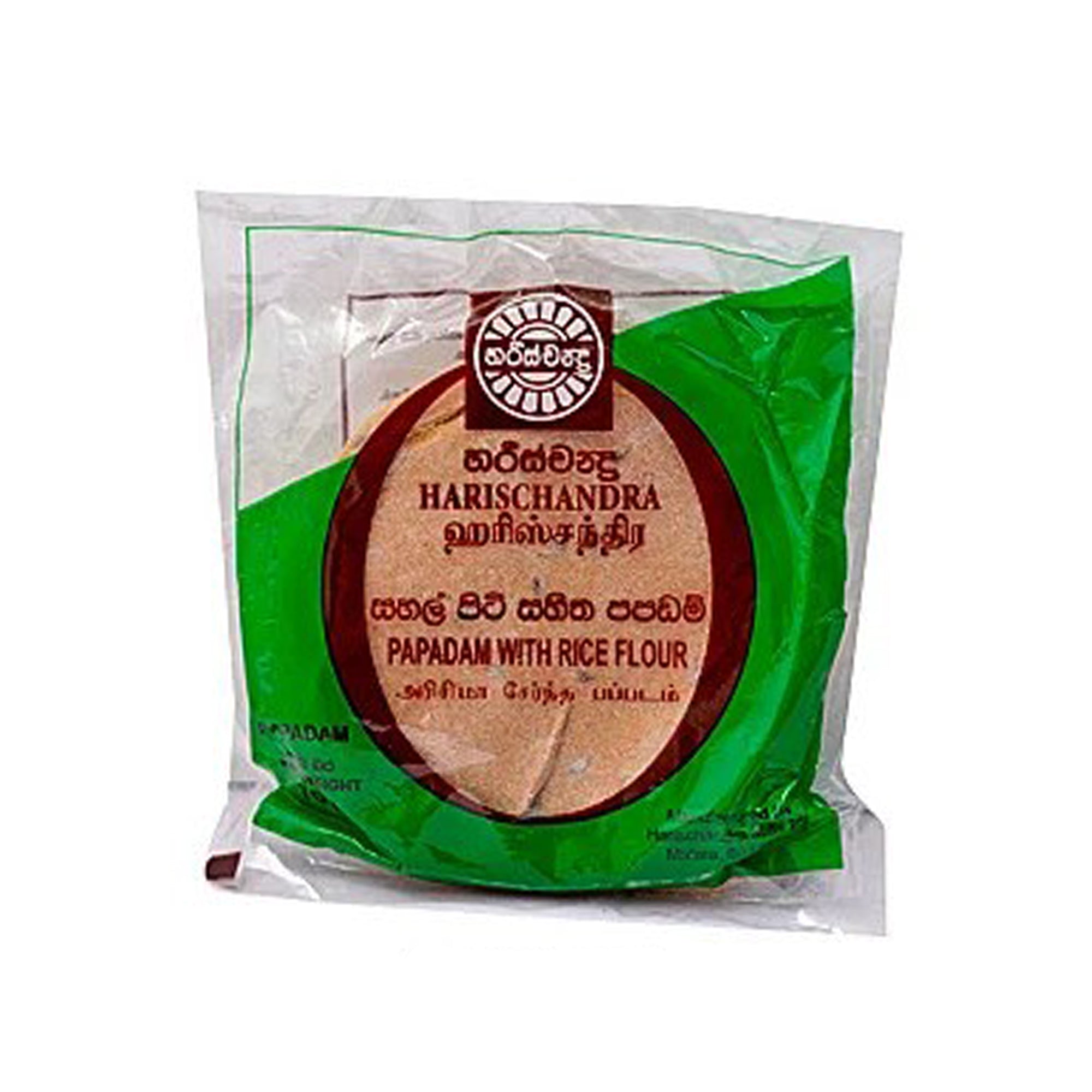
- Papadam — a thin, crispy wafer fried or roasted to order, providing a contrasting crunch.
- Pickle or chutney — mango, ambarella (June plum), or lime pickle add a sour, vinegary dimension.
Which spices define the flavour of Sri Lankan curries?
Sri Lanka's position on the spice trade routes for over two millennia has left a direct imprint on its cuisine. The island produces several of the world's most prized spices, many of which appear in a standard rice-and-curry preparation. Ceylon black pepper is among the most historically significant — it was one of the commodities that drew Arab, Portuguese, Dutch, and British traders to the island in succession.
A typical spice mix for Sri Lankan curry includes:
- Ceylon cinnamon (notably more delicate than cassia bark)
- Black pepper
- Cloves — the dried flower buds of Syzygium aromaticum
- Cardamom
- Fennel seeds
- Curry leaves (fresh, not dried — a key distinction)
- Turmeric
- Dried red chilli and green chilli
- Tamarind paste for sourness
- Ginger and garlic as a base
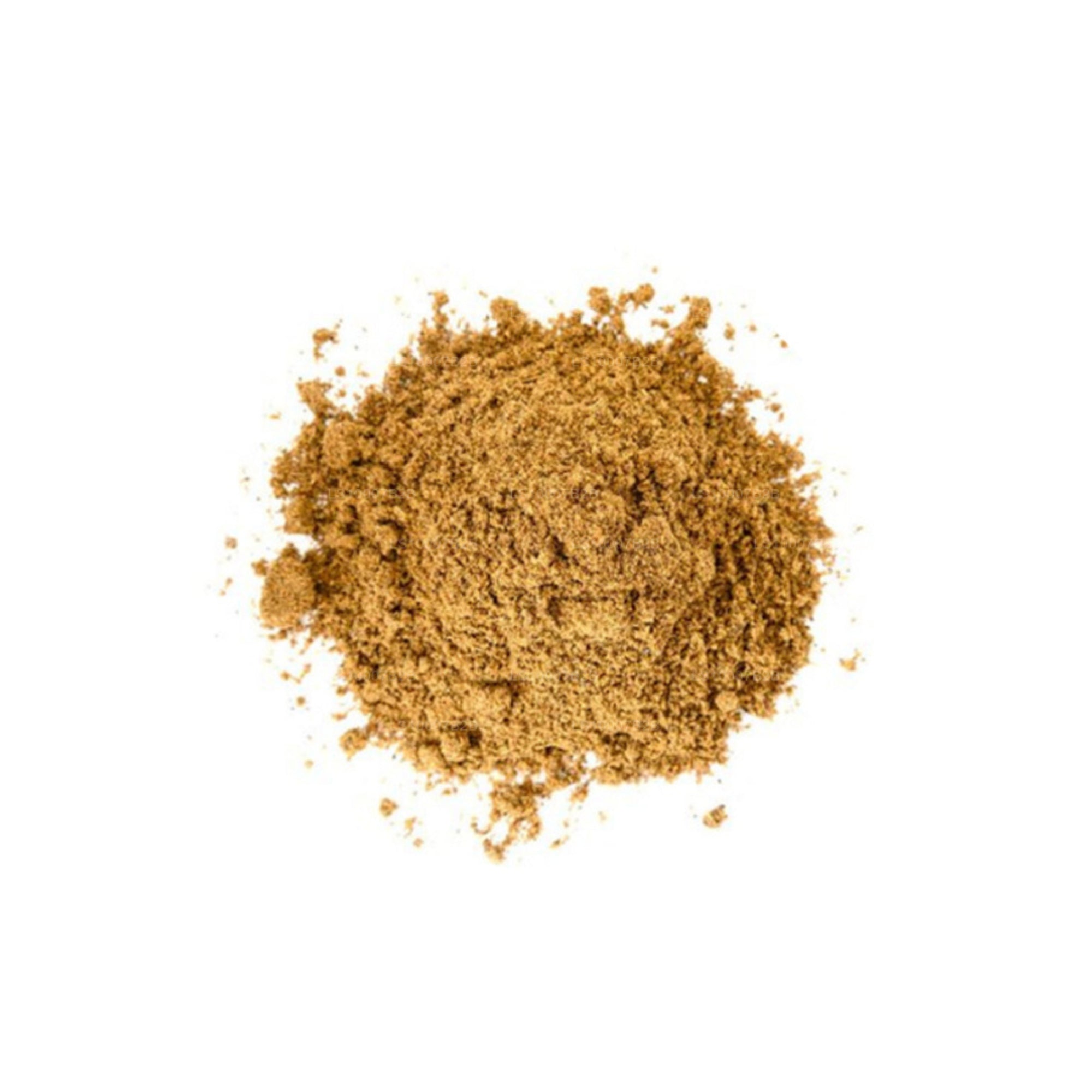
Roasting the spices before grinding is a technique specific to Sri Lankan "black" or "dark" curry powder, which produces a depth of flavour quite different from the milder, golden-coloured curry powders used elsewhere on the subcontinent.
What options are available for vegetarians and vegans?
Sri Lankan rice and curry is remarkably well-suited to plant-based diets, largely because so many of the accompaniments are already vegetable-based. A fully vegetarian spread is straightforward to request at most restaurants and guesthouses. The island's tropical climate supports an abundance of produce year-round, which means the vegetable curries change with the season.
Common vegetarian curries include jackfruit (which has a meaty texture when young and unripe), breadfruit, banana blossom, bitter gourd, beetroot, potato, and various leaf preparations. Coconut milk replaces dairy in almost every Sri Lankan curry, making many dishes naturally vegan. The main item to watch is pol sambal and some mallum preparations, which may contain Maldive fish; it is always worth asking.
How is rice and curry served — and is it eaten with cutlery?
The traditional method is to eat rice and curry with the right hand. The rice and accompaniments are mixed together on the plate — or on a banana leaf — and the combined mouthful is shaped with the fingertips before eating. This is considered the proper way to appreciate the full sensory experience of the meal, and many Sri Lankans argue that food simply tastes better this way.
At restaurants and hotels catering to international visitors, cutlery is always provided. Rice and curry is served at lunch in most homes and "rice and curry" restaurants (called "hotels" in local parlance, even when they serve no accommodation). Some establishments serve a rice-and-curry buffet — known as a "rice and curry packet" when sold in a takeaway foil parcel — which is a staple of local working life.
Where can visitors experience an authentic rice and curry meal in Sri Lanka?
Authentic experiences are widely available, but quality varies considerably. A few reliable contexts:
- Home-cooked meals — arranged through guesthouses or village experiences, this is typically the most genuine version of the dish. The host family cooks according to their own regional tradition.
- Local "hotels" (lunch counters) — found on almost every main road, these informal eateries serve a set rice-and-curry lunch between roughly 11 a.m. and 2 p.m. for a very low price.
- Heritage and plantation properties — many offer a curated rice-and-curry lunch served in traditional style, particularly in the hill country around Ella and the tea country.
- Village cooking experiences — some operators offer hands-on sessions where visitors prepare and eat the meal themselves, learning to identify spices and techniques from local cooks.
Does rice and curry vary by region?
Regional variation is significant. Coastal areas from Negombo to Galle produce fish-forward meals with plenty of coconut and fresh green chilli. The dry zone north and northeast incorporates more tamarind and dried fish into its preparations, reflecting Tamil culinary traditions. The Kandyan hill country favours meatier curries with darker spice blends, while the deep south is known for particularly fiery preparations. Understanding these differences is part of what makes eating across the island so rewarding as a traveller.