Coconut Roti is one of the most recognisable everyday foods in Sri Lanka. Found on breakfast tables across the island — from city apartments in Colombo to rural homes near the Sinharaja Forest Reserve — this simple flatbread requires only a handful of pantry staples and about 20 minutes to prepare. Its mild, lightly sweet flavour and chewy texture make it equally at home beside a fiery pol sambol or a bowl of dal, and it pairs naturally with a cup of Ceylon tea.

What is Coconut Roti made of?
The core ingredients are all-purpose flour and freshly grated coconut. That combination gives the roti its characteristic texture: a soft, slightly dense interior with lightly crisped edges from the griddle. Unlike South Indian coconut-based breads, Sri Lankan Coconut Roti skips yeast entirely — baking powder provides a gentle lift, and the coconut fat keeps the crumb tender without requiring oil in the dough.
Fresh coconut is strongly preferred. When freshly grated, it releases natural oils during cooking that add flavour and prevent the roti from drying out. Desiccated coconut is a practical substitute but results in a somewhat drier, less aromatic bread. The island's abundance of coconut palm cultivation means fresh coconut is inexpensive and widely available throughout Sri Lanka year-round.
Ingredients
- 2 cups all-purpose flour
- 1 cup freshly grated coconut (or desiccated coconut as a substitute)
- ½ teaspoon baking powder
- ½ teaspoon salt
- 1 tablespoon sugar (optional — omit for a purely savoury roti)
- ½ cup water, adjusted as needed
- 2 tablespoons butter or margarine (optional, for a richer dough)
How do you make Coconut Roti step by step?
- Combine the dry ingredients. In a large mixing bowl, stir together the flour, grated coconut, baking powder, salt, and sugar if using. Mix thoroughly so the coconut is evenly distributed before any liquid is added.
- Work in the fat. If using butter or margarine, rub it into the flour mixture with your fingertips until the mixture resembles coarse breadcrumbs. This step is optional but produces a noticeably softer roti.
- Add water gradually. Pour in water a little at a time, mixing after each addition, and knead until you have a smooth, pliable dough that does not stick to the bowl. The exact amount of water varies depending on the moisture content of your coconut, so add the last few tablespoons with care.
- Rest the dough. Cover the bowl with a damp cloth and allow the dough to rest for 10 minutes. This relaxes the gluten and makes rolling easier.
- Shape the rotis. Divide the dough into golf-ball-sized portions — typically six to eight pieces from this quantity. On a lightly floured surface, roll or press each ball into a disc roughly 5–6 cm in diameter and about 6 mm thick. Thinner discs cook more quickly but can become dry; thicker ones stay softer.
- Cook on a dry griddle. Heat a flat tawa or heavy frying pan over medium heat. No oil is needed. Cook each roti for around 3–4 minutes per side until golden patches appear and the surface feels dry to the touch. Press lightly with a spatula during cooking to ensure even contact with the pan.
- Serve immediately. Coconut Roti is best eaten hot. Wrap finished rotis in a clean cloth while the remaining pieces cook to keep them warm and soft.
What do you serve with Coconut Roti?
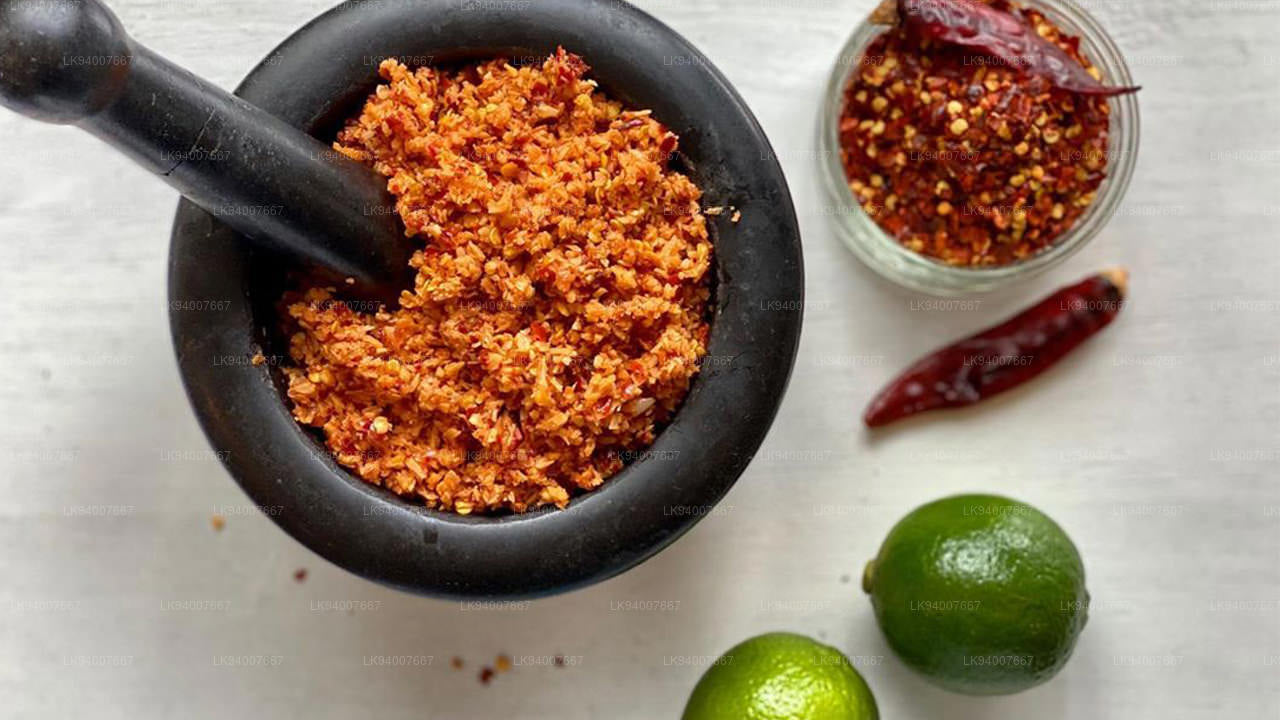
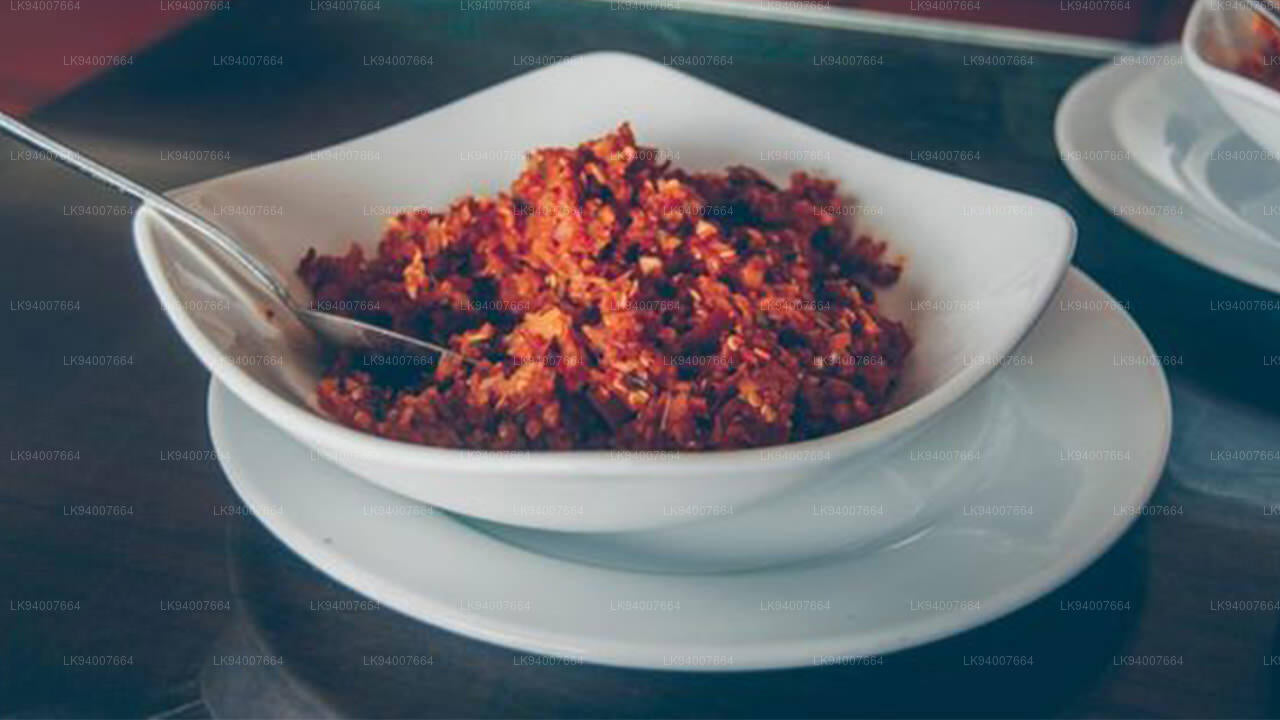
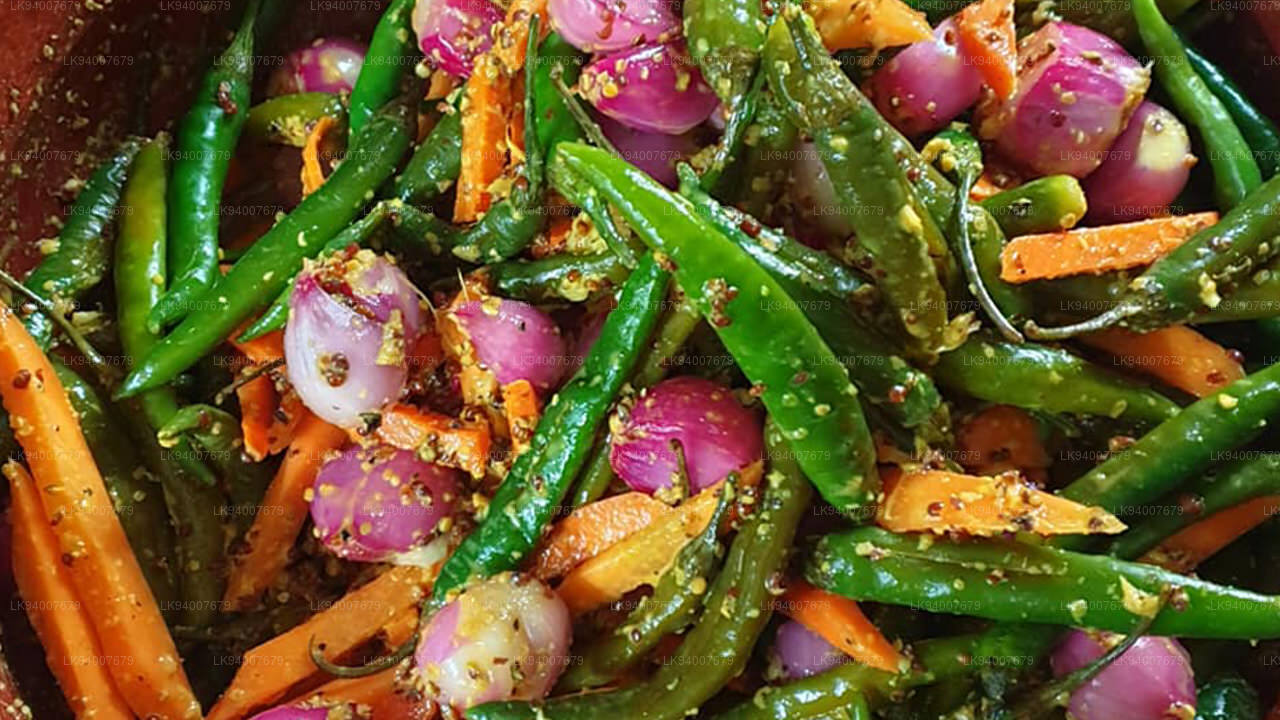
The most traditional accompaniment is pol sambol — a vivid red relish made from freshly grated coconut, dried chilli, lime juice, and onion. The heat and acidity of the sambol cut through the mild richness of the roti in a way that makes the combination difficult to improve on. Lunu Dehi, a preserved lime pickle, is another popular pairing that adds sharpness and tang.
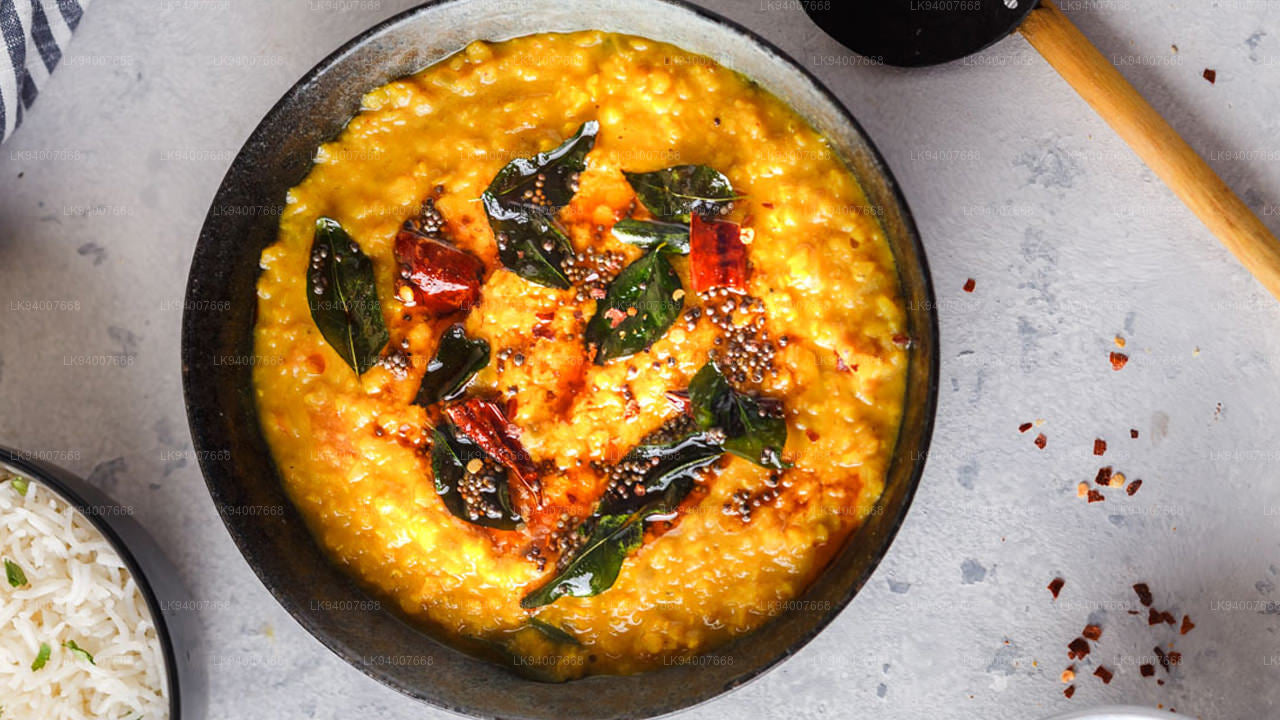
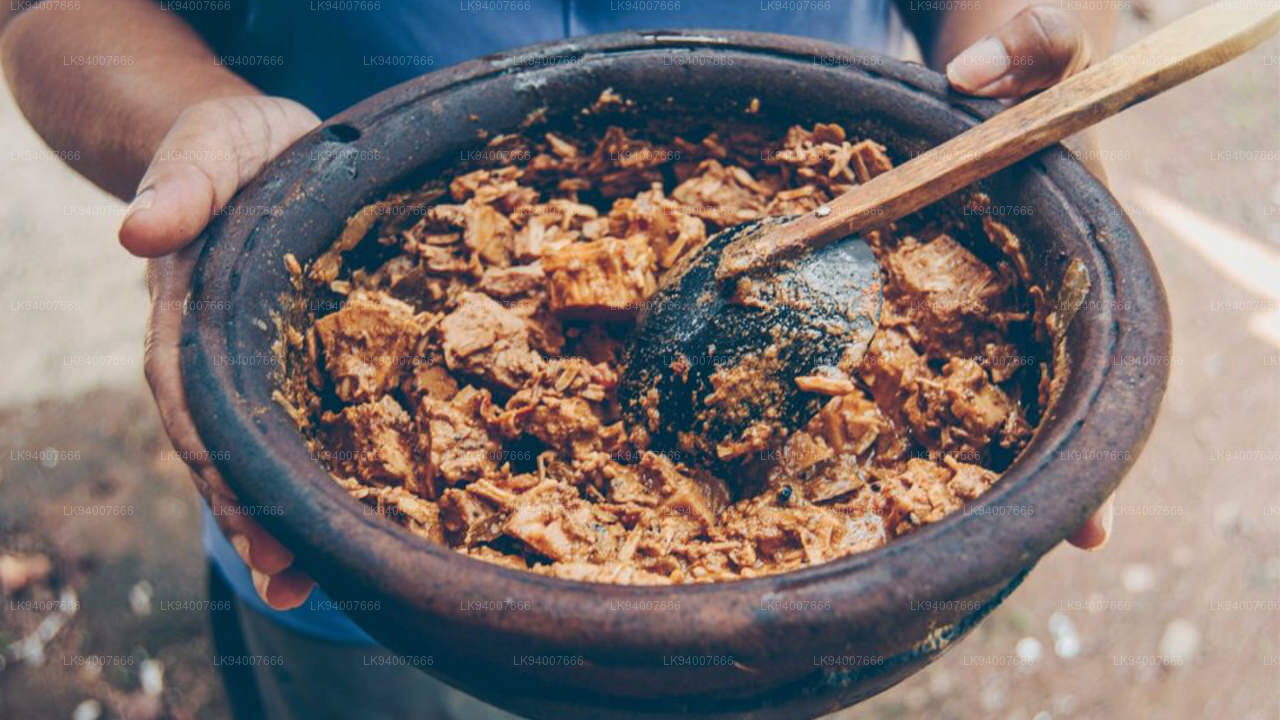
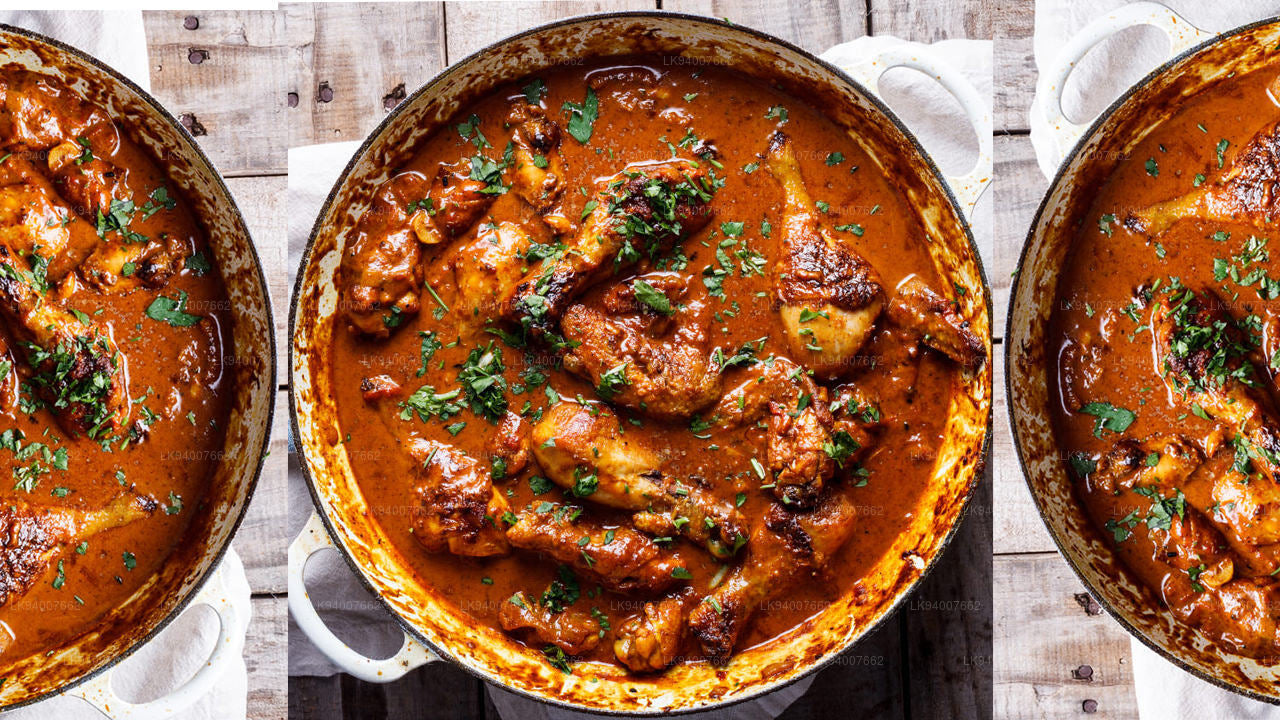
For a more substantial meal, Coconut Roti is served alongside a lentil curry, chicken curry, or a simple seeni sambol (caramelised onion relish). At roadside eateries across the island, you will also find it eaten plain with a cup of sweet milk tea — a combination that works surprisingly well given the faint sweetness in the dough.
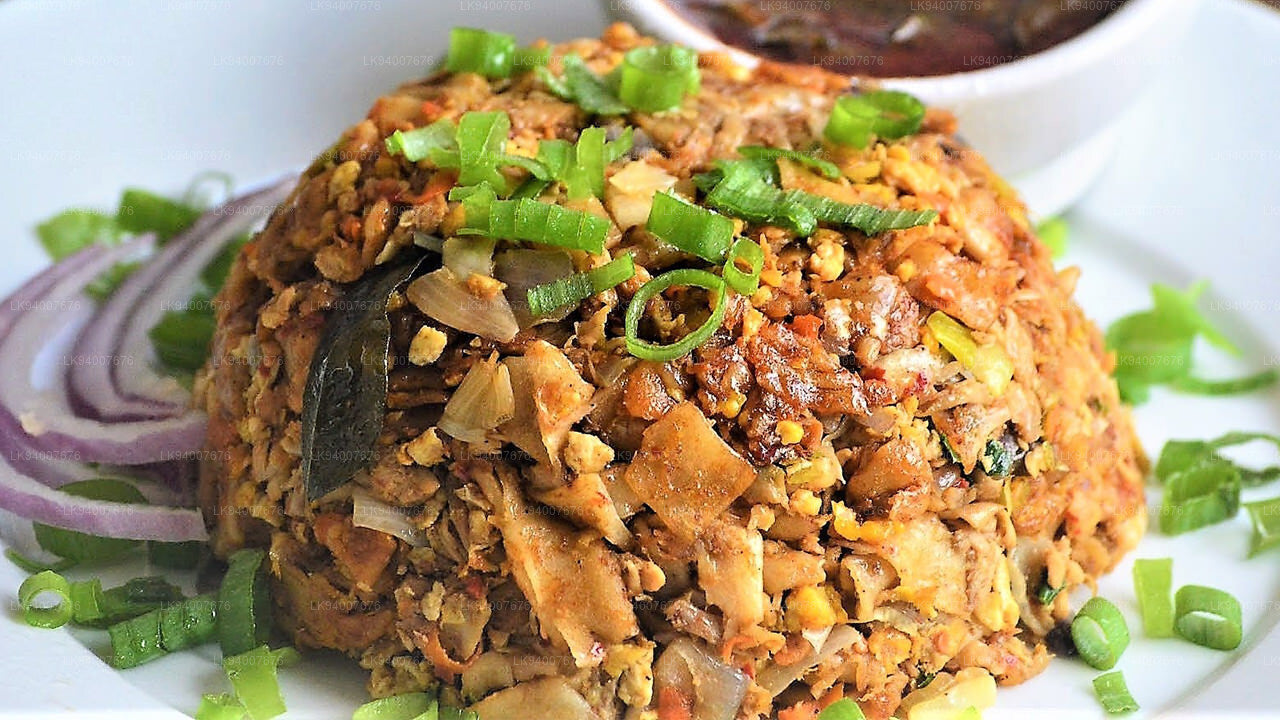
Leftover roti can be reheated on the griddle with a small knob of butter, or torn into pieces and sautéed with onion, green chilli, and egg for a quick next-morning meal that Sri Lankans call "gotukola" roti mix — a practical example of how nothing is wasted in traditional island cooking.
How does Coconut Roti differ from other Sri Lankan breads?
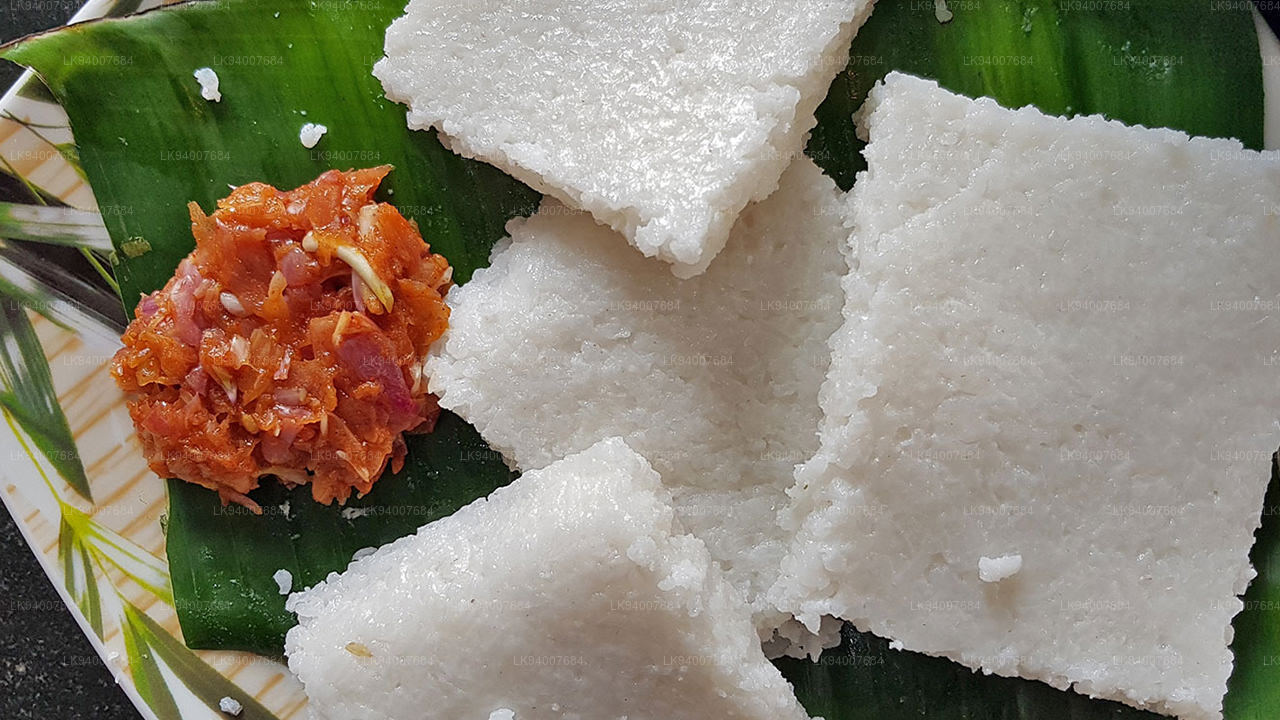
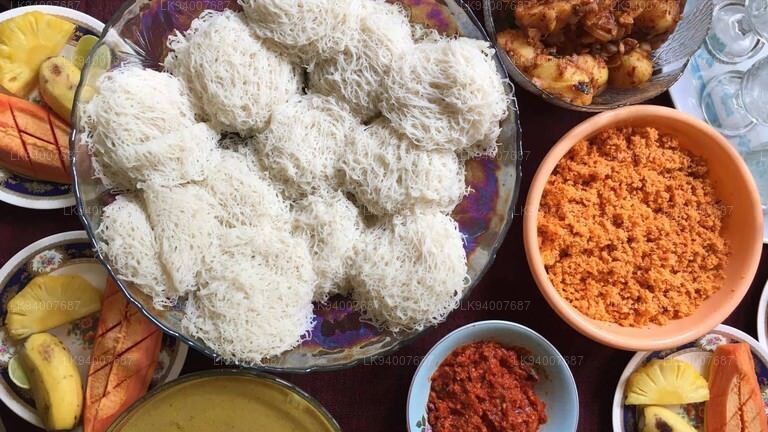
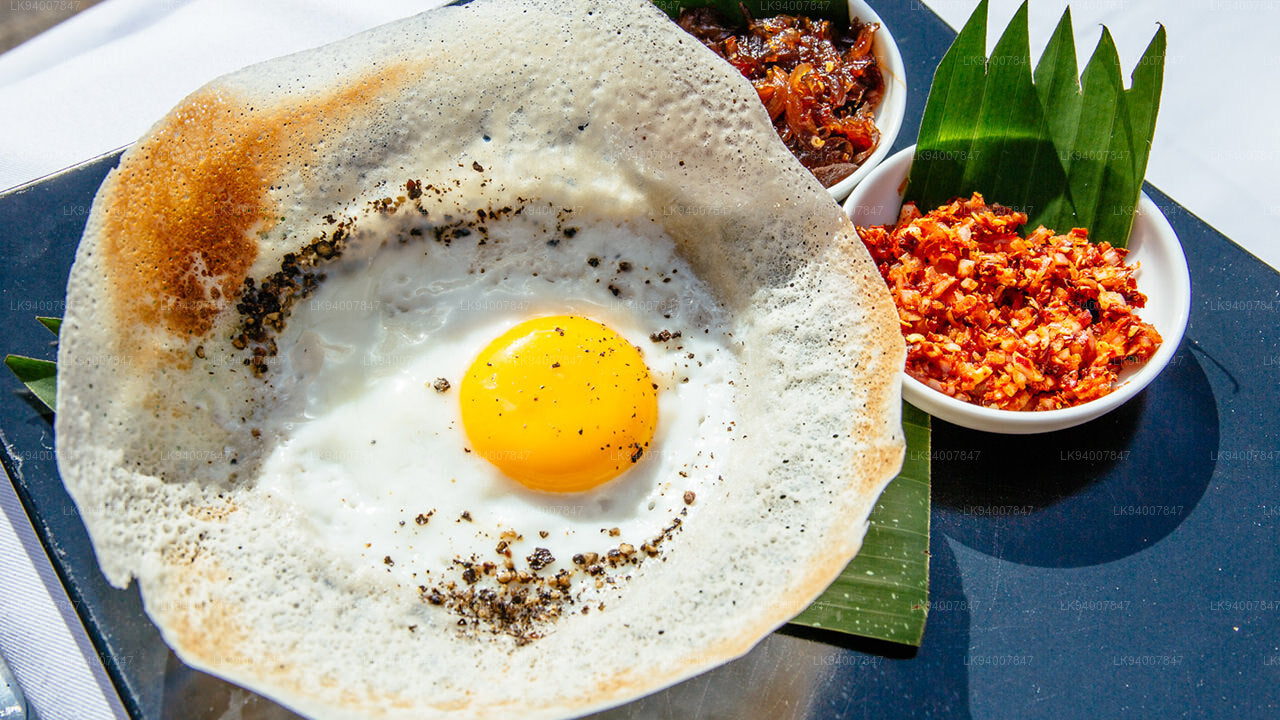
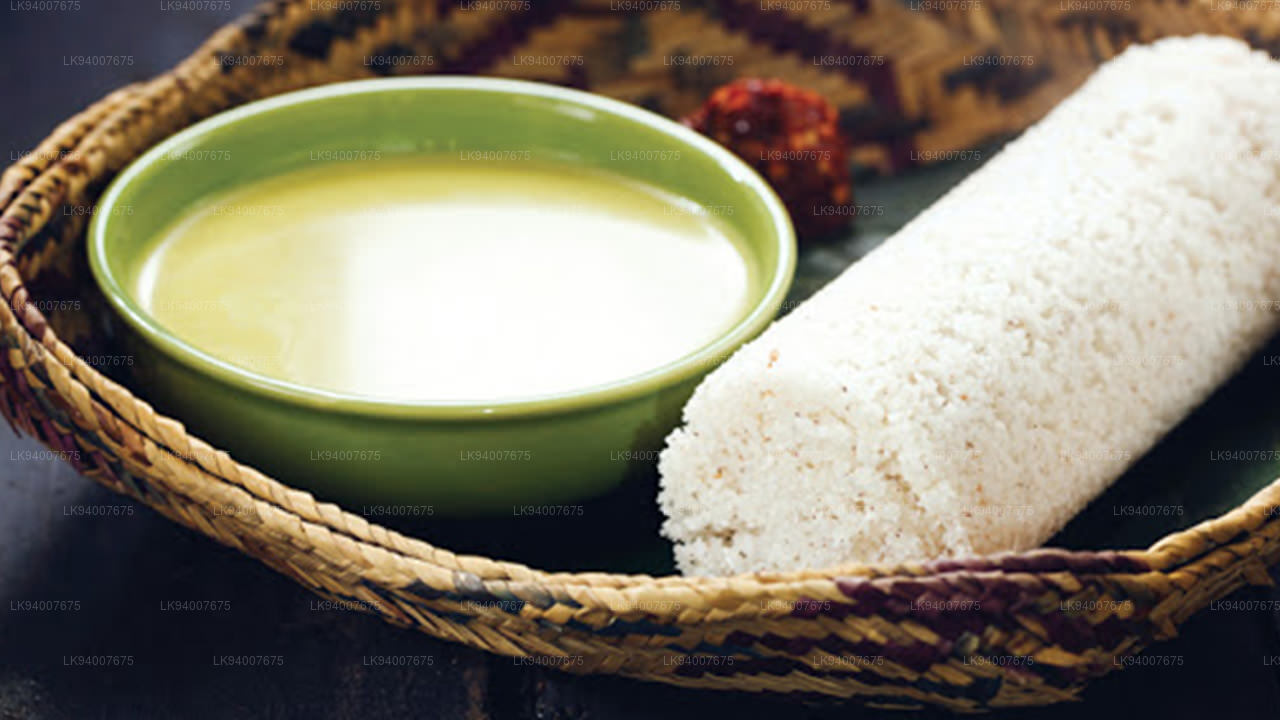
Sri Lanka has a broader family of coconut-based breads and pancakes. Pol Roti is essentially the same dish under its Sinhala name. String Hoppers (indi appa) are made from rice flour steamed through a mould — entirely different in texture and technique, though they share the same coconut sambol pairing. Hoppers (appa) are fermented rice-flour bowls cooked in a curved pan, crispier at the edges and soft at the centre.
Coconut Roti sits apart from all of these because it uses wheat flour and a griddle, making it quicker to prepare without fermentation or special equipment. This accessibility is a large part of why it has remained a staple across all economic backgrounds on the island.
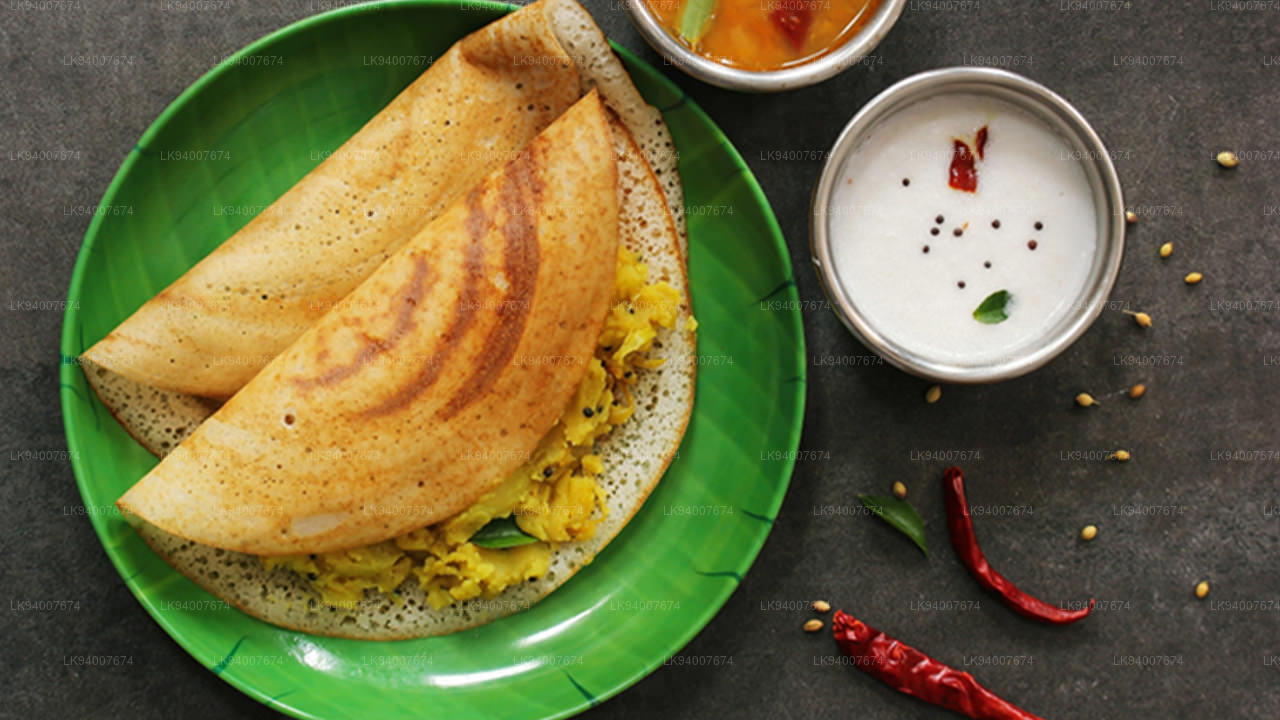
It also differs from the Indian parotta or chapati in that the coconut replaces much of the fat, giving the bread a distinct flavour and a slightly denser crumb that holds up well when scooped through thick curries.
What are some regional and home-cook variations?
Sri Lankan cooks adapt the base recipe in several small but meaningful ways. Adding a pinch of Ceylon black pepper and finely chopped green chilli produces a spicier version often eaten alongside fish curry in coastal households. Some home cooks incorporate finely sliced onion directly into the dough for an aromatic, slightly caramelised result when griddled. A small handful of dried Maldive fish flakes (umbalakada) is another traditional addition that adds a deep umami note common in southern Sri Lanka.
For a sweeter variation served as a snack rather than a meal, the sugar quantity is increased and a few drops of vanilla or a grating of fresh ginger are added. This version is sometimes offered alongside Kokis and other traditional sweets during festive occasions.
Tips for getting Coconut Roti right at home
- Use fresh coconut if possible. The natural oils released during cooking improve both the flavour and the texture noticeably compared with desiccated coconut.
- Don't over-knead. Work the dough until smooth, then stop. Excessive kneading develops too much gluten and produces a tough roti.
- Medium heat is key. A pan that is too hot will char the outside before the centre cooks through. Too low, and the roti will dry out and become hard rather than developing golden spots.
- Press gently with a spatula. Light pressure during cooking helps the roti cook evenly without becoming dense.
- Rest the shaped discs. If you let the cut pieces rest for 5 minutes before cooking, they hold their shape better on the pan.
- Keep cooked rotis warm. Stacking them under a clean tea towel traps steam and prevents them from hardening as you work through the batch.
Is Coconut Roti suitable for dietary restrictions?
The basic recipe is naturally dairy-free and egg-free when butter is omitted — replacing it simply with a little extra water. It is also nut-free. It does contain gluten from all-purpose flour, so it is not suitable for those with coeliac disease or gluten intolerance unless a certified gluten-free flour blend is substituted; results will vary by blend. The recipe as written is vegan when butter is replaced with a plant-based fat or left out entirely.