Lakpura
Lakpura®

Birdwatching

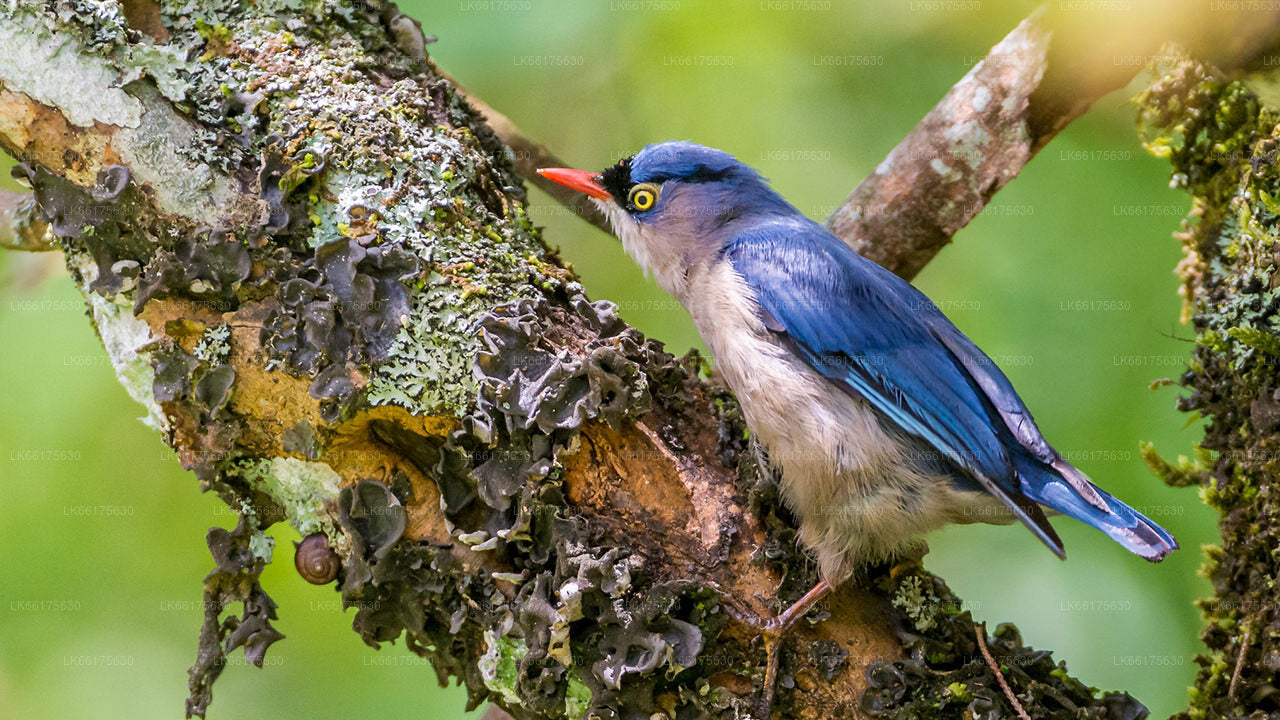
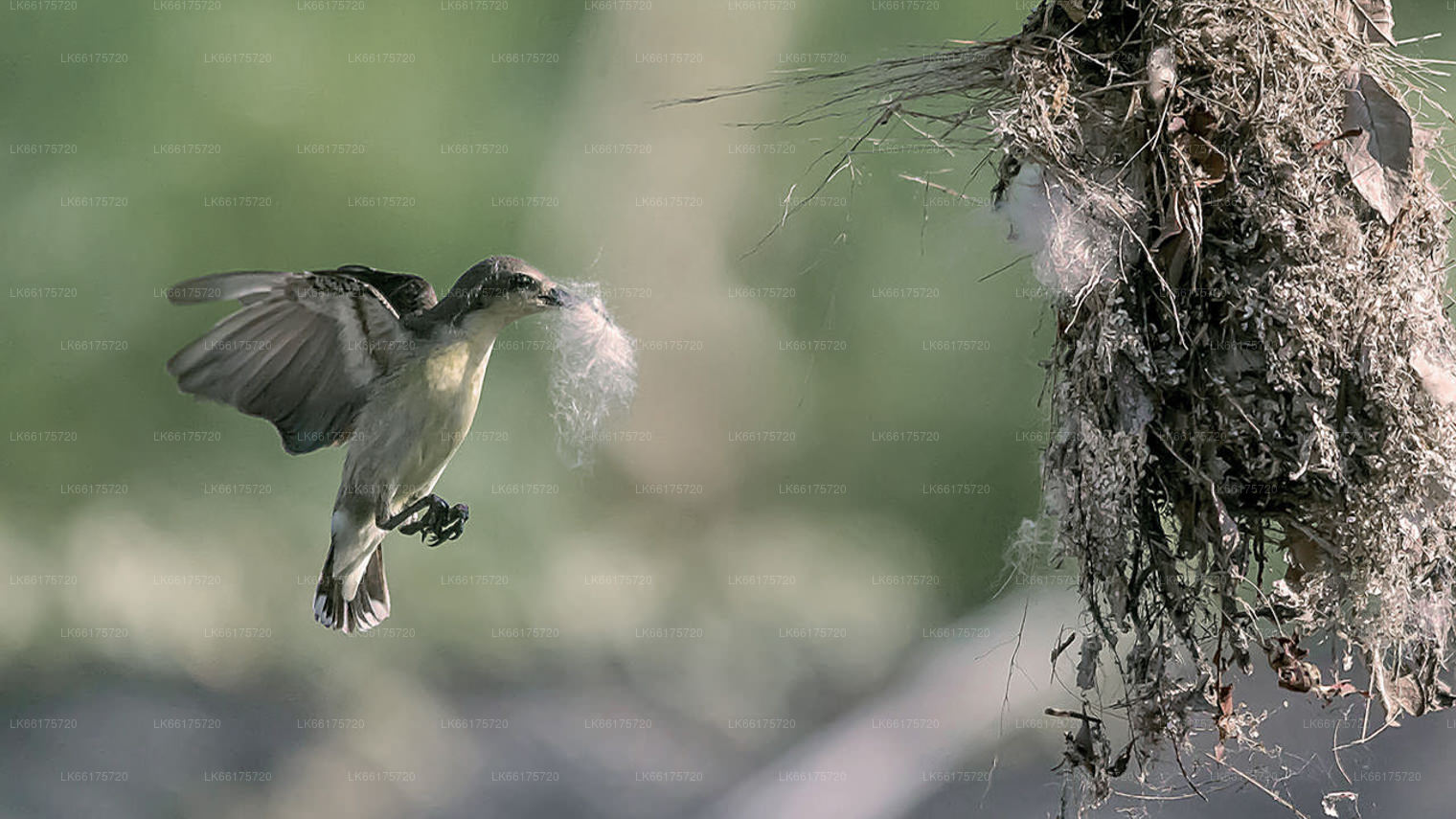
Sri Lanka punches well above its weight as a birdwatching destination. An island roughly the size of Ireland, it shelters more than 400 recorded bird species — among them 23 species found nowhere else on earth. Migratory visitors from Siberia, Scandinavia, India, and Western Europe swell those numbers between October and March, turning wetlands, dry-zone tanks, and highland forests into some of Asia's most productive birding grounds.

Why is Sri Lanka such a good destination for birdwatching?

The island's compact geography compresses an exceptional range of habitats into a short driving distance: lowland rainforest, montane cloud forest, coastal lagoons, freshwater tanks, scrub jungle, and mangrove estuaries. Each habitat supports a distinct bird community, so a well-planned itinerary of just a few days can yield a species list that rivals much larger countries. Sri Lanka's relatively low visitor pressure at many sites also means birds are less disturbed and easier to observe.

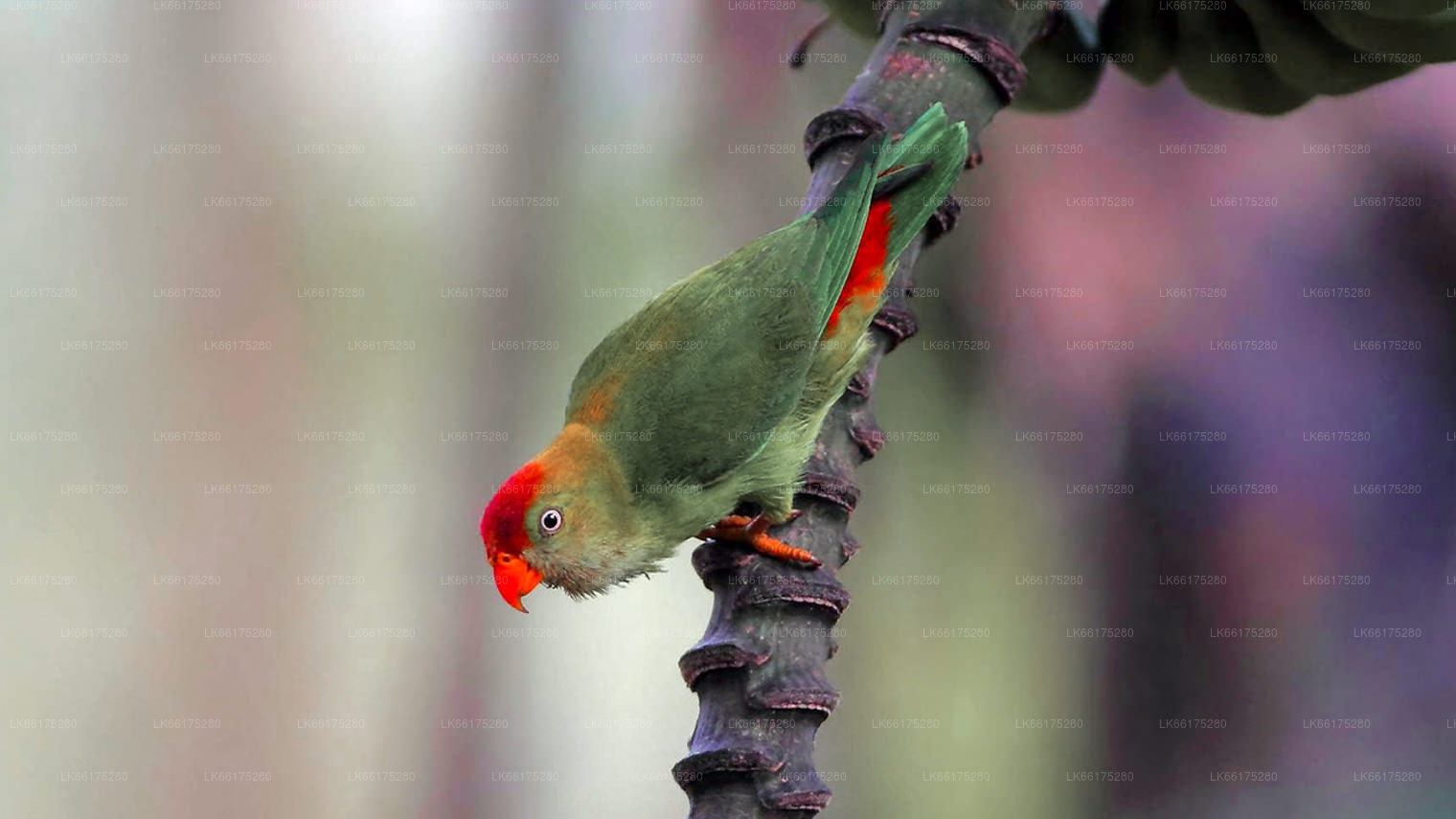
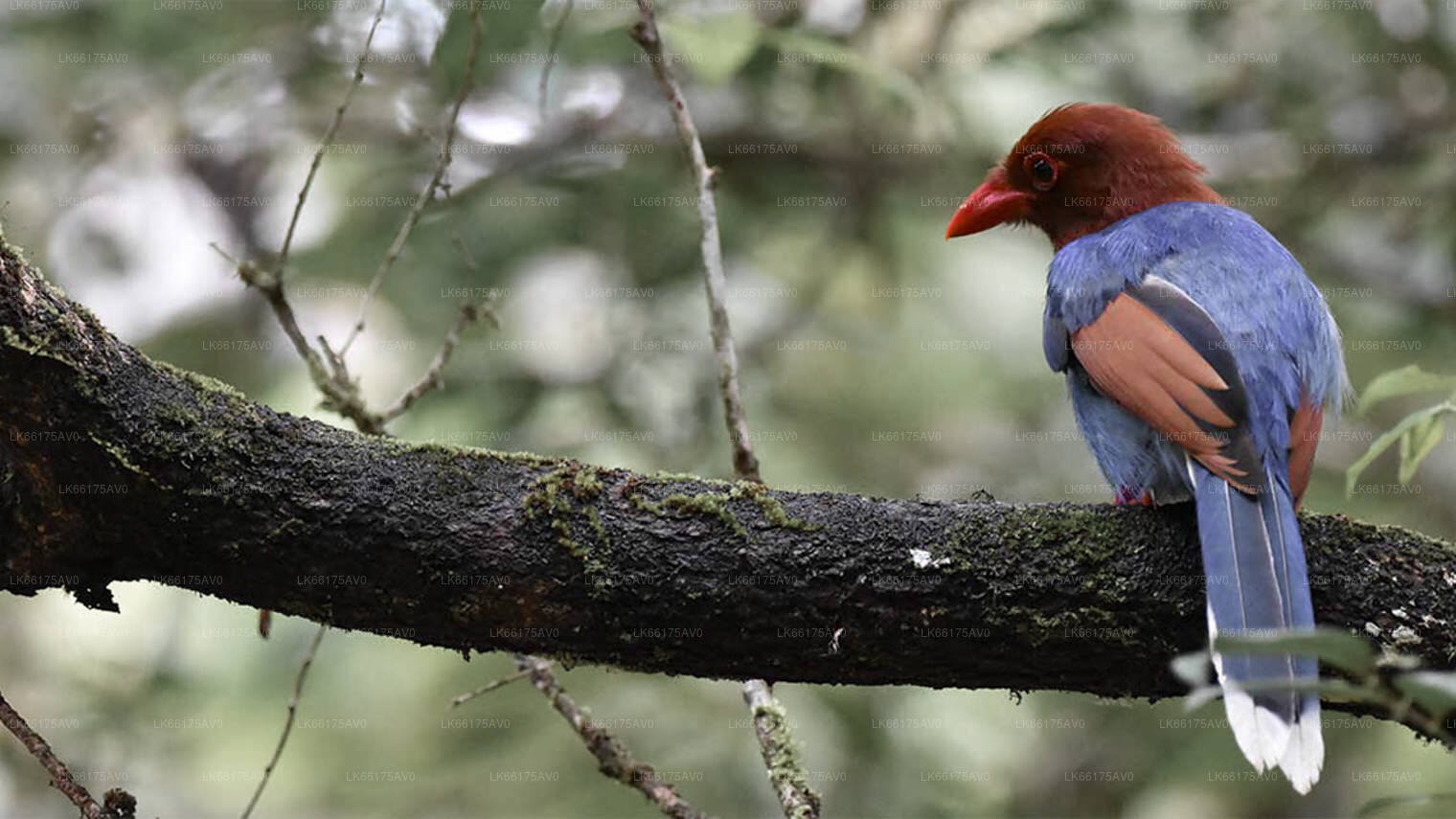
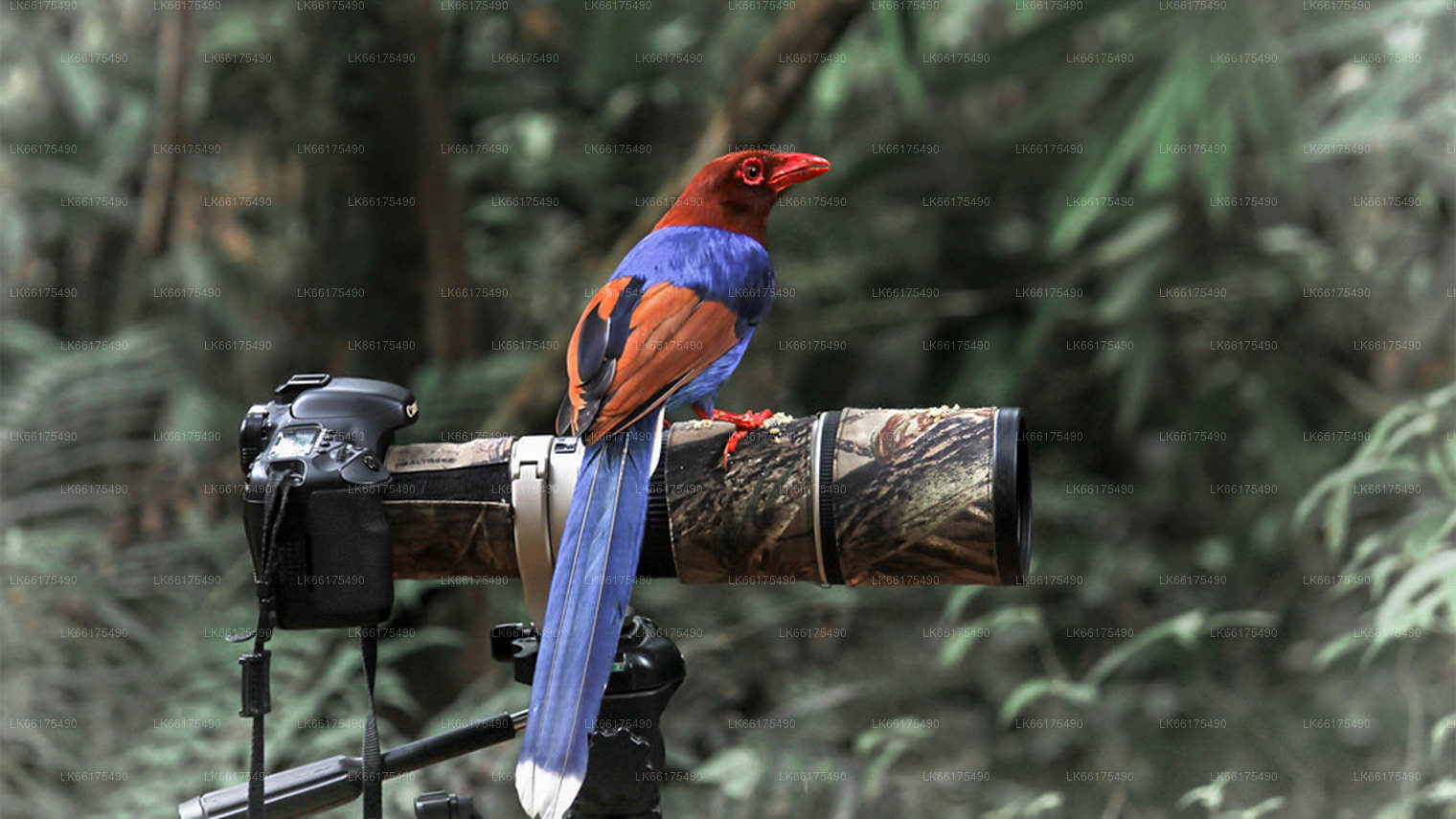
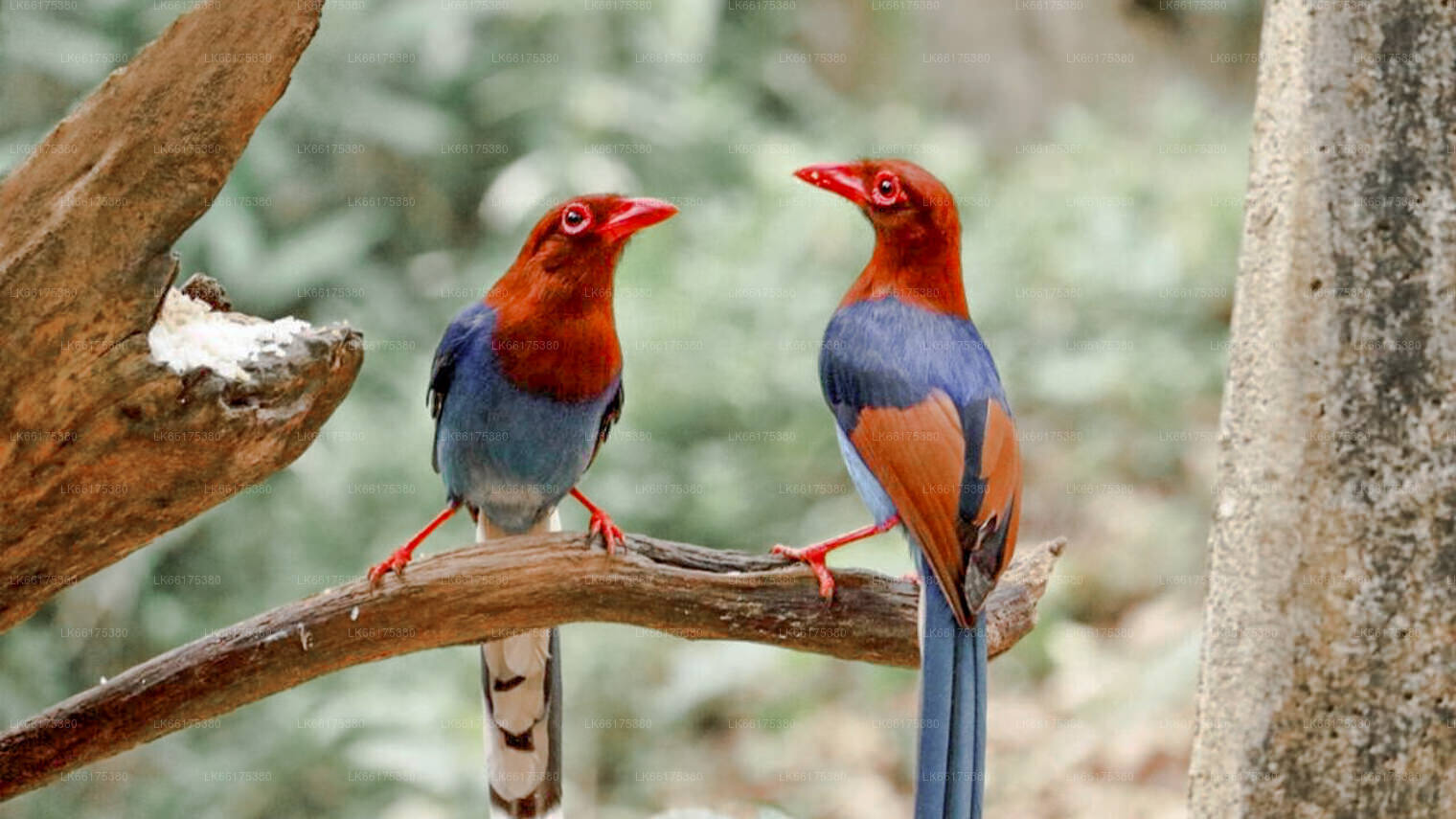
The 23 endemic species are the headline draw. Sought-after endemics include the Ceylon Junglefowl (the national bird), Sri Lanka Blue Magpie, Serendib Scops Owl, Sri Lanka Frogmouth, Layard's Parakeet, Brown-capped Babbler, and the elusive Sri Lanka Spurfowl. Most require forested habitats, making the wet-zone rainforests of the south and west and the montane forests of the central highlands the top priority zones.

When is the best time to visit Sri Lanka for birdwatching?

Resident endemics are present year-round, but the period from October through March is widely regarded as peak season. Migratory waders, raptors, and passerines arrive in large numbers, and the northeast monsoon keeps the dry zone and southern coast mostly rain-free. December has been designated National Bird Month by the Field Ornithology Group of Sri Lanka — the national affiliate of BirdLife International — and organised events, guided walks, and public awareness programmes take place across the country during that month.

The southwest monsoon (May–August) brings heavy rain to the wet zone but actually provides good conditions at dry-zone sites such as Kumana and the northern lagoons, where water levels attract large concentrations of waterbirds. Experienced birders sometimes time a second visit to catch both seasons.

What are the top birdwatching sites in Sri Lanka?

Sinharaja Forest Reserve

Sri Lanka's last viable tract of primary lowland rainforest is the single best place to search for wet-zone endemics. Mixed-species feeding flocks — a phenomenon characteristic of mature tropical forest — move through the canopy at dawn and dusk, often containing several endemic species in one breathless encounter. The Sinharaja Forest Reserve is a UNESCO World Heritage Site and an IUCN Category I protected area, which limits the number of visitors and preserves the quality of the experience.

Horton Plains National Park

At around 2,100 metres above sea level, Horton Plains National Park is the best location for montane endemics. The Yellow-eared Bulbul, Sri Lanka White-eye, Dull-blue Flycatcher, and Sri Lanka Wood Pigeon are all relatively easy to find here. Early morning walks along the park trails, before the grassland fills with mist, produce the best results.

Kumana National Park

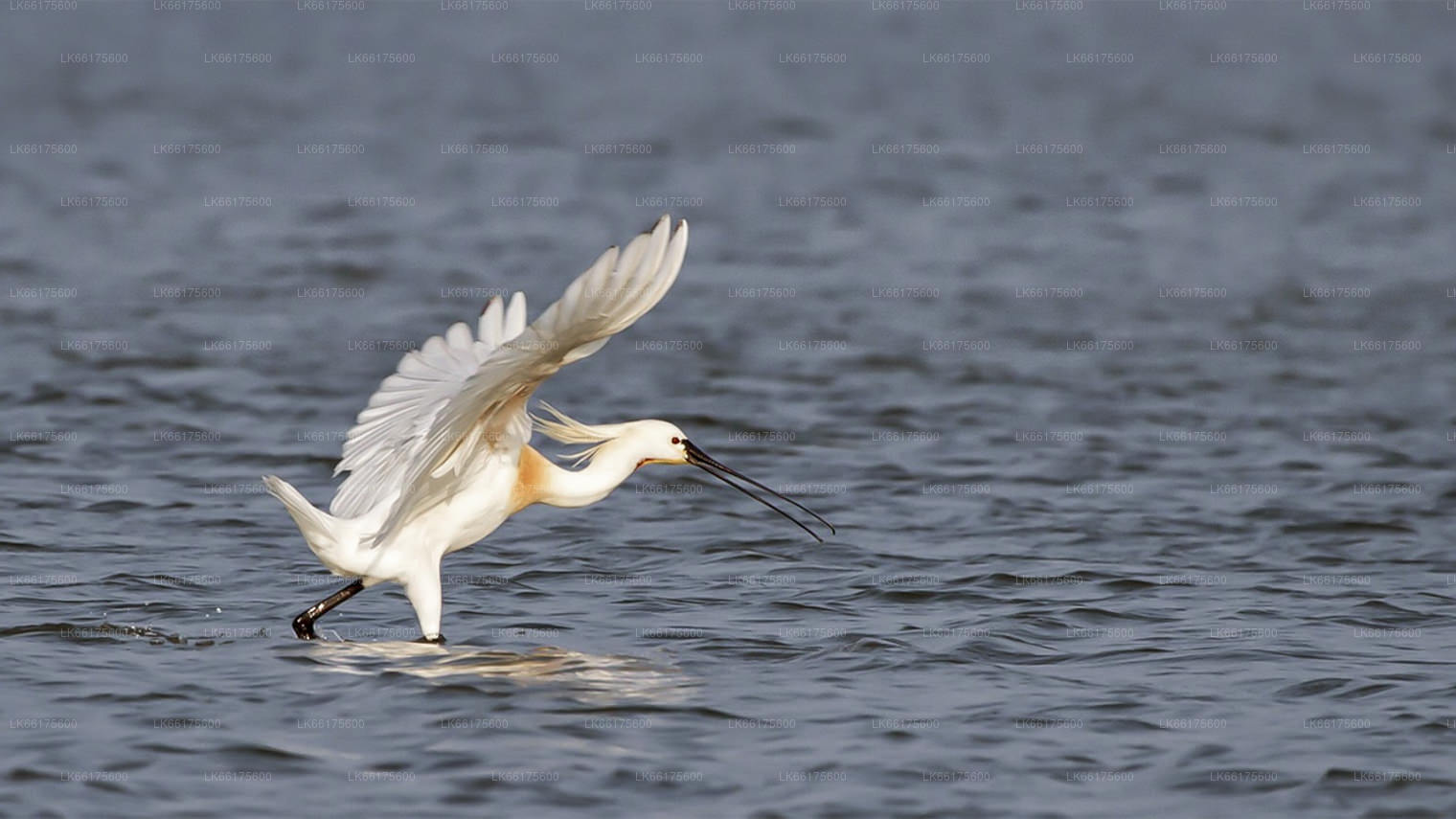
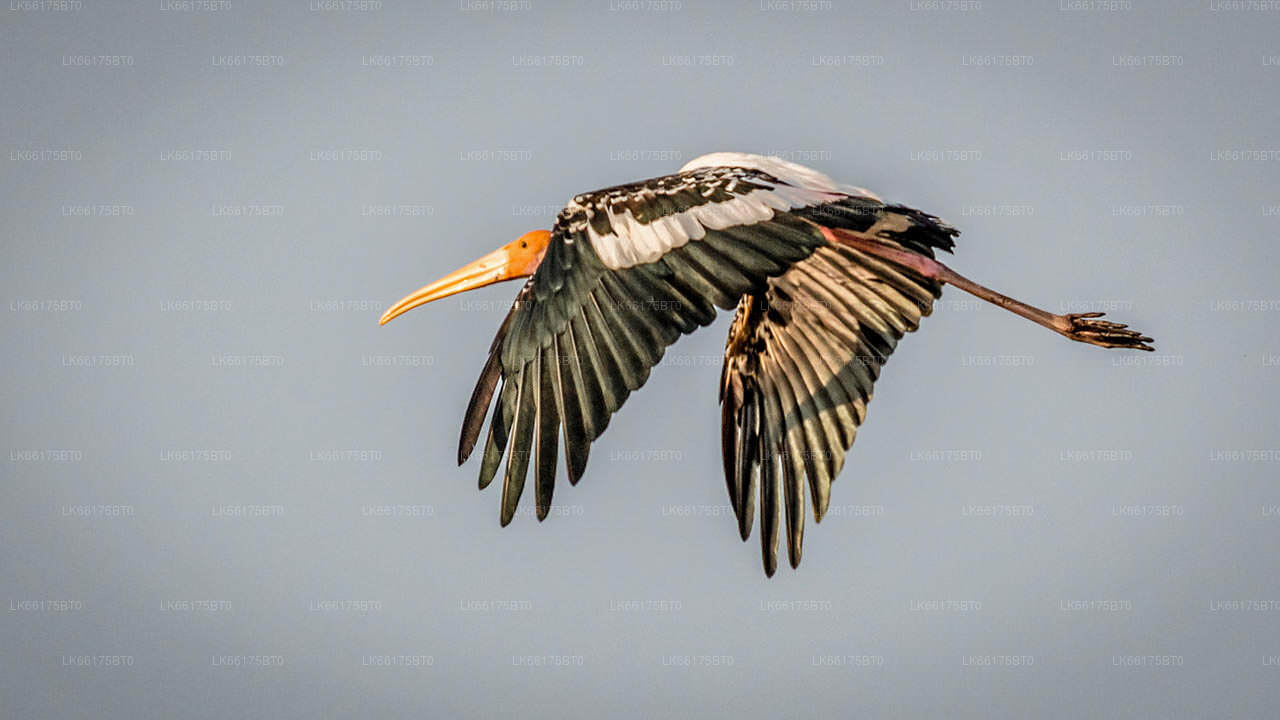
Located on the southeastern coast, Kumana (also known as Yala East) centres on a 200-hectare mangrove lagoon that acts as one of Asia's most significant colonial waterbird nesting sites. Purple-faced Langurs and saltwater crocodiles share the habitat, but the birds dominate: painted storks, black-headed ibis, night herons, spoonbills, and dozens of wader species congregate around the lagoon. The park is typically open between May and September, aligning with the dry-season concentration of waterbirds.

Udawalawe National Park

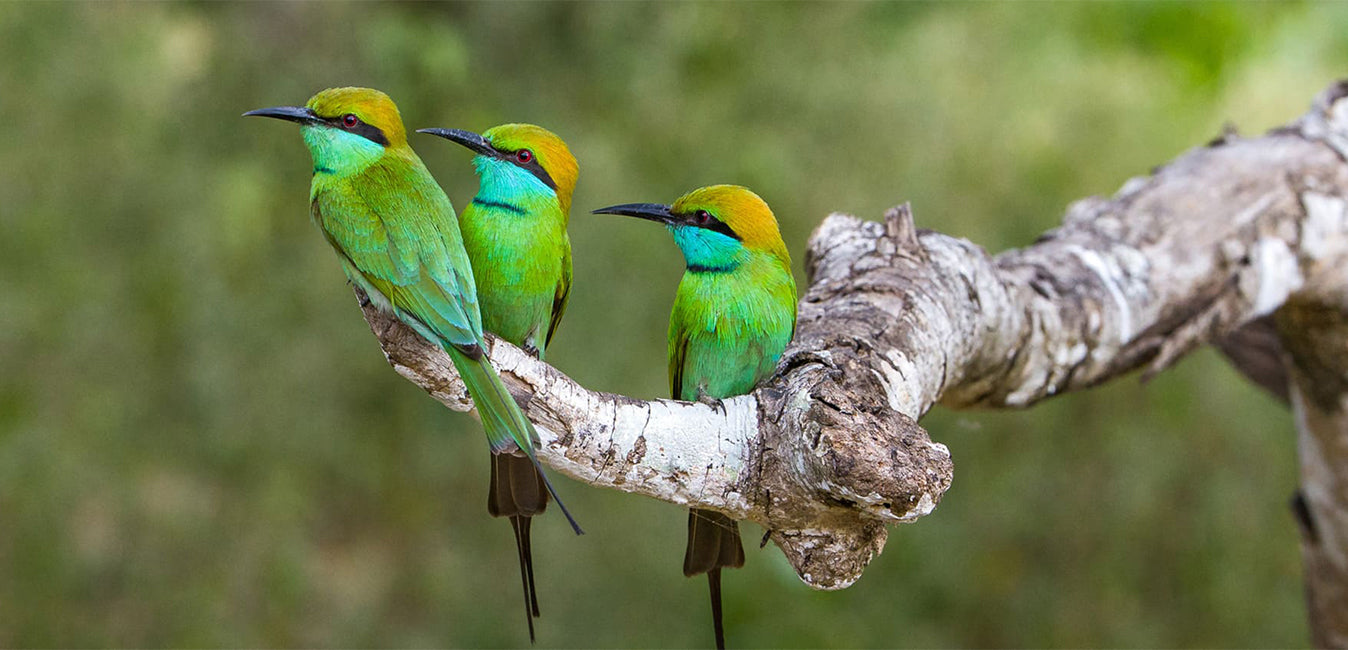
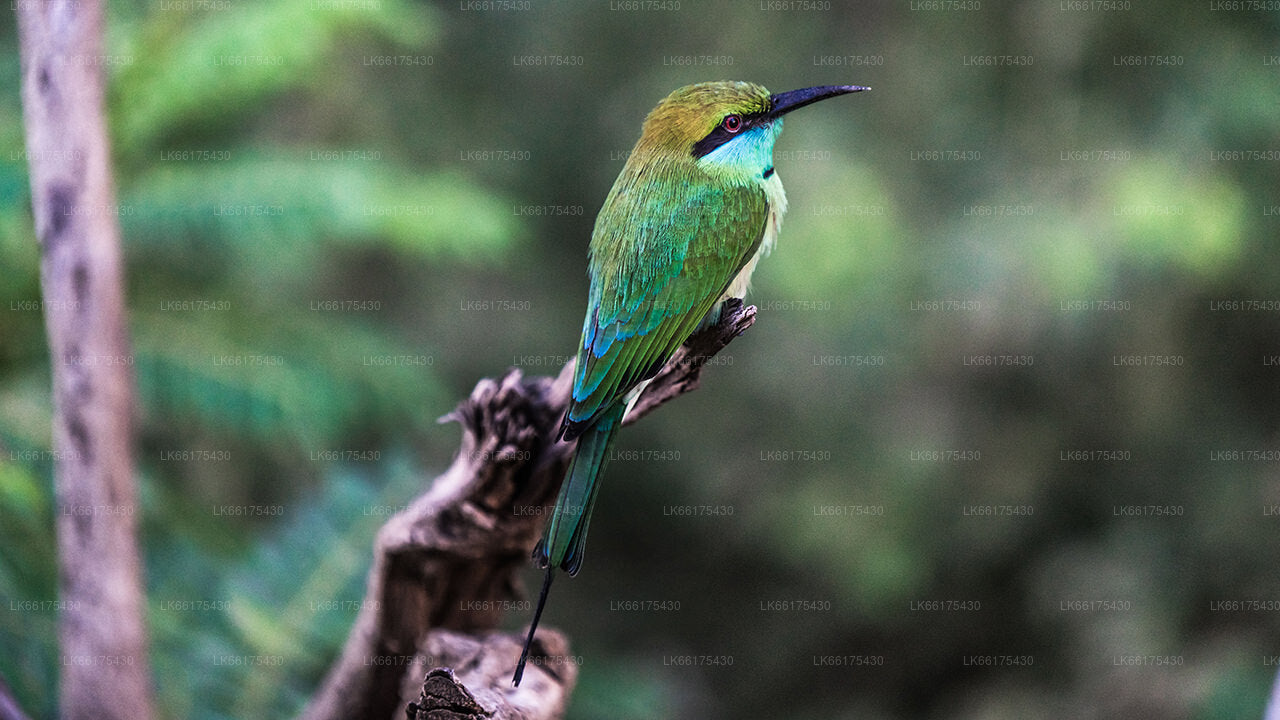
Udawalawe National Park is best known for elephants, but its reservoir and surrounding grasslands attract a rich community of raptors, rollers, bee-eaters, and open-country species. Lesser Adjutant Storks — a globally vulnerable species — are regularly seen here, along with Crested Serpent Eagles and Grey-headed Fish Eagles.

Ritigala Strict Nature Reserve

Located around 188 km northeast of Colombo near Kekirawa, Ritigala's forested rocky outcrop hosts species that are scarce elsewhere in the dry zone. Black-capped Bulbul, Malabar Pied Hornbill, Ceylon Grey Hornbill, Indian Pitta, White-rumped Shama, Common Hill Mynah, and Crested Hawk Eagle have all been recorded within its boundaries. The reserve's strict-nature status limits commercial activity, keeping habitats intact.

Habarana and the Cultural Triangle

Habarana sits at the junction of several dry-zone ecosystems — ancient irrigation tanks, scrub jungle, and the fringes of Minneriya and Kaudulla national parks. The chains of shallow tanks attract large flocks of waterbirds year-round, and the surrounding scrub harbours dry-zone specialists such as the Sri Lanka Grey Hornbill and Crimson-fronted Barbet. Habarana is a practical base for day trips to Ritigala and Sigiriya.

Sigiriya

The forest reserve surrounding Sigiriya Rock Fortress is a protected area in its own right. Dense canopy forest, waterways fed by ancient hydraulic systems, and undisturbed scrubland make it productive for forest birds well away from the heritage site crowds. A pre-dawn start around the base of the rock can be especially rewarding.

Kalametiya Bird Sanctuary

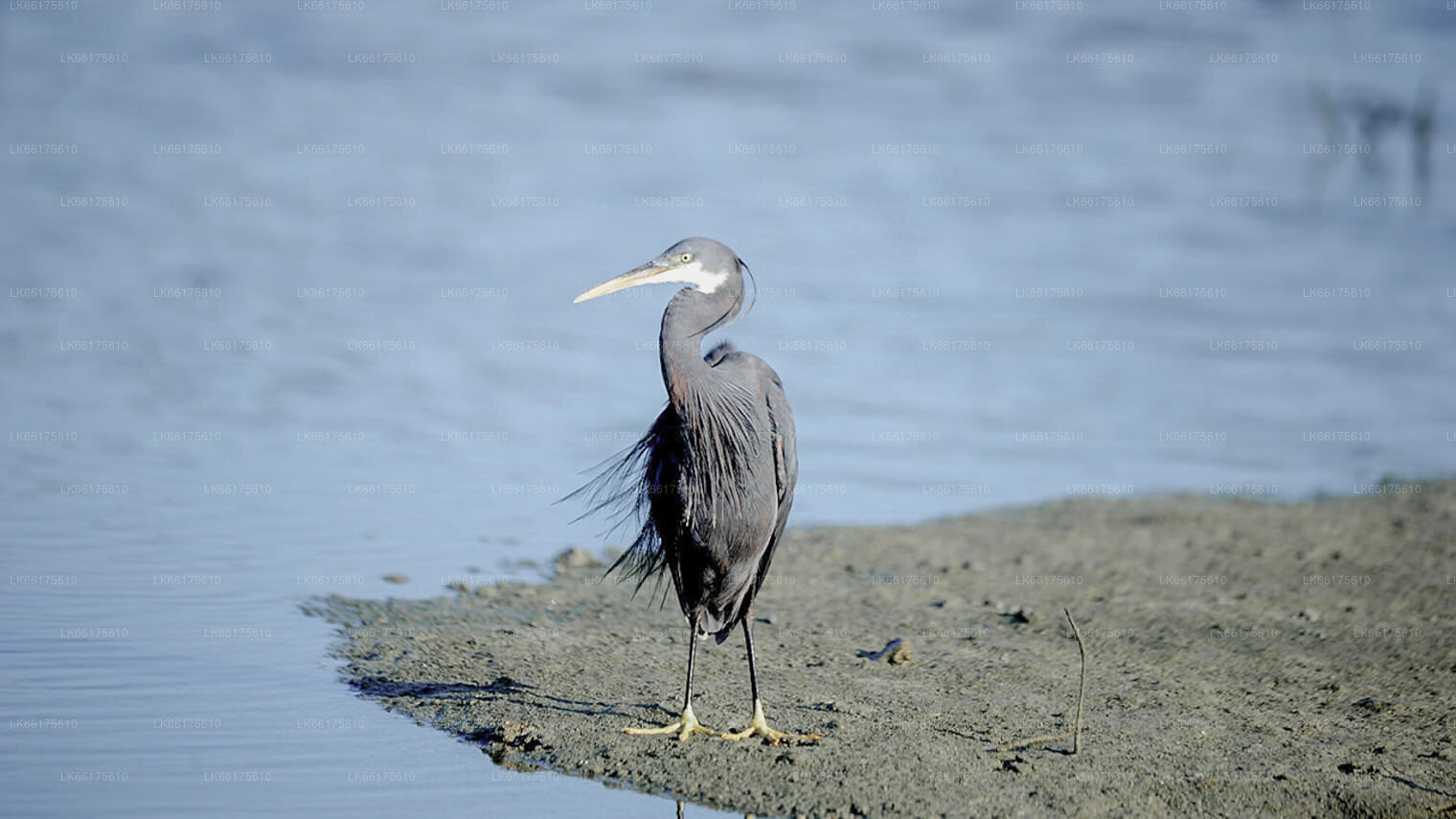
This shallow coastal lagoon on the southern coast is one of Sri Lanka's most accessible wetland birding sites. Boat-based birding allows close approach to painted storks, purple herons, large cormorant colonies, and a variety of waders without disturbing nesting birds. The surrounding scrub adds kingfishers, bee-eaters, and raptors to a morning list.

Mannar Island and the Northern Lagoons

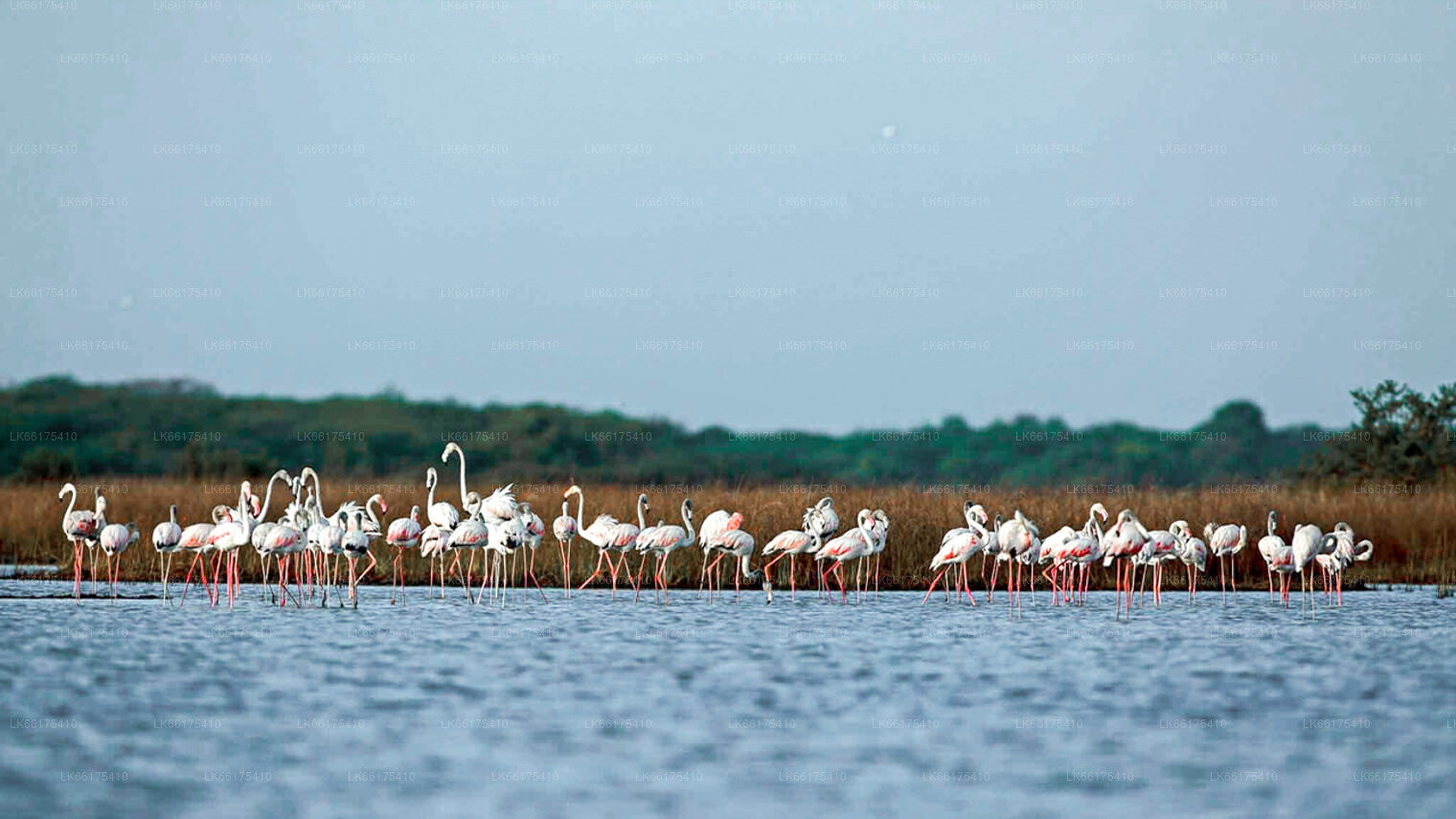
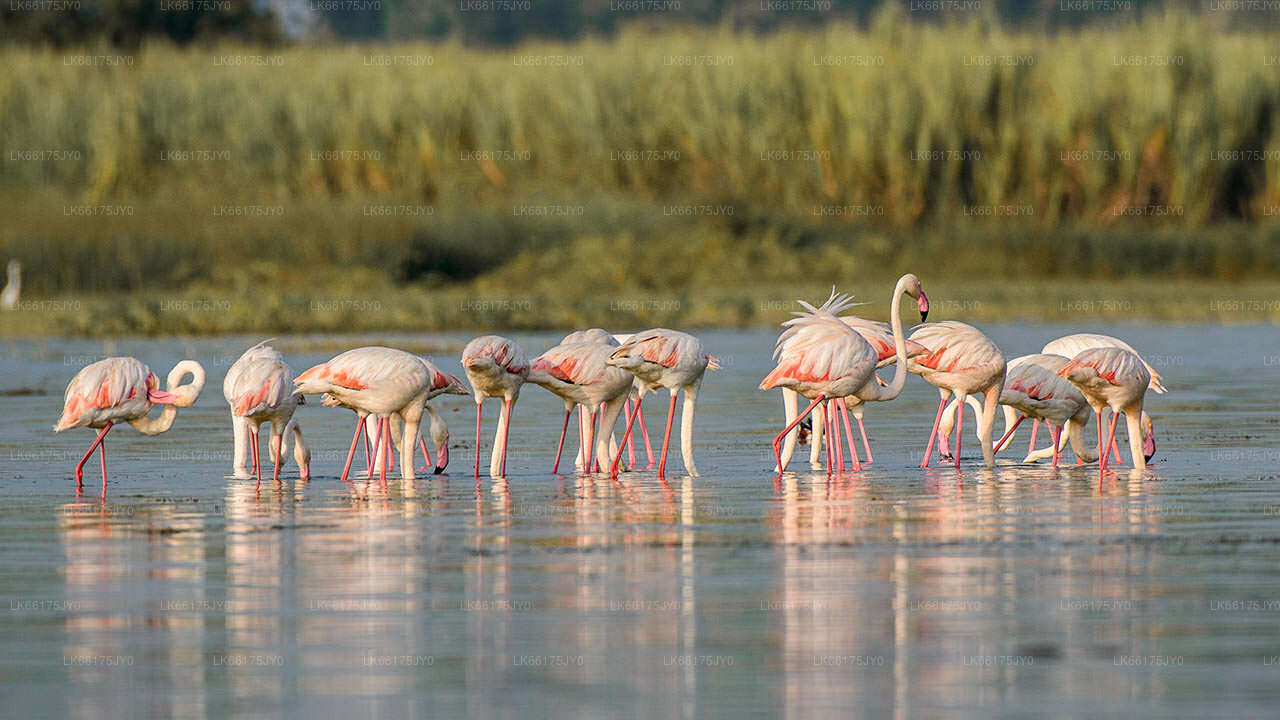
The Gulf of Mannar's shallow, food-rich waters and the vast Chundikulam lagoon system in the north attract flamingos, pelicans, and passage waders in numbers rarely seen elsewhere in South Asia. Mannar Island is increasingly recognised among specialist birders as one of the most important migratory bird staging areas in the Indian Ocean region.

Which endemic species should I prioritise?

  • Serendib Scops Owl — described scientifically only in 2004; found in lowland rainforest, best located by call at night
  • Sri Lanka Frogmouth — cryptically camouflaged; roosts low in dense forest understorey
  • Sri Lanka Blue Magpie — conspicuous and vocal in wet-zone forests; often joins mixed-species flocks
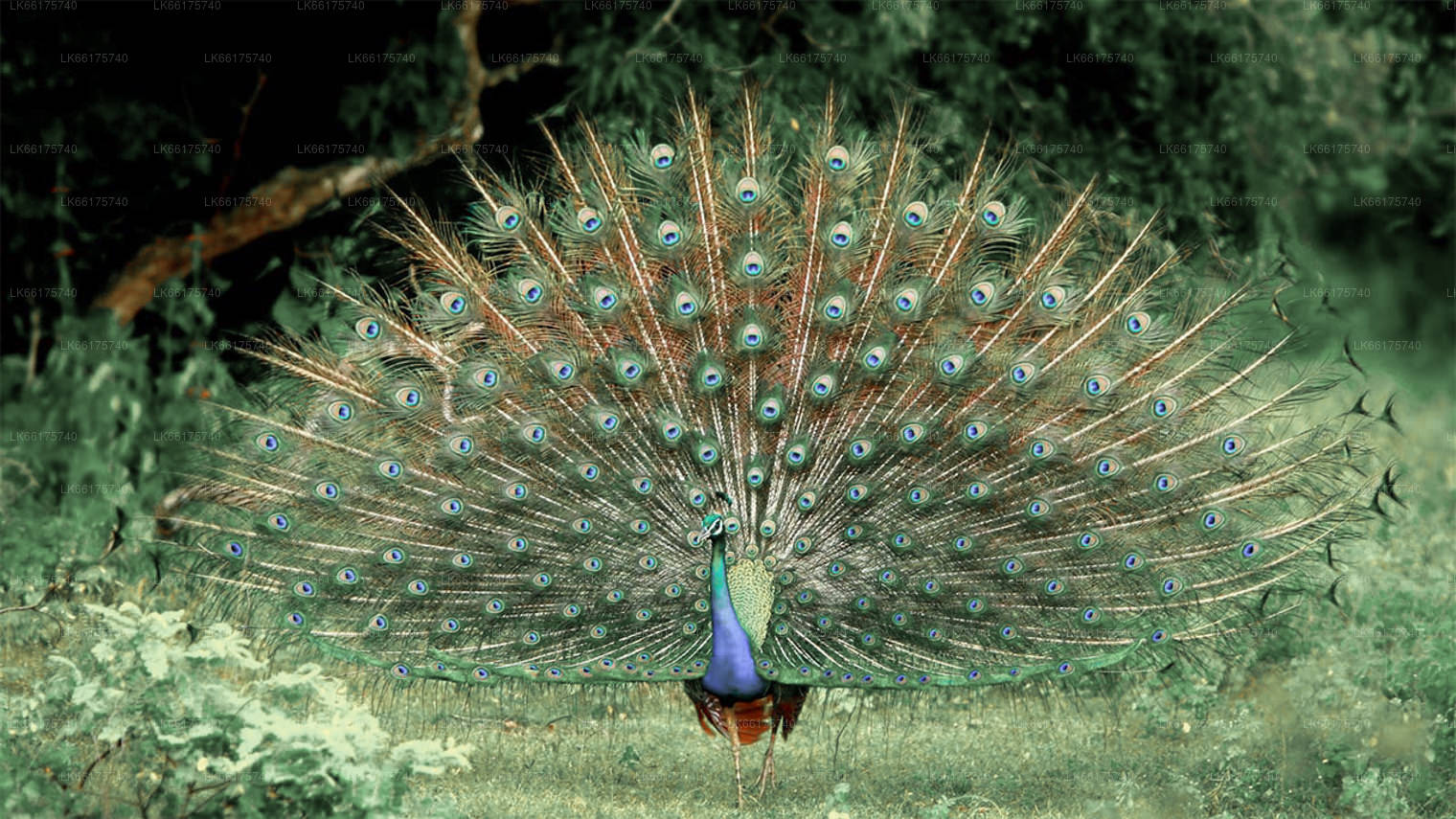
  • Ceylon Junglefowl — common in forest edges and village margins across the island
  • Layard's Parakeet — endemic parakeet of the wet zone and mid-hills
  • Sri Lanka Spurfowl — secretive ground-dweller; more often heard than seen
  • Yellow-eared Bulbul — montane endemic, reliably seen at Horton Plains
  • Dull-blue Flycatcher — another montane specialist, favours shaded stream-side vegetation

What equipment do I need for birdwatching in Sri Lanka?

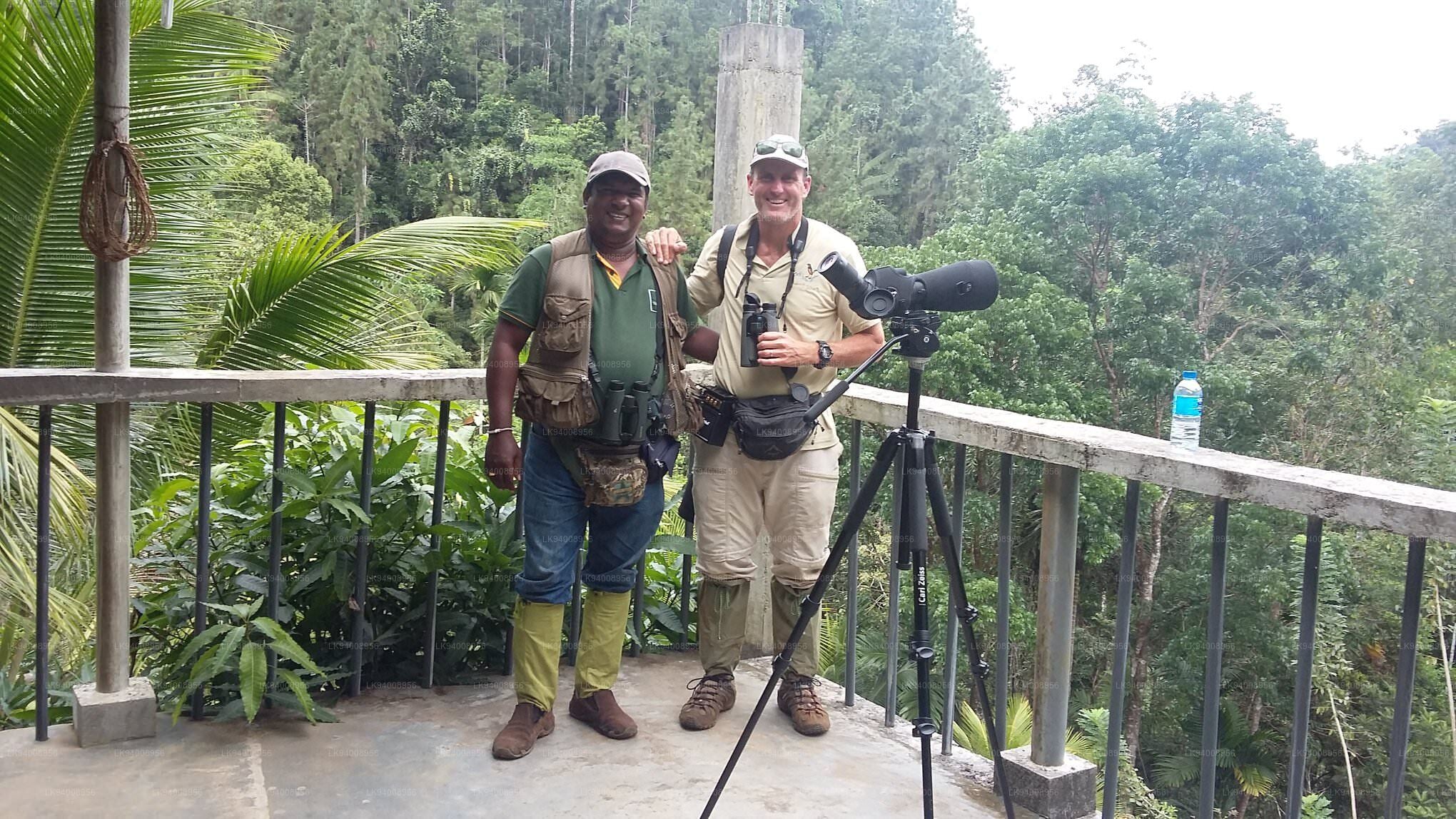
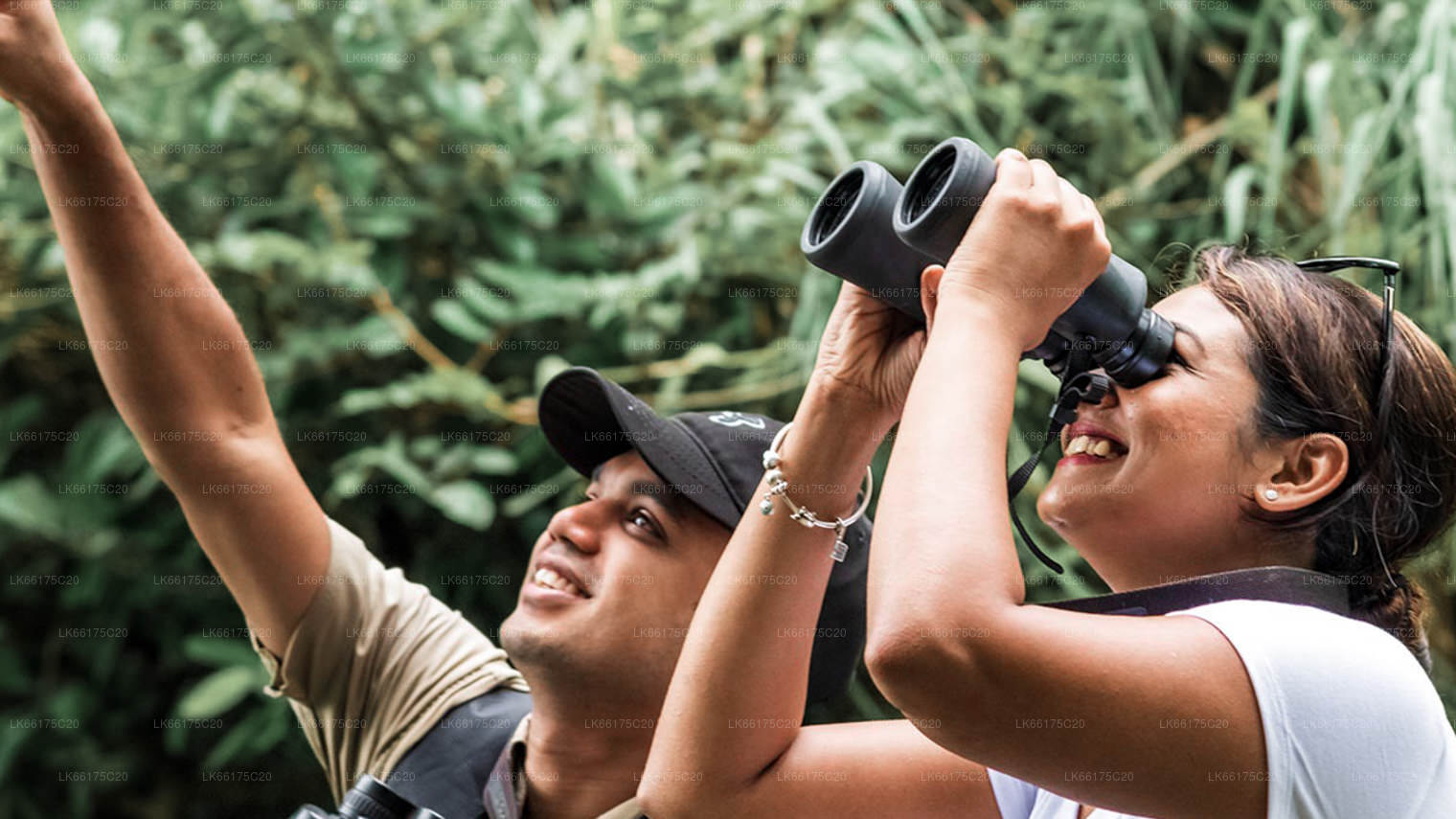
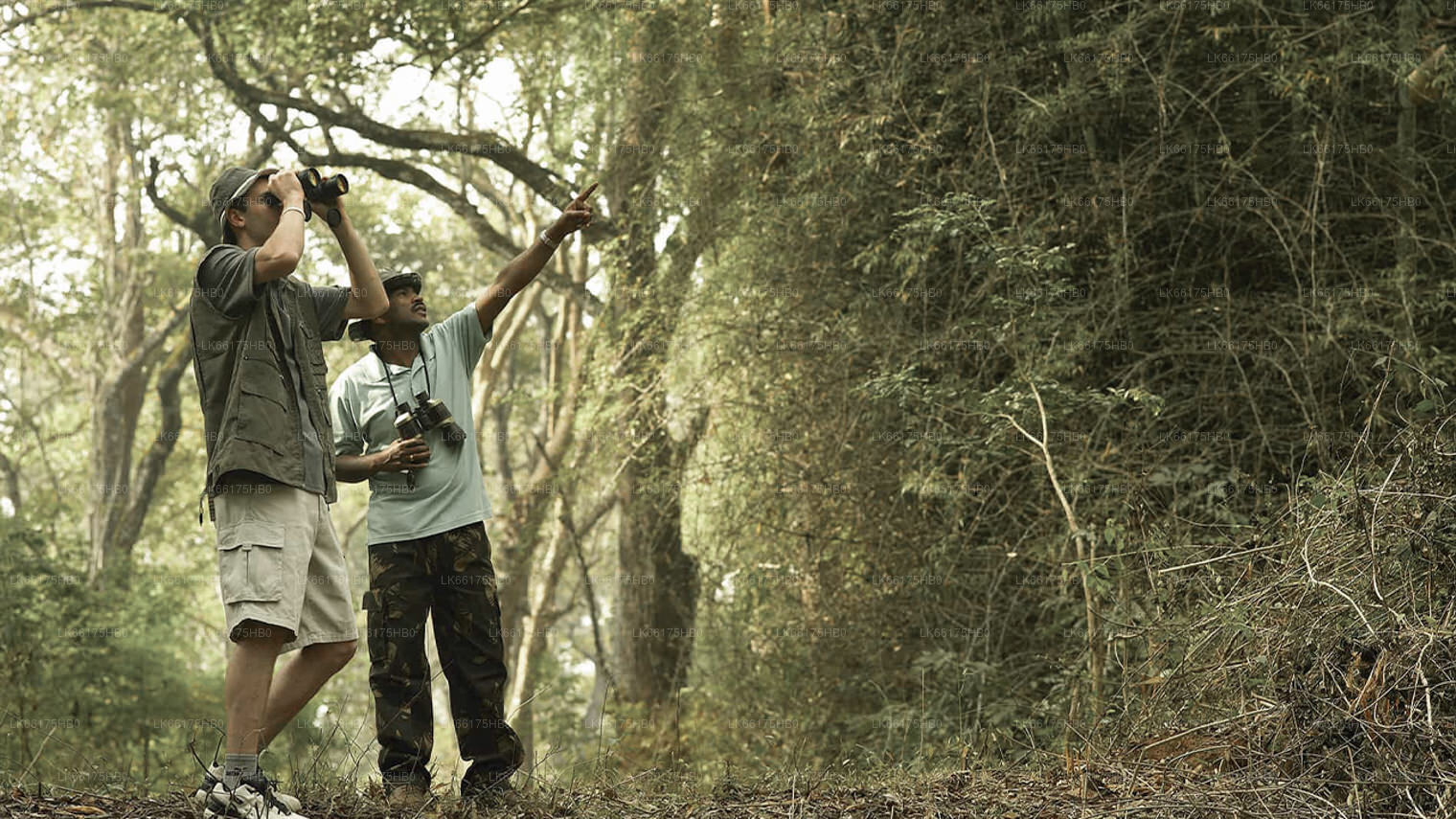
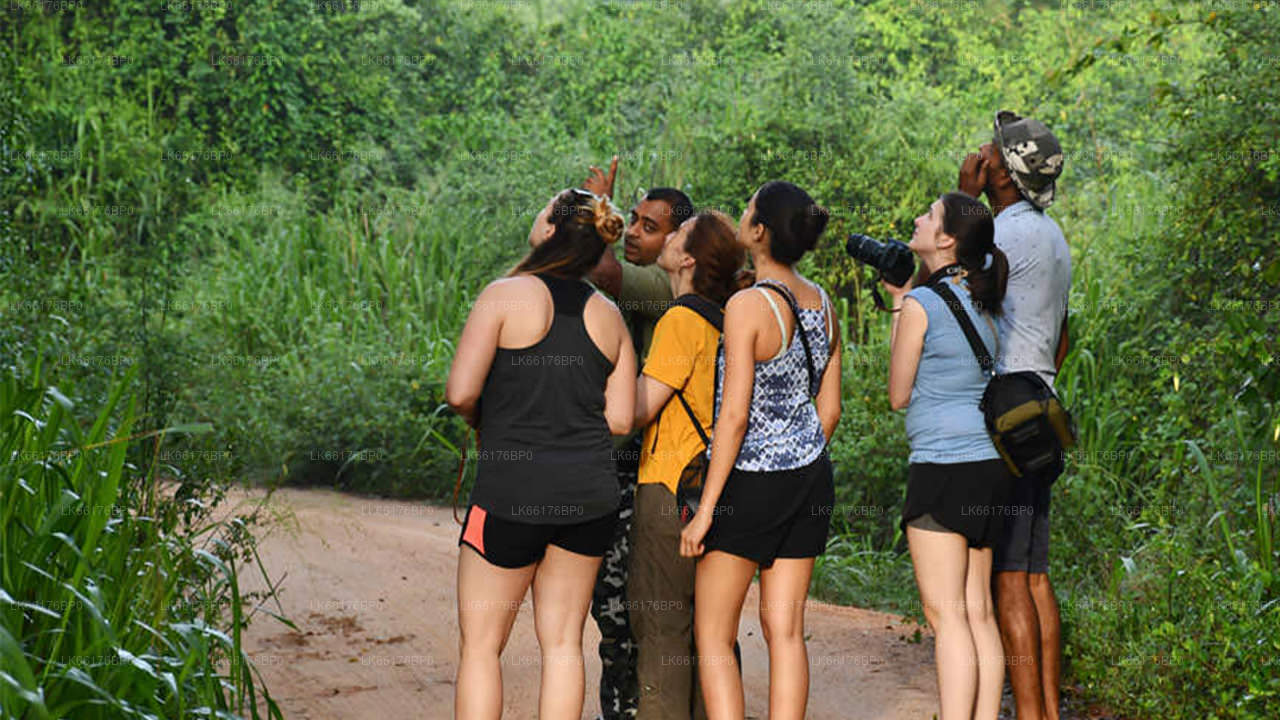
A pair of 8×42 or 10×42 binoculars covers most situations. A spotting scope is useful for scanning open waterbird colonies and shorebird flocks at lagoon sites. The Birds of Sri Lanka field guide by Gehan de Silva Wijeyeratne is the standard reference and is widely available in Colombo bookshops. Lightweight, neutral-coloured clothing is more practical than dedicated camouflage; forest humidity makes breathable fabric a priority. Insect repellent and waterproof footwear are essential for rainforest trails.

How do I get to the main birdwatching areas from Colombo?

Site Approximate distance from Colombo Typical drive time
Sinharaja Forest Reserve ~150 km 3–4 hours
Udawalawe National Park ~165 km 3–4 hours
Horton Plains National Park ~185 km 4–5 hours
Habarana / Ritigala ~180–190 km 3.5–4 hours
Kumana National Park ~350 km 6–7 hours
Mannar Island ~320 km 5–6 hours

A private vehicle with a knowledgeable driver is the most practical way to reach most sites, as public transport schedules rarely align with the pre-dawn starts that produce the best results. Lakpura can arrange private transfers timed specifically for morning birding sessions.

Can I combine birdwatching with other wildlife experiences?

Sri Lanka's protected areas are rich enough to make combination itineraries genuinely worthwhile. Udawalawe pairs elephant observation with raptor and waterbird watching. Wilpattu National Park — Sri Lanka's largest national park — combines leopard tracking with excellent dry-zone birding. Wilpattu National Park supports specialised dry-zone birds including the Brown-headed Barbet and Sri Lanka Grey Hornbill. The Madu River Safari in the southwest combines a mangrove boat tour with close views of kingfishers, storks, and fish eagles along one of Sri Lanka's best-preserved mangrove waterways.

Book this experience with Lakpura

Curated by our local team. Direct booking, instant confirmation.

Ask Lakpura® Agent