Chilli (මිරිස්)


Chilli is one of the most important cash crops grown in Sri Lanka. It has become an essential ingredient in Sri Lankan meals. Percapita consumption of chilli in the form of dry chilli is estimated 2.84 kg per annum and the national annual requirement of dry chilli is around 57,400 mt. The annual production of dry chilli is about 7,500 Mt. Therefore, an amount of 49,928 Mt is imported (Year 2015 figures). Chilli contributes on an average Rs. 5,000 million to GDP and creates employment of 5.3 million work days annually. Chilli is extensively grown for dry chilli production, but part of the crop is harvested as green pods. The average extent under chilli at present is around 13,000 ha, of which 2/3 is cultivated in maha season
Department of Agriculture has recommended 10 open pollinated chilli varieties up to now namely MI-1, MI-2, KA-2, Arunalu, MI- Hot, MI Green, Galkiriyagama Selection, MI waraniya 1, MICH 3, MIPC 1. The potential yield of these varieties is 10-15 t/ha as green chilli, but the national average yields is around 5.13 t/ha. Such low yields are mainly due to high incidences of pest and diseases, moisture stress, use of inferior quality seeds, poor crop management and high input costs. First local chilli hybrid, MICH HY 1 developed by the Department of Agriculture released in year 2015 with the yield potential of 32t/ha as green chilli.
Chilli is cultivated in large scale in the dry zone especially in north central province and the intermediate zone. At present, major chilli growing districts are Anuradhapura, Moneragala, Ampara, Putthalama, Vavuniya, Kurunegala, Hambantota and Mahaweli System H. According to the information received from the chilli farmers in the dry zone, the biotic stress condition mainly leaf curl complex (LCC) is the main reason behind the lower extent of cultivation and the poor yield levels reported in Yala season. Water shortage and late water issues in Yala season have caused severe incidence of pest out breaks and consequent crop losses.
Recommended Open Pollinated Varieties (OPV)
1.MI - 1
Pedigree: Myliddy X Tuticorin Origin: ARS, Maha Illuppallama Year of release: 1962 A tall variety with an erect growth habit which attains a height of 75 - 100 cm, depending on the soil type. It is more suitable for cultivation during the maha season in rainfed uplands, but it is susceptible to leaf curl complex (LCC) and anthracnose, and therefore, gives comparatively low yields of about 1000 - 2000 kg ha-1 of dry chillies. The pods have a moderate pungency and are green becoming red coloured when ripe. The fruit surface is weakly wrinkled; the calyx is enveloping and the fruit ends are acute and strongly tapered.
2. MI - 2
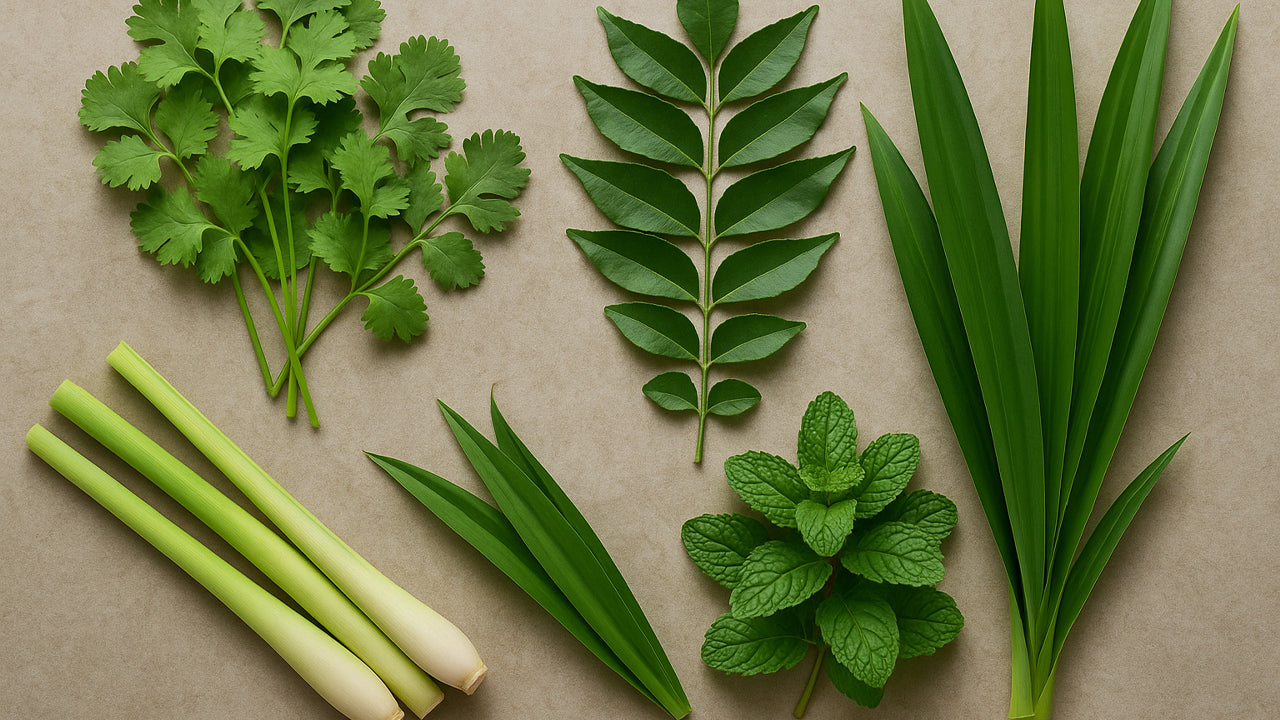

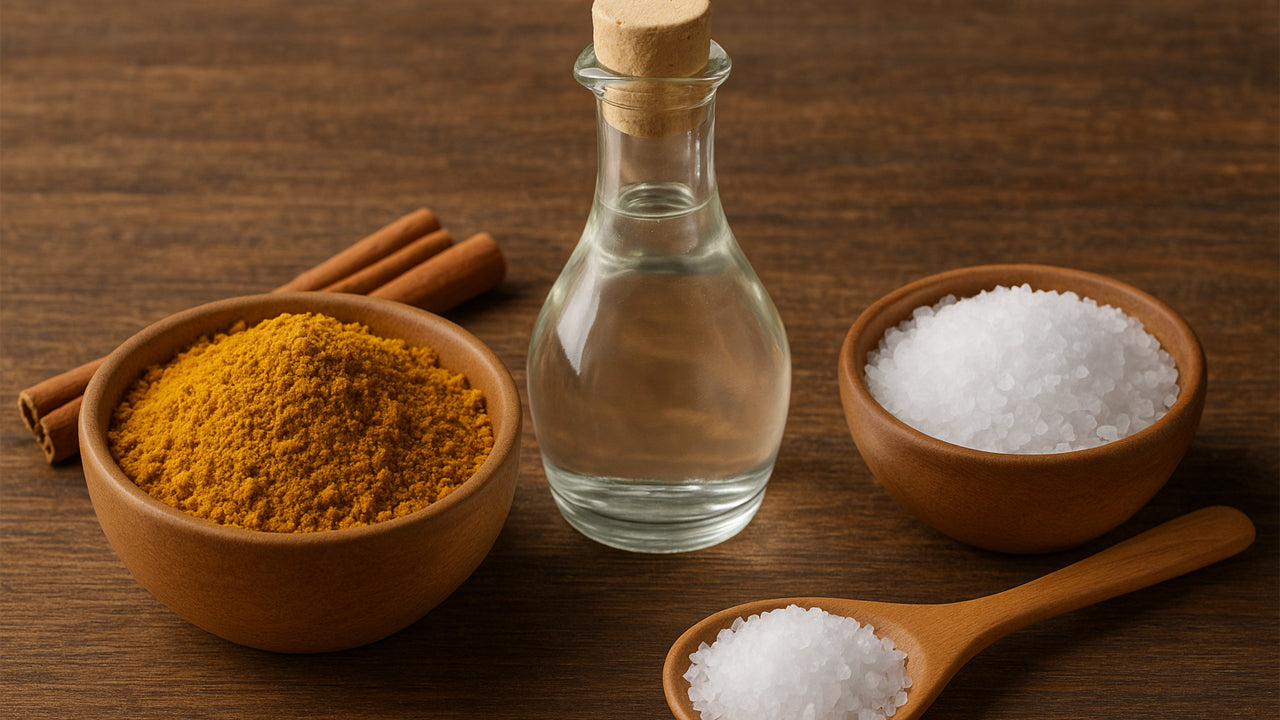
-
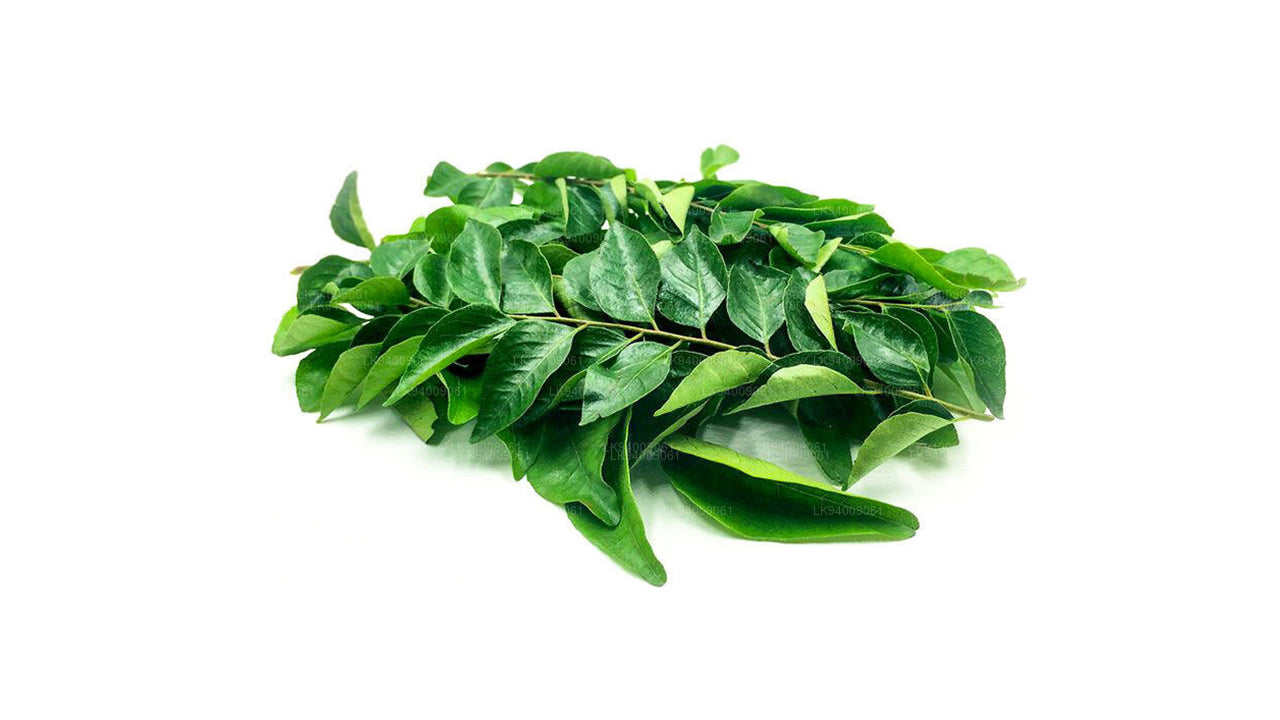 Curry Leaves
Murraya koenigii
-
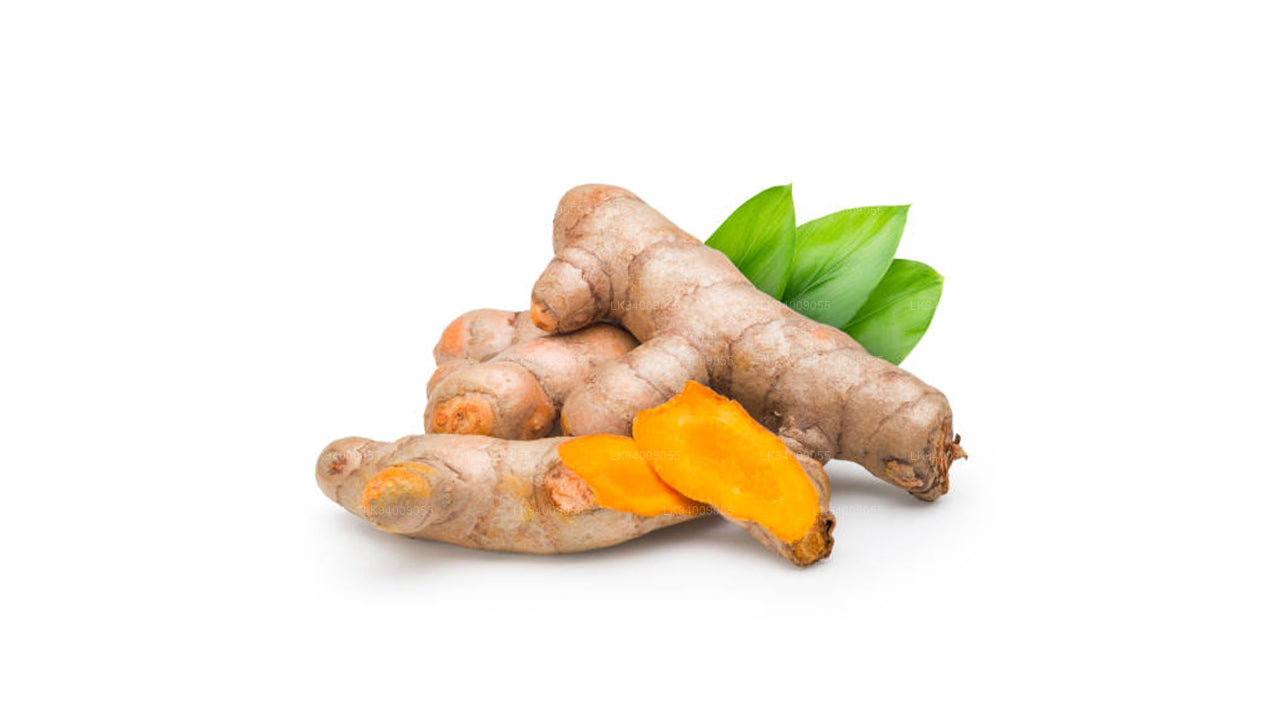 Turmeric
Curcuma longa
-
 Cloves
Syzygium aromaticum
-
 Cinnamon
Cinnamomum zeylanicum
-
 Black Pepper
Piper nigrum
-
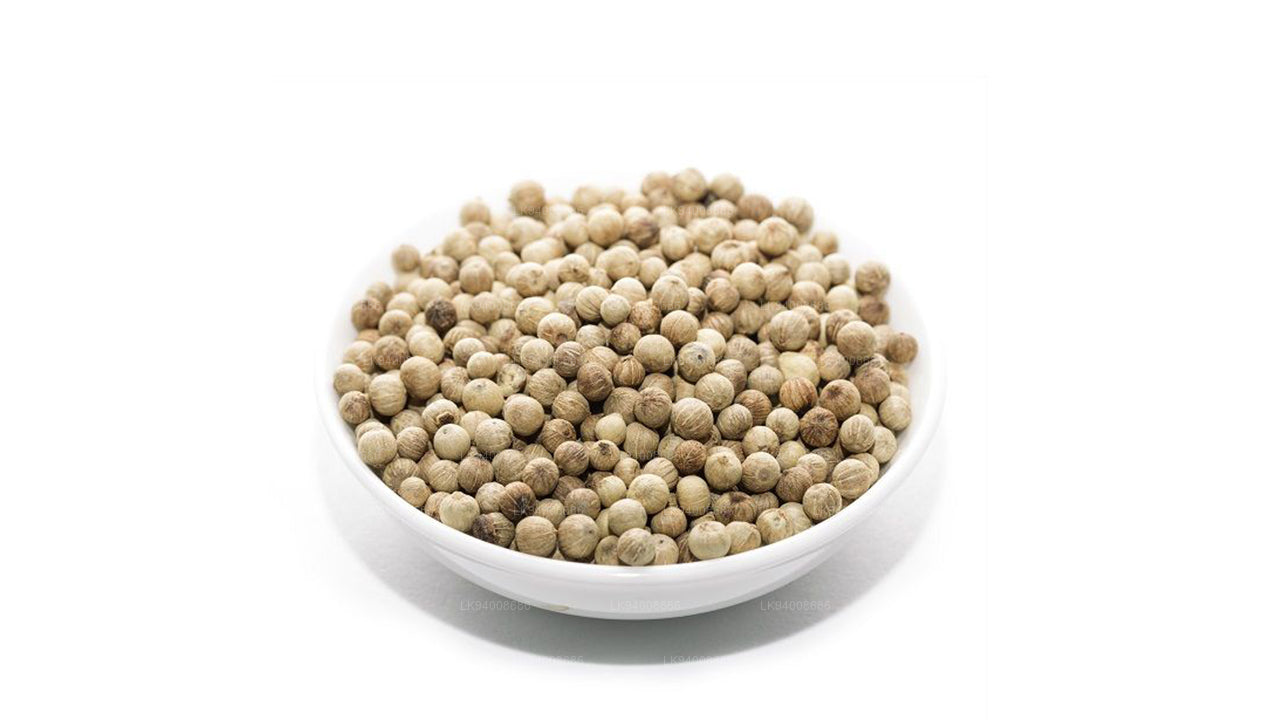 White Pepper
Piper nigrum
-
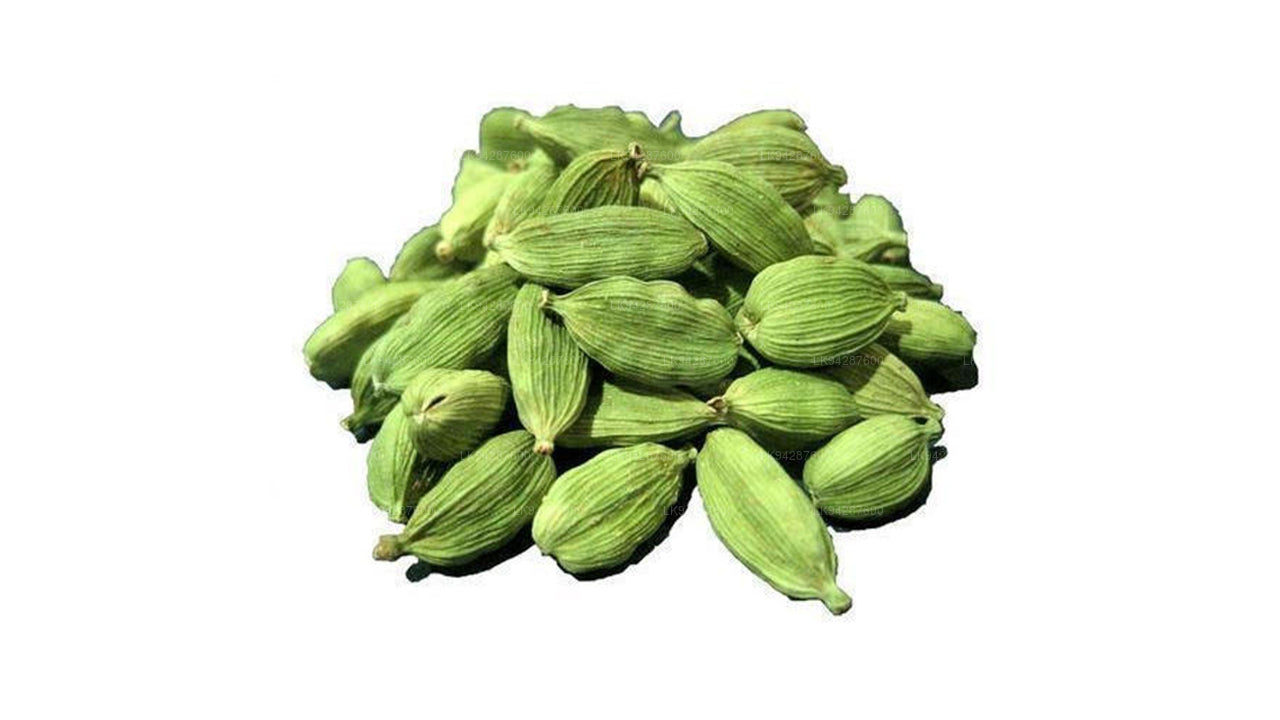 Cardamom
Elettaria cardamomum
-
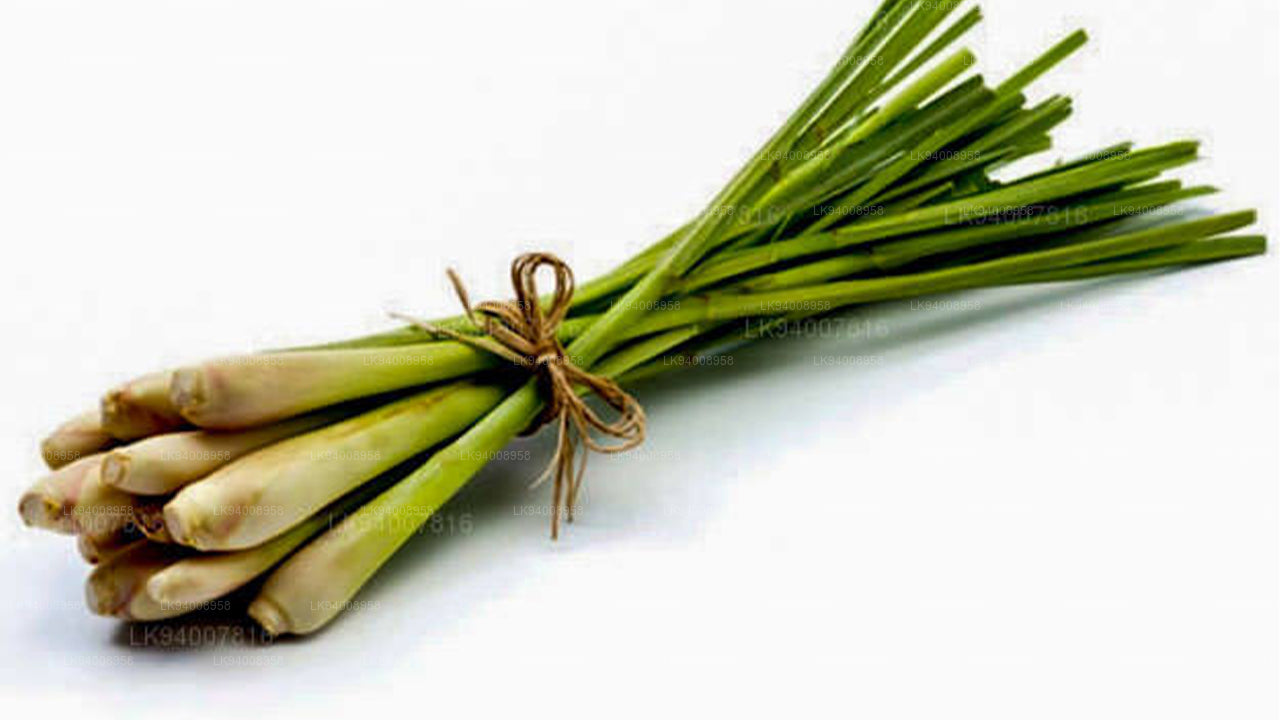 Lemongrass
Cymbopogon citratus
-
 Nutmeg
Myristica fragrans
-
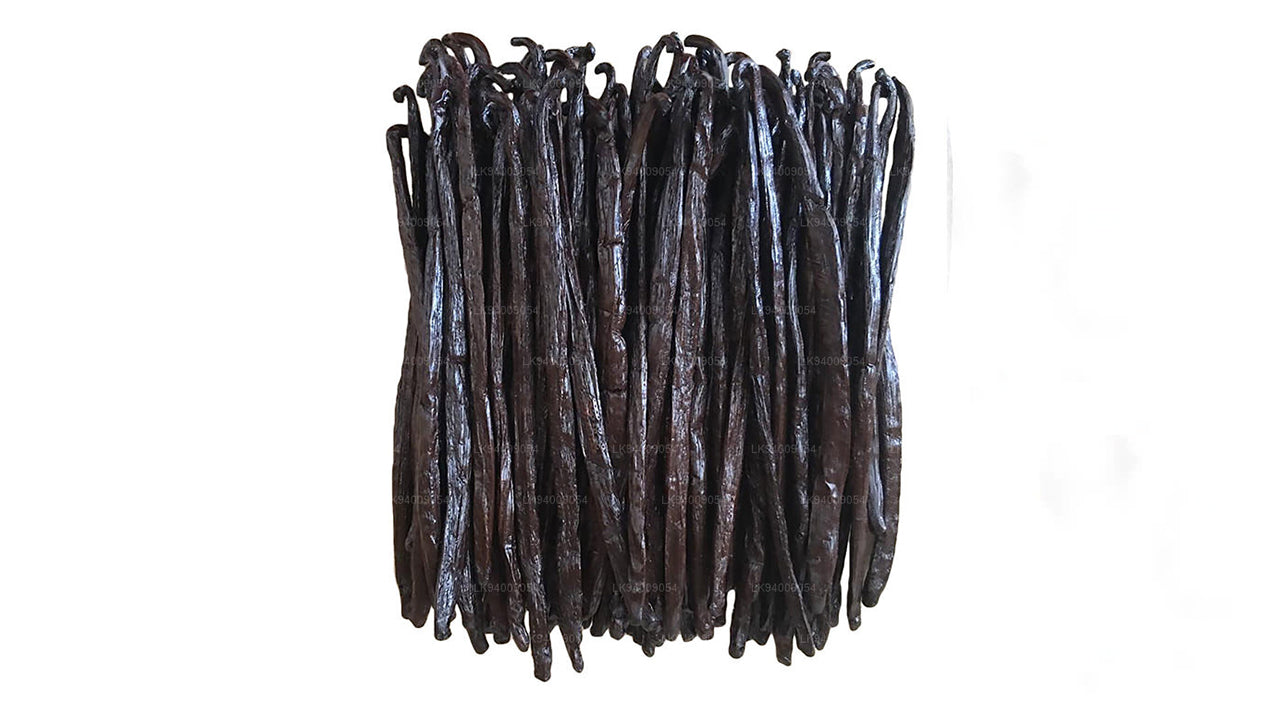 Vanila
Vanilla planifolia
-
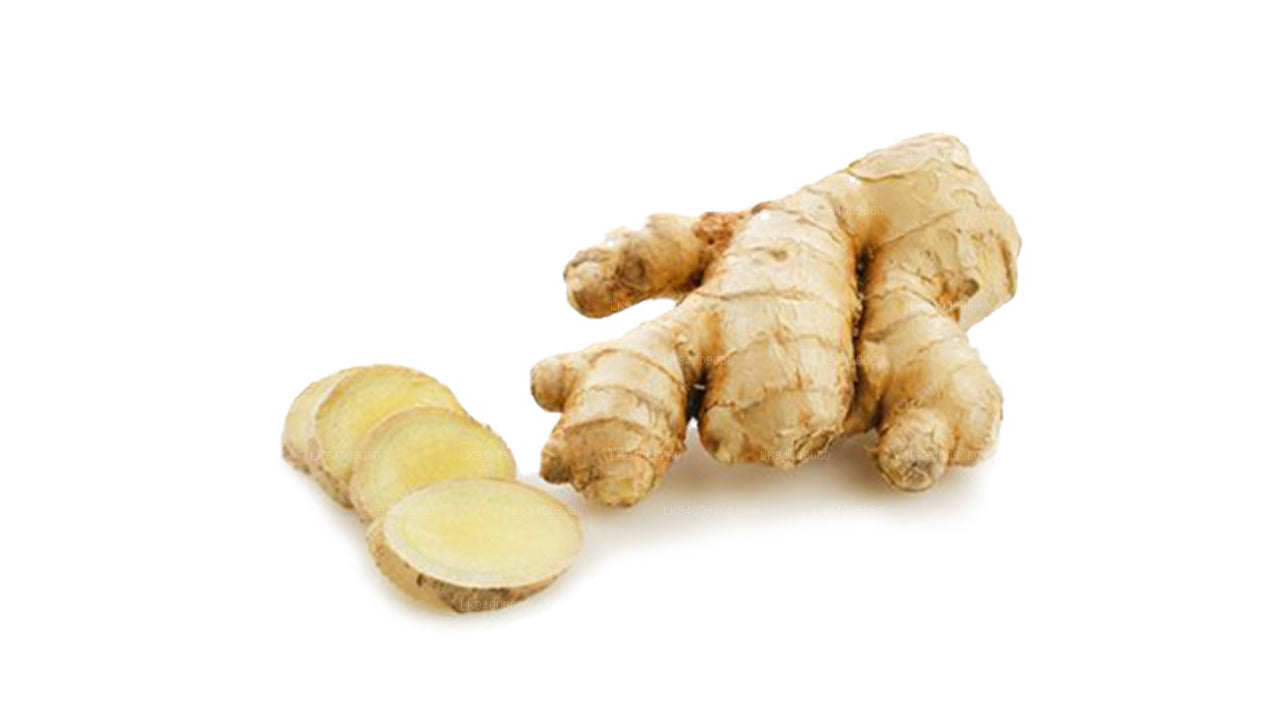 Ginger
Zingiber officinale
-
 Chives
Allium schoenoprasum
-
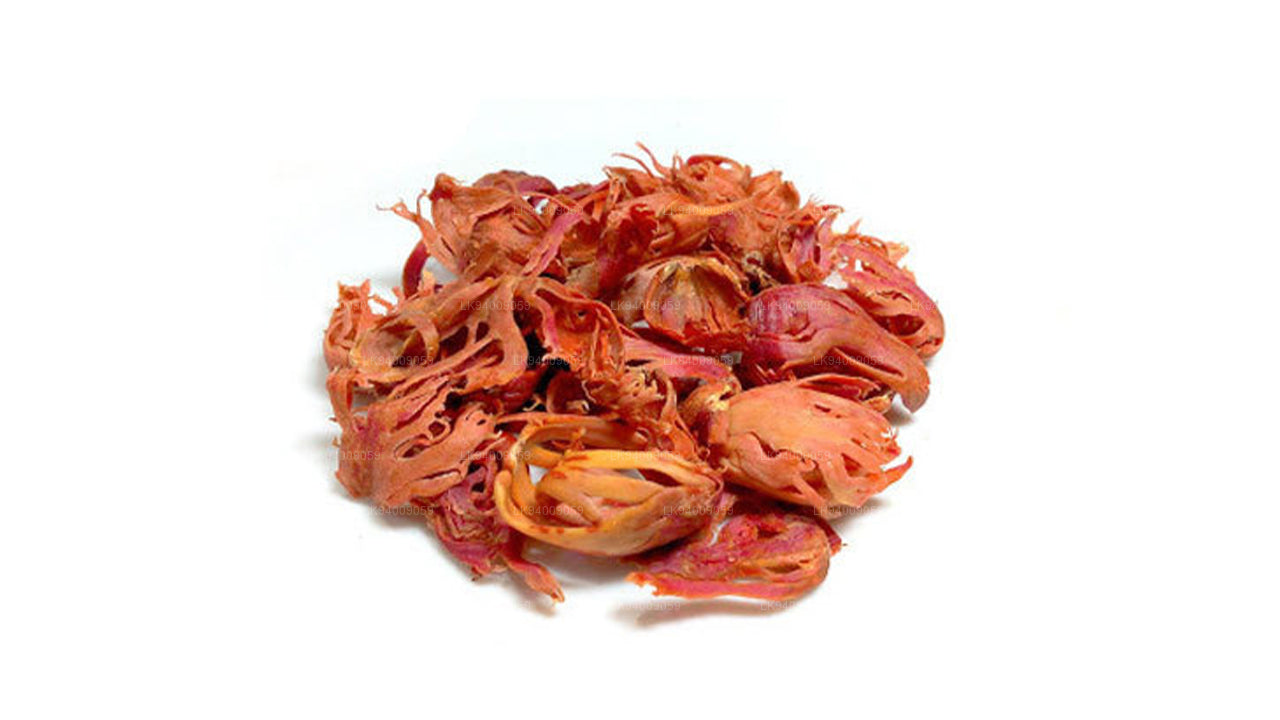 Mace
MaceMyristica fragrans
-
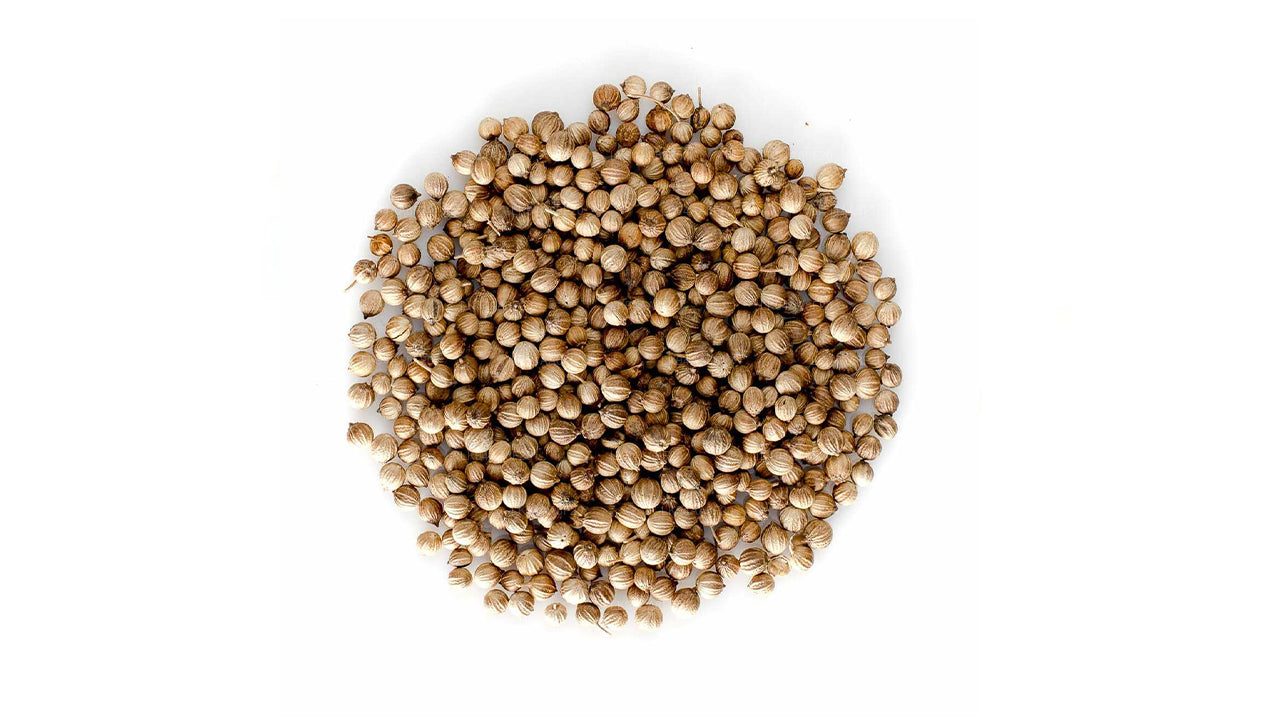 Corinder
Coriandrum sativum
-
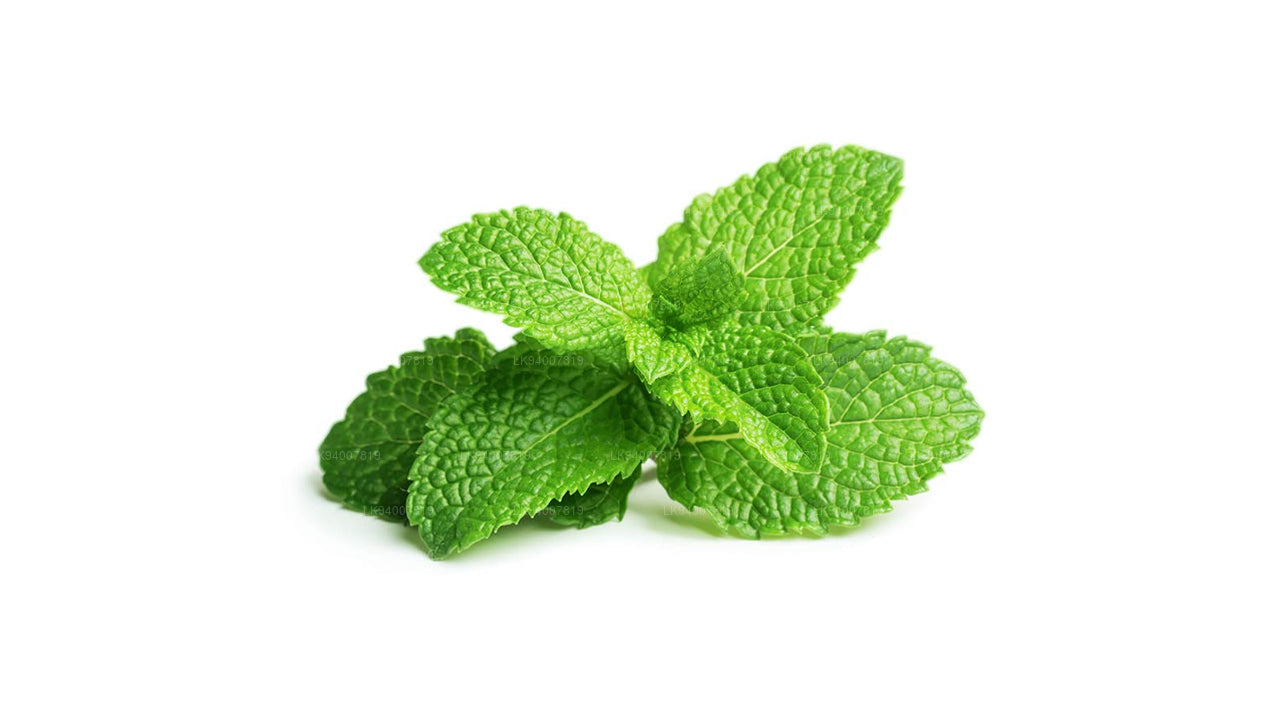 Mint
MintMentha
-
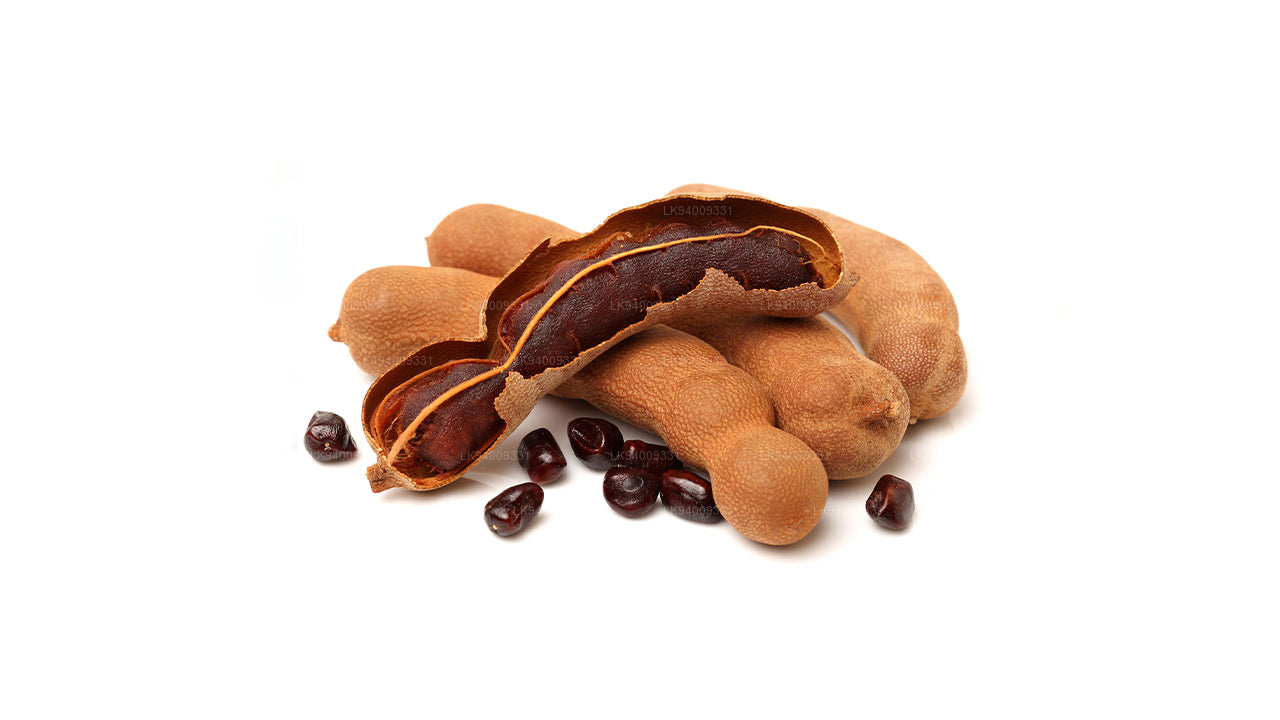 Tamarind
Tamarindus indica
-
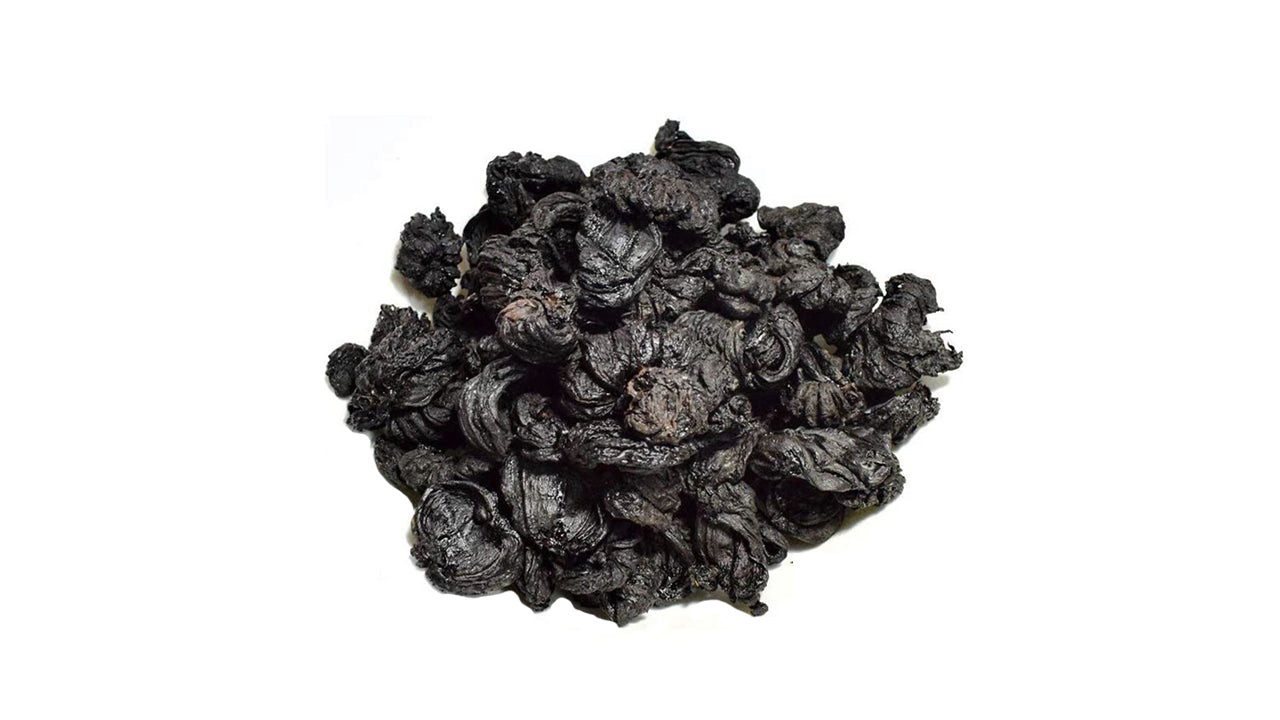 Brindleberry
Garcinia quaesita
-
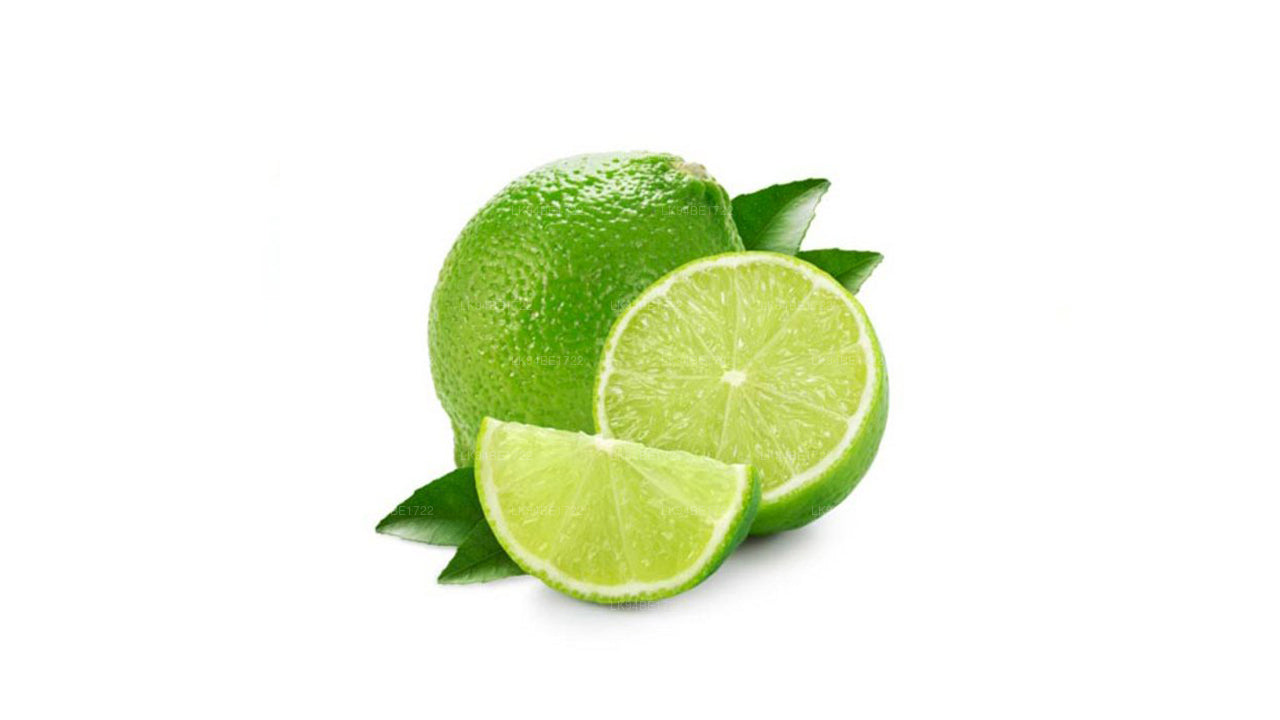 Lime
LimeCitrus aurantifolia
-
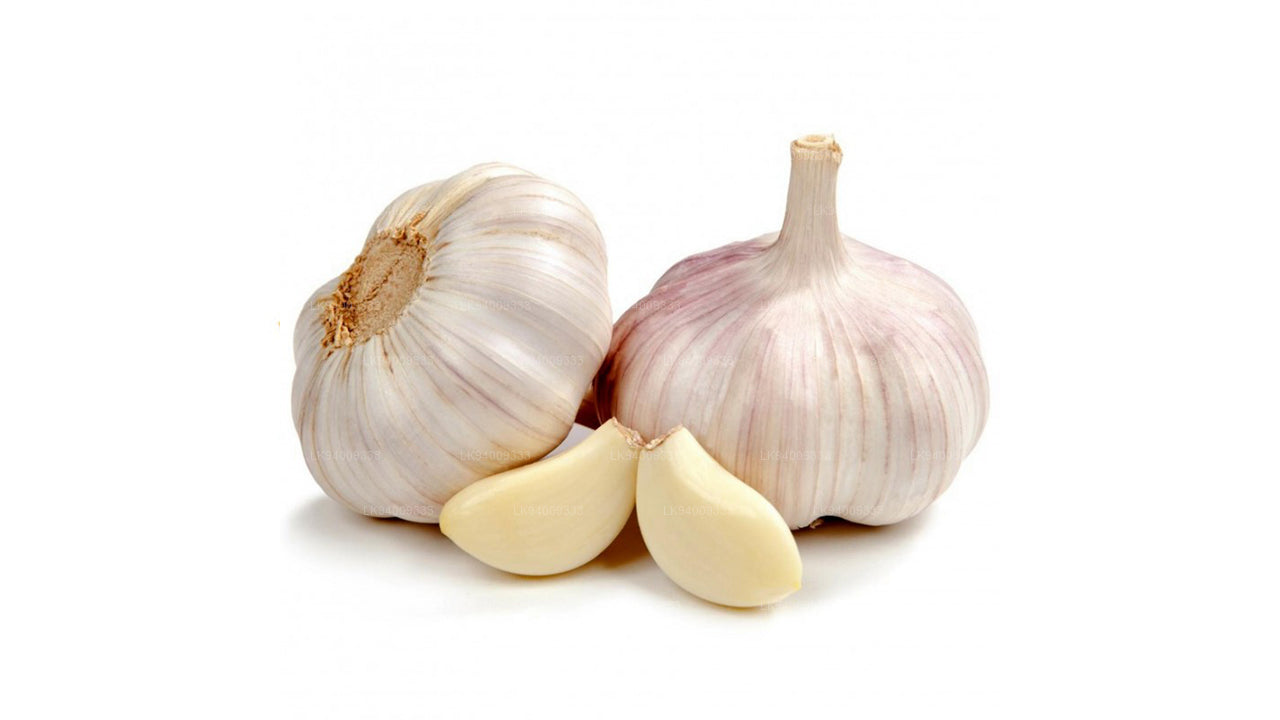 Garlic
Allium sativum
-
 Parsely
Petroselinum crispum
-
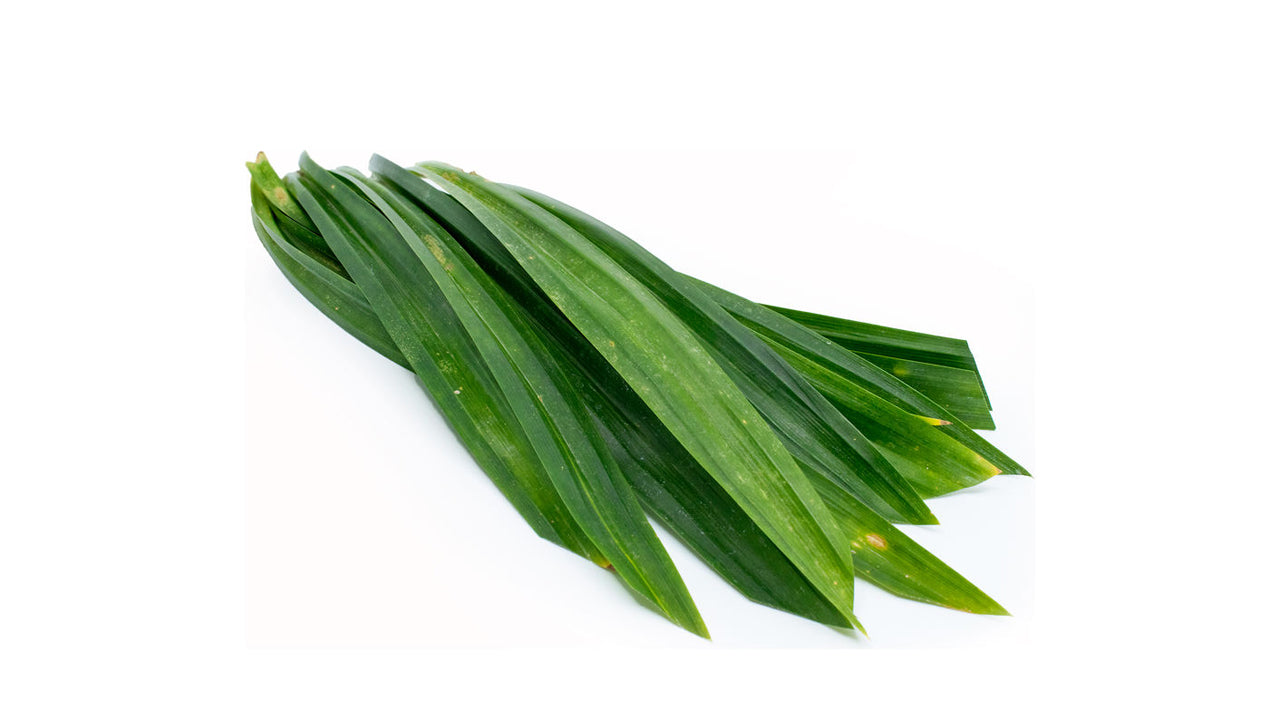 Pandan
Pandanus amaryllifolius
-
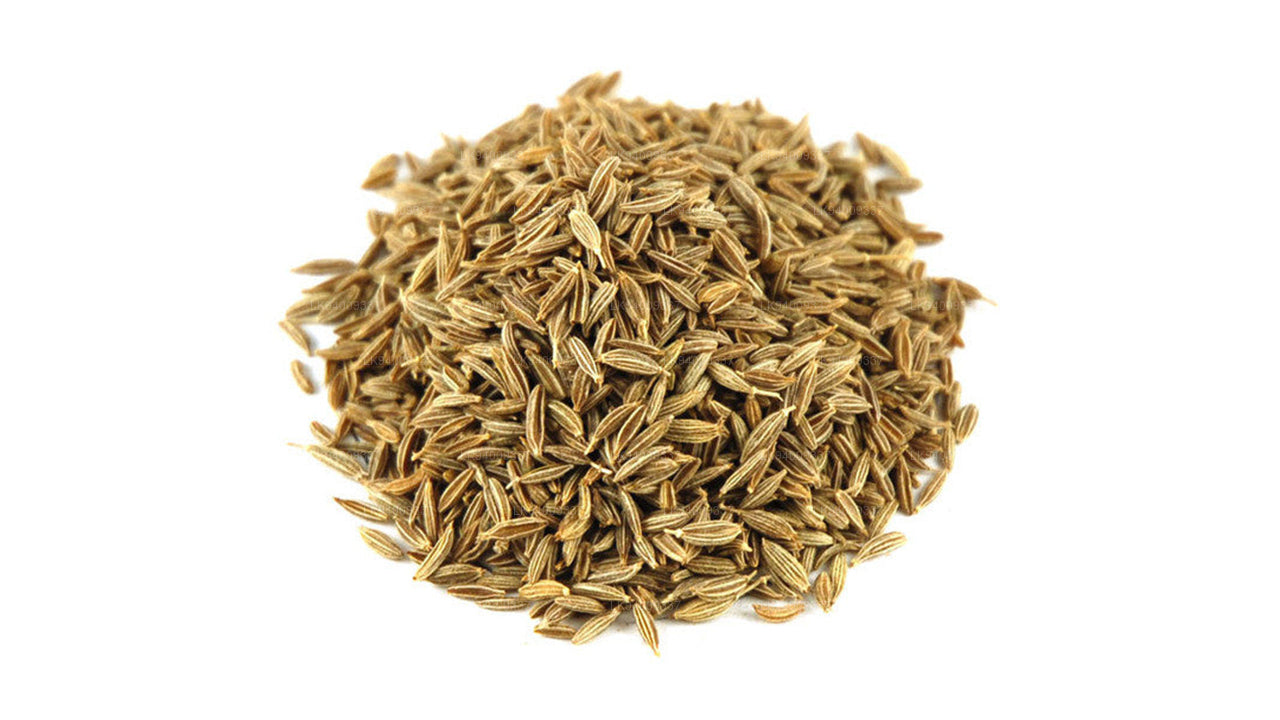 Cumin
CuminCuminum cyminum
-
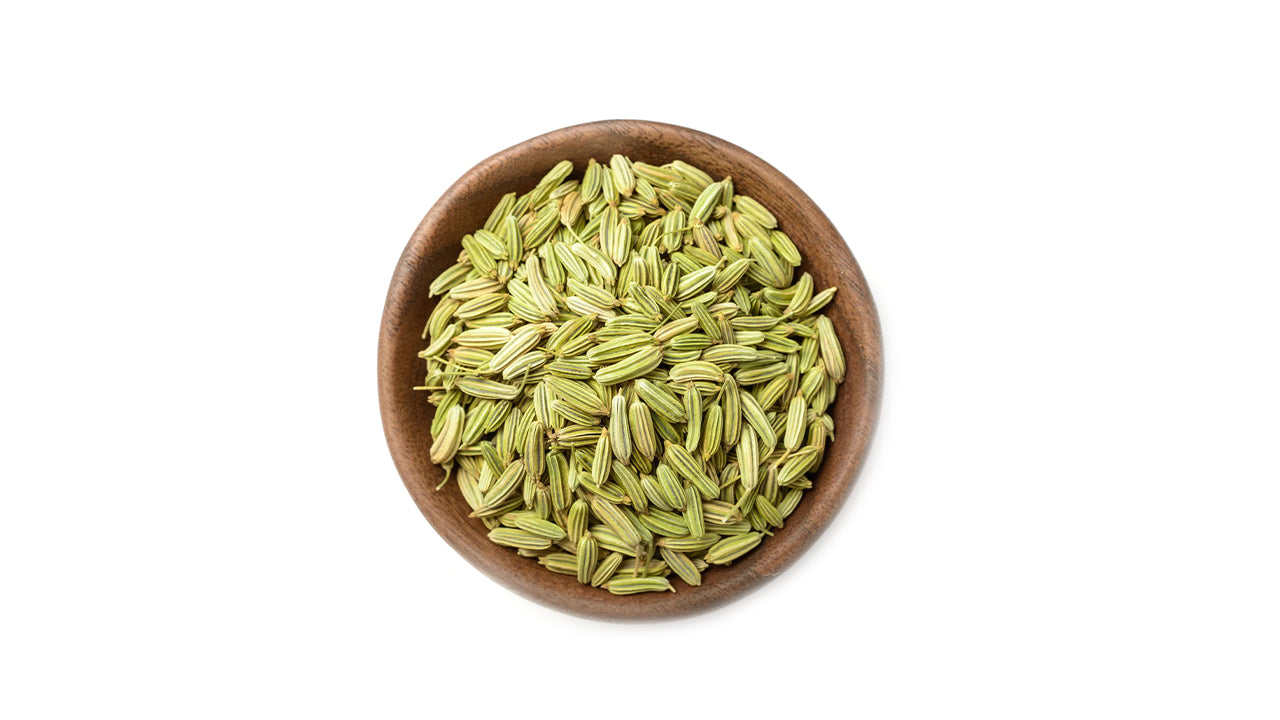 Fennel
Foeniculum vulgare