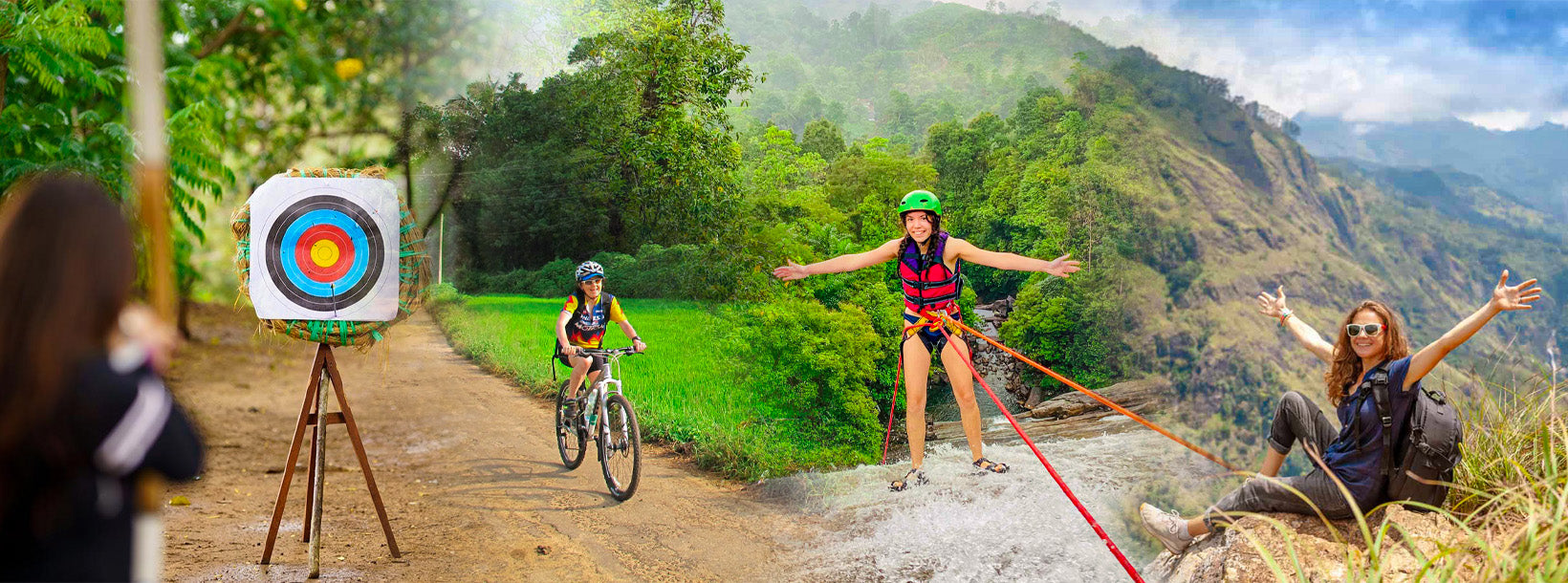
Sri Lanka packs an extraordinary range of landscapes into a relatively small island — cloud-draped highlands, dense rainforests, ancient river gorges, and long stretches of coastline. That variety translates directly into a rich menu of adventure activities, most of them accessible without the extreme logistics associated with larger destinations. Whether you are an experienced trekker or a first-time cyclist, the island offers something that will push you in the right direction.
What adventure activities can I do in Sri Lanka?
The list is longer than most visitors expect. Activities divide naturally by terrain:
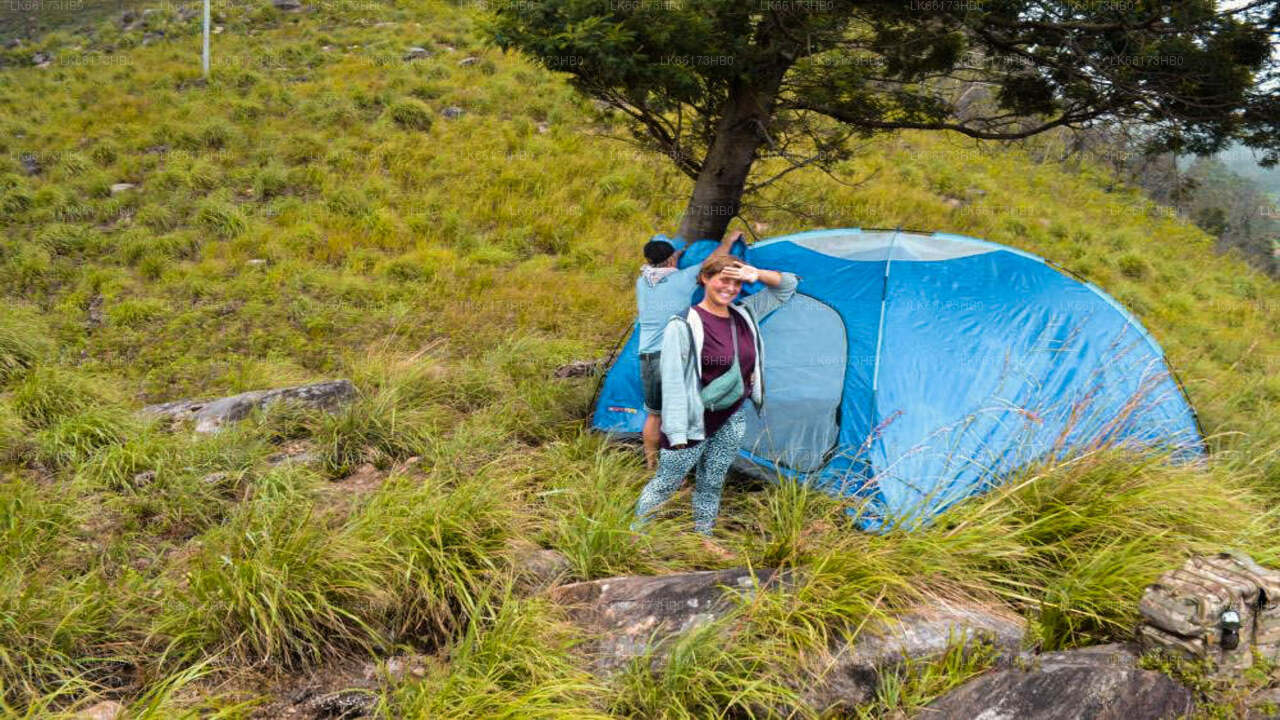
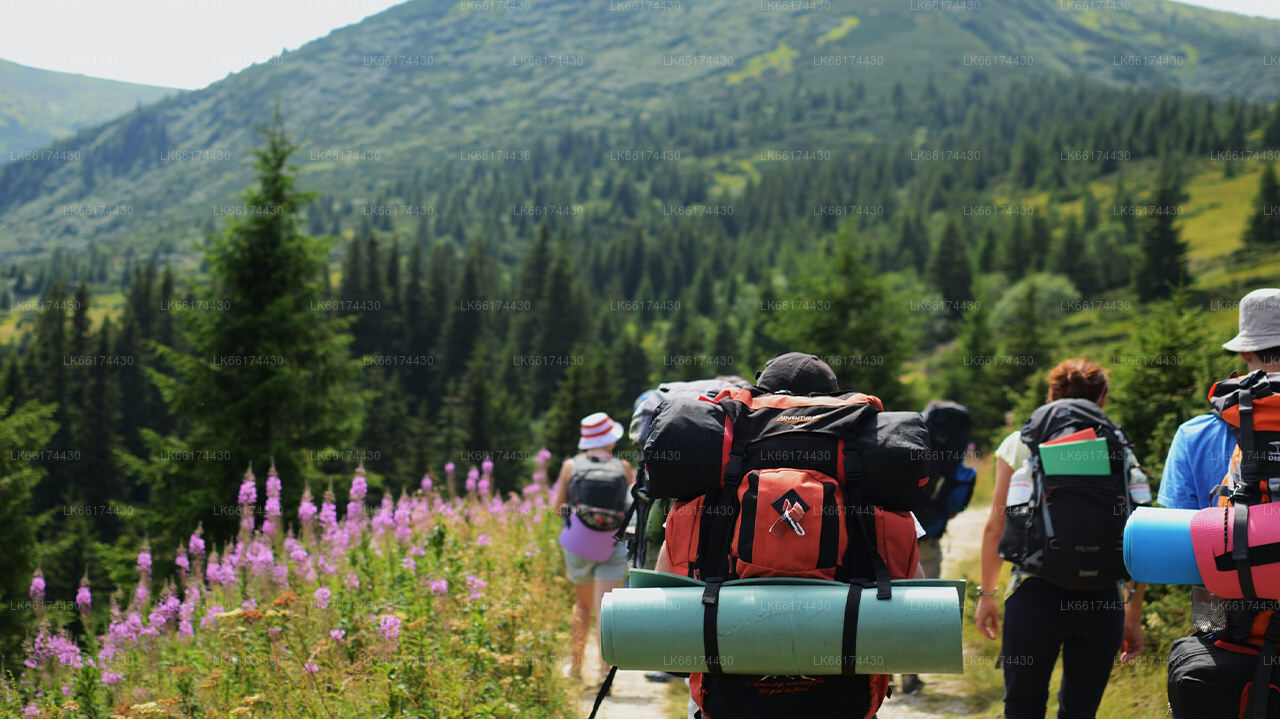
- Highlands and peaks: trekking, hiking, rock climbing, abseiling, canyoning, camping
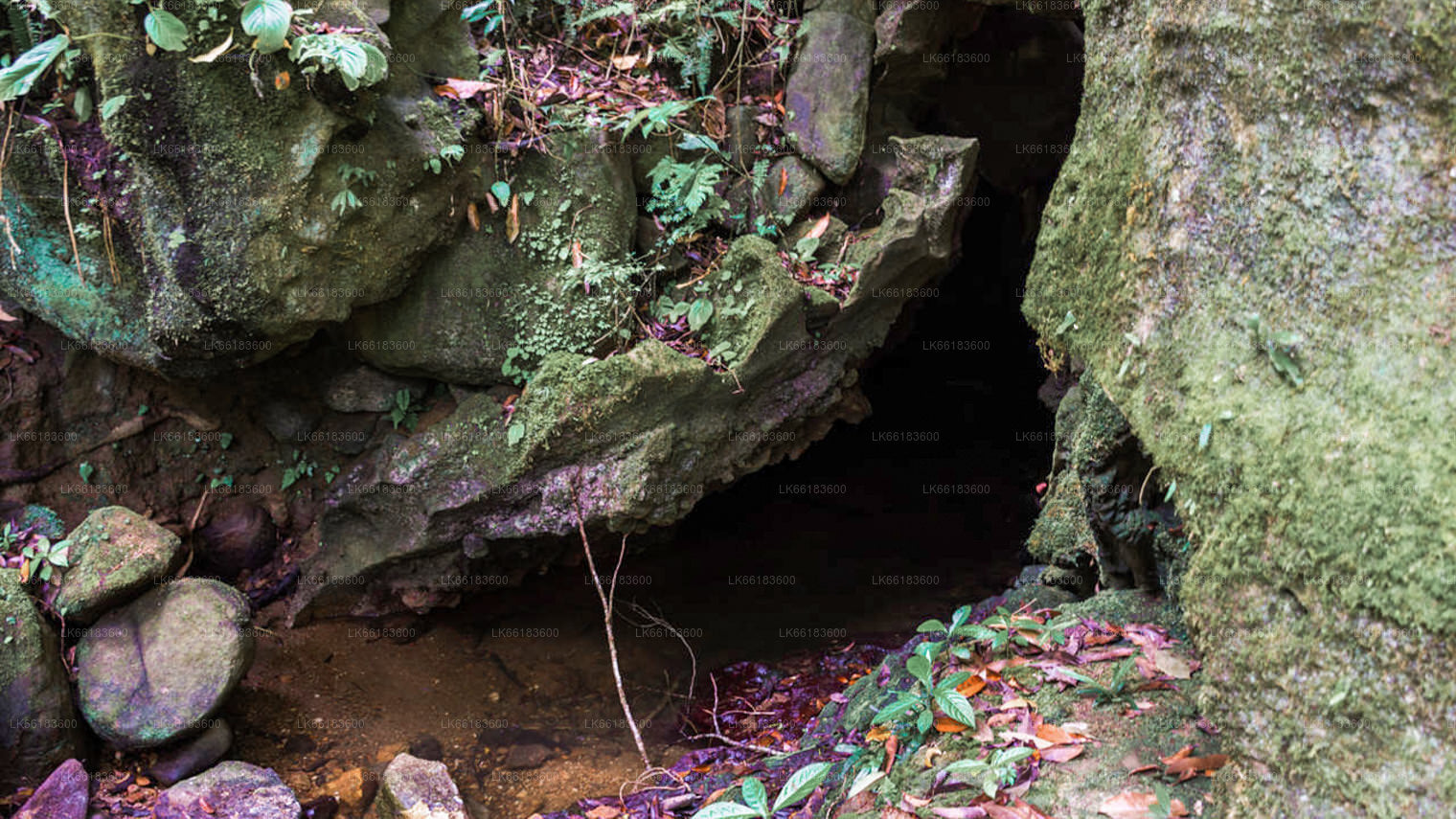
- Rivers and waterways: white-water rafting, canyoning, caving near river systems, Madu River Safari
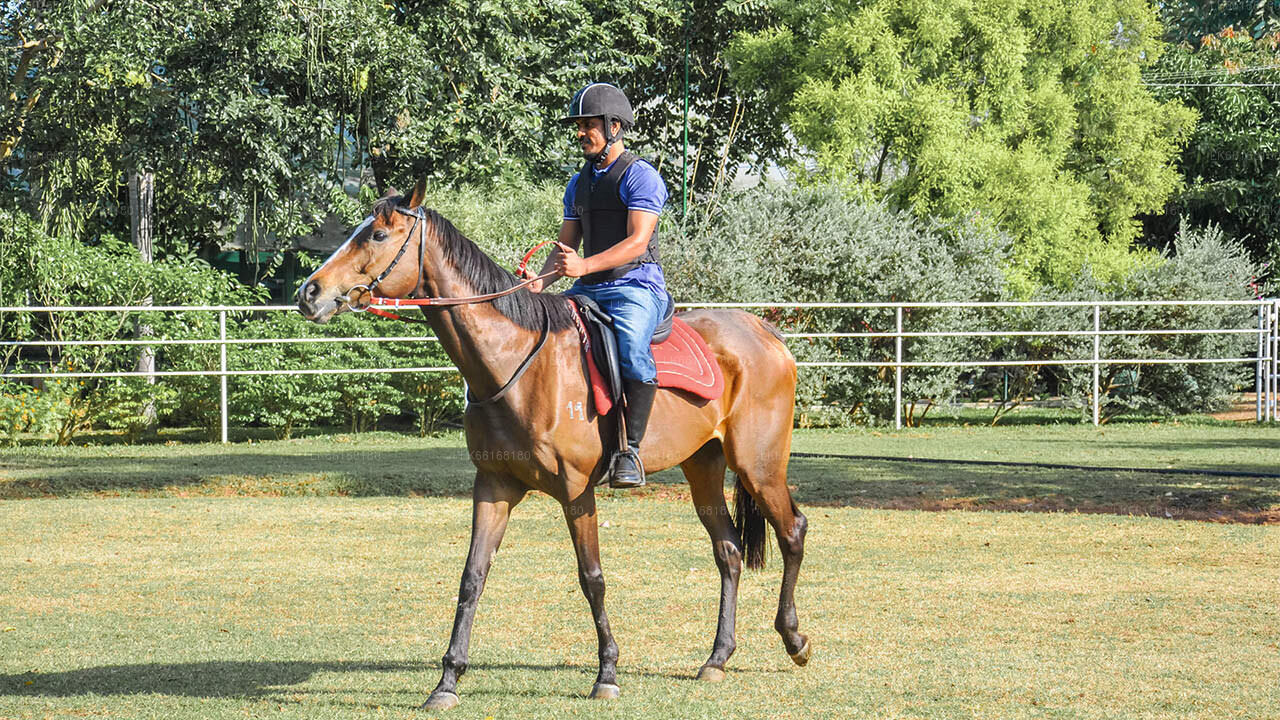
- Open countryside: cycling, horse-riding, off-road ATV driving, tuk-tuk safaris
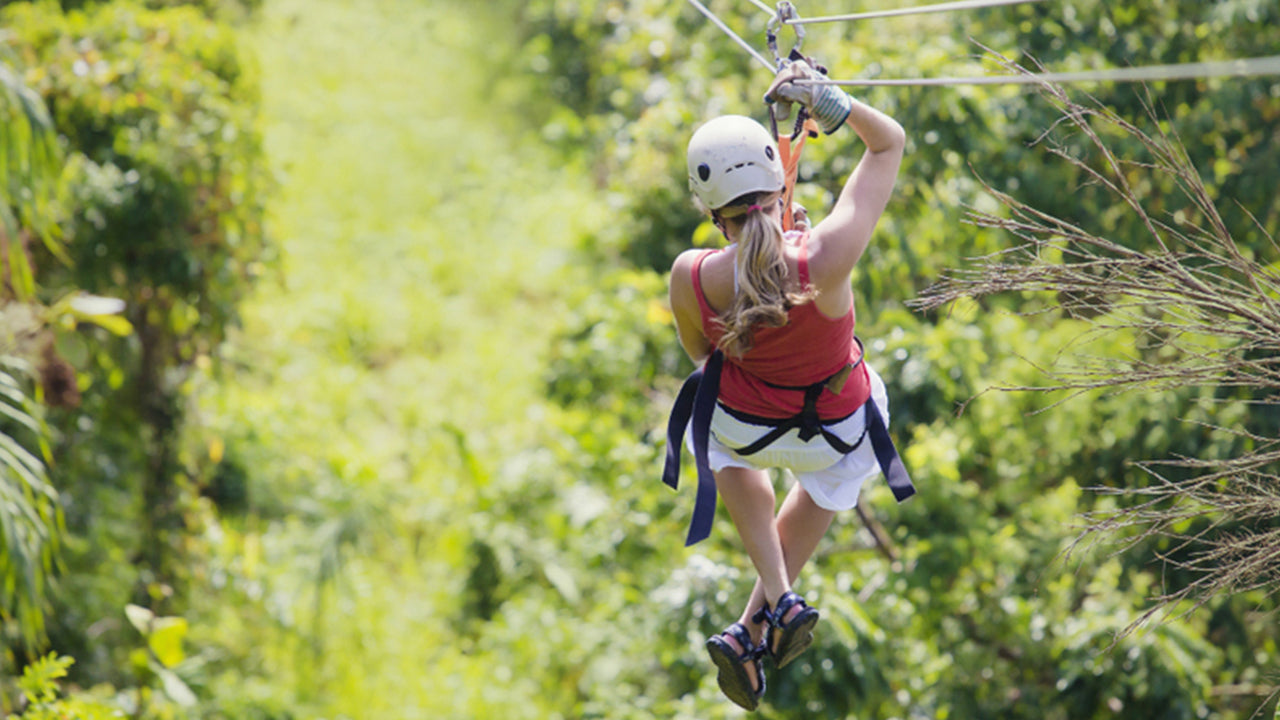
- Aerial: hot-air ballooning, paramotoring, ziplining
- Coast and ocean: deep-sea fishing, snorkelling, surfing, whale watching
Most operators are based close to the activity site, so travel time is rarely the bottleneck it might be elsewhere in Asia.
Where are the best trekking and hiking routes in Sri Lanka?
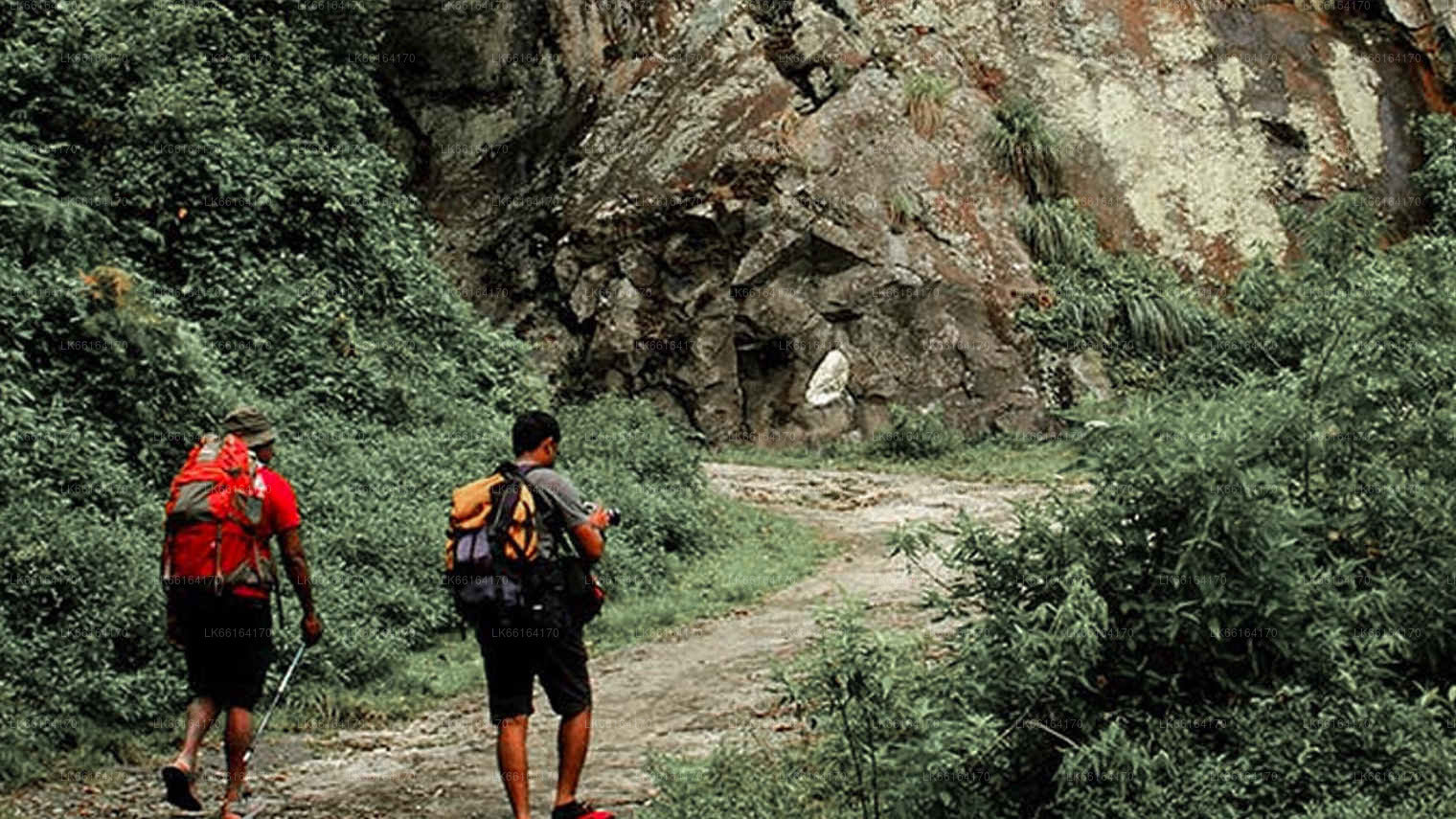
The central highlands hold the island's most rewarding trails. Horton Plains National Park offers a well-marked circular route that passes World's End — a near-vertical escarpment with views stretching toward the southern coast on clear mornings. The best window is roughly an hour after the park opens at dawn, before cloud rolls in.
Further east, Ella serves as a compact adventure hub. Little Adam's Peak and Ella Rock are both accessible on foot from the town centre and suit a range of fitness levels. Rawanagala, a lesser-visited granite outcrop in the Sabaragamuwa foothills, rewards those willing to venture off the standard tourist loop with solitude and panoramic highland views.
For serious multi-day wilderness trekking, the Sinharaja Forest Reserve — a UNESCO World Heritage rainforest — offers guided trails through primary forest where endemic bird species and purple-faced langurs are regular sightings. Permits and registered local guides are required.
Is hot-air ballooning available in Sri Lanka?
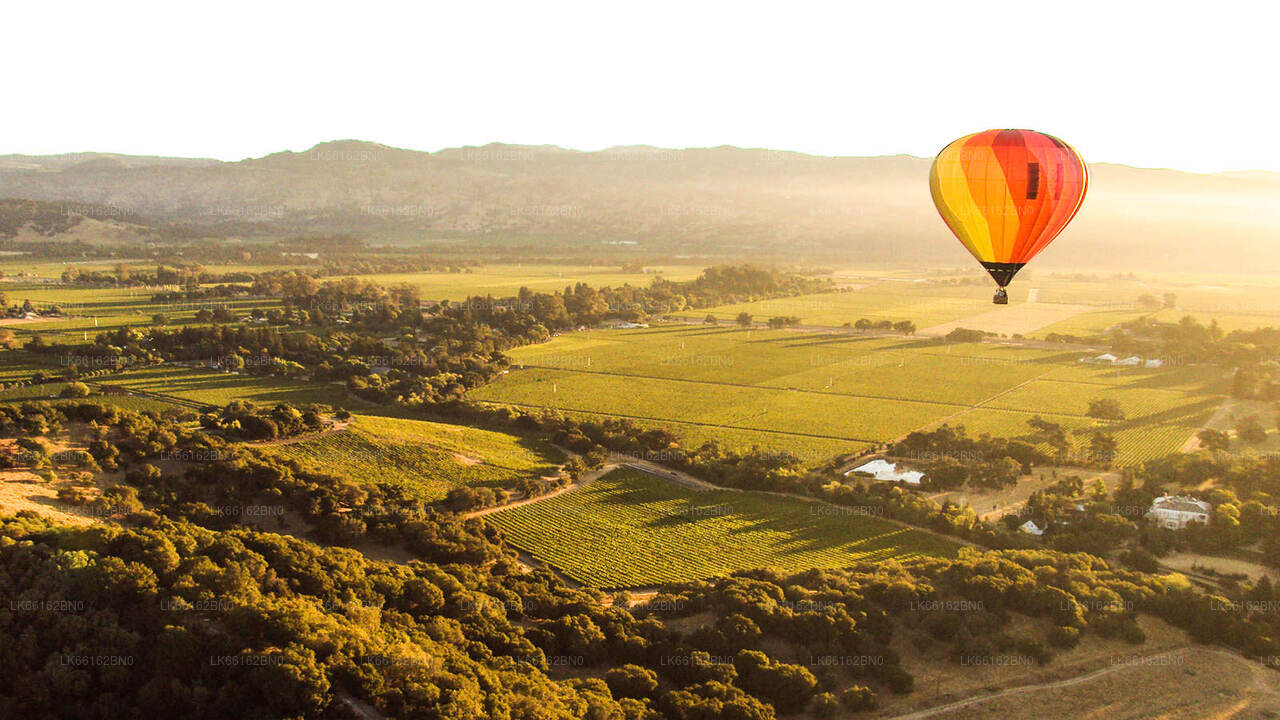
Hot-air ballooning operates primarily in the Cultural Triangle, with Dambulla and Sigiriya among the most popular launch sites. Flights typically take place at dawn, when winds are calmest and the early light picks out the geometry of ancient reservoirs and forest canopy below. The season broadly aligns with the dry months in the north-central zone, from roughly November through April. Passenger numbers per basket are limited, so advance booking is recommended.
What is canyoning and where can I try it in Sri Lanka?
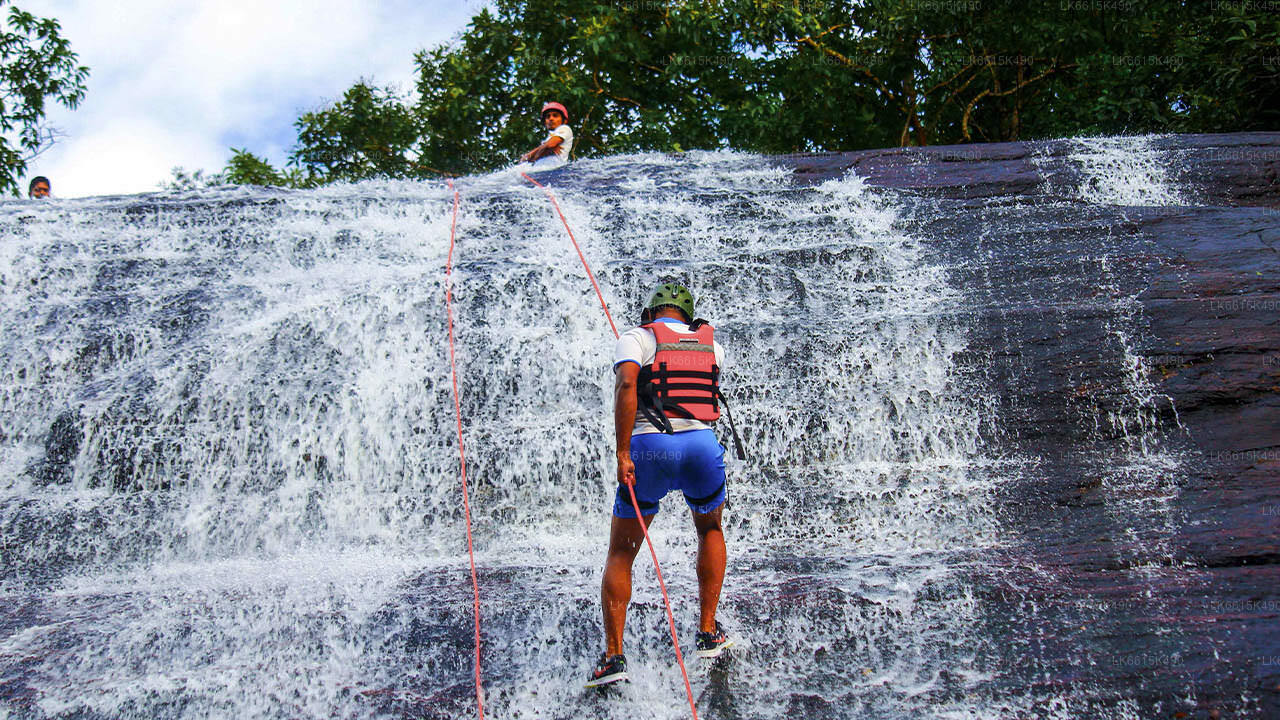
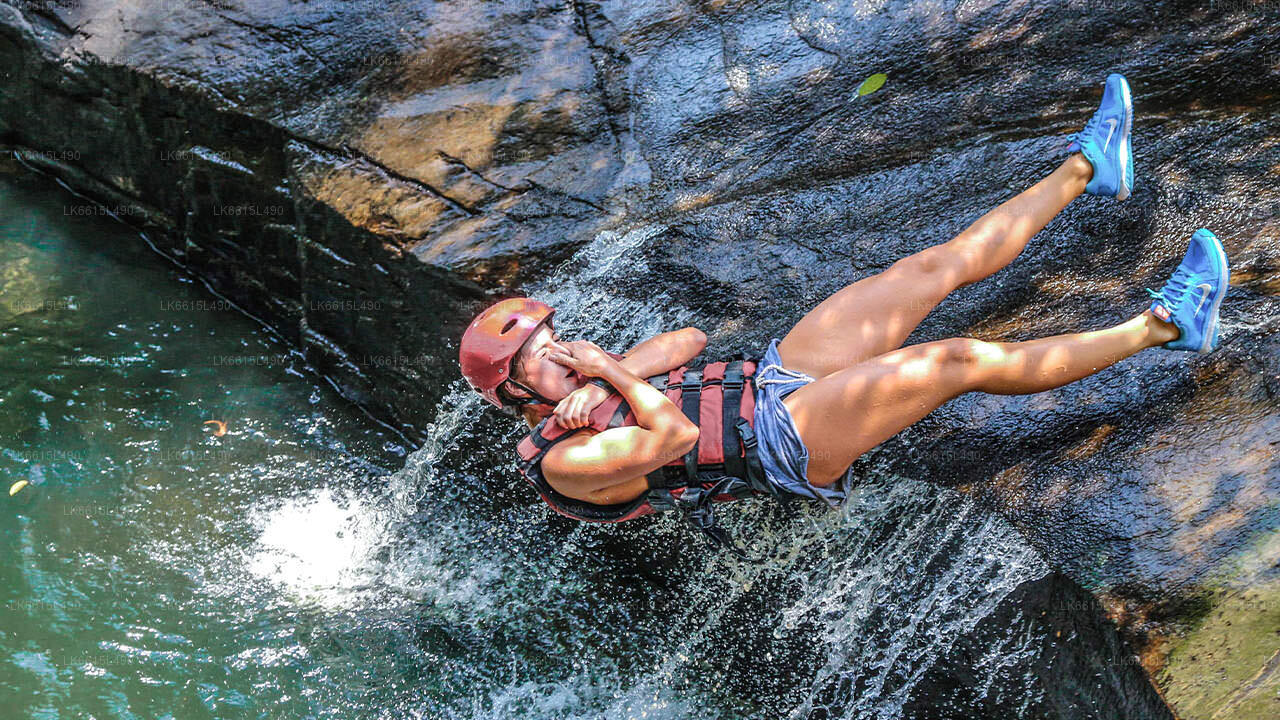
Canyoning combines hiking, scrambling, swimming, and abseiling down waterfalls inside river gorges. Sri Lanka's wet-zone river systems — fed by annual monsoonal rainfall — carve deep, technically interesting canyons that have become recognised adventure venues. The area around Kitulgala is the island's most established white-water and canyoning base, with rafting on the Kelani River complementing full-day canyon descents. The Makandawa Rainforest nearby adds a nature dimension to any multi-activity day in the region.
How do I experience off-road and ATV adventures in Sri Lanka?
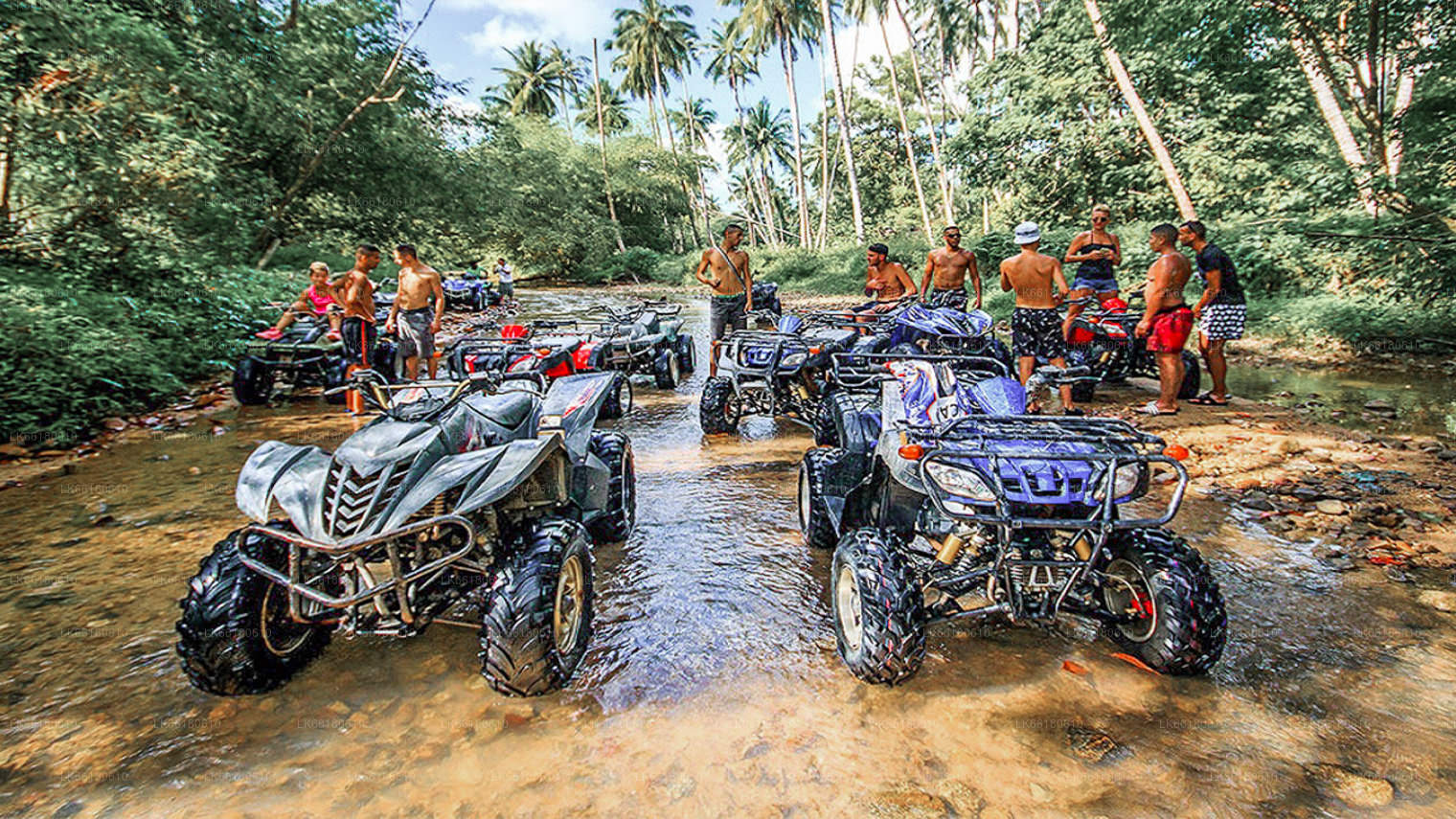
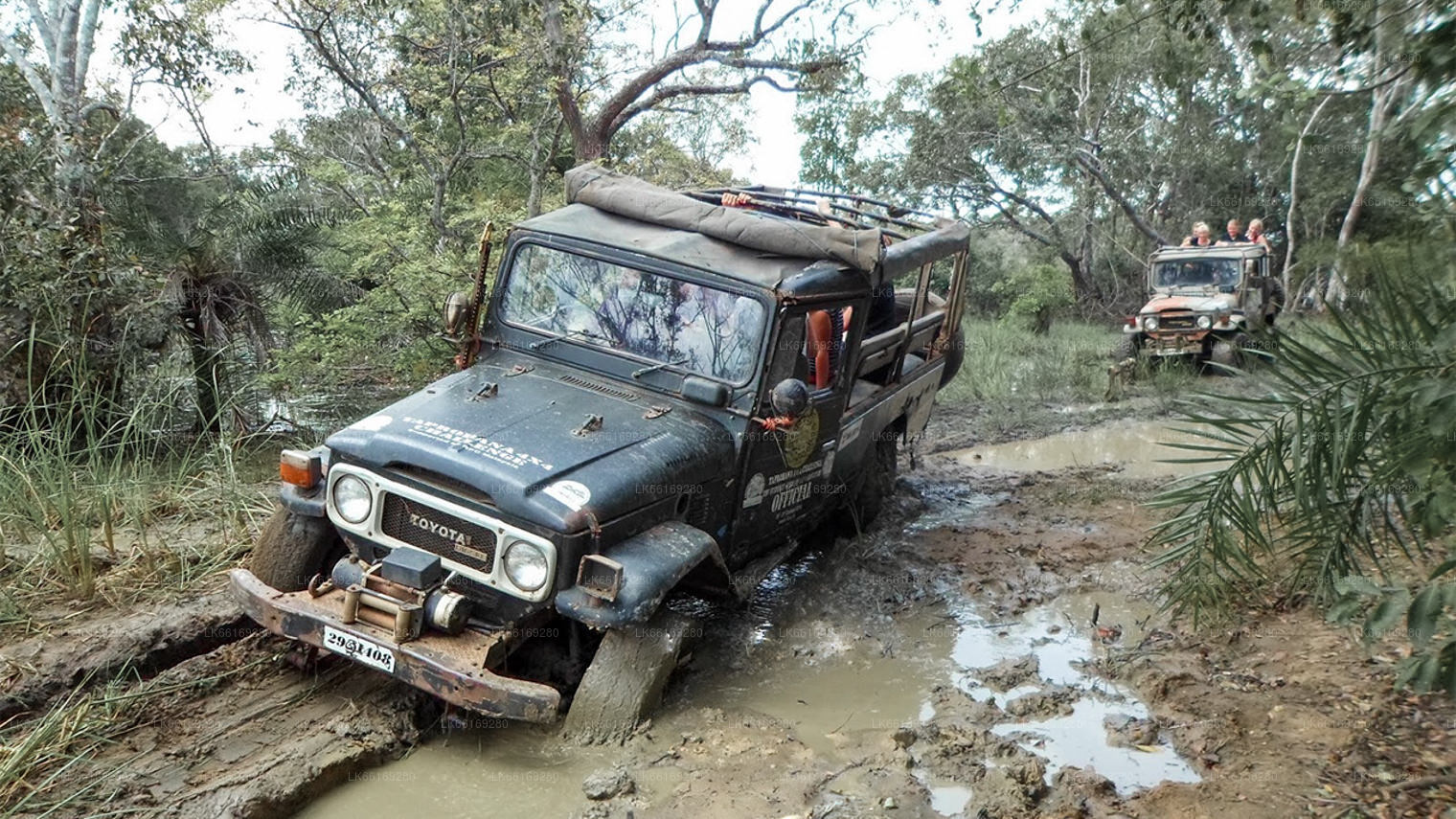
ATV (quad-bike) safaris are available near Habarana in the north-central province, cutting through scrub jungle and farmland in a region that also borders several national parks. Operators typically run routes through terrain that is inaccessible by conventional vehicle, making it a practical way to see rural landscapes that most travellers miss entirely. Off-road jeep safaris follow a similar logic, and many wildlife-focused drives into parks such as Udawalawe or Wilpattu count as genuine off-road experiences in their own right.
What cycling routes are worth considering?
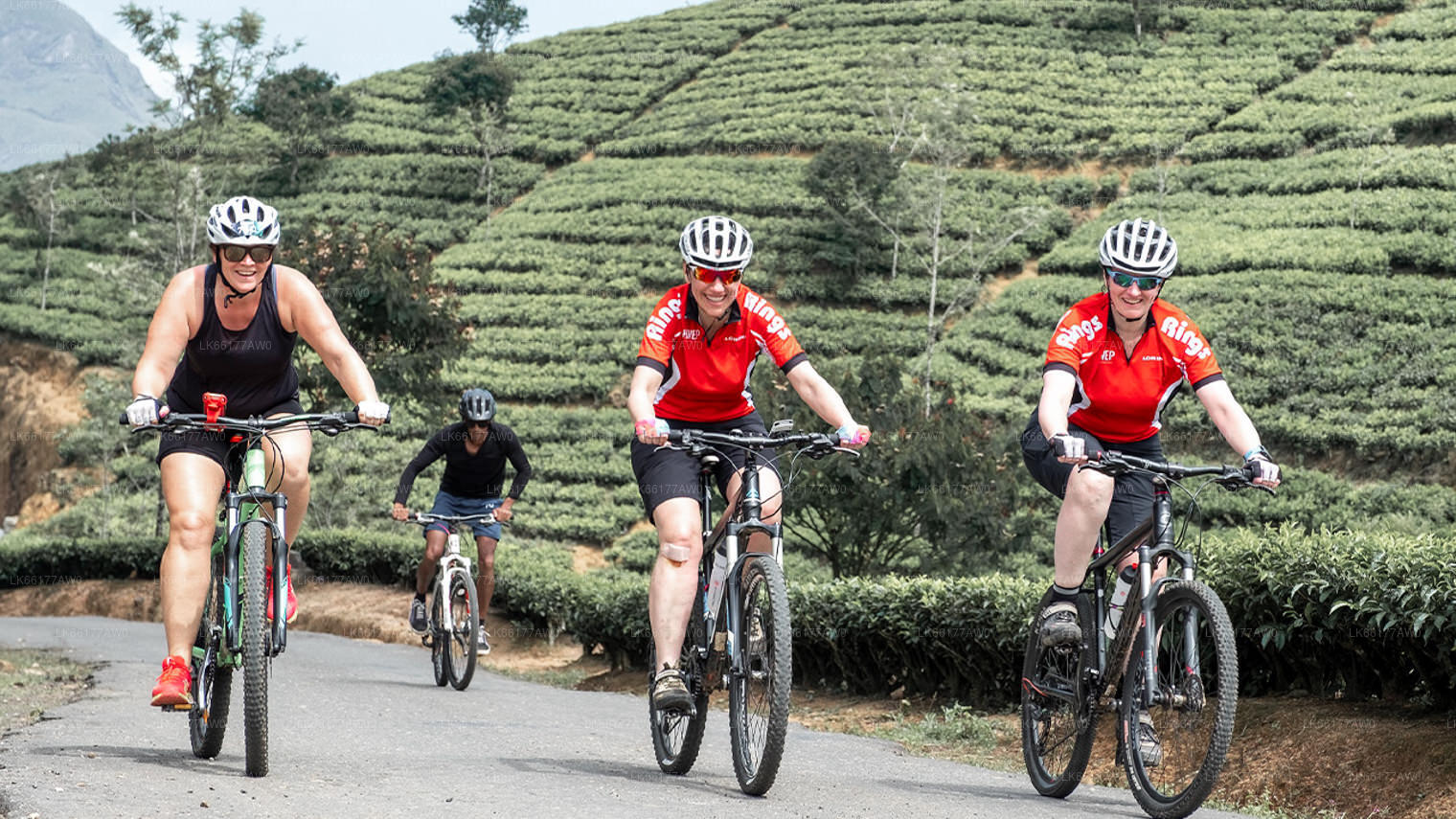
Cycling in Sri Lanka ranges from gentle rides through paddy-field landscapes to serious mountain ascents. The flat cultural triangle — linking Dambulla, Sigiriya, and Polonnaruwa — is popular for half-day cycles that pass reservoirs, ruins, and village life without excessive gradient. In the hill country, road cycling between Nuwara Eliya and Ella follows a dramatic descent through tea estates, though traffic on the A5 highway requires caution. Mountain-bike rental has grown in availability at major tourist centres.
When is the best time for adventure activities in Sri Lanka?
Sri Lanka's two monsoon seasons mean that no single period is universally ideal across the whole island. As a practical guide:
| Region | Best dry season | Primary activities |
|---|---|---|
| North-central (Cultural Triangle) | November – April | Ballooning, cycling, ATV, wildlife safaris |
| Hill country (Ella, Horton Plains) | December – April | Trekking, hiking, camping |
| South-west (Kitulgala, Sinharaja) | May – September | Rafting, canyoning, rainforest trekking |
| South coast | November – April | Surfing, deep-sea fishing, whale watching |
Shoulder months at the transitions can work well too, especially for highland trekking, where the landscape is at its greenest immediately after the rains ease.
Is rock climbing and abseiling developed in Sri Lanka?
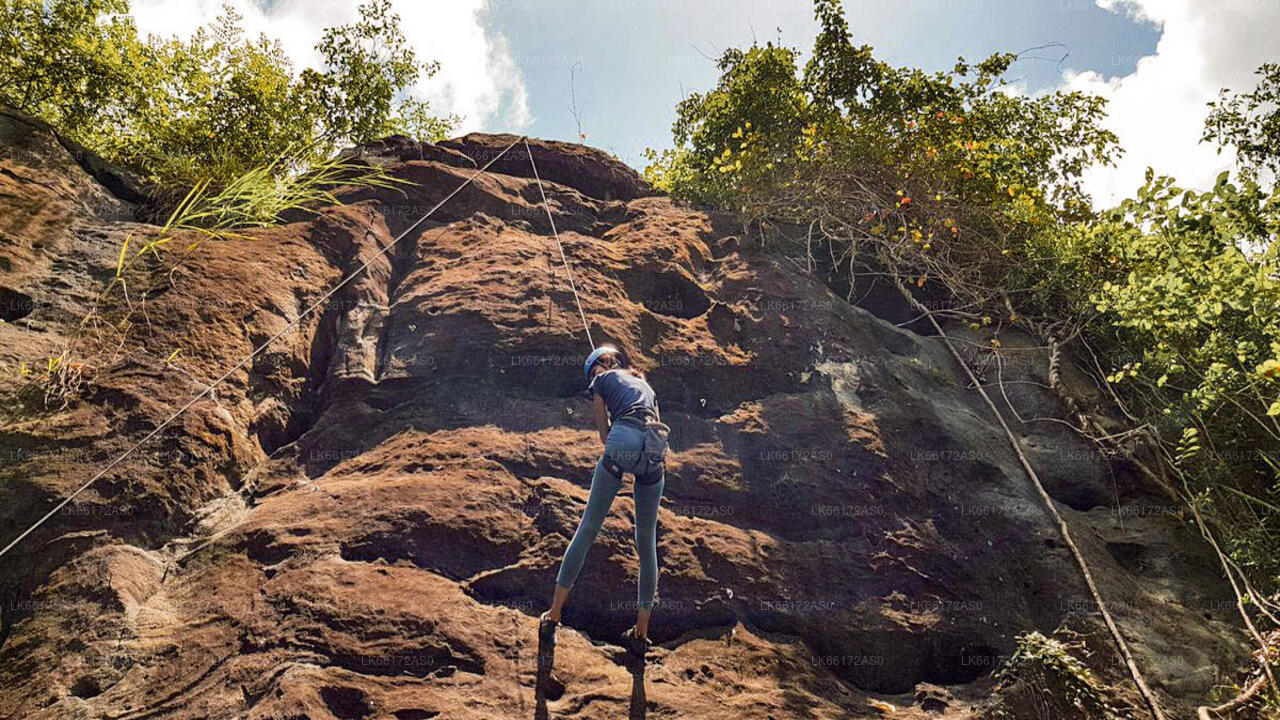
Rock climbing remains a niche pursuit on the island, but a small number of established operators run guided sessions on granite outcrops in the hill country and on coastal boulders in the south. Abseiling is more widely offered as part of packaged adventure days that combine it with canyoning or waterfall descents. Fixed anchors and safety standards have improved significantly at the main commercial sites over the past decade. Rawanagala is one venue where both skills are applied on natural rock in a relatively remote setting.
Can I combine adventure activities with wildlife experiences?
In many cases, yes — and this is one of Sri Lanka's particular strengths as an adventure destination. A cycling route through the buffer zone of a national park, a river safari through mangrove channels, or a dawn trek through the cloud-forest corridor of Horton Plains all place you inside functioning ecosystems rather than beside them. The Elephant Transit Home at Udawalawe offers a wildlife dimension that pairs naturally with a safari or off-road day in the southern zone. Responsible operators integrate Leave No Trace principles into their itineraries, and Lakpura works only with guides and outfitters who hold valid permits and carry appropriate safety equipment.
How physically demanding are Sri Lanka's adventure activities?
The range is genuinely wide. A sunrise hot-air balloon flight demands nothing beyond the ability to stand in a basket, while a full-day Sinharaja canyon descent through dense vegetation requires solid fitness and a tolerance for heat and humidity. Most commercial operators grade their offerings and will give honest assessments during booking. Altitude in the hill country rarely creates acclimatisation problems for fit travellers — the highest accessible peak, Pidurutalagala, sits just over 2,500 m — but heat and humidity at lower elevations should not be underestimated, particularly from March to May.