Looking for Train Tickets?
Gare de Kandy


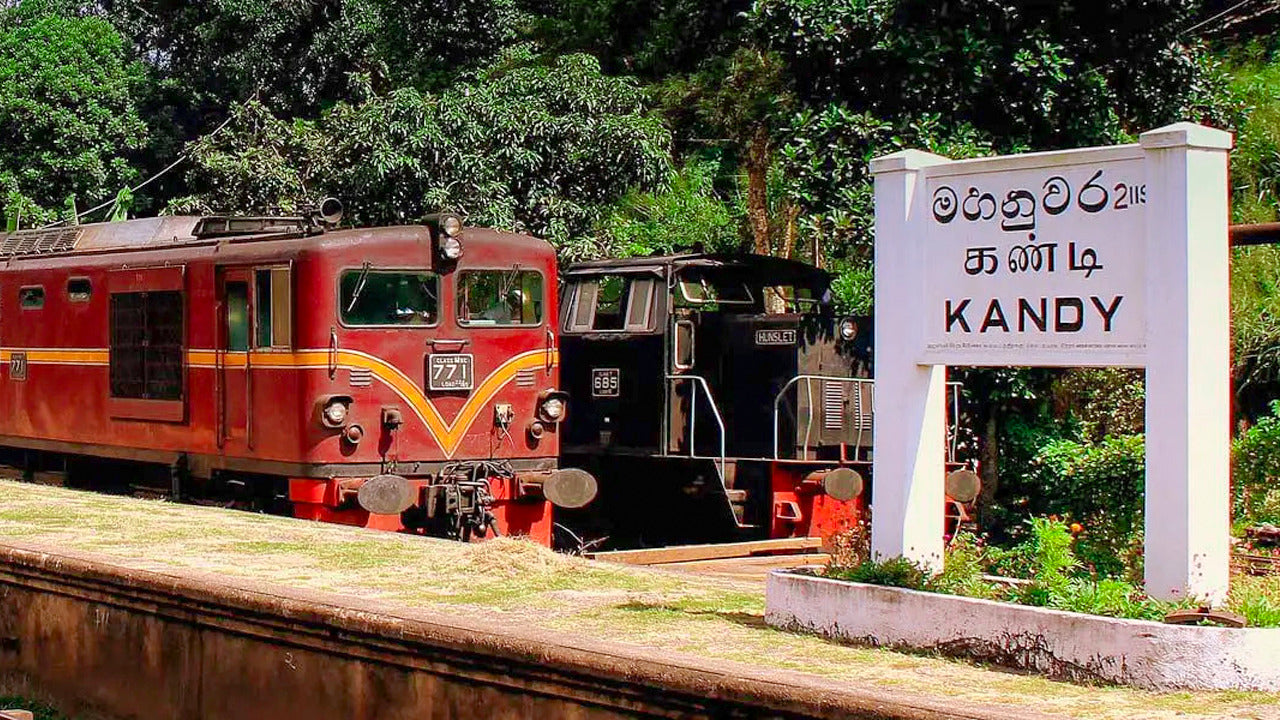
La gare de Kandy est une gare ferroviaire majeure à Kandy, au Sri Lanka. La gare est exploitée par Sri Lanka Railways et constitue la principale gare ferroviaire de Kandy, ainsi que l'une des plus importantes des collines centrales. La gare se trouve sur une branche de la ligne principale, menant à la ligne de Matale.
La ligne de chemin de fer de Colombo à Kandy a été prolongée par étapes, la première étape jusqu'à Ambepussa étant achevée en décembre 1864 et l'étape suivante jusqu'à Polgahawela en novembre 1866. Après la construction de ponts sur le Mahaweli Ganga et le Maha Oya, les derniers rails furent posés le 15 avril 1867. Le lendemain, la première locomotive à vapeur entra dans la gare de Kandy. Le 30 avril 1867, le premier train, un service de marchandises, effectua le trajet de Colombo à Kandy, et le premier service de voyageurs commença le 1er août 1867. Initialement, il y avait deux services de trains de voyageurs/courrier, partant des extrémités respectives de la ligne à 7h00, et le trajet complet durait 4,5 heures.
La gare de Kandy présente à la fois une architecture moderniste et victorienne. Le bâtiment de la gare est de style Art Moderne, incorporant des formes courbes et de longues lignes horizontales. Il utilise une masse de béton pour créer une forme géométrique. Ses murs minimalistes et ses formes simples et audacieuses contrastent fortement avec l'architecture traditionnelle hautement ornementée qui l'entoure.