Sri Angulimala Maha Stupa

Sri Angulimala Maha Stupa Sri Angulimala Maha Stupa Sri Angulimala Maha Stupa

Sri Angulimala Maha Stupa is a prominent Buddhist stupa located in the sacred city of Anuradhapura, Sri Lanka. It is dedicated to the legendary figure of Angulimala, a notorious bandit who, according to Buddhist tradition, renounced his violent ways after encountering the Buddha and ultimately became one of his followers. The stupa symbolizes redemption, transformation, and the power of compassion in the Buddhist faith.

The stupa's architecture is traditional, featuring a large dome with a serene and peaceful atmosphere surrounding it. It is constructed with a blend of ancient and modern elements, representing the harmonious relationship between historical Buddhist practices and contemporary spiritual significance. The site also includes meditation areas and smaller shrines, making it a place for contemplation and prayer.

Visitors to Sri Angulimala Maha Stupa can explore its peaceful surroundings, learn about the life and teachings of Angulimala, and reflect on the themes of forgiveness, spiritual growth, and redemption. The stupa is an important pilgrimage site for both locals and tourists, offering a unique spiritual experience linked to one of Buddhism's most compelling stories.

The best time to visit Sri Angulimala Maha Stupa is during the dry season, from December to April, when the weather is ideal for sightseeing and outdoor exploration. Easily accessible from Anuradhapura, the stupa provides a meaningful experience for those interested in Sri Lanka's Buddhist heritage and the story of Angulimala's transformation.

Sri Angulimala Maha Stupa Sri Angulimala Maha Stupa Sri Angulimala Maha Stupa

About Kurunegala District

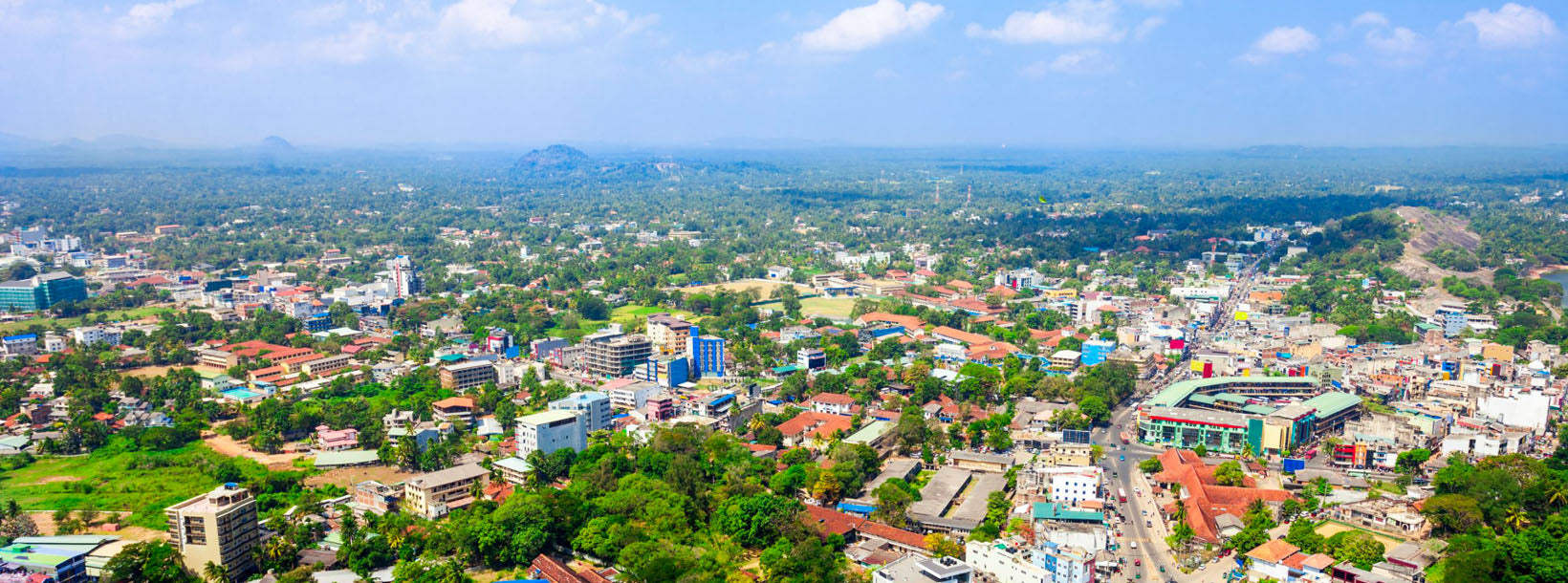
Kurunegala is the capital of the Wayamba Province in Sri Lanka and the Kurunegala District.Kurunegala was a royal capital for only 50 years, from the end of the 13th century to the start of the next, though even before this it was strategically placed in the middle of other majestic strongholds such as Yapahuwa to the north, Dambadeniya to the south and Panduwasnuwara in the east. Ethagala a rock reaching 316 meters, towers over the town, which is located at an altitude of 116 meters above sea level. The shape of Ethagala resembles an Elephant. A transport hub, it has a railway station, and several main roads linking important parts of the country.Kurunegala is situated about 94 km from Colombo, and 42 km from Kandy.

Most of Kurunegala's residents belong to the Sinhalese majority. Other ethnic minorities include the Sri Lankan Moors, Sri Lankan Tamils, Burghers and Malays. Residents from ethnic minorities live in all parts of the city, however, sizeable communities of Moors and Tamils also live in the areas of Teliyagonna and Wilgoda.

About North Western Province

North Western Province is a province of Sri Lanka. The districts of Kurunegala and Puttalam formulate North Western or Wayamba. Its capital is Kurunegala, which has a population of 28,571. The province is known mainly for its numerous coconut plantations. Other main towns in this province are Chilaw (24,712) and Puttalam (45,661), which are both small fishing towns. The majority of the population of Wayamba province is of Sinhalese ethnicity. There is also a substantial Sri Lankan Moor minority around Puttalam and Sri Lankan Tamils in Udappu and Munneswaram. Fishing, prawn farming and rubber tree plantations are other prominent industries of the region. The province has an area of 7,888 km² and a population of 2,184,136 (2005 calculation).

Wayamba is the third largest paddy producing area in Sri Lanka .Wayamba has a highly developed agricultural economy, growing a variety of fruits and vegetables, flowering plants, spices, oil-seeds in addition to the traditional plantation crops such as Coconut, Rubber and Rice. Rich soils and varied climate give Wayamba a potential for growing of virtually any crop.

In Wayamba or North western province, home for ancient Buddhist rock temples, magnificent citadels Panduwasnuwara, Dambadeniya, Yapahuwa and Kurunegala. Impressive remains of those citadels, palaces, Buddhist temples and monasteries provide exciting sight seeing to the visitors.