Lakpura
Lakpura®

Anuradhapura

Anuradhapura is one of the oldest continuously inhabited cities in Asia and the first great capital of Sri Lanka. For more than 1,300 years it served as the political, religious, and intellectual heart of the island, producing monumental architecture, sophisticated hydraulic engineering, and a tradition of Theravada Buddhist scholarship that still resonates today. Designated a UNESCO World Heritage Site in 1982 under the name Sacred City of Anuradhapura, the ancient core of the city draws pilgrims and historians in equal measure.

What is the history of Anuradhapura?

Settlement at Anuradhapura dates to at least the 4th century BC. The city rose to prominence after the arrival of Buddhism in Sri Lanka, traditionally dated to the 3rd century BC during the reign of King Devanampiya Tissa. According to the chronicles, the Indian princess Sanghamitta brought a cutting of the sacred Bodhi tree — the fig tree beneath which the Buddha attained enlightenment — and planted it in the royal park. That cutting survives today as the Sri Maha Bodhi, believed to be the oldest documented living tree in the world.

Over the following centuries, successive kings expanded the city's monasteries, stupas, and reservoirs into one of the most ambitious urban projects of the ancient world. Anuradhapura also became a major centre of Theravada Buddhist philosophy; the revered scholar Buddhaghosa compiled and translated canonical texts here in the 5th century AD. The city was abandoned following a South Indian invasion in 993 AD and reclaimed by jungle, which paradoxically preserved much of its fabric until archaeological work began in the 19th century.

What are the most important sites to visit in Anuradhapura?

The sacred area contains eight principal pilgrimage sites, known collectively as the Atamasthanaya, along with numerous secondary monuments spread across a wide archaeological zone. The sites below represent the essential circuit.

  • Sri Maha Bodhi — The sacred fig tree grown from a cutting brought by Sanghamitta. Enclosed within a gilded railing and tended by an unbroken line of custodians, it remains the most actively worshipped spot in the city. Pilgrims arrive daily from across the Buddhist world.
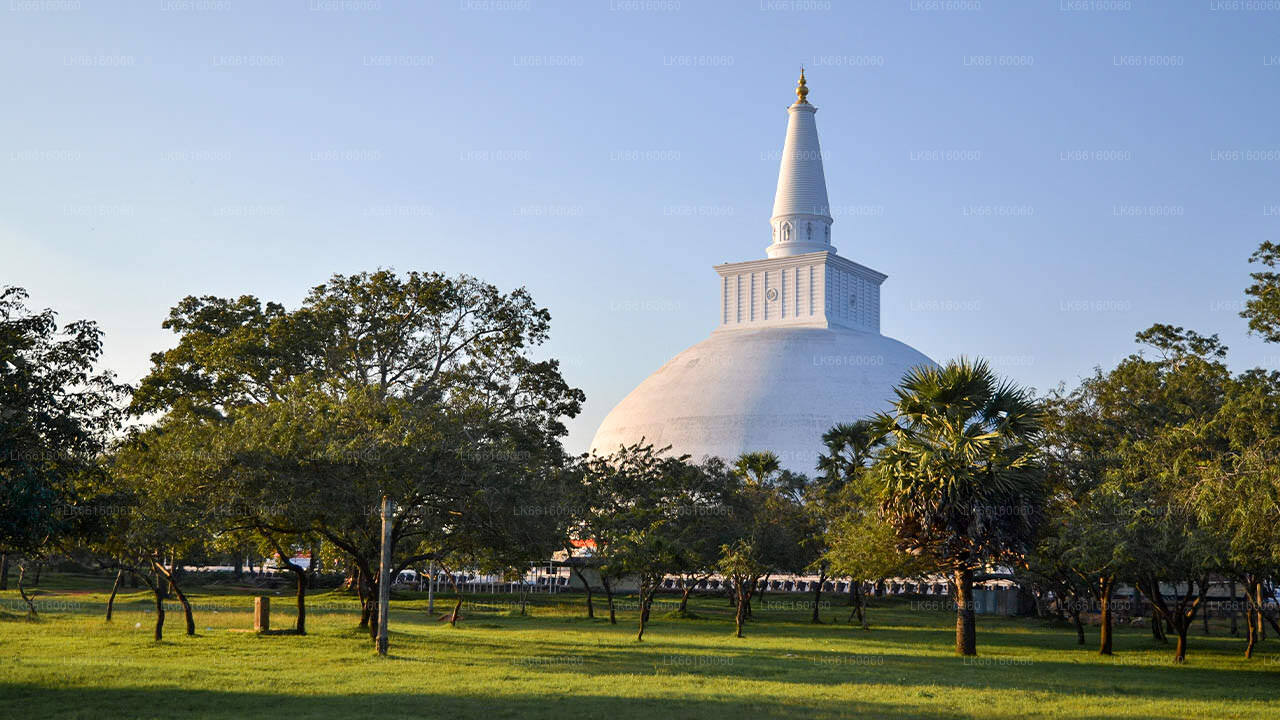
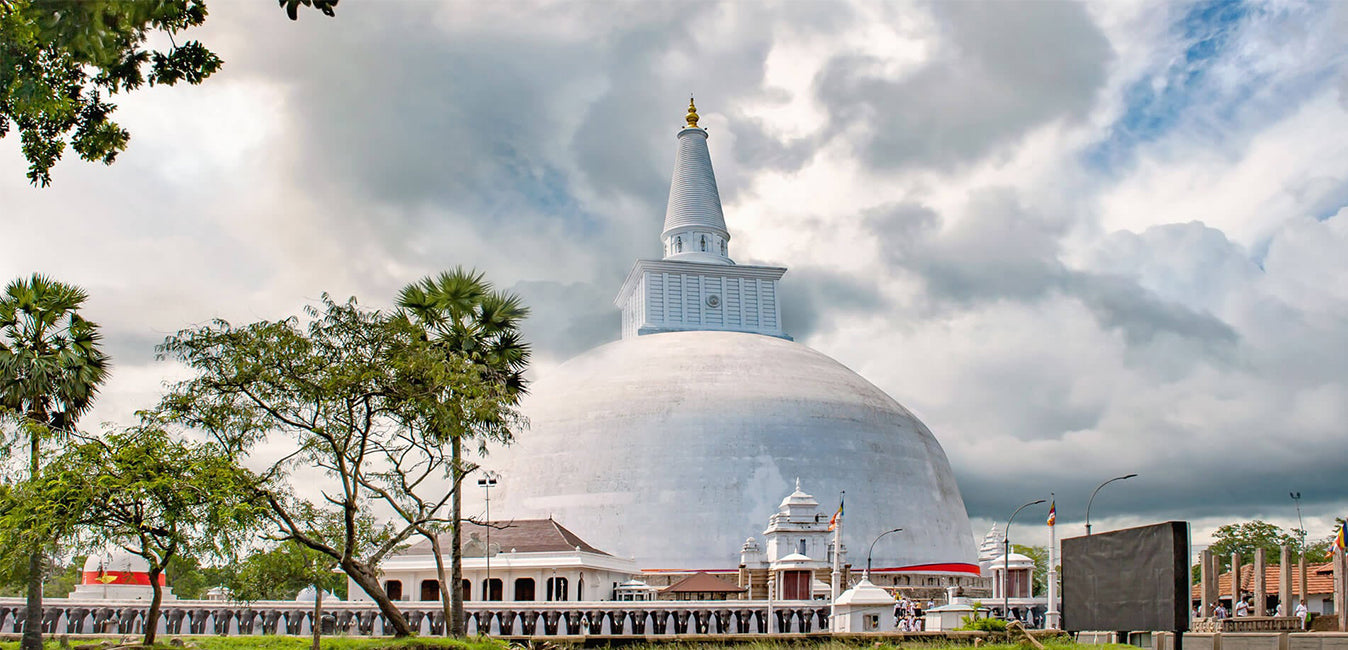
  • Ruwanwelisaya — Also called the Great Stupa or Mahathupa, this hemispherical monument was begun by King Dutugemunu in the 2nd century BC. It enshrines relics of the Buddha and stands as one of the largest ancient stupas in Sri Lanka, its white-washed dome visible from a considerable distance.
  • Thuparamaya — Widely regarded as the oldest stupa in Sri Lanka, Thuparamaya was built during the reign of King Devanampiya Tissa to enshrine a collar-bone relic of the Buddha. Its compact form and surrounding vatadage columns give it a distinct character.
  • Jetavanaramaya — At its peak, this stupa was among the tallest brick structures in the ancient world. Built during the reign of King Mahasena in the 3rd century AD, it anchored the vast Jetavana Monastery complex and now houses a museum of finds excavated from the site.
  • Abhayagiri Dagaba — The central monument of the Abhayagiri Monastery, which at its height housed thousands of monks and maintained connections with Buddhist schools across Asia. The surrounding museum displays delicate stone carvings, including the celebrated Samadhi Buddha statue.
  • Lovamahapaya (Brazen Palace) — The name derives from its bronze-tiled roof. This nine-storey monastic building once accommodated up to a thousand monks; today only its forest of stone pillars — around 1,600 in total — remain standing.
  • Mirisaweti Stupa — Associated with King Dutugemunu, this stupa is linked in tradition to the unification of Sri Lanka after the defeat of the Chola king Elara in the 2nd century BC.
  • Lankarama — A smaller, quieter stupa set within a vatadage, Lankarama offers a more contemplative atmosphere than the major sites and is favoured by visitors seeking a moment of stillness.
  • Isurumuniya Rock Temple — Carved into a granite outcrop beside Tissa Wewa, this temple is home to a small but exceptional collection of sculpture, most notably the Isurumuniya Lovers panel, one of the finest pieces of ancient Sri Lankan stone carving.

How does Anuradhapura's ancient water management system work?

One of the least-celebrated achievements of the Anuradhapura period is its hydraulic engineering. The city's rulers constructed a network of large man-made reservoirs — known locally as wewas — to supply water for agriculture and the urban population in an area with seasonal rainfall. Tissa Wewa, Nuwara Wewa, and Basawakkulama tank are among the reservoirs still in use today, some dating back more than 2,000 years. At its height, the irrigation network of the North Central Province sustained a rice-growing civilisation on a scale that would not be matched again in Sri Lanka until modern times.

What role did Anuradhapura play in early Buddhism?

Beyond its physical monuments, Anuradhapura shaped the intellectual tradition of Theravada Buddhism in ways that continue to influence Buddhist practice across South and Southeast Asia. The city hosted generations of scholars who debated doctrine, compiled commentaries, and translated texts. During the reign of King Dhatusena in the 5th century AD, a formal redaction of the Theravada Pali Canon was undertaken here. Monks from countries as distant as China visited the city's monasteries, and the Abhayagiri tradition in particular maintained open dialogue with Mahayana schools. For travellers interested in the history of Buddhist stupas across the island, Anuradhapura provides the essential starting point.

When is the best time to visit Anuradhapura?

The North Central Province experiences a dry climate for most of the year, with the inter-monsoon rains of October and November bringing the heaviest precipitation. The most comfortable months for exploring the outdoor archaeological sites are December through April, when temperatures are slightly lower and humidity manageable. Early morning visits — beginning around 6 am — are strongly advisable during the warmer months, both for comfort and to experience the sites before large pilgrim groups arrive. The Poson Poya full-moon festival in June draws enormous crowds to Anuradhapura, as it commemorates the introduction of Buddhism to Sri Lanka; it is a remarkable spectacle but requires advance planning for accommodation.

How do I get to Anuradhapura from Colombo?

Anuradhapura lies roughly 200 km north of Colombo. By road, the journey takes around four hours via the A9 highway, depending on traffic. Intercity express trains connect Colombo Fort railway station to Anuradhapura in approximately four to five hours, and are a comfortable option for independent travellers. For those arriving from the east coast or heading onward to Polonnaruwa, road transfers allow flexible itinerary planning. A scheduled light-aircraft service also connects Ratmalana Airport near Colombo with Anuradhapura Airport (ACJ), reducing travel time significantly for those on tighter schedules.

What should I know before visiting the sacred area?

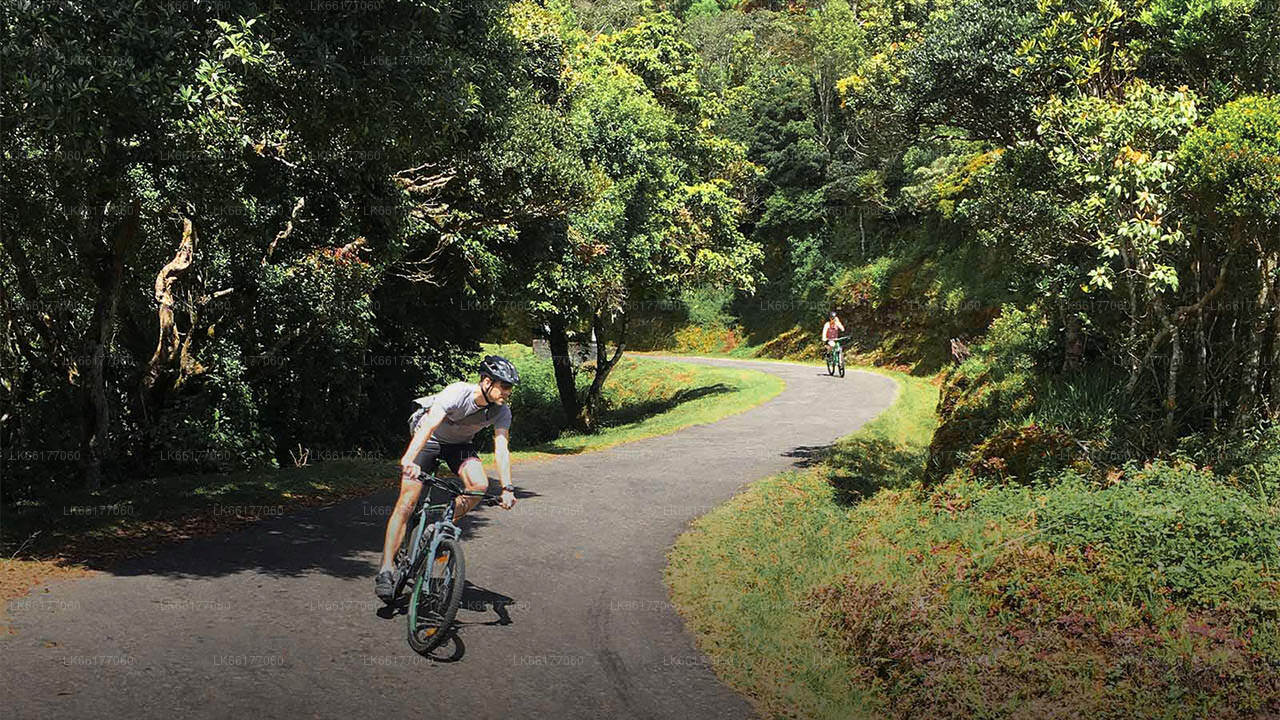
A separate entrance ticket is required to access the protected archaeological zone. Visitors are expected to dress modestly — shoulders and knees covered — when entering any place of worship, and shoes must be removed at all active temple sites. The sacred area is large and best navigated by bicycle, which can be rented near the main entrance, or by tuk-tuk. Carrying sufficient water is essential, as shade is limited between the major monuments. Photography is generally permitted at the archaeological sites but should be approached respectfully at active shrines, particularly the Sri Maha Bodhi enclosure.

What else can I see near Anuradhapura?

The North Central Province rewards those who linger. Wilpattu National Park, Sri Lanka's largest national park by area, lies roughly 30 km west of the city and is the best location in the country for leopard sightings. The park's distinctive landscape of natural lakes — known as villus — sets it apart from other Sri Lankan parks. Mihintale, a rocky hill about 12 km east of Anuradhapura, is considered the site where Mahinda first preached Buddhism to King Devanampiya Tissa and can be visited as a half-day excursion. The ancient city of Polonnaruwa, which succeeded Anuradhapura as the island's capital after the 10th-century invasion, is around 100 km to the southeast and forms a natural pairing on a cultural itinerary.

Book this experience with Lakpura

Curated by our local team. Direct booking, instant confirmation.

Ask Lakpura® Agent