Lakpura
Lakpura®

Colombo City

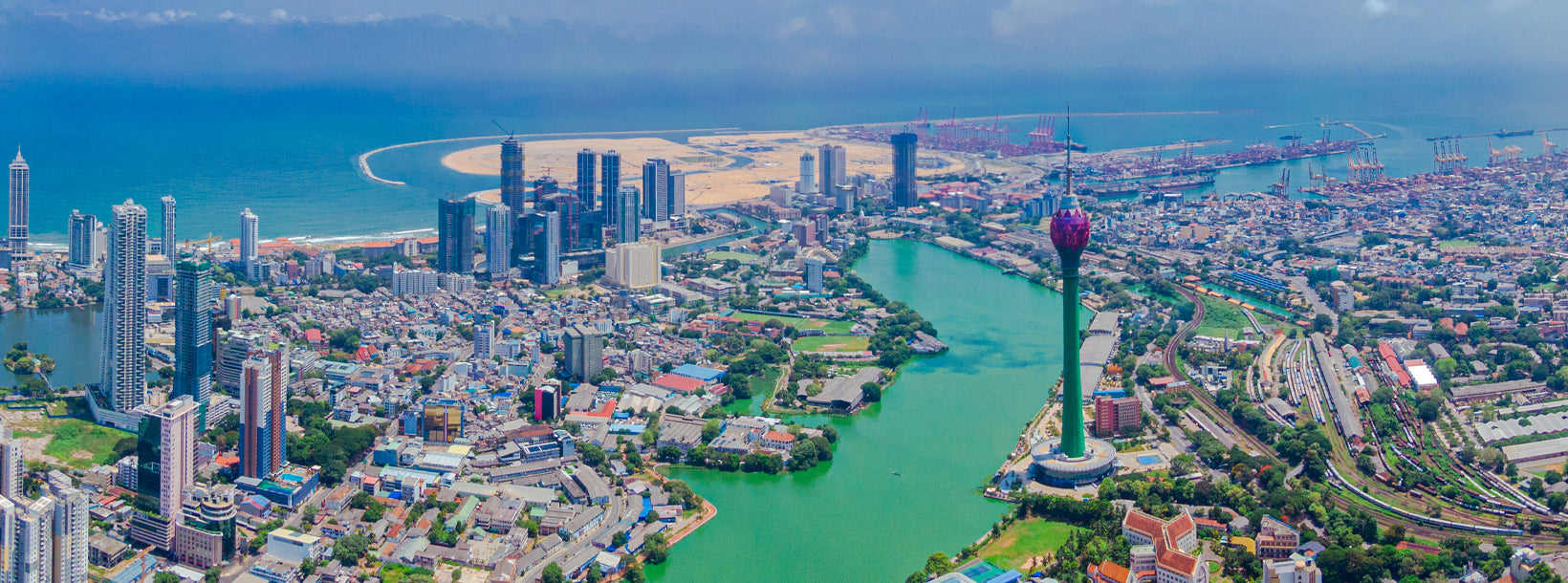
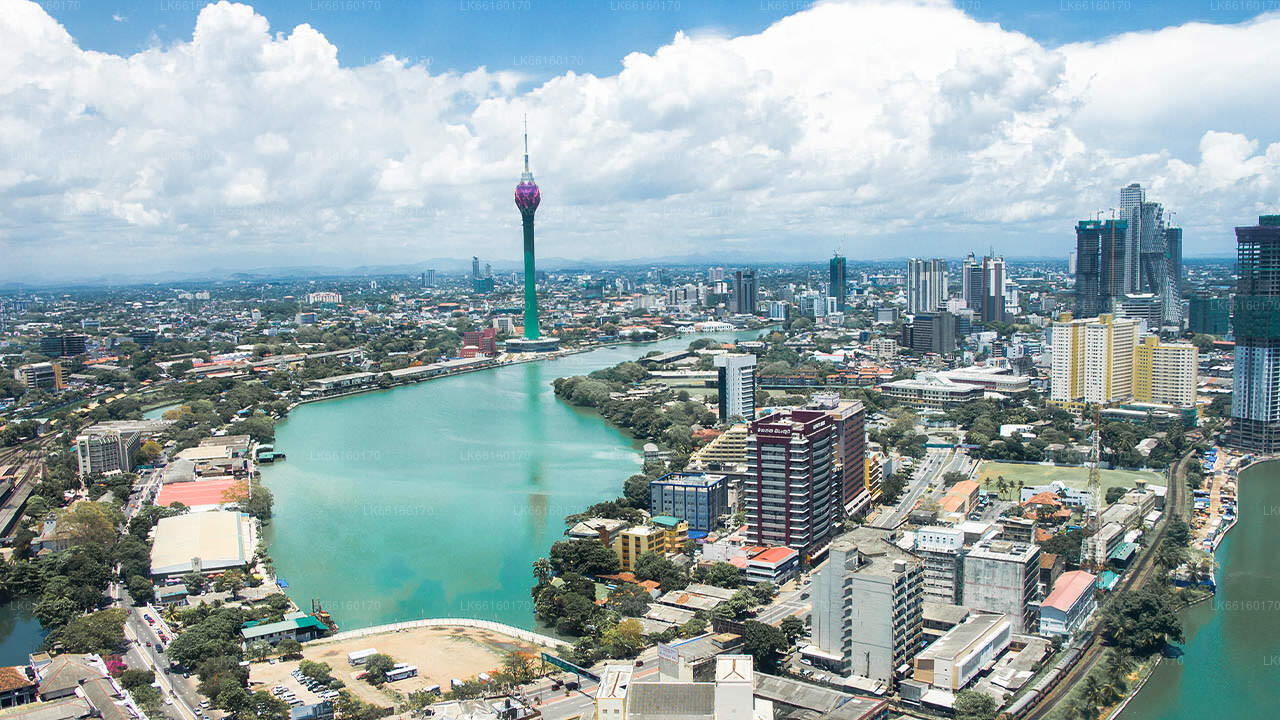
Colombo sits on Sri Lanka's western coast where it has served as the island's main port and commercial hub for centuries. Portuguese, Dutch, and British rulers each left their mark on the city's architecture, street layout, and culture, producing a place that feels layered and contradictory in the best possible way. Colonial clock towers stand beside glass-fronted trade centres; a quiet Buddhist temple occupies the same street as a busy mosque; and a hole-in-the-wall kottu stall competes for custom just steps from a rooftop restaurant serving wood-fired pizza. For most travellers arriving in Sri Lanka, Colombo is the first and last stop on the itinerary — and it rewards a day or two of genuine exploration.

What is Colombo like as a city?

Colombo covers roughly 37 sq km and is home to around three million people in the greater metropolitan area. It is Sri Lanka's financial and commercial centre, and its contrasts are stark: leafy residential streets in Cinnamon Gardens sit less than ten minutes by car from the dense, chaotic lanes of Pettah market. The city is not uniformly polished, and that honesty is part of its appeal. You will encounter traffic, humidity, and the occasional power cut, but you will also find some of the friendliest street-food vendors and most atmospheric colonial buildings anywhere in South Asia.

The city is divided informally into numbered postal districts, though most visitors navigate by neighbourhood name. Fort and Pettah cover the historic commercial core; Kollupitiya (Col 3) and Cinnamon Gardens (Col 7) hold many of the upmarket hotels, restaurants, and embassies; and Bambalapitiya and Wellawatte extend south along the coast toward Dehiwala.

What are the main areas and attractions in Colombo?

Fort and the Old Town

Despite its name, very little of the original Portuguese fort survives. What remains is a dense cluster of colonial-era government buildings, department stores, and modern bank towers. The old Colombo Lighthouse, the former Gordon Gardens, and the General Post Office are all within easy walking distance of each other. The area quietens considerably after business hours, making a morning walk the best way to appreciate the architecture without battling traffic.

Pettah

Adjacent to Fort, Pettah is Colombo's wholesale and street-market district — one of the most sensory-dense places on the island. Individual streets specialise in specific goods: electronics, fabric, spices, hardware, fresh produce. The Jami Ul-Alfar Mosque (the red-and-white striped building also called the Red Mosque) is one of the most photographed landmarks in the city and sits at the heart of the district. Arrive before 10 am if you want to move comfortably through the lanes.

Galle Face Green

This long seafront esplanade runs south from Fort along the Indian Ocean shore. In the evenings it fills with families, kite-fliers, and food vendors selling isso wade (prawn fritters) and kottu roti. The Green is framed at its northern end by the Galle Face Hotel, one of Asia's oldest seafront hotels and a useful orientation point. Watching the sun drop into the ocean from here, with the sea breeze cutting through the heat, is one of Colombo's reliable pleasures.

Cinnamon Gardens (Col 7)

Named after the cinnamon plantations that once occupied the land, Col 7 is now Colombo's most affluent residential and cultural neighbourhood. The National Museum of Sri Lanka and the Viharamahadevi Park — the city's largest public park — are both here. The Lionel Wendt Gallery hosts regular art exhibitions and theatrical performances, and the surrounding streets are lined with independent cafés, bookshops, and boutique clothing stores.

Gangaramaya Temple

Situated on the edge of Beira Lake, Gangaramaya is one of Colombo's most important Buddhist temples and a genuine place of worship rather than a set-piece tourist site. The complex contains an eclectic museum of donated objects — vintage cars, ivory carvings, currency collections — that reflects the temple's long relationship with both local devotees and international Buddhist communities. Dress modestly and remove shoes before entering any of the shrine rooms.

What should I eat and drink in Colombo?

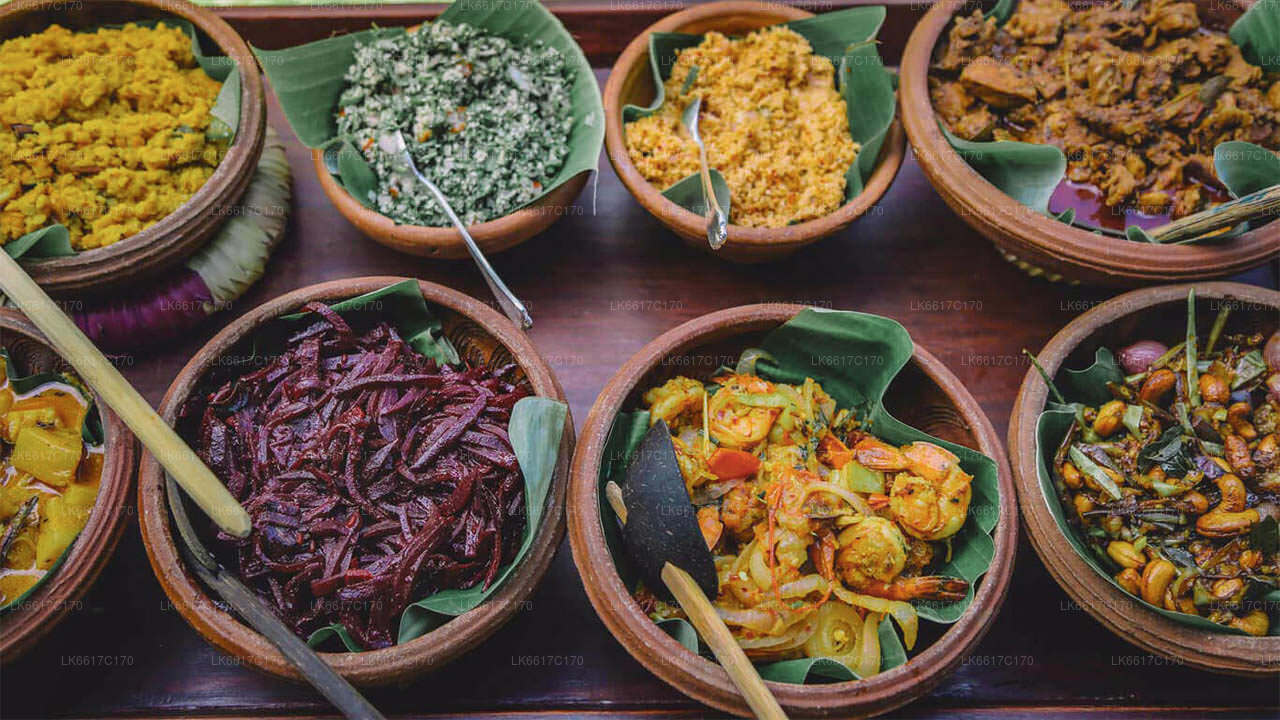
Colombo's food scene ranges from street-level rice-and-curry served on banana leaf to tasting menus at internationally recognised restaurants. For a quick, authentic meal, the short-eats counters at local bakeries offer wade, isso wade, and filled rolls at very low prices. Kottu roti — chopped flatbread stir-fried with vegetables, egg, and your choice of meat — is the city's signature street dish and is best eaten late at night when the chefs are in full rhythm.

The Colombo café culture has expanded significantly over the last decade. Col 3 and Col 7 are the best neighbourhoods to find specialty coffee, craft cocktails, and internationally influenced menus. For traditional high tea in a colonial setting, the Galle Face Hotel's veranda remains a popular choice for both locals and visitors.

How do I get around Colombo?

Three-wheelers (tuk-tuks) are the most practical way to cover short distances. Agree on a fare before you get in, or use a metered tuk-tuk app if available. Ride-hailing apps operate reliably in Colombo and are generally the easiest option for longer crossings of the city. The commuter rail network connects Fort station to Mount Lavinia in the south and to Kelaniya in the north, and is useful for avoiding road traffic during rush hour. City buses are frequent but crowded and difficult to navigate without local knowledge.

  • Bandaranaike International Airport is approximately 35 km north of the city centre; allow 45–90 minutes depending on traffic.
  • Fort Railway Station is the hub for all mainline rail routes to Kandy, Galle, Jaffna, and the Hill Country.
  • The Colombo Port is the island's principal cargo and cruise terminal, located immediately west of Fort.

When is the best time to visit Colombo?

Colombo sits on the wet-zone coast and receives rain from both monsoons, so there is no completely dry season. The southwest monsoon (roughly May to September) brings heavier rain and occasional flooding to the city. December to March is generally the driest and most comfortable period for a city visit, with lower humidity and reliably sunny mornings. That said, showers in Colombo are usually short-lived and the city functions normally through them — an umbrella and flexible planning are more useful than trying to time a visit precisely.

What day trips can I take from Colombo?

Colombo's position on the western coast makes it an efficient base for day trips or short overnight excursions. The southwestern coastal belt — running through Kalutara, Beruwela, and Bentota — begins around 60–65 km south of the city and can be reached in roughly 90 minutes by road or rail. Kandy, the cultural capital in the Central Highlands, is around 115 km northeast and is best done as an overnight trip to avoid spending the bulk of the day in traffic. The ancient city of Negombo, with its Dutch canal and fish market, is just north of the airport and works well as either a first stop after arrival or a last stop before departure.

Destination Distance from Colombo Approx. travel time by road
Negombo ~35 km 45–60 min
Bentota ~65 km 90 min
Kandy ~115 km 2.5–3.5 hrs
Galle ~125 km 2–3 hrs

Where should I stay in Colombo?

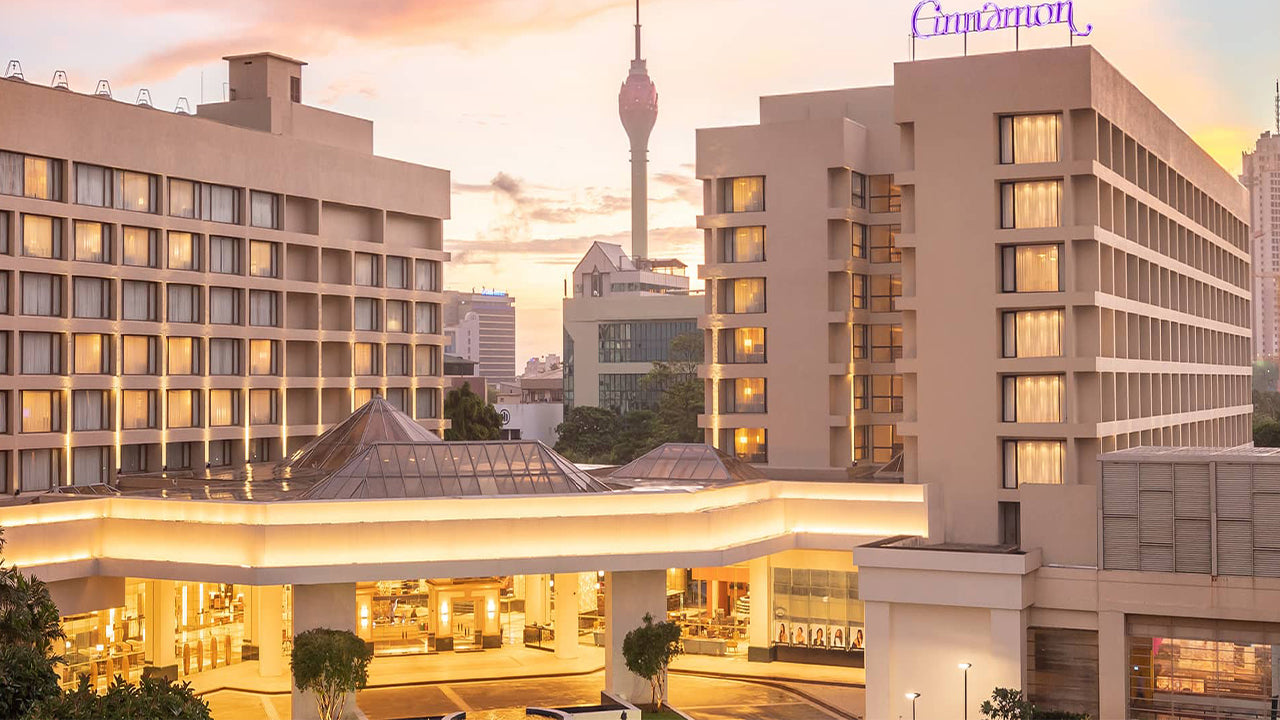
Colombo has a wide range of accommodation, from large international-chain hotels concentrated around Col 3 and the Fort perimeter, to smaller boutique properties in Col 7 and the suburbs. For first-time visitors, staying in Col 3 (Kollupitiya) or Col 7 (Cinnamon Gardens) puts you within easy reach of the main restaurants, the National Museum, and Galle Face Green, while keeping you at a manageable distance from the noise of the commercial core. If you prefer a quieter base with quick access to the airport, the areas north of the city around Wattala and Peliyagoda offer more residential surroundings.

What practical information should I know before visiting Colombo?

  • Currency: Sri Lankan Rupee (LKR). ATMs are widely available in Fort, Col 3, and Col 7.
  • Language: Sinhala and Tamil are official languages; English is widely spoken in hotels, restaurants, and tourist areas.
  • Dress: Light, breathable clothing suits the tropical climate. Carry a scarf or shawl if you plan to visit temples.
  • Safety: Colombo is generally safe for tourists. Standard urban precautions — watch your belongings in Pettah and on crowded buses — apply.
  • Connectivity: Prepaid SIM cards with data are available at the airport arrivals hall and at mobile network shops throughout the city.
Ask Lakpura® Agent