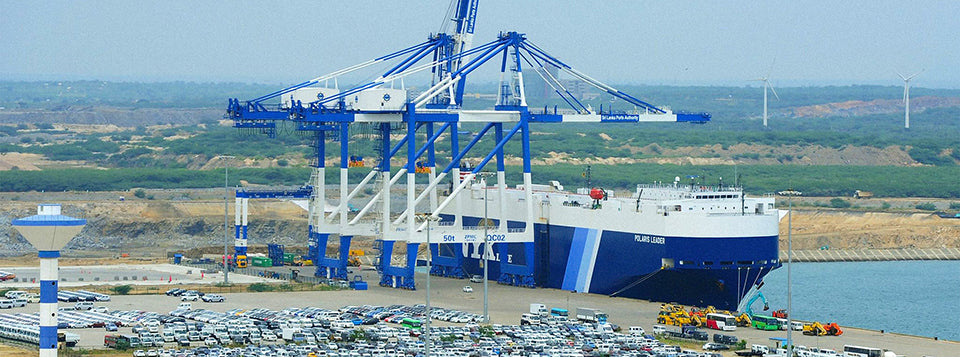
Hambantota Seaport, a strategic maritime gateway on Sri Lanka's southern coast, facilitates global trade and economic growth. With state-of-the-art facilities, it serves as a key transshipment hub, connecting Asia to the world. Explore the dynamic opportunities and the significant role it plays in regional commerce.
Hambantota International Port (også kendt som Magampura Mahinda Rajapaksa Port eller Magam Ruhunupura Mahinda Rajapaksa Port) er en dybvandshavn i Hambantota, Sri Lanka. Den åbnede den 18. november 2010 og drives af Hambantota International Port Group (HIPG), et joint venture mellem Sri Lanka Ports Authority og den delvist kinesisk statsejede China Merchants Port Holdings.
Hambantota havn er Sri Lankas næststørste havn efter Port of Colombo. I 2020 håndterede havnen 1,8 millioner ton LPG og tør bulkfragt.
Byggeriet af havnen begyndte i januar 2008. Hambantota havn betjener skibe, der sejler langs den øst-vestlige skibsrute, der passerer seks til ti sømil (19 km) syd for Hambantota. Senere faser vil øge havnens kapacitet til 20 millioner TEU per år. I 2016 indbragte Hambantota havn dog 11,81 millioner USD i indtægter og havde udgifter på 10 millioner USD som direkte og administrative omkostninger, hvilket resulterede i et driftsoverskud på kun 1,81 millioner USD.
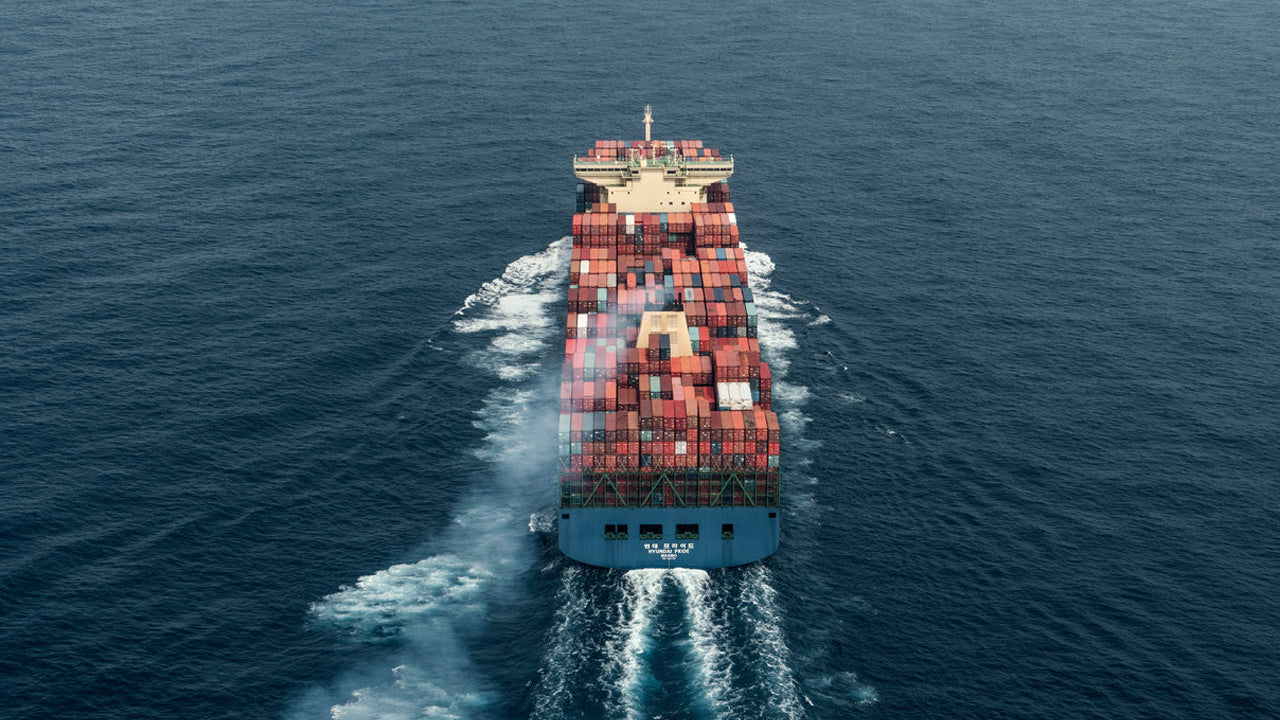
Langt nede i den solrige sydlige del af Sri Lanka ligger et specielt sted kaldet Hambantota Seaport. Det er som en stor dør, der hjælper Sri Lanka med at handle med andre lande rundt om i verden. Bygget med hjælp fra Kina, er denne havn supermoderne. Store skibe fyldt med ting som legetøj, tøj og mad kan komme og gå nemt. Det er som et stort knudepunkt, hvor ting kan flyttes fra et skib til et andet, hvilket gør handelen hurtigere og mere glidende.
Der har dog været nogle problemer på vejen. Nogle mennesker er bekymrede for, at Sri Lanka måske skylder for meget penge til Kina på grund af opførelsen af havnen. Men Sri Lanka er stadig optimistisk omkring havnens fremtid. Udover bare at flytte varer rundt, skaber Hambantota Seaport også nye job og muligheder for folk i nærheden. De planlægger at bygge nye steder, hvor virksomheder kan arbejde og opbevare ting, hvilket vil bringe endnu flere jobs til området. Så selvom der har været nogle bump på vejen, sejler Hambantota Seaport stadig fremad og bringer håb for en bedre fremtid for Sri Lankas sydlige region.
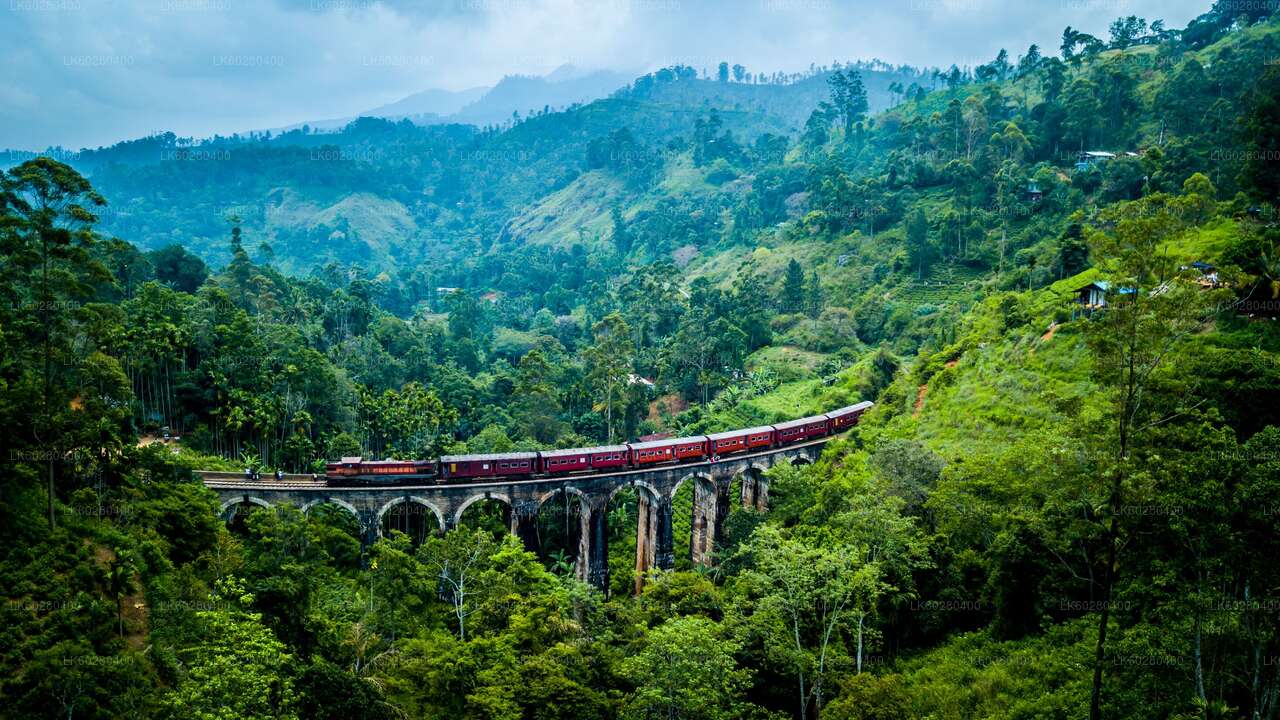
Hambantota is a rural town in southeastern coastal area of Sri Lanka. It is also the capital of the Hambantota District in the Southern Province of Sri Lanka. Approximately 240 kms from Colombo,Hambantota is in the midst of transformation into a strategic port and commercial centre, undergoing extensive infrastructure development. Flanked by sweeping sandy beaches,Hambantota is a convenient location from which to visit nearby sights.
The Southern Province of Sri Lanka is a small geographic area consisting of the districts of Galle, Matara and Hambantota. Subsistence farming and fishing is the main source of income for the vast majority of the people of this region.
Important landmarks of the Southern Province include the wildlife sanctuaries of the Yala and Udawalawe National Parks, the holy city of Kataragama, and the ancient cities of Tissamaharama, Kirinda and Galle. (Although Galle is an ancient city, almost nothing survives from before the Portuguese invasion.) During the Portuguese period there were two famous Sinhalese poets called Andare who was from Dickwella and Gajaman Nona who was from Denipitiya in Matara District, composing poems on common man.