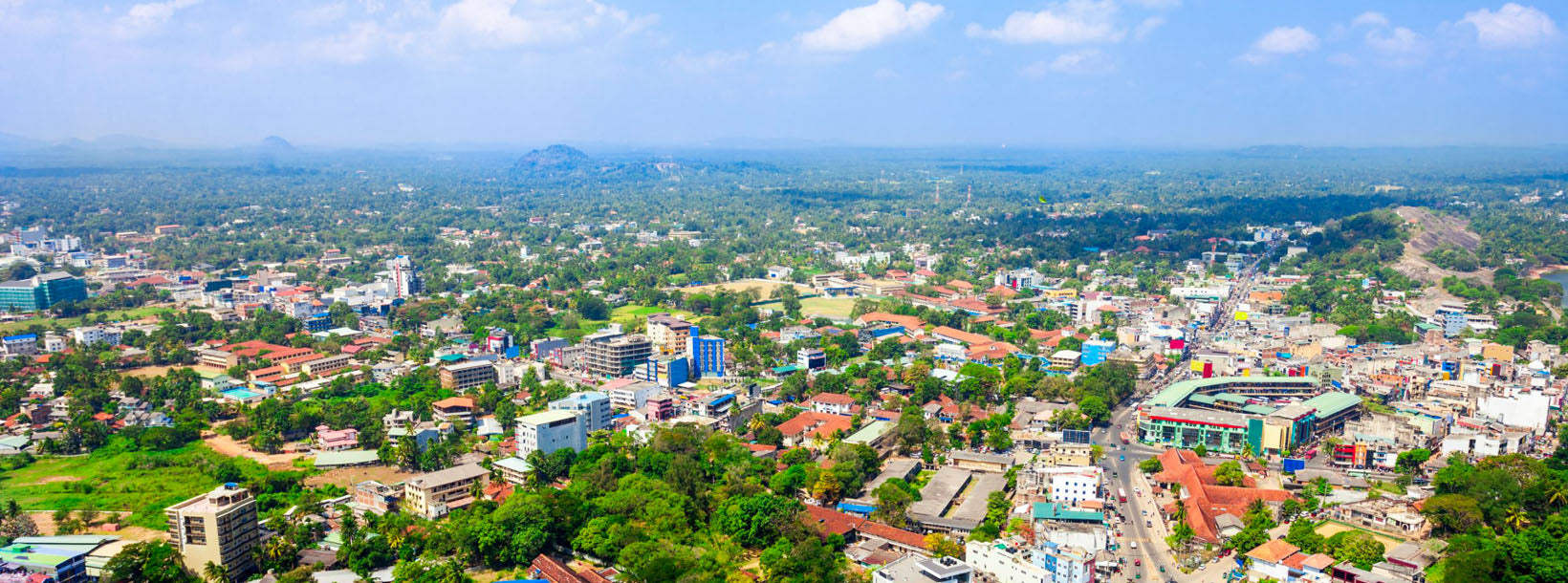
Panduwasnuwara


History of Panduwasnuwara goes as far back the 6th century BC, the time of King Panduwasdeva (504-474 BC) who is credited with building Panda Wewa reservoir around 450 BC which is considered the first man made great reservoir in the world. Mahawamsa, the great chronicle of Sri Lanka, records that king Mahadathika Mahanaga (9-21 AC) presenting gifts to a Samanera bhikku of the Pandawa Vehera in the 34th chapter. In the 60th chapter it describes repairing of Panda Wewa by king Vijayabahu I (1070-1110) and in the 68th chapter king Parakramabahu (1153-1186) expanding the Panda Wewa and building a three storied palace and a stupa on the island of the Panda Wewa. According to Parker, the Panda Wewa had extended upto thePanduwasnuwara city the current building identified as the palace complex may have been an island in the extended Panda wewa which is no more today.
However, most of the ruins found today in the ancient city of Panduwasnuwara belongs to the era of king Parakramabahu (1153-1186) who set up his temporary capital in this city in the 12th century.
According to Parker, the ancient manuscript “Pardhana Nawarawal” (principle cities) published in the 14th century provides a detailed description of Panduwasnuwara city along with other cities such as Kurunegala, Yapahuwa and Kandy. According to this manuscript , the city was founded by Panduwas Raja who also built a reservoir for the city. It also states that the original city had the honour of being built by Vishwakarma, the divine builder acting under the instructions of god Indra.
The fortifications of this kingdom consist of an elcosing wall of fourty feet thick and seven feet high faced with brickwork on both sides. A seven feet deep and a 10 feet wide (at the bottom) ditch has been cut outside the enclosing wall. Parker believes that this ditch would have been fed by the Panda Wewa where the sound end of its embankment would have ended at the edge of the city.
Today, there is no city or village named Panduwasnuara other than a polling division. The closest town to the ruins is Hellipola and the ancient city lies at the Kottampitiya Junction which is sometimes informally called Panduwasnuwara Junction. You can reach Panduwanuwara Archaeology Site by traveling 35km from Chillaw, 18 km from Kuliyapitiya or 17 km from Wariyapola on the Chillaw road.
Temple Complex IThe ruins of the temple complex I as marked above lies isolated from the rest of the ruins due the main road, in front of the Panduwasnuwara National School. You will be able to see a Bodhigara, Pohoyageya and some remains of the embankment of the ancient Panda Wewa.
The Bodhigara at this location is the mo