Poonagala Hills


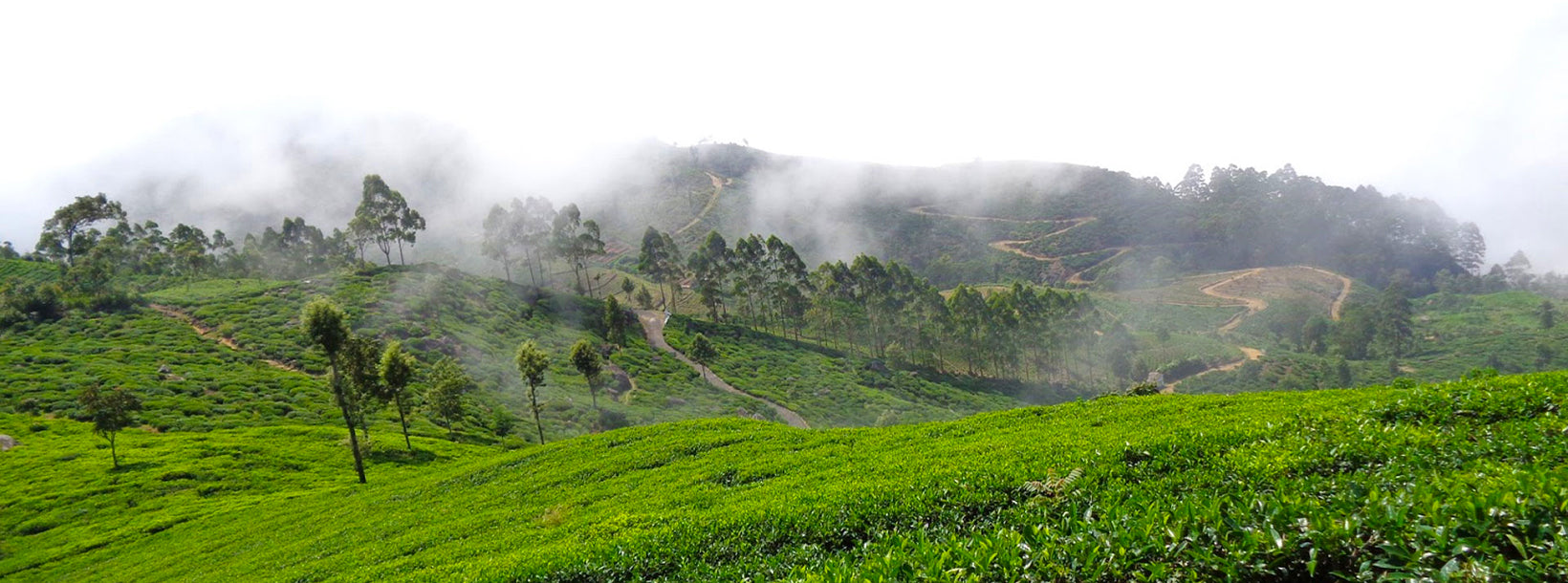
The Poonagala Hills are a range of low lying hills in the Central Highlands of Sri Lanka. Whilst quite beautiful by themselves, with rolling green fields of tea, pretty flowers and colorful tea pluckers; the area gains its fame due to four very specific viewpoints known for the amazing views of the island. These viewpoints Pilkington Point, Millennium Point, Lipton’s Seat, and St. Catherine’s Seat; while already known by locals from many centuries ago; became known globally as popular sightseeing locations during the era of the British tea planters over a century and half ago. The hills also coset other interesting prizes such as the Diyaluma Falls fed by Poonagala Oya and the Dambatenna Tea Estate
Pilkington Point
Pilkington Point gained its name in 1898 from Sir George Pilkington, the first manager Poonagalla Group, who used this location to scan the vast tea estate of Poonagala in late 1800’s. The viewpoint lies 1400m above sea level in the Haputale – Bandarawela region. To get to Pilkington Point, involves a one hour walk (or few minutes drive) up a marked trail off the Bandarawela-Koslanda Road. This road starts from the little town of Koslanda and passes through the hills of Poonagala. You will have to pay a little fee at the entrance gate to the viewpoint. The vista give an unprecedented view all the way to the Southern Coast. The districts of Monaragala, Hambanthota, Rathnapura and a part of Ampara are visible. Some of the more identifiable landmarks include Wellawaya, the Kiri Vehera Temple of Kataragama, Embilipitiya and Udawalawe.
Millenium Point
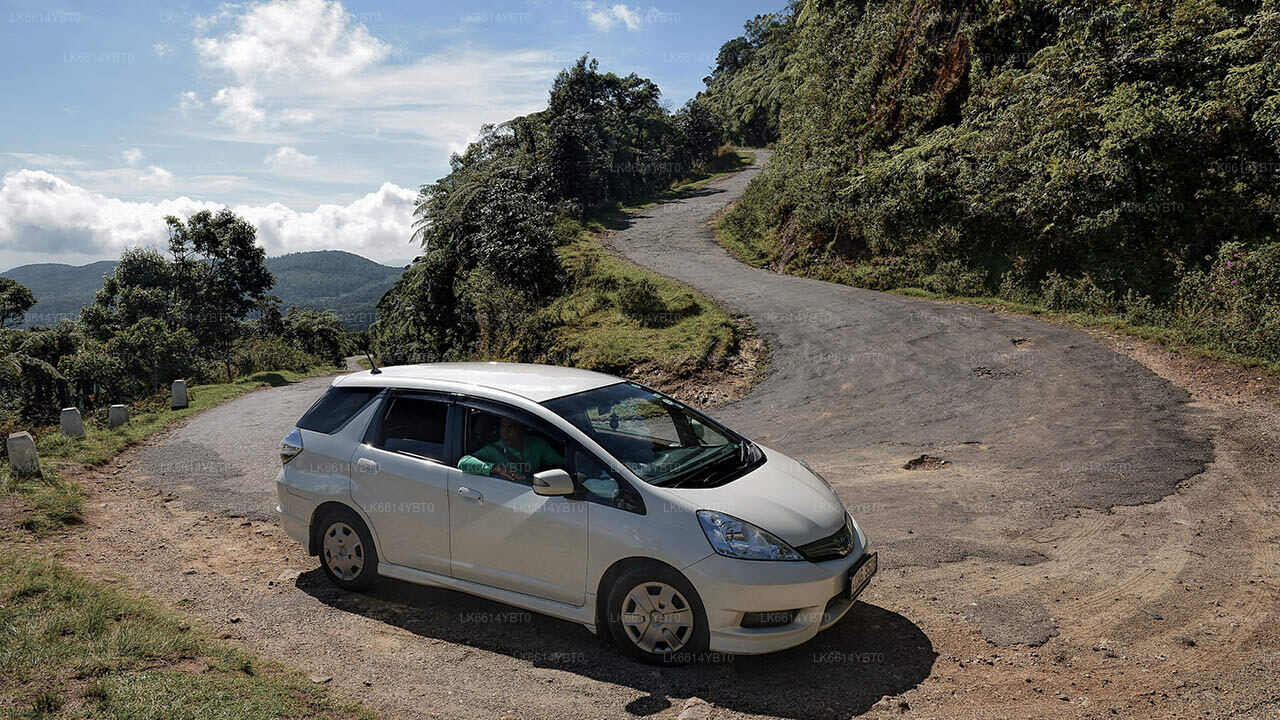
Millenium Point lies not far above Pilkington point and can only be reached by foot. While some of the locals say that it can be reached by vehicles, it is not advised to do so; mainly due to the uneven, narrow trail close to sharp slopes with no space to turn around. There is also the fact that Millennium Point is often visited by wild elephants and boars that are quickly agitated by vehicles. In fact, these larger wild life are to be avoided as a whole if seen, to prevent dangerous incidents. The climb unto Millennium Point takes about three quarter of an hour and the views are even better than Pilkington Point. The viewpoint offers a 350 degree view of the surrounding landscape; including all the locations that can be seen from Pilkington Point and more. Whilst the viewpoint has a water source it is not very potable; and you are advised to take your own water bottle.
Lipton’s Seat
Lipton’s seat is another impressive viewpoint in the Dambatenna Estate amongst the Poonagala Hills standing at an elevation of 1900m above sea level. It received its name from the Scottish Tea baron Sir Thomas Lipton; who used the location to survey the many hundreds of acres of his empire in the late 1800s. His tea estate and factory remain to this day, albeit with a somewhat changed name. Lipton Ceylonta Tea is also one of the most famous top quality tea brands manufactured in Sri Lanka. The viewpoint can be reached by vehicles, or by hiking 8km through lush tea plantations. Sunrise and