Muthiyangana Raja Maha Vihara


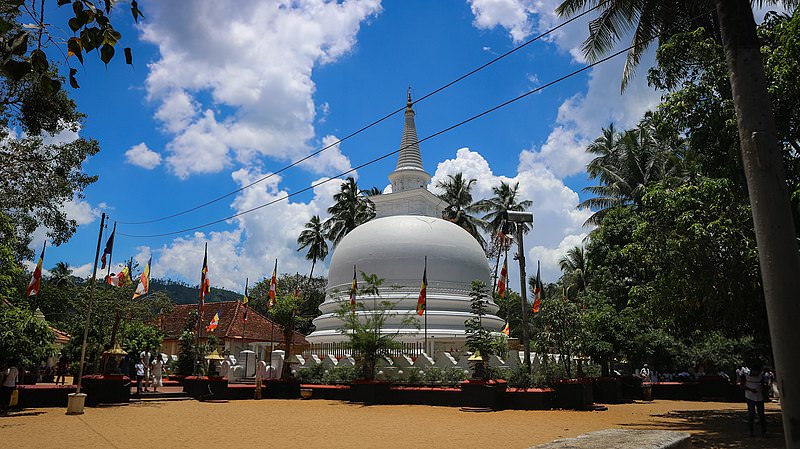
Muthiyanganaya Raja Maha Viharaya está localizado no centro da cidade de Badulla. A história deste templo remonta à época de Buda, mas esta área ao redor de Badulla (especialmente a província de Uva) remonta ao século XIX - XVIII a.C. O imperador Rawana governava este país com Badulla como capital. Também acredita-se que a guerra entre Rama e Rawana ocorreu nesta área. Existem muitos locais e nomes que identificam essa área como uma das capitais de Rawana; Seetha Eliya, Seetha Kotuwa e Rawana Ella, como descrito no Ramayana. Diz-se que Rawana finalmente perdeu a guerra e seu irmão traidor Vibishana levou a capital para Kelaniya e Uva gradualmente desapareceu da história até o século V.
Buda e 500 Arhants visitaram esta ilha pela terceira vez a convite do Rei Naga Maniakkhita para Kelaniya. Durante essa visita, Buda veio para Badulla a convite do Rei Indaka (agora elevado ao status de divindade), governante da cadeia montanhosa Namunukula. O Rei Indaka construiu uma Stupa que continha alguns cabelos de Buda e Mukthaka Dathu (gotas de suor que se transformaram em pérolas) no local onde Buda fez seus sermões. Este é o nascimento da Stupa Muthiyanganaya. Desde então, esta Stupa e o templo foram ampliados, reconstruídos e renovados por muitos reis.
Torana de um design único de seis níveis na entrada do templo é de um período desconhecido. O primeiro nível inclui a entrada principal e acima dele, no segundo nível, está uma cabeça típica de Makara (dragão). Nos lados da cabeça, estão duas figuras de guardiões e nos cantos, duas figuras de leões. No terceiro nível, há duas figuras de Vamana e nas bordas, dois animais, provavelmente leões. Essas figuras não são tão nítidas quanto as figuras de leões no segundo nível. No centro do terceiro nível, há uma base alta que vai até o quarto nível, onde há dois bois e a característica especial desses bois é que eles estão decorados e possuem grandes corcovas. Esses bois são uma característica do hinduísmo, e essa característica indica alguma influência do hinduísmo na construção dessa estrutura. Por fim, no topo do quinto nível, há uma estátua de Buda sentado. O quinto nível é dedicado à estátua de Buda. Os pavões no sexto nível completam o contorno da estrutura. Na entrada, há um colorido Makara Thorana. Logo acima da entrada e abaixo da cabeça do dragão, há uma figura de Maitre Bodhisattva. Do lado direito da Casa das Imagens, há uma estátua do Deus Indaka, o protetor da Terra Sagrada de Muthiyanganaya e da Cadeia de Montanhas Namunukula. À direita, está a estátua de Maitre Bodhisattva. Após passar pela Casa das Imagens, você chega à estrutura mais sagrada do templo, a Stupa que contém os cabelos e Mukthaka Dathu de Buda. A primeira stupa, construída pelo Deus Indaka no século V a.C., foi ampliada pelo Rei Devanampiyatissa (150-210 a.C.) da Era de Anuradhapura.


Special places in Badulla
-
 Muthiyangana Raja Maha Vihara
Muthiyanganaya Raja Maha Viharaya lies in the centre of the city of Badulla. The History of this temple goes back to the time of Buddha but this area around Badulla goes way back in to the time of 19th -18th century BCE.
-
 Dowa Raja Maha Viharaya
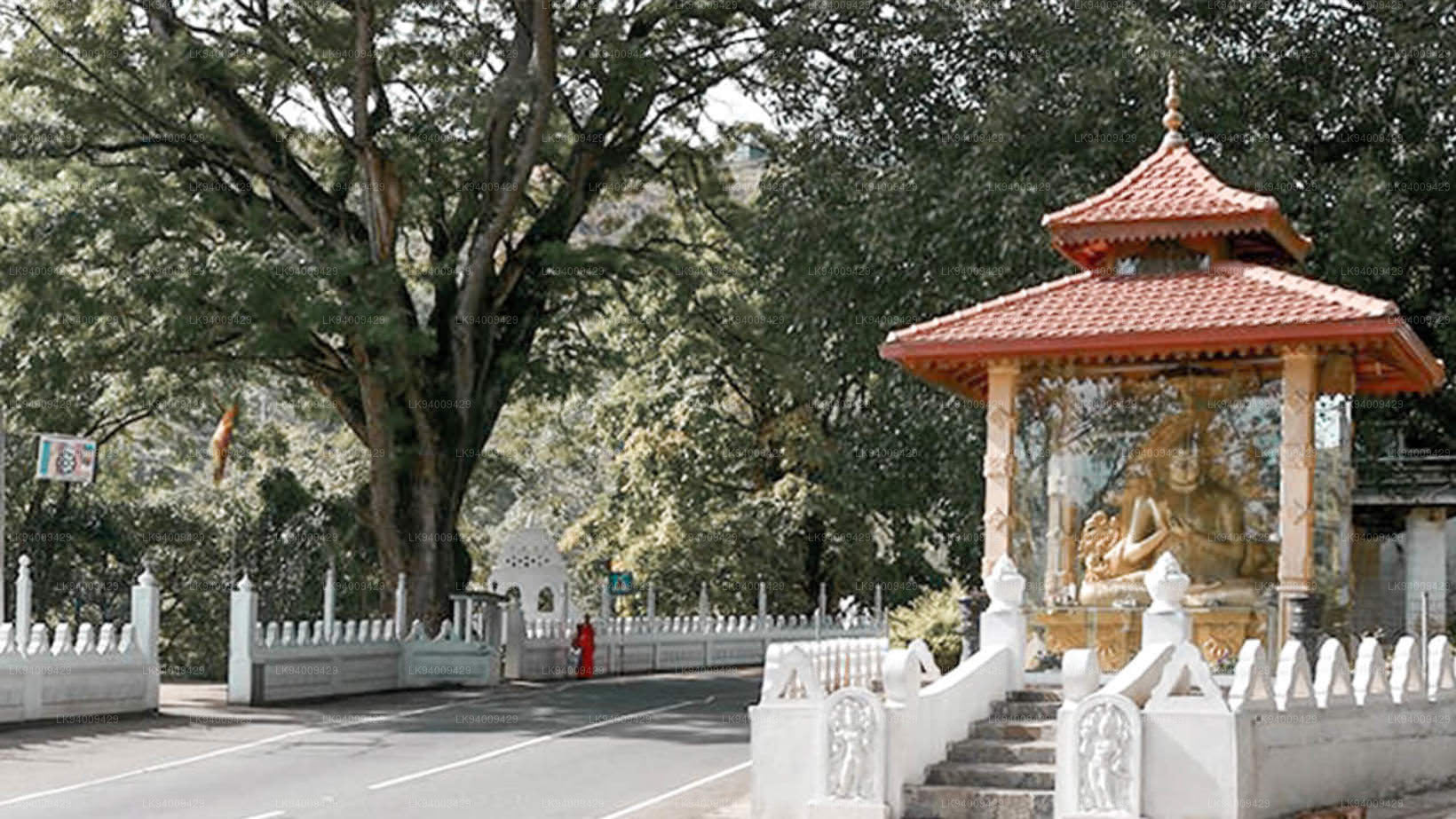
Dowa Raja Maha Viharaya (Dowa Cape Temple) lies few kilometres away from the Bandarawela town on the Bandarawela – Badulla Road. This temple is thought to be done by King Walagamba in the in first century BC.
-
 Bogoda Wooden Bridge
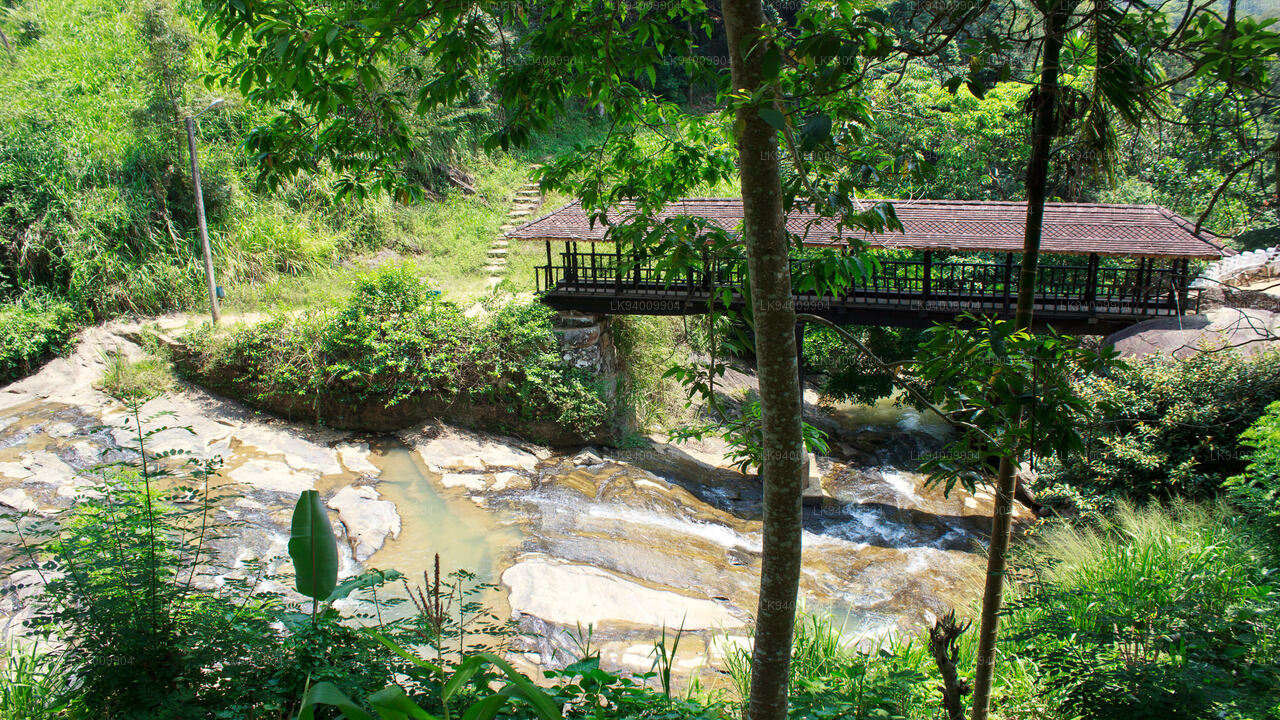
The Bogoda Wooden Bridge was built in the 16th century during the Dambadeniya era. This is said to be the oldest surviving wooden bridge in Sri Lanka. The bridge is situated at 7 kilometres (4.3 mi) west of Badulla.
-
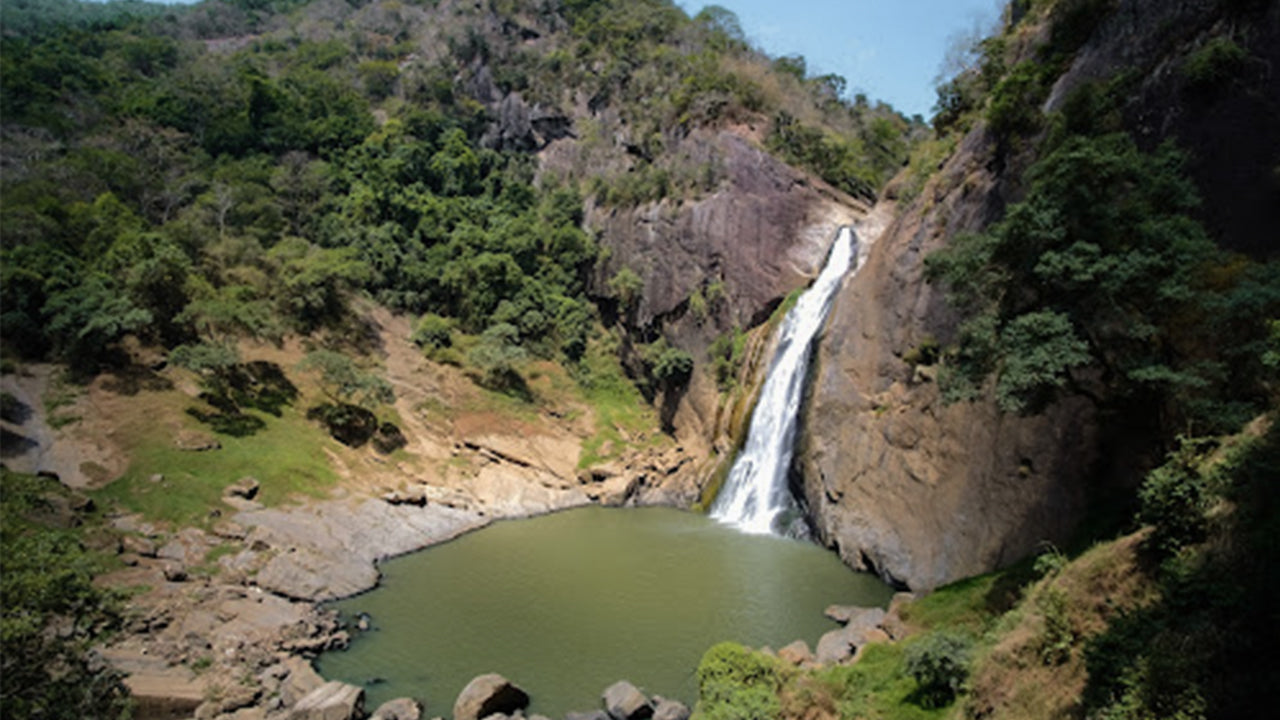 Dunhinda Falls
Dunhinda Falls is situated about 5 km away from Badulla town. It is 63 meters high and is considered to be one of the most beautiful waterfalls in Sri Lanka. The falls gets its name dew to the smoky dew drops spray.