Cassia occidentalis


Senna occidentalis, commonly known as coffee senna, styptic weed, or septicweed, is a species of flowering plant in the family Fabaceae and is native to the southern United States of America, Mexico and South America. It is a shrub with pinnate leaves, with three to seven pairs of broadly elliptic to egg-shaped leaflets, and yellow flowers arranged in groups of two to four, with six fertile stamens in each flower. It is an aggressive, pantropical weed.
Description
Senna occidentalis is a foetid shrub that typically grows to a height of 1–2 m (3 ft 3 in – 6 ft 7 in) and has softly-hairy branches and stems. Its leaves are pinnate, 150–170 mm (5.9–6.7 in) long on a petiole 20–40 mm (0.79–1.57 in) long, with three to seven pairs of broadly elliptic to egg-shaped leaflets 50–70 mm (2.0–2.8 in) long and 30–40 mm (1.2–1.6 in) wide, spaced 15–30 mm (0.59–1.18 in) apart. There is a sessile glands near the base of the petiole.
The flowers are yellow and arranged on the ends of branchlets and in upper leaf axils in groups of two to four on a peduncle 2–5 mm (0.079–0.197 in) long, each flower on a pedicel 10–15 mm (0.39–0.59 in) long. The petals are up to 10 mm (0.39 in) long and there are six fertile stamens, the anthers varying in length from 4 to 6 mm (0.16 to 0.24 in) long, and four staminodes. Flowering occurs all year, and the fruit is a cylindrical pod 120–180 mm (4.7–7.1 in) long, about 3 mm (0.12 in) wide and slightly curved.
Taxonomy
This species was first formally described in 1753 by Carl Linnaeus who gave it the name Cassia occidentalis in Species Plantarum from specimens collected in Jamaica. In 1829, Link transferred the species to the genus Senna as S. occidentalis in his Handbuch zur Erkennung der nutzbarsten und am häufigsten vorkommenden Gewachse. The specific epithet (occidentalis) means "western".
Distribution and habitat
Coffee senna is native to the southern United States of America, Mexico and South America, but is an aggressive, pantropical weed. In Australia it is widespread but scattered in the north of Western Australia,[11] the Northern Territory, South Australia, Queensland and New South Wales.
Toxicity
The plant is reported to be poisonous to cattle, because it contains a known toxic derivative of anthraquinone called emodin. and the seeds contain chrysarobin (1,8-dihydroxy-3-methyl-9-anthrone) and N-methylmorpholine. The plant is also has some poisonous characteristics to humans if enough of it is taken.
Despite the claims of being poisonous, the leaves of this plant, Dhiguthiyara in the Maldivian language, have been used in the diet of the Maldives for centuries in dishes such as mas huni and also as a medicinal plant.
Almost all parts (leaf, root, seeds) of the plant are used as food and medicine by tribal populations in India. However, consumption of Bana Chakunda seeds has been identified as a possible cause of death of tribal children due to acute Encephalopathy (see Acute HME syndrome). Once the plant was identified as the cause, the number of deaths plummeted.
The same thing happened in Rio Grande do Sul, Brazil, where 16 outbreaks were recorded. This was a record in comparison to the cli
-
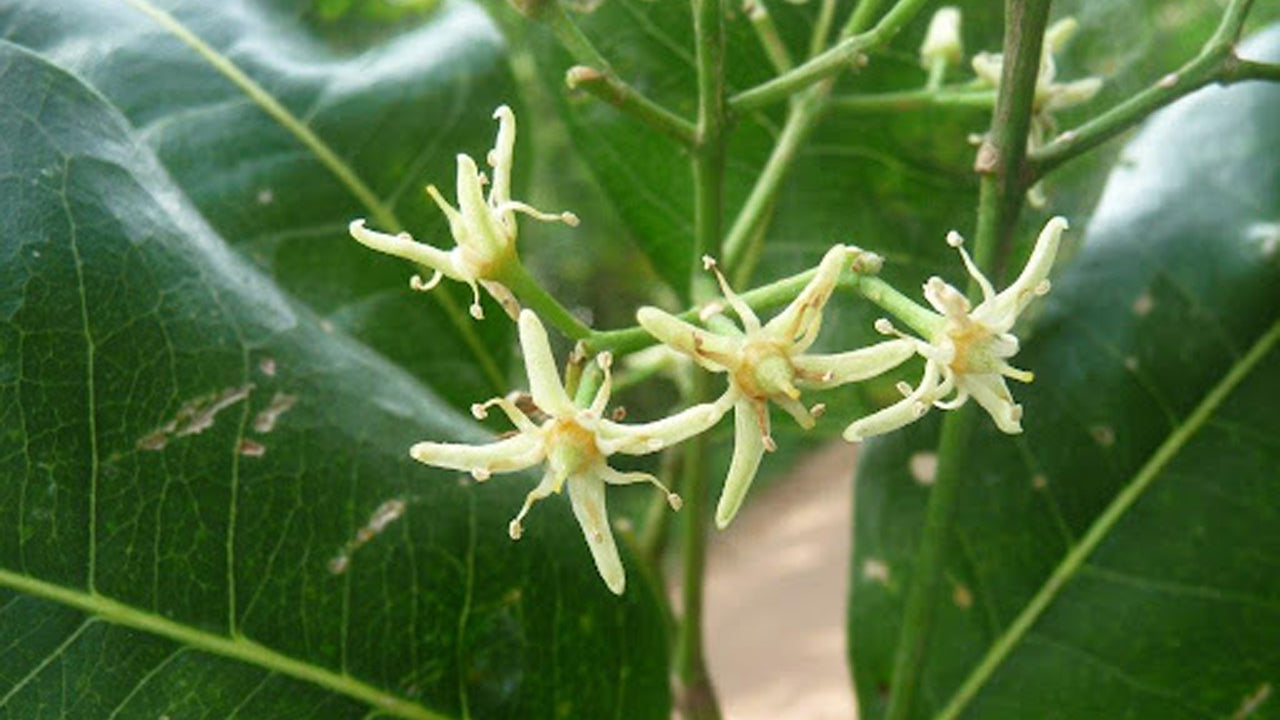
Louro de flores em forma de garra
Acronychia pedunculata -
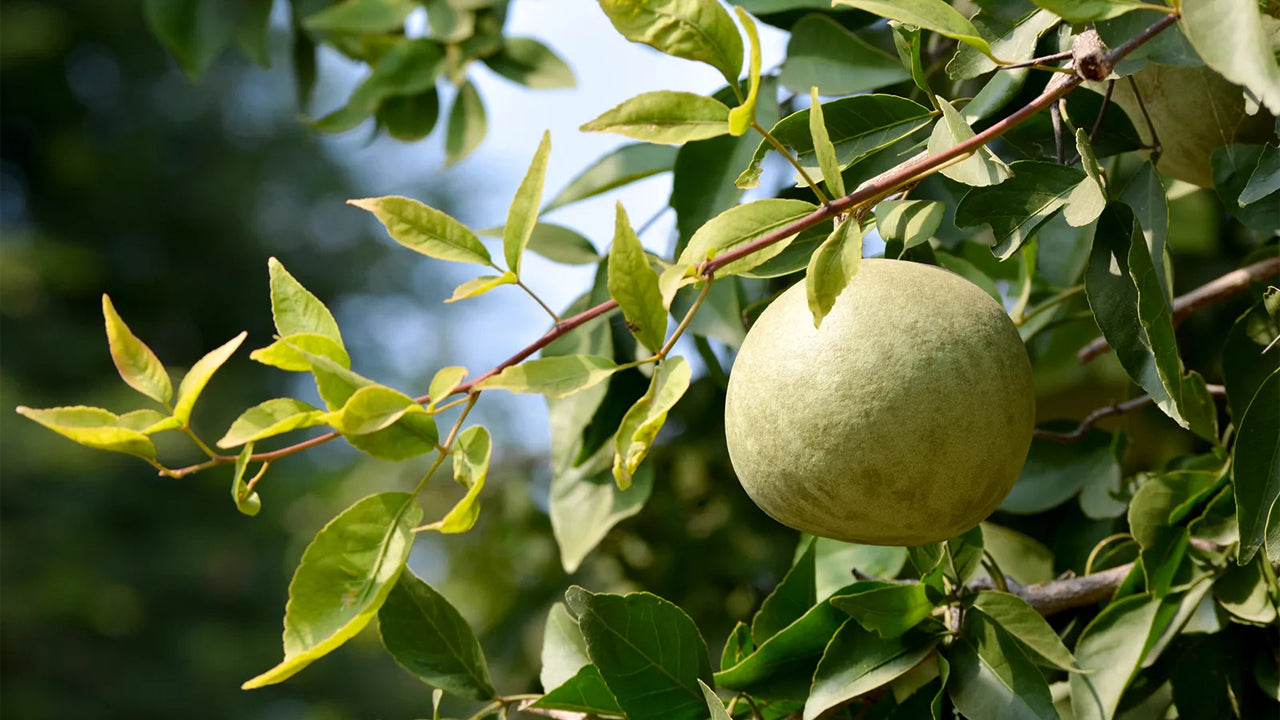
Bael
Aegle marmelos -
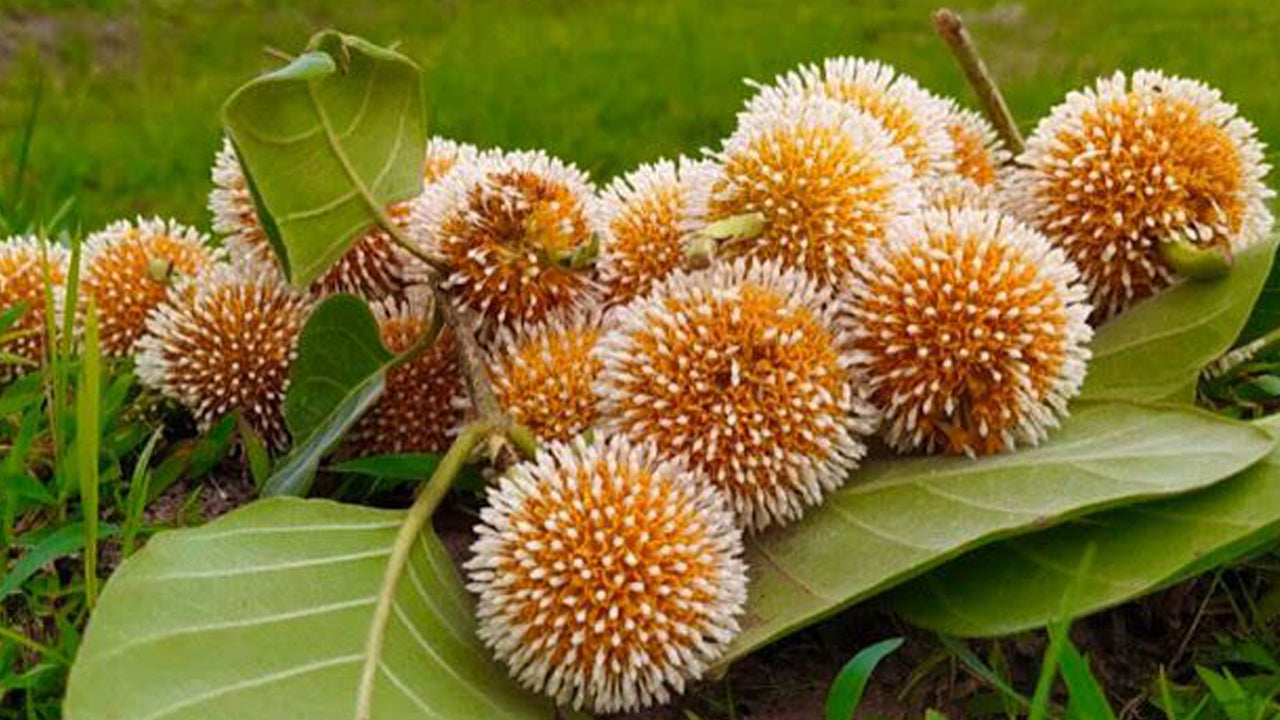
Árvore de Leichhardt
Nauclea orientalis -
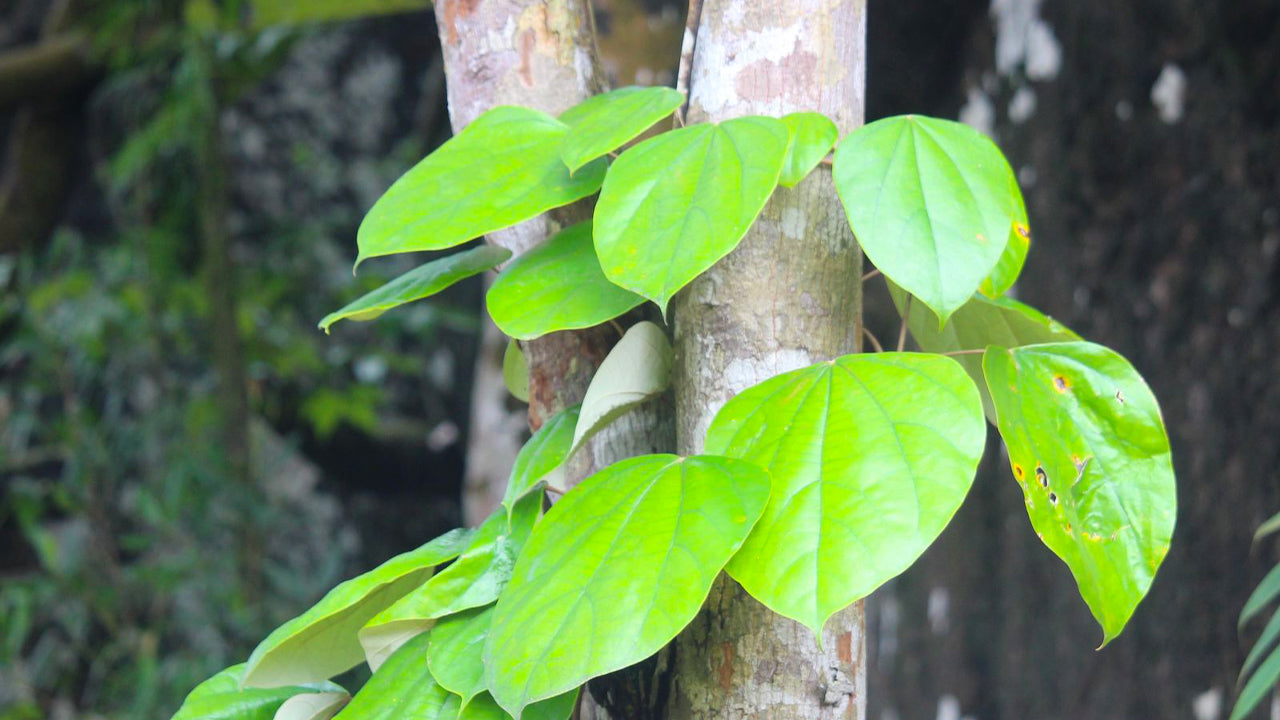
Falsa Calumba
Coscinium fenestratum -

Malabar Gulbel
Tinospora malabarica -
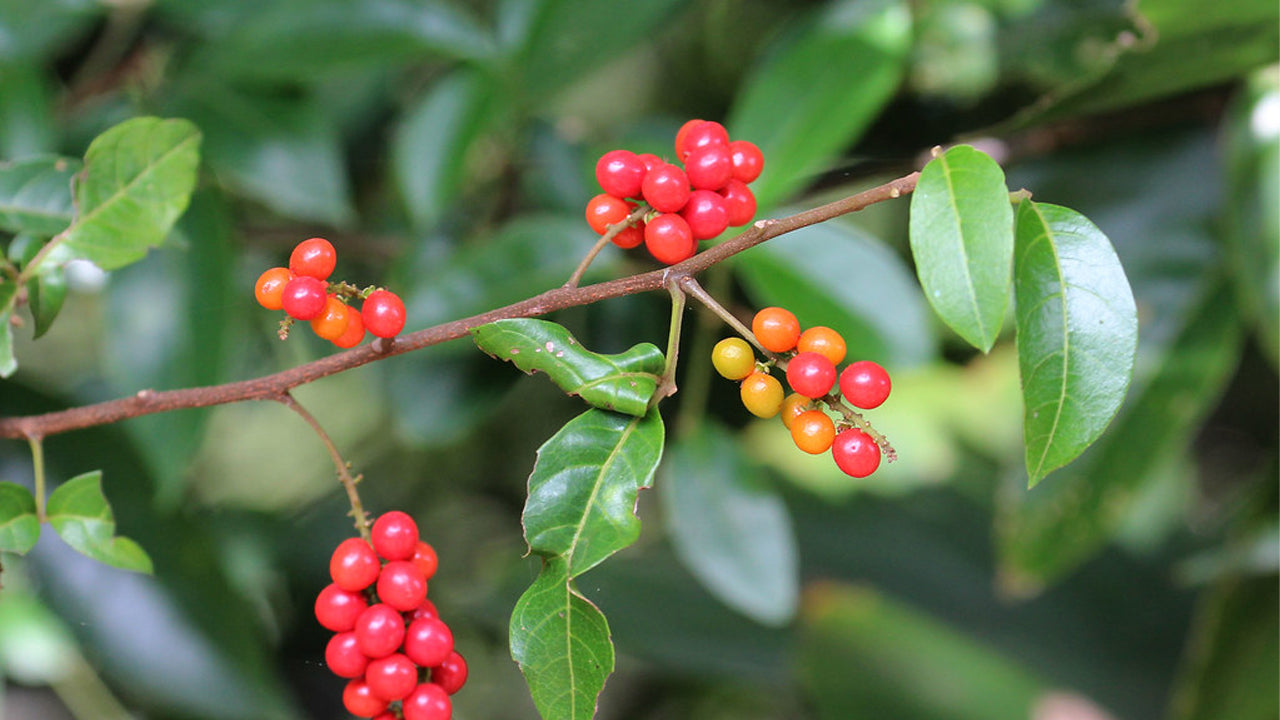
Titberry
Allophylus cobbe -
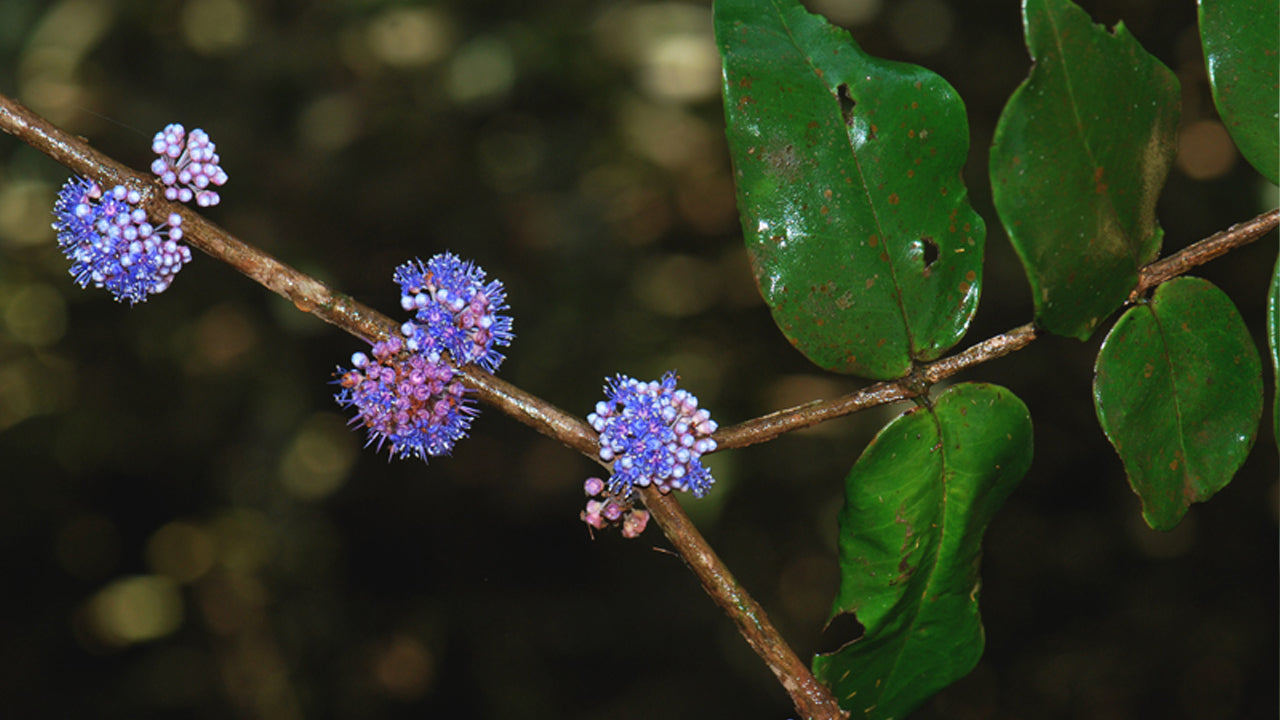
Árvore de pau-ferro
Memecylon capitellatum -
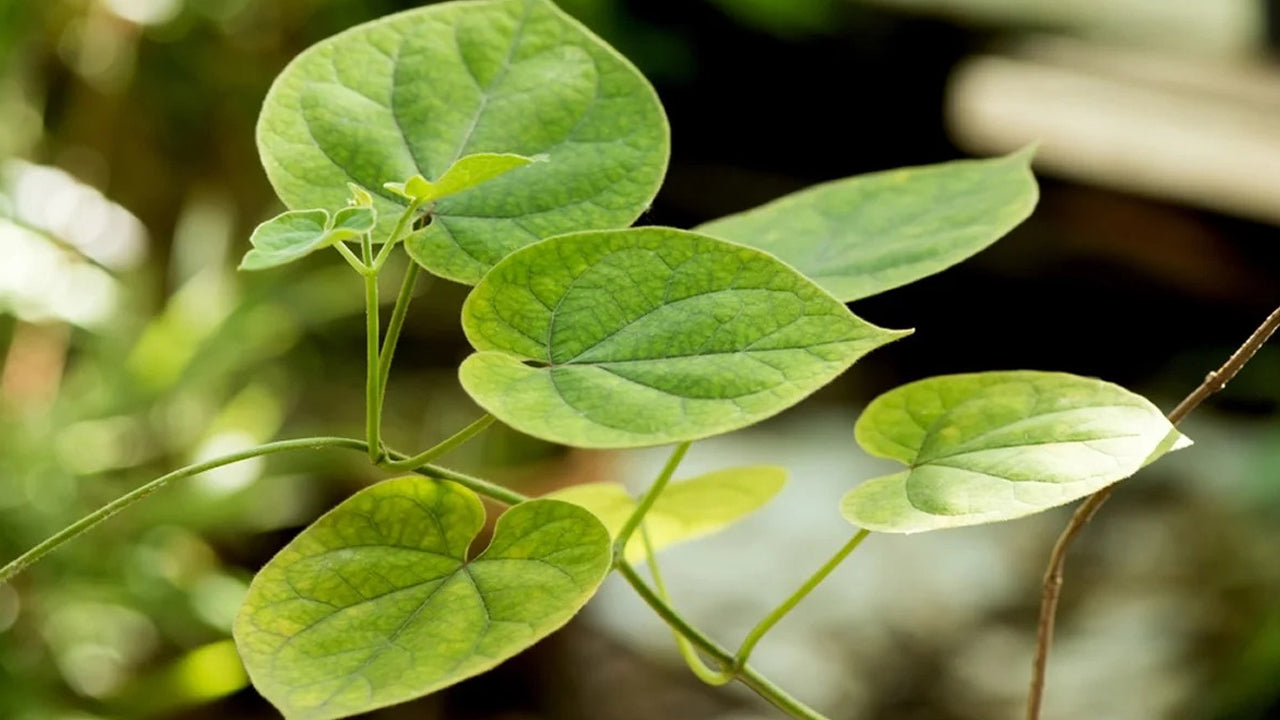
Folha de veludo
Cissampelos pareira -
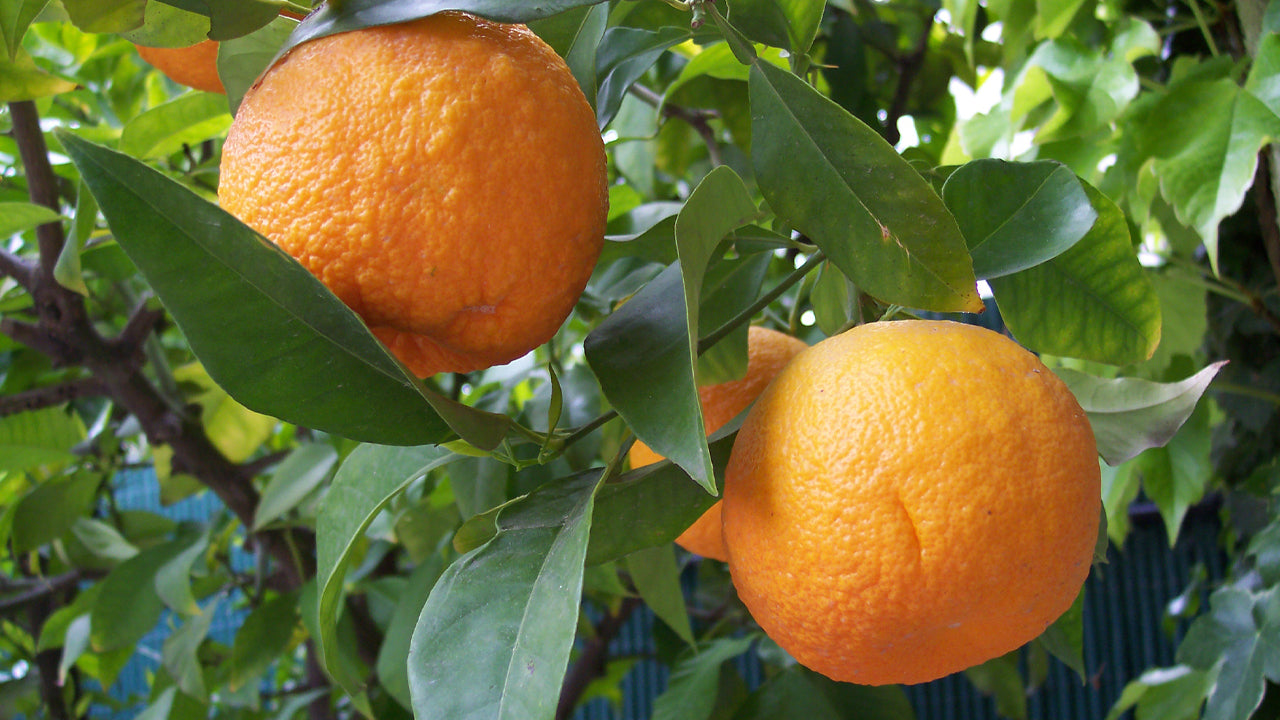
Laranja amarga
Citrus aurantium -

Planta de árvore de Reinwardt
Biophytun reinward -
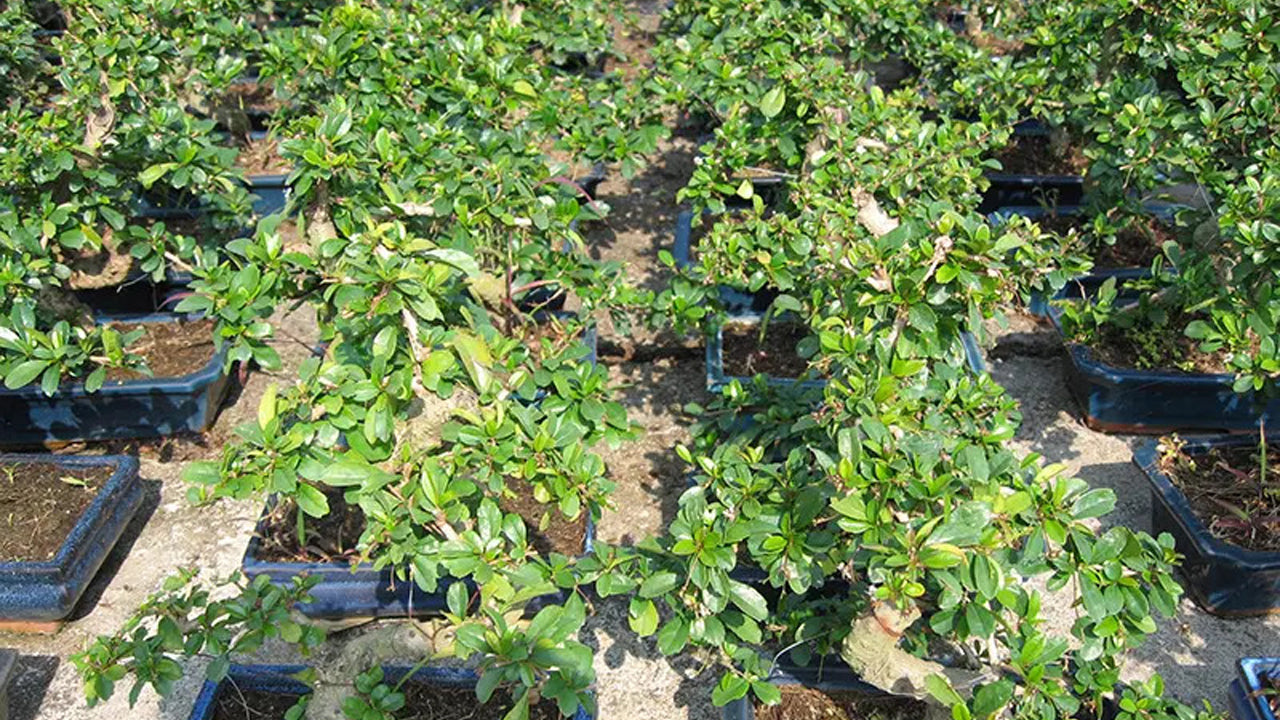
Chá Fukien
Carmona microphylla -
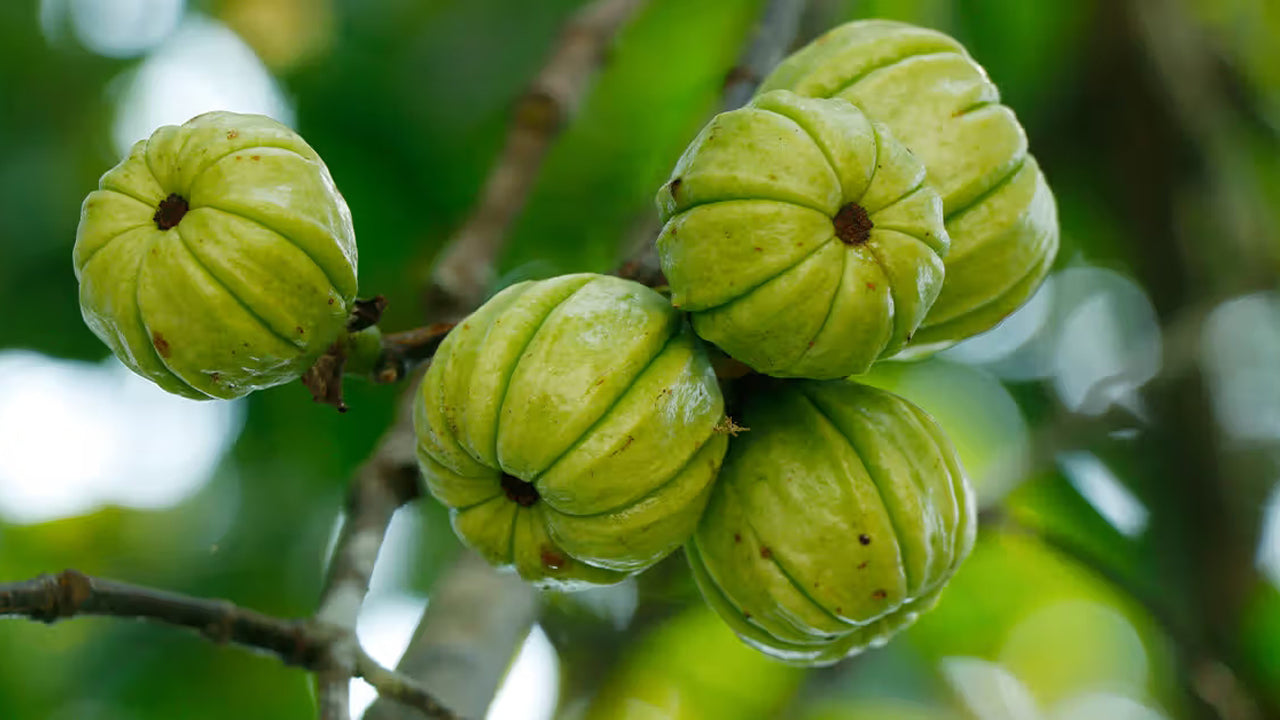
tamarindo de Malabar
Garcinia cambogia -
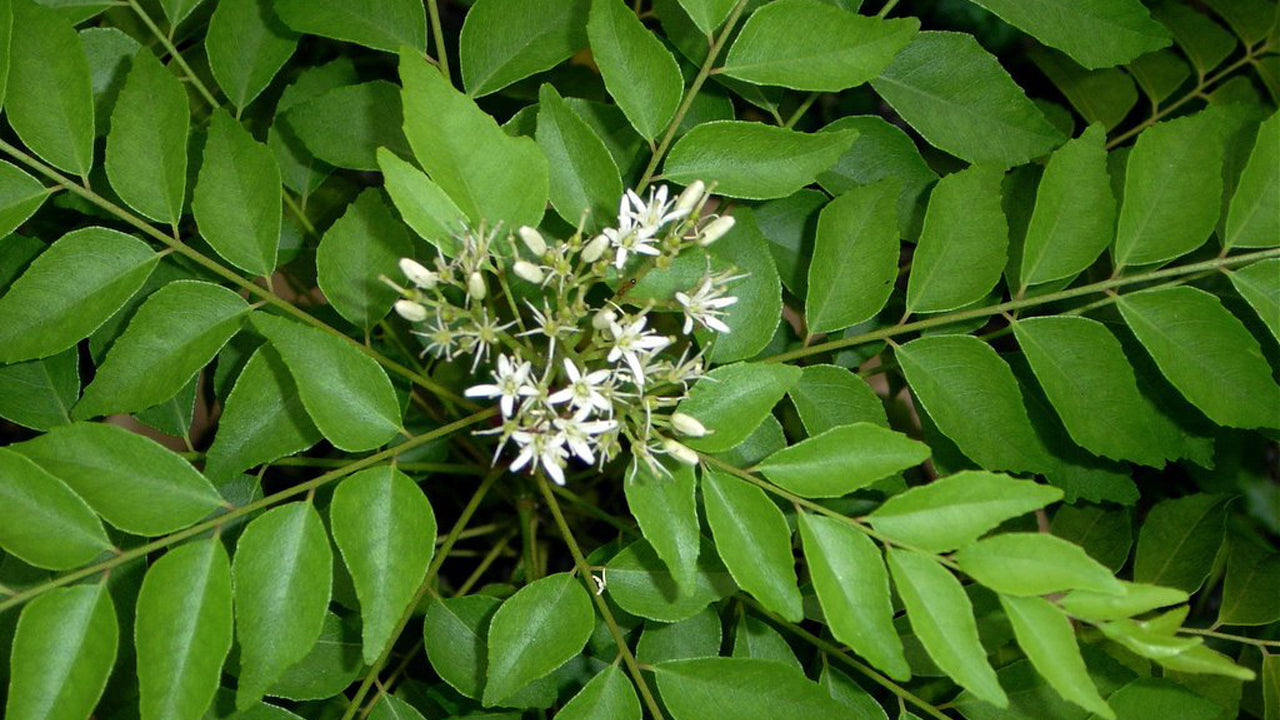
Árvore de folhas de curry
Murraya koenigii -
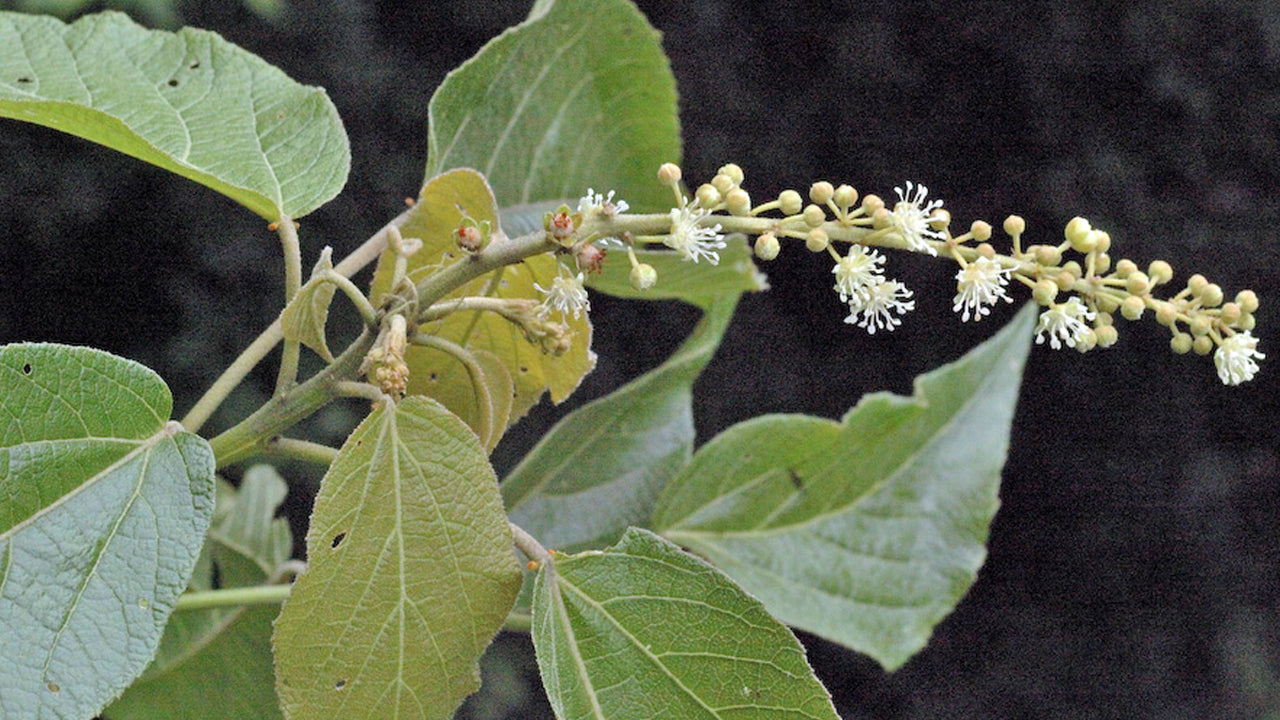
Kappetiya
Croton laccifer -
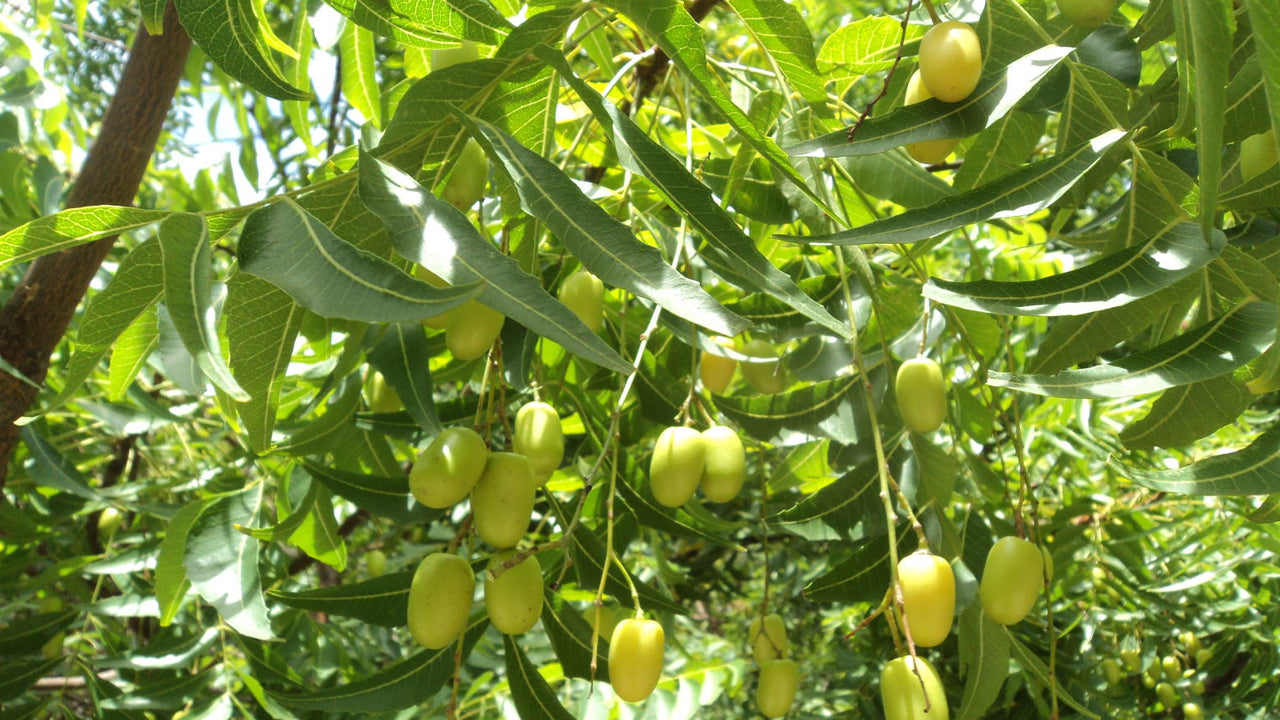
lado picante
Azadirachta indica -
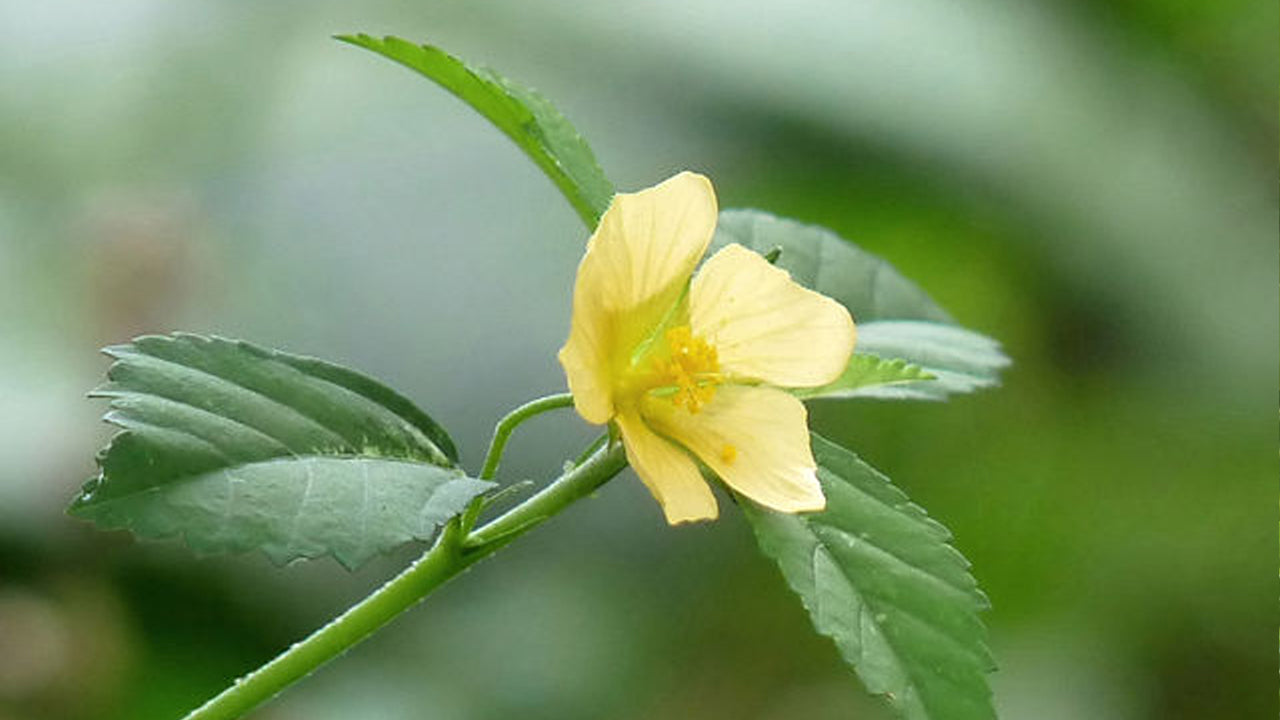
lado espinhoso
Sida alba -
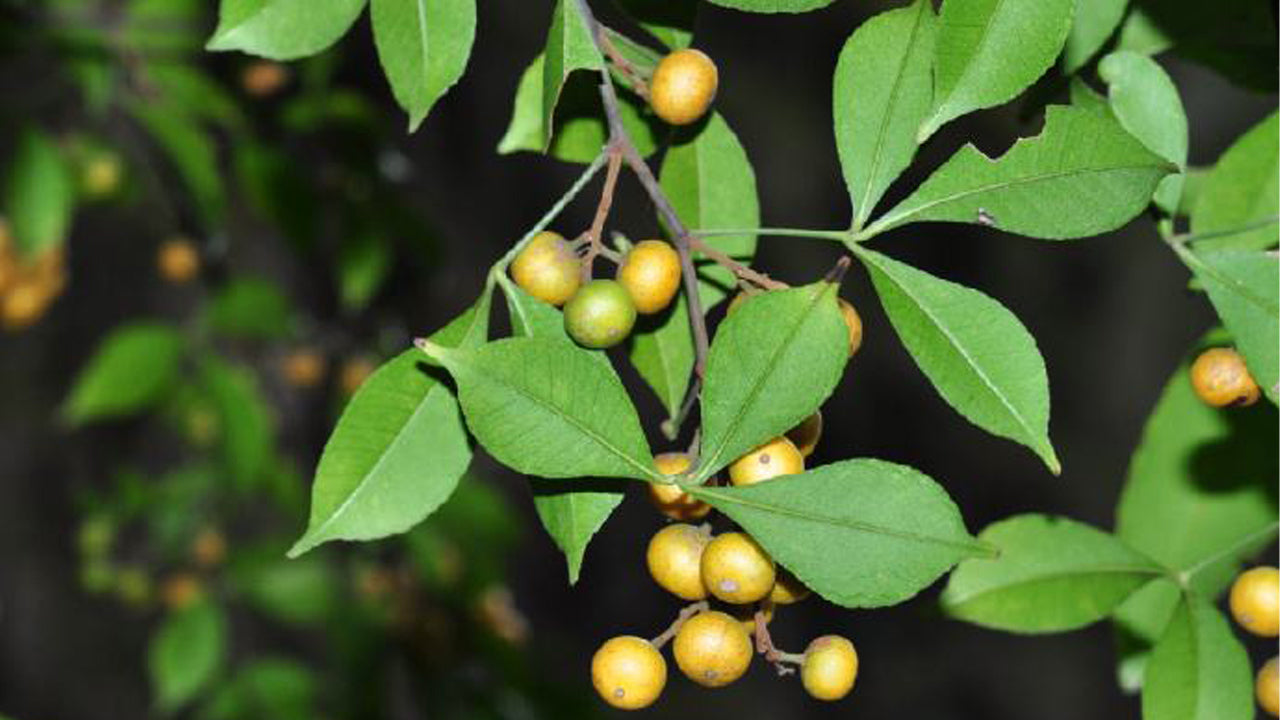
Escalador laranja
Toddlia asiatica -
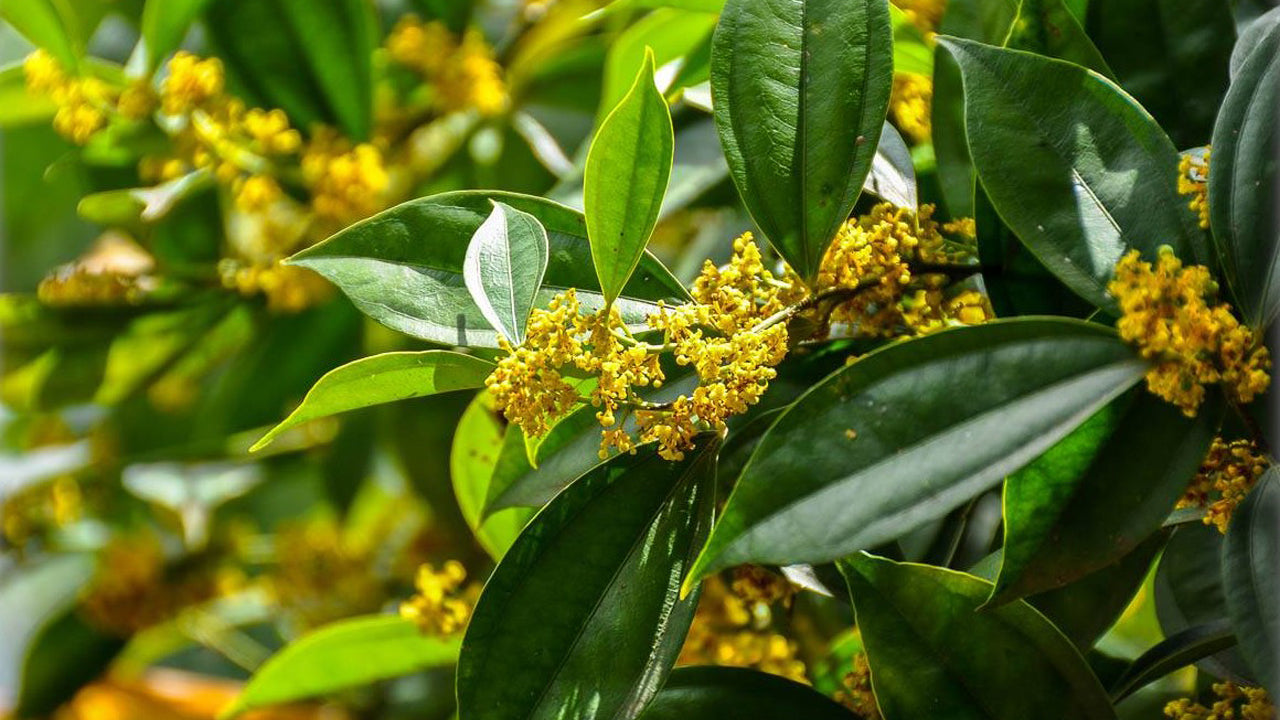
Canela do Ceilão
Cinnamomum zeylanicum -
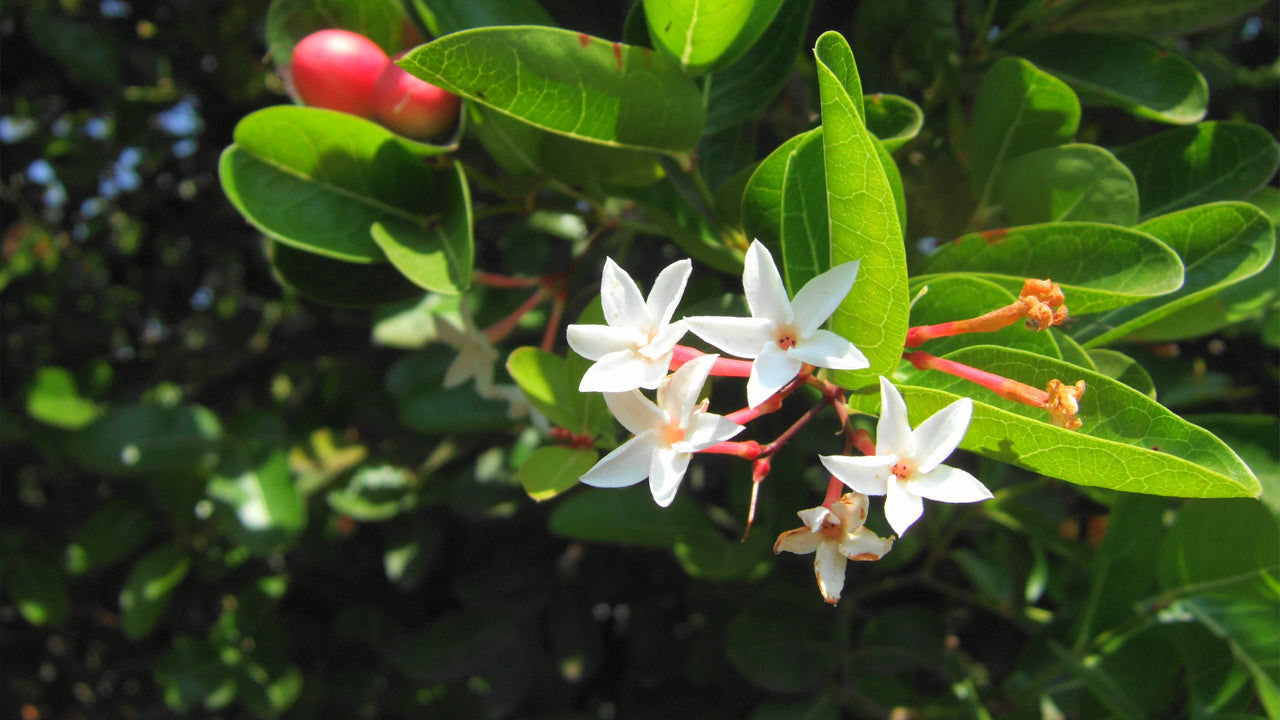
Karonda
Carissa carandas -
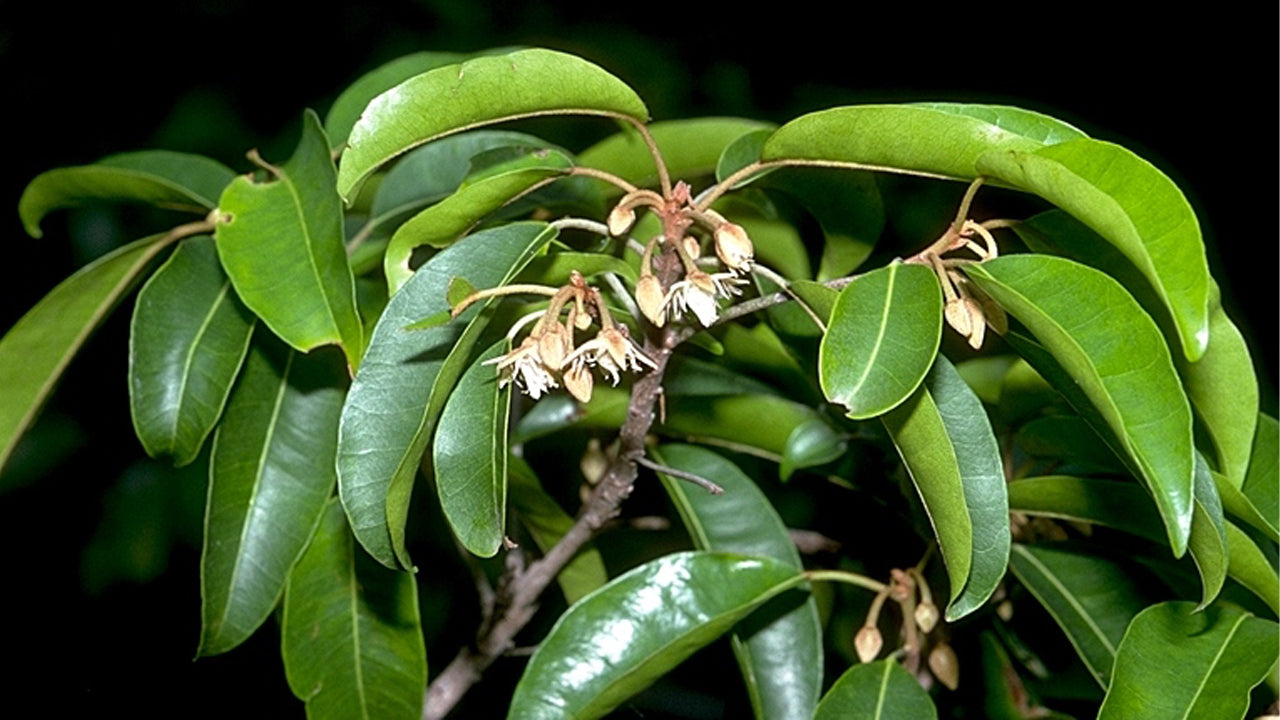
cereja espanhola
Mimusops elengi -
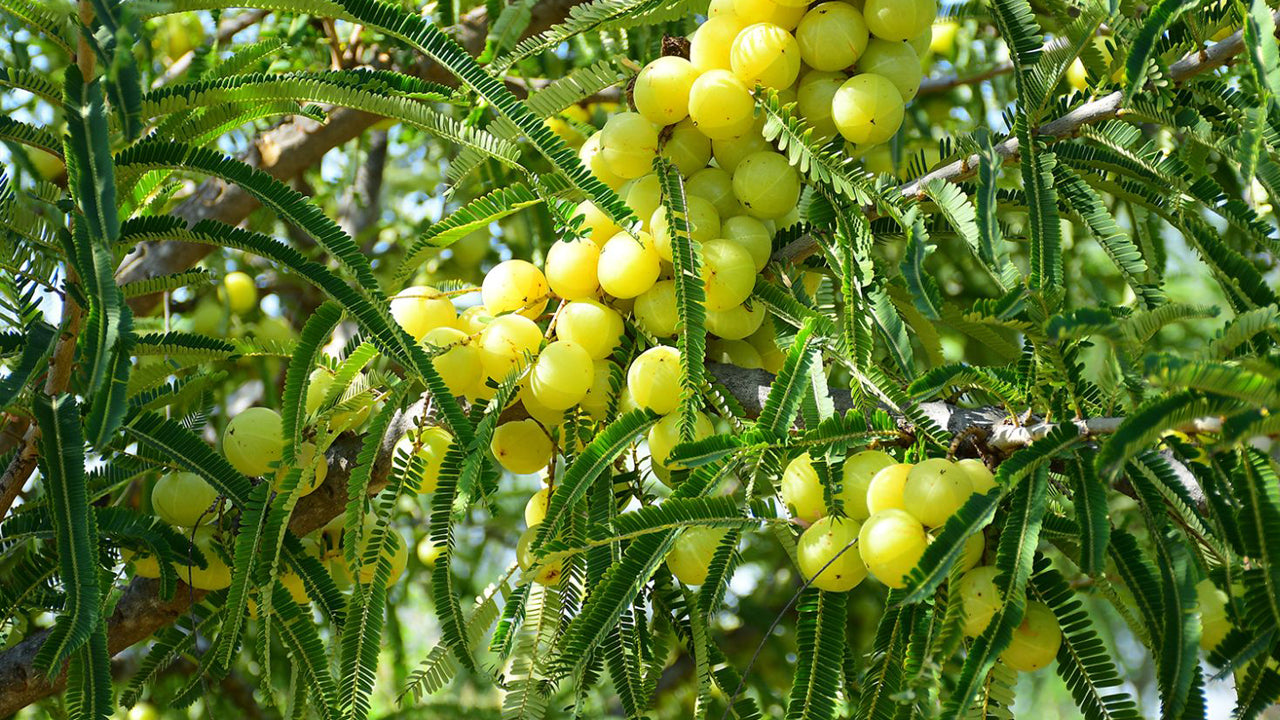
groselha indiana
Phyltanthus emblica -
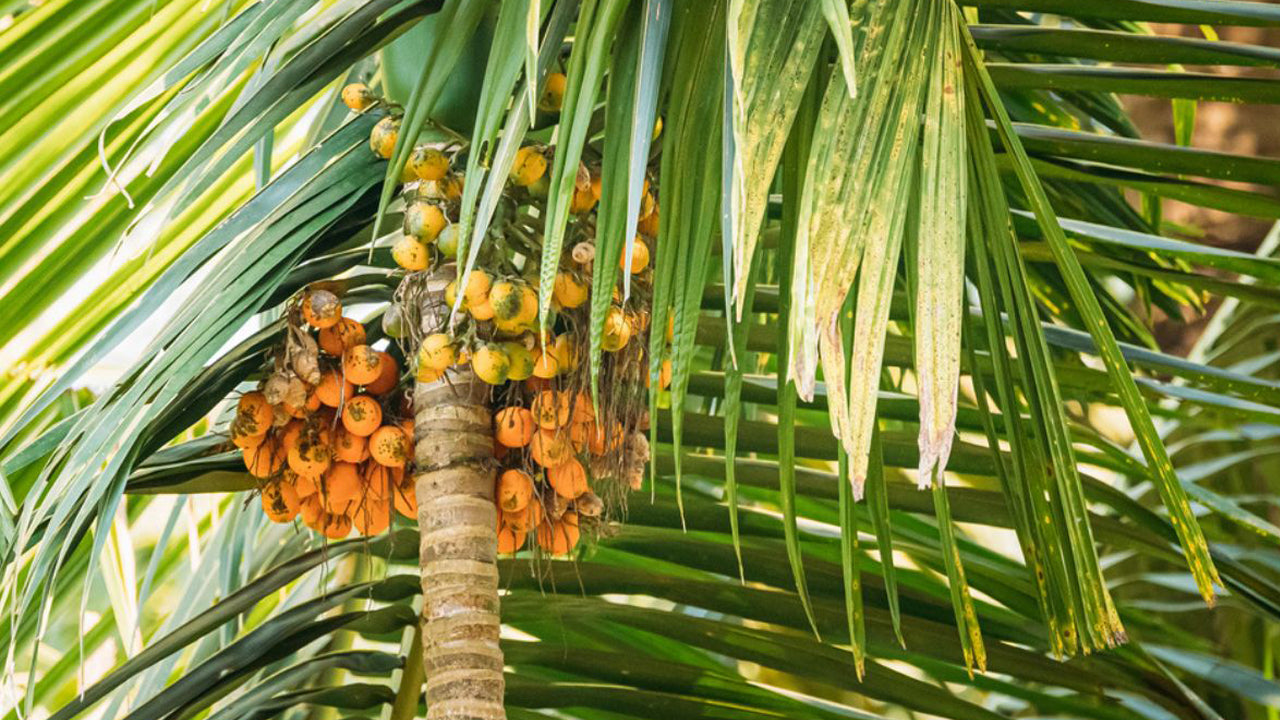
palmeira de betel
Areca catechu -
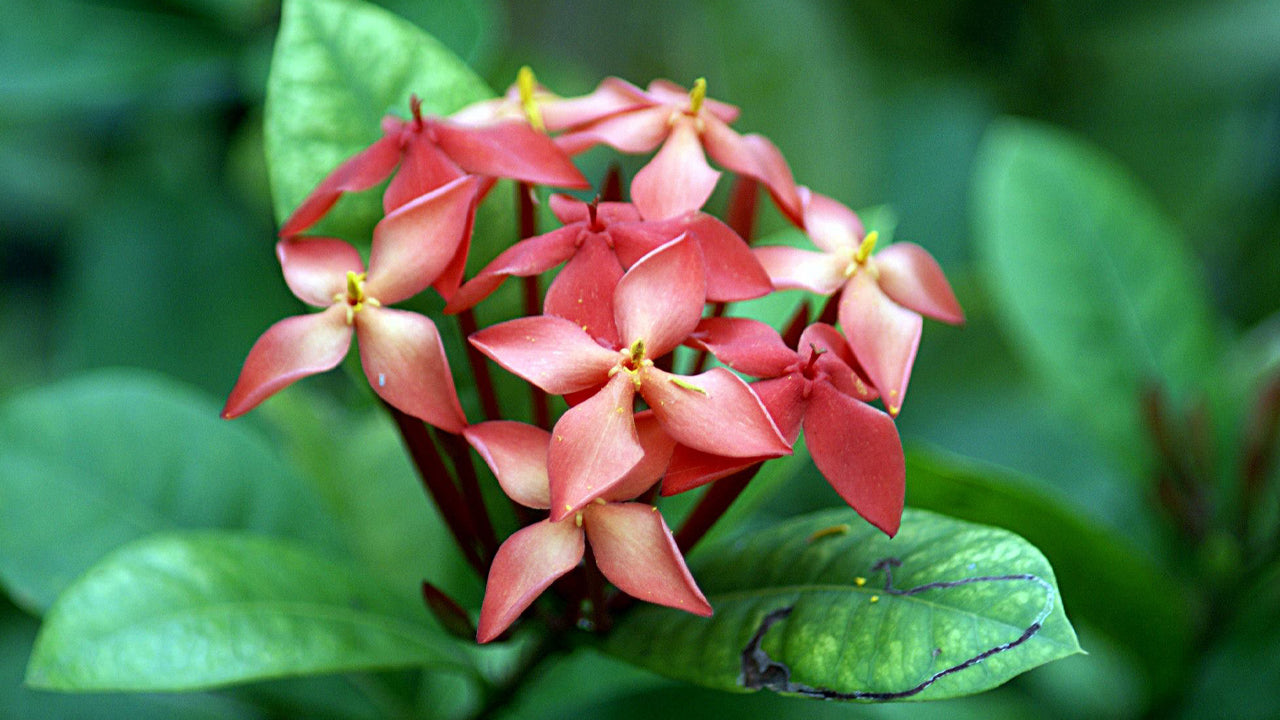
Gerânio da selva
Ixora coccinea -
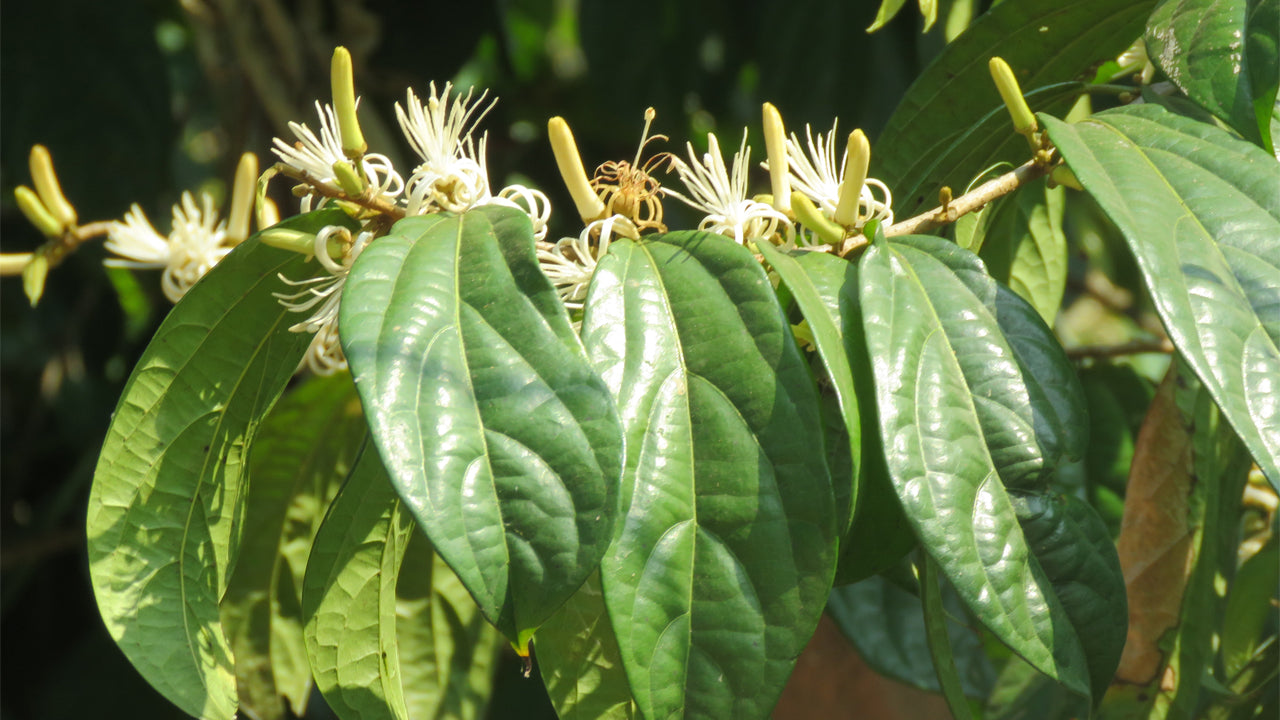
alangium de folhas de sálvia
Alangium salviifolium -
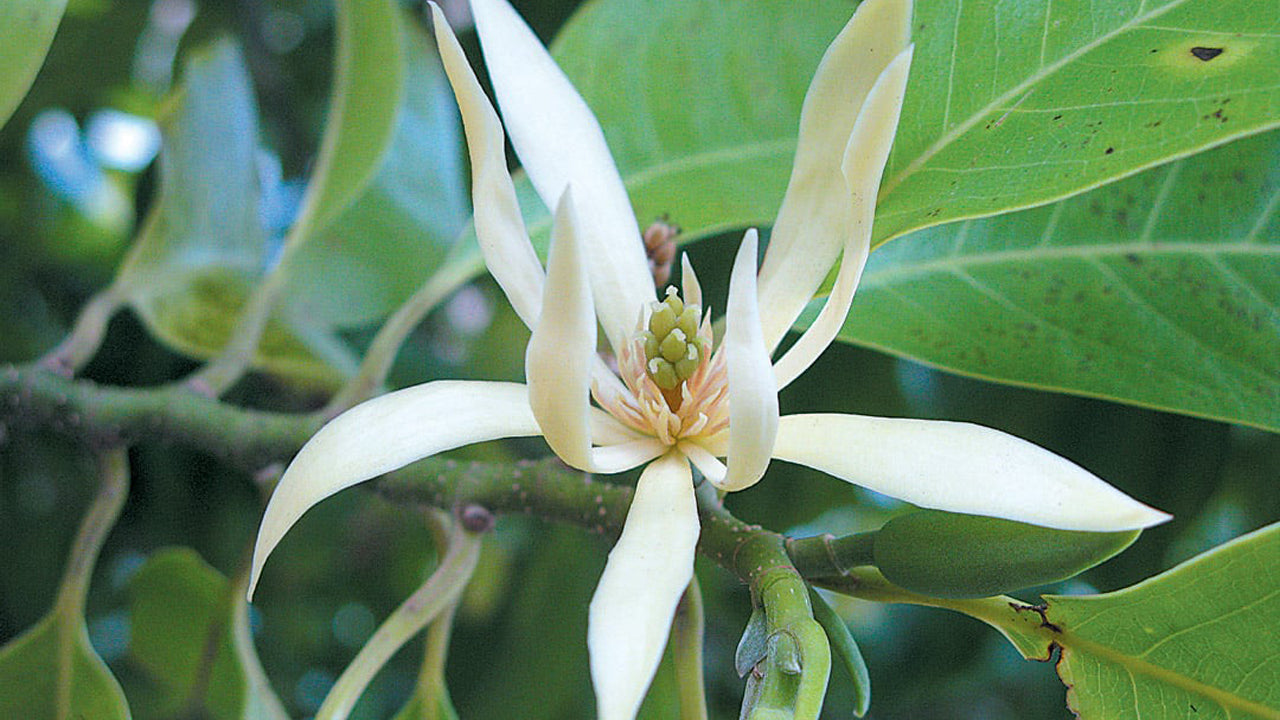
Champak
Michelia champaca -
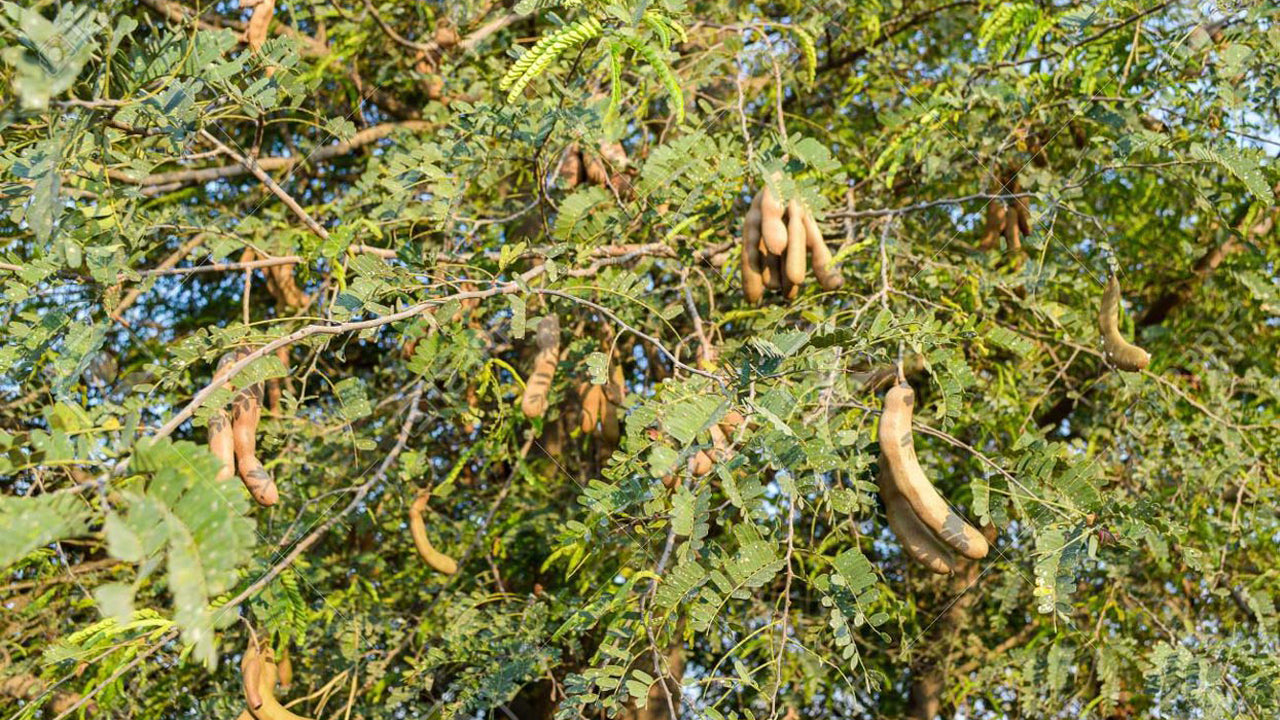
Tamarindo
Tamarindus indica -
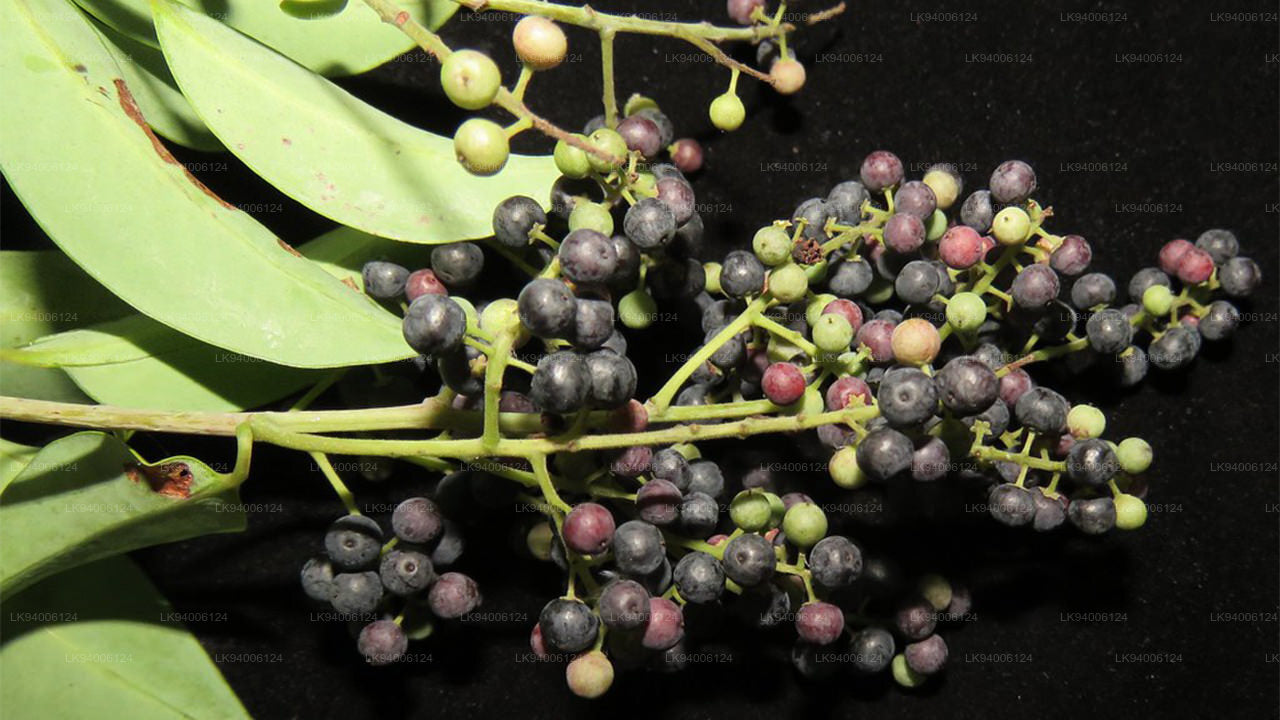
Pimenta-do-reino falsa
Embelia ribes -
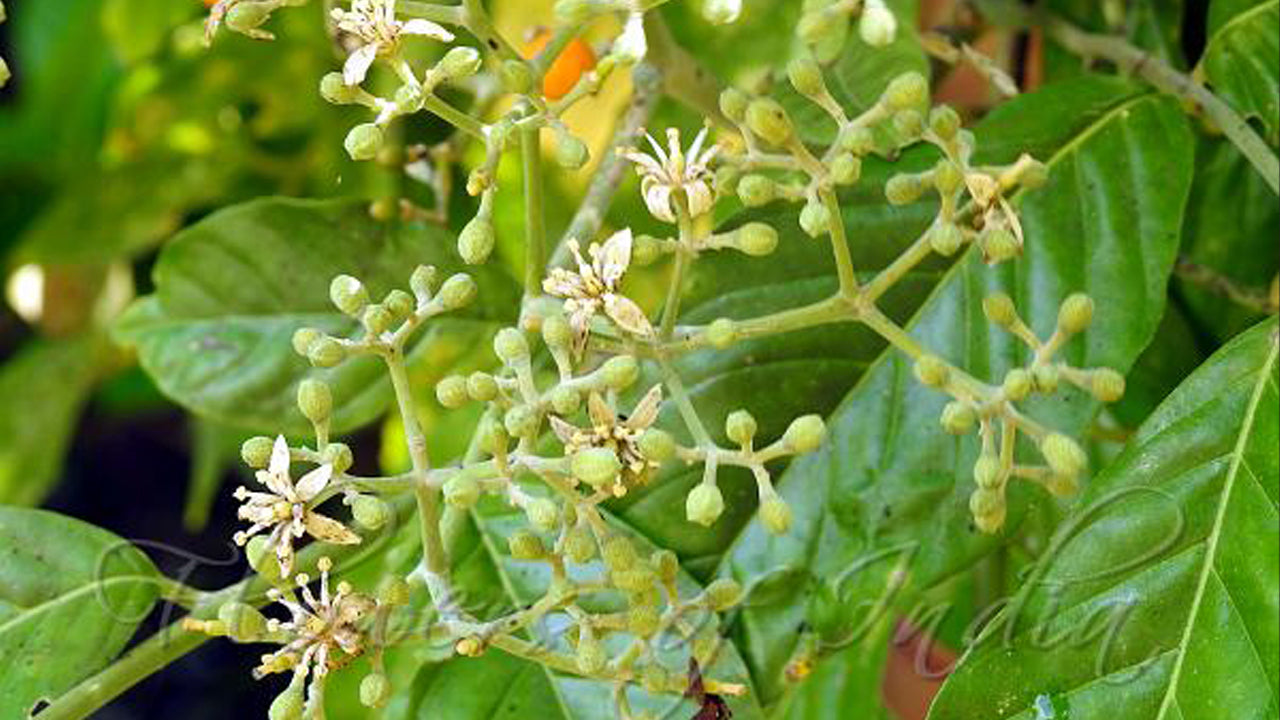
Limaberry
Micromelum ceylanicum -
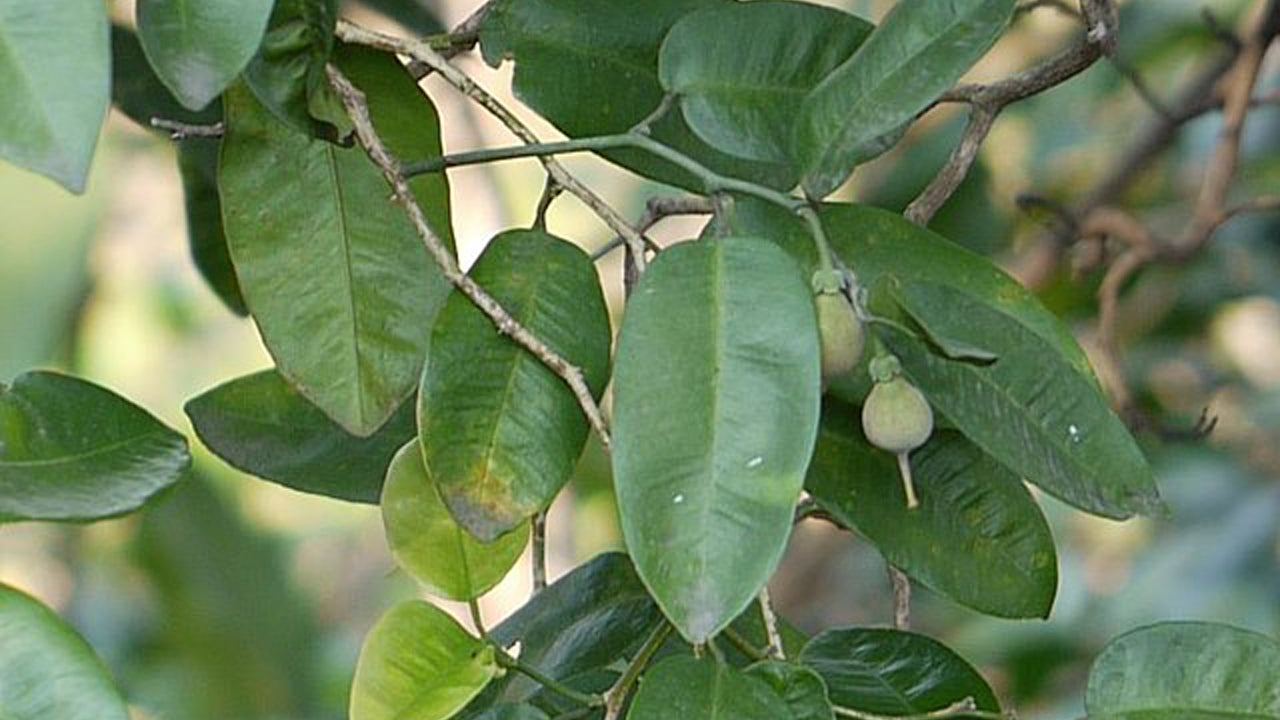
Escalando a Atlântida
Paramignya monophylla





Ayurveda e Fitoterapia
-
 Promoção
Bálsamo Herbal Ayurvédico Siddhalepa
Preço normal De $0.32 USDPreço normal$0.38 USDPreço promocional De $0.32 USDPromoção -
Folhas Desidratadas Inteiras de Graviola Selvagem Lakpura® (Guanabana, Graviola, Guyabano)
Preço normal De $0.78 USDPreço normal$0.92 USDPreço promocional De $0.78 USDPromoção -
 Promoção
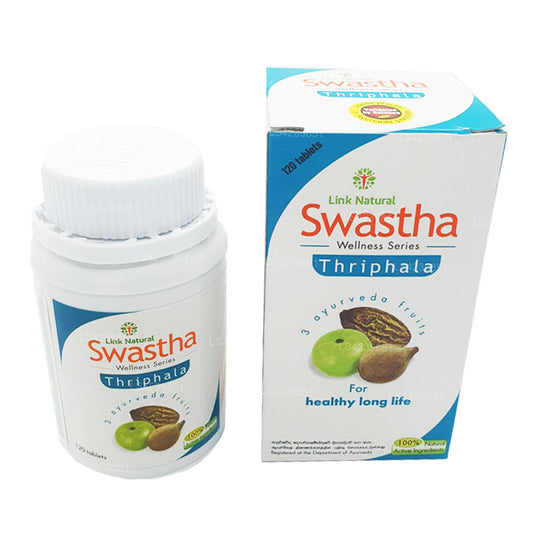
Link Swastha Triphala
Preço normal De $1.90 USDPreço normal$2.25 USDPreço promocional De $1.90 USDPromoção -
 Promoção
Óleo Setsuwa Pranajeeva
Preço normal De $4.11 USDPreço normal$4.88 USDPreço promocional De $4.11 USDPromoção