Bosque tropical de Kanneliya


Kanneliya-Dediyagala-Nakiyadeniya, o KDN, es una reserva forestal en la provincia sur de Sri Lanka. Identificada como una de las áreas más ricas florísticamente de Asia meridional; esta región forestal es el último gran bosque lluvioso restante en Sri Lanka, además del Bosque Lluvioso Sinharaja. El bosque está situado a 35 km al noroeste de la ciudad de Galle; y es una importante área de captación para dos de los ríos más importantes en Sri Lanka, el Gin Ganga y el Nilwala Ganga. Fue designada como reserva de biosfera en 2004 por la UNESCO, la reserva forestal Kanneliya es hogar de muchas especies endémicas de plantas y animales.
Características Geográficas
La reserva forestal KDN está formada por una serie de colinas y valles paralelos; con altitudes que van de 60 m a 425 m sobre el nivel del mar, y se extiende por un área de aproximadamente 5306 hectáreas. Actúa como un área de captación para muchos ríos y arroyos; incluyendo el Gin Ganga y el Nilwala Ganga, que tienen sus fuentes dentro del bosque, y fluyen hacia el oeste y el este del bosque respectivamente. Kanneli (de donde Kanneliya obtiene su nombre), Nanikiththa y Udugama son los arroyos más pequeños que nacen en el Bosque Lluvioso Kanneliya; mientras que Homa Dola y Gal Bandi Dola nacen de Nakiyadeniya y Dediyagala y pasan por el bosque. El bosque recibe una cantidad sustancial de lluvia de 3750 mm; con una temperatura media anual de 27.0°C, que puede variar aproximadamente entre 4°C y 5°C. Muchos grupos taxonómicos antiguos de Gondwana están presentes en estos bosques lluviosos. También están relacionados con las plantas y animales indo-malaicos.
Flora y Fauna
La reserva forestal Kanneliya tiene una gran cantidad de flora y fauna endémica; con un 17 por ciento de las especies florales endémicas de tierras bajas limitadas a esta área forestal, y 41 especies de fauna endémica que viven allí. De las 319 plantas lechosas registradas en la reserva forestal KDN, aproximadamente el 52 por ciento son endémicas. La vegetación es representativa de los bosques lluviosos de tierras bajas de Sri Lanka; con comunidades florales dominadas por plantas Shorea, Dipterocarpus y Mesua, que son comunes en la capa emergente. El bosque también alberga numerosas plantas medicinales y plantas raras dentro del bosque; incluyendo la enredadera amarilla (Concinium fenestratum), Salacia reticulata, la semilla lunar de hoja en forma de corazón (Tinospora cordifolia), el helecho grueso (Lycopodium Squarrosum), y el helecho grueso (Lycopodium phlegmaria). El 27 por ciento de las especies florales dentro del bosque están catalogadas como vulnerables, y el 45 por ciento están en la categoría de plantas raras.
Kanneliya también alberga más de 220 especies conocidas de fauna; incluyendo 86 especies de mamíferos, 36 especies de serpientes, y varias especies de aves y peces. Entre las especies de aves aquí; 26 son endémicas, de las cuales 20 solo se encuentran dentro del complejo forestal KDN. Algunas de estas son la codorniz de Ceilán, el gallinazo de Ceilán, el hornbill gris de Ceilán, el Malkoha de cara roja, el magpie azul de Ceilán, y el coucal de pico verde. El tordo risueño de cabeza ceniza y el estornino de cara blanca también son especies de aves que están en peligro. El 20 por ciento de los peces endémicos de agua dulce de Sri Lanka habitan en las aguas del río Gin y el río Nilwala; mientras que 17 serpientes endémicas están entre la herpetofauna del Bosque Lluvioso Kanneliya. Se registraron un total de 23 especies de lagartijas en la reserva forestal KDN.
Condiciones Socioeconómicas y Conservación
Más de 10,000 personas habitan en 78 aldeas alrededor del Bosque Lluvioso Kanneliya. Se realizan una serie de actividades; como la silvicultura, la recolección de productos no madereros, el cultivo de arroz, té, plantaciones de caucho y canela, ganadería y otras formas de agricultura e industrias artesanales; por parte de estos aldeanos alrededor del bosque como parte de su sustento. Los monasterios de Nugegoda, Rajagala y Dediyagala están ubicados en claros tranquilos dentro del bosque mismo. Cuando las personas se asentaron en la zona, el complejo forestal fue sometido a tala durante varias décadas; hasta que, afortunadamente, se promulgaron leyes en 1988 para detenerlo. Afortunadamente, la diversidad de especies y plantas permaneció mayormente intacta, a pesar de esta destrucción. Actualmente se está planeando un corredor forestal entre la Reserva Forestal Sinharaja y la Reserva Forestal KDN, para facilitar el movimiento de los animales entre los dos bosques.
Atracciones
Los visitantes de Kanneliya deben primero visitar el edificio del Departamento Forestal ubicado dentro de la jungla. El edificio también tiene un dormitorio con literas, donde los visitantes pueden elegir quedarse durante la noche. También ofrecen comidas tradicionales en la cafetería preparadas con productos locales frescos. Así que pasar todo el día mirando las atracciones también es una buena idea.
El Bosque Lluvioso Kanneliya tiene muchos hermosos lugares para ver. Pero las principales entre ellas son cuatro de ellas. La cascada de Anagimale es una cascada blanca extremadamente atractiva que cae sobre varias grandes rocas esparcidas por el lecho del arroyo, y está a solo 2 km de la entrada por un camino ancho. Esto lo hace muy accesible. Los arroyos han perdido la mayor parte de su capacidad de retención de agua debido a la deforestación en los años 70 y 80, por lo que la verdadera belleza de estas cascadas rara vez se ve hoy en día. Sin embargo, la situación está mejorando a medida que el bosque recupera el delicado equilibrio de la naturaleza que una vez fue perturbado. Al caminar 200 metros más por el camino principal desde la cascada de Anagimale, se puede llegar a la enorme planta trepadora. Esta antigua planta trepadora torcida es casi tan alta como una persona y es una de las maravillas de Kanneliya.
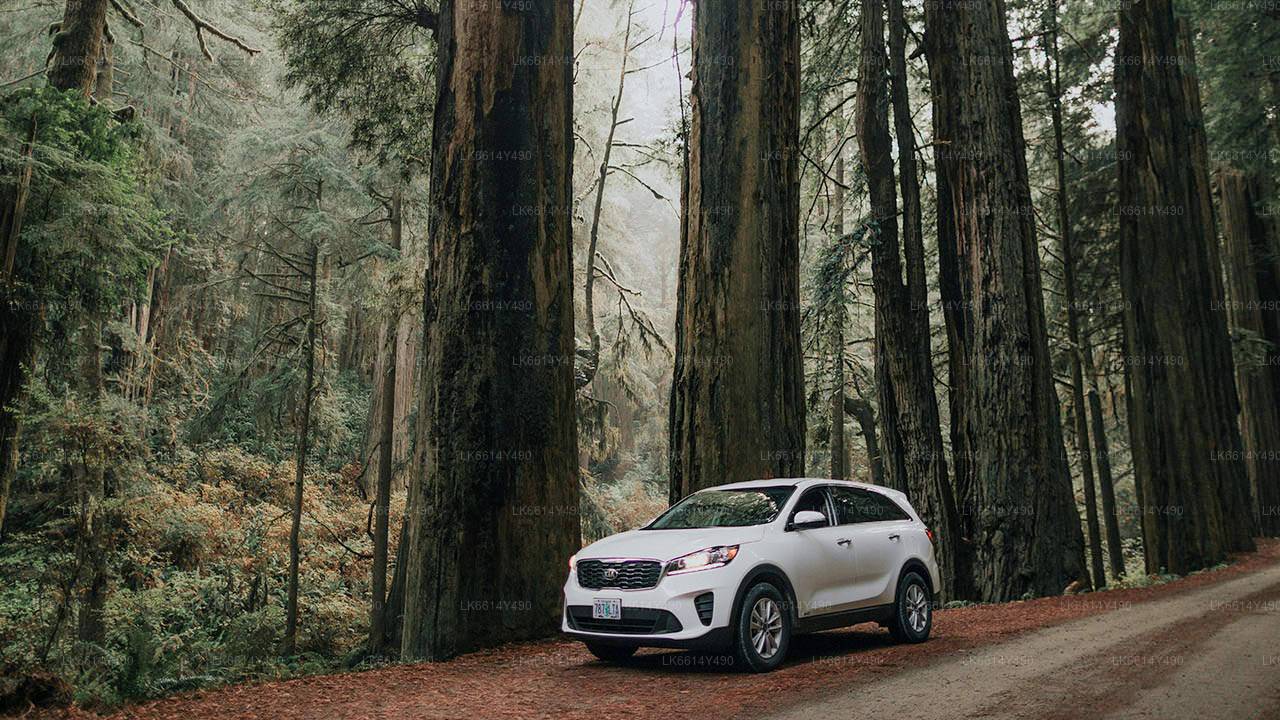
Las otras dos atracciones están más adentro del bosque, alcanzables a través de caminos resbaladizos y puentes colgantes. Una de estas atracciones es el Narangas Ella, una pequeña y encantadora cascada que cae por una pared de roca vertical, golpeando varias plataformas planas antes de continuar. Es una vista muy hermosa. La otra atracción es el árbol gigante de Nevada, que está a un corto desvío por el mismo sendero. Hay una plataforma de observación construida a mitad del tronco para que los visitantes puedan ver las maravillas de Kanneliya desde lo alto.
Kanneliya es una selva tropical desconocida que no debe ser pasada por alto.