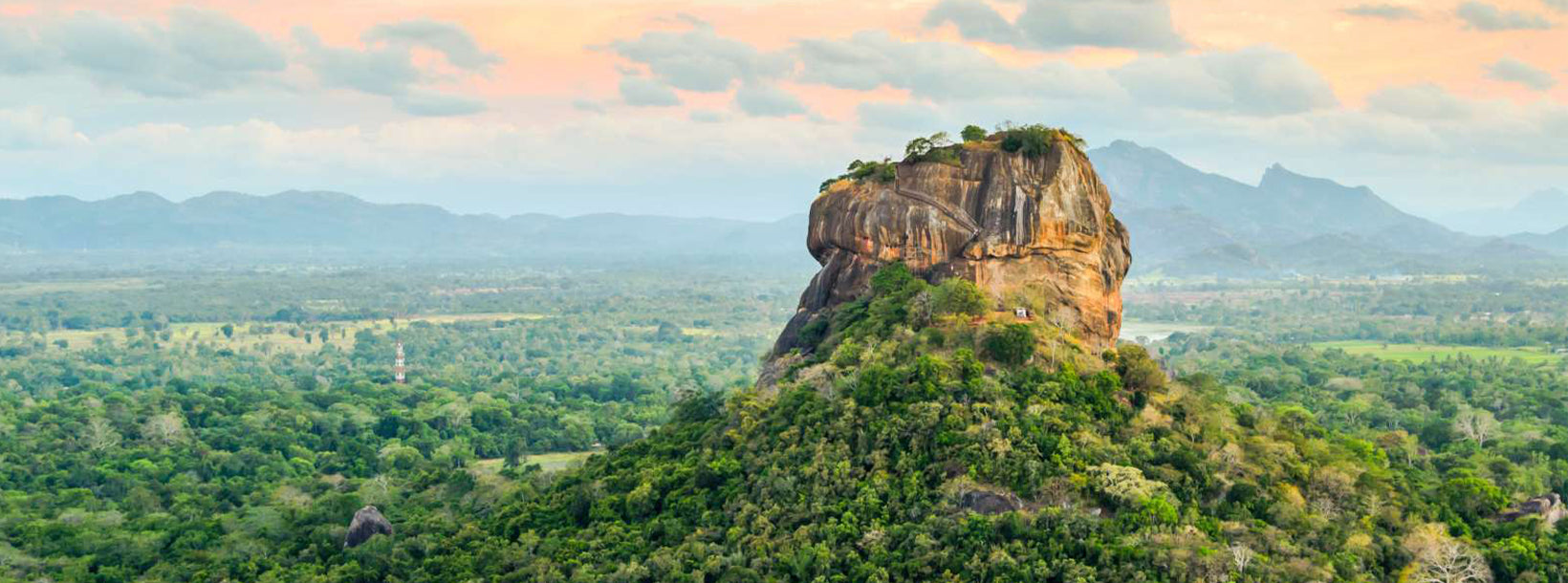
Sigiriya, Patrimônio Mundial da UNESCO no Sri Lanka, é uma antiga fortaleza e palácio rochoso com afrescos deslumbrantes e jardins extensos. Erguendo-se imponentemente sobre as planícies, é um testemunho da rica história e da engenhosidade arquitetônica da ilha. Explore a beleza encantadora e o significado cultural de Sigiriya.
Sigiriya Reservoir, located near the iconic Sigiriya Rock Fortress, plays a significant role in Sri Lanka’s ancient hydraulic system and offers tourists a unique experience of both nature and history. This man-made reservoir was originally constructed during the reign of King Kashyapa in the 5th century and served as an essential part of the advanced water management system that supported the Sigiriya kingdom.
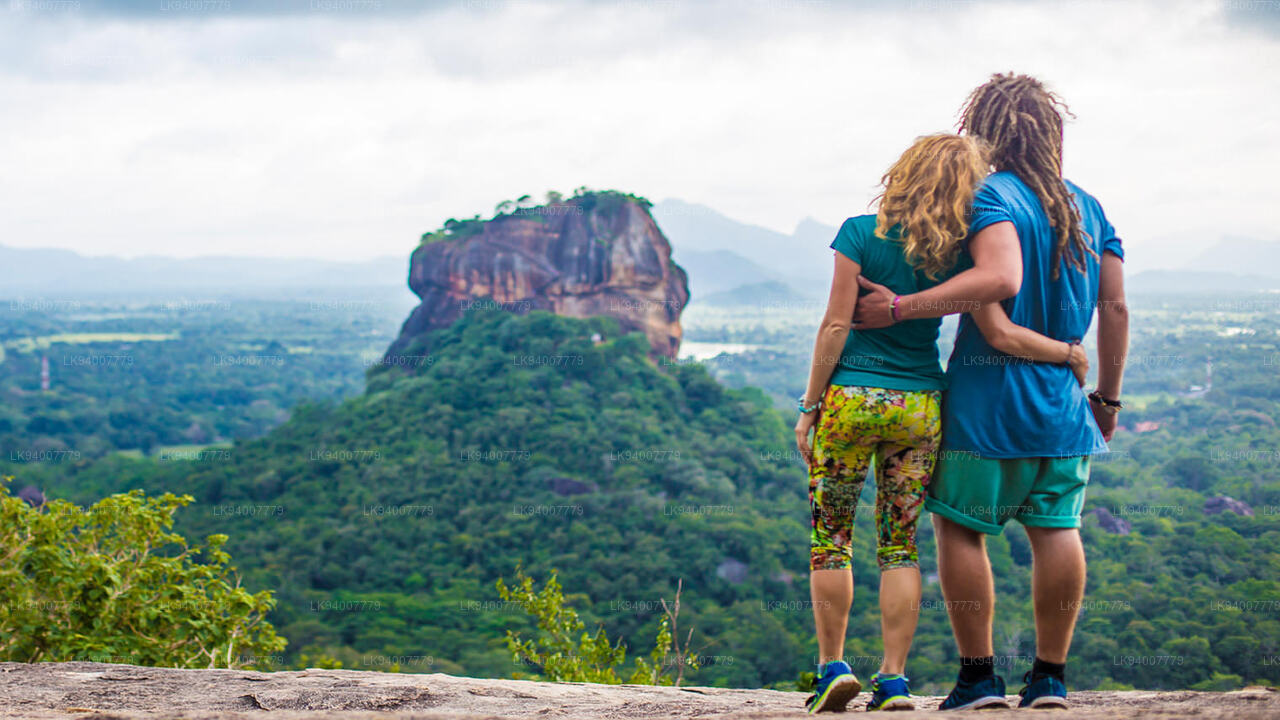
Tourists visiting the Sigiriya Reservoir can experience the serene beauty of the water body surrounded by lush greenery and scenic landscapes. The reservoir is especially beautiful during early morning and late afternoon, making it an ideal spot for photography enthusiasts looking to capture the reflection of Sigiriya Rock on the calm waters. This stunning backdrop creates an almost mirror-like effect, enhancing the natural beauty of the area.
The reservoir also offers boat rides, allowing visitors to appreciate the engineering marvel of this ancient structure while enjoying peaceful moments on the water. The boat ride provides panoramic views of the surrounding forests, distant mountains, and the towering Sigiriya Rock, giving tourists a unique perspective on the area’s historical and ecological importance.
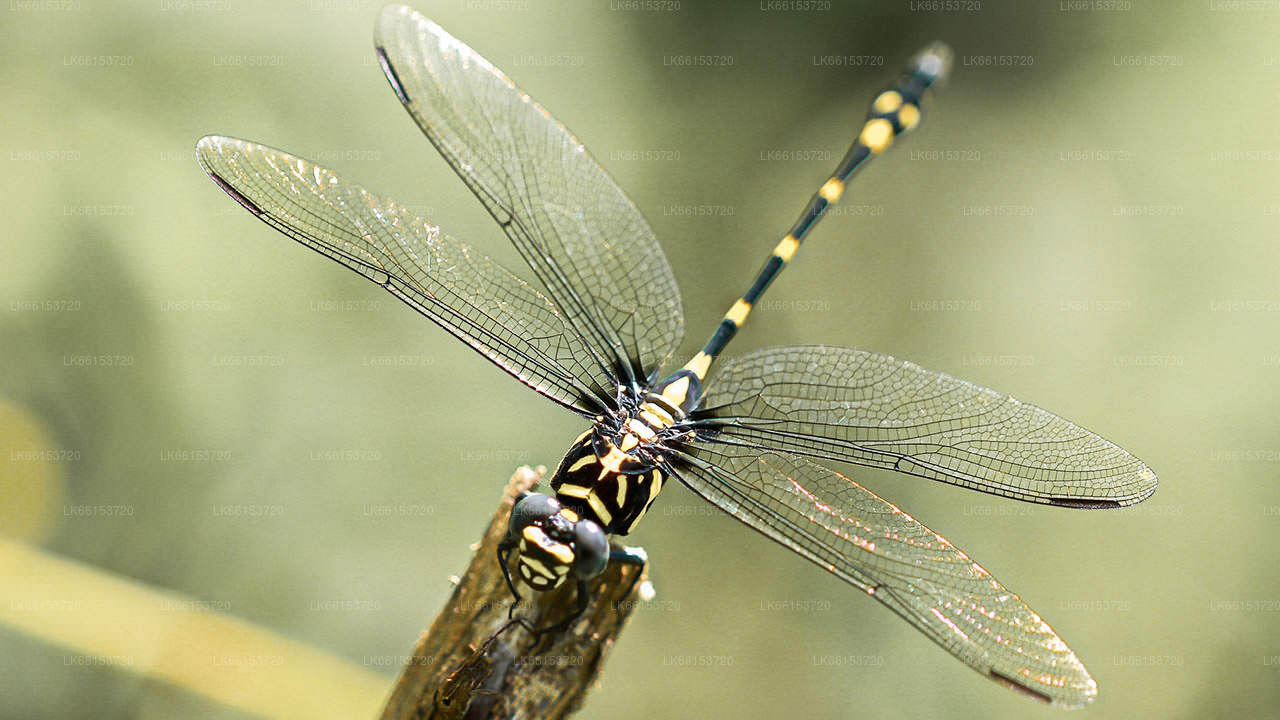
Wildlife enthusiasts will appreciate the variety of bird species that can be observed around the reservoir. The water body attracts various aquatic birds, including herons, kingfishers, and egrets, making it a great location for birdwatching. The reservoir is also home to fish and other aquatic life, contributing to its biodiversity.
Additionally, the area around the reservoir offers opportunities for walking and nature trails, where tourists can explore the natural flora and fauna of the region. The combination of history, nature, and wildlife makes a visit to Sigiriya Reservoir a memorable experience, offering a tranquil escape that complements the grandeur of Sigiriya Rock.
A Província Central do Sri Lanka é constituída principalmente por terrenos montanhosos. A província tem uma área de 5.674 km² e uma população de 2.421.148 habitantes. Algumas das principais cidades incluem Kandy, Gampola (24.730 habitantes), Nuwara Eliya e Bandarawela. A população é uma mistura de cingaleses, tâmeis e mouros. Tanto a capital montanhosa, Kandy, quanto a cidade de Nuwara Eliya estão localizadas na Província Central, assim como Sri Pada. A província produz grande parte do famoso chá do Ceilão, plantado pelos britânicos na década de 1860, após uma doença devastadora ter dizimado todas as plantações de café da província. A Província Central atrai muitos turistas, com cidades montanhosas como Kandy, Gampola, Hatton e Nuwara Eliya. O dente-de-templo ou Dalada maligawa é o principal local sagrado da província de Centrel. O clima é fresco e muitas áreas a cerca de 1.500 metros de altitude costumam ter noites frias. As encostas ocidentais são muito úmidas, com alguns locais recebendo quase 7.000 mm de chuva por ano. As encostas orientais fazem parte da zona meio seca, recebendo chuva apenas das monções do nordeste. As temperaturas variam de 24°C em Kandy a apenas 16°C em Nuwara Eliya, localizada a 1.889 m acima do nível do mar. As montanhas mais altas do Sri Lanka estão localizadas na Província Central. O terreno é predominantemente montanhoso, com vales profundos que o cortam. As duas principais regiões montanhosas são o Maciço Central e a Cordilheira Knuckles, a leste de Kandy.