Cidade de Trincomalee
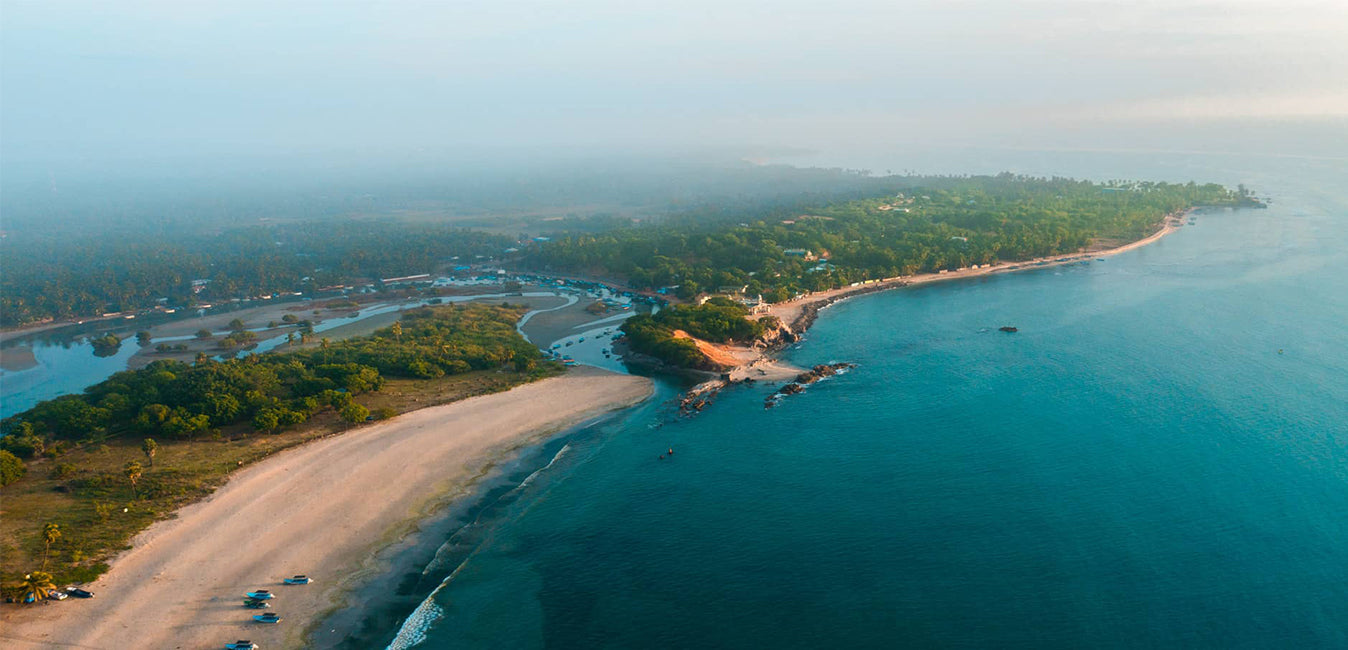
Trincomalee, localizada na costa nordeste do Sri Lanka, possui um porto natural de águas profundas e praias intocadas. Rica em história, abriga pontos turísticos como o antigo Templo de Koneswaram. A diversidade da vida marinha e a cultura vibrante da cidade a tornam um destino fascinante tanto para turistas quanto para historiadores.
Shankari Devi Shakthi Peetam
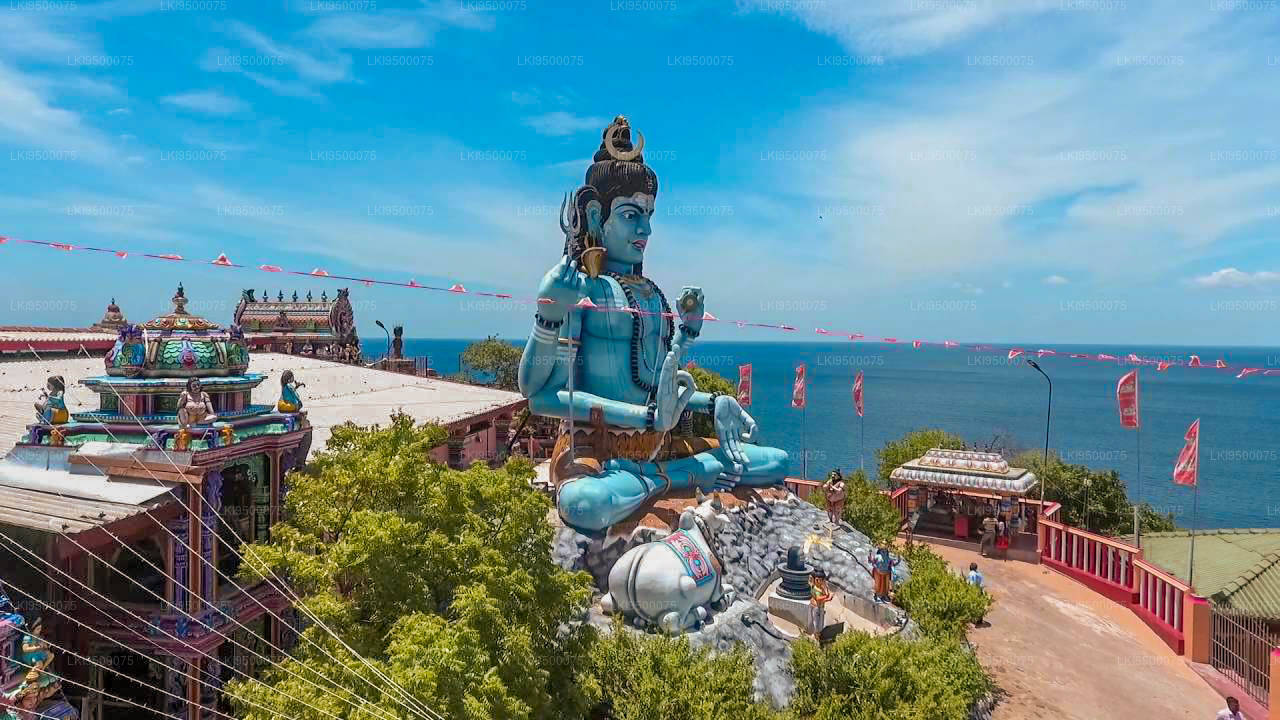
Shankari Devi temple in Tricomalee, Srilanka is a prominent temple for Hindus. But, it is most rarely visited and it is very least popular in all AstavaDasha Shakti peethas. Shanakri Devi Temple is situated in an east coast town of Srilanka, Tricomalee (Tri – Cona – Malai = a triangular hill).
Along with the temple of Shaankari Devi, there is a temple of Lord Shiva – TRIKONESHWARA Temple.
Portuguese people demolished these temples in 17th century.
About TempleKoneswaram temple also Thirukoneswaram is a Hindu temple which is located in the town Trincomalee, Sri Lanka. It is dedicated to main deity in Shaivism namely Lord Siva and is one of the five ancient Sivan templearound the island.
Trincomalee is a natural deep-water harbor that attracted great sea farers like Marco Polo, Ptolemy and sea traders from China and East Asia from the ancient times. The local name Thirukonamalai means "Holy East Hill". Kona is a derivative of the 1st Century Tamil word Kuna meaning East. Trinco as it is commonly called has been a sea port since the days of the ancient Kings and one of the British Empire's most important ports in Asia during the second world war. From 1941-45, Trinco had been the headquarters of Lord Louis Mountbatten Allied Southeast Asia commander. The Koneswaram temple is believed to have been a major religious shrine since before the arrival of Prince Vijaya 2500 years ago. Many inscriptions found in the surrounding area speak of Indian Pallava, Chola and even Pandya kings making contributions to the upkeep of the temple indicating an origin in antiquity. Local legend has it that it was renovated by a Tamil Chola king from South India named Kulakottan. This temple is one of the four important Saivite temple connected to the revival of Hinduism in Sri Lanka. The other three temples are situated in Ketheeswaram, Munneswaram and Galle
There is evidence that indicates at least some of the later Sinhalese Buddhist kings too maintained the temple although Buddhist King Mahasena was reported to have destroyed it and built a Buddhist temple and Dagoba in its place.
This shrine was demolished in 1622 by the Portuguese (who called it the Temple of a Thousand Columns), who fortified the heights with the materials derived from its destruction. Some of the artefacts from the demolished temple were kept in the Lisbon Museum. The stone inscription by Kulakottan has a dual fish emblem and is engraved with a prophesy stating that after 1500s, westerners with different eye colors will rule the country for the ensuing 500 years and at the end of it, the rule will revert back to Vadugus. Trincomalee was next held by the Dutch and subsequently by them and the French alternately, till the capture of Sri Lanka by the British in 1795.
The hill face is rugged and is called 'Ravanan Veddu'. As Trinco is full of seismic and volcanic activity as seen in Kanniya Hot Springs area, this rugged face of rock is a reminder of the movement of Earth's crust in this ar
Sobre o Distrito de Trincomalee
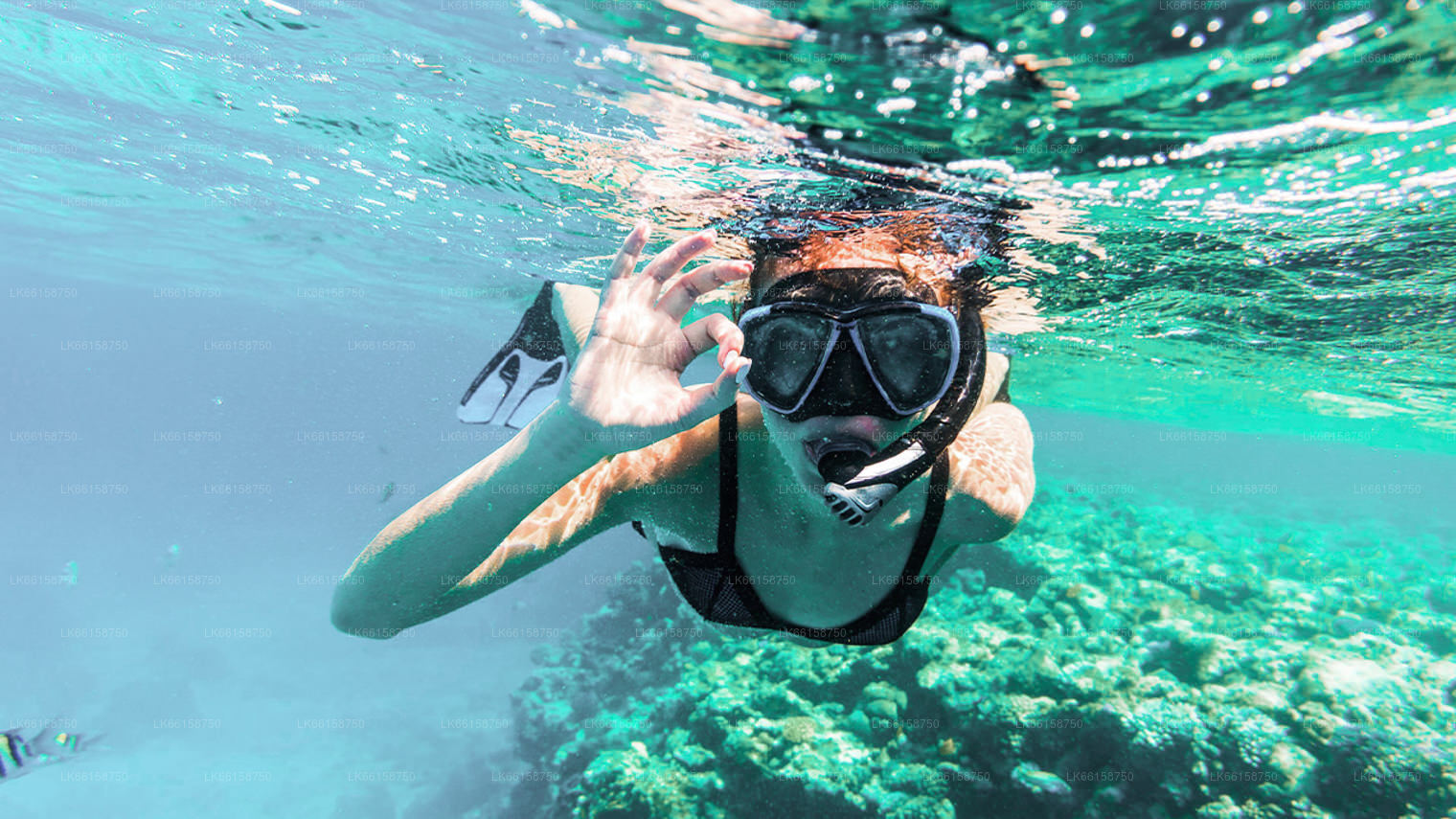
Trincomalee é uma cidade portuária na costa leste do Sri Lanka. O porto da Baía de Trincomalee é conhecido por seu tamanho e segurança; diferentemente de outros portos no Oceano Índico, ele é acessível a todos os tipos de embarcações em qualquer clima. As praias são utilizadas para surfe, mergulho, pesca e observação de baleias. A cidade também abriga o maior forte holandês do Sri Lanka. É sede de importantes bases navais do Sri Lanka e de uma base da Força Aérea do Sri Lanka.
A maioria dos tâmeis e cingaleses acredita que este lugar é sagrado para eles e são os povos indígenas da região. Trincomalee e seus arredores possuem sítios históricos hindus e budistas. Esses locais são sagrados para hindus e budistas.
Sobre a Província Oriental
A Província Oriental é uma das 9 províncias do Sri Lanka. As províncias existem desde o século XIX, mas não possuíam personalidade jurídica até 1987, quando a 13ª Emenda à Constituição de 1978 do Sri Lanka estabeleceu os conselhos provinciais. Entre 1988 e 2006, a província foi temporariamente unida à Província do Norte para formar a Província do Nordeste. A capital da província é Trincomalee. A população da Província Oriental era de 1.460.939 habitantes em 2007. A província é a mais diversa do Sri Lanka, tanto étnica quanto religiosamente.
A Província Oriental possui uma área de 9.996 quilômetros quadrados (3.859,5 milhas quadradas). A província é cercada pela Província do Norte ao norte, pela Baía de Bengala a leste, pela Província do Sul ao sul e pelas províncias de Uva, Central e Centro-Norte a oeste. O litoral da província é dominado por lagoas, sendo as maiores a lagoa de Batticaloa, a lagoa de Kokkilai, a lagoa de Upaar e a lagoa de Ullackalie.